Automakers Spin PR About Old‑School Controls While Regulators Threaten 5‑Star Scores And China Sales
Automakers claim drivers demanded a return to physical controls, but NHTSA data from 2023 tells a harsher story: 3,275 deaths and 324,819 injuries occurred in distraction-related crashes, averaging nine deaths daily. Global rating bodies and standardized distraction metrics are quietly reshaping dashboards, pushing knobs and switches back into cars long before public opinion was consulted. Suppliers, designers, and regulators all responded to scoring rules and measurable safety data, while PR framed it as nostalgia. The real forces behind this interior shift reveal who drives design decisions—and why lives are at stake.
Ratings Redefine Dashboard Design
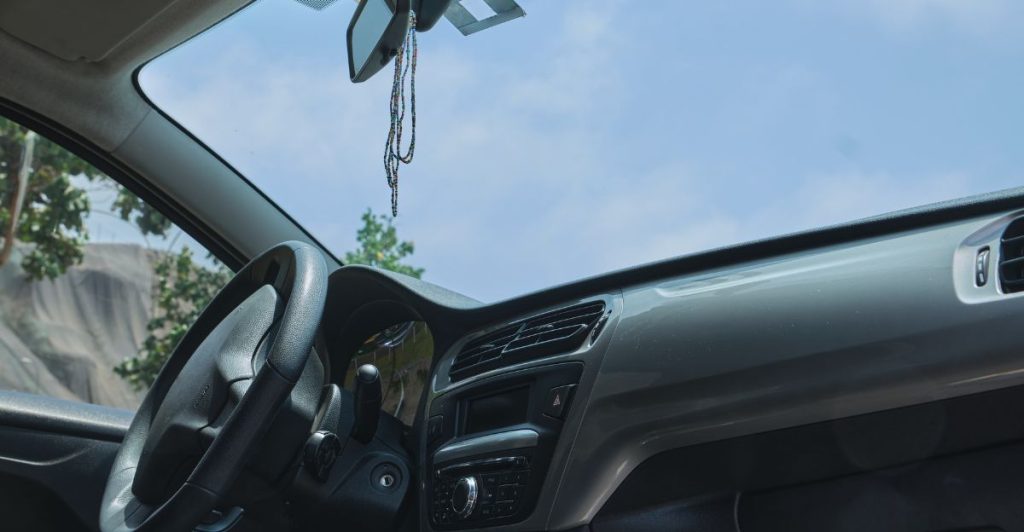
In 2023, Euro NCAP announced that starting in 2026, cars with intuitive physical controls will receive higher ratings. Ratings affect sales and dealer marketing directly. A drop from five to four stars can reduce a model’s sales drastically. When scoring rules change, design teams respond quickly. Automakers do not wait for surveys. Physical controls became a priority to protect future ratings. Timing of the narrative about “customer demand” coincides with these changes. The influence of rating bodies shows that dashboard decisions are shaped more by scoring incentives than public preference, affecting design long before launch.
Touchscreen Distraction Risks
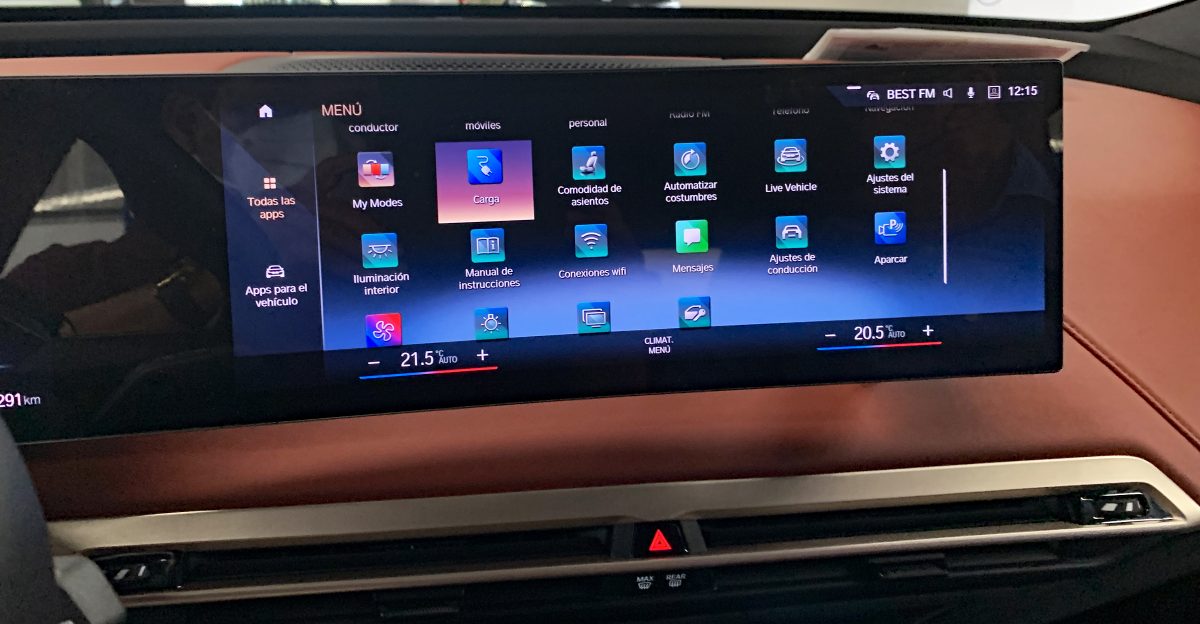
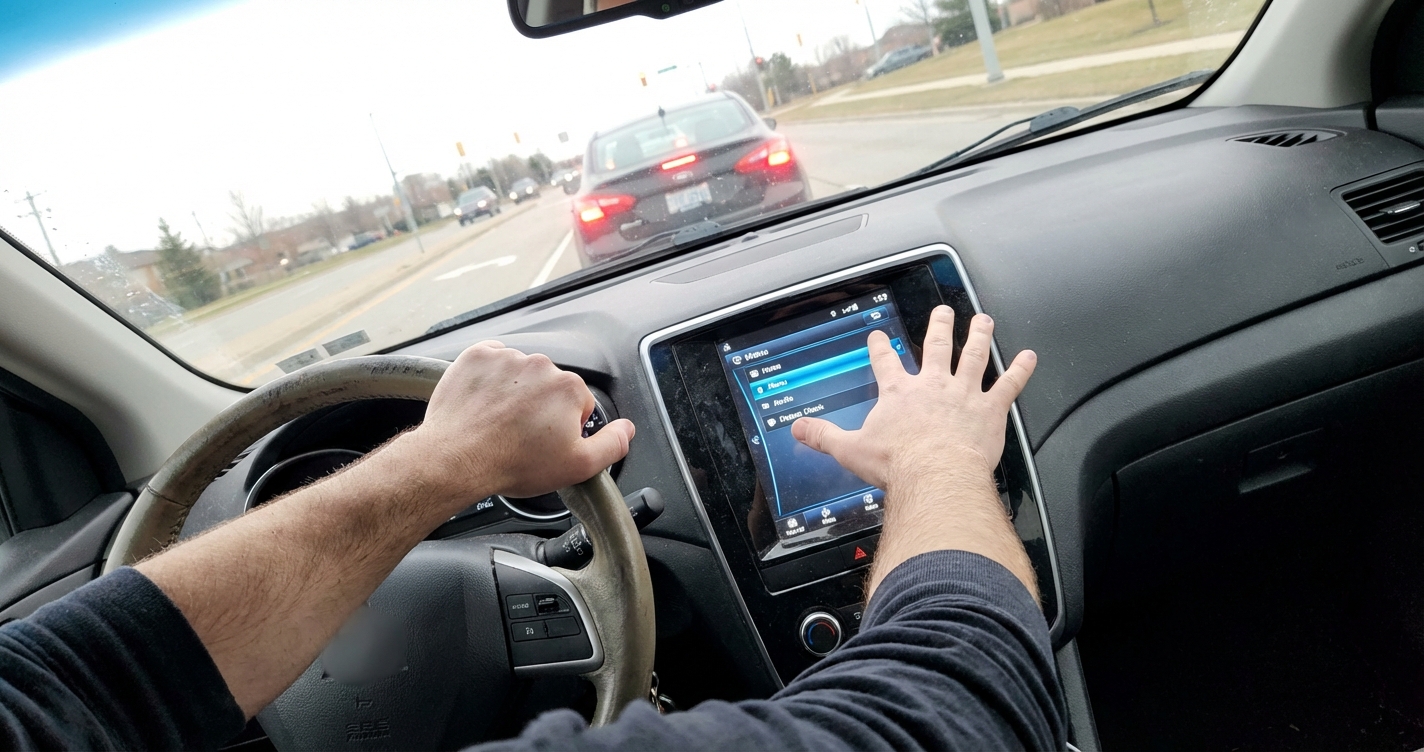
Consumer Reports documented the dangers of touchscreen navigation. Adjusting climate settings, changing music, or using seat controls now requires looking at screens. At highway speed, a two-second glance covers roughly the length of a football field. NHTSA reports indicate approximately 890 injuries per day in 2023 from distraction-affected crashes. Physical controls reduce time eyes are off the road. The shift to knobs and switches is driven by measurable safety outcomes rather than styling preference. The focus now turns to suppliers, who had to adjust production mid-cycle to meet changing regulatory and rating pressures.
Supply Chains Adjust
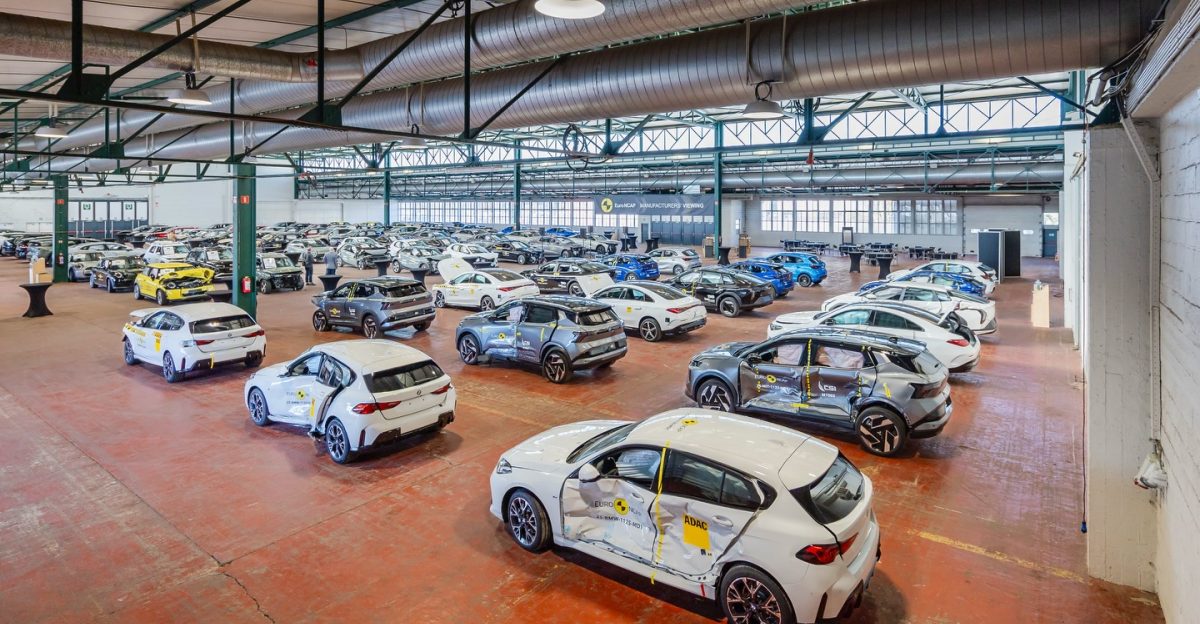
Euro NCAP’s 2026 scoring announcement forced automakers to rethink interior components mid-production. Demand increased for knobs, switches, and haptic feedback devices. Software-heavy HMI platforms faced penalties for touchscreen-only interiors. Redesign cycles increase manufacturing complexity and cost. Brands reliant on full-screen designs must retrofit or accept lower safety scores. The scramble affects suppliers, manufacturers, and production schedules. Changes ripple through every trim level and configuration. The market pressure highlights how ratings drive engineering decisions. The next slide shows how distraction measurement turned an abstract debate into a quantifiable standard affecting dashboards worldwide.
Distraction Becomes Quantifiable

SAE International published J2364, establishing a standardized method for measuring visual demand of in-vehicle tasks. Distraction now has a numeric value. Insurers, regulators, and rating bodies can identify interfaces that take too long to operate safely. Design debates become compliance tests. Metrics provide formal benchmarks for assessing dashboards. Automakers must now design with measurable performance in mind. This standard signals that safety is quantifiable and can guide scoring globally. The combination of ratings and metrics influences interiors before legislation. The next step links measurable distraction to broader design decisions across multiple markets.
How Scoring Drives Interiors
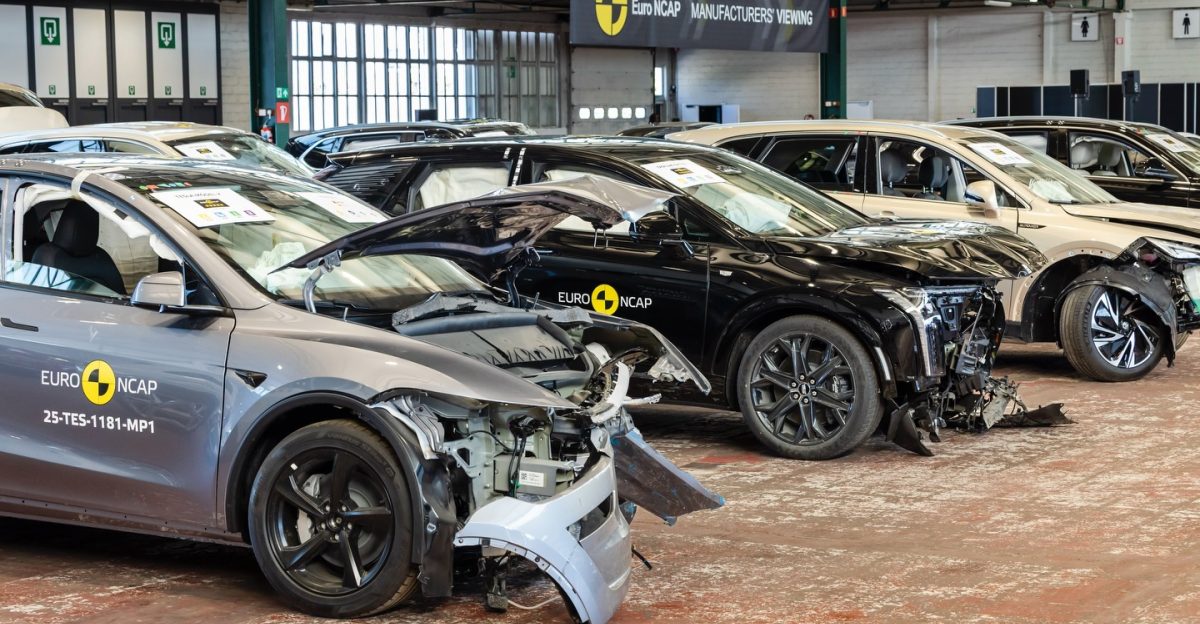
Euro NCAP sets scoring, SAE provides measurement tools, NHTSA reports fatalities, and IIHS confirms crash risk. Together, these forces shape dashboard design without formal legislation. Automakers follow ratings frameworks while PR emphasizes customer choice. Brussels, Stuttgart, Detroit, and local dealerships connect through this invisible structure. Each redesign reflects scoring incentives, not marketing trends. Buttons and knobs return where metrics show higher safety. The cumulative effect demonstrates that global ratings quietly guide production. The following slide examines the human cost behind these numbers and highlights who bears the consequences of design decisions.
Human Cost of Screens

NHTSA reports 3,275 deaths in 2023 from distracted driving crashes. Consumer Reports warns, “Touchscreens can be dangerously distracting.” Victims include passengers, pedestrians, and other drivers who never requested screen-first interiors. Families endure loss, and injuries affect thousands daily. PR campaigns frame the change as customer preference, but victims were not consulted. Human consequences underscore the stakes behind design decisions. Safety is measured in lives, not surveys. Awareness of this cost frames the return of physical controls as a response to documented risk rather than nostalgia. Global ratings amplify the urgency for safer dashboards.
International Pressure Builds

UNECE WP.29, the UN forum for vehicle regulation, creates frameworks where distraction and HMI rules could become binding. Euro NCAP’s 2025-2030 roadmap signals multi-year pressure. Standardized distraction metrics shorten the path to formal regulation. Rating agencies influence interiors directly. Automakers adapt to scoring incentives before legislation exists. The combination of scoring, metrics, and international frameworks changes how dashboards are designed. This systemic pressure applies to all manufacturers selling globally. The next slide identifies which brands benefited from early adoption and which faced penalties for ignoring physical controls.
Brands Winning And Losing
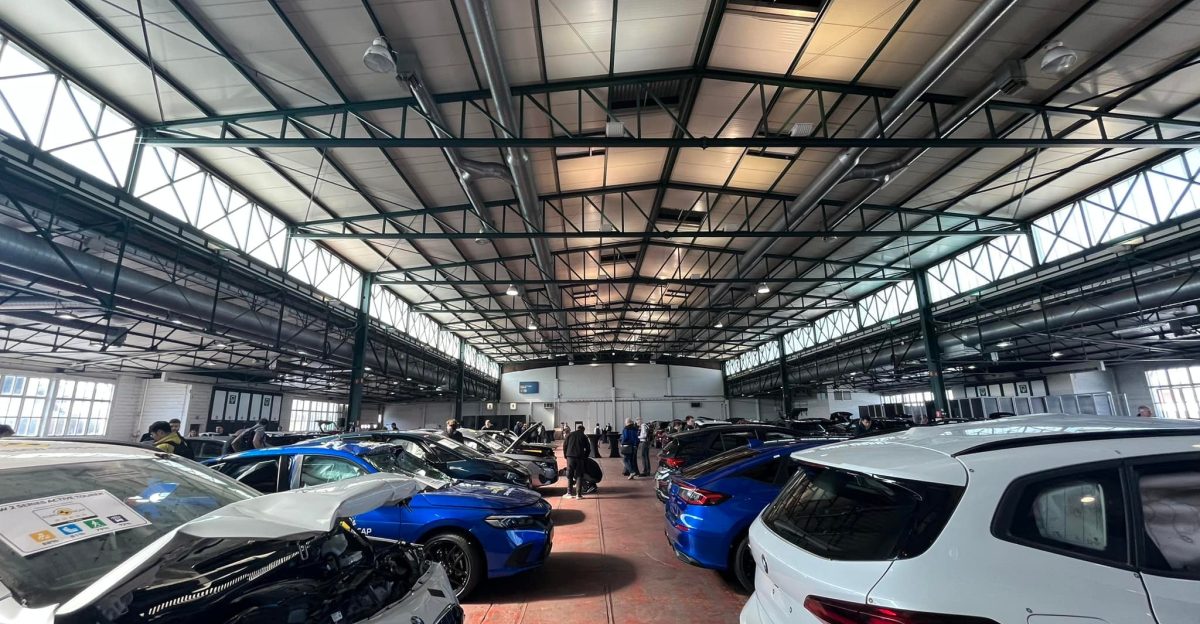
Manufacturers that retained knobs and switches gained scoring advantages entering 2026. Brands that removed physical controls face rating penalties and costly retrofits. The return of buttons aligns with maximizing scores. Suppliers of switches and knobs secured contracts previously at risk. Consumers with touchscreen-heavy cars may experience reduced resale value because designs follow penalized scoring. The market now rewards physical controls more than style. Every design choice carries financial implications for automakers and drivers. The following slide shows how scoring rules continue to shape dashboards, influencing future models beyond immediate sales cycles.
Physical Controls Remain Strategic
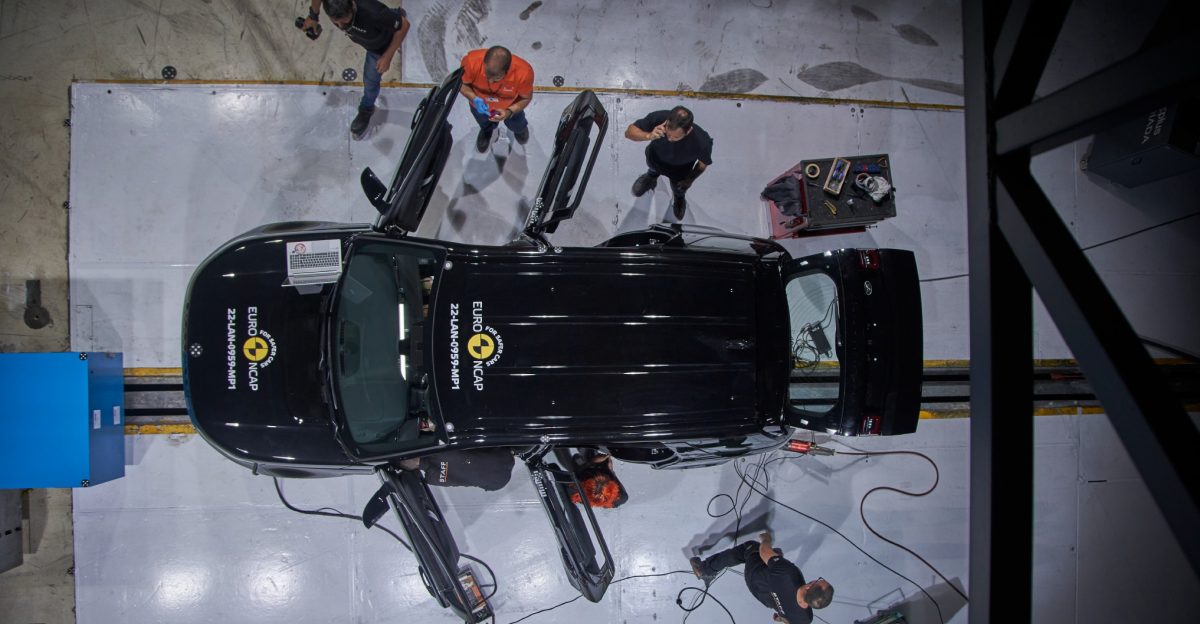
Automakers maintain large screens while adding essential physical controls to satisfy scoring. The change is a structural adjustment. Standardized distraction metrics, global rating bodies, and regulatory attention now determine dashboard design. Statements about “listening to customers” reflect adherence to scoring calendars. Design decisions are increasingly driven by measurable safety performance. Dashboards respond to scoring frameworks more than public opinion. The influence of these standards will continue shaping interiors and design philosophy for years. Future cars reflect international rules and rating priorities, ensuring dashboards meet measurable safety standards long before consumers express preferences.
Sources:
Distracted Driving in 2023 (Research Note). National Highway Traffic Safety Administration, 31 March 2024
Distracted driving dangers and statistics. National Highway Traffic Safety Administration, 2024
New Euro NCAP rules may bring back physical car buttons. TopGear South Africa, 19 March 2025
Euro NCAP: New 2026 protocols target distraction, impairment, and speeding. European Transport Safety Council, 11 January 2026