Automakers Make 12 Iconic Cars ‘Effectively Extinct’ In Largest Discontinuation Wave Since 1970s
The 2026 model year erased more American car nameplates than any single year in recent memory. Twelve vehicles — three muscle legends with V8 hearts and nine more killed for profitability and electrification — are gone. Not recalled. Not redesigned. Gone.
Emission standards that automakers say made V8 production uneconomical, and factory floors cleared for electric vehicles that won’t arrive for years. This is the largest coordinated discontinuation of American automotive nameplates in decades, one press release at a time.
1. Chevrolet Camaro – V8 Production Ends After 2024 Model Year
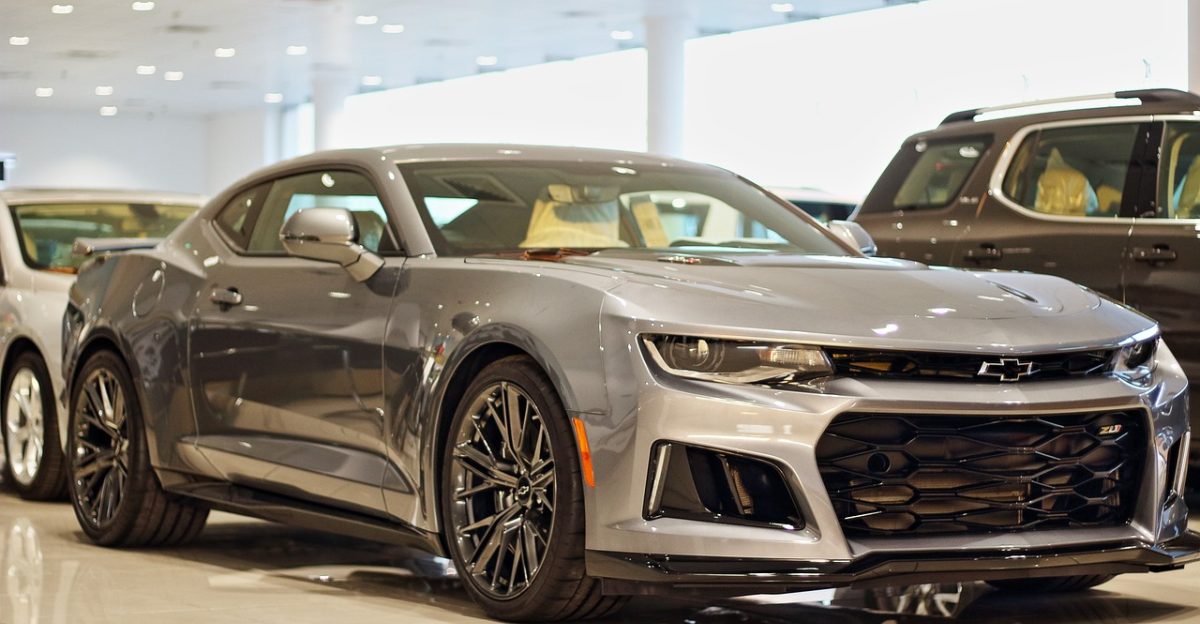
General Motors officially retired the sixth-generation Chevrolet Camaro at the conclusion of the 2024 model year, with the final cars rolling off the Lansing Grand River Assembly Plant line in December 2023, slightly ahead of the original January 2024 schedule. After nine model years, GM confirmed no seventh-generation successor is planned.
The automaker pointed to shifting market dynamics and tightening emissions compliance costs as factors making continued V8 muscle car production difficult to justify economically. One of America’s most recognizable performance cars has been shelved without a direct replacement in sight.
2. Dodge Challenger – 56-Year Nameplate Ends With 2023 Model
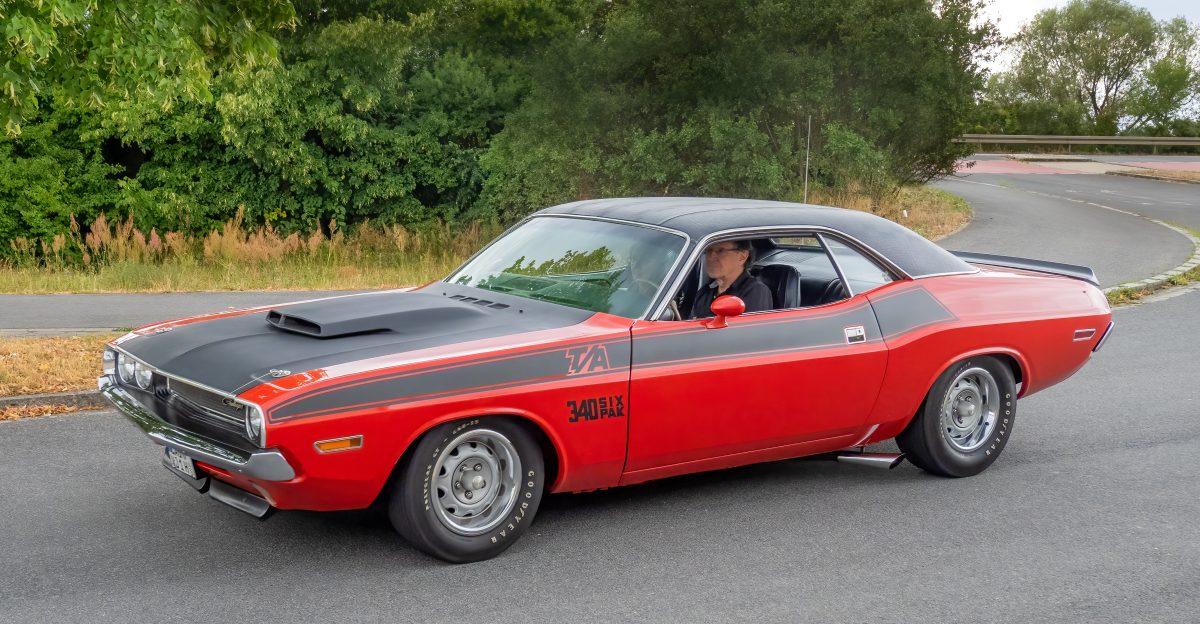
Stellantis formally announced in August 2022 that the Dodge Challenger would end production following the 2023 model year, citing tightening U.S. EPA emissions requirements as a primary reason. The final Challenger, a 2023 SRT Demon 170 in Pitch Black, rolled off the Brampton, Ontario assembly line on December 22, 2023.
The Challenger nameplate first appeared in 1970, and its modern third generation from 2008 to 2023 represented decades of muscle car heritage. The Brampton plant is being retooled to assemble electrified successors as Dodge shifts toward EV and hybrid performance vehicles.
3. Dodge Charger (Classic V8) – 60-Year Nameplate Transitions To Turbo Six
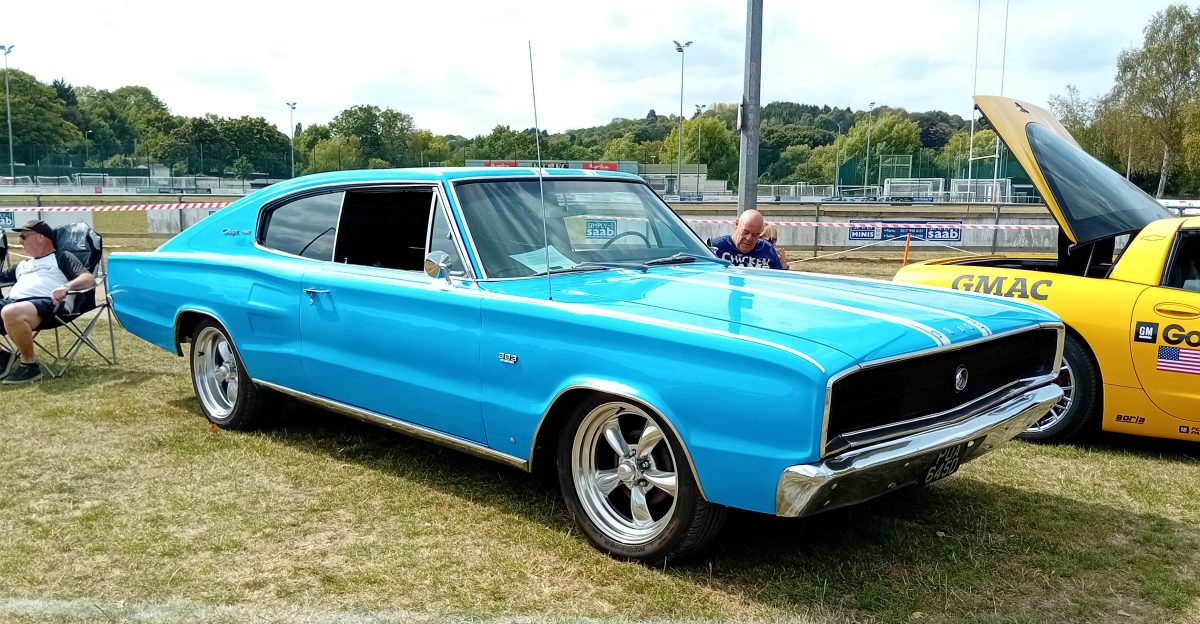
The classic HEMI V8 Dodge Charger that defined multiple generations from 1966 through 2023 concluded production on December 22, 2023. The 2026 Dodge Charger marks a complete platform change, launching with turbocharged 3.0-liter inline-six Hurricane engines rather than the traditional V8. The base Charger R/T produces 420 horsepower, while the Scat Pack variant delivers 550 horsepower from the twin-turbocharged high-output Hurricane engine, starting at $56,990.
While the Charger nameplate survives and the new turbocharged six generates impressive power, the mechanical identity that defined six decades of Charger history, naturally aspirated V8 engines has been replaced entirely.
4. Chevrolet Malibu – Last Chevy Sedan Except Corvette
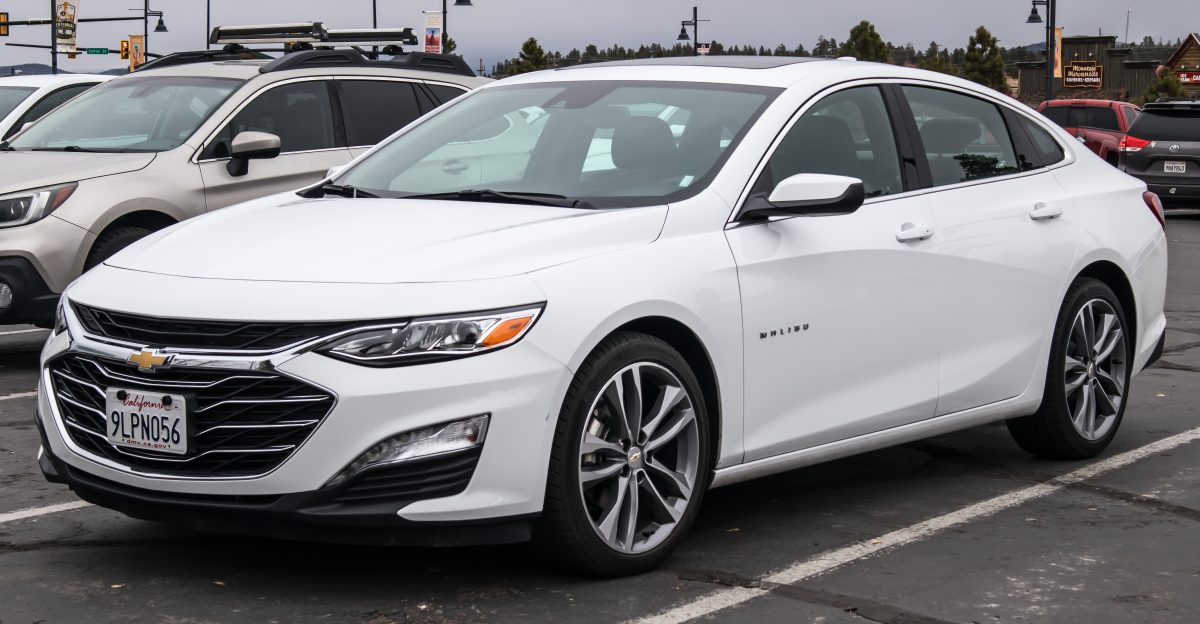
General Motors ended production of the Chevrolet Malibu in November 2024, with the 2025 model year marking its final year in showrooms. The discontinuation eliminates Chevrolet’s last mainstream sedan from the U.S. lineup, leaving only the Corvette sports car as the brand’s remaining passenger car.
GM’s decision reflects the broader industry shift toward higher-margin crossovers and SUVs, as well as the company’s push to retool facilities for electric vehicle production. The American sedan segment continues its steep decline as automakers exit a category that once formed the backbone of their lineups.
5. Subaru Legacy – 36-Year Production Run Ends In 2025
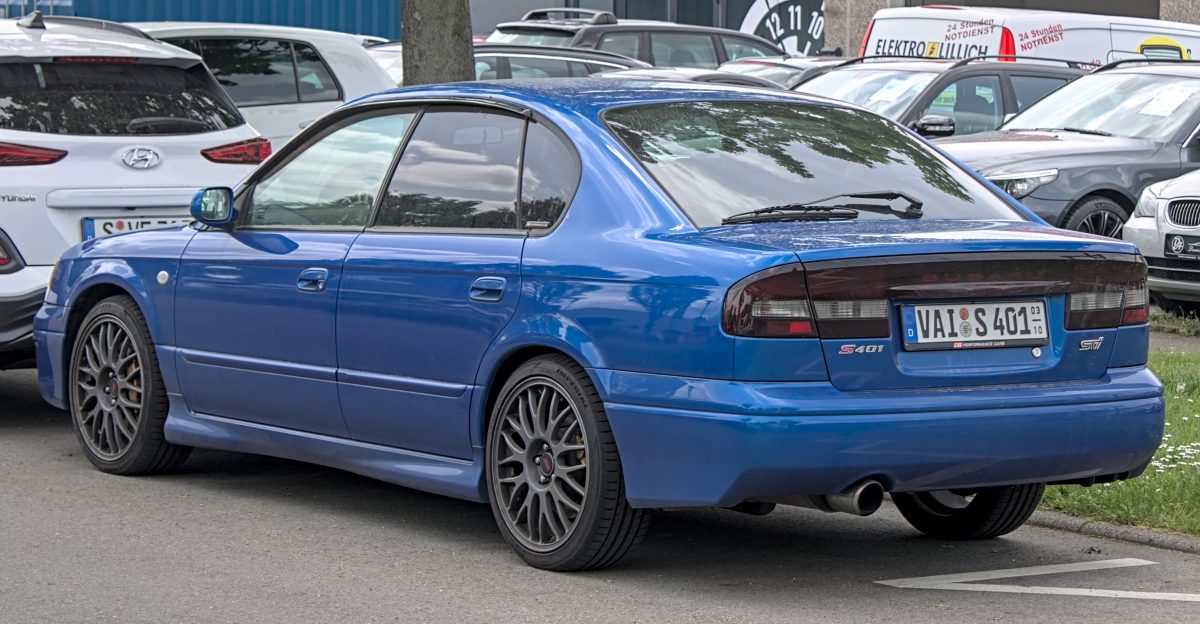
Subaru officially announced that production of the Legacy sedan ended in spring 2025 at the conclusion of the 2025 model year, closing out a 36-year run as the brand’s longest-running model line. Built at Subaru of Indiana Automotive in Lafayette, the Legacy achieved more than 1.3 million sales in the U.S. across six generations.
Subaru cited the market’s overwhelming shift from passenger cars to SUVs and crossovers, as well as the company’s transition toward electrified and fully electric vehicles, as reasons for the discontinuation. The Legacy represented one of the last affordable all-wheel-drive sedans for buyers who prioritized all-weather capability without stepping up to a crossover.
6. Kia Soul – Quirky Budget Leader Discontinued After 2025
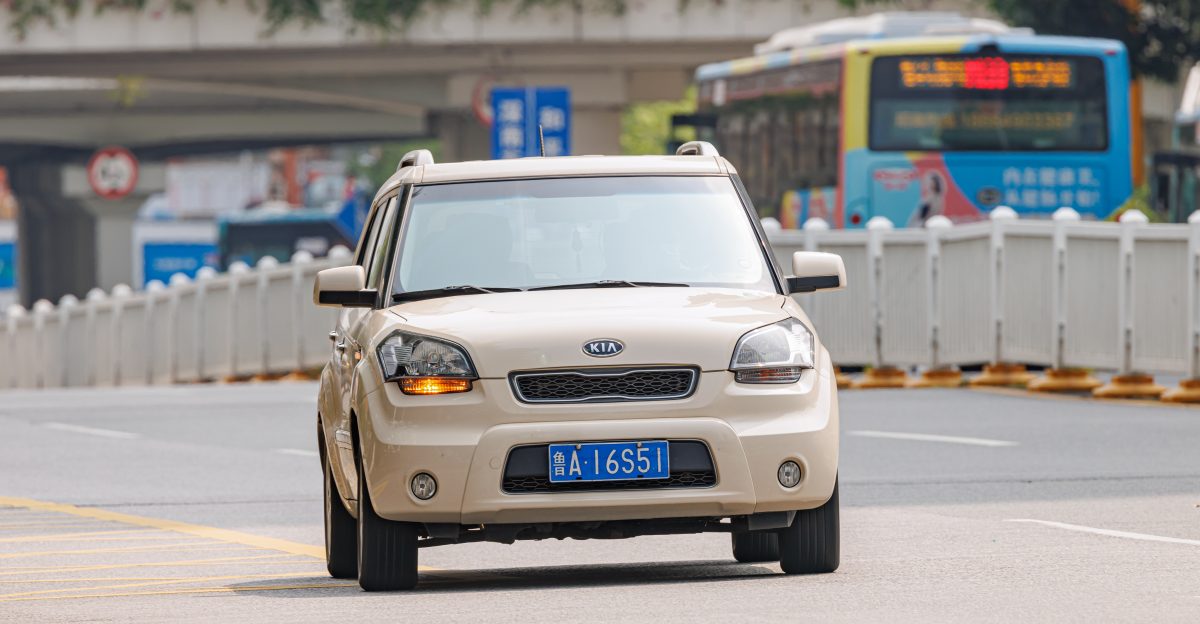
Kia officially confirmed that the 2025 model year marks the end of Soul production in the U.S., concluding a 16-model-year run for its iconic boxy crossover. The Soul found more than 1.5 million buyers in the U.S., with the second generation earning multiple awards. Starting at approximately $21,935, the Soul was Kia’s cheapest model, and its removal leaves no low-cost entry vehicle in Kia’s U.S. lineup.
The discontinuation eliminates one of the last truly affordable, roomy vehicles that offered character and practicality without requiring buyers to step up to a larger, more expensive SUV. For budget-conscious shoppers, the Soul’s exit shrinks the pool of honest, no-frills transportation even further.
7. BMW X4 – Spartanburg Production Ends November 2025
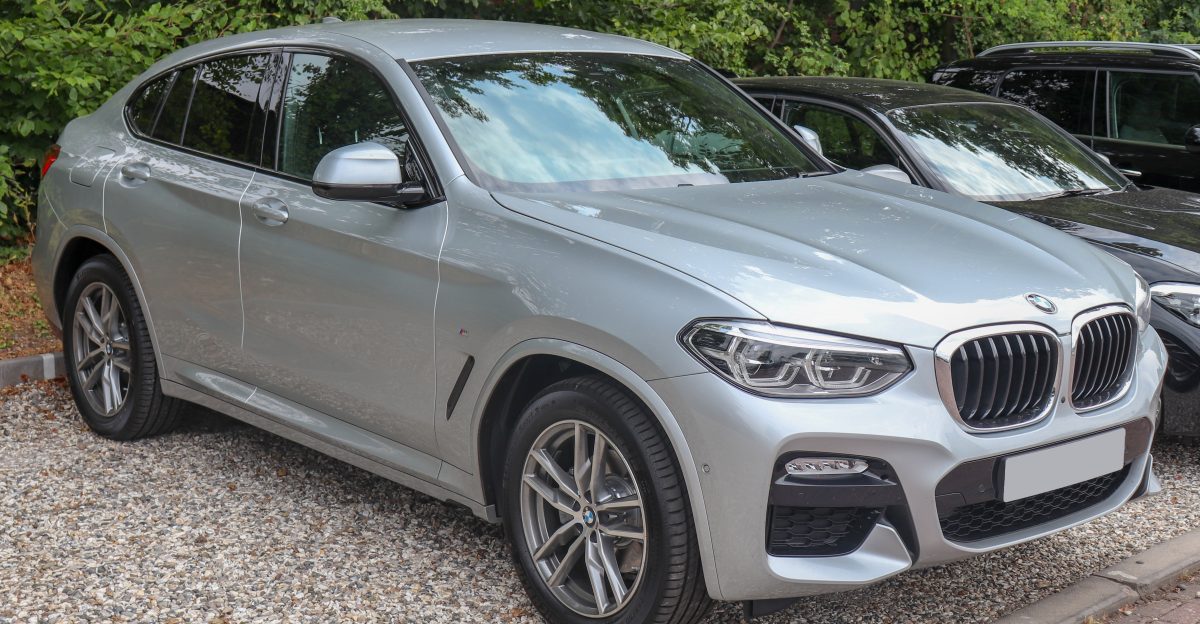
BMW officially confirmed the discontinuation of the X4 coupe-style crossover, with the final unit rolling off the production line at the Spartanburg, South Carolina plant in November 2025. The vehicle has been removed from BMW’s U.S. website, and most global markets have stopped accepting new custom orders. Discontinuing the X4 frees production capacity at Spartanburg as BMW prepares to manufacture at least six Neue Klasse electric vehicles in South Carolina by 2030.
The X4’s exit is part of a broader luxury-segment consolidation where automakers are trimming niche models to focus resources on higher-volume vehicles and electric flagships.
8. Cadillac XT4 – Compact SUV Cut For EV Factory Retooling
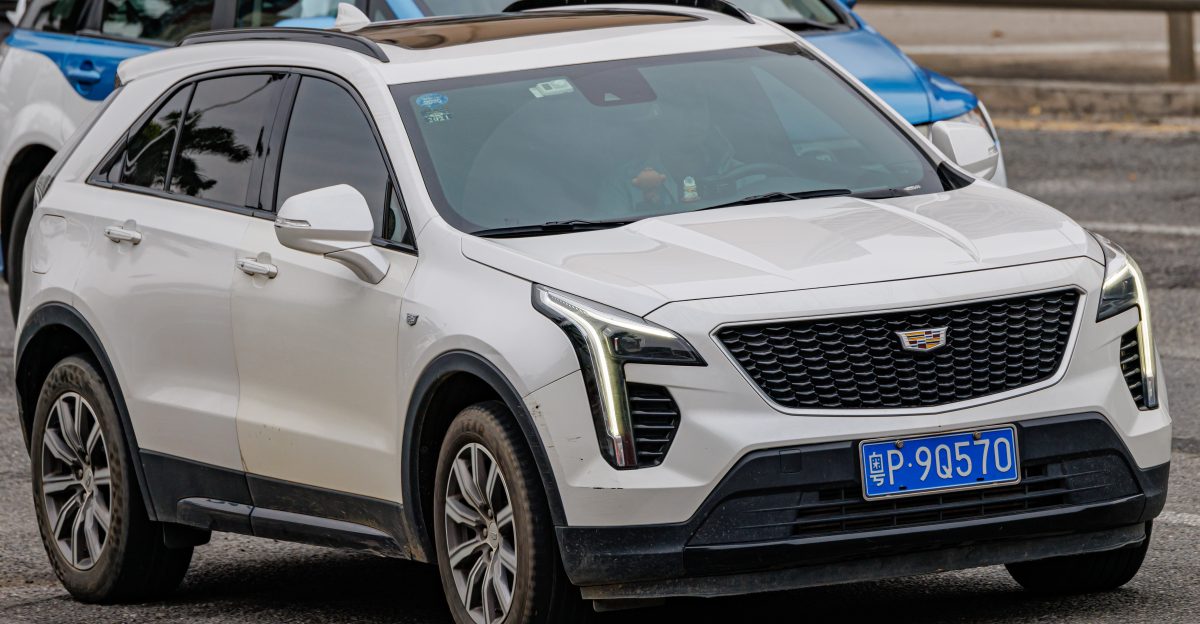
General Motors confirmed that production of the gasoline-powered Cadillac XT4 ended in early 2025 as part of a broader multi-year shift toward an all-electric Cadillac lineup. The decision allows GM to retool the Fairfax Assembly plant in Kansas for production of the next-generation Chevrolet Bolt EV. The XT4, Cadillac’s compact luxury crossover, is being replaced in spirit by the all-electric Cadillac OPTIQ, which targets the same entry-luxury segment.
Factory retooling for electric vehicle production displaced the XT4’s manufacturing capacity, making it one of the first casualties of GM’s accelerated EV transition.
9. Cadillac XT6 – Three-Row Luxury SUV Ends After One Generation
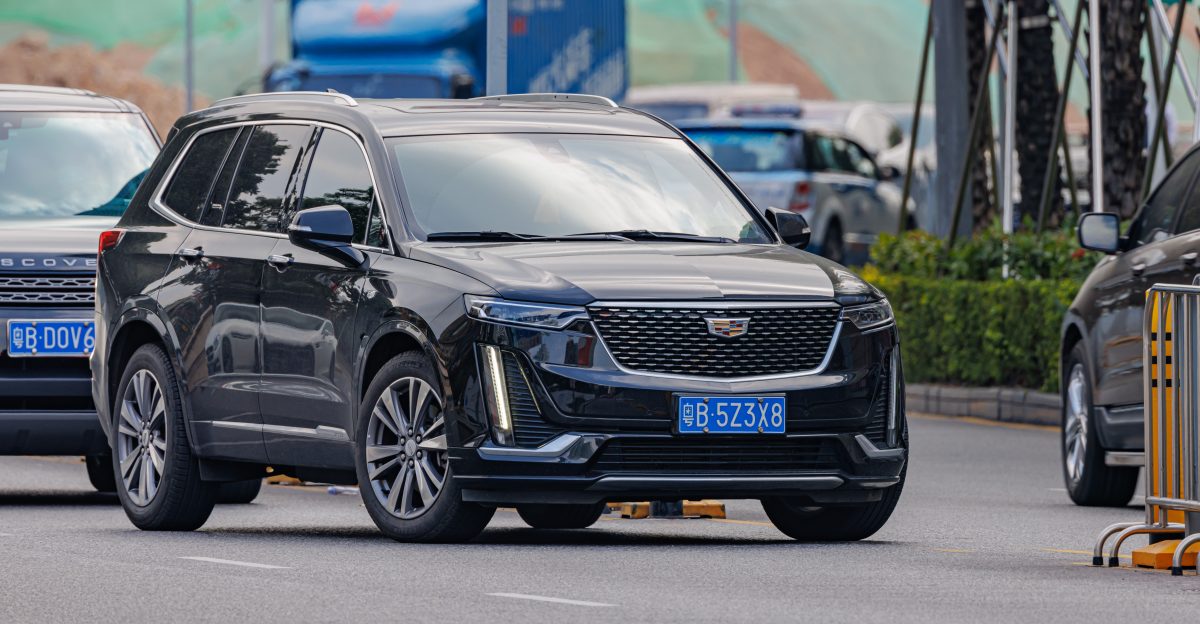
General Motors announced that it will cease production of the Cadillac XT6, a gasoline-powered three-row SUV, by the conclusion of 2025. Manufactured at the Spring Hill Assembly facility in Tennessee alongside the smaller XT5, the XT6 never gained the traction GM hoped for in the competitive three-row luxury segment.
Cadillac is discontinuing the XT6 after one generation, reflecting a persistent mismatch between its pricing, market positioning, and buyer expectations. The decision aligns with GM’s strategy to concentrate resources on fewer, higher-margin vehicles and prioritize electric flagships over legacy gasoline models.
10. Audi A4 and S4 – Gasoline Sedans Phased Out For U.S. Market
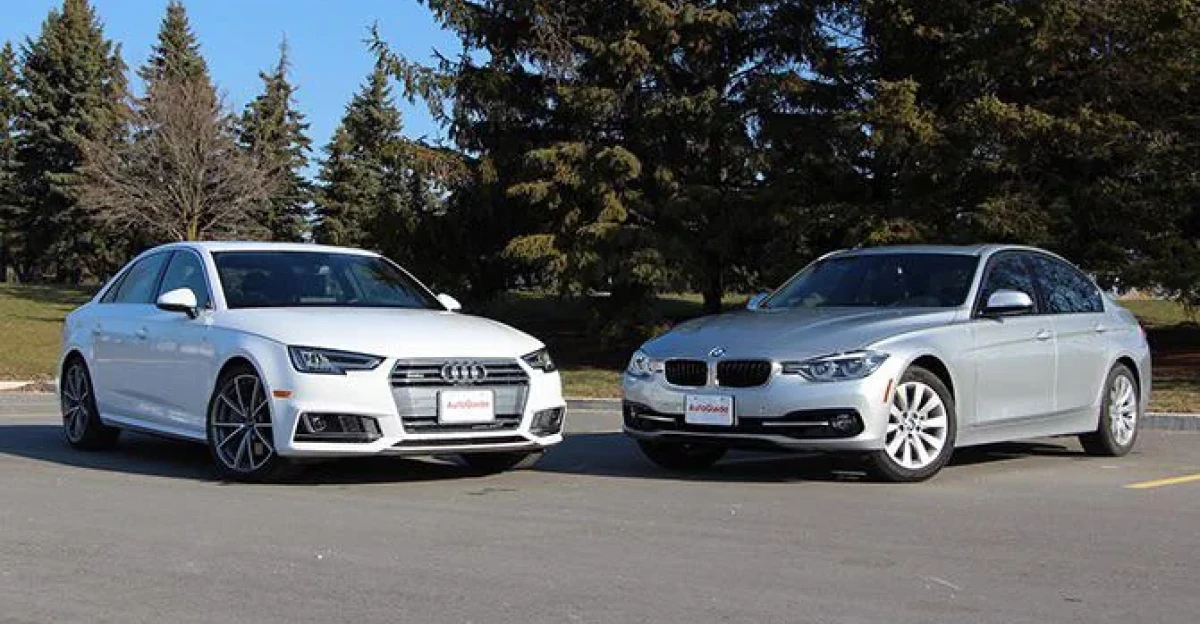
Audi discontinued the A4 and S4 gasoline sedans as part of the automaker’s strategy to simplify its U.S. lineup and make way for electric versions that will eventually replace most gas-powered Audis. The A4 sedan name and traditional three-box shape are being phased out, with Audi repositioning the A5 and S5 nameplates to carry forward its mid-size sedan offerings in a fastback-inspired form.
For buyers seeking a traditional premium German sedan with a combustion engine, the options continue to dwindle as European automakers accelerate their pivot toward electrification and streamlined model portfolios.
11. Audi A7 and S7 – Sleek Fastbacks Discontinued, RS7 Survives Through 2026
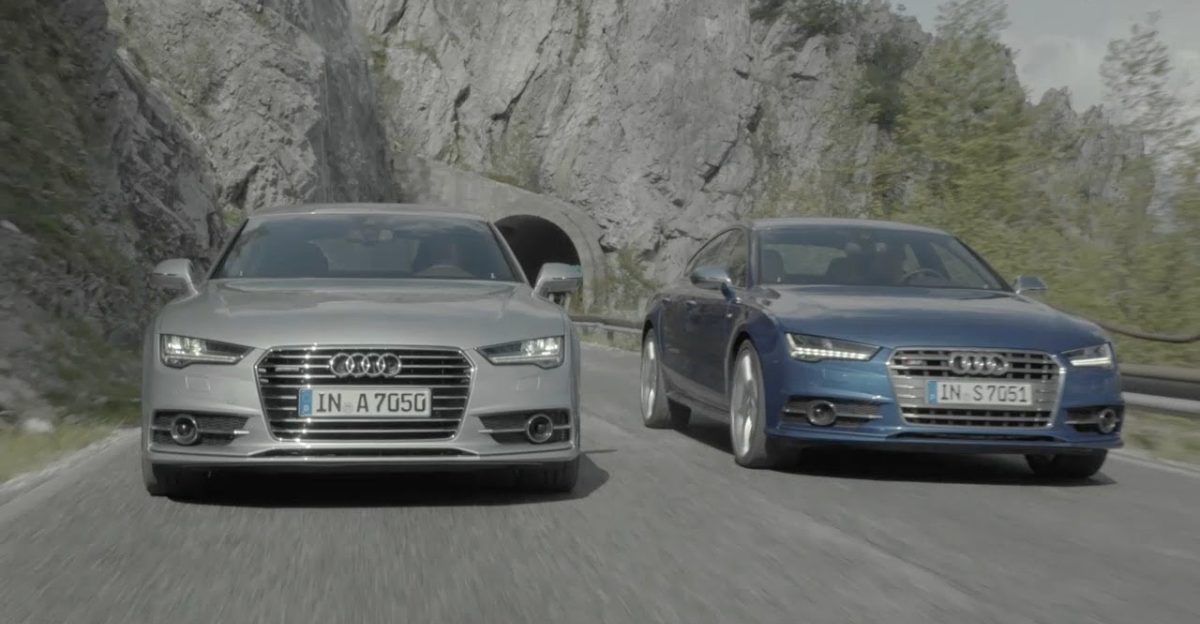
Audi confirmed that the A7 and S7 fastback sedans will not be offered in the U.S. after the 2025 model year. Audi stated the A7 and S7 will be replaced in spirit by the redesigned A6, which adopts a Sportback-esque profile that merges the traditional sedan and fastback forms.
The high-performance RS7, with its 621-horsepower twin-turbo V8, continues through at least the 2026 model year before its own uncertain future. The A7 and S7 discontinuations reflect Audi’s broader consolidation of its gasoline lineup as the brand positions itself for an electric-first future.
12. Porsche 718 Boxster and Cayman – Combustion Sports Cars End Production
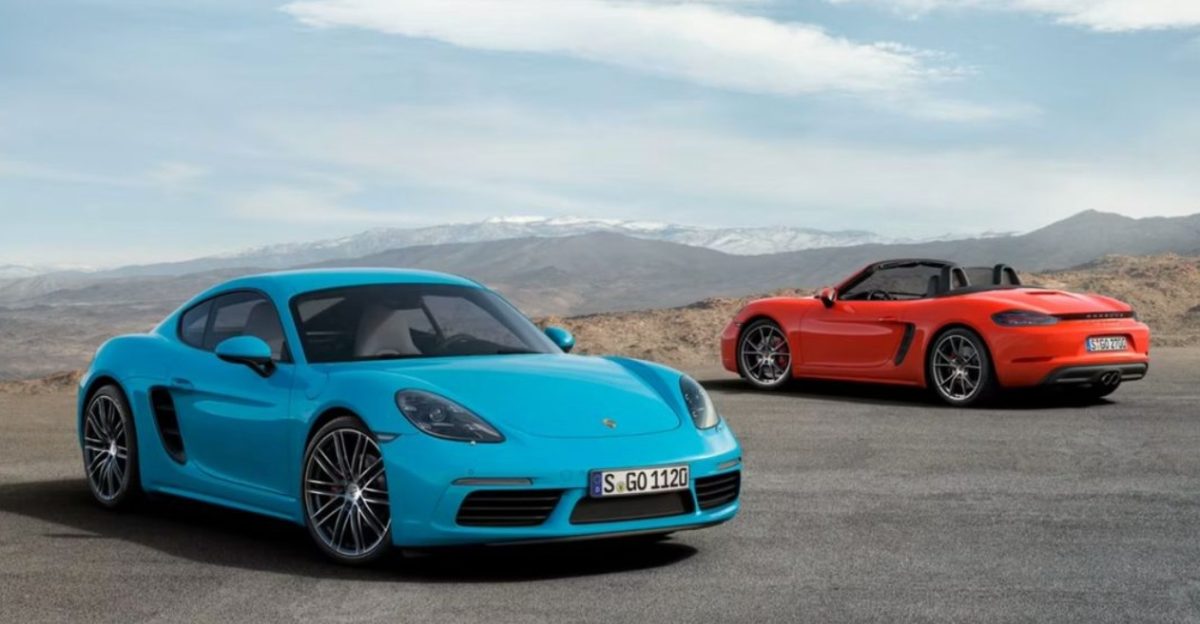
Porsche is ending production of the internal-combustion-engine 718 Boxster and Cayman sports cars. The two models were already discontinued in Europe in 2024 due to stricter cybersecurity regulations, and production for the rest of the world concluded by late 2025. The 718 twins have been enthusiast favorites for their light weight, sharp handling, and relative affordability within the Porsche lineup. Their discontinuation makes way for electric successors that Porsche has announced but not yet fully detailed.
When even accessible sports cars from a brand synonymous with driving passion get rationalized off the production schedule, it underscores how thoroughly market and regulatory forces are reshaping the automotive landscape.
The Largest Automotive Discontinuation Wave In Decades Happened While You Were Shopping For Crossovers
Twelve nameplates discontinued, tens of millions in development costs written off, factory floors cleared for vehicles that won’t arrive for years. The Camaro, Challenger, and classic V8 Charger are gone, ended by emission compliance economics automakers deemed unsustainable. The most affordable vehicle in Kia’s lineup is gone. Porsche killed its entry-level sports cars.
Regulators insist nothing is “banned,” automakers insist they’re “following market demand,” but walk into a U.S. showroom today and the reality is stark: the choice has already been made for you. This represents the single largest coordinated discontinuation of American automotive nameplates in decades, executed quietly through press releases while the country focused elsewhere.
Sources:
GM to retire Camaro at the end of the 2024 model year – General Motors
The Last Dodge Challenger Is A Pitch Black SRT Demon 170 As Production Ends – American Cars and Racing
2026 Dodge Charger SixPack Starts at $51,990 With Hurricane Power – Autoweek
Chevrolet to Discontinue Malibu Production in November – Cars.com
SUBARU ANNOUNCES LEGACY PRODUCTION WILL END IN 2025 – Subaru Media
The Hamsters Will Dance No More: Kia Kills the Soul After 2025 – Car and Driver