Auto-Parts Giant First Brands Axes 572 Texas Jobs As Fraud Case Shadows Paychecks
Somewhere in a Texas state database, a clock started ticking. First Brands Group, an automotive parts manufacturer running a portfolio of brands across multiple facilities, filed paperwork with the Texas Workforce Commission. Not a press release. Not a town hall. A WARN notice, the federal mechanism that forces companies to disclose mass layoffs before the ax falls. The filings listed specific sites, specific dates, and specific workers. Five hundred seventy-two of them. Every name is attached to a paycheck with an expiration date.
Stable Ground

Auto parts sounds like the definition of steady work. Brakes wear out. Filters clog. Cars break regardless of what the stock market does. First Brands built its business on that assumption, marketing a portfolio of automotive aftermarket brands. The kind of company where showing up and doing the job felt like enough. For 572 Texas workers, that stability turned out to be a story they were told, not a guarantee they were owed. The WARN filings put dates on the ending.
The Shadow
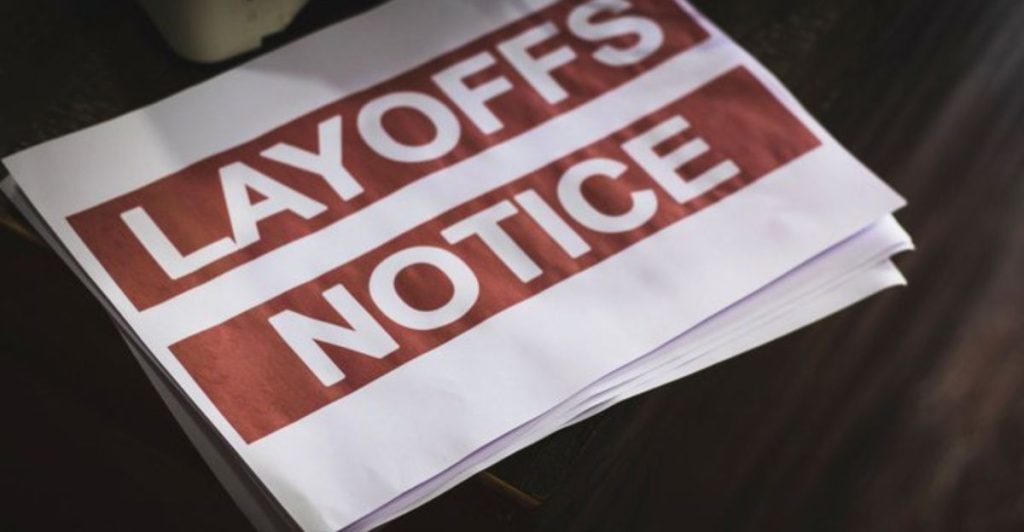
The layoffs did not arrive in a vacuum. The Houston Chronicle connected the cuts to a fraud case involving the company or related entities, a legal overhang tracked through DOJ and SEC enforcement channels. That distinction matters. Fraud cases grind through courts slowly. WARN notices move on a calendar. Workers face separation dates while legal proceedings unfold in a different timeline entirely. The people who allegedly did wrong and the people losing paychecks occupy the same corporate story but completely different realities.
The Lever

Here is what most people get wrong about white-collar fraud: they assume it only burns investors. Shareholders lose paper value. Executives lawyer up. And the factory floor keeps humming. Except it doesn’t. Fraud headlines can tighten a company’s financing and credit conditions. Tighter credit means pressure to cut costs. The fastest cost to cut is payroll. Five hundred seventy-two workers in Texas just learned that lesson through dated separation notices, not a courtroom verdict. The fraud didn’t touch them. The consequences did.
Paperwork First

The WARN Act exists because communities used to get blindsided. Factories would close on a Friday, and entire towns would learn about it on on Monday morning. Congress built an information-forcing system: employers above a certain threshold must file advance notice of mass layoffs with the state. That compliance paperwork, designed to protect workers, becomes the first public proof that jobs are disappearing. Government databases outpaced corporate PR here. No press conference. No CEO statement. A state filing told Texas what was coming.
The Numbers

Five hundred seventy-two jobs across multiple Texas facilities. That is not a trimming. WARN-scale filings signal an employer operating at a size where layoffs ripple beyond the plant gate. Each job represents roughly one household losing its primary income. Conservatively, that puts well over a thousand people in the blast radius when you count dependents. Rent, car notes, health insurance, grocery runs. The number 572 looks clinical on a government form. Lived out across Texas communities, it is a rolling economic bruise.
The Ripple

The workers are the first domino. Suppliers near those facilities lose orders. Local restaurants, gas stations, and service shops lose customers. The tax base in affected communities shrinks. That is the architecture WARN was built to expose: mass layoffs do not stay inside the building. Contractors and temporary workers who never appear on a WARN filing often vanish first and quietly. The 572 figure is the official count. The unofficial toll, spreading outward through small businesses and local economies, has no filing requirement at all.
The Precedent

This is not an isolated stumble. It is a template. Legal overhang creates financing anxiety. Financing anxiety demands cost reduction. Cost reduction lands on payroll. WARN filings formalize the damage. The pattern repeats across industries whenever credibility shocks meet leveraged balance sheets. Once you see the sequence, you cannot unsee it in every corporate crisis that follows. The first public truth is never a press conference. It is paperwork, filed with a state agency, listing names and dates that executives would rather keep quiet.
What Comes Next
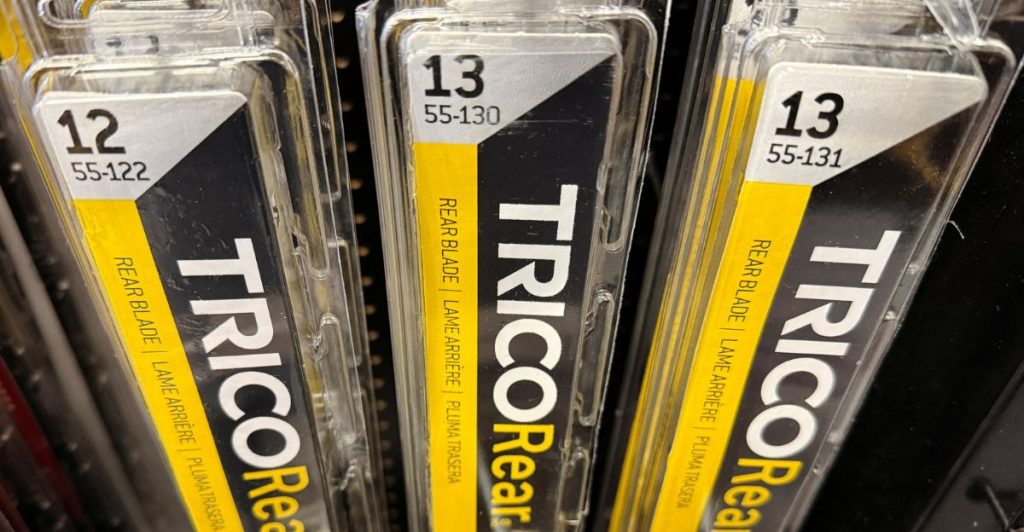
If legal and financing pressures worsen, additional sites in other states could face their own WARN filings. That escalation path is built into the same system: more credit strain, more cost cuts, more dated notices. Workers at other First Brands facilities have every reason to watch DOJ and SEC channels the way farmers watch weather radar. Meanwhile, Texas workforce agencies face a familiar scramble, pushing rapid reemployment programs to absorb 572 people before separation dates arrive and paychecks actually stop.
The Real Lesson

Most people will read this as a layoff story. It is actually a story about speed. Legal cases take years. Credit downgrades take months. WARN filings take 60 days. Paychecks stop on a date printed in a state database. The fraud allegations may or may not stick. The 572 separation notices have already been sent. Knowing that sequence, knowing that payroll is always the fastest lever in a corporate crisis, is the difference between reading the headline and understanding what it costs.
Sources:
Houston Chronicle, “Major auto-parts supplier collapses in Texas—572 jobs cut,” March 9, 2026
U.S. Department of Justice (SDNY), “First Brands Executives Charged With Multibillion-Dollar Fraud,” January 28, 2026
Texas Workforce Commission, WARN Notice Database, ongoing
U.S. Department of Labor, WARN Act Overview, standing reference
First Brands Group, Company Website, standing reference
S&P Global Ratings, referenced for credit/financing context, no specific article cited in the body