Auto Loan Debt Tops Student Loans for First Time—1 in 4 Owe $7,200 More Than Their Car Is Worth
Tax season transforms used-car auction lanes into feeding frenzies. Dealers pack the floor, bidding on Chevy Malibus and mid-tier sedans because their businesses depend on constant inventory. One dealer watched competitors buy 21 vehicles in a single day, financing every purchase and stacking inventory on credit as flooring costs rise.
The atmosphere runs on high anxiety beneath a surface of confidence. Most buyers borrow against cars already losing value.
Tax Refunds Fuel the Frenzy

The frenzy follows a pattern. From February through April, tax refunds reach working-class households, and dealers know buyers have cash in hand for a short window. This seasonal demand spike drives auction prices higher. A $1,500 Malibu can suddenly sell for $3,000 or more.
Hesitation means losing inventory to faster competitors. Aggressive buyers often end up with vehicles they cannot sell once the refund rush fades. The average new car now costs about $49,800, pushing more people into the used market.
Margins Under Pressure
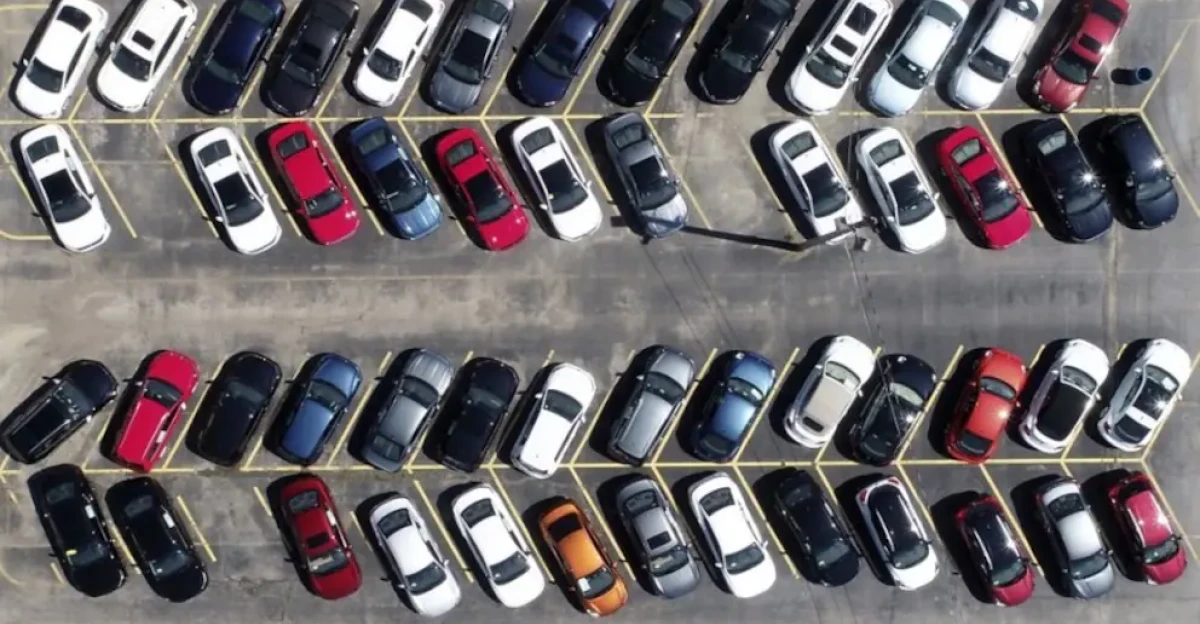
Many believe tight inventory protects margins: low supply keeps prices high, allowing dealers to profit. That formula broke down as new vehicle inventory reached nearly 3 million units and a 90-day supply by late 2025. Dealer incentives hit their highest levels in years just to clear excess stock.
Used wholesale prices rose about 4 percent year over year in February 2026, but only dealers who already owned cheaper inventory saw real benefits. Those who bought at tax-season peaks watched margins shrink each week. High prices stopped offering protection.
The Negative Equity Bind

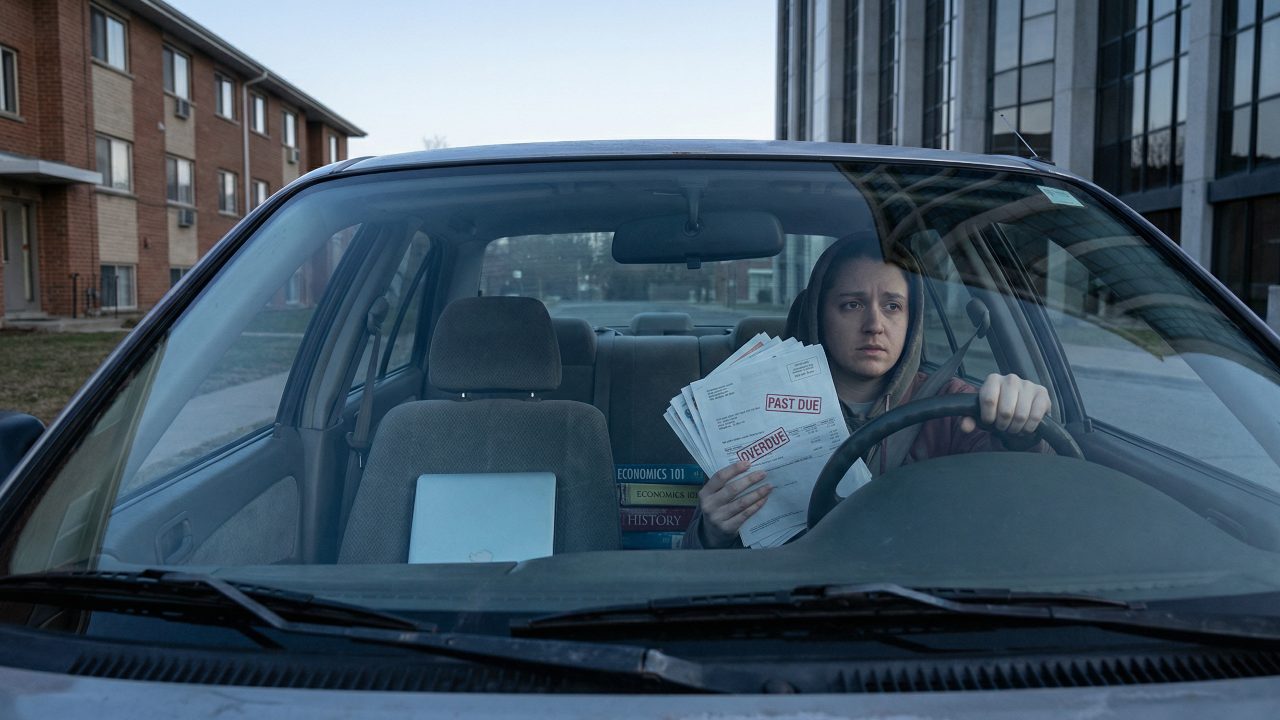
American auto loan debt reached about $1.66 trillion, matching the total student loan balance for the first time. The gap between the two has narrowed to historic lows as auto borrowing surged. Between one in four and one in three vehicle trade-ins now carries negative equity. By late 2025, the average amount owed on these underwater trade-ins was about $7,214.
Owners owe thousands more than their cars are worth. They cannot sell, cannot refinance, and must keep paying on a depreciating asset or face repossession. The average new car payment now sits in the mid $700s, stretched across nearly six year terms. That monthly bill resembles a second rent check, building no equity.
The True Cost of Inventory Loans

Flooring costs act as an invisible clock. Dealers who finance inventory pay monthly charges on every unsold vehicle, creating a hard deadline: move the car within about two years or risk insolvency, no matter what the market looks like.
That deadline pushes dealers to overpay at auctions and repeat the cycle each year. Brandon, a cash buyer, often returns months later to pick up the same Malibu for $1,500. When tax season arrives, that car can sell for $3,000 or $3,500 at auction as competition intensifies.
The Repossession Surge

Repossessions reached about 1.73 million vehicles in 2024, the highest number since the Great Recession. By late 2025, industry analysts projected annual totals above 2 million, with some estimates nearing 3 million by year end.
Auto loan defaults and serious delinquencies climbed to levels rivaling those recession era peaks, especially in subprime segments. Millions of borrowers fell behind on auto loans as delinquencies rose. Commercial Chapter 11 bankruptcy filings surged compared to the previous year. Many Americans hold jobs but cannot afford the debt their paychecks were meant to cover.
Subprime Meltdown
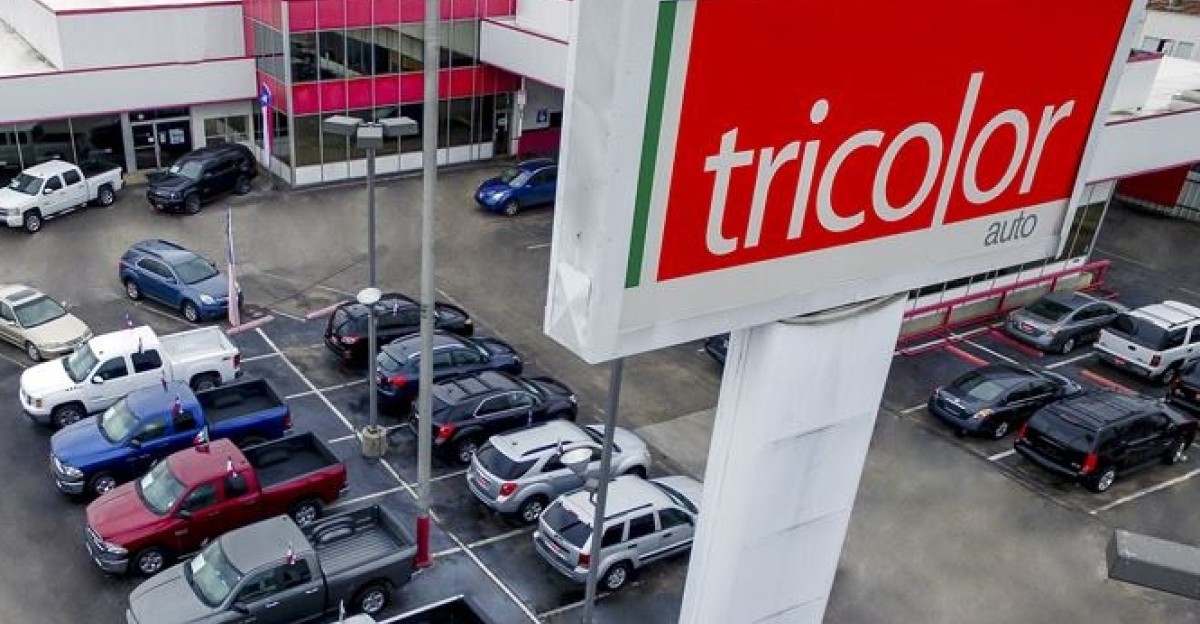
Tricolor and other subprime-focused auto lenders have entered bankruptcy or restructuring. Larger dealer groups reported multibillion-dollar liabilities with little cash on hand. Large banks, including JPMorgan Chase, Fifth Third Bancorp, and Barclays, have disclosed or been alleged to have significant exposure to troubled nonbank auto lenders in recent lawsuits.
Subprime stress came not only from borrowers failing to pay but also from lenders using aggressive collateral and funding strategies. Alleged double-pledging schemes on warehouse financing inflated collateral values inside a vast lending system with limited oversight. The supposedly safe institutional side proved far more fragile than expected.
The Leverage Tipping Point

The entire auto market increasingly relied on rising prices to make the math work. Dealers needed rising values to justify flooring costs. Lenders needed higher collateral to justify loan volumes. Buyers depended on rising trade-in values to escape negative equity.
Once prices plateaued, every participant hit the wall at the same time. Financial history marks this pattern: the last time leverage, collateral manipulation, and consumer debt converged at this scale was during the 2008 housing crisis. Ultra-long auto loans stretching seven and even eight years have become common again as buyers struggle with affordability.
Fewer Ways Out

The coming wave of repossessions will likely flood used-car markets with distressed inventory through Q2 and Q3 2026, putting even more pressure on resale values. Tighter credit standards after subprime lender failures will raise borrowing costs for many buyers, not just those at high risk.
Analysts warn that a sizable share of small independent dealerships could face insolvency this year as flooring costs exceed their capital. In certain segments, EV demand dropped sharply after federal tax credits expired, and inventory levels have been resetting from record highs. That shift has stranded billions in dealer infrastructure investment. Every exit is narrowing.
A Market at Its Limit
Manufacturers could cut production to slow the damage, but that would slash revenue. Lenders could loosen credit to boost demand, but defaults would rise. Government could restart buyer incentives, but political appetite remains weak. No one has a clear solution.
The car parked on the street with a $760 monthly payment is a piece of collateral inside an auto debt machine now measured in the trillions, no longer reliably gaining value. What happens if millions of those vehicles get repossessed remains unwritten.
Sources:
Federal Reserve Bank of New York / Reuters, US household credit troubles ticked up at end of 2025, February 10 2026
Edmunds (via News Dealership Guy newsletter), Nearly 30% of trade-ins are underwater as auto loan stress deepens, January 15 2026
Edmunds (via USA Today), Underwater loans hit nearly one-third of car buyers, January 21 2026
Cox Automotive / Manheim (via CollisionWeek), Used Vehicle Value Index Rises 4% in February Compared to Last Year, March 8 2026
Edmunds Q4 2025 Insights Report (as summarized in Edmunds and secondary coverage), Falling Underwater on a Car Loan Is Becoming More Common, January 14 2026
Kelley Blue Book / USA Today, Average new vehicle price tops $50,000 as affordability crisis deepens, January 2026