Arizona’s Deadliest Roads Get 17 Speed Cameras As 28 Officers Cover 5,000 Miles
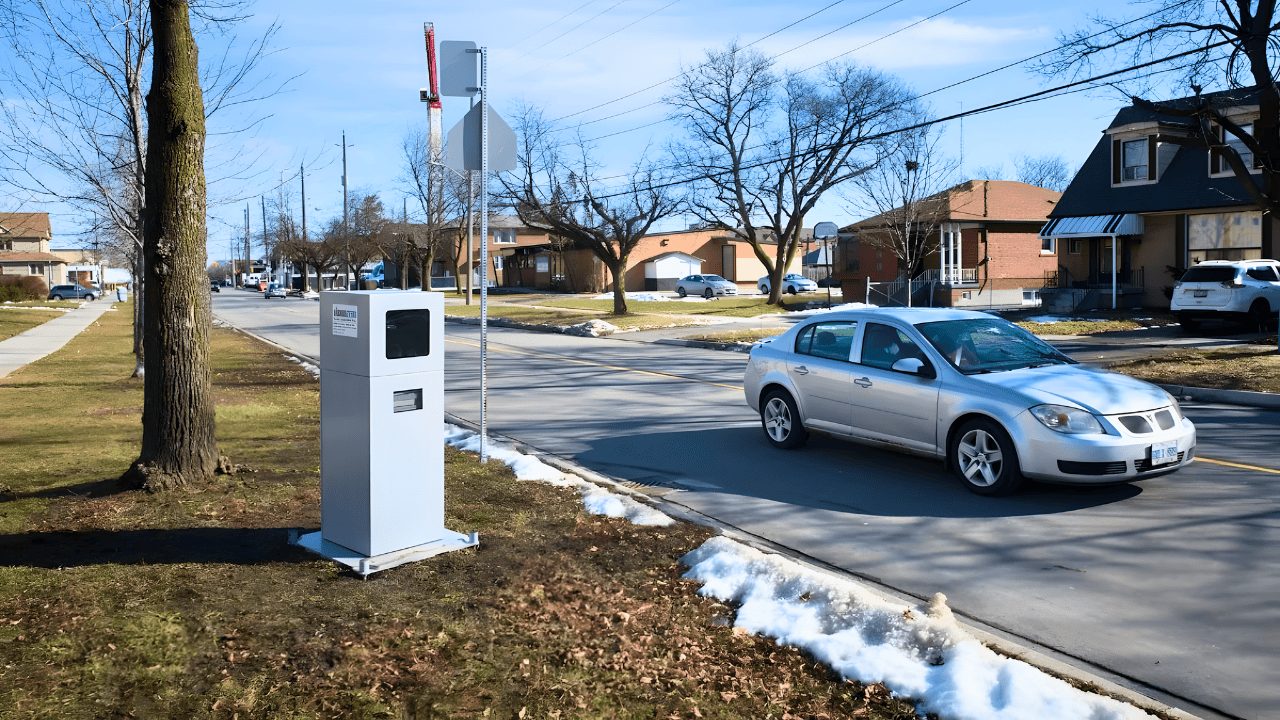
On February 23, 2026, cameras mounted along Phoenix’s highest-crash arterials blinked to life for the first time in seven years. Seventeen units, positioned across corridors where speeding has killed repeatedly, began recording. There were no citations yet, just warnings. A 30-day grace period before the fines start flying on March 25. The city framed the rollout as a safety measure under its Vision Zero plan, but the reason Phoenix turned to algorithms had almost nothing to do with technology and everything to do with who wasn’t on the road anymore.
Ghost Patrol
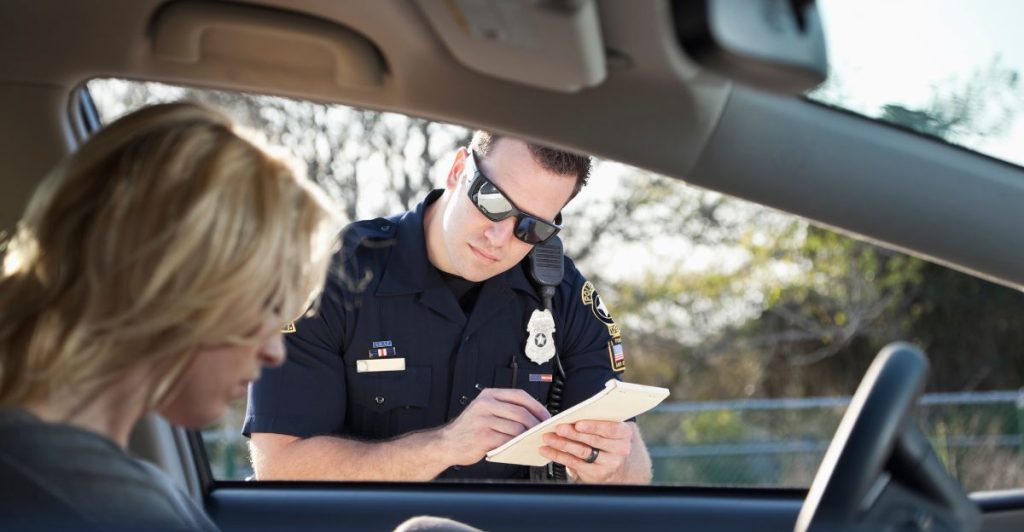
Twenty-eight officers are the entire dedicated traffic enforcement unit for a city with more than 5,000 miles of roadway. That’s one officer per 178 miles. Phoenix has a staffing absence. The police department is short hundreds of officers overall, and traffic enforcement has been functionally gutted. Meanwhile, speeding contributed to 417 deaths and over 20,000 injuries across Arizona in 2024 alone. One-third of all fatal crashes in the state are traced to speeding. The cops who should be catching those drivers essentially don’t exist.
The Myth
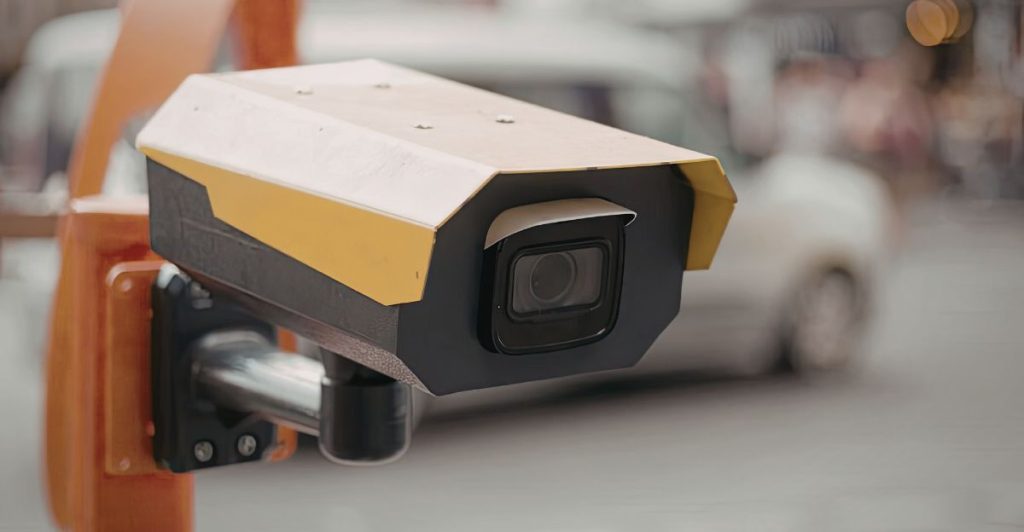
Most people hear “speed cameras” and think of them as a revenue trap. That belief killed Phoenix’s last camera program in 2019, when the city council pulled the plug. The research proving cameras work existed then, too. A 2025 study published in PNAS showed NYC cameras reduced collisions by about 30%. Toronto documented significant reductions in speeding. Phoenix went seven years without automated enforcement after 2019, during a period of persistently high fatalities. The data didn’t change between 2019 and 2026, but the staffing crisis did.
Temporary Forever
City Councilman Kevin Robinson sold the cameras as a stopgap to fill the enforcement vacuum until police hiring catches up. Then a reporter asked whether cameras would come down once staffing recovered. Robinson’s answer, “Not necessarily.” When pressed on a timeline, he admitted, “It won’t be for years.” Phoenix approved a $12 million, five-year contract with Verra Mobility, a Mesa-based company already running camera systems in cities including New York. Temporary crisis response, permanent algorithmic infrastructure. The framing was the only thing that expired.
The Replacement
Verra Mobility now controls the software, the data, and the ticket validation for Phoenix’s traffic enforcement on nine rotating corridor locations and eight school zones. Multiple cities using Verra-operated cameras have reported steep drops in speeding at monitored sites. In NYC, the company holds a major automated enforcement contract. Phoenix outsourced traffic policing to an algorithm, not because cameras are ideal, but because the police department operationally collapsed in this one function.
The Numbers
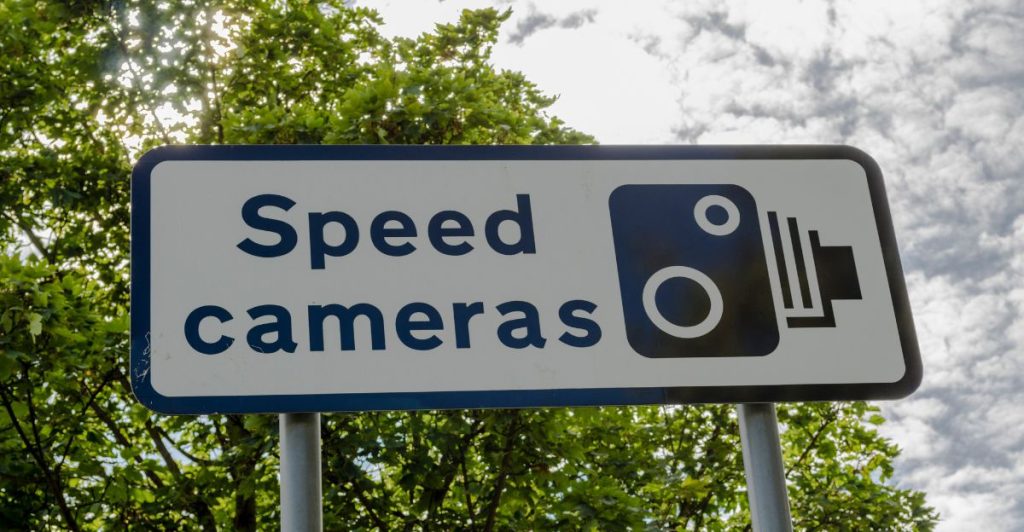
Arizona recorded 1,228 traffic fatalities in 2024, one of the highest per-capita rates in America. No state has more red-light running crashes per capita. Phoenix alone lost an estimated 219 people. Pedestrians accounted for thousands of crashes statewide, the worst five-year mark on record, with the majority of those deaths happening in darkness. The city’s Vision Zero plan completed over 100 safety projects and achieved a reduction in serious-injury crashes. Progress exists, but cameras cover nine corridors out of more than 130 identified high-crash segments. That is a fraction of the problem.
Ripple Effect
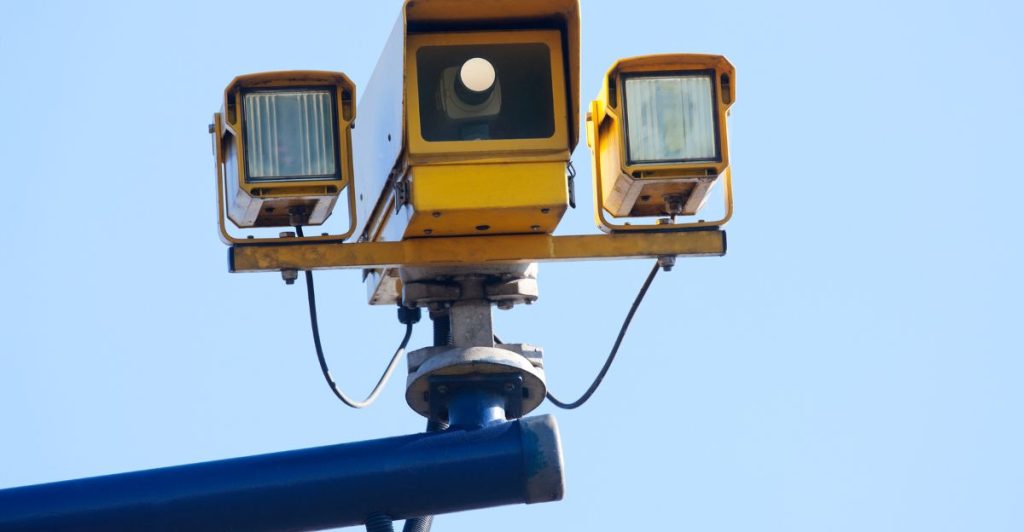
Tempe’s cameras caught 2,283 violations in two weeks. If Phoenix’s 17 cameras generate anywhere near that volume, the political ammunition writes itself. Republican state legislators already advanced SCR 1004, a ballot measure asking Arizona voters in November 2026 whether photo enforcement should be banned statewide. Governor Katie Hobbs vetoed an identical legislative ban twice. Now the question bypasses her desk entirely and goes straight to voters, mid-deployment, with millions already spent and cameras already flashing. The program could be killed before its first full year of data exists.
The Precedent
This stopped being a Phoenix story the moment Verra Mobility signed the contract. Canada’s road fatalities fell 18% from 2011 to 2020 while U.S. fatalities rose 33%; researchers cite stronger road safety policies, including wider use of speed cameras, as a factor. If Phoenix’s program survives the ballot and reduces deaths, other Arizona cities will follow. If voters kill it, the precedent is worse: states can override municipal safety decisions through referendum, stranding installed infrastructure and federal Vision Zero grant commitments. Phoenix is the test case for whether America automates traffic enforcement or bans it.
The Trap
If cameras dramatically reduce speeding, citation revenue drops, threatening the program’s financial sustainability. If cameras generate heavy revenue, legislators call it a money grab. Phoenix built a system that succeeds only within a narrow behavioral band: enough compliance to save lives, enough violations to stay funded. Police staffing shortages are documented nationwide, and recovery is expected to be prolonged. The 28-officer traffic unit will not grow meaningfully before the November ballot decides whether cameras survive.
The Real Question
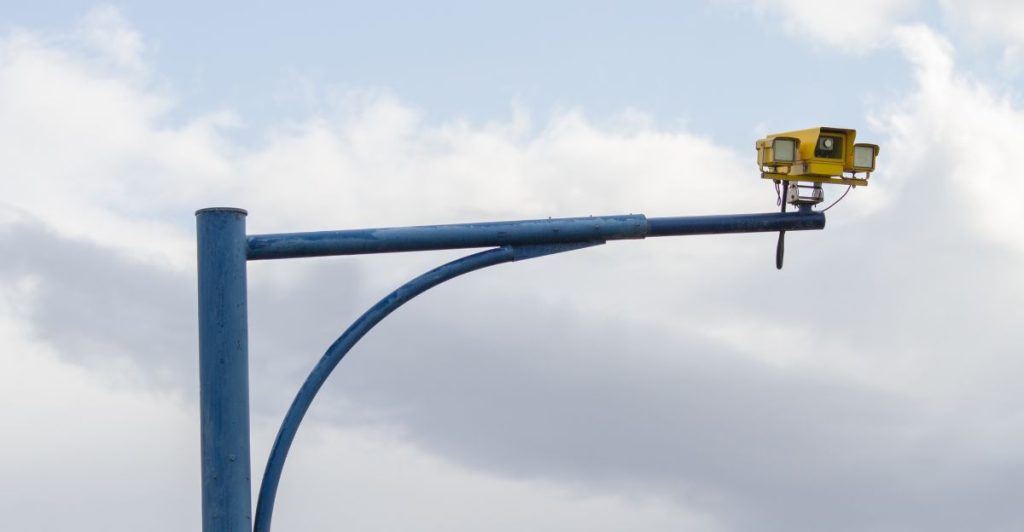
A University of Arizona study found Phoenix’s own red-light cameras reduced deaths and injuries by roughly 28%. The city council approved red-light cameras 8-1 in 2024. They remain undeployed. Arizona holds the nation’s worst per-capita red-light crash rate, and the one tool proven to fix it sits on a shelf while speed cameras take the political heat. Whoever wins the November ballot inherits the same math: 28 officers, 5,000 miles, and a body count that algorithms can lower, but politics keeps debating.
Sources:
“Photo Safety Cameras Return to Phoenix.” City of Phoenix Newsroom, 27 Jan 2026.
“Traffic Fatalities in Arizona Dip for Second Year in a Row.” Arizona Department of Transportation, 8 Jul 2025.
“Can Speed Cameras Make Streets Safer? Quasi-Experimental Evidence from New York City.” Stagoff-Belfort et al., Proceedings of the National Academy of Sciences (PNAS), 15 Dec 2025.
“Phoenix City Council Approves $12 Million Contract for Traffic Enforcement Cameras.” KJZZ, 2 Jul 2025.