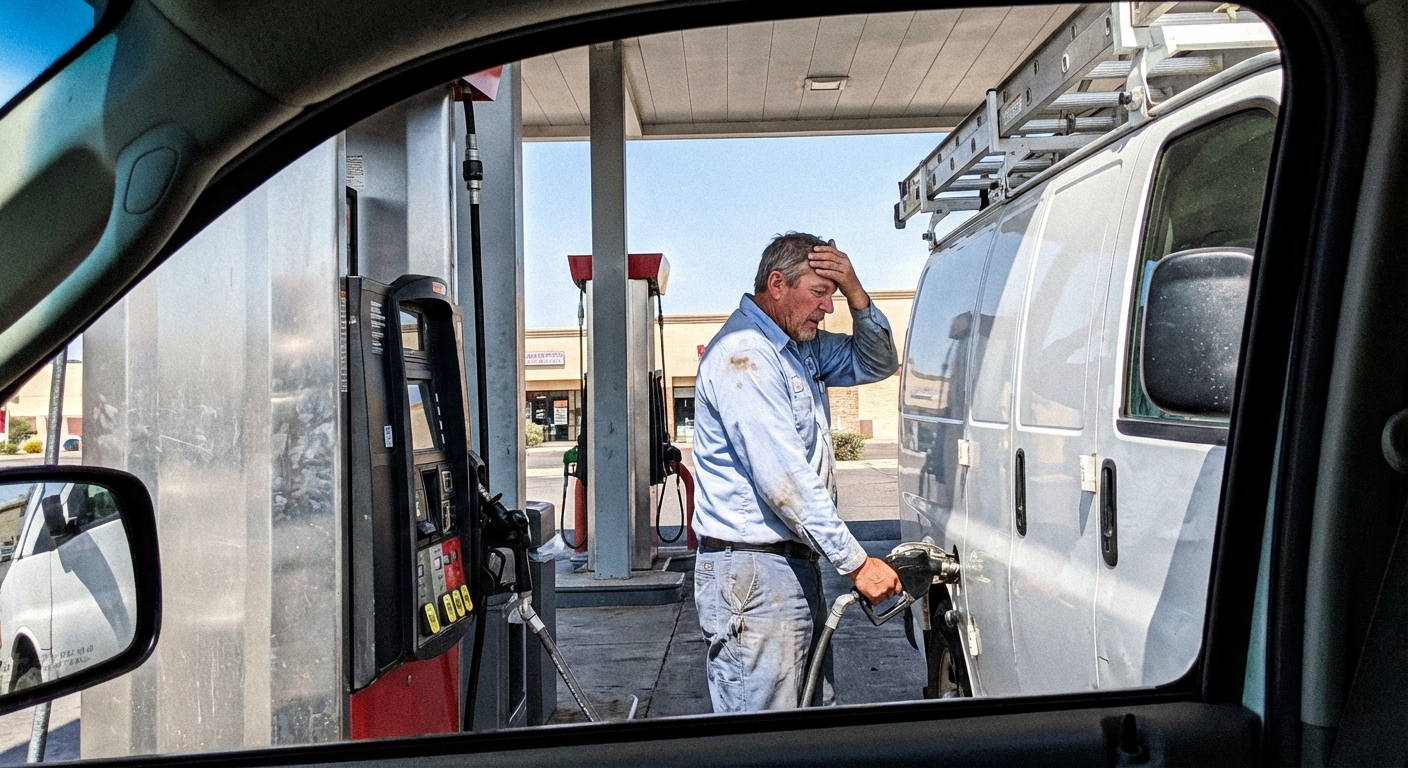
Arizona Gas Jumps $1.21 in 1 Month in 2nd Biggest 30-Year Spike
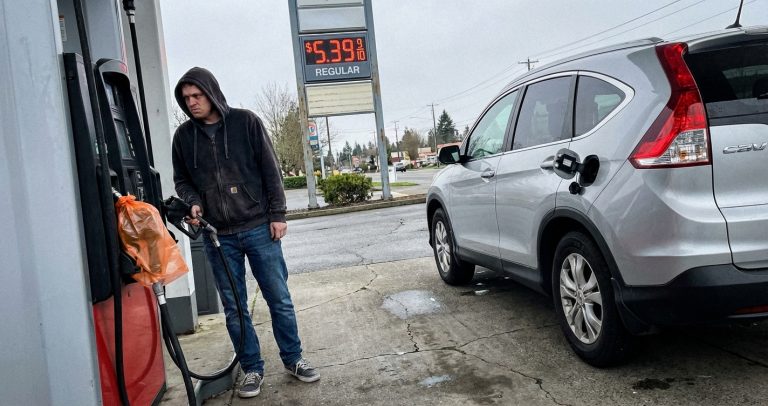
Arizona gas prices spiked by more than $1 per gallon in about a month. A $1‑per‑gallon move in about a month is a step‑change that repriced the entire state before most drivers noticed the trend. For a 15‑to‑20‑gallon tank, that translates to roughly $15 to $20 extra per fill‑up. AAA tracks state averages, but those averages can mask sharper local spikes in individual ZIP codes. The sticker shock is real. The part most people haven’t considered is what caused it, and where the damage spreads next.
The Triple Threat
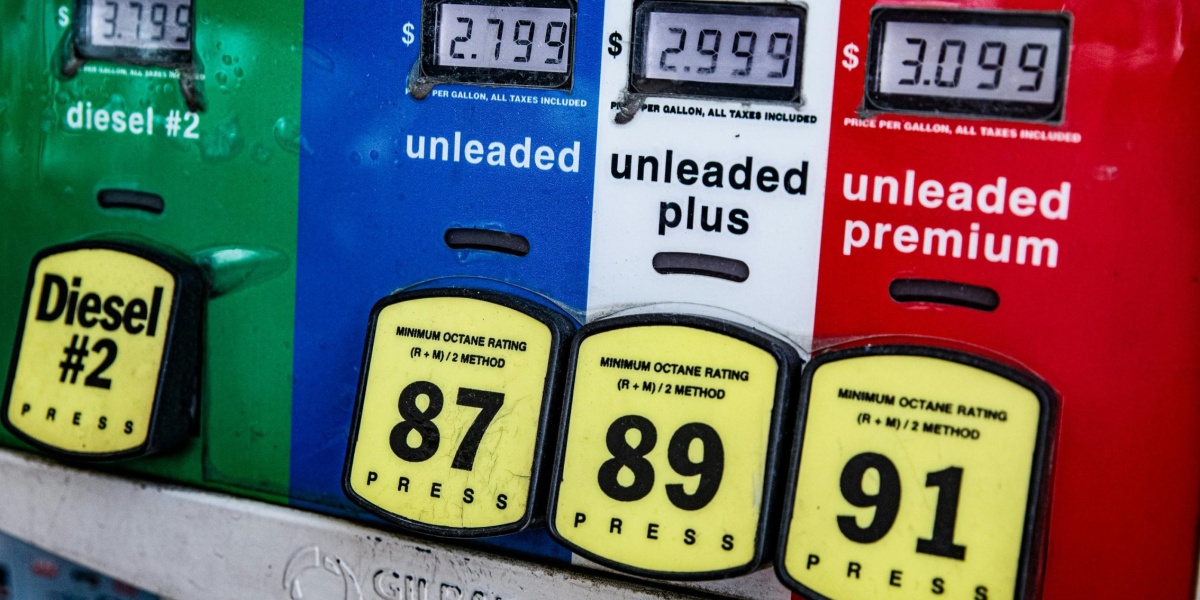
Three forces collided at once. First, EPA‑mandated seasonal volatility standards forced refineries to switch to lower‑volatility “summer blend” gasoline, tightening the type of fuel available. Second, refinery utilization and inventory levels, tracked weekly by the EIA, showed supply constraints squeezing output. Third, upstream crude oil benchmarks like WTI and Brent, driven higher by geopolitical conflict, pushed raw material costs sharply higher. Each factor alone nudges prices. Stacked together, they created a supply squeeze that overwhelmed whatever local competition existed between stations. The stations didn’t set this price. The system did.
The Commuter Tax

The direct hit landed on wallets immediately. A driver filling up once a week at roughly 13 gallons absorbed an estimated $52 more per month. That functions like a sudden, invisible pay cut for anyone who commutes. Families started cutting discretionary driving and delaying trips, according to reporting on consumer response. Nobody opted into this expense. There’s no substitute for fuel when your job sits 30 miles from your house. The grocery aisle and the restaurant tab haven’t absorbed this cost yet, but delivery trucks burn the same gasoline.
Business Repricing
Delivery companies, tradespeople, and service‑call operators all run on fuel. When diesel and gasoline spike, their margins collapse or their prices climb. That pressure started showing up fast: higher quotes for plumbing calls, HVAC visits, and local freight. Small fleets with thin margins feel it worst because they can’t hedge fuel costs the way airlines do. The consumer sees the pump price. The business owner sees a cost structure that just shifted underneath every bid and invoice they wrote last month.
Beyond the Pump

Here’s where the cascade crosses a line most people don’t track. Arizona isn’t technically a “boutique fuel” market like California, but it shares a vulnerability: when the fuel recipe narrows, fewer refineries can produce a compliant supply. California’s history shows exactly how spec‑constrained markets amplify disruptions. Prices there spike harder and recover more slowly because the pool of eligible suppliers shrinks. Arizona just demonstrated the same pattern. One regulatory transition. One supply squeeze. And suddenly, a state that isn’t California starts pricing like it. Think about that.
The Hidden Recipe

Retail gasoline looks like one product. It’s actually a layered system: crude benchmarks set the floor, refining capacity sets the ceiling, and federal volatility specifications determine which version of gasoline can legally be sold and when. The EIA tracks refinery utilization weekly because small shifts move prices. Crude costs rise in Houston. Refinery output tightens in the Gulf. Volatility rules change in Washington. And the number on the pump in Phoenix jumps before you’ve finished your morning coffee. Same mechanism. Different links in the chain. Identical result in your tank.
Who Pays Most
Long‑commute workers and small fleet operators absorb this hit with no buffer. A landscaping crew running three trucks doesn’t get to “work from home.” A home health aide driving 80 miles a day doesn’t get a fuel stipend. These are the people who built their budgets around last month’s price and watched the math break in real time. Higher fuel costs cascade into household budgets, tighten local inflation perceptions, and force choices between filling the tank and filling the fridge. The squeeze is personal.
A Predictable Crisis
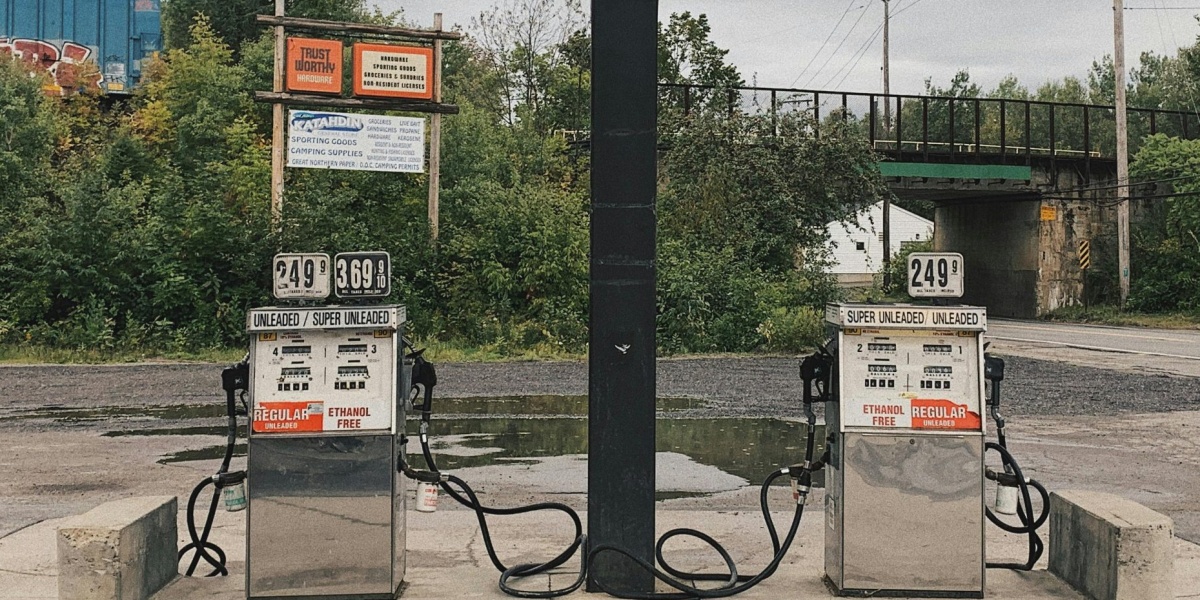
The most frustrating part: none of this is new. Seasonal RVP transitions are a recurring annual stress point in gasoline markets, according to EPA gasoline volatility standards, and when they collide with supply constraints and geopolitical shocks, the effect intensifies. Every spring, the blend changes. Every spring, supply tightens. And every spring, prices can reprice in days while consumers absorb the shock over weeks. The precedent is already set. These volatility windows are known, mapped, and documented. The system produces similar outcomes on a schedule, and the fix, expanding refinery flexibility or reforming blend mandates, doesn’t exist yet.
Winners and Losers
Drivers lose. Small businesses lose. Long‑commute workers lose the hardest. Meanwhile, everyone upstream avoids scrutiny of the constraints that caused the spike. Refineries operating at capacity during a spec transition aren’t villains, but they aren’t suffering either. The myth that local station competition prevents big spikes died in Arizona this month. Price‑tracking and gas‑shopping apps saw usage climb as political pressure on fuel costs intensified. Knowing the system doesn’t lower the price, but it does change who you blame and what you demand.
The Next Spike

The cascade isn’t finished. Any refinery outage during a spec transition amplifies the next spike further, and Arizona just proved the vulnerability exists outside California. Consumers are responding with price‑tracking tools and louder political pressure, but the structural bottleneck remains: fuel fungibility is limited by specifications, and fewer producers can supply compliant blends when the recipe changes. Gas isn’t one product. It’s a timed, regulated recipe. Once you see that system, every spring looks different. The question isn’t whether this happens again. It’s how much worse.
Sources:
“Arizona gas prices jump more than $1. When will they drop?” The Arizona Republic / azcentral, 16 Mar 2026.
“Jump at the Pump as National Average Goes Up Nearly 27 Cents” / “Rising Pump Prices, Higher Gas Demand as Spring Break Begins.” AAA Gas Prices, Mar 2026.
“Short‑Term Energy Outlook — Petroleum Products.” U.S. Energy Information Administration (EIA), 10 Mar 2026.
“Seasonal Gasoline 101: What Is ‘Summer’ Gasoline?” American Fuel & Petrochemical Manufacturers (AFPM), 2024.