Arizona Drivers Face $4,320 Annual Fuel Hit Amid Historic Oil Shock—Phoenix Gas Jumps 56 Cents
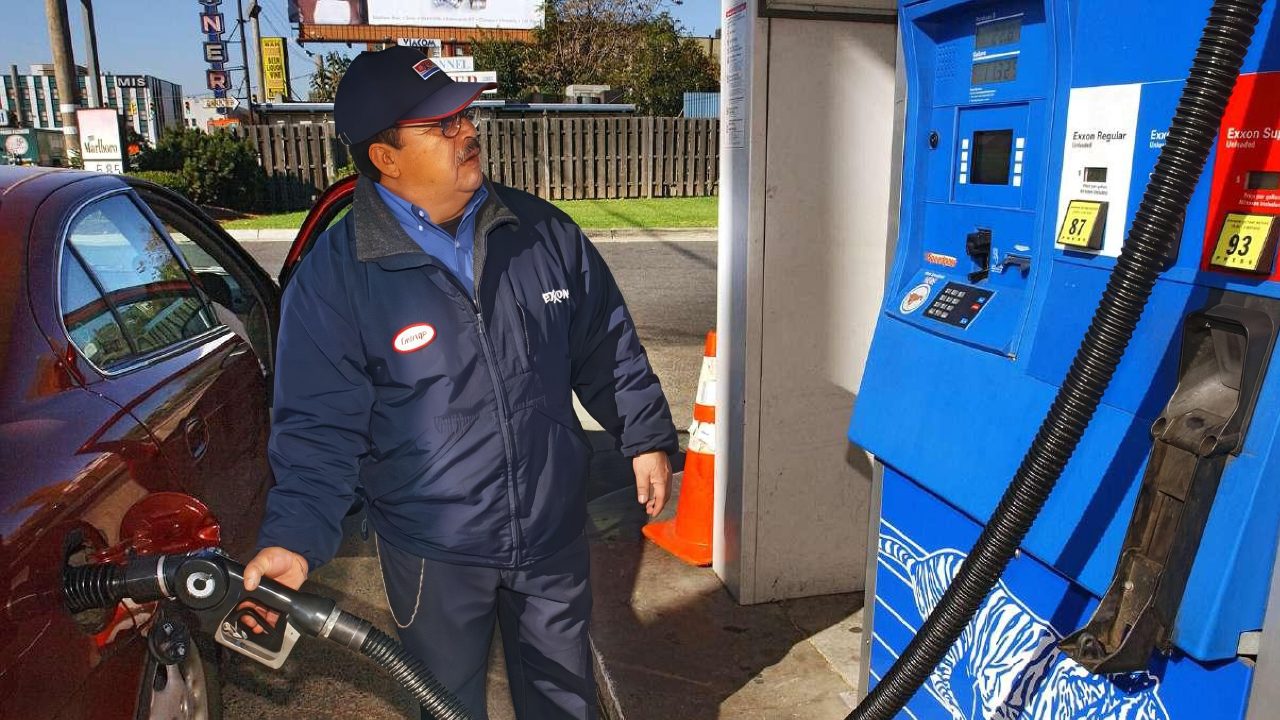
The numbers on the gas station display kept climbing. Across Phoenix, drivers watched prices they hadn’t seen in years tick past four dollars a gallon. At a Chevron, $4.19. Down the street at an Arco, $3.53. Same city, same week, sixty-six cents apart. Arizona fuel costs surged roughly 15 to 16% in roughly the ten days since U.S. and Israeli forces launched Operation Epic Fury on February 28, 2026. Nobody at AAA could say when the bleeding would stop. The Strait of Hormuz was effectively closed to normal tanker traffic, and the math was about to get worse.
Sixty-Six Cents Apart in the Same City
Phoenix-area gasoline jumped roughly 60 cents in a single week, pushing the metro average to just over $4.08 by March 8, while the statewide average neared $3.86. The national average sat around $3.45 to $3.47. Phoenix was paying roughly 60 cents more per gallon than the national average; the statewide average ran about 38 cents above it. Shelly Heisner, a Phoenix food truck owner, watched her lettuce bill jump from $30 to $60 per case in seven days. “Everything on this burger has to be separately bought and transported, it’s just like, fuel fuel fuel,” she told ABC15. One ingredient. One week. Double the price.
Trapped Gas in a Shrinking Pipeline
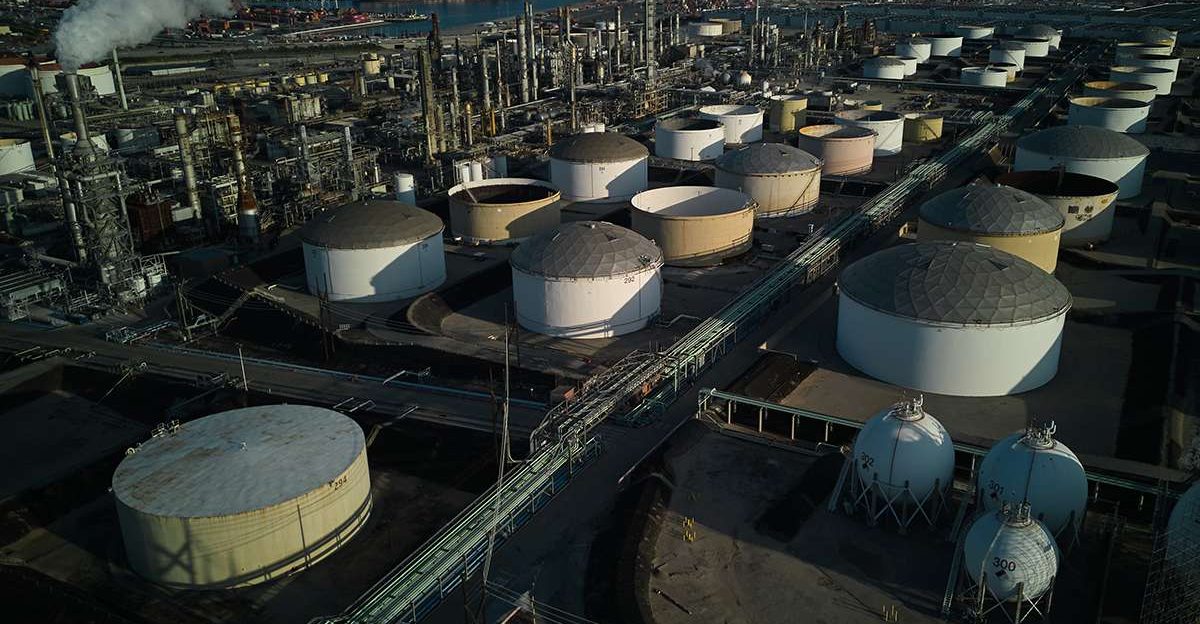
Arizona doesn’t just buy expensive gas. It buys trapped gas. The state receives a significant share of its gasoline from California refineries, and those refineries are disappearing. Phillips 66 Wilmington (about 139,000 barrels per day) closed in late 2025, and Valero Benicia (about 145,000 barrels per day) is scheduled to close by April 2026, together erasing nearly 18% of California’s total refining capacity. Arizona also uses a boutique gasoline specification most U.S. refineries can’t produce. The Western Gateway Pipeline that could bring relief isn’t expected to be finished until 2028 at the earliest.
Twenty Million Barrels a Day Go Dark
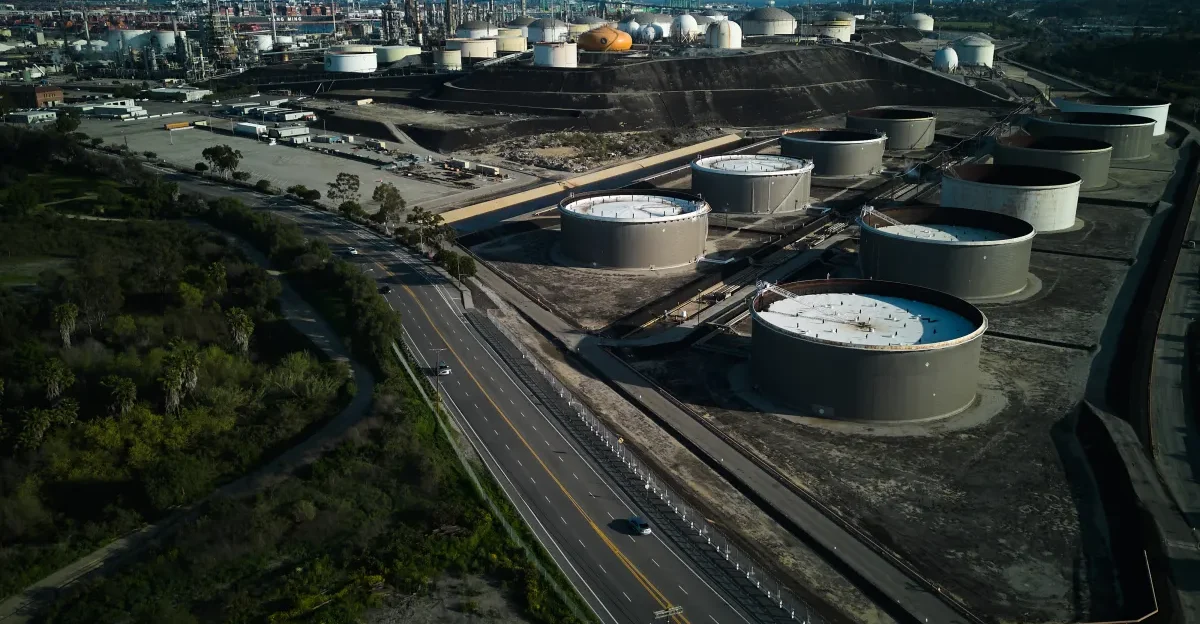
Iran effectively closed the Strait of Hormuz on March 2, choking off roughly 20 million barrels of daily oil flow. That is about four times the size of the 1973 OPEC embargo and more than three times the disruption caused by the 1979 Iranian Revolution. The largest supply disruption in recorded history. Crude surged from the low-to-mid $70s per barrel in late February to past $100 in under three weeks. A spike of roughly 37%. Iraq sharply curtailed its southern output. Iran hit refineries in Kuwait, Qatar, and Saudi Arabia’s Ras Tanura facility, which processes about 550,000 barrels daily. The old price world ended in a week.
A Garden Hose Aimed at a Drained Pool
OPEC+ responded with a production increase of 206,000 barrels per day starting in April. Against a roughly 20-million-barrel hole, that covers about one percent of the loss. Rystad Energy analyst Jorge Leon put it plainly: “If oil cannot move through Hormuz, an extra 206,000 barrels per day does very little to ease the market.” Meanwhile, Kuwait and the UAE announced production cuts because their storage was full and warfare made exports impossible. The rescue plan was a garden hose aimed at a drained swimming pool.
What It Costs to Fill the Tank Now
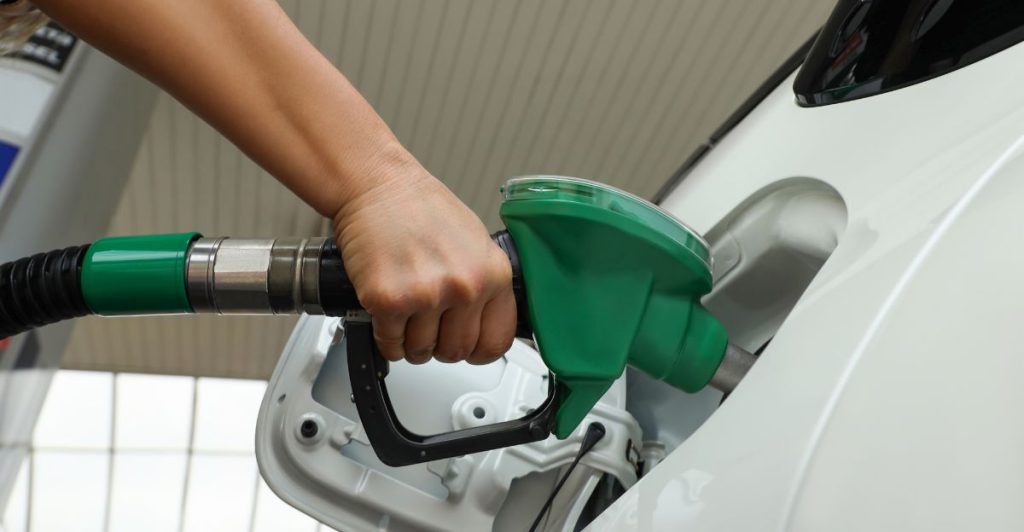
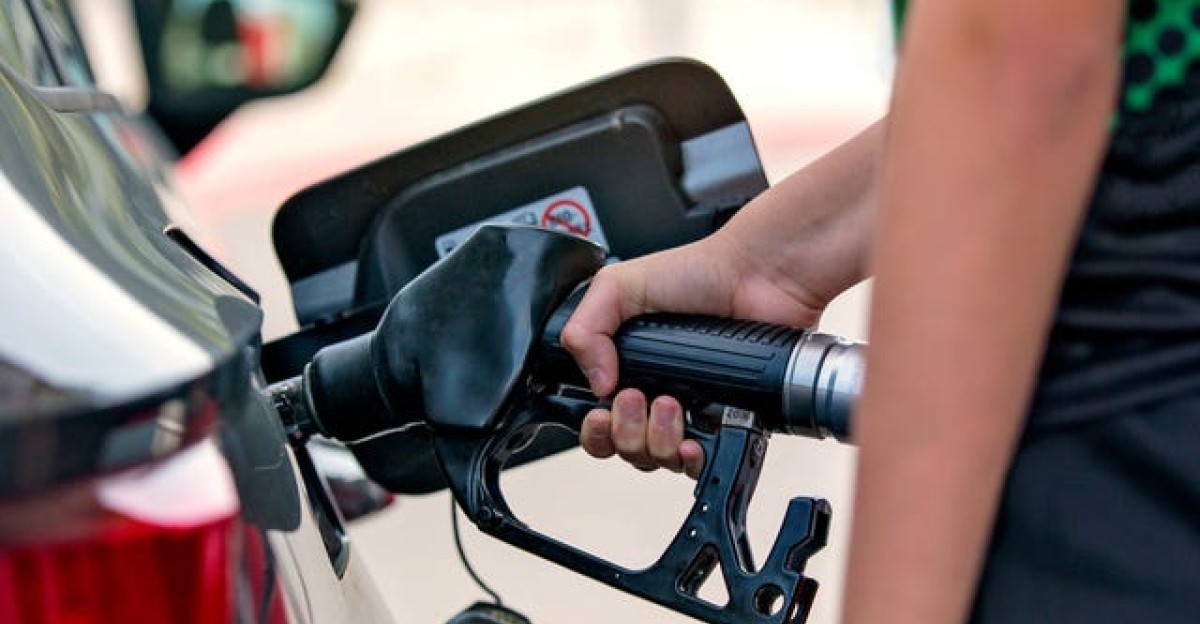
At a Phoenix-area average of about $4.10 to $4.20 per gallon, the average Arizona driver burning 15,000 miles a year at 25 miles per gallon is on pace for roughly $4,320 in annual fuel costs at current crisis prices. Nationally, gas climbed from just under $3.00 on March 1 to around $3.45 to $3.47 by March 9. Diesel topped $4.60 a gallon, with wholesale diesel prices spiking over 30% in a single week. Prediction markets showed rising odds gasoline could reach $4.50 by month’s end, and some traders priced in a chance it could hit $5.00. The all-time U.S. record was $5.016 in June 2022.
The Ripple Hit Everything at Once

This wasn’t just a gas station problem. Diesel’s 30% wholesale surge hit trucking costs immediately, adding an estimated three to five cents per mile for freight carriers. Grocery prices typically lag diesel shocks by two to four weeks, but Phoenix food vendors reported the pass-through arriving in days. Globally, UK natural gas storage had fallen sharply from year-ago levels, leaving only a thin cushion of supply heading into late winter. Energy regulators from the Philippines to Europe demanded explanations for price spikes. Cuba, facing shortages, restricted jet fuel sales to some international airlines on March 9.
History Says It Gets Worse Before It Gets Better

The Iranian Revolution knocked production down by several million barrels per day and left output depressed for decades. That is the historical template now in play. If crude prices continue climbing from their current levels, California — already losing nearly 18% of its refining capacity — could see $7-plus gasoline. Arizona, tethered to California’s shrinking refinery network, would likely follow it up.
The President Who Campaigned on Cheap Gas
Trump won the 2024 election partly by hammering Biden on inflation and high gas prices. Fifteen months later, his own military operation helped trigger the largest oil shock in decades. On Truth Social, he called the spike “a very small price to pay for USA and world safety and peace.” Several U.S. service members had already died. AAA spokesperson Julian Paredes offered no timeline for price relief while fighting continued.
Four Dollars Might Be the Floor
The CBO projected 2.2% real GDP growth for 2026 before any of this happened. Arizona’s population grew last year, meaning more drivers competing for fuel from a supply chain with no slack. The refinery closures hit in April. The pipeline arrives in 2028. And the Strait of Hormuz stays closed until someone opens it. For Arizona, $4.10 a gallon might be the floor, not the ceiling — and at that level, a typical driver is staring at roughly $4,320 a year in fuel if the crisis drags on.
Sources:
“U.S. war in Iran triggers massive spike in Phoenix-area gas prices.” Fox 10 Phoenix, 7 Mar 2026.
“Refinery closures present risk for higher gasoline prices on the West Coast.” U.S. Energy Information Administration, 1 Mar 2026.
“OPEC+ agrees modest oil output boost even as US war on Iran disrupts shipments.” Reuters, 1 Mar 2026.
“Iraqi oil production collapses with Strait of Hormuz blocked by conflict, sources say.” Reuters, 8 Mar 2026.