
Americans Pay $9.4 Billion Extra Per Month At The Pump—Gen Z’s ‘Hard-Won’ Recovery Crushed First
Gas prices surged to $4.02 per gallon on March 31, jumping $1.00 in just four weeks and adding an estimated $9.4 billion to Americans’ monthly fuel costs. The spike followed late February disruptions in the Strait of Hormuz, a critical route for about 20% of global oil supply, sending crude prices above $100 per barrel. Households felt the impact immediately, but younger workers faced the sharpest strain. Gen Z, which had only recently begun increasing spending after years of financial caution, now faces rising costs that threaten to reverse that fragile recovery almost overnight.
A Dollar Jump In Just Weeks
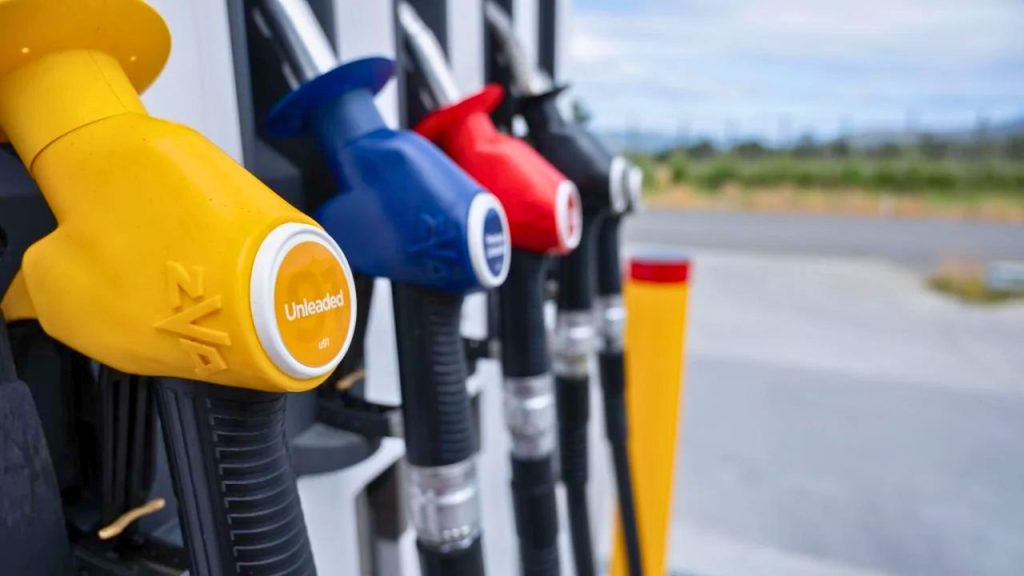
Between February 26 and March 26, AAA recorded a full $1.00 increase in average gas prices nationwide. U.S. crude futures climbed above $100 per barrel, while Brent crude passed $110 on March 30. The surge traced back to late February, when conflict involving Iran disrupted the Strait of Hormuz, a route handling about 20% of global petroleum liquids. That single chokepoint reshaped global supply overnight, locking in higher costs. The speed of this shift explains why households felt the pressure immediately, but another group felt it even more.
Gen Z’s Long-Awaited Breakthrough

By mid-2025, Gen Z spending growth had finally overtaken Baby Boomers after years of lagging behind. Bank of America data showed rising wages, stabilizing rent, and stronger spending on travel, electronics, and dining. After years of caution following the pandemic, younger consumers began opening their wallets with confidence. It marked a rare moment of financial progress for a generation often defined by restraint. That progress created momentum across retail and service sectors, but the sudden spike in fuel costs changed the trajectory almost overnight.
A Recovery Suddenly Cut Short
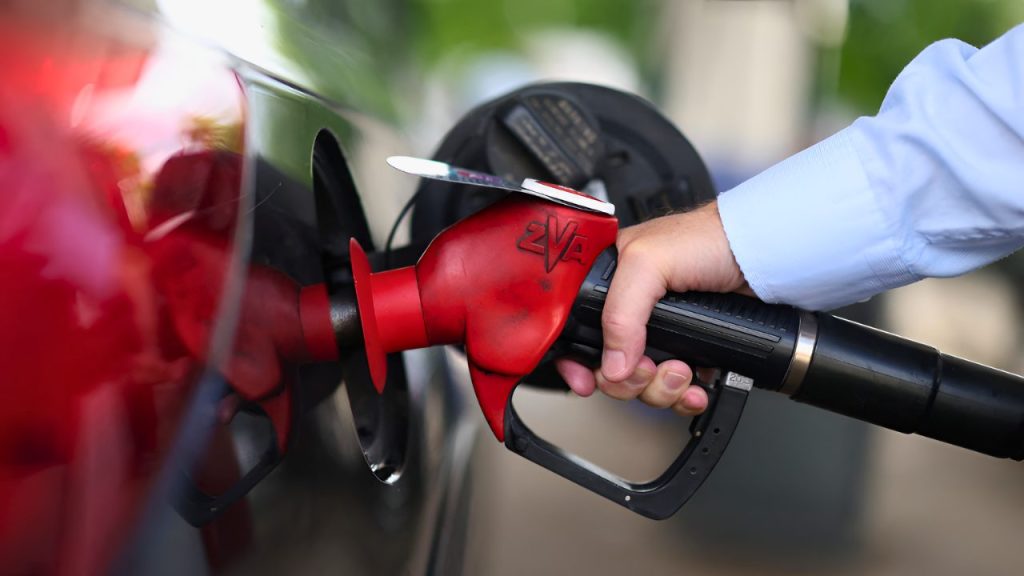
Gasoline prices rose 26% year-over-year, quickly reversing Gen Z’s financial momentum. Bank of America economists described the shift using one word: “snuffed out.” That description reflected how rapidly rising fuel costs forced households to rethink spending priorities. The same generation that had just begun increasing discretionary purchases now faced immediate trade-offs. Essentials took priority again, leaving less room for travel, dining, and retail spending. The impact did not stop with individual budgets, as broader economic effects started to emerge through employment patterns.
Why Younger Drivers Feel It First

Gen Z spends a larger share of total card spending on gasoline than any other generation. That single factor makes fuel price spikes hit younger consumers hardest. Bank of America economists warned, “both Gen Z and Millennials may be even more prone to cutting back on nice-to-have spending amid higher gasoline prices.” Reduced discretionary spending quickly affects retail and service jobs, many of which employ younger workers. Fewer purchases translate into fewer shifts, creating a cycle that feeds back into income loss. The consequences extend far beyond personal budgets.
The Hidden Costs Behind Every Product
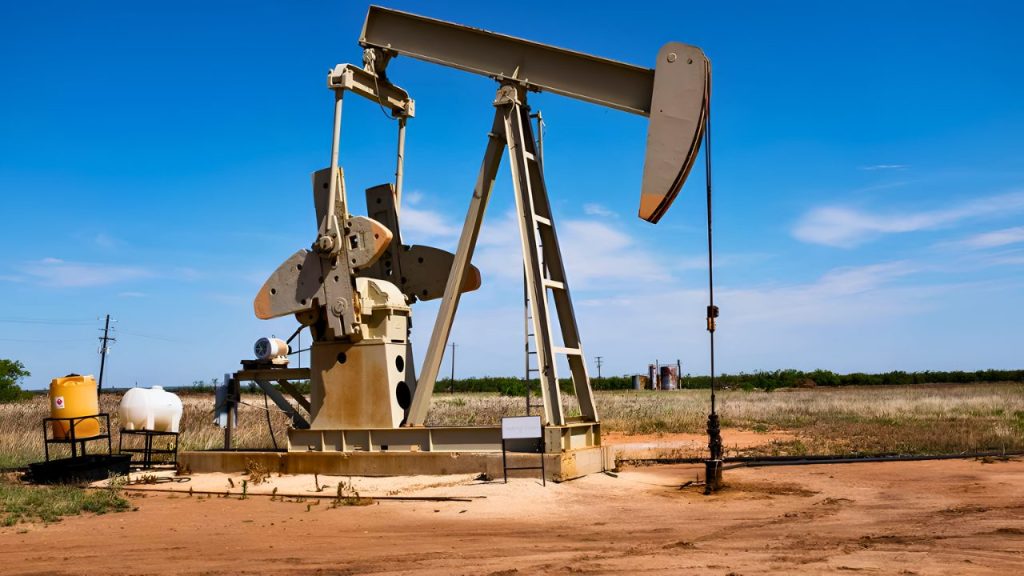
Gasoline is only part of the story. Diesel prices climbed above $5 per gallon, raising costs for trucking, farming, and construction. Every increase moves through supply chains, affecting grocery prices, shipping fees, and building materials. QatarEnergy halted output at its Ras Laffan LNG facility after an Iranian attack, tightening global energy supply further. Airspace disruptions across the Gulf reduced cargo capacity by about 12%, forcing longer routes and higher costs. These overlapping disruptions quietly raise prices across the economy, reaching households in unexpected ways.
Billions More Paid Every Month
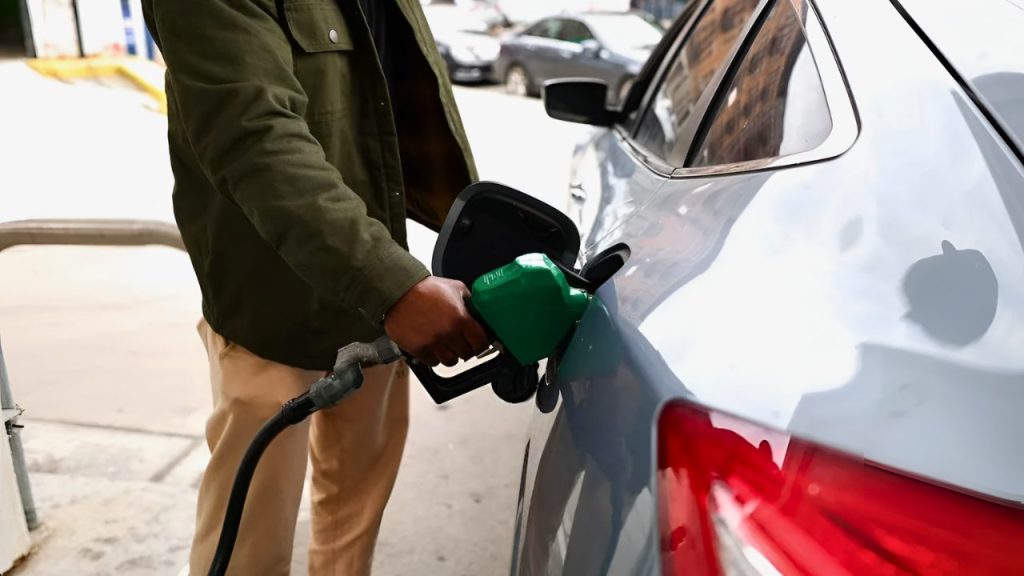
The rapid increase in fuel prices means Americans now spend an estimated $9.4 billion more per month on gasoline compared to late February levels. Lower-income households and long-distance commuters carry the heaviest burden because fuel represents a larger share of their expenses. Spring tax refunds offered temporary relief, but rising commuting costs quickly offset those gains. Jarah Euston, COO of WorkWhile, explained the impact clearly: “When gas prices spike, commuting effectively becomes a pay cut.” That shift reshapes how workers evaluate jobs and wages.
Emergency Actions Struggle To Keep Up
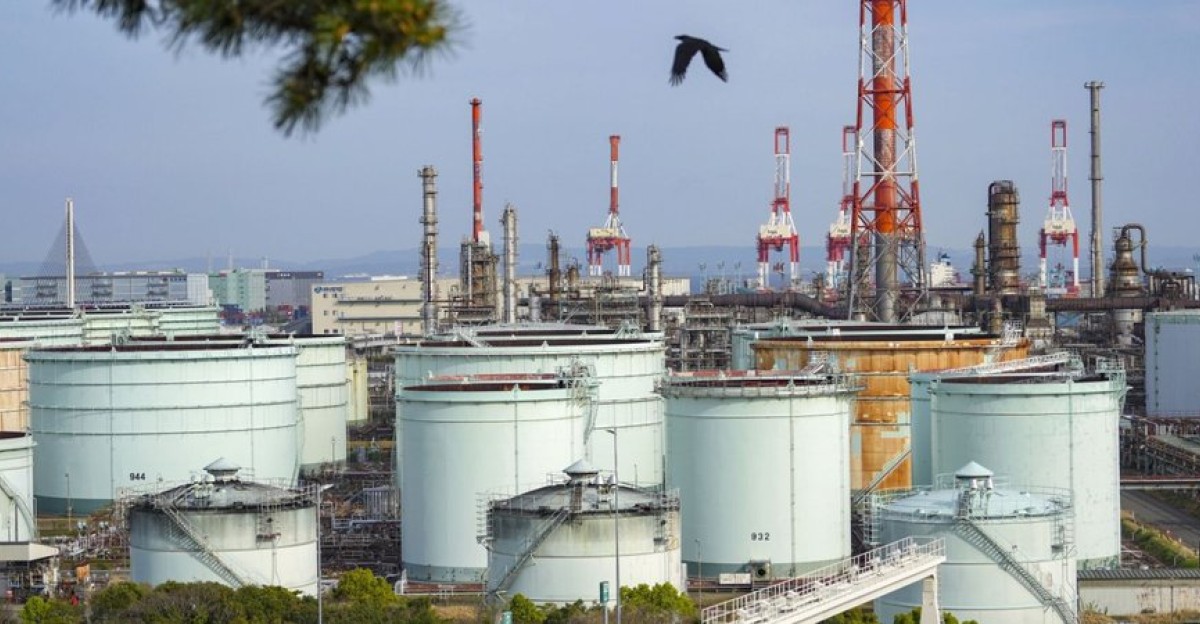
Governments responded quickly, but the scale of disruption limited the impact. The International Energy Agency announced a record 400 million-barrel release, while the U.S. tapped the Strategic Petroleum Reserve and waived the Jones Act. These steps increased supply in the short term, yet they could not fully replace flows disrupted through the Strait of Hormuz. Airlines reacted by raising fuel surcharges and cutting routes ahead of peak travel season. These measures reveal how deeply fuel costs are embedded across industries and why relief remains uneven.
When Institutions Start Raising Prices

On April 26, 2026, the United States Postal Service is expected to introduce its first fuel surcharge, adding 8% to package deliveries if approved. Airlines have already adjusted, with United reducing flights and carriers like SAS and Air New Zealand cancelling over 1,000 services each. Construction input costs also climbed sharply in early 2026, reflecting rising energy expenses. These actions show organizations adapting to sustained higher fuel costs rather than a temporary spike. That shift signals a longer-term change in how prices behave.
A New Reality At The Pump
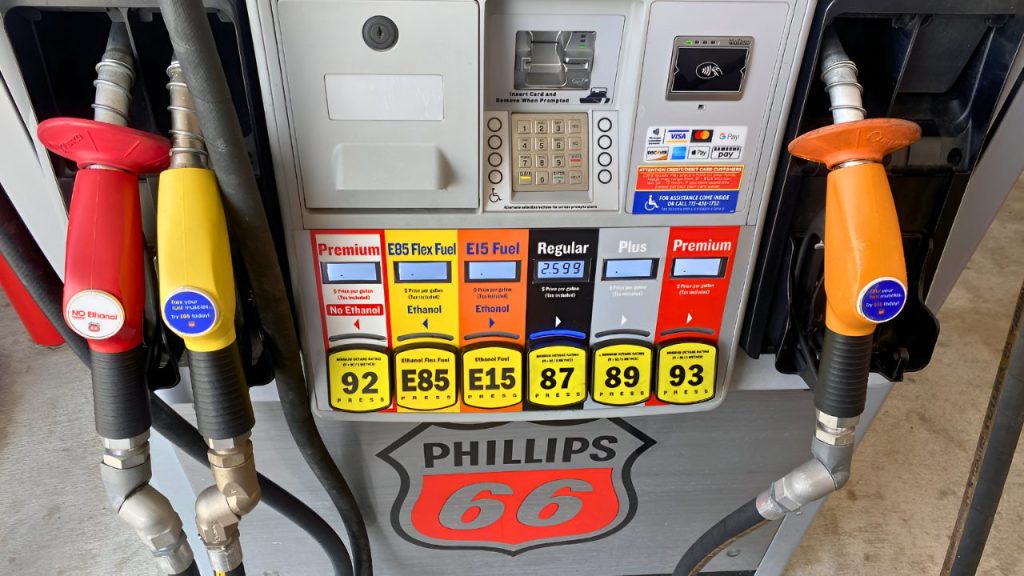
The Energy Information Administration revised its outlook in March 2026, projecting average gasoline prices of $3.34 for 2026 and $3.18 for 2027, both higher than earlier forecasts. Seasonal peaks could push prices even further in May 2026. Rideshare drivers report fill-ups rising from $35–40 to $50–55, cutting into already thin margins. Retail and leisure workers face reduced hours as spending slows. The effects ripple across every sector, showing how one price shift reshapes an entire economy and leaves lasting consequences.
Sources:
Jump at the Pump as National Average Goes Up Nearly 27 Cents. AAA Gas Prices, March 5, 2026
Month: March 2026 – National Gas Price Averages Rise to Nearly $4 per Gallon. AAA Gas Prices, March 26, 2026
The Strait of Hormuz is the world’s most important oil transit chokepoint. U.S. Energy Information Administration, March 30, 2026
Will younger‑gen spending hit a gas‑price speed bump? Bank of America Institute, March 23, 2026
IEA to release record 400 million barrels of oil to address Iran war. CNBC, March 11, 2026
U.S. Postal Service seeks 8% fuel surcharge for package deliveries. CNBC, March 25, 2026
EIA expects lower gasoline prices in 2026 and 2027 as crude oil prices decline. U.S. Energy Information Administration, March 31, 2026