Americans Pay $300 Million A Day More As Gas Prices Rise Nationwide
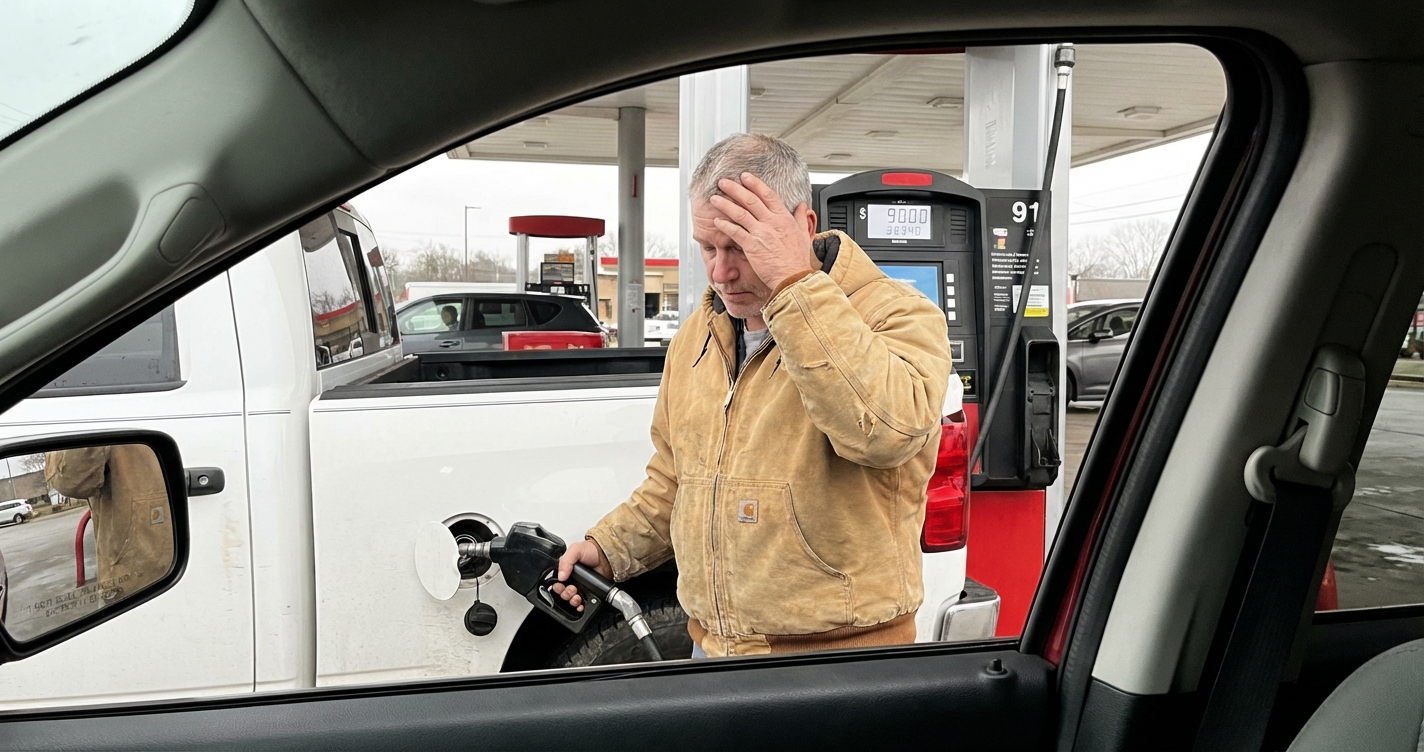
Americans are spending roughly $300 million more on gasoline today than they did just 30 days ago, a jump that underscores how quickly fuel costs can bite household budgets. Patrick De Haan, head of petroleum analysis at GasBuddy, said the increase reflects a sharp rise in pump prices driven by geopolitical tensions and seasonal factors. With the national average now above $3.71 per gallon, each extra cent at the pump translates into millions of dollars in daily expenses for motorists nationwide.
Pump Prices Surge Past $3.70 as Weekly Jump Adds 25 Cents
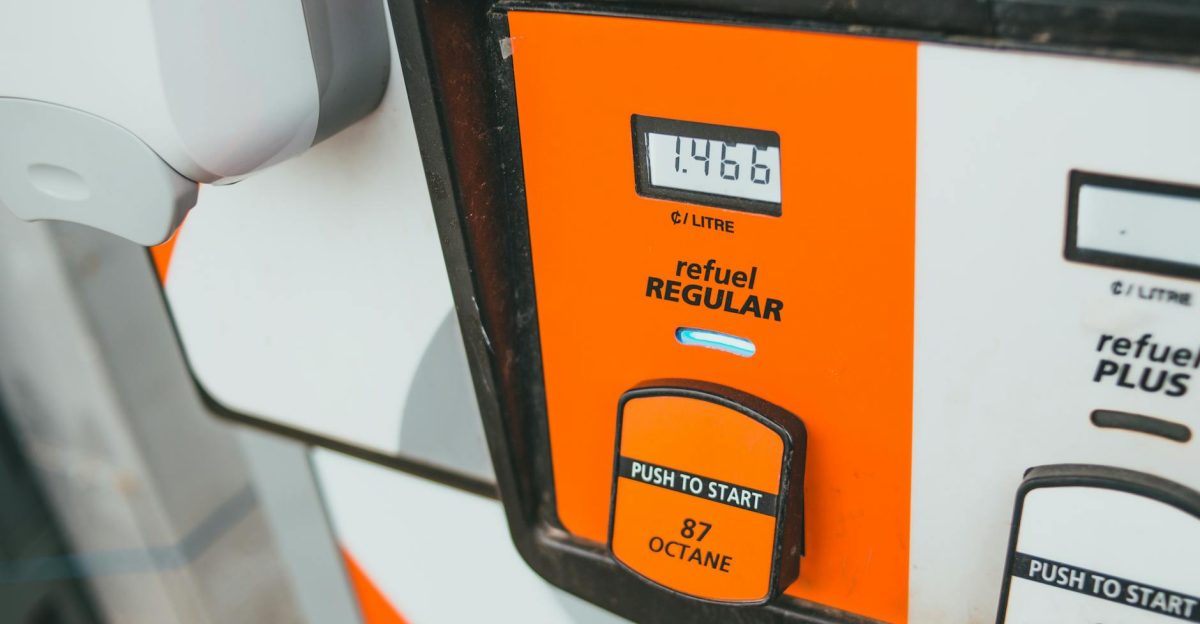
Over the past week, the average price for regular gasoline has climbed by about $0.25, bringing the national figure to $3.71 per gallon, according to the latest motor fuel data. Compared with a month ago, pump prices are up roughly $0.80, reflecting both the ongoing conflict in the Middle East and the seasonal switch to summer grade blends. AAA notes that such a rise places current costs higher than they were on most days during the previous three years, even before adjusting for inflation.
Every Cent at the Pump Multiplies into Millions Daily
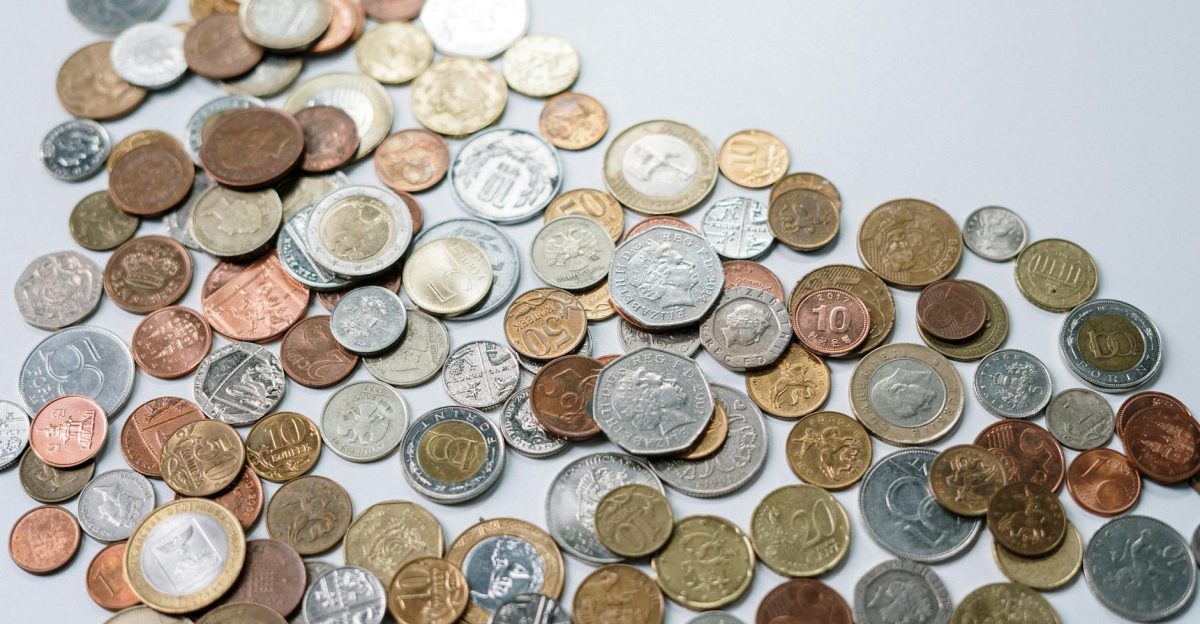
U.S. motorists consume about 375 million gallons of gasoline each day, meaning that a one cent increase in the pump price adds roughly $3.75 million to daily fuel expenditures. This amplification turns even modest price moves into significant financial strains for households and businesses alike. Patrick De Haan of GasBuddy emphasized that the current environment turns small fluctuations into large budget impacts almost overnight.
Strait of Hormuz Disruption Sparks Oil Price Surge
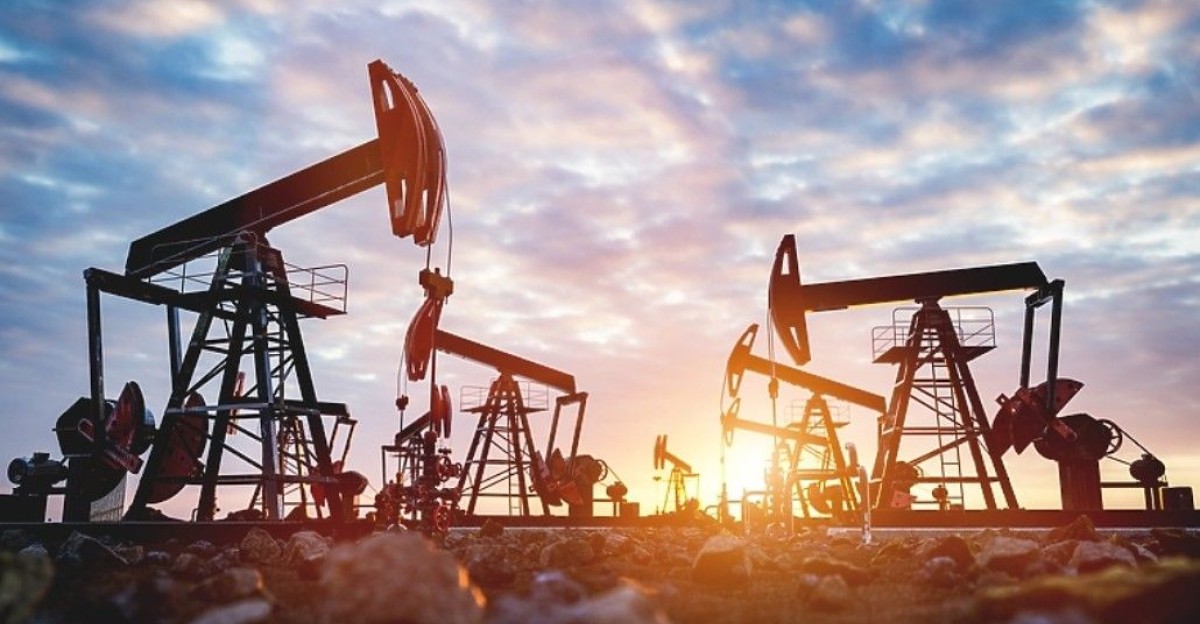
The latest spike is tightly linked to the U.S.-Israel conflict with Iran, which has threatened to choke off oil shipments through the Strait of Hormuz, a waterway that moves roughly 20% of the world’s oil and liquefied natural gas. Analysts say the near shutdown of this critical chokepoint has pushed benchmark crude prices up more than 33% since late February, turning what was once a routine transit route into a flashpoint for global energy markets.
Analysts Warn Oil Could Top $140 a Barrel if Fighting Drags On
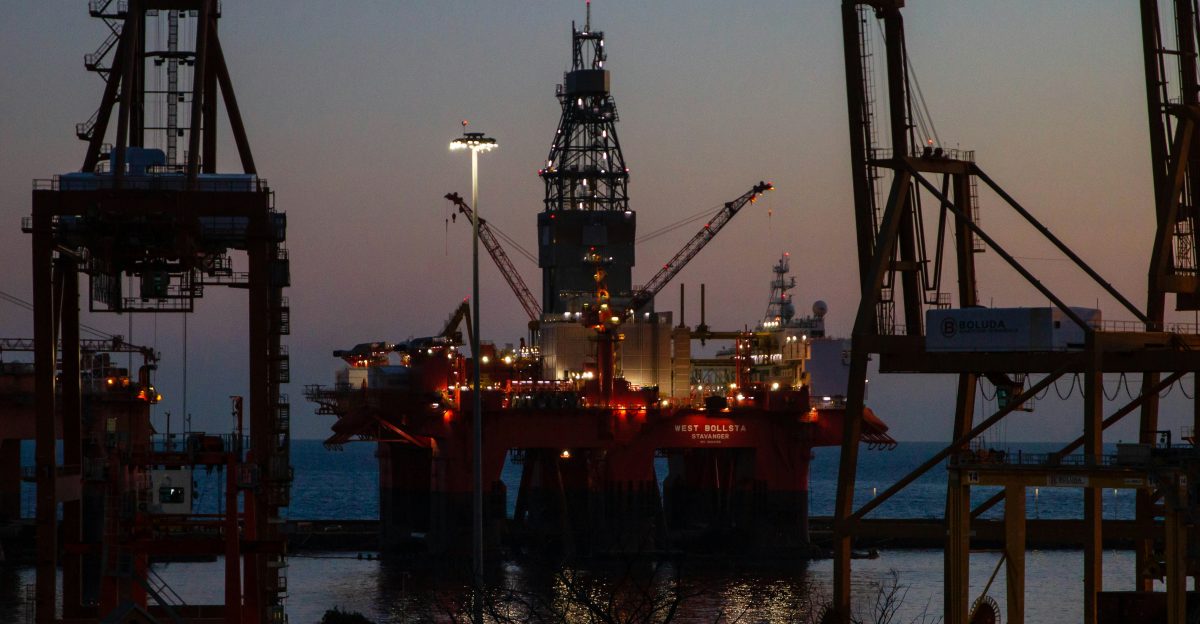
If the hostilities continue, energy experts caution that crude prices could surpass previous peaks and climb into the $128 to $146 per barrel range, levels not seen since the early 2020s. Such a jump would further lift gasoline costs at the pump, amplifying the financial pressure on commuters and freight operators. The American Bazaar Online reports that Brent crude has already broken above $105 per barrel, while U.S. oil futures have topped $100, marking an increase of more than 40% since the conflict began.
Summer Blend Transition Adds Seasonal Upward Pressure
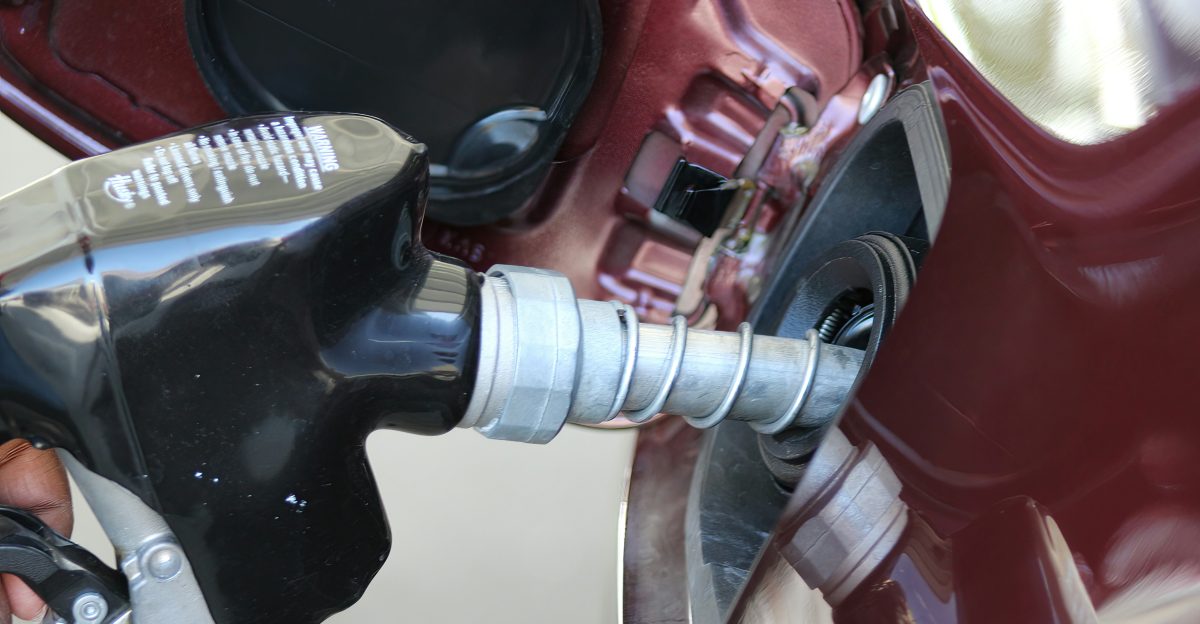
Beyond the geopolitical turmoil, the seasonal shift to summer grade gasoline blends is also contributing to the upward pressure on pump prices, as refineries adjust production to meet stricter emissions standards. This transition typically raises costs by a few cents per gallon each spring, and this year it coincides with the market driven spikes from the Middle East crisis. Patrick De Haan noted that the combined effect is pushing prices higher than they would be from either factor alone.
Lower Income Households Shoulder the Heaviest Burden

Analysts warn that lower and middle income families will feel the pinch most, as gasoline expenses consume a larger share of their budgets and could offset some of the intended benefits of recent tax relief measures. Patrick De Haan of GasBuddy said the disproportionate impact arises because these households spend a higher proportion of income on transportation, leaving less flexibility to absorb sudden price jumps. Without relief, the added fuel costs may force difficult choices between commuting, heating, and other essentials.
GasBuddy: Prices Now Exceed 78% of Days Since 2022

According to data cited by Patrick De Haan, today’s gasoline prices are higher than they were on 78% of days between 2022 and January 2025, even without adjusting for inflation. This statistic illustrates how the current rally has pushed fuel costs into territory rarely seen in recent years, reinforcing the sense that the pump price surge is more than a fleeting blip. AAA’s fuel price tracking service confirms that the national average remains elevated compared with most of the past three year period.
Global Response: IEA Releases 400 Million Barrels of Emergency Oil

In an effort to calm markets, the International Energy Agency coordinated a release of more than 400 million barrels of crude and petroleum products from member nations’ strategic reserves, the largest such action in the agency’s history. Despite the scale of the release, oil prices have remained elevated, analysts say, because the underlying fear of a prolonged Strait of Hormuz blockade continues to outweigh short term supply relief. The American Bazaar Online notes that the move highlights how potent geopolitical supply fears can be compared with past shocks.
Outlook: Prices May Stay Elevated Until Conflict Eases

Looking ahead, experts warn that gasoline prices are likely to stay high as long as the U.S.-Israel conflict with Iran persists, with any de-escalation potentially easing the pressure on the Strait of Hormuz and allowing oil flows to normalize. NBC News reported that the White House has characterized the current surge as short term, but acknowledged that the timeline depends on how quickly hostilities subside. Until then, motorists across the country will continue to feel the pinch at the pump, especially those with limited financial flexibility.
Sources:
“Americans Are Spending $300 Million More on Gasoline Than a Month Ago.” Yahoo Finance, March 2026.
“Gas Prices Are Up 26 Cents Since Last Week, GasBuddy Finds.” Yahoo News, March 5, 2026.
“Amid Regional Conflict, the Strait of Hormuz Remains a Critical Oil Transit Chokepoint.” U.S. Energy Information Administration (EIA), March 2026.
“IEA to Release Record 400 Million Barrels From Oil Reserves.” Bloomberg, March 11, 2026.
“Trump Says Fuel Cost Spike Is Temporary as Pressure Mounts.” NBC TODAY, March 16, 2026.