American Truckers Paying $5 A Gallon For Diesel After Foreign Chokepoint Sends Prices Surging
Walk into any truck stop in America this week and look up. The diesel sign isn’t at $4-something anymore. It crossed $5, and not just in California, where everything costs too much anyway. The national average. Every region. All of it.
The biggest two-week diesel price jump ever recorded in this country just happened, beating a mark set during one of the worst energy crises in recent memory. It started with a single chokepoint on the other side of the world, and it got to your fuel gauge faster than anyone in Washington was ready to admit.
There’s a Waterway You’ve Never Thought About. You’re Thinking About It Now
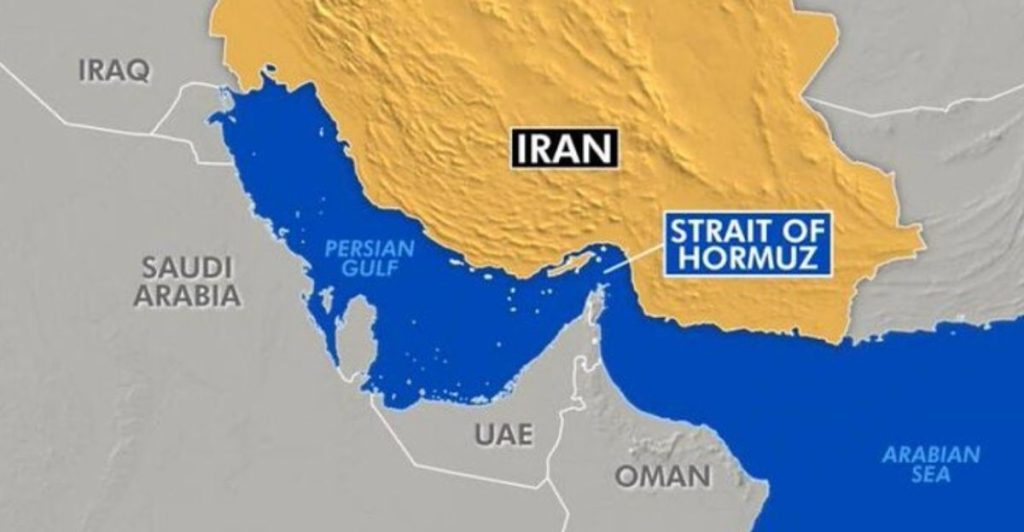
The Strait of Hormuz is 21 miles wide at its narrowest point. That’s it. Twenty-one miles — and roughly 20% of the world’s entire daily oil supply threads through it. Every barrel headed west from Saudi Arabia, Iraq, Kuwait, the UAE, and Qatar goes through that gap.
When U.S. and Israeli strikes hit Iran on February 28, Iran hit back. Tanker traffic through the strait collapsed from 138 ships a day to just four. Markets didn’t wait to see what happened next; they repriced everything immediately, assuming the worst. That assumption landed at your pump in under two weeks.
The Retail Numbers. No Mixing, No Spin
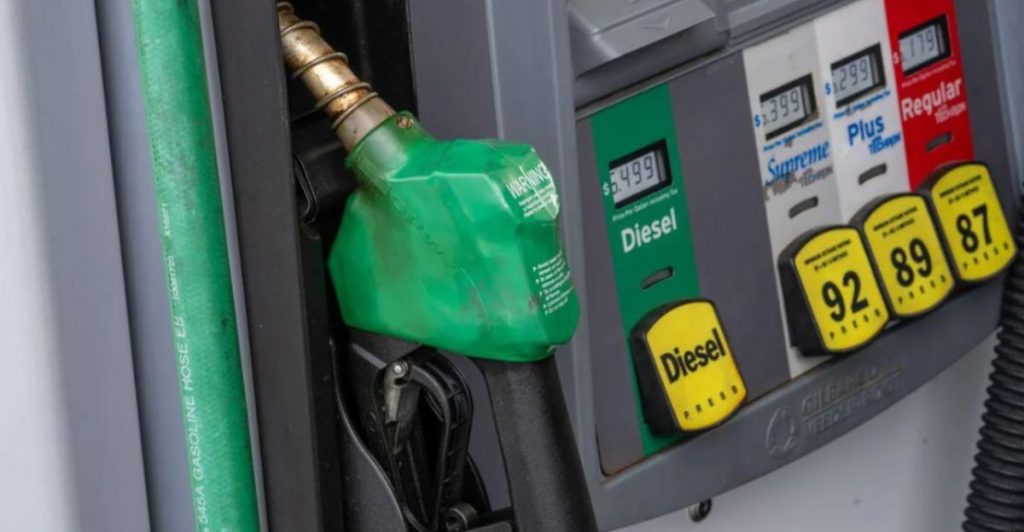
In the first EIA weekly print after the Hormuz closure, national retail diesel was $3.897 a gallon. Two weeks later, on March 16, it was $5.071. A $1.174 retail jump in two EIA prints. The fastest on record, eclipsing the 2022 record of $1.17. AAA clocked the daily average at $5.044. Diesel is now up 37% from where it sat in early February, before any of this started.
Before this week, only 32 EIA weekly readings in the entire history of the data series had come in above $5 a gallon, all in 2022. We just added number 33. And the Hormuz situation hasn’t been resolved.
Meet the Guy Actually Living This — Not Watching It on Cable News
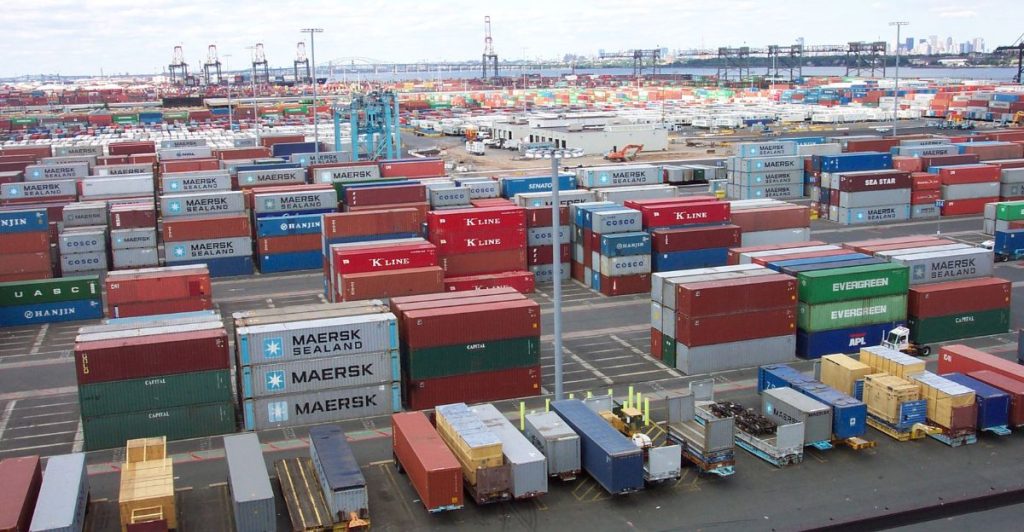
Bruce Vick doesn’t trade oil futures. He runs Hartman Trucking, an intermodal drayage company based in West Manchester Township, Pennsylvania, that mostly hauls containers from the Port of Baltimore. This week, Pennsylvania diesel crossed $5.11 a gallon.
His monthly fuel budget went from $12,000 to $15,000 — a jump he told local media translates to a $100,000 annual hit that’s “quite challenging to transfer to clients.” Hartman has already raised its fuel surcharge 10%. Vick put it straight: “Eventually it gets to someone, and that is usually you or I.” That’s a guy doing real math with no good answer.
It’s Not Just Truckers. It’s Everything That Ever Rode on a Truck
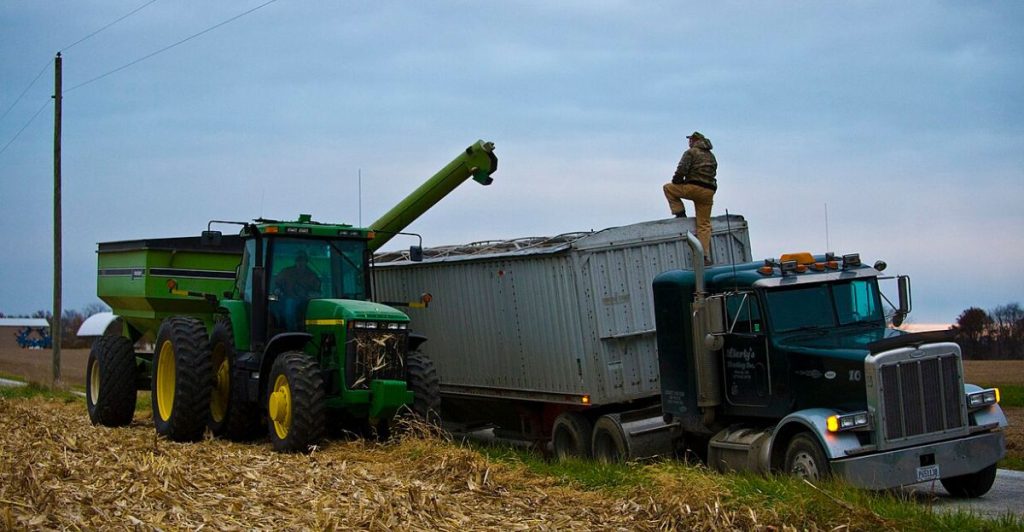
Diesel moves the country. The John Deere in the field. The refrigerated trailer hauling milk. The flatbed carrying steel to a job site. The barge on the Mississippi. The USDA’s most recent highway freight survey found that trucks carry 83% of all agricultural freight in America. FedEx and UPS have already bumped their fuel surcharges and added East Coast fees.
GasBuddy’s Patrick De Haan, head of petroleum analysis, called this spike “extraordinarily sharp in a short time” and warned it touches the cost of “everything.” Groceries. Medicine. Building materials. Hardware.
Everyone’s Blaming Oil. They’re Looking at the Wrong Thing.
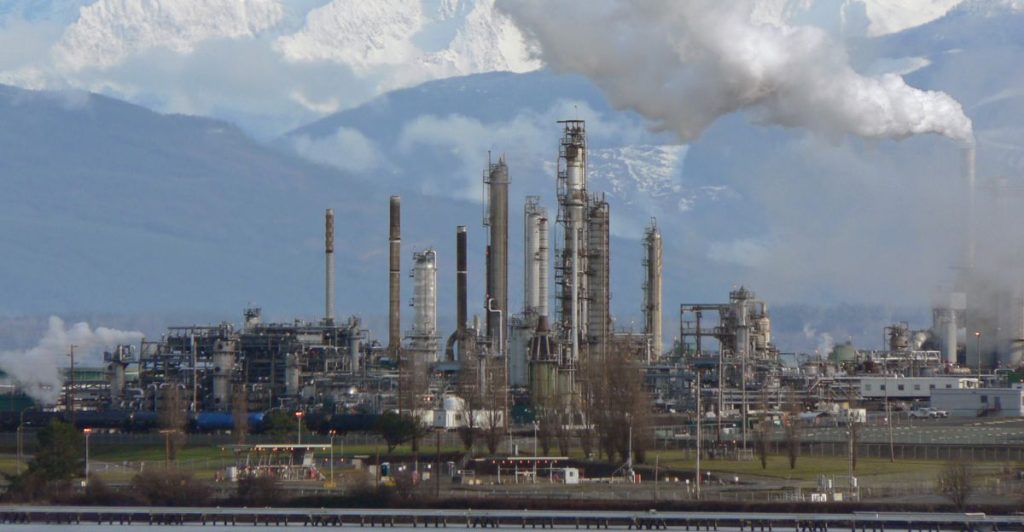
Diesel isn’t crude; it’s a manufactured product. Refineries have to process the crude, crack specific molecular fractions, and produce middle distillate on a yield curve that has nothing to do with whatever Brent crude is doing today. Independent oil analyst and OPIS co-founder Tom Kloza said it straight: “Diesel is a product that can move without the consequences attached to gasoline.”
Diesel can spike independently, its own supply chain, its own inventory constraints, its own pressure points. In 2022, with less production disrupted than today, diesel peaked at $5.816 a gallon. The current crisis has more shut in.
Your Pump Price Was Decided Days Before You Pulled In
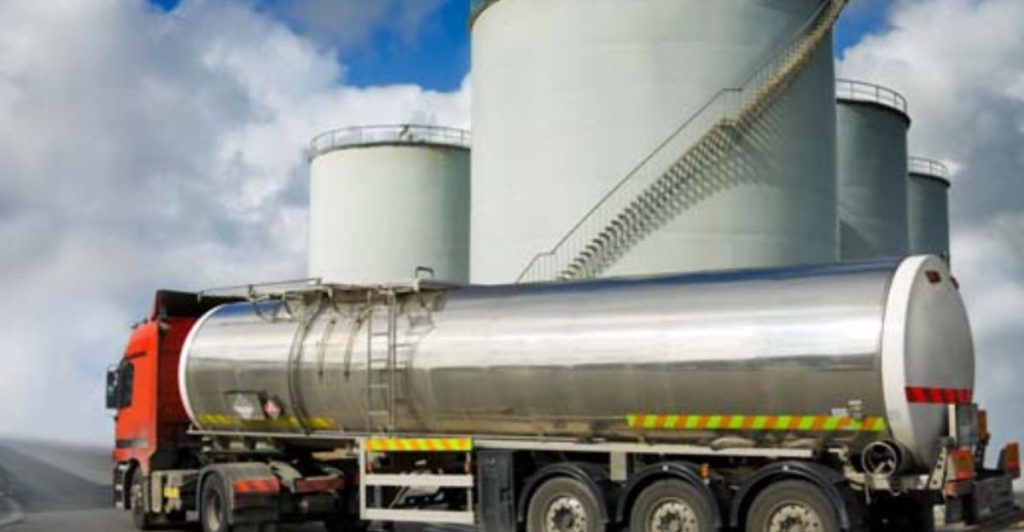
Here’s how it actually works: before any retail sign flipped, wholesale diesel was already screaming. The price that refiners and distributors trade on moved nearly a dollar in a single weekend, Kloza tracked it himself: “At the end of February, diesel fetched around $3.85/gal., but by Monday morning the national average was $4.78/gal.” That’s not a slow burn. That’s a price wave rolling from the trading desk straight to the nozzle in your hand.
The retail pump is the last stop on a chain that started the moment Hormuz went quiet, and by the time the sign flipped to $5, the wholesale market was already pricing in what comes next.
What Does $18 of Pure Fear Look Like at the Pump?
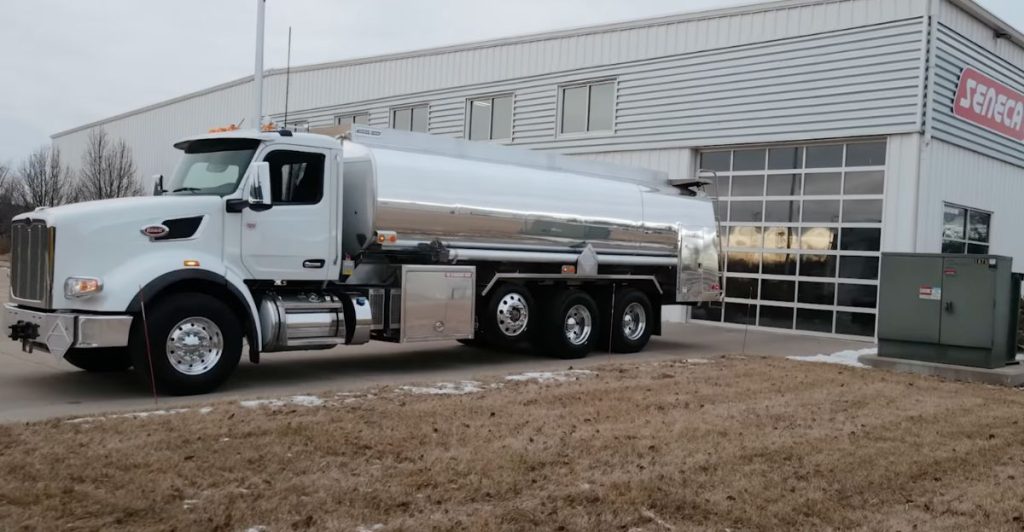
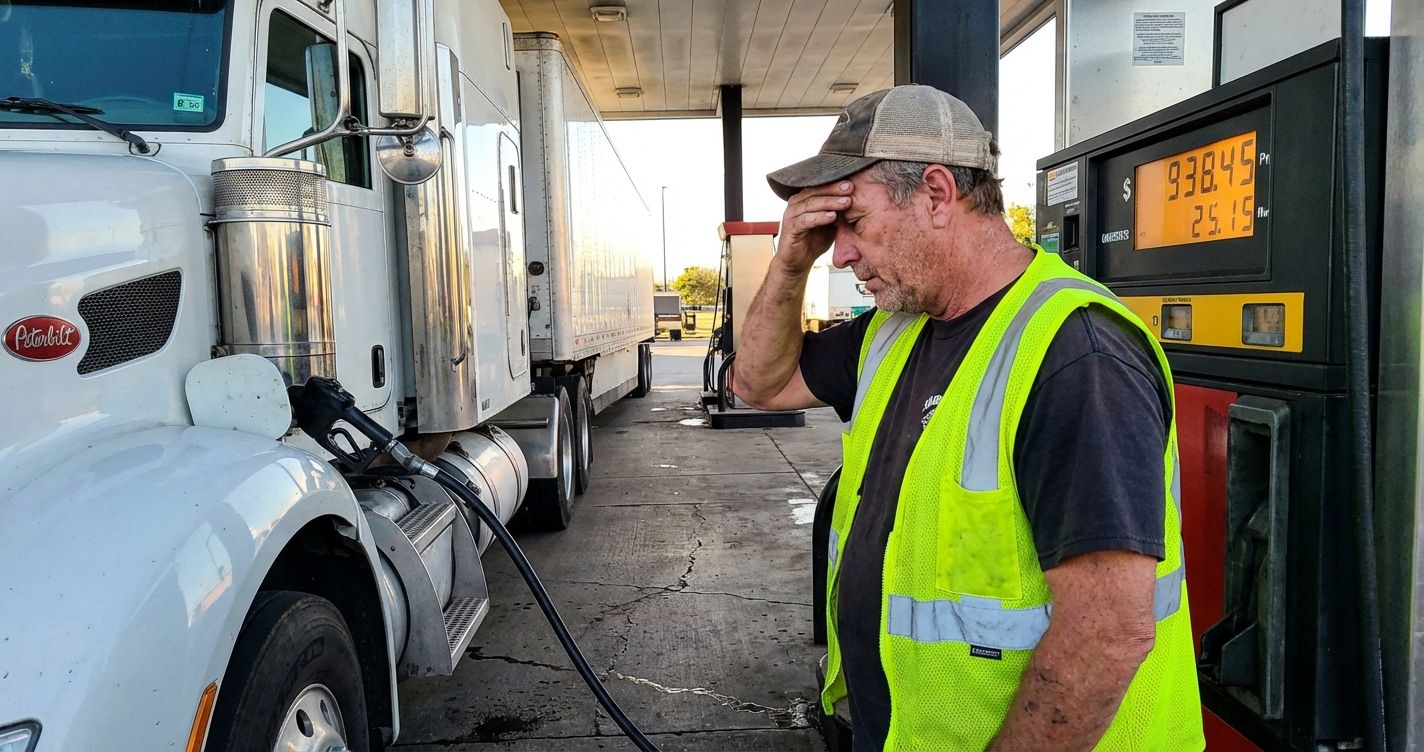
At the outbreak of the conflict, Goldman Sachs estimated an $18-per-barrel risk premium baked into crude, not a shortage, not a production cut, just fear of what could happen. On a Peterbilt running 300-gallon saddle tanks, that fear alone adds roughly $257 to a single fill before the driver turns the key. Brent crude hit $106 a barrel by mid-March, up more than 40% in two weeks. WTI crossed $101.
The Trump administration announced a release of 172 million barrels from the Strategic Petroleum Reserve. That might ease crude. It won’t fix diesel; the SPR holds crude oil, and diesel is what comes out the other end of a refinery. Two different problems. One tool. Drivers are covering the gap.
The Cold Hard Numbers. No Spin
The EIA’s official weekly on-highway diesel average, the number the entire U.S. trucking industry uses to calculate fuel surcharges, came in at $5.071 a gallon for the week ending March 16. Since mid-January, when the national average was $3.459, prices have risen in nine consecutive weekly prints. California hit $6.43 a gallon. The Rocky Mountain region, with the cheapest fuel in the country, was $4.40. There is no cheap diesel left in America.
Spot freight rates on van, reefer, and flatbed loads added 10-plus cents per mile, trying to keep up, but still didn’t fully cover the hit. Every surcharge increase gets passed to a shipper. Every shipper passes it to a retailer. Every retailer passes it to you.
$5 Diesel Is Either a Wake-Up Call or the New Normal
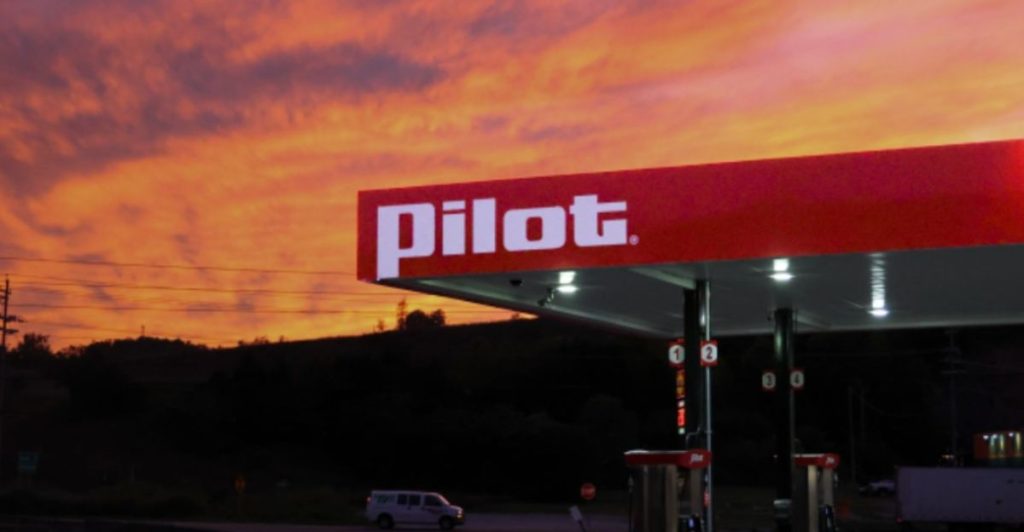
Watch the Pilot and Love’s signs next Monday morning, because whatever the EIA prints for distillate inventories and refinery runs this week will move them. If supply stays choked and refineries can’t make up the volume, $5 isn’t the ceiling. It’s the floor. Goldman Sachs already warned that OPEC’s production pipeline is stranded as long as Hormuz stays shut — those barrels physically cannot get out. GasBuddy’s Patrick De Haan was direct: the outcome globally “will be rough everywhere.”
The inflation fight everyone thought America had finally won just got a new front, opened by a 21-mile chokepoint most people couldn’t find on a map, and felt at every diesel pump from Nashville to Sacramento.
Sources
EIA Weekly U.S. No. 2 Diesel Retail Prices — U.S. Energy Information Administration
US Retail Fuel Prices Jump at Outset of Iran War: EIA — Argus Media
Diesel Sees Biggest 2-Week Price Hike, Analyst Says — Forbes
Trucking Companies See Costs Skyrocket as Diesel Surges — Yahoo Finance
Strait of Hormuz Concerns: Diesel Benchmark Sets a Record Gain — FreightWaves
Goldman Sachs Warns Oil May Surge Above $100/bbl if Hormuz Flows Don’t Recover — Reuters