American Buyers Shifted To Trucks And SUVs Nationwide Driving Drastic Budget Squeeze
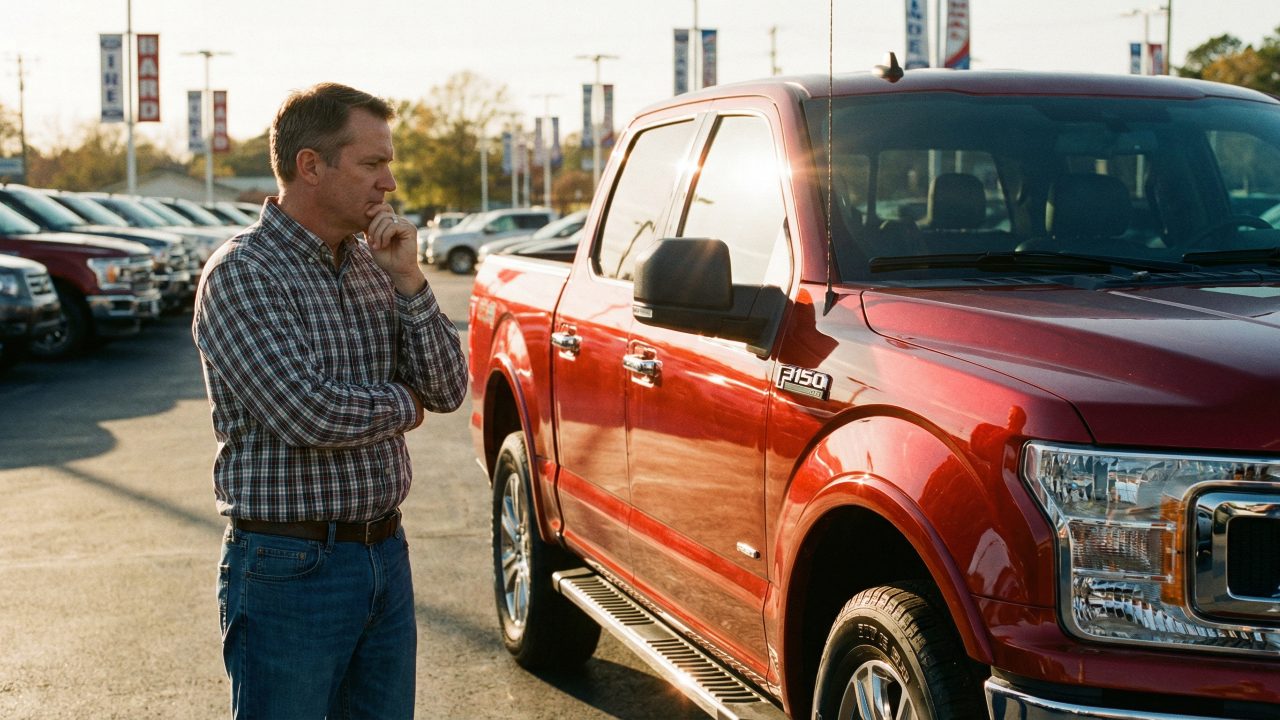
New-car prices across the United States have soared, and Reuters points to one big reason: American buyers shifted toward trucks. This is not a regional quirk or a temporary blip. It is a nationwide migration toward bigger, pricier vehicles that lifted the entire market’s average transaction price. The BLS Consumer Price Index for new vehicles confirms the upward trajectory. For millions of buyers, the sticker shock is real, and the monthly payment is heavier than anything they budgeted for. The part most people miss is where that payment pressure actually lands.
The Mix Shift
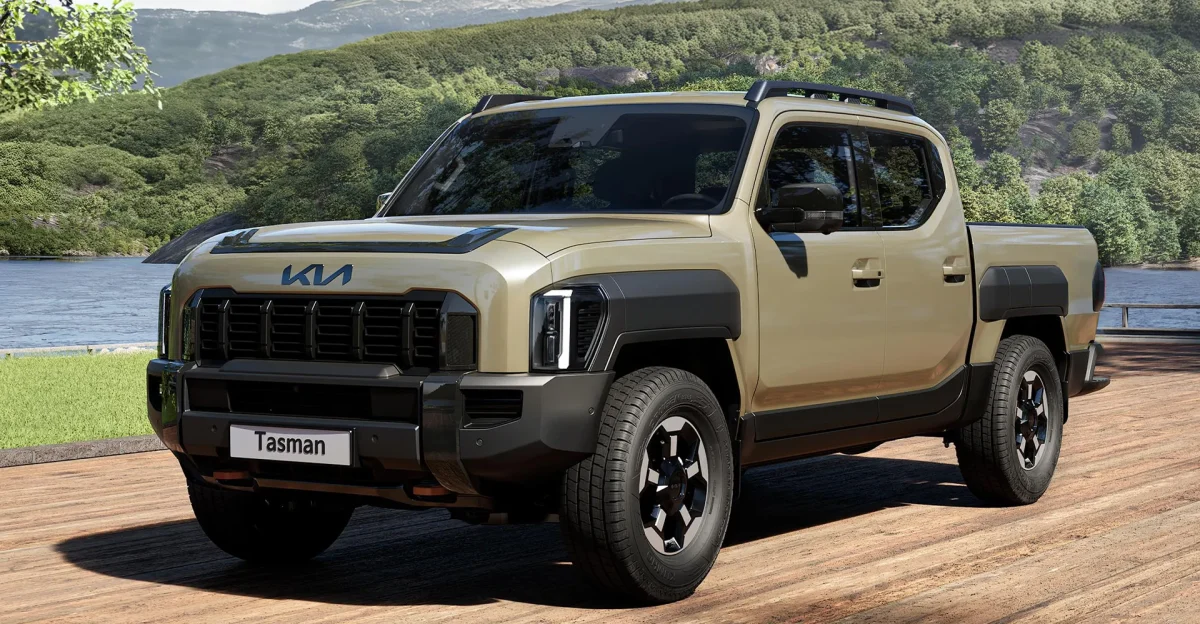
The mechanism is deceptively simple. When buyers trade sedans for pickups and larger models, the average price paid per vehicle climbs even if no single model gets more expensive. Think of it like a restaurant where everyone starts ordering steak instead of pasta. The average check jumped, and the kitchen didn’t raise a single price. EPA automotive trends data tracks this exact phenomenon: vehicles sold in America keep getting bigger and heavier, year after year. That upward creep in size IS the price escalator. And it compounds with every model year.
Payment Shock

For a family shopping for a new car, the shift hits one place first: the monthly payment. Buyers are forced into higher monthly payments because the vehicles dominating showroom floors cost more to begin with. Longer loan terms and climbing APRs make it worse. Edmunds tracks these affordability metrics closely, and the picture is a budget squeeze that compresses household spending everywhere else. Groceries, utilities, savings. All competing with a car note that grew because the market moved upscale. The dealership didn’t cause this. The entire product mix did.
Dealer Dilemma
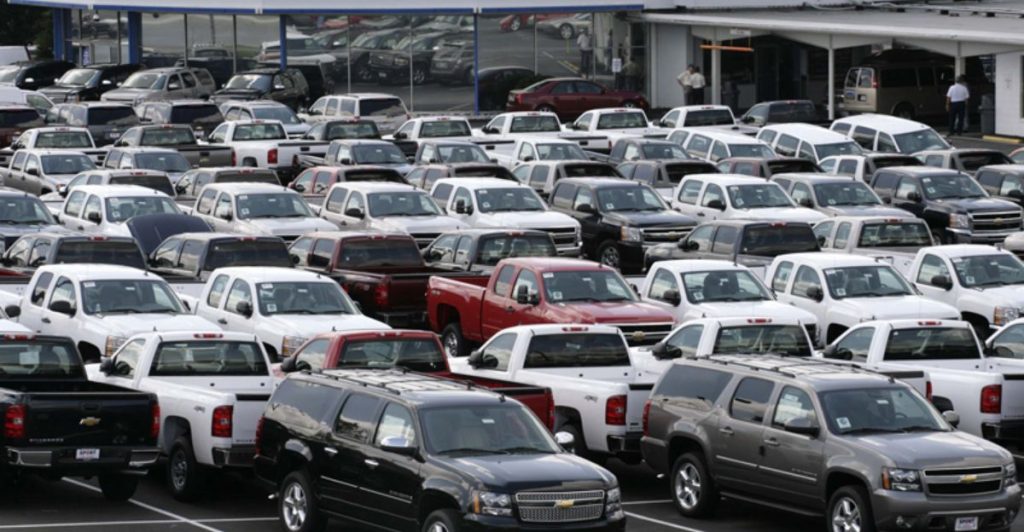
Dealerships are adapting, but not in ways that help buyers. With the market’s center of gravity tilting toward light trucks, including SUVs, smaller and cheaper models are harder to find on the lot. Automakers build what sells, and what sells is bigger. Cox Automotive market insights show average transaction prices reflecting that reality nationwide. Dealers stock inventory based on demand signals, and the demand signal screams “truck.” So the affordable sedan slowly disappears from the showroom. Buyers looking to spend less find fewer options waiting for them.
Vanishing Alternatives
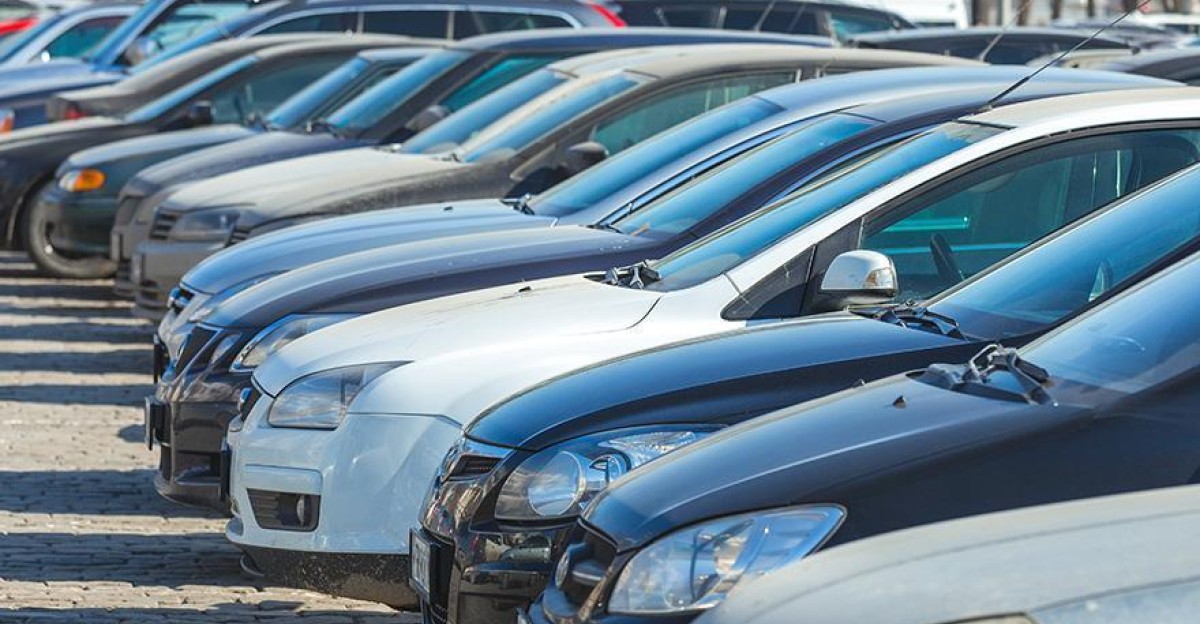
Here’s where the cascade crosses a line nobody expected. Used-car prices climbed in tandem. FRED data on the CPI for used cars and trucks shows the pressure bleeding across the entire vehicle market. When new cars get more expensive, buyers who can’t afford them flood the used market, bidding up prices there too. The escape hatch closes. Buyers who planned to dodge the new-car squeeze by shopping used discovered the same inflation waiting for them on the pre-owned lot. One market’s shift repriced both markets.
Connected Squeeze
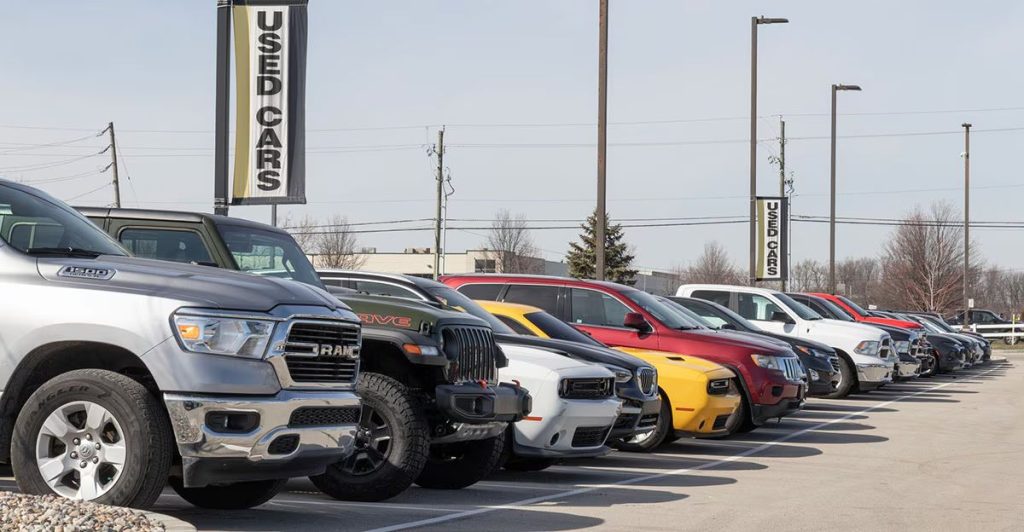
New-car mix shift. Used-car price surge. Longer loans. Higher rates. These look like separate problems. They’re one machine. When buyers migrate toward expensive vehicles, lenders extend terms to keep payments manageable. Longer terms mean more interest paid. Higher average prices mean larger loan balances. Larger balances at higher APRs mean more household income locked into a depreciating asset. The squeeze starts at the showroom. It reaches the gas pump. It reaches the insurance bill. It reaches your retirement contribution. Same mechanism, compounding at every stage.
Human Cost

The BLS CPI for new vehicles measures what Americans actually pay, and the trend line tells a story that statistics alone can’t capture. Real households are stretching loan terms further just to afford vehicles that keep getting more expensive. The budget squeeze forces trade-offs that don’t show up in transaction data. Skipped dental visits. Deferred home repairs. A family vacation that becomes a staycation. The market shifted upscale. Millions of buyers absorbed the cost in ways no price index fully measures.
Structural Shift
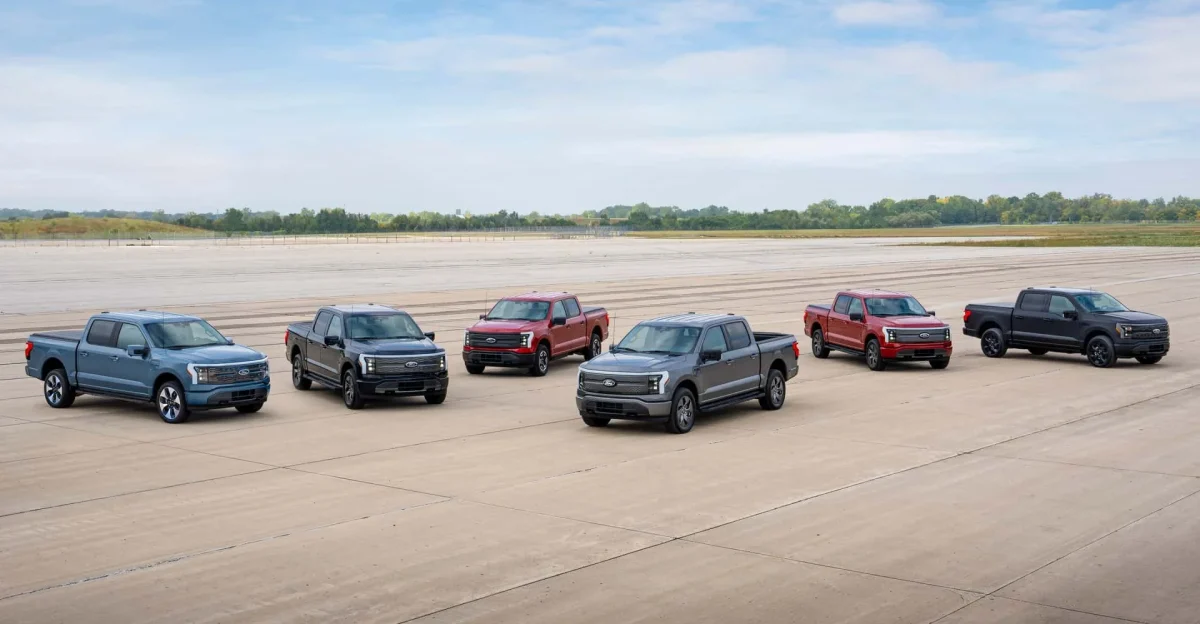
This isn’t a cycle. EPA automotive trends data reveals that average vehicle weight and size have climbed for decades, accelerating in recent years. The preference for larger vehicles has become structural, baked into manufacturing investment, fleet planning, and fuel economy regulation. Automakers committed billions to truck and SUV platforms. Retooling for smaller, cheaper cars would take years and enormous capital. The market didn’t just shift. It locked in. EIA gasoline price data adds another layer: fuel costs influence buyer preferences, and when gas is affordable, the truck trend accelerates further.
Winners and Losers
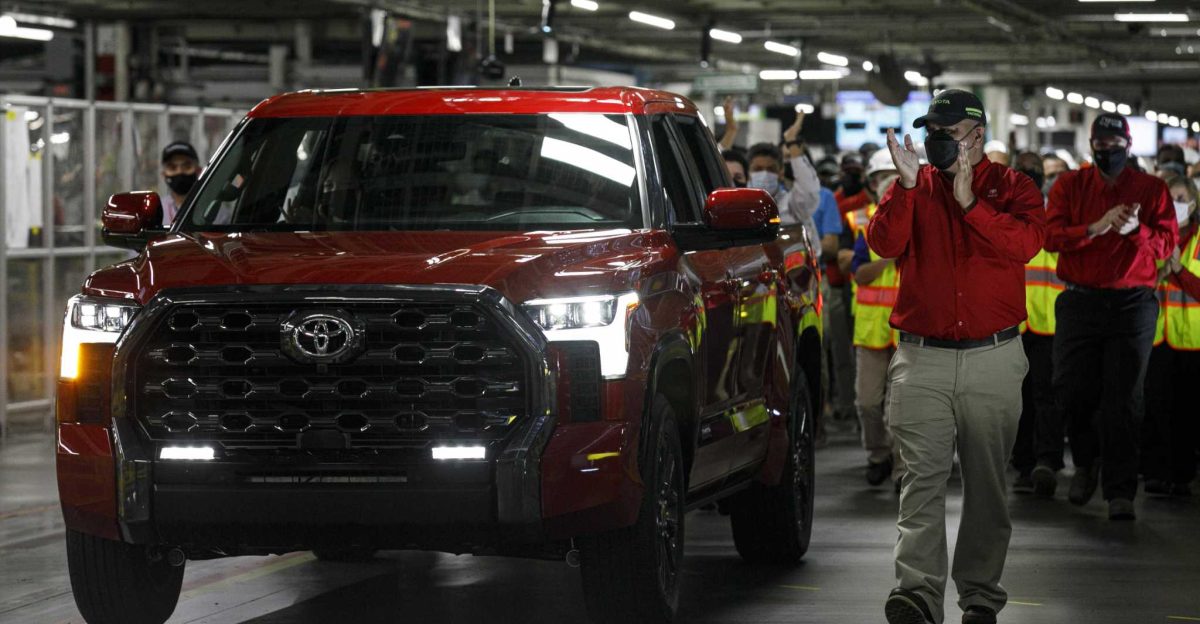
Automakers posting record per-unit revenue are the obvious winners. Lenders collecting interest on longer, larger loans profit too. The losers are buyers with stagnant wages absorbing a marketwide price floor that keeps rising. First-time buyers get hit hardest: the entry-level new car barely exists anymore. And the ripple reaches beyond vehicles. Higher monthly payments mean less consumer spending flowing into local businesses, restaurants, and retail. The irony is sharp. Buyers chose bigger vehicles. The market obliged. And now the same buyers can’t afford to choose anything else.
No Reverse Gear
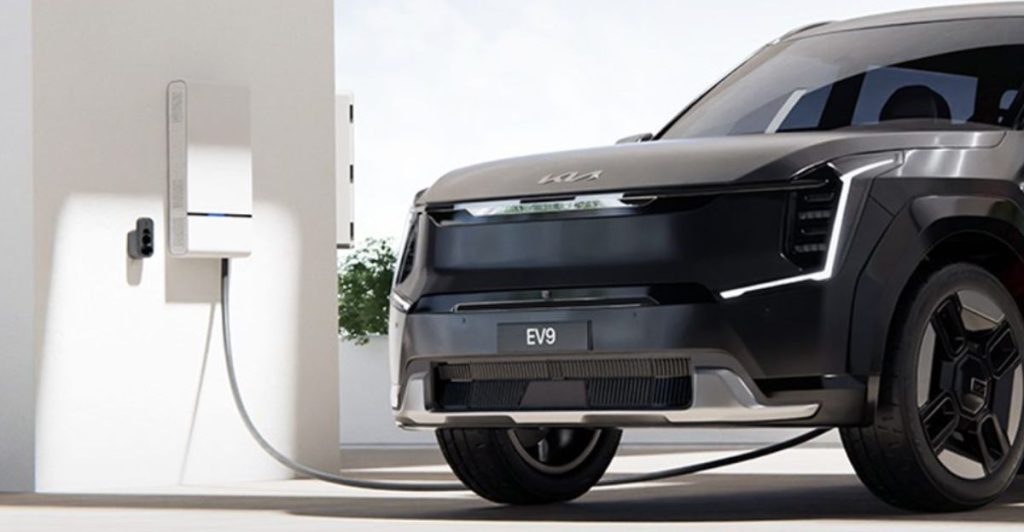
The cascade continues. EV adoption could eventually introduce cheaper operating costs, but the International Energy Agency’s Global EV Outlook provides context on EV market and technology costs that can influence average transaction prices and mix. Meanwhile, automakers have no incentive to flood the market with affordable small cars when trucks generate higher margins. The structural shift feeds itself. Anyone who now understands how a preference for bigger vehicles repriced an entire market, crashed the used-car escape route, and stretched household budgets to the breaking point sees something most people still don’t.
Sources:
“The 2025 EPA Automotive Trends Report: Fuel Economy, and Technology Since 1975.” U.S. Environmental Protection Agency (EPA-420-R-26-001), February 2026.
“Kelley Blue Book Report: New-Vehicle Average Transaction Price Surpasses $50,000 for the First Time in September.” Kelley Blue Book / Cox Automotive, October 13, 2025.
“Consumer Price Index: 2024 in Review.” U.S. Bureau of Labor Statistics, January 2025.