America’s Oil Reserves Hit 27-Day Supply—JPMorgan Warns The Cliff Arrives In Weeks
The largest single oil supply shock in recorded history started on February 28, 2026, when a US-Israeli bombing campaign against Iran triggered Iran’s closure of the Strait of Hormuz and erased 11 million barrels of daily production from global markets. That number exceeds the 1973 and 1979 oil crises combined. OECD commercial crude inventories, the reserve system that determines American energy prices, entered the crisis at roughly 27 days of forward cover, already below the 30-day operational threshold. The part everyone should be watching is how fast those reserves are draining, and JPMorgan just put a number on it.
Why This Shock Has No Modern Comparison
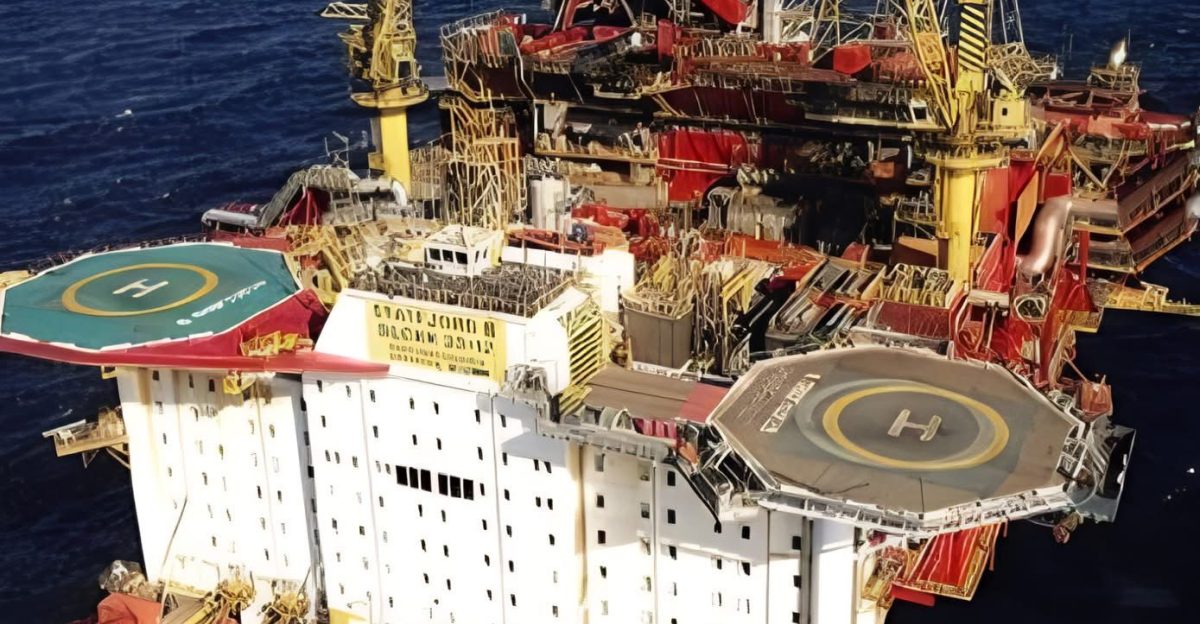
IEA Executive Director Fatih Birol framed it plainly: “We lost 5 million barrels/day of oil in the 1973 and 1979 oil crises. Today, we’ve lost 11mbd, so more than those two major shocks put together.” The mechanism is total. Over 40 energy assets across nine countries sustained severe damage, and aerial strikes removed approximately 2.8 million barrels per day of Gulf refining capacity. This marks the first concurrent oil and natural gas crisis in history. Repairs carry a five-year timeline. The supply didn’t shrink. It was destroyed.
Rationing Arrives in Asia and Europe
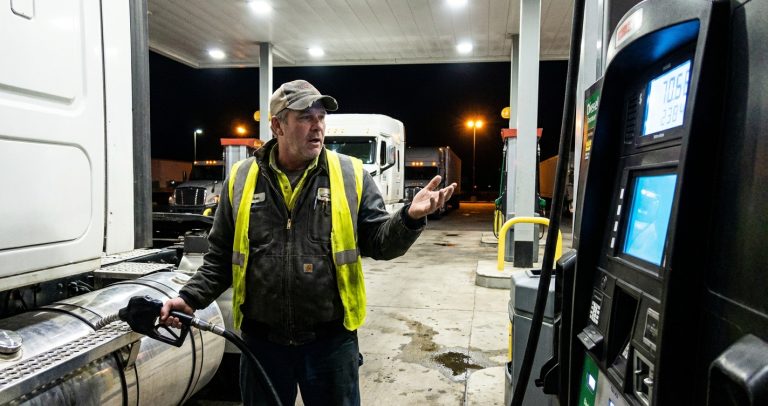
Indonesia capped private vehicles at 50 liters daily and ordered civil servants to work from home. Thailand set purchase limits at 700 baht per vehicle. Bangladesh, which imports 95% of its fuel, closed universities to conserve energy. Slovenia became the first European country to impose a 50-liter daily fuel cap. These are modern democracies implementing 1970s-style rationing within weeks of a single military operation. And the violence followed fast: attacks spread across approximately 3,000 Bangladesh fuel stations, and a gas station manager named Nahid Sardar was murdered by a driver who waited eight hours for fuel.
Airlines Ground Planes, Diesel Hits Record
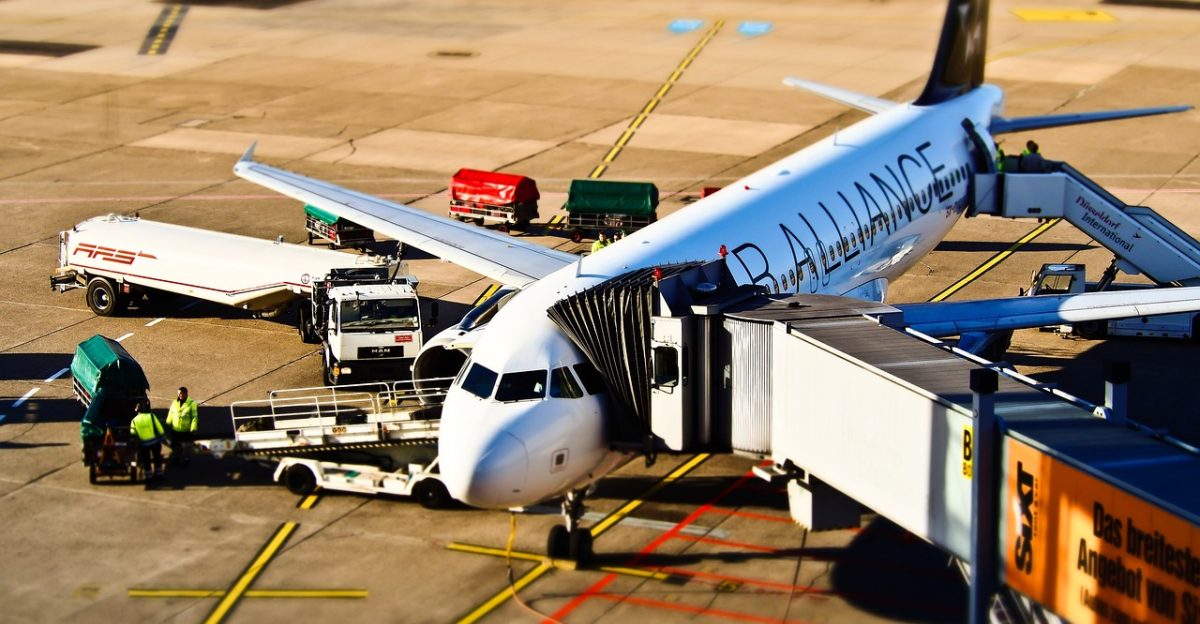
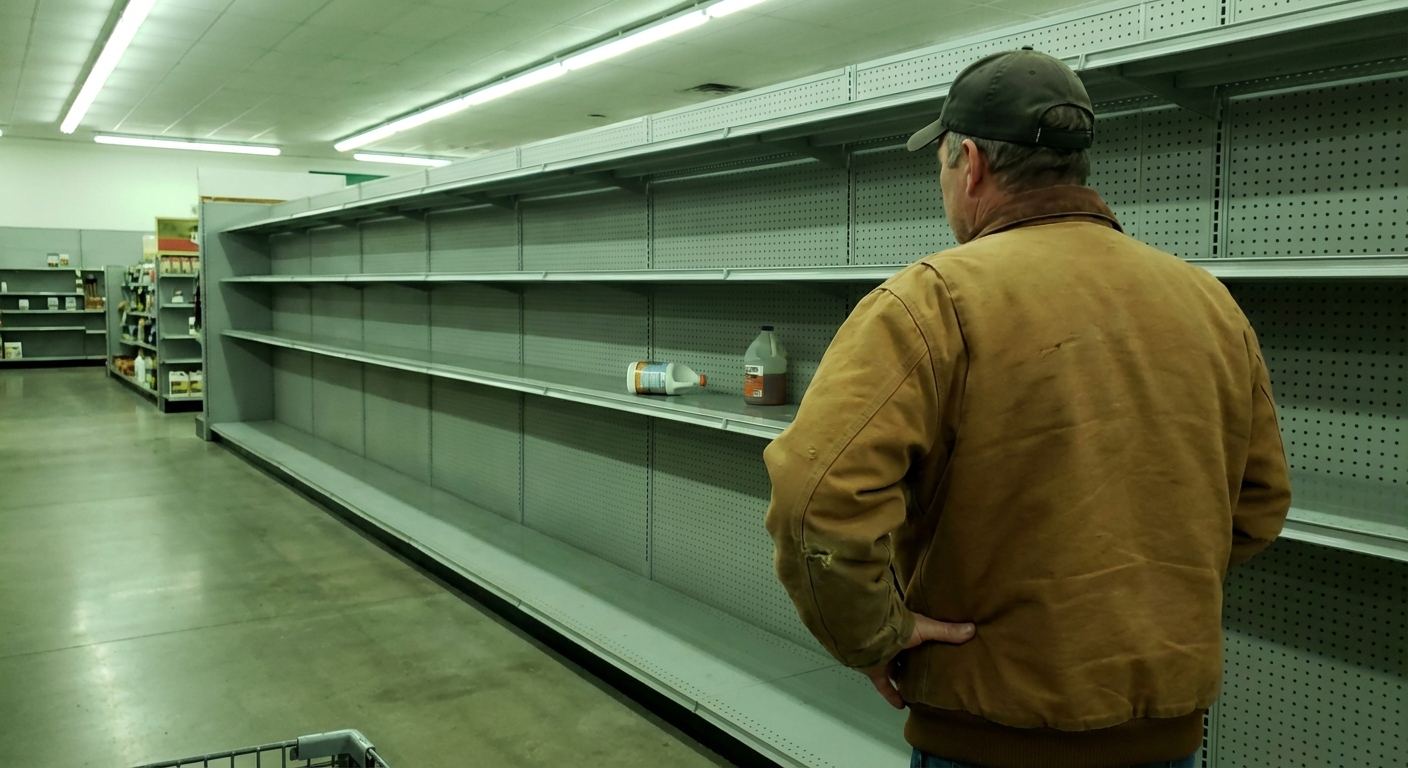
US jet fuel costs surged 95% since February 28. Ryanair CEO Michael O’Leary warned of 5 to 10 percent summer flight cancellations if the Strait stays closed. Lufthansa considered grounding 40 aircraft. European diesel futures hit $200 per barrel, an all-time high, after three tankers carrying diesel to Europe reversed course mid-Atlantic and redirected to Asian buyers willing to pay more. Real-time competitive bidding for fuel molecules mid-ocean. That $200 diesel price is the part grocery chains absorbed first. The fertilizer market absorbed it next, and the math there is worse.
Fertilizer Shortage Locks In Food Inflation

Roughly half the world’s urea fertilizer ships through the Strait of Hormuz. Urea prices surged from $350 to over $500 per ton, and the timing could not be worse: spring planting season. Projections show global food prices climbing 12 to 18 percent, which translates to an estimated $100 to $150 per month added to a household grocery bill. The cruel part is that even if the Strait reopened tomorrow, the planting window is closing. Missed fertilizer deliveries lock in reduced crop yields through the 2026 and 2027 harvests. An energy crisis just became a food crisis.
The Dual Destruction Machine
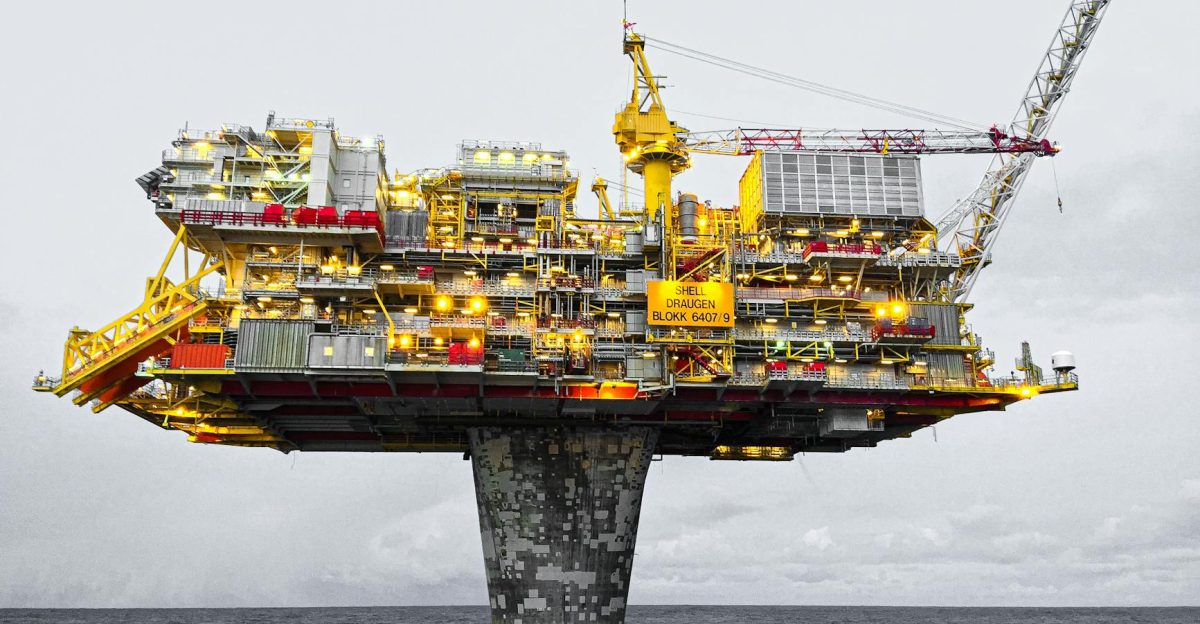
Every one of these ripples traces back to the same structural failure. The Strait closure simultaneously removed 20% of crude oil supply and concentrated roughly 15% of European diesel imports in a single blocked chokepoint, creating a dual supply loss across multiple fuel types. Crude gone. Refined products gone. Natural gas gone. Helium gone. One chokepoint controlled oil, gas, diesel, fertilizer feedstock, and semiconductor-grade helium. Governments rationed by policy. Markets rationed by price. Both channels produced identical economic pain through different doors. That system now reaches your kitchen table.
The Voice From Inside the Crisis

EU Energy Commissioner Dan Jorgensen said it on March 29: “This will be a long crisis … energy prices will be higher for a very long time.” Then the EU proposed temporary rationing as if the problem resolves in weeks. His own words indict the policy response he oversees. Meanwhile, India’s Morbi ceramics hub, producing 80% of the country’s ceramics and worth $8.1 billion annually, shut down almost entirely. About 550 factories suspended production. Four hundred thousand workers lost their income because propane stopped arriving from 3,000 miles away. The structural shift is already rewriting rules.
Chips, Helium, and a Five-Year Problem

QatarEnergy declared force majeure on March 2 and expects repairs to Ras Laffan Industrial City to take up to five years. That facility produced approximately 30% of global semiconductor-grade helium. EUV lithography, the process that manufactures advanced chips, depends on that helium. The semiconductor supply crisis now extends years beyond any energy resolution. Italy reversed a 13-year climate commitment by delaying coal plant shutdowns. The 1970s playbook returned in full. Goldman Sachs raised recession odds to 30%, and the Dallas Fed modeled a 2.9 percentage point GDP hit for Q2 2026.
Winners, Losers, and the Inventory Cliff
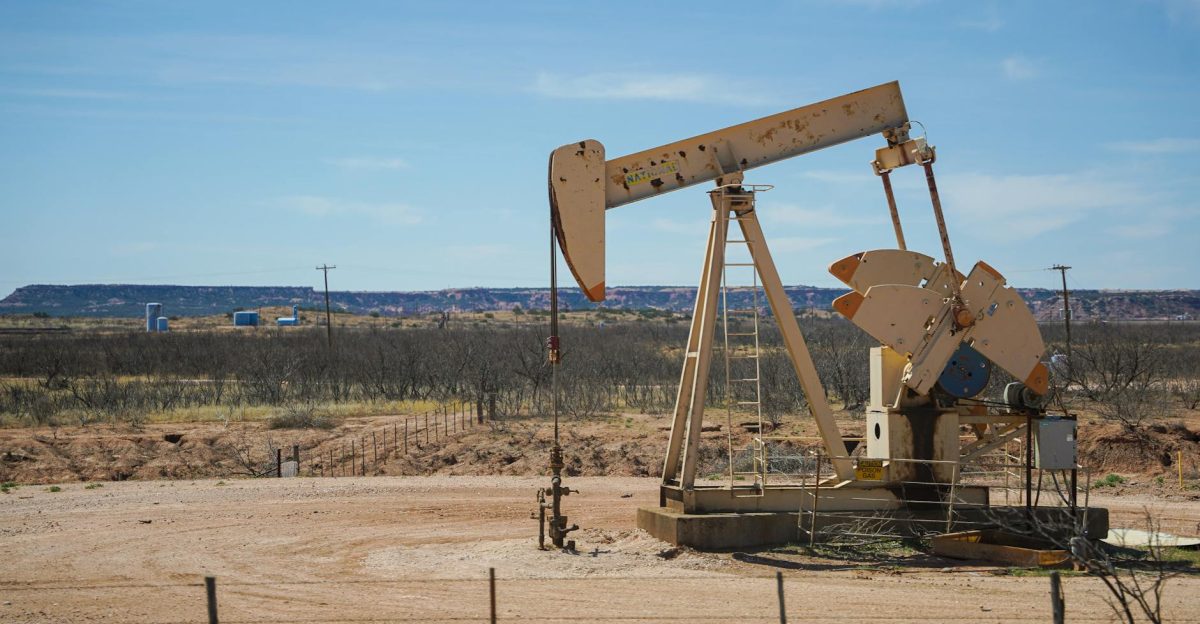
WTI crude surged above $112 per barrel, the highest since June 2022. JPMorgan projects OECD inventories will draw 166 million barrels in April alone, followed by 67 million in early May, pushing reserves toward the 842-million-barrel operational minimum. Once that floor breaks, price becomes the sole rationing mechanism. Not policy. Not choice. Pure affordability exclusion. The global system needs 8 million barrels per day of demand reduction to stabilize. The IEA authorized a 400-million-barrel strategic reserve release. That buys weeks, not months. The cascade keeps accelerating.
The Cascade That Hasn’t Finished
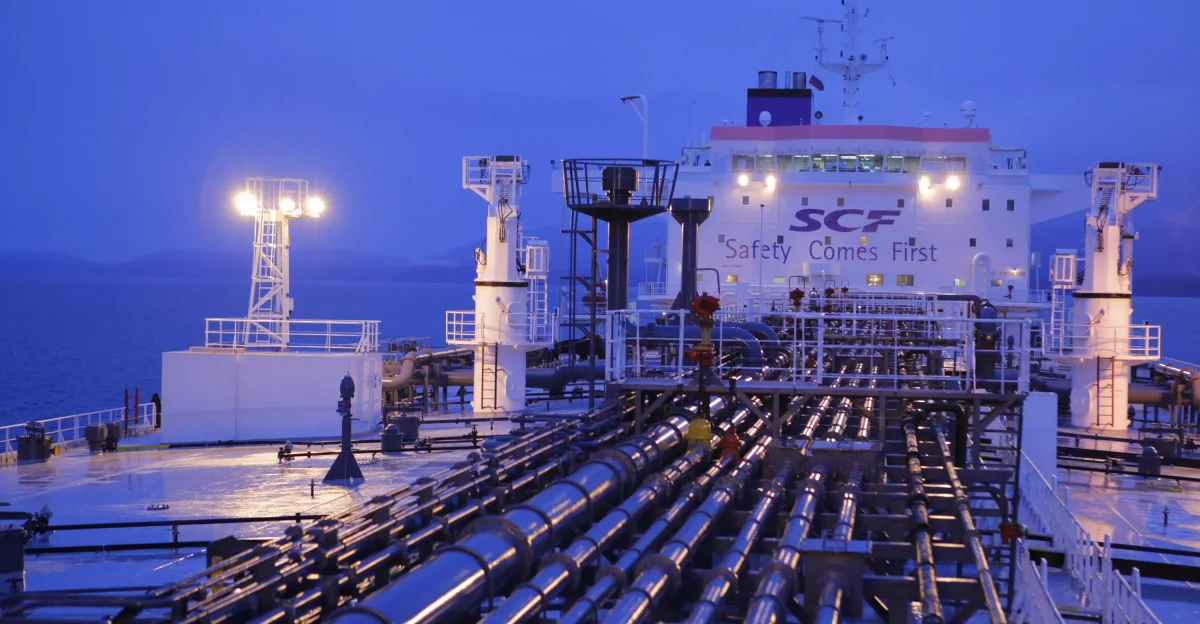
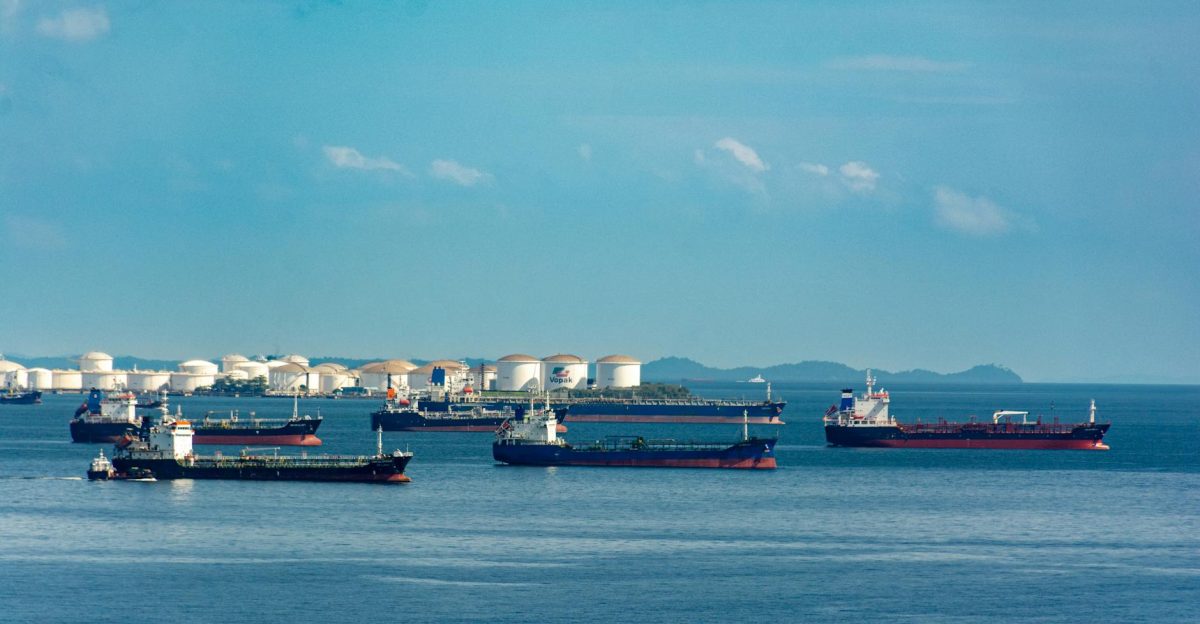
Even if fighting stopped today, recovery takes a minimum of three to six months post-conflict, plus four to eight weeks for refinery restarts, plus over 140 trapped vessels needing to clear the Gulf. The five-year helium repair timeline outlasts every temporary fix on the table. The contradiction between leadership admitting a “long crisis” and proposing short-term rationing reveals the real situation: governments are managing collapse, not solving a shortage. Anyone who reads this headline and thinks it ends at oil prices now understands the system. Fuel, food, flights, chips, jobs, and grocery bills. One chokepoint. Everything connected.
Sources:
“World in Energy Crisis Worse Than 1970s’ Oil Shocks Combined, IEA Head Says.” Al Jazeera, 23 Mar. 2026.
“What the Closure of the Strait of Hormuz Means for Oil Prices and Global GDP.” Federal Reserve Bank of Dallas, 20 Mar. 2026.
“Slovenia Becomes First EU State to Introduce Fuel Rationing.” BBC News, 23 Mar. 2026.
“How Close Is Crude Oil to Its Operational Minimum? JPMorgan Estimates.” Investing.com, 6 Apr. 2026.