America’s Most Reliable Car Brand Posts 7 Straight Months Of Decline After Axing Every Entry-Level Option
A long-time Subaru owner walks into a dealership looking for the next Outback, the one that replaced the one before it, the one before that. The base trim is gone. The sticker reads $36,445. That number is used to buy the loaded version. Across the showroom, the Impreza starts $2,260 higher than last year’s base. The WRX lost its entry tier for the 2025 model year. The brand that built its name on affordable all-wheel-drive safety just rearranged the welcome mat.
Seven Months
Subaru reported selling 45,113 vehicles in February, down 8.2% year over year. That made seven consecutive months of decline, the longest contraction streak in at least the current reporting cycle. January had dropped 9.1%. Year-to-date volume sat 8.6% below the same window in 2025. Consumer Reports ranked Subaru the top automotive brand in its December 2025 Brand Report Card for the second consecutive year, scoring highest across reliability, road testing, owner satisfaction, and safety. The reliability-specific survey, published in November, moved Toyota back to the top reliability slot, with Subaru directly behind. Either way, the most dependable cars on the road are gathering dust on dealer lots.
Price Ladder
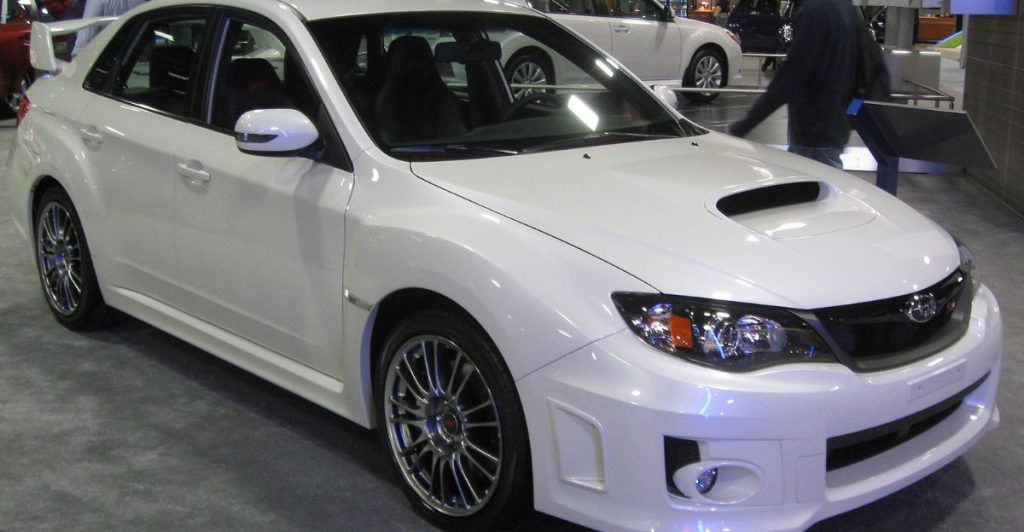
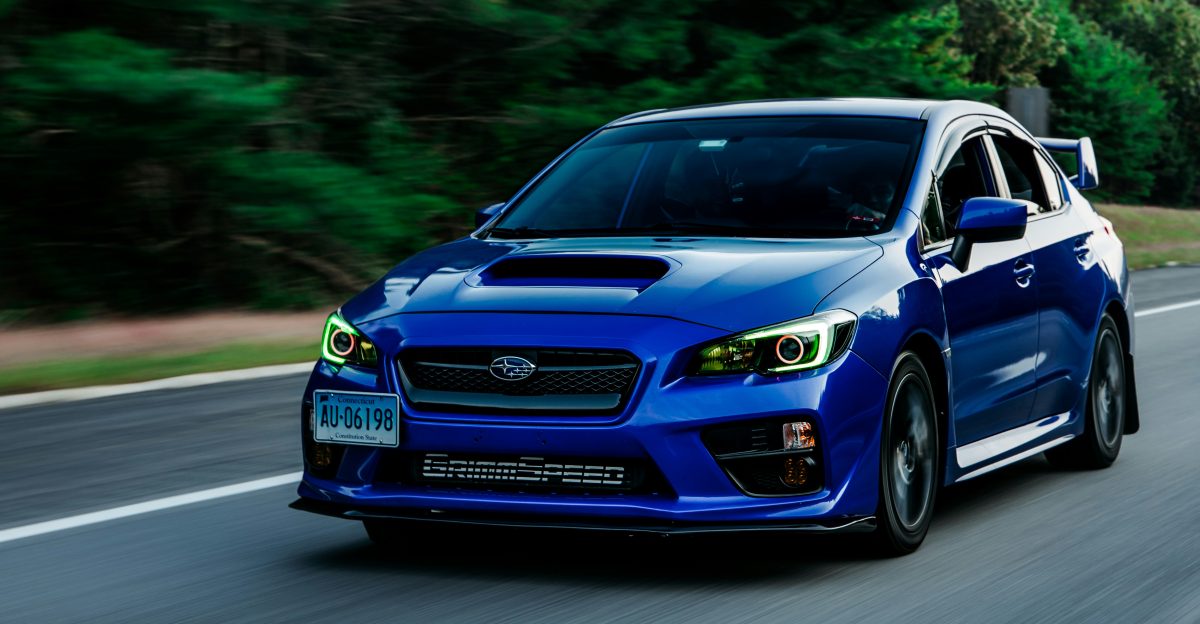
Four models served as the brand’s traditional entry-level pathways into the Subaru lineup. Starting in August 2025, Subaru reset the price floor across all four models. The Outback base trim was eliminated entirely, pushing the entry price from $31,415 to $36,445, a $5,030 increase. The Impreza base trim was cut, lifting its floor by $2,260. The WRX had already lost its Base tier for the 2025 model year. The Legacy sedan ended production entirely in September 2025 after 36 years and over 1.3 million U.S. sales. At the peak of the reset, every traditional entry-level pathway had been removed. Subaru quietly reinstated a WRX base trim for 2026 in January, but three of four doors remain closed, and the brand’s price floor across sedans, hatchbacks, and performance cars had already moved.
Hollow Promise
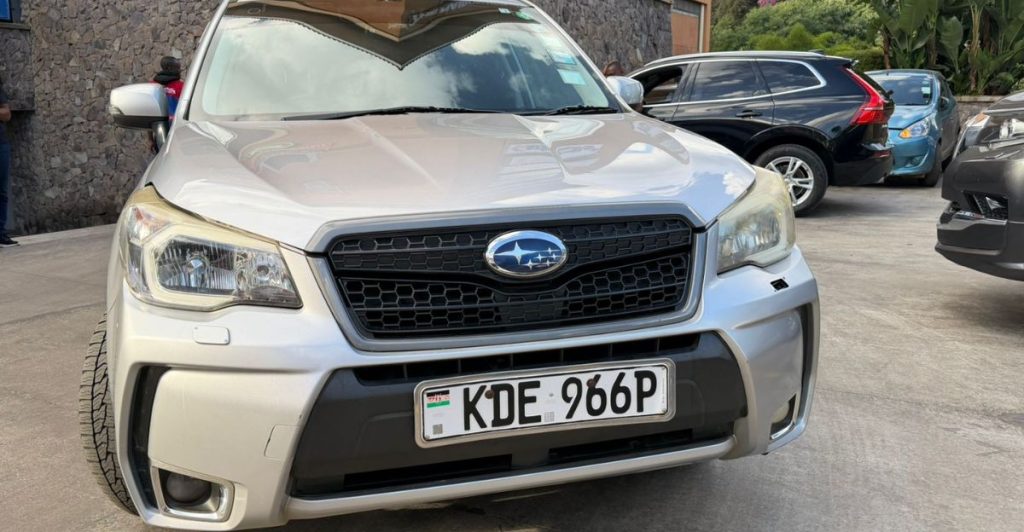
Then, President and COO Jeff Walters released this statement alongside the February numbers: “Subaru and our retailers remain focused on earning customer trust with the safest, longest-lasting, and most affordable vehicles available on the market today.” Most affordable. That phrase landed in the same quarter Subaru eliminated base trims on four models, hiked prices across the lineup, and watched sales crater for a seventh straight month. The company had already forecast at least a 50% profit decline, a figure since revised lower. Affordable for whom, exactly?
Tariff Machine
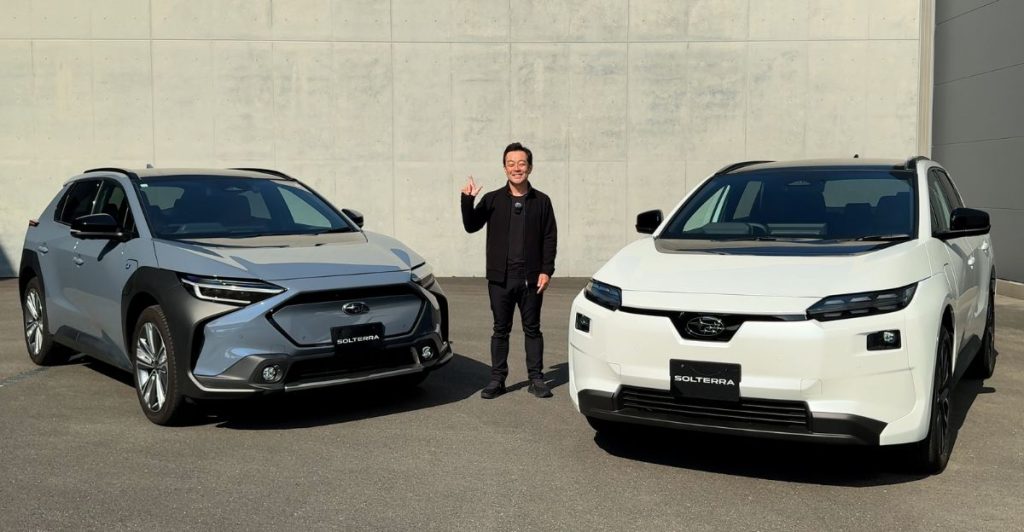
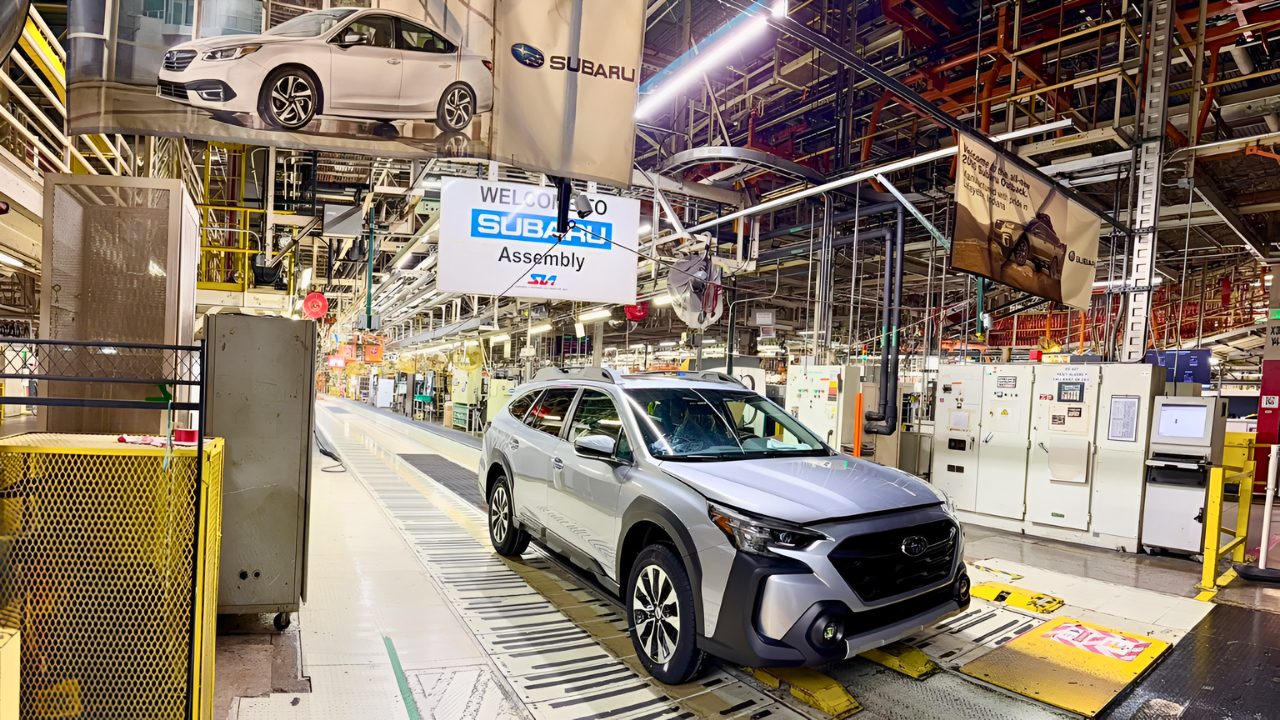
Tariffs on Japanese imports that began in April 2025 sit on every Subaru built in Japan, which, until recently, meant most of them. The response was surgical: shift the highest-volume model to American soil. All 2026 Foresters now roll off the line at Subaru of Indiana Automotive in Lafayette, where 6,500 workers build vehicles free of that import penalty. Forester dodges the tariff. Crosstrek, Outback, WRX, and Solterra absorb it. One brand, two cost structures, and the cheaper one wins.
One Bright Spot
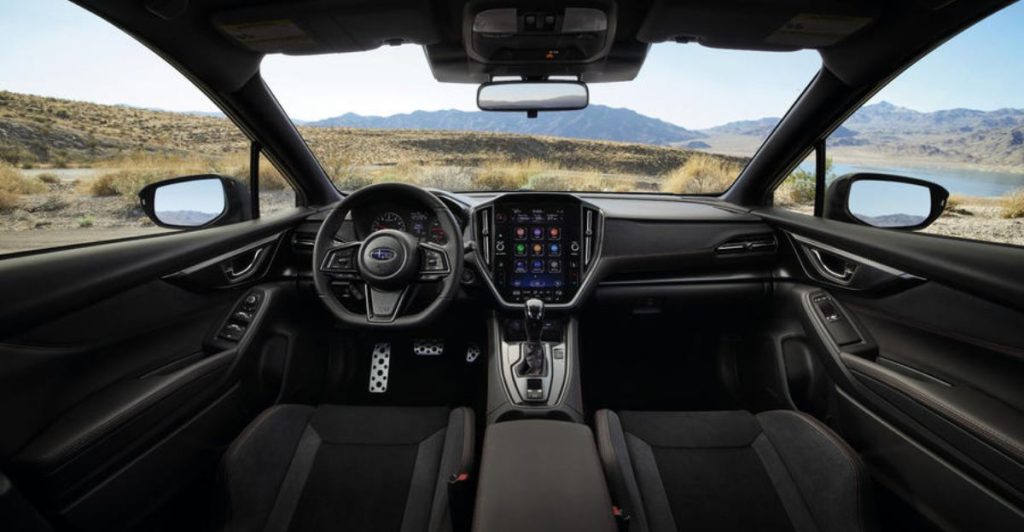
The Forester posted 17,919 units in February, a record for the month, up 24.9%. Every other model fell. Crosstrek dropped 10.4%. Outback cratered 24.3%. Impreza lost 48.2%. Legacy collapsed 63.5%. WRX shed 40.6%. The Solterra slid 20.8%. Strip out the Forester’s tariff-advantaged surge, and the rest of the brand declined roughly 12%. That record February was not a turnaround story. It was one Indiana-built model masking a portfolio in free fall.
Buyer Exodus
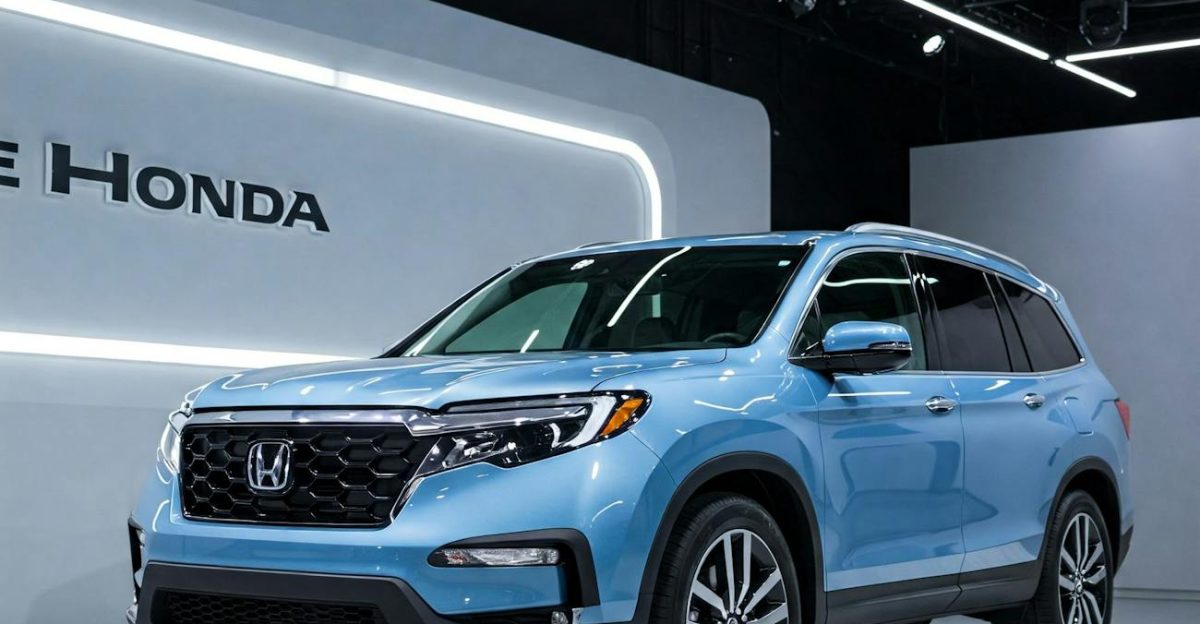
Budget-conscious shoppers priced out of Subaru do not just wait. They walk into Toyota, Honda, and Kia dealerships where entry-level options still exist at lower price points. Subaru’s U.S. market represents more than 70% of its global sales. Losing a generation of entry-level buyers in the company’s most critical market does not create a temporary dip. It creates a permanent hole in the customer pipeline.
New Rule
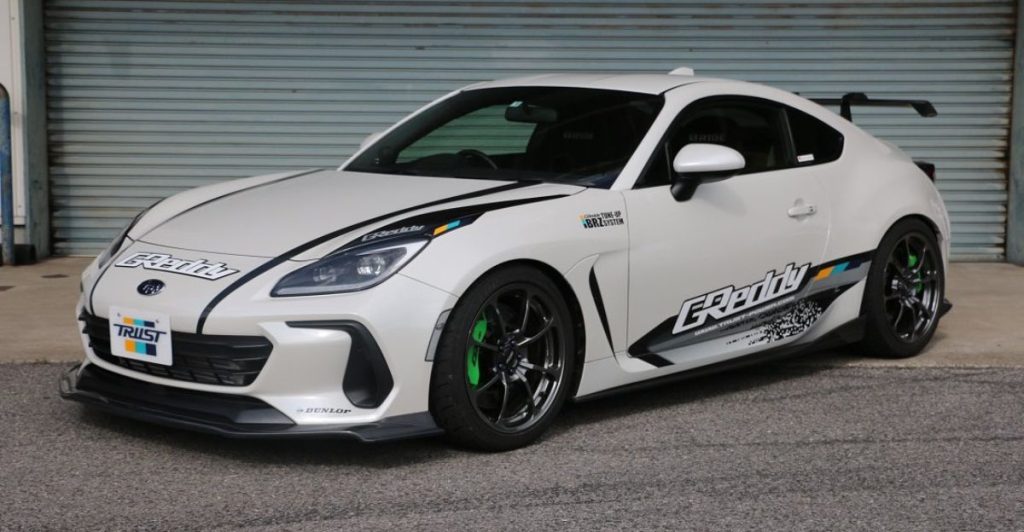
The WRX tells the larger story. Sales dropped 41.2% in full-year 2025 from 18,587 in 2024. Over two years, volume collapsed roughly 55.7% from 24,681 in 2023. Subaru killed the base trim, and buyers vanished anyway. That pattern now applies across the lineup: raise prices, lose volume, repeat. Other Japan-sourced brands face the same tariff math. Mazda has also posted seven consecutive months of decline. Subaru set the precedent that even beloved brands will abandon the mass market when tariffs compress margins enough.
Shrinking Map
If sales continue declining past 10% for a full quarter, pressure builds to cut capacity at the Indiana plant or narrow the U.S. portfolio further. Subaru could narrow to Forester, Outback, Ascent, and Solterra, becoming a regional brand concentrated in mountain and snow markets rather than a national competitor. The 640-dealer retail network already faces margin compression from aging inventory and weaker foot traffic. Subaru built a national brand over four decades. The retreat could happen in four quarters.
Identity Cost
Toyota, Honda, and Kia could spend the coming quarters running conquest campaigns aimed at Subaru defectors. Lease specials may slow the bleeding, but leases delay the ownership decision without reversing it. The deeper fracture is identity: Subaru owners chose the brand because it signaled practical intelligence, not status. Now one of the most reliable cars in America costs $5,000 more than it did last year, and the people who built that reliability reputation can no longer afford to stay. Loyalty without access is just nostalgia.
Sources:
“Subaru of America Reports February 2026 Sales.” Subaru of America, Inc., 3 Mar. 2026.
“The Subaru Outback Got a $5000 Price Hike to Go with Its New Look.” Car and Driver, 20 Aug. 2025.
“Subaru WRX Sales Hit an All-Time Low in 2025.” The Drive, 5 Jan. 2026.