America’s ‘Great Freight Recession’ Shatters All-Time Bankruptcy Record As 47-Year-Old Carriers Implode
Twenty trucking and logistics companies filed for bankruptcy in January 2026. That number shattered every prior month in Equipment Finance News’s tracking history. By March, the filings kept mounting: STG Logistics restructuring $1.2 billion in debt, 47-year-old Sparhawk Trucking entering receivership, Bulmaks hemorrhaging revenue, Baker & Taylor collapsing after 75 years. The “Great Freight Recession” just entered its fourth year, and the wreckage is accelerating, not slowing. Everyone promised recovery by now. The freight market delivered a funeral instead. The bankruptcies are the part you heard about. The capacity crisis they’re creating is the part that reaches your wallet.
Four Years of Bleeding Out
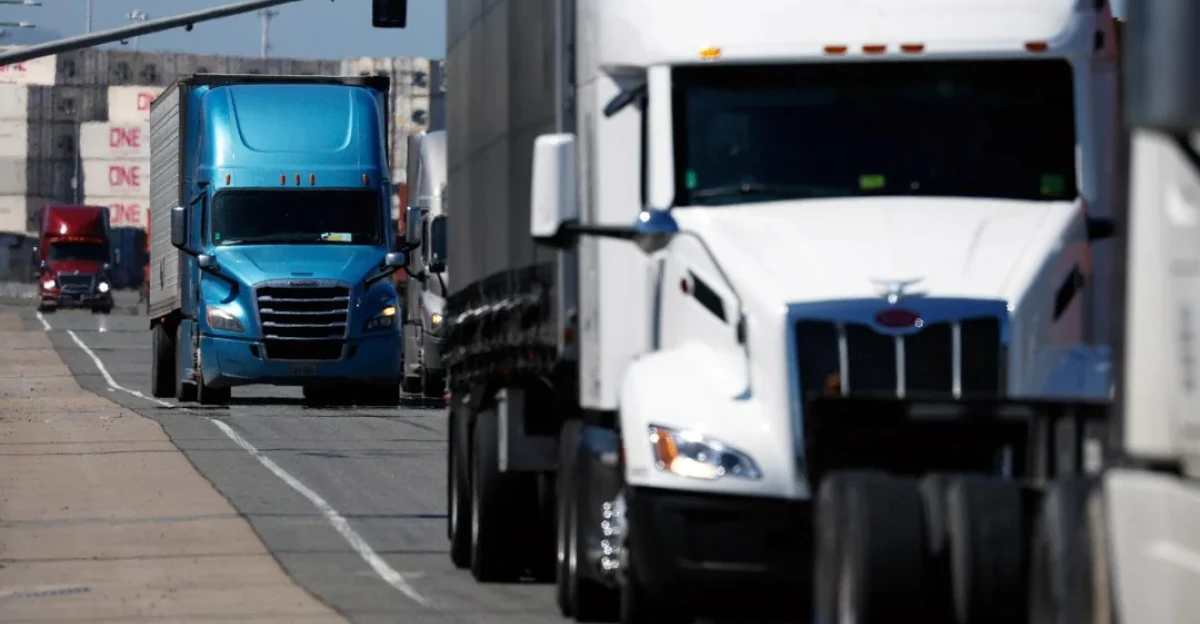
The mechanism is brutally simple. Pandemic-era freight rates hit $3.00-plus per mile. Carriers borrowed heavily, expanded fleets, signed leases on overpriced trucks. Then rates collapsed more than 70 cents per mile. Dry van spots cratered to $1.95 to $2.05 by early 2025. Breakeven for a small carrier sits around $2.20 to $2.50 per mile. The math stopped working years ago. Insurance and operating costs never came down. Cash reserves from the boom years finally ran dry. Debt maturity walls arrived in 2026 with nobody left to refinance them. The restaurant industry absorbed the first wave of supply disruptions. Grocery logistics absorbed the second.
Your Freight Just Got Rejected
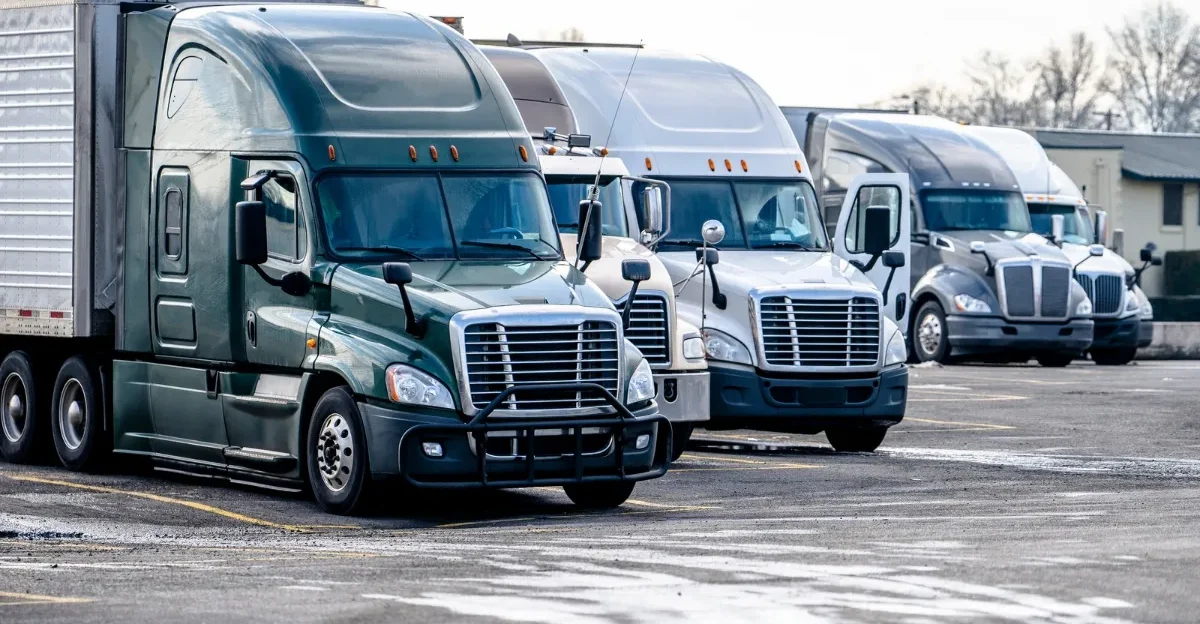
First-tender acceptance rates dropped from 92% to 85% in early 2026. That seven-point collapse means shippers are getting rejected on their first carrier call at alarming rates. Freight that moved on the first phone call last year now bounces. Spot rates climbed 25% year-over-year despite what everyone kept calling a “soft” market. Between 5,000 and 8,000 carriers exited the market in 2025 alone. Every one of those exits removed trucks, drivers, and capacity permanently. The shelves at your local store depend on carriers that may not exist next quarter.
Giants Restructure to Survive
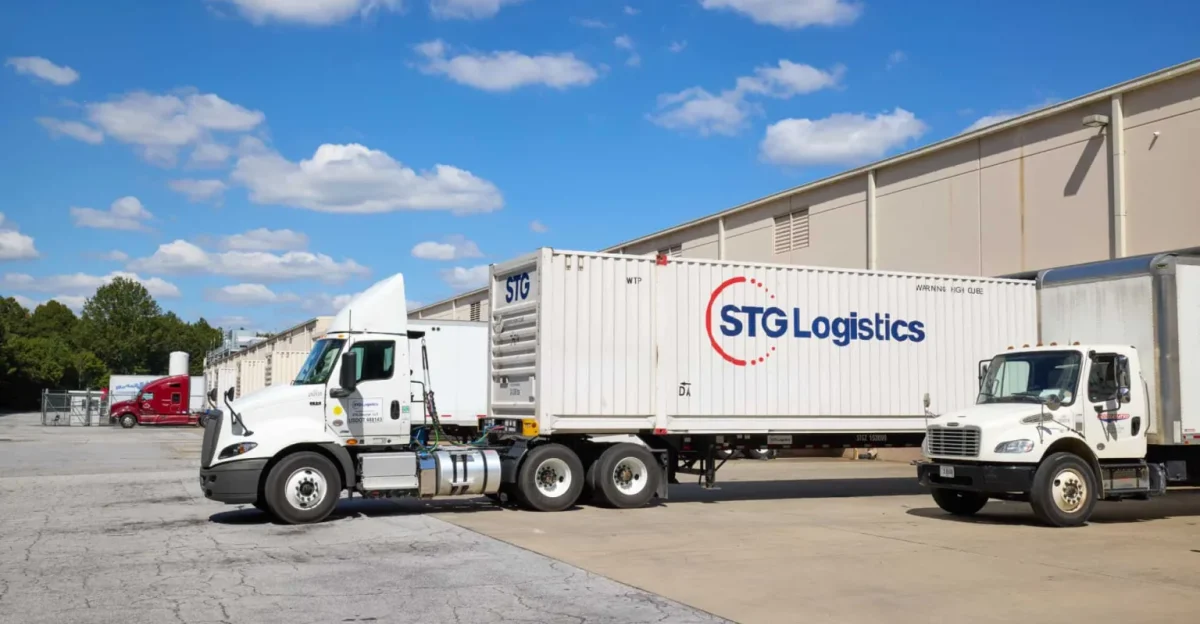
STG Logistics filed Chapter 11 on January 12, promising “operations to continue in the ordinary course.” Ordinary course. While eliminating 91% of $1.2 billion in debt and injecting $150 million in emergency capital. That statement alone tells you everything about how the industry talks versus how the industry operates. Bulmaks, a 170-truck carrier out of West Chicago, watched revenue drop 19% to $19 million in 2025 while carrying $6.7 million in liabilities against $2 million in assets. When even mid-sized fleets can’t cover their own debt, the “oversupply” narrative collapses on contact.
The Regulation Nobody Budgeted For

On March 16, 2026, an FMCSA rule took effect restricting commercial driver’s licenses to holders of H-2A, H-2B, and E-2 visas. Industry analysts estimate 200,000 to 250,000 drivers face disqualification. FMCSA’s own projections put the gradual attrition at up to 194,000 over five years. That single rule landed in the middle of a bankruptcy wave that had already removed thousands of carriers. Flatbed load-to-truck ratios hit 60-to-1 in late February, the highest since mid-2022. One regulation. One month. A quarter-million drivers potentially sidelined. And the book distributors felt it before the truckers did.
The Hidden Scarcity Machine
The freight market looks soft on daily rate charts. It is not soft. Remaining capacity is hoarded by financially stronger carriers who prioritize preferred shippers. Spot rates run 25% above last year because real available trucks are far scarcer than surface data suggests. Bankruptcies remove carriers. The CDL rule removes drivers. Insurance costs stay elevated. Rates stay below breakeven. Every week, more capacity vanishes. Carrier exits. Driver disqualifications. Debt defaults. Tender rejections. Rate spikes. All connected by the same structural squeeze. And by the time shippers discover the scarcity, their freight is already sitting on a dock.
A 47-Year Legacy, Gone
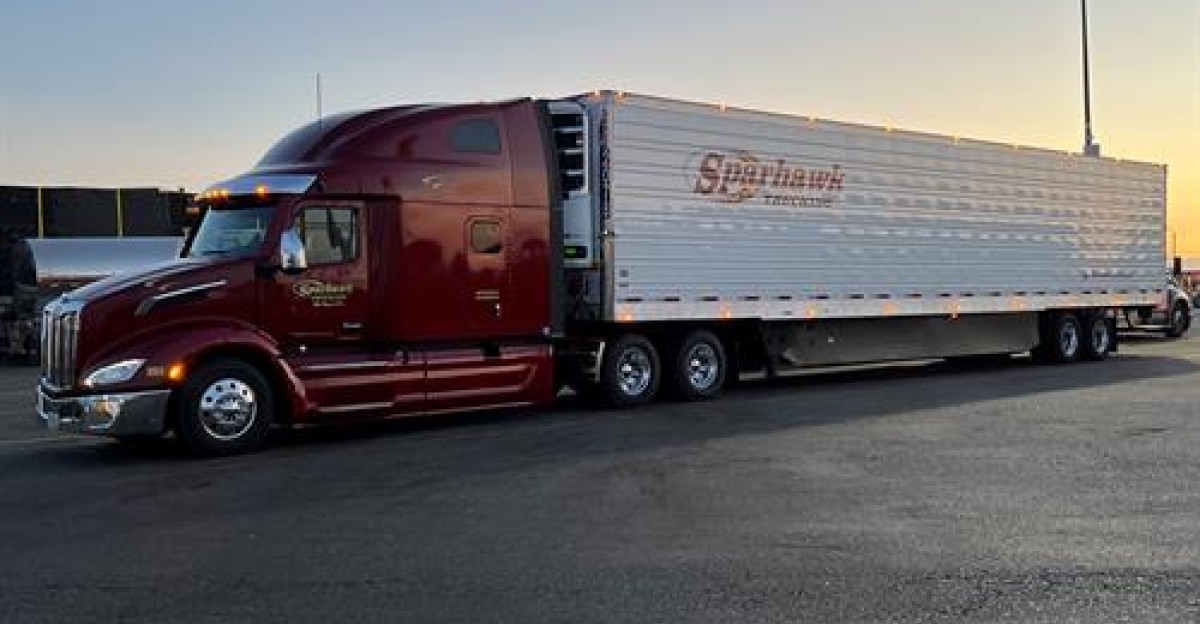
Sparhawk Trucking operated 178 power units out of Wisconsin for nearly five decades. A $136 million lawsuit forced a $10 million settlement, with insurance covering only that amount. On March 13, 2026, Sparhawk filed Chapter 11 to halt receivership. A family operation built across generations, wiped out by a single liability event layered on top of a four-year rate collapse. More than 2,200 logistics and supply-chain workers lost jobs in January and February 2026 alone. RailCrew Xpress cut 400-plus employees after losing one CSX contract. These are careers, not statistics. The structural shift rewriting the rules of American freight is next.
Bankruptcy Becomes the Business Model
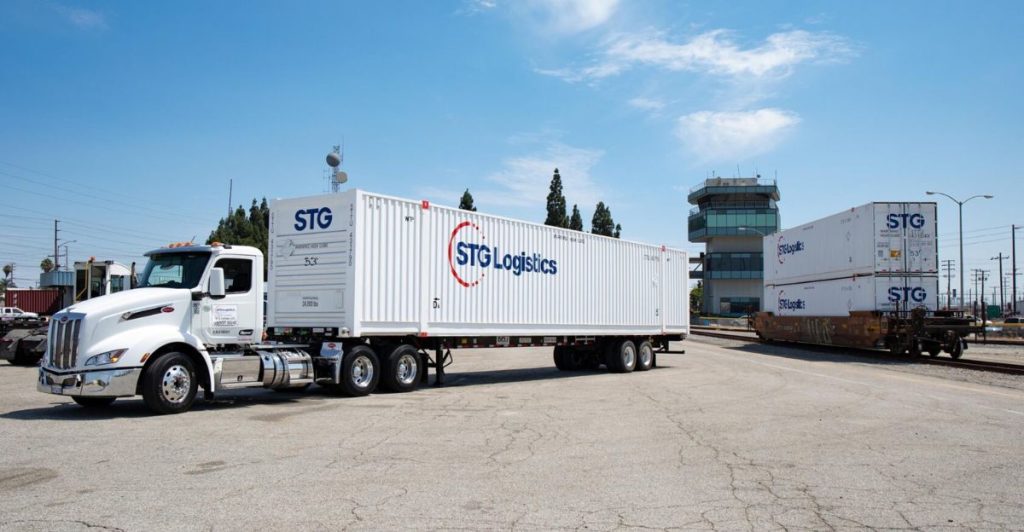
Chapter 11 has shifted from a growth tool to a survival mechanism. STG, Sparhawk, Baker & Taylor, Crosby Enterprises: all filed to shed debt, not expand. Baker & Taylor, a 75-year national book distributor to libraries and schools, listed $100 million to $500 million in liabilities against $1 million to $10 million in assets. That ratio is not restructuring. That is liquidation wearing a legal costume. The FMCSA CDL rule set a new precedent: a single regulatory action can collapse labor supply overnight. Future rules will trigger the same immediate carrier and shipper scramble. The question of who profits from this wreckage has a surprising answer.
Winners, Losers, and the Squeeze
Large carriers with strong balance sheets are buying distressed competitors at liquidation prices. They win. Shippers locked into long-term contracts at current rates win, for now. Everyone else loses. Small carriers with fewer than 20 trucks, the family operations that built American trucking, are being crushed first. Shippers reliant on spot markets face accelerating tender rejections and rate spikes projected for Q2 and Q3 2026. Regional economies dependent on logistics hubs are absorbing employment losses that cascade outward. The irony: the “oversupply” narrative that kept rates low is the same narrative that prevented shippers from locking capacity before the crunch hit.
The Cascade Keeps Breaking
April and May 2026 will likely produce more filings than March as debt maturity walls accelerate and CDL attrition compounds. Shippers are scrambling to lock multi-year contracts. Some are building in-house fleets to reduce carrier dependency entirely. Tech platforms are racing to improve real-time matching and reduce tender rejection friction. None of these countermoves will replace the capacity already destroyed. The freight market everyone called “soft” was structurally breaking the entire time. Now the break is visible. Rates will spike. Supply chains will strain. And the next company to file was probably your carrier’s competitor last month.
Sources:
Equipment Finance News, March 11, 2026, trucking bankruptcy data and “Great Freight Recession” analysis
TheStreet, March 19, 2026, article on Sparhawk Trucking’s Chapter 11 filing and January 2026 record bankruptcies
Uber Freight, 2026 Q1 Market Update Report, outlook on spot rates and first-tender acceptance trends
Jackson Lewis, February 17, 2026, analysis of FMCSA’s non-domiciled CDL rule and projected driver impact
GoJarrett, January 2026 Supply Chain Report, early-2026 logistics job losses and WARN data summary
Luna Logistics, November 18, 2025, “Carrier Bankruptcies 2025: Freight Capacity Crisis Explained” analyst estimates of 5,000 to 8,000 carrier exits