America’s Deadliest Holidays For Drivers Exposed—The Worst Claims 602 Lives Annually
Fireworks fade. Families pack coolers, load kids into backseats, and merge onto highways at the same hour as millions of other Americans. Most will make it home. Some will not.
Each year, the National Safety Council records holiday death counts with such precision that they release projections before the first car leaves the driveway. The calendar already knows who dies next.
Holiday Body Counts
Independence Day 2023 killed 602 people. Thanksgiving 2022 took 512. Labor Day: 495. Memorial Day: 465. New Year’s Day: 401. Christmas: 365.
The order barely shifts year to year. Independence Day stands as the deadliest calendar day across multiple years of NSC data, consistently outpacing every winter holiday despite no snow, no ice, and fewer coordinated travelers. The pattern repeats with clockwork precision. Consistency is the silent reality.
Misplaced Blame
Many drivers blame holiday danger on congestion and bad weather. Data shows a different story. Independence Day kills more Americans than Thanksgiving, even though Thanksgiving puts 73 million travelers on winter roads.
December’s highest fatality rate is not about ice: speeding caused 4,619 deaths in December alone from 2019 to 2023, showing that behavior outweighs conditions. Alcohol involvement ranges from 34% to 40% across major holidays like Thanksgiving, Independence Day, Memorial Day, and Christmas.
When the Calendar Decides
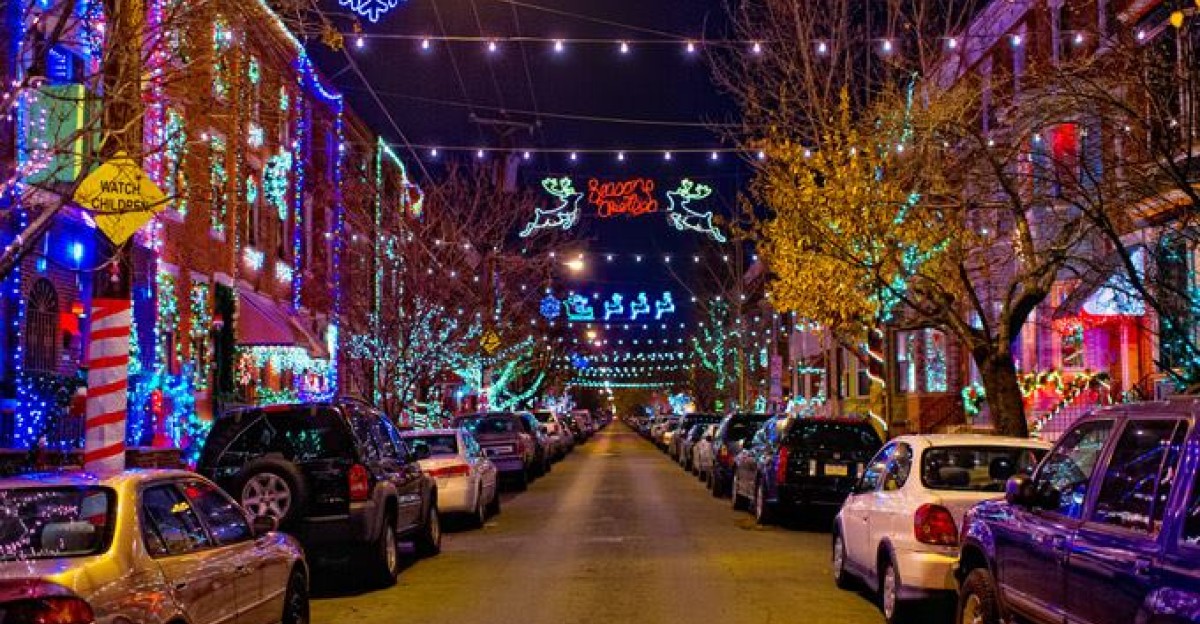
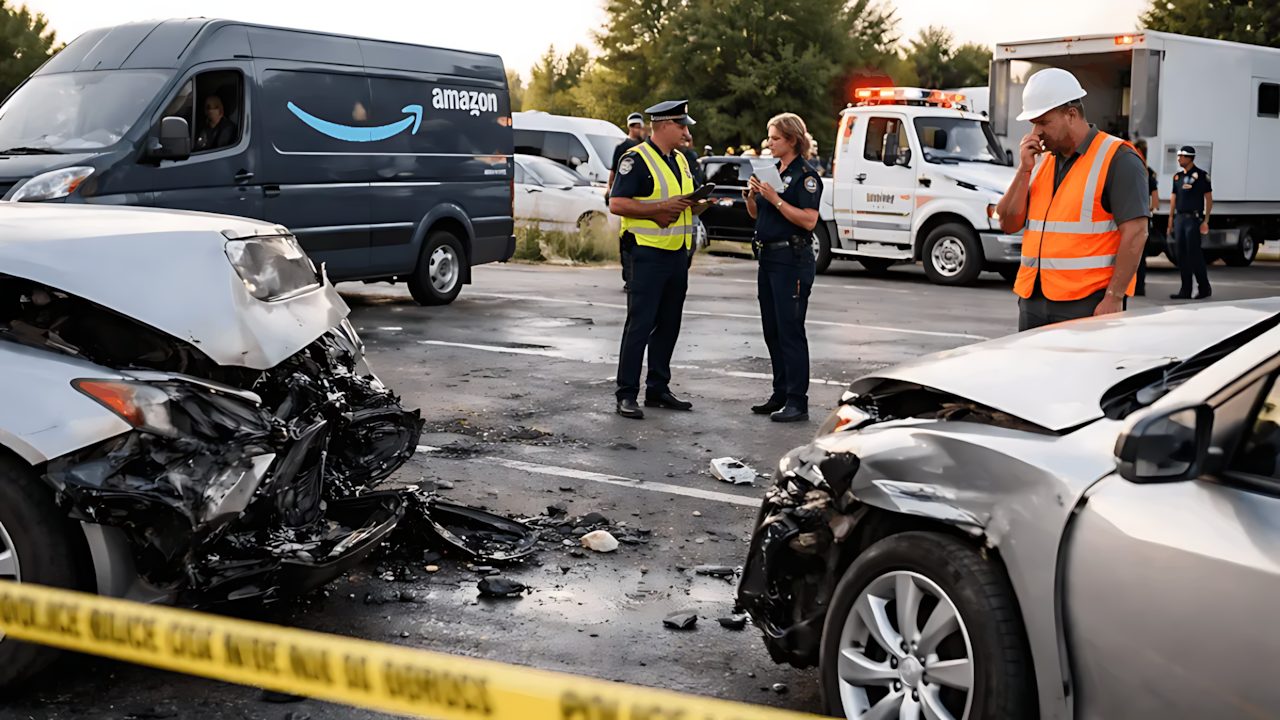
Christmas Day crashes drop 17% below baseline. December 23 spikes 36% above baseline. On December 26, crash rates rebounded 30% above normal. The holiday itself is the safest window. The return trip is the danger zone. Crash rates decline on Christmas Day and rebound as return travel begins.
That 47-point swing between Christmas and Boxing Day means every safety campaign targeting December 25 is aimed at the wrong date. The deadliest moment is not the gathering. It is goodbye.
The Urge to Hurry
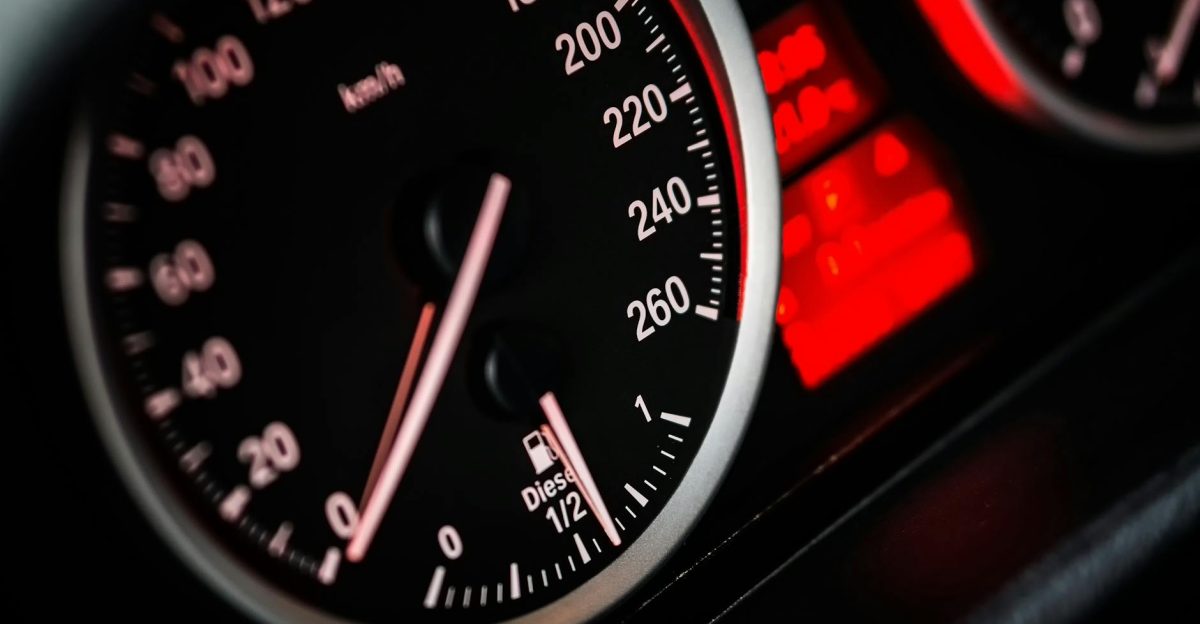
By 7 a.m., drivers were speeding 187% more than on a normal Thursday, according to CMT Telematics. By mid-afternoon, that number holds at 167% above average. Distracted driving climbs 10.8%. These spikes do not stem from road conditions.
They reflect psychological urgency: millions of people racing toward the same dinner table on the same deadline. The holiday acts as a behavioral trigger, compressing normal driving patterns into a mix of speed and impatience that repeats with mathematical reliability every November.
Alcohol Sets the Clock
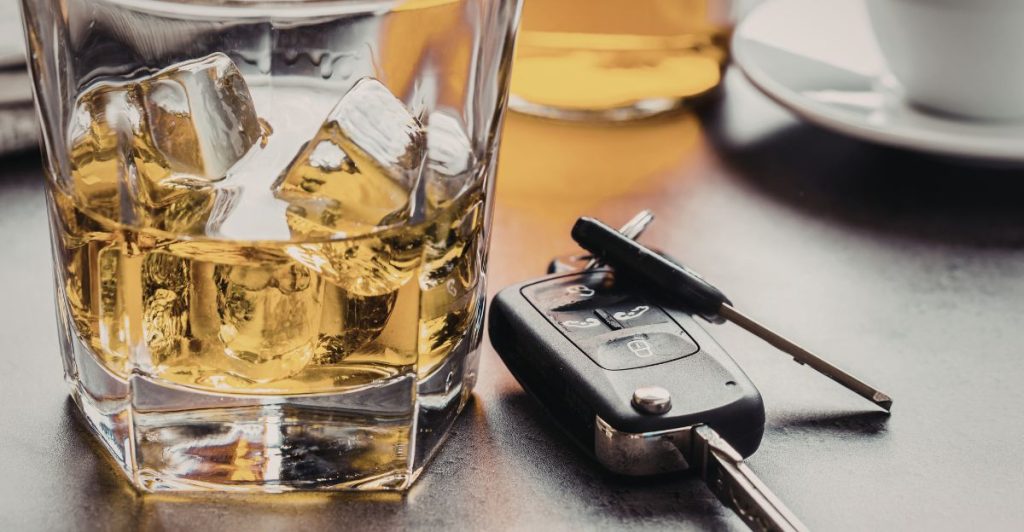
Between 2019 and 2023, 868 people died in Thanksgiving drunk-driving crashes alone. That five-year figure shows no decline despite annual awareness campaigns. During the same span, 2,653 people died in Fourth of July holiday-period crashes, with 40% involving alcohol. Fatal alcohol crashes triple on New Year’s Eve compared to baseline.
Nearly half of all drivers in fatal crashes between midnight and 3 a.m. were drunk. Holiday drinking stands as the dominant cause, tracking the same calendar each year.
Danger Spreads Beyond Holidays
The ripple extends beyond holiday weekends. Saturday accounts for 18% of all crash deaths nationally, the deadliest day of the week by a widening margin. The 3 p.m. to 9 p.m. window claims 33% of annual fatalities, meaning early evening kills more than the dead of night.
Between Memorial Day and Labor Day, teen-involved crashes kill 8 people per day versus 7 the rest of the year. AAA calls it the “100 deadliest days.” Over 700 teen-driver fatalities occurred in 2022 alone during that stretch.
Death by Prediction
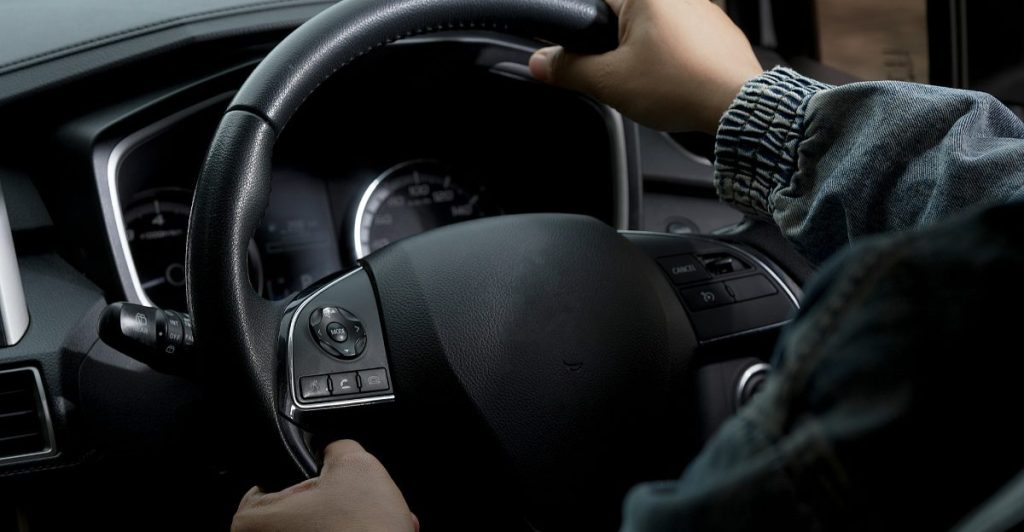
The National Safety Council projects roughly 429 deaths for the New Year’s holiday period. These are projections built on patterns so stable they function like actuarial tables. If a system can forecast deaths within a narrow window on specific dates, those deaths are not random tragedies.
They are engineered outcomes of calendar, alcohol culture, and behavioral timing. Every generic “drive safe” billboard starts to look less like prevention and more like resignation.
No Real Solutions
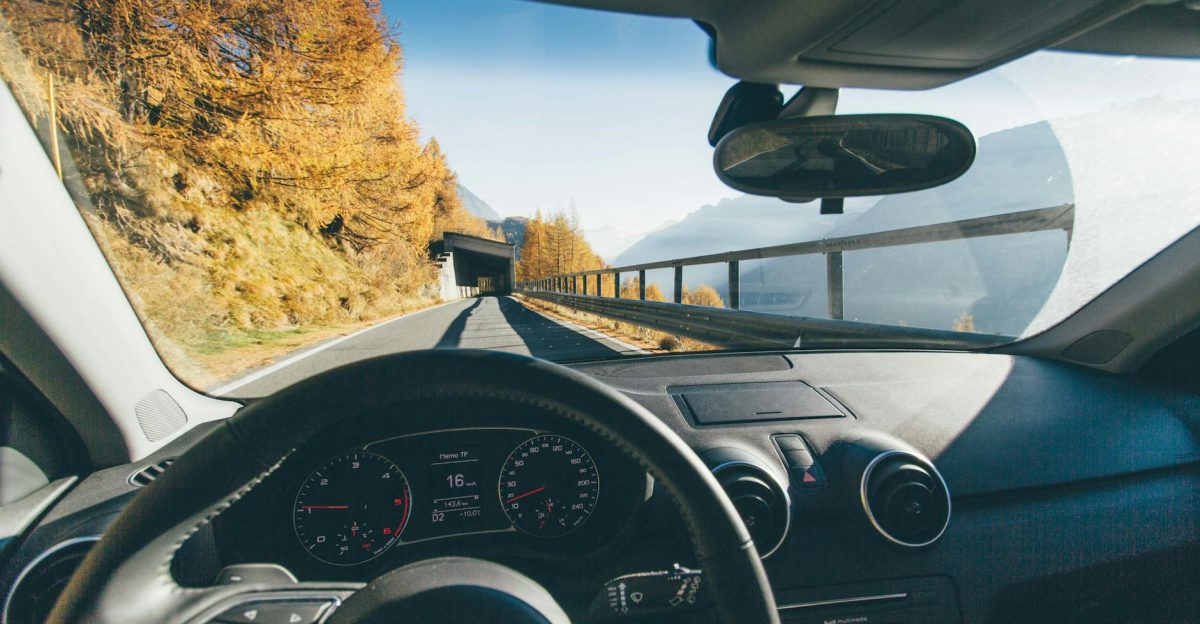
December 2025 crash deaths dropped an estimated 10% from 2024, marking a rare decline. The structural problem remains untouched. Alcohol involvement during holiday periods runs 48.9% versus 38.6% on non-holiday days. That 10-point gap persists year after year.
Texas recorded 2,284 winter speeding fatalities across 2019-2023, the highest of any state. Enforcement surges around holidays, then fades. The interventions are generic and temporary. The death patterns are specific and permanent. No system matches the problem’s precision.
Your Calendar
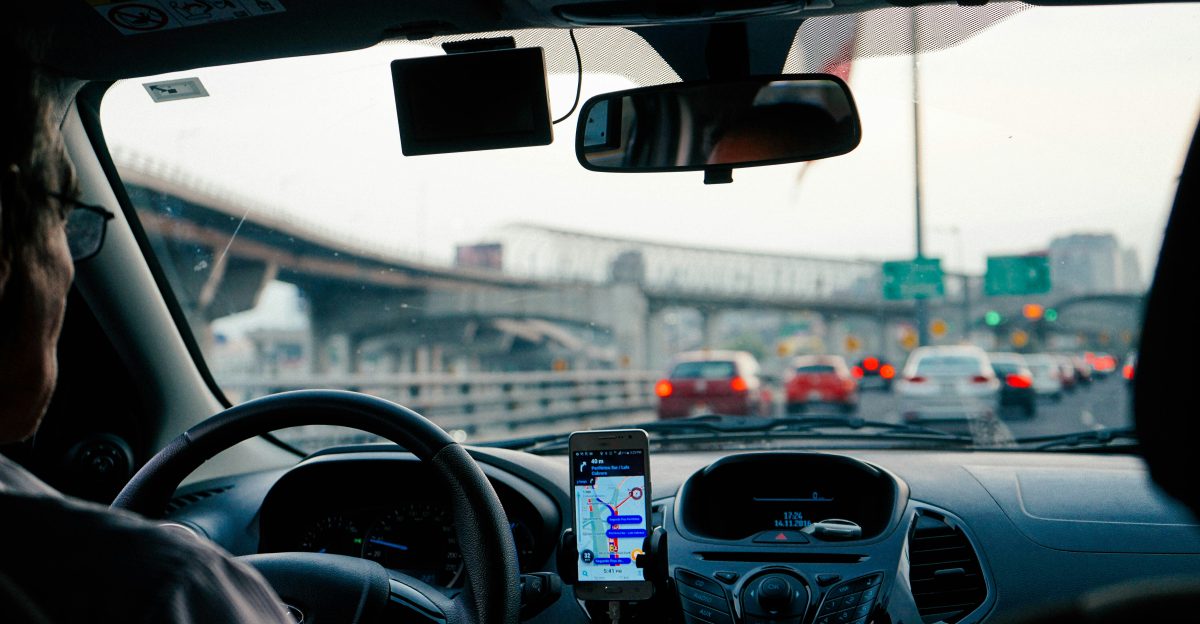
Labor Day weekends average over 400 deaths. When measured by daily fatality rate, NSC data shows Labor Day consistently outpaces both Thanksgiving and Christmas, but most Americans would never guess it ranks that high. The gap between perception and reality is the story.
Deadliest holidays are appointments. The hours are known. The alcohol percentages are known. The dates are known. What remains unknown is whether a country that can predict 429 deaths in a four-day window will ever decide that prediction demands prevention.
Sources:
National Safety Council, Injury Facts — Motor Vehicle Holiday Fatality Estimates (Independence Day, Thanksgiving, Labor Day, New Year’s Day) — 2023–2025
CMT Telematics — Road Risk Alert: Distracted Driving Up 10.8% During Thanksgiving Travel — November 2025
National Highway Traffic Safety Administration (NHTSA) — Drunk Driving: Statistics and Resources (holiday alcohol involvement, midnight–3 a.m. impairment data, 868 Thanksgiving DUI deaths, 2,653 Fourth of July crash deaths) — 2025
AAA Newsroom — The 100 Deadliest Days: Teen Driver Deaths Jump in Summer Months — May 28, 2025
Insurance Institute for Highway Safety (IIHS) — July 4 Daily Crash Death Data, 2019–2023 Average — July 2025