America’s Cheapest New Cars With More Recalls Than Oil Changes—8 Models Under $50K To Avoid
Every year, Americans walk into dealerships looking for an affordable new car. They compare trim levels, negotiate monthly payments, and drive home feeling smart. Then the recall notices start arriving. The depreciation hits. And the realization sets in, the deal was a trap dressed up as a sticker price. These are the 8 models under $50,000 turning confident buyers into cautionary tales.
1. Nissan Altima — Losing $10,500 Before Your Second Oil Change
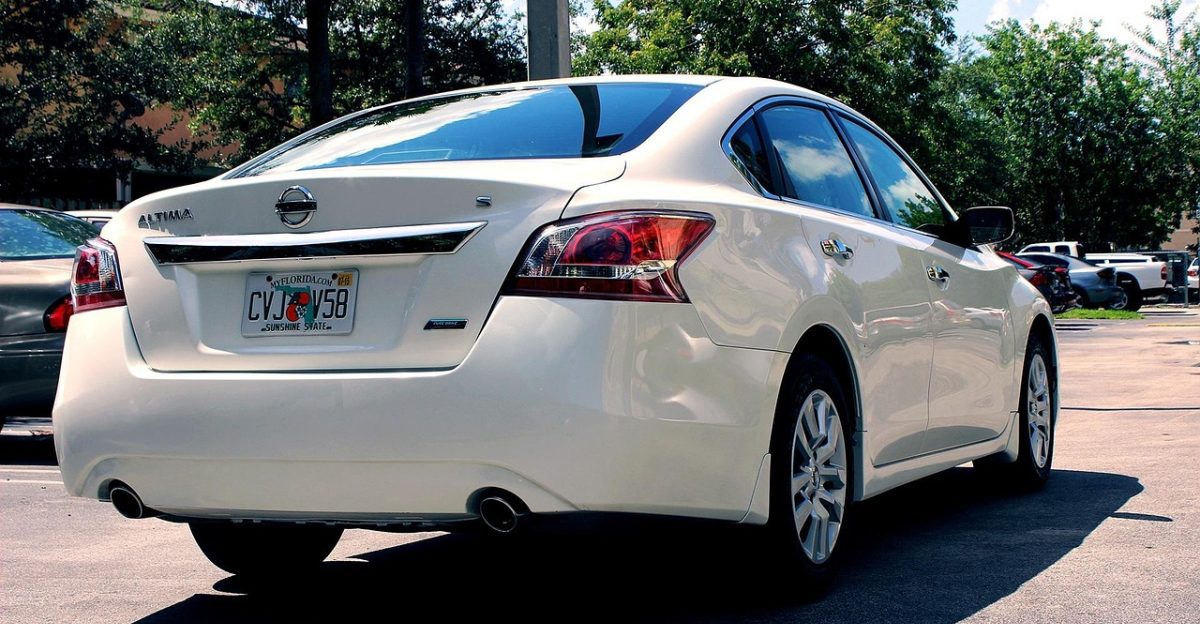
The Altima was America’s sensible sedan for decades. In 2026, it depreciates 30%-plus in the first 12 months, turning a $35,000 top-trim purchase into a $24,500 car almost overnight. Car and Driver still calls it “efficient,” but it takes 7.6 seconds to reach 60 mph, nearly a full second slower than the Honda Accord Touring Hybrid. For 2026, Nissan stripped the lineup to just two trim levels with no performance improvements.
2. Ford Maverick — The Affordable Truck That Catches Fire
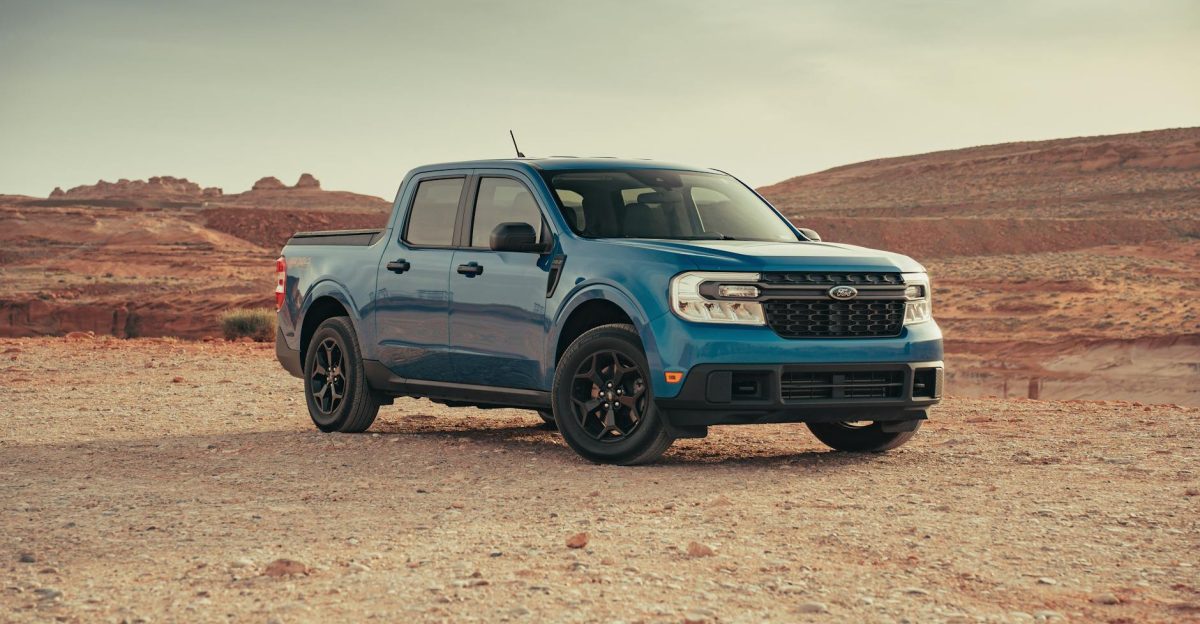
Ford marketed the Maverick as the everyman’s truck. Motor Trend’s long-term test vehicle received ten separate recall notices and Customer Satisfaction Programs within two years. One program offered a free engine block replacement for a vehicle. Ford simultaneously assured owners that it was “likely functioning fine.” The Maverick Hybrid can suffer engine failure while its electric motor keeps it moving, allowing fuel vapor to build silently under the hood. The truck hides its own fire risk in plain sight.
3. Jeep Compass — The Adventure Badge Hides a Leak Problem
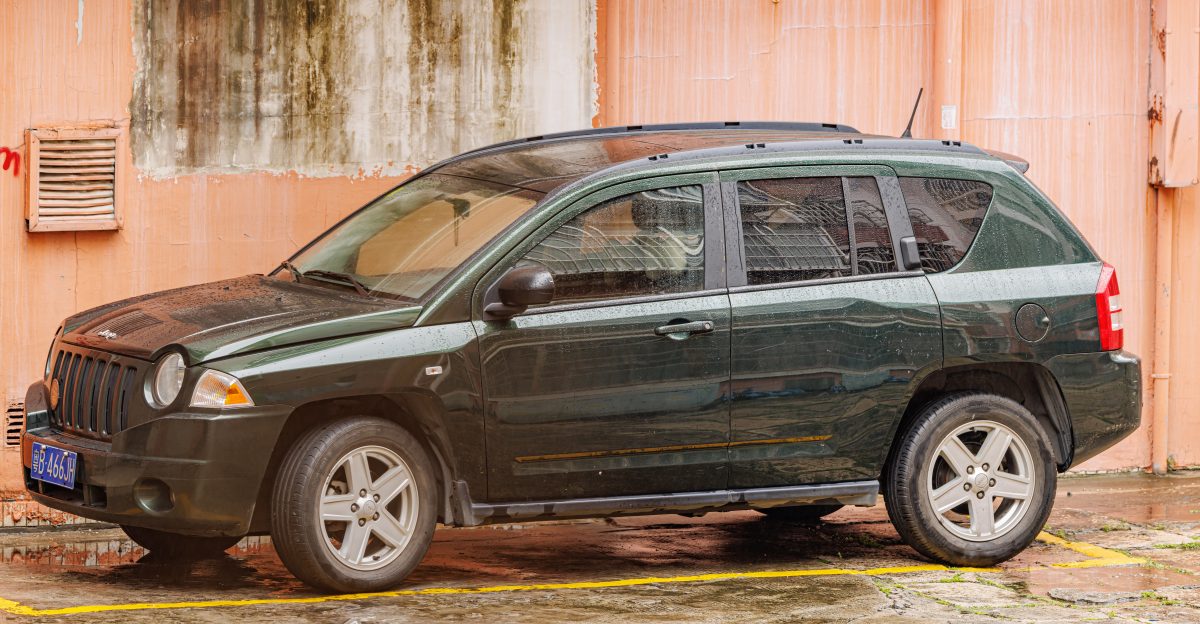
Jeep sells the Compass on toughness and trail capability. Buyers receive an SUV ranked 11th out of 26 in its class for reliability. Owner-reported problems include hard starting, water leaking through the cabin ceiling, and noisy brakes. Annual repair costs average $526, not catastrophic alone, but water leak diagnosis is labor-intensive and can significantly compound both time and cost when issues arise. CarBuzz documented these structural problems spanning nearly two decades of Compass production history.
4. Dodge Hornet — The Brand-New Car That Was Dead Before You Drove It Home
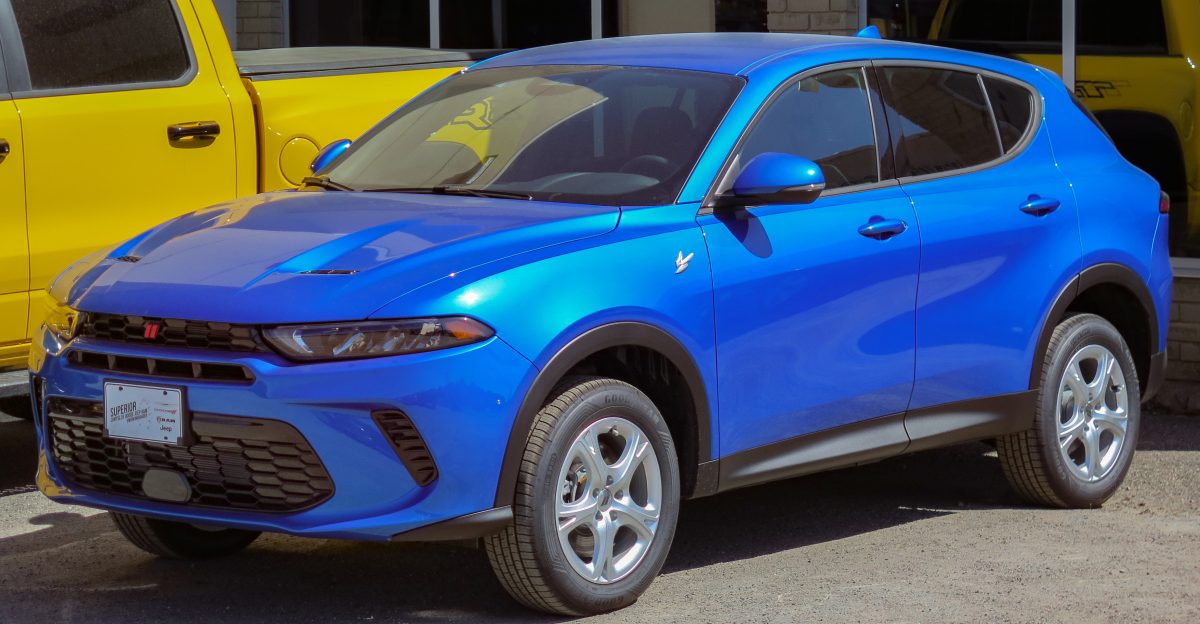
Imagine buying a new compact SUV in early 2025 and discovering mid-year that production has halted. That is the Dodge Hornet story. Built in Italy, it was hit with a 25% import tariff, making continued production economically impossible for Stellantis. The 2026 model year was canceled entirely. Sales had already collapsed 52% year-over-year. Owners now hold a discontinued vehicle with no successor model and a trade-in market that has nearly evaporated.
5. Nissan Sentra — The Altima’s Cheaper Sibling Has the Same Fatal Flaw
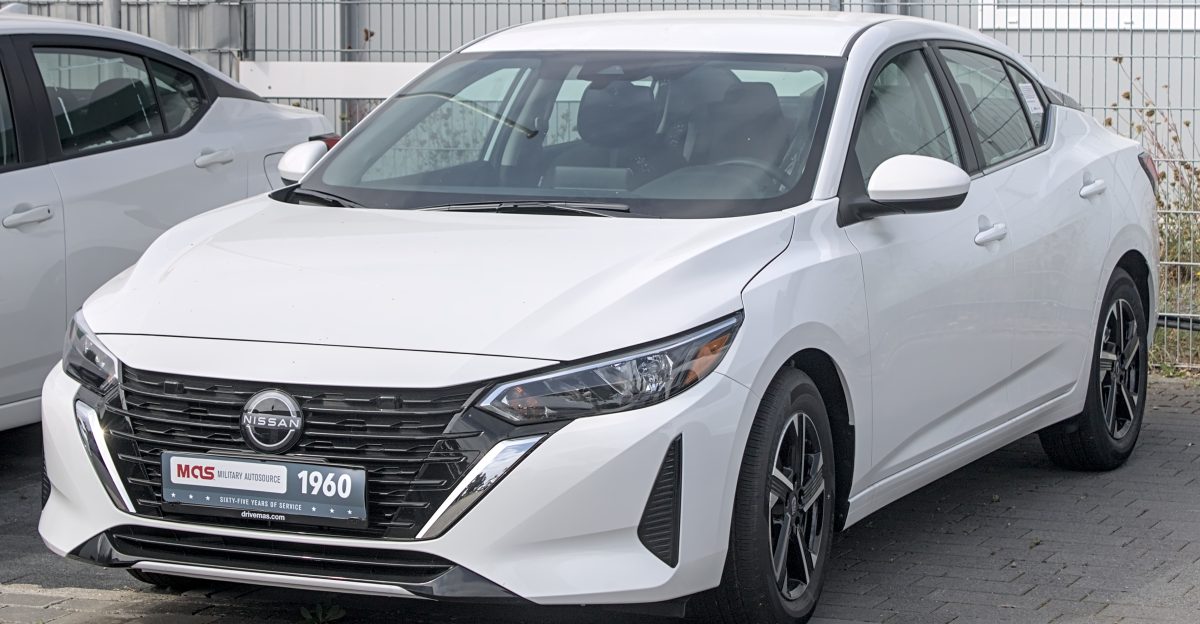
Starting under $22,000, the Sentra looks like the perfect budget car. The problem is structural: the CVT transmission Nissan deploys across its lineup has been subject to documented failures and NHTSA complaints since 2013, and class-action lawsuits since 2018. That is over a decade of known vulnerability across three product generations, with the same flaw present in 2026 models. Full CVT replacements can cost up to $10,000, typically surfacing between 80,000 and 120,000 miles, just outside most extended warranty coverage.
6. Volkswagen Tiguan — The Family SUV That Loses More Value Than Your Car Payment Builds
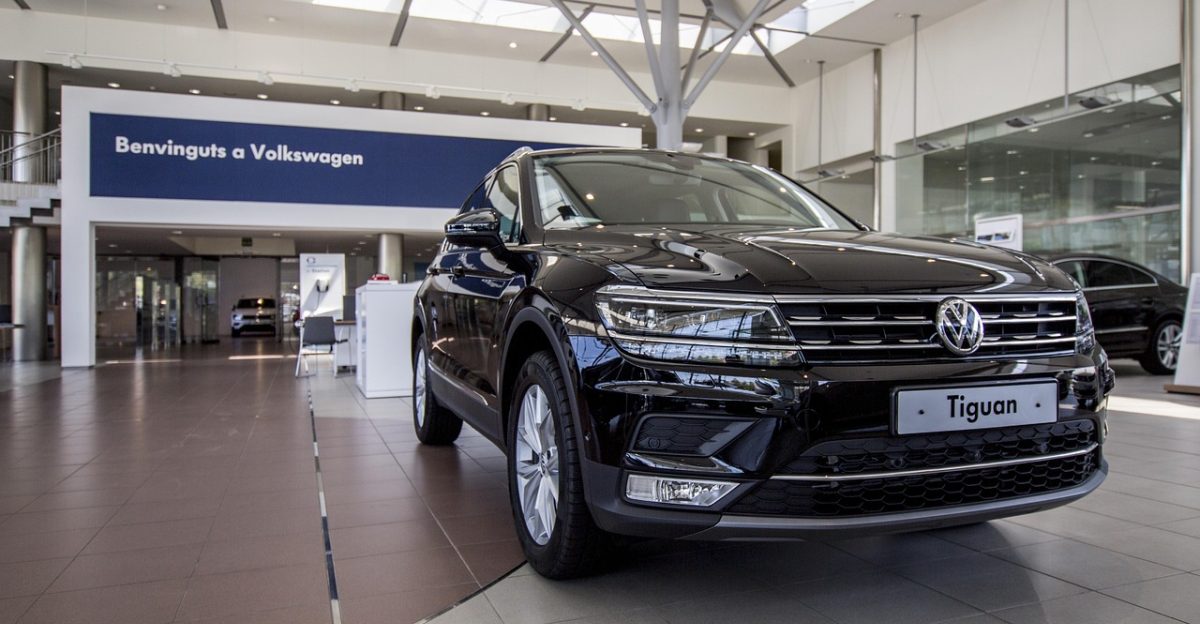
The Tiguan starts at $30,805 and looks like a sensible family SUV purchase. It isn’t. iSeeCars projects 44% depreciation over five years, worse than the compact SUV class average, leaving a $30,000 car worth roughly $17,200 at resale. Owner reports document infotainment failures, adaptive cruise dropping mid-drive, and at least one turbocharger replacement before 5,000 miles. Volkswagen’s warranty covers the breakdowns. Nothing covers the depreciation.
7. Ford Escape PHEV — A Battery Recall, a Tariff Risk, and a Trust Problem
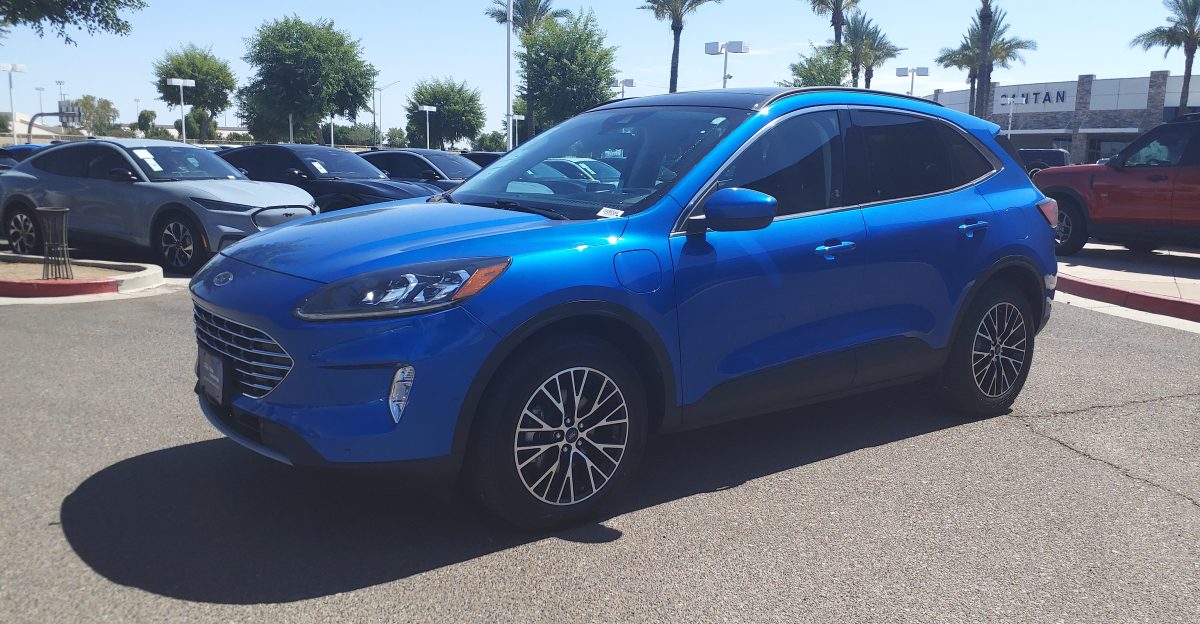
In February 2026, Ford recalled 17,345 Escape PHEVs over high-voltage battery cells prone to internal short-circuiting, a potential fire hazard, instructing owners to limit charging to 80% capacity. This sits within Ford’s broader crisis: 153 recall campaigns in 2025, covering 12.9 million vehicles, the most of any manufacturer. The Escape PHEV also uses a plug-in hybrid powertrain, the exact category J.D. Power flagged at 281 problems per 100 vehicles, the highest of any powertrain type.
8. Chevrolet Trax — The Cheapest SUV on the Lot Has a Price You Won’t See Coming
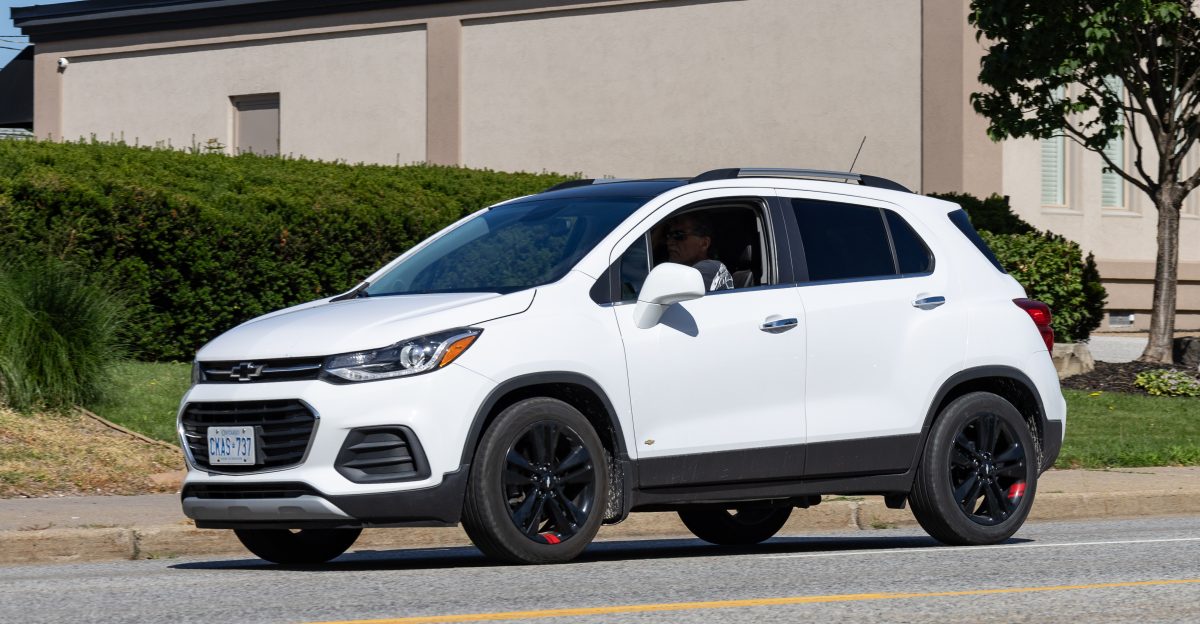
At around $20,000, the Trax is one of America’s most accessible new SUVs. But the Insurance Institute for Highway Safety awarded it a “poor” rating, its lowest score, in front crash testing. Owner forums document electrical issues and an underpowered turbocharged three-cylinder struggling under highway loads.
The Smartest Car Decision Is the One You Make Before Signing
The eight models on this list are not uniformly dangerous. They are vehicles whose depreciation trajectories, recall histories, and supply-chain vulnerabilities create ownership risk that sticker prices don’t reflect. Before buying any car under $50,000, check five-year resale value retention, NHTSA recall history for the specific model year, and where the vehicle is assembled. The monthly payment is designed to be comfortable. The total cost of ownership is designed to stay invisible. Now it isn’t
Sources:
“The Recalls Keep Coming for Our Ford Maverick Hybrid.” MotorTrend, 20 Apr. 2025.
“The Italian-Built Dodge Hornet SUV Is Dead Due to Trump’s Tariffs.” Car and Driver, 13 Jan. 2026.
“Ford Recalled More Cars Than The Next 9 Brands Combined In 2025.” Carscoops, 3 Jan. 2026.
“Volkswagen Tiguan Resale Value and Depreciation.” iSeeCars, 2026.