RAV4 Crosses $41K For First Time As Toyota ‘Absorbs’ $9.5B In Tariffs
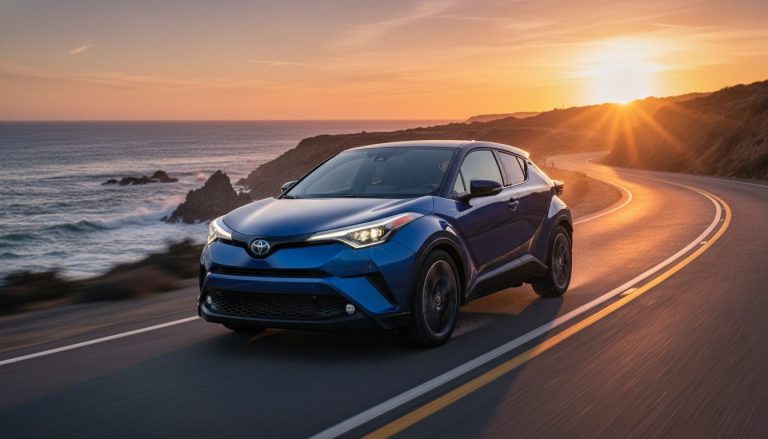
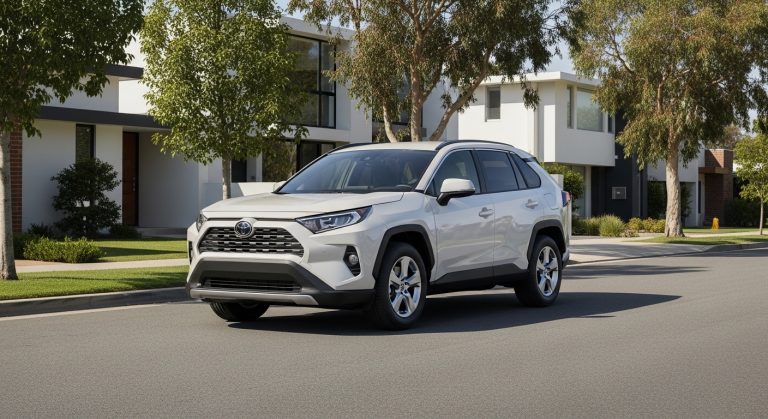
The number hit like a gut punch. A base-model 2026 RAV4, the same compact SUV that half a million Americans bought last year, now carries a $33,350 sticker price. That alone represents a roughly $1,400 jump over the outgoing 2025 base model, now eliminated in favor of an all-hybrid lineup. But the sticker is a fantasy at some dealerships. Dealers have been documented slapping markups as high as $5,995 on the base trim before a single buyer sits down to negotiate. Add sales tax, and the real entry cost for America’s most popular SUV can push past $41,000.
Half a Million Buyers Can’t Be Wrong
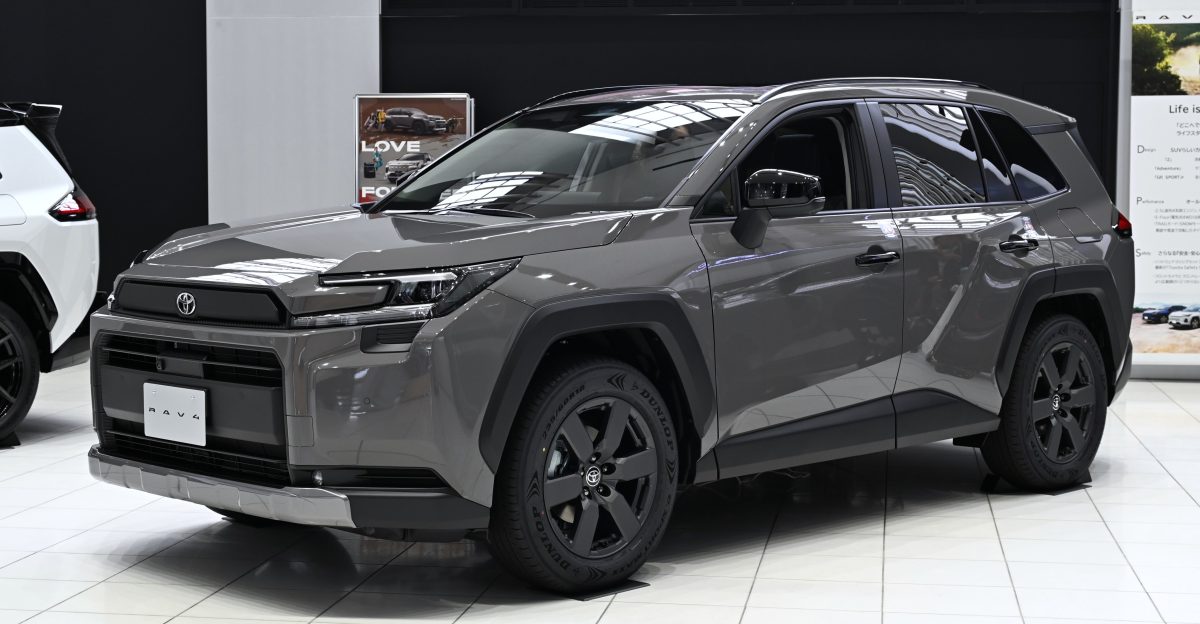
This is the RAV4. Not some niche luxury crossover. Toyota sold 479,288 of them in 2025, making it the best-selling SUV in the United States, outselling every other crossover and sedan on the market. Toyota moved 2,147,811 vehicles total that year, up 8.1% over the prior year. Record demand. Record volume. And the company’s response to that demand was not to reward loyal buyers with competitive pricing. Toyota raised the floor and let dealers raise it further.
The Tariff Excuse
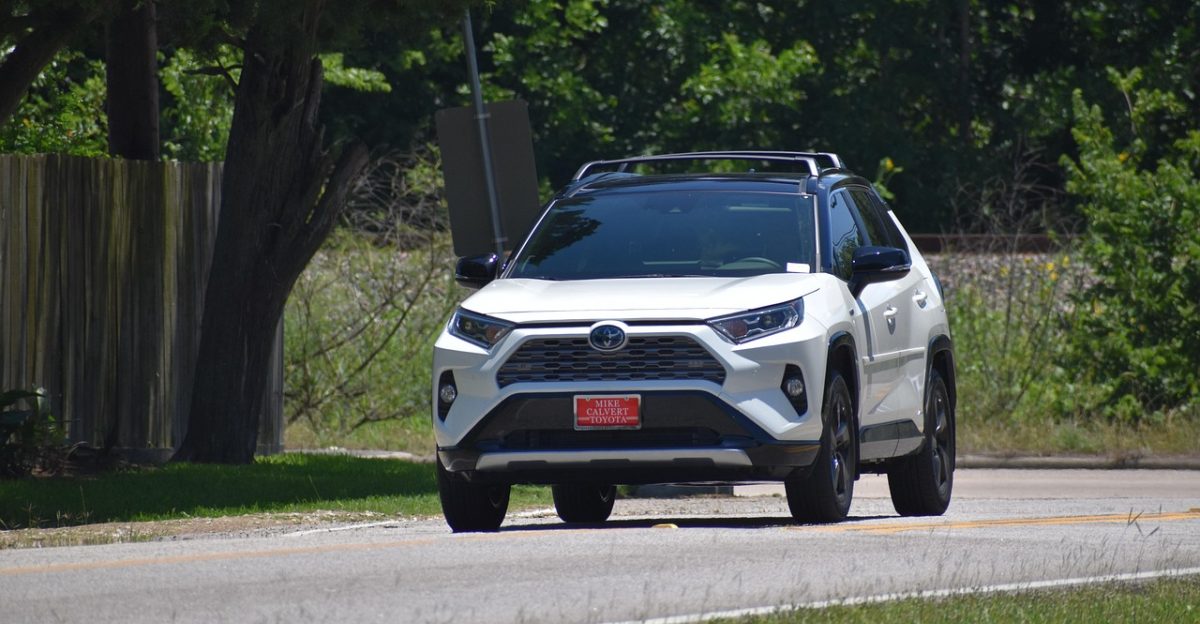
The official explanation is tariffs. Rates of 15% on Japanese imports and 25% on Canadian and Mexican vehicles forced Toyota to absorb an estimated $9.5 billion in lost operating profit. The average car price climbed roughly $1,200 year-over-year across the industry. Toyota claimed it was eating the hit so consumers wouldn’t have to. That sounds noble until you look at the 2026 price sheet: RAV4 up over 2025, Highlander up nearly $5,000, Sequoia entry trim up $1,600. Somebody paid. And it wasn’t Toyota.
The Executive Who Said the Quiet Part Out Loud
Toyota SVP Andrew Gilleland said it out loud in February 2026: “We’re up around $50,000… we’ve never been that high, and it keeps me up at night.” More than thirty years in the business. Never seen it. The executive running U.S. operations publicly admitted that Toyota’s overall average transaction price has entered premium territory for the first time in his career. Then Toyota constrained RAV4 inventory, added a third repricing window to the 2026 calendar, and told dealers to push buyers toward pricier alternatives. The confession and the strategy pointed in opposite directions.
Empty Lots by Design
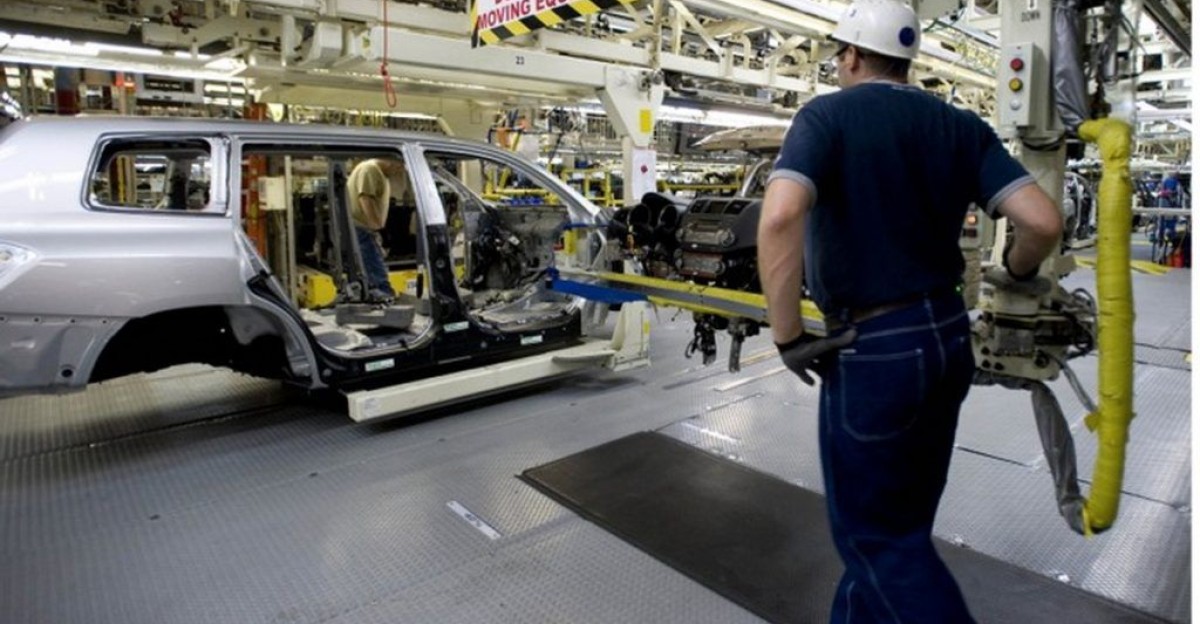
The RAV4 supply crunch is not a production accident. Toyota’s North American plants run at 100%-plus capacity. The company chose to prioritize higher-margin trims and models over flooding lots with base RAV4s. Dealers received guidance to steer customers toward the Crown Signia and Grand Highlander instead. Toyota’s pricing strategy now resembles airline revenue management: advertise a low base fare, limit availability, force upgrades, capture margin at every touchpoint. The $33,350 sticker exists mostly as a marketing number. At dealerships charging markups, the real transaction happens at $41,000 and above.
Underwater Before the First Oil Change
One RAV4 owner summed it up: “I’m actually a little bit disappointed in the trade-in value… basically a $7 to $8,000 price loss… That’s kind of sad.” Buy a 2026 RAV4 at $33,350 MSRP. Add a documented $5,995 dealer markup. Factor roughly $7,000 to $8,000 in first-year depreciation. Within twelve months, a buyer who financed the full amount sits in negative equity approaching $14,000. Toyota built its brand on holding value. That promise is cracking under its own price inflation.
The Highlander Warning
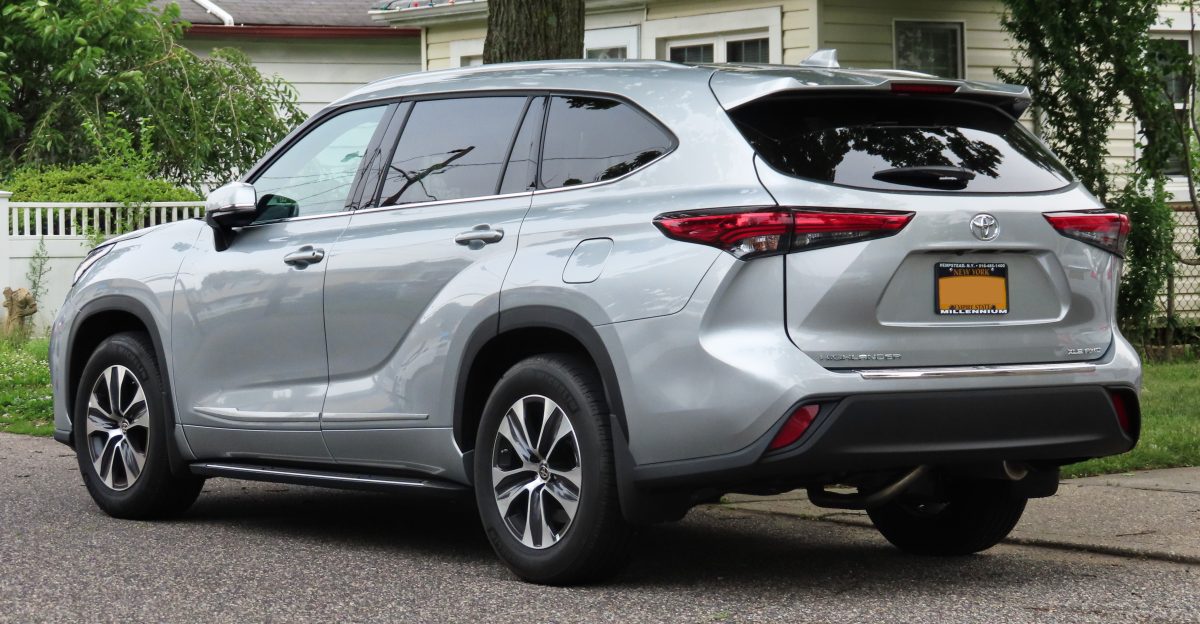
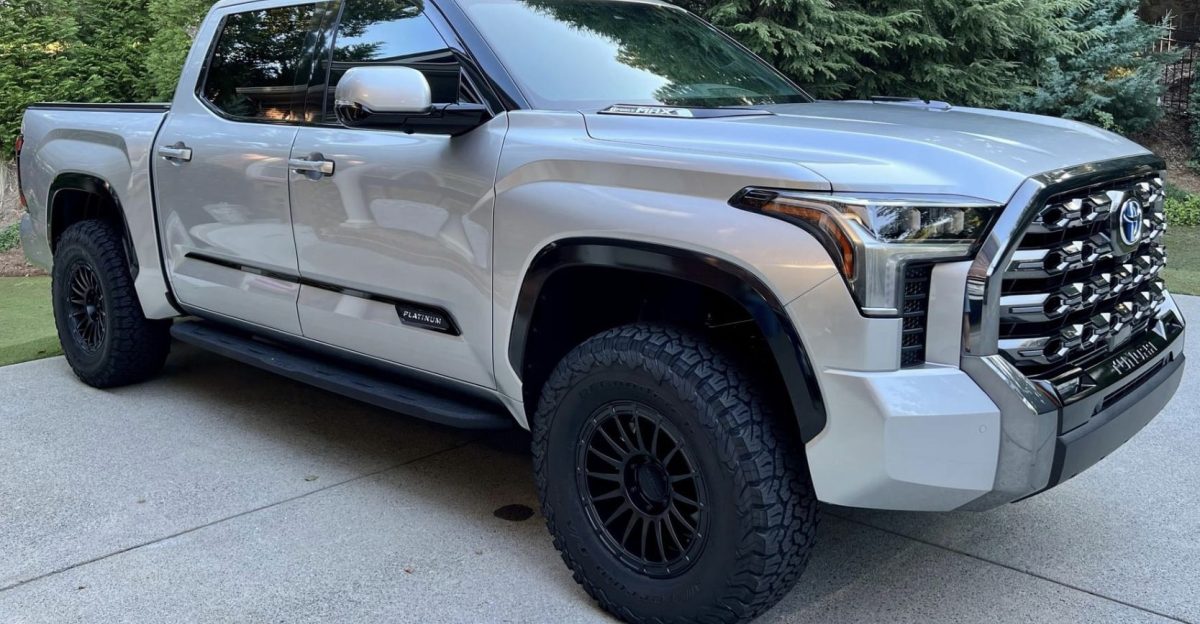
The Highlander tells the broader story. Sales fell 37% year-over-year as Toyota priced the base XLE AWD at $46,765, nearly $5,000 above the outgoing model. Buyers who balked got redirected to the Grand Highlander, which costs even more. Meanwhile, 162,000 Tundra and Tundra Hybrid trucks face a rearview camera recall, stacked on top of a prior engine recall. The reliability reputation that once justified paying a premium is eroding at the exact moment premiums are highest.
Three Price Hikes in One Model Year
This is not a one-year pricing blip. Toyota added a third repricing window to the 2026 model year, up from the standard two. Gilleland himself warned it creates confusion: cars built in January carry different prices than cars built in September, and dealers cannot explain the difference. Three adjustment windows signal that Toyota expects continued tariff volatility and intends to capture every dollar of pricing power the market will tolerate. The Japanese affordability advantage, historically worth $3,000 to $5,000 per vehicle over domestic competitors, is functionally dead.
Nowhere Left to Go
The escape routes are closing. Ford F-150 and GM Silverado pricing has compressed upward into the same territory. Used Toyota hybrids are depreciating faster than expected as battery-replacement anxiety grows. The 2026 RAV4 went hybrid-only, eliminating the gasoline option entirely, which means every buyer absorbs the costlier powertrain whether they wanted it or not. A Sequoia Capstone now reaches $85,235. A Tundra Capstone hits $82,895. Even the 4Runner starts at $41,570. The entire lineup has migrated upmarket.
A Game of Chicken with Its Own Customers
Toyota’s SVP called tariff absorption “a game of chicken.” If tariffs persist, prices climb another $2,000 to $3,000 by 2027. If tariffs disappear, Toyota faces a demand shock and billions in inventory write-downs on vehicles it sold at inflated margins. Either path punishes the buyer who walked in trusting that a Toyota was still the rational, affordable choice. The brand that built its empire on middle-income loyalty now prices that buyer out of the showroom. Whether Toyota can survive its own profitability is the question nobody at headquarters wants to answer next.
Sources:
“Hybrid-Only 2026 Toyota RAV4 Now Starts At $33,350.” Jalopnik, 18 Nov 2025.
“2026 Toyota RAV4 Pricing: Here’s How Much Each Trim Costs.” Edmunds, 3 Mar 2026.
“2026 Toyota Highlander Starts $5000 Higher, FWD Models Dropped.” Car and Driver, 4 Sep 2025.
“Toyota Recalls 162000 Tundras Over Backup Camera Failures.” Autoblog, 23 Jan 2026.