America’s Best-Selling Trucks Crumble—$50,000 Silverados Worthless in 18 Months
Somewhere in a driveway right now, a guy who just financed a brand-new 2024 Chevy Silverado is running his fingers along the frame rail and feeling metal flake off like dead skin. Orange streaks on a truck with fewer miles than most commuter sedans. The wax coating that was supposed to protect the steel is peeling away, exposing raw metal to road salt and rain. This truck cost more than his first house. And the rot started before the first oil change was due.
Fifteen Thousand Miles to Failure
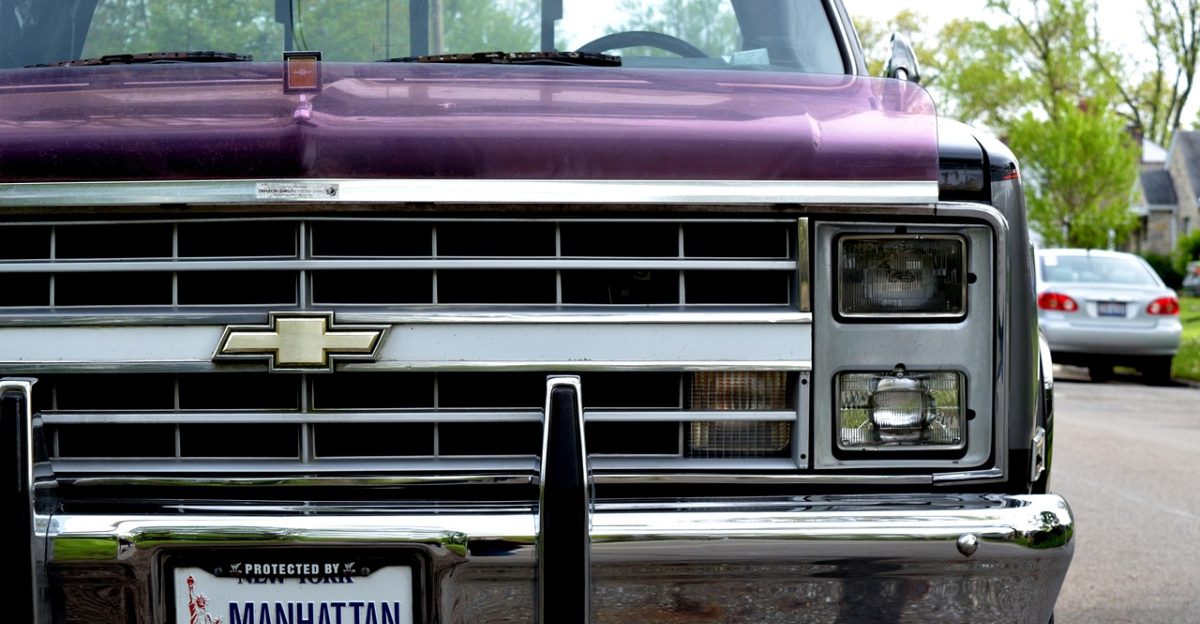
Multiple 2024 Silverado owners have reported frame rust appearing between 15,000 and 28,000 miles. One Silverado 2500 HD Duramax ZR2 owner found structural corrosion at 16,000 miles. A Trail Boss owner documented full paint peel and clear coat failure at 28,000. These aren’t beaters parked in salt marshes. They’re current-model-year trucks, many still under factory warranty, rusting through their frames faster than some owners rotate their tires. Structural frame rust cuts resale value by 30 to 50 percent or more, and that collapse starts the moment a buyer sees orange.
The Wax That Never Worked
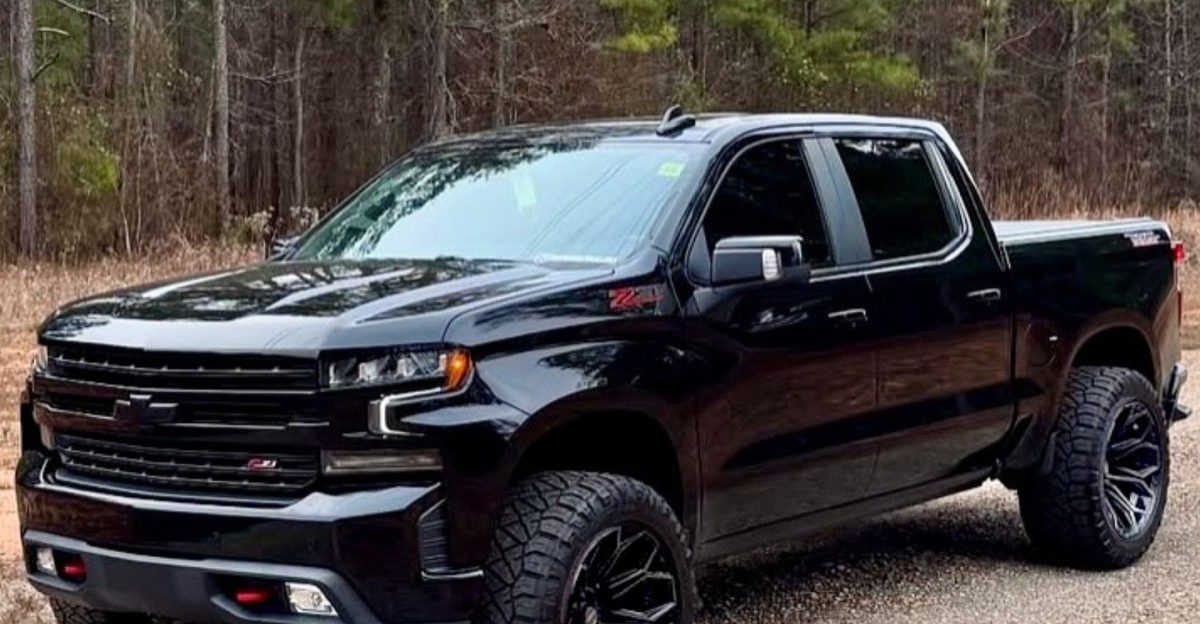
Most people assume modern trucks are built tougher than ever. GM’s own Technical Service Bulletin tells a different story. TSB 19-NA-255 acknowledges that the third-party frame supplier failed to properly prep metal before applying the wax coating. The wax peels. Raw steel meets road salt. Rust eats the frame. Here’s what makes that bulletin explosive: the 2007 to 2013 Silverado GMT900 generation had the exact same wax-based coating system, and those trucks rusted at under 30,000 miles too. GM knew. For 18 years.
Eighteen Years, Same Defect, Worse Results
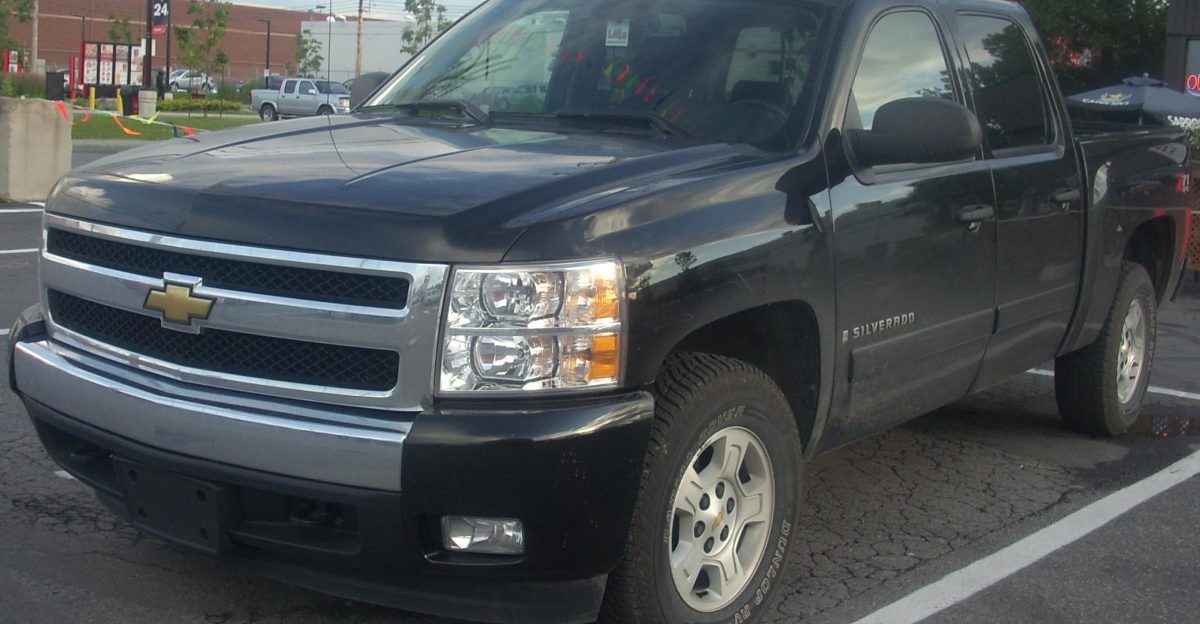
The 2007 GMT900 Silverados rusted at under 30,000 miles. The 2024 Silverados rust at 15,000. Same wax system. Faster failure. Engineering is supposed to improve across generations. Instead, the defect accelerated. One owner put it plainly: “Post-COVID manufacturing was rushed out the door just to get trucks back on the market after being short on line workers.” GM didn’t fix the coating. They didn’t switch to proven e-coat technology. They kept the cheap wax and shipped the trucks anyway.
The Frame Isn’t the Only Thing Failing
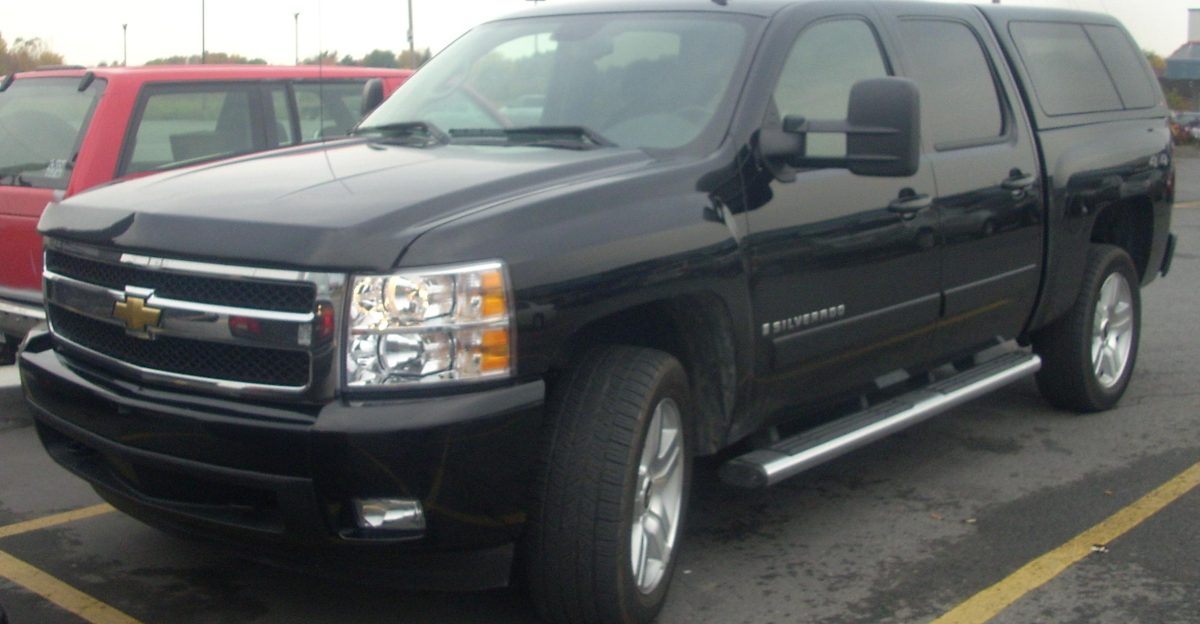
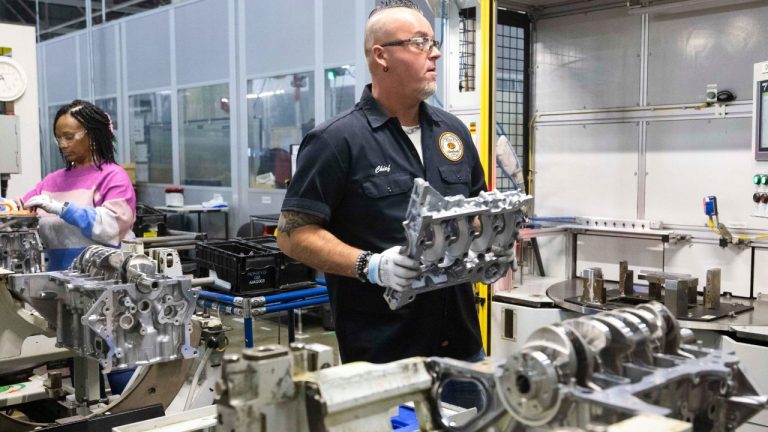
Frame rust is the visible wound. Underneath, the whole system is bleeding. GM recalled nearly 600,000 U.S. vehicles in April 2025 for 6.2-liter V-8 crankshaft and connecting rod failures across 2021 to 2024 Silverados, Tahoes, Yukons, and Escalades. The L87 engine had accumulated over 28,000 field complaints before GM acted. Twenty-eight thousand. Then the recall remedy itself started failing. Thirty-six owners reported engine failures after receiving the fix. NHTSA opened an investigation on January 16, 2026, into whether the repair even works.
The Numbers Nobody Can Ignore
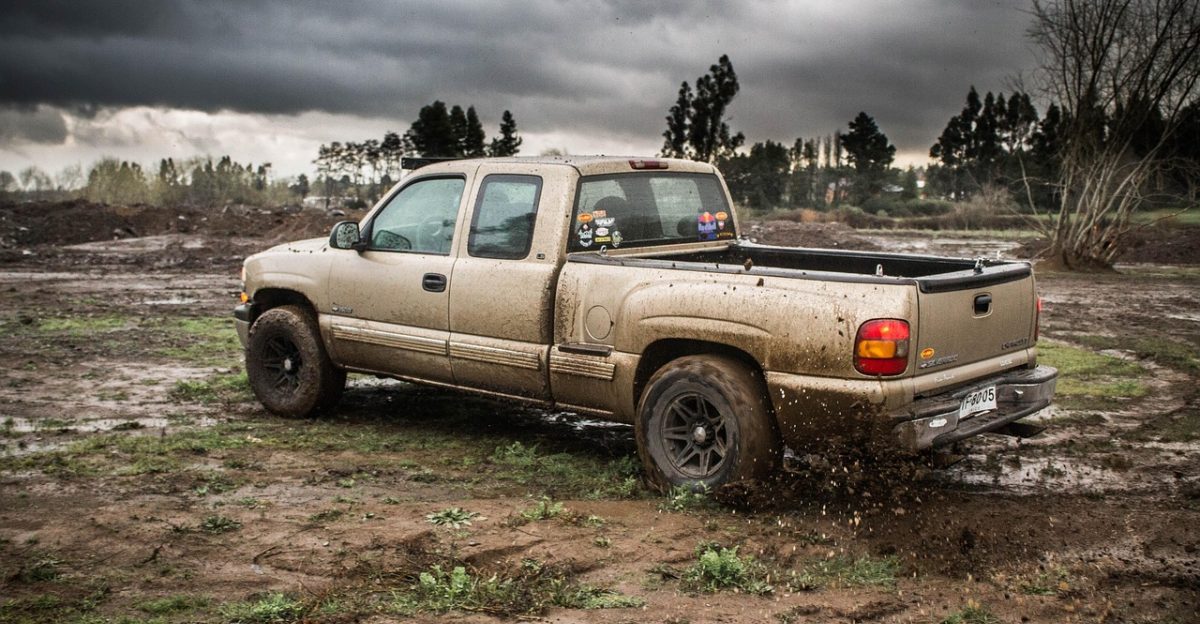
A typical new truck loses roughly 40 percent of its value after five years. Frame rust compresses that timeline to months. Structural corrosion destroys 30 to 50 percent of resale value on contact with a buyer’s inspection report. A $50,000 Silverado Trail Boss with frame rust at 20,000 miles becomes a truck no fleet buyer, no second-hand dealer, and no private buyer will touch at anything close to fair value. That’s not normal depreciation. That’s a $50,000 asset turning into a $15,000 liability while the owner still owes $40,000 on the loan.
The Entire Truck Market Is Rotting
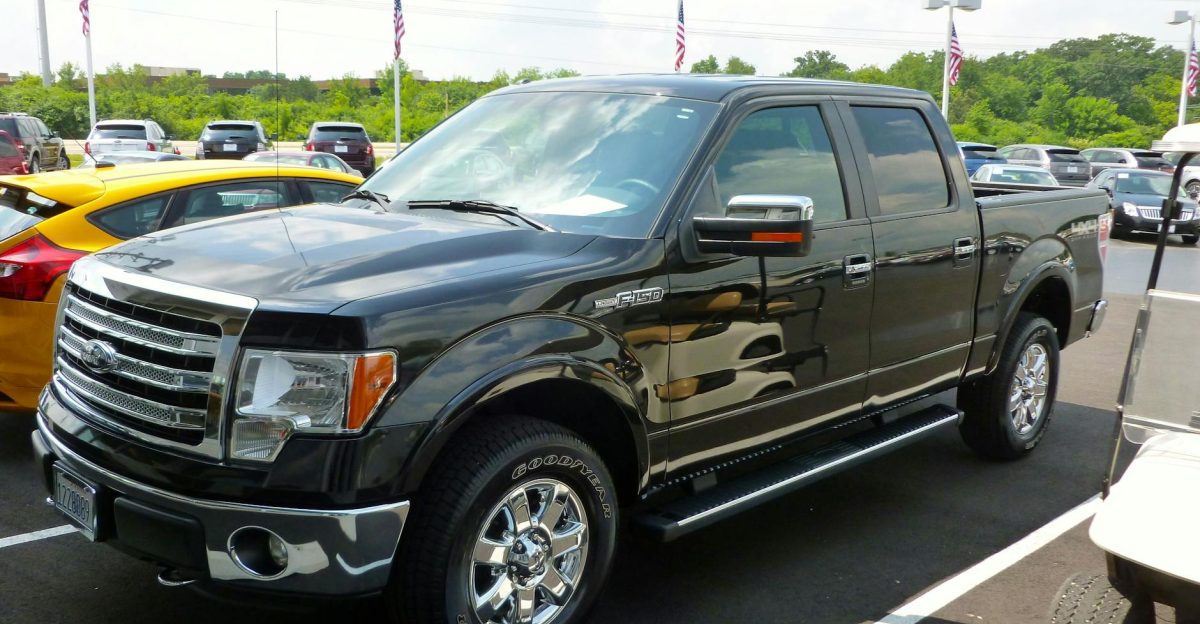
GM isn’t alone. Ford issued 152 recalls in 2025, nearly double the previous industry record. Ford F-150s from 2004 to 2006 rusted through their frames prematurely, costing owners $5,000 or more per repair. The 2015 to 2017 generation drew its own federal scrutiny, with NHTSA opening an investigation in early 2026 into sudden transmission failures across 1.3 million F-150s from those model years. One Silverado owner captured the absurdity perfectly: “I’m done defending them. Ford’s recall disaster is the only reason I’m still driving a GM.” When the best argument for your truck is that the competition is worse, the entire market has a structural problem.
The Toyota Precedent That Predicts Everything
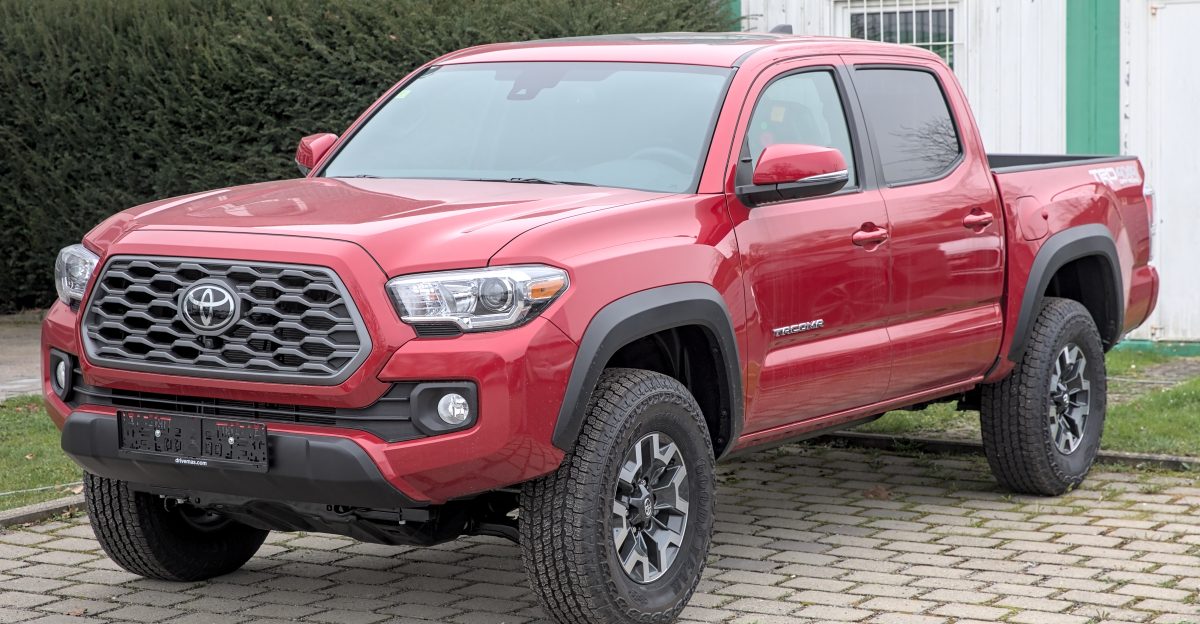
Toyota’s Tacoma frame rot class action affected approximately 1.5 million vehicles and cost $3.4 billion, roughly $15,000 per truck. That settlement took over a decade from first field failures to resolution. A prior GM engine defect class action, covering the 5.3-liter Vortec oil consumption failures in 2011 to 2014 trucks, produced a combined multi-state settlement totaling approximately $175 million for roughly 40,000 owners, averaging about $3,300 per vehicle. The current 6.2-liter L87 litigation is still moving through the courts, with a consolidated complaint filed February 2026 and no settlement yet reached. Every 2024 Silverado sold with a defective frame coating is a future plaintiff. The lawsuits will come. The settlements will arrive. And the owners will collect pennies on the dollar for trucks that failed before their first service appointment.
The Dominos That Haven’t Fallen
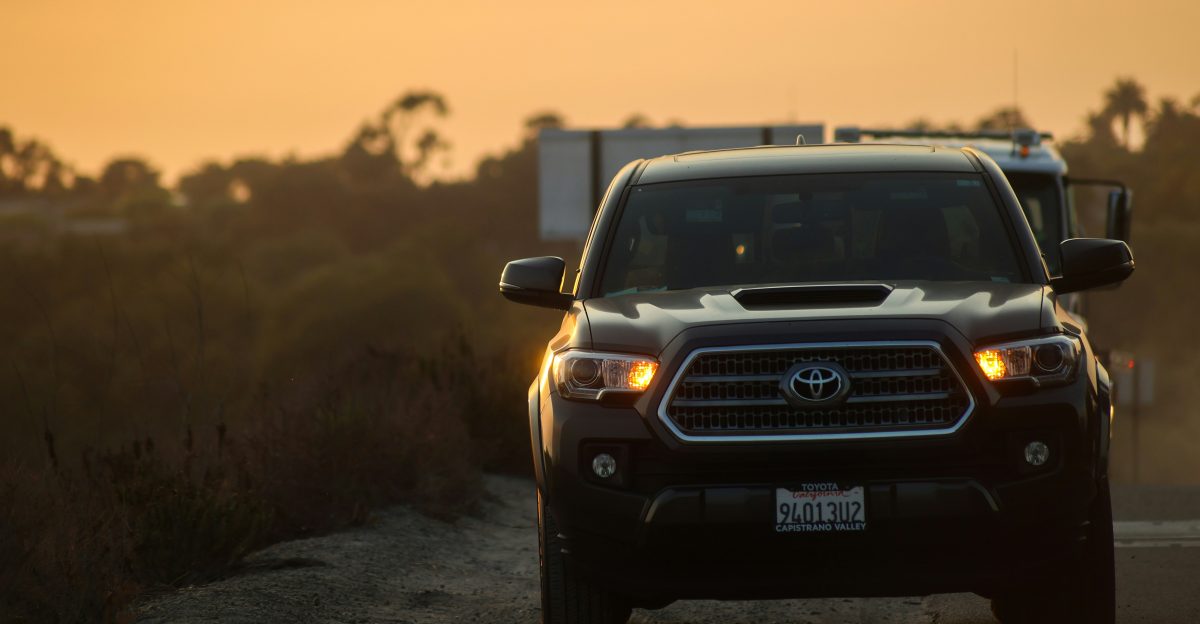
Lease holders on 2024 GM trucks face residual value collapse at lease-end. Fleet buyers in construction and logistics face sudden asset deterioration that could trigger loan covenant breaches. Independent dealers holding used 2024 inventory are stuck with depreciating metal they cannot move. GM dealer lots have shown tightening V8 4×4 availability, a trend industry observers link to GM’s broader strategic push toward 2.7-liter and 3.0-liter engines rather than any confirmed phase-out of the defective units. One owner forced GM to buy back a 2024 Silverado 2500 under lemon law after repeated breakdowns. The exits are narrowing for everyone holding these trucks.
What Smart Buyers Know Now
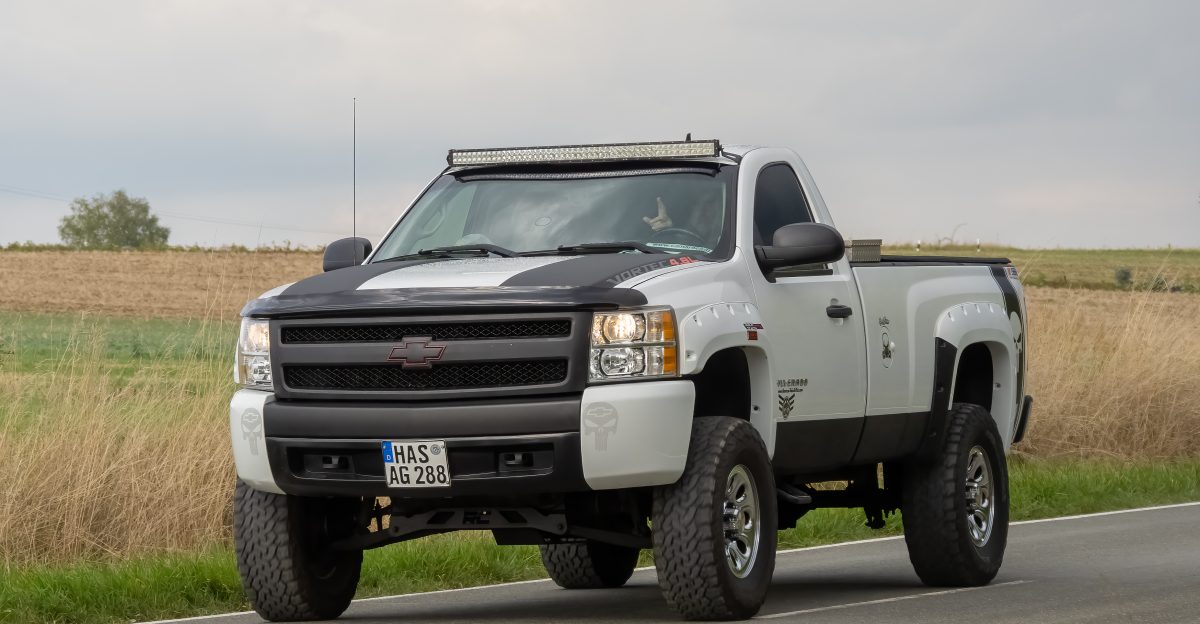
Truck durability in 2024 has nothing to do with brand loyalty and everything to do with which model year escaped major recalls. A 2014 F-150 holds value better than a brand-new Silverado. Stellantis has faced its own quality headwinds, posting a significant loss in 2025 and issuing a 700,000-vehicle global recall in April 2026 covering primarily European hybrid models across brands including Fiat, Peugeot, and Jeep, leaving no major automaker with a clean bill of health. Japanese manufacturers are reviving truck lineups emphasizing rust resistance. The “built tough” era ended the moment GM chose a cheap wax coating over proven technology for the third consecutive generation. Whoever figures that out before their next purchase just saved themselves $25,000 and years of litigation.
Sources
“GM To Fix Chevy Trucks Frame Wax Coat Peeling.” GM Authority, March 2024.
“Service Bulletin TSB 19-NA-255.” National Highway Traffic Safety Administration, October 2024.
“Safety Recall N252494001 L87 Engine Loss of Propulsion.” National Highway Traffic Safety Administration, April 2025.
“Federal Government Opens New Investigation Into GM’s 6.2-Liter V-8.” Road and Track, January 2026.
“It Took GM More Than 28,000 Failed V8s Before Recalling Its L87 Engines.” The Autopian, January 2026.
“GM Recalls 721K Trucks, Full-Size SUVs Due to Defective 6.2L V-8s.” Car and Driver, April 2025.