Amazon Unleashes Robotaxi Fleet On Phoenix Streets 6 Years After $1.2B Zoox Bet
Imagine a car cruising through a Phoenix intersection during rush hour. No hands on the wheel. No driver in the front seat. Just cameras, sensors, and lidar doing the work. That stopped being science fiction here years ago, thanks to Waymo. But now there’s a new player pulling up. Amazon’s autonomous rideshare subsidiary, Zoox, is rolling onto these same sun-baked streets. One city. Two robotaxi operators. And a race nobody has fully mapped out yet.
The Long Game
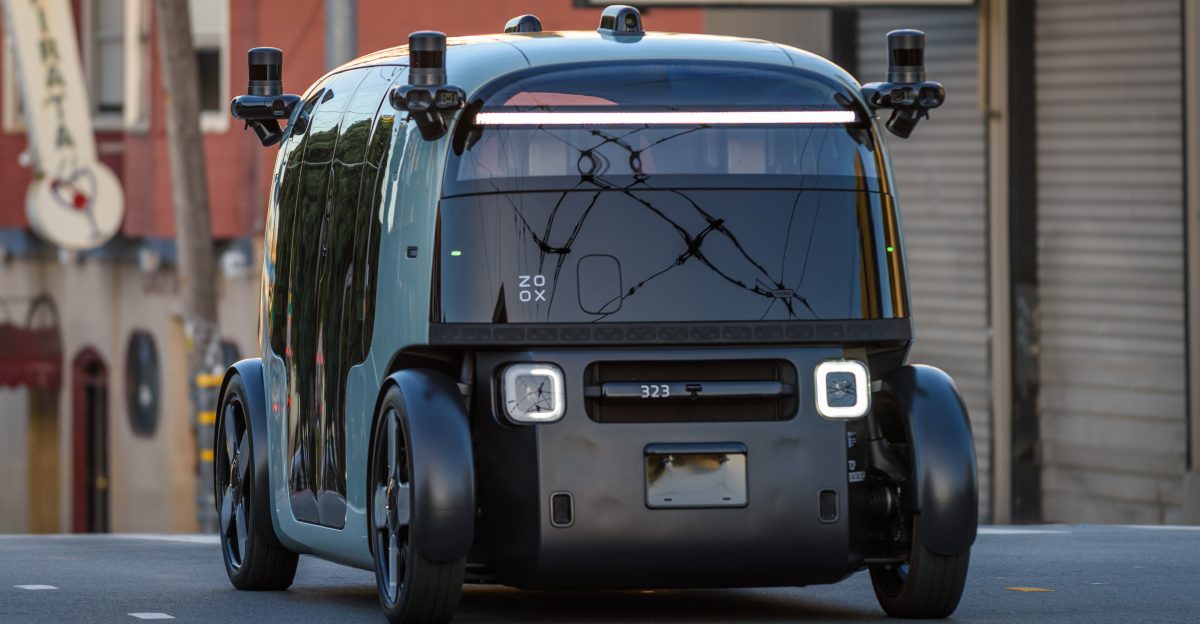
Amazon announced its acquisition of Zoox back in 2020. Six years between that deal and a Phoenix deployment. That timeline tells you everything. This was never a quick flip. Zoox builds autonomous ride-hailing vehicles from scratch — not retrofits bolted onto existing cars. Meanwhile, Phoenix became America’s most visible robotaxi proving ground with Waymo already running rider-facing service across the metro. Amazon watched that unfold for years before planting its flag in the same dirt.
The Software Myth
Most people think robotaxis are just a software problem. Build a smarter algorithm, launch an app, collect fares. That assumption benefits hype sellers and clout-chasing influencers. The reality is messier. Federal safety oversight from NHTSA. State permitting frameworks modeled after California’s DMV program. Local coordination through the City of Phoenix and ADOT. That’s three layers of authority before a single autonomous vehicle picks up one passenger. Working somewhere else means almost nothing here.
The Battleground
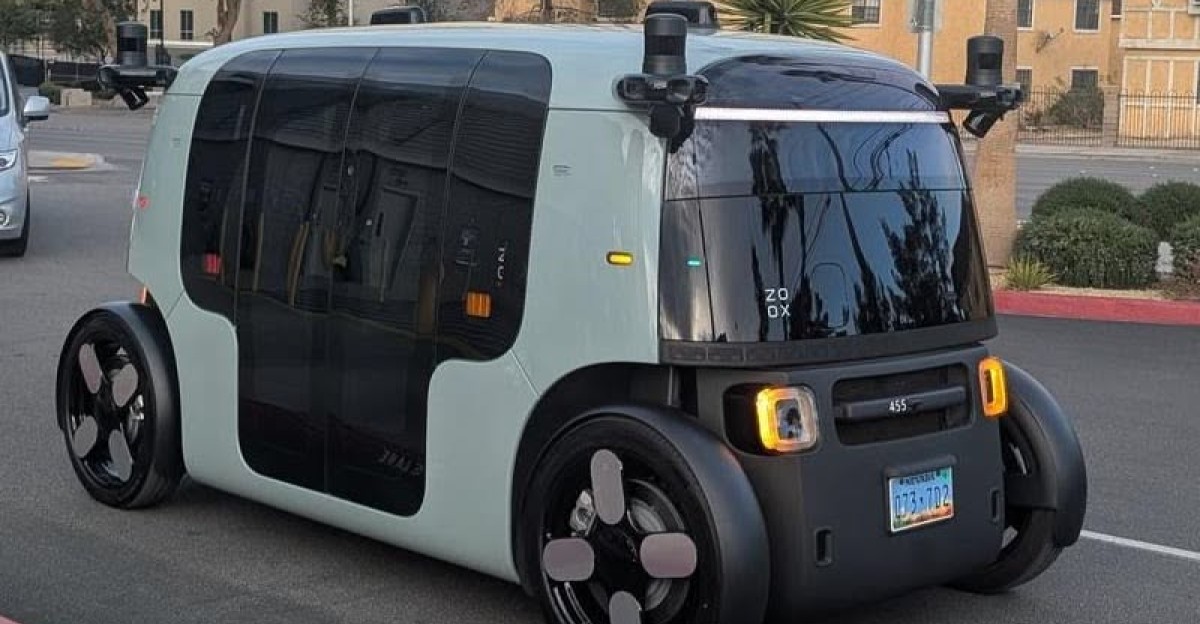
Zoox’s choice of Phoenix changes the math entirely. This city already had a robotaxi operator. Now it has a competition. A second entrant intensifies the fight for rider trust, curb space, and regulatory attention. Waymo built years of street-level credibility here. Zoox arrives backed by Amazon’s deep pockets but with zero local track record. The winner won’t have the best app. The winner builds the most credible safety-and-operations machine under scrutiny.
The Invisible Machine
Autonomous vehicle deployment runs through a system most riders never see. NHTSA handles federal safety context and maintains a public recall lookup for every vehicle on American roads. One searchable recall can reshape public perception overnight. Below that, state programs govern testing and deployment permits. Below that, city and transportation agencies coordinate actual street operations. Zoox doesn’t just need a car that drives itself. It needs an institutional compliance apparatus that withstands all three layers simultaneously.
No Numbers
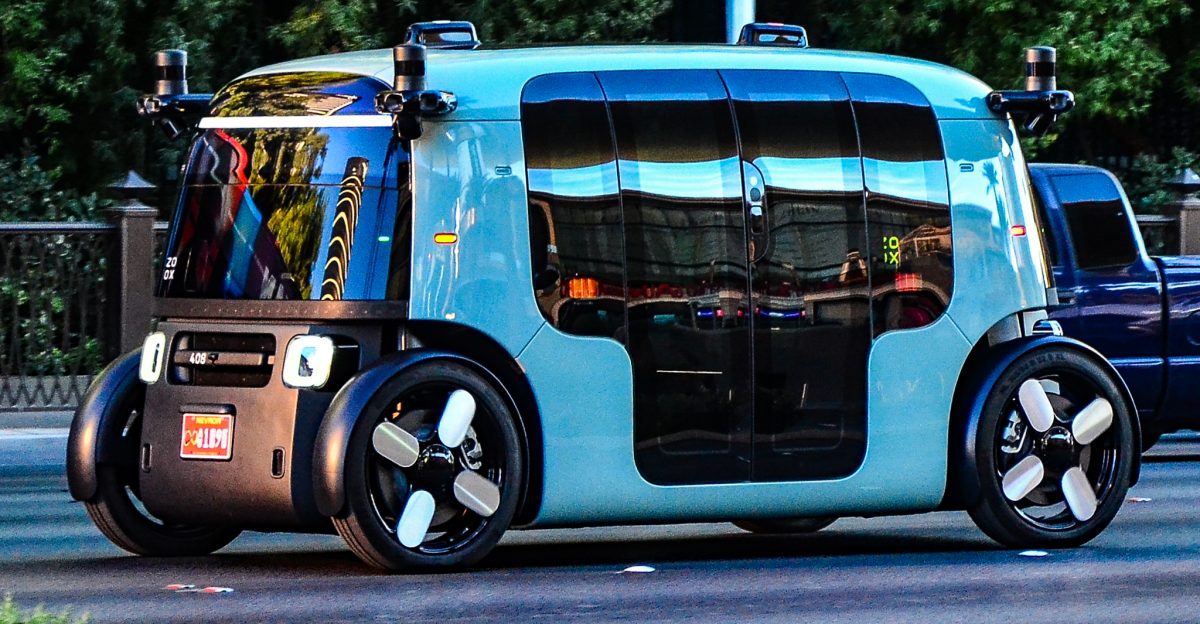
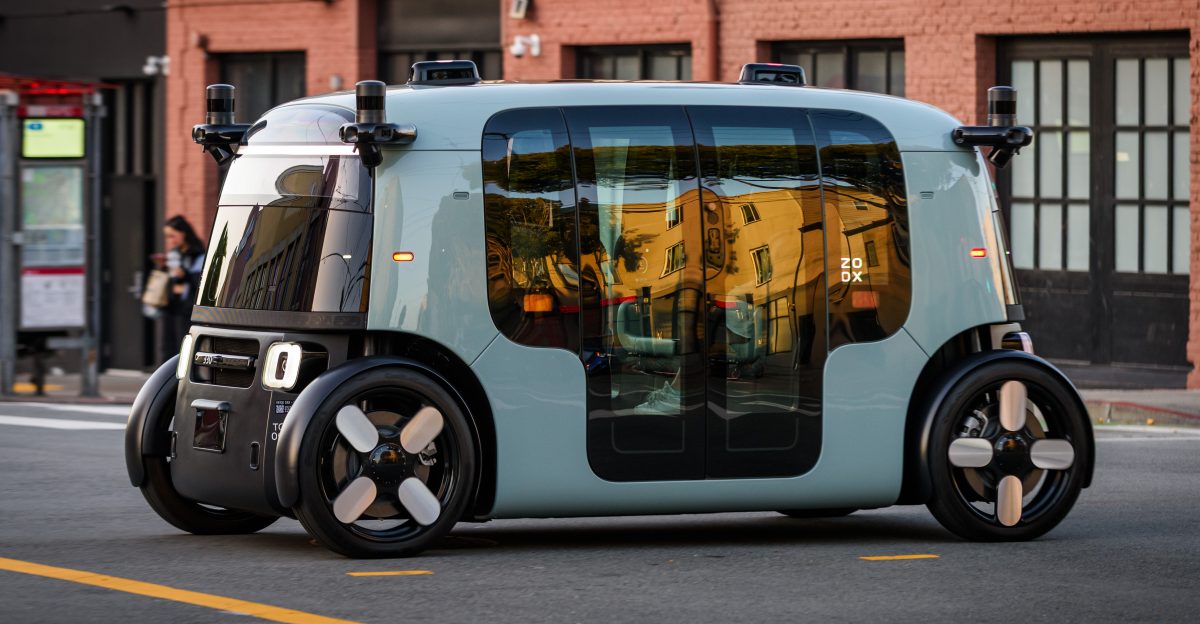
Here’s what Zoox hasn’t disclosed: rollout dates, fleet size, service area boundaries, or permit specifics for Phoenix. Zero hard numbers from primary reporting. That silence is its own signal. A staged deployment requires mapping, local coordination, and testing before a single public ride happens. Every robotaxi operator that rushed a launch learned the same lesson. The compliance grind is the product. Zoox on the hood. Amazon is behind the push. A city is watching to see if the operation earns trust before fares.
The Ripple Cost
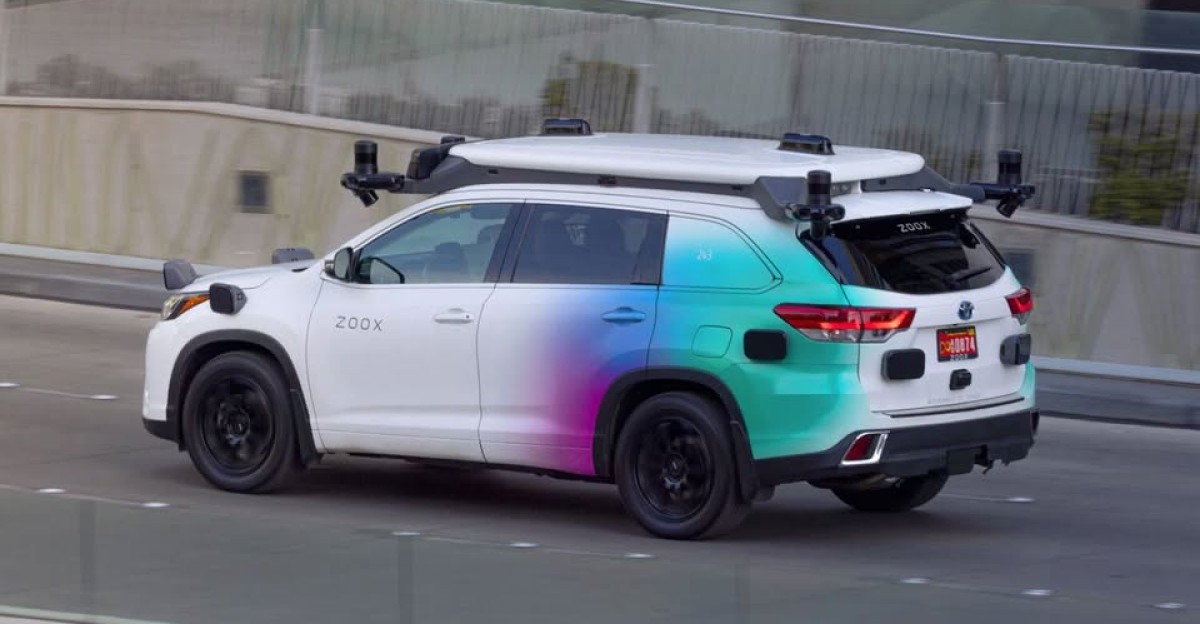
Two robotaxi operators sharing Phoenix streets creates pressure that radiates outward. Competitive pricing could squeeze human rideshare drivers in early service zones, pushing down an already fragile gig economy. Any safety incident from either operator triggers a federal scrutiny pathway — complaints, investigations, potential defect findings, and recall mechanisms that slow expansion for everyone. One company’s mistake becomes the entire industry’s regulatory headache. Phoenix isn’t a test market anymore. It’s the arena.
The New Rule
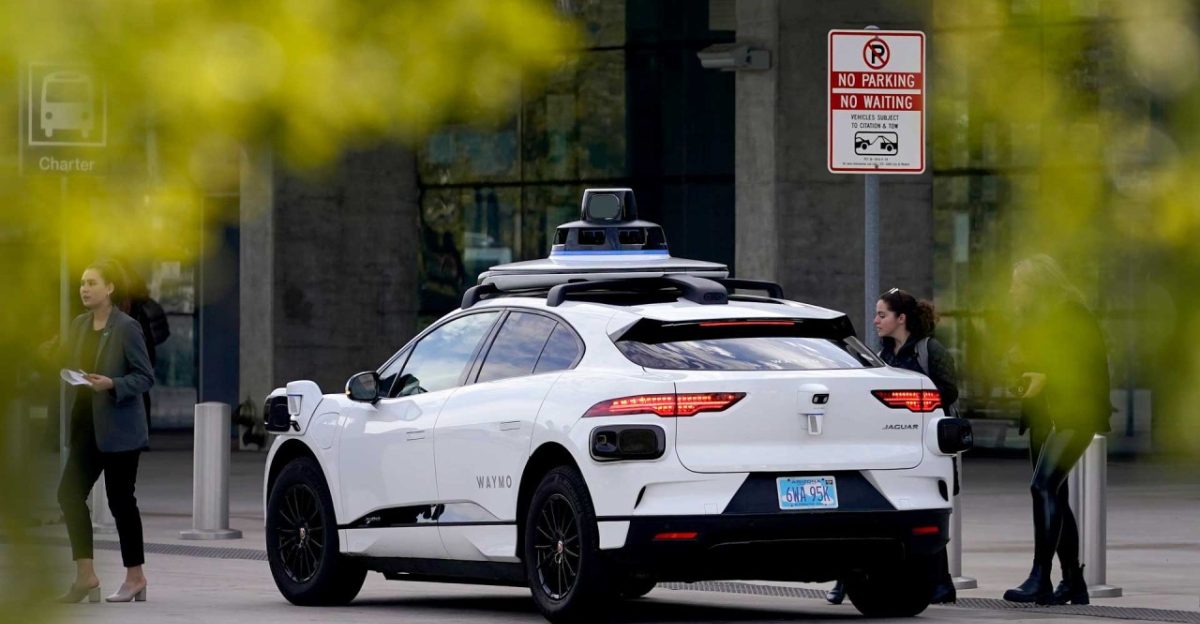
Another major autonomous operator choosing Phoenix reinforces something bigger than one company’s strategy. Phoenix is cementing itself as the definitive U.S. robotaxi hub — the city where the template gets written. That’s a precedent, not an anecdote. The question was never whether driverless cars work. The question is which operator builds the compliance, coordination, and safety architecture that regulators, cities, and riders actually trust at scale. Software gets you to the starting line. Operations get you across it.
Domino Watch

The escalation path from here is brutally simple. Any incident on Phoenix streets triggers a chain: public complaints, NHTSA investigation, possible defect findings, and recall actions rippling across every city an operator touches. Zoox hasn’t started public rides yet, and the scrutiny clock is already ticking. Human rideshare drivers in early service areas face the most immediate displacement pressure. Waymo has every incentive to expand coverage, cut prices, or flex its safety transparency before Amazon’s subsidiary gains traction.
Your Ride
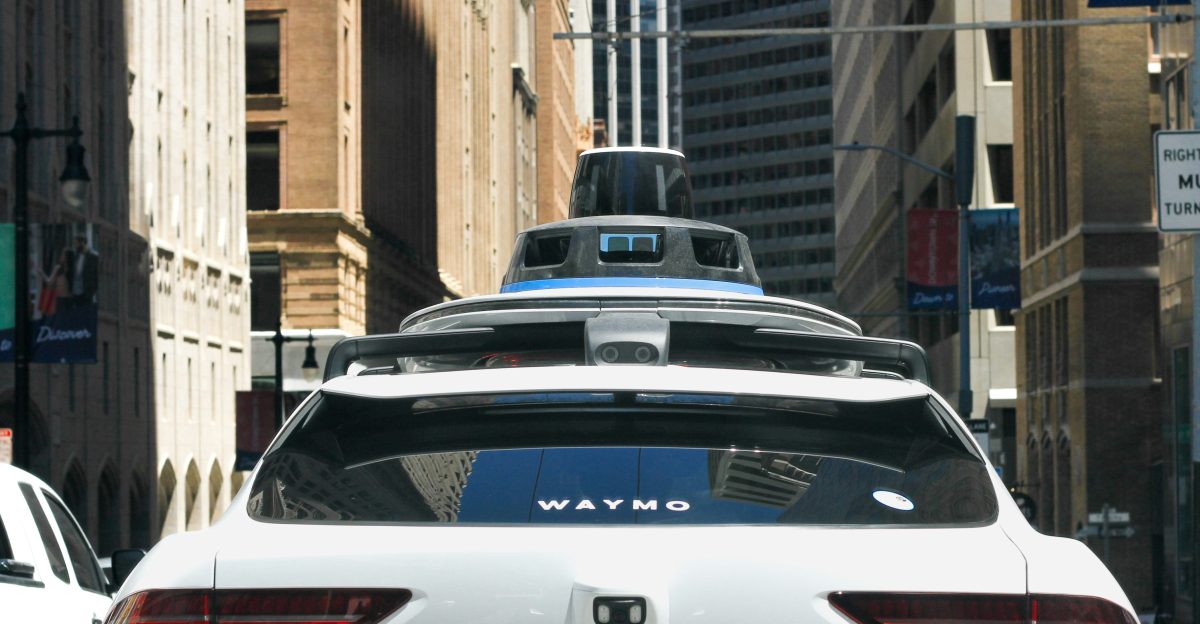
Waymo’s countermove will define the next chapter more than Zoox’s arrival defined this one. Competitors can expand, undercut prices, or publish safety data, making the new entrant look unproven. Here’s the framework worth carrying: every autonomous ride you or your family takes will be governed not by the app on your phone but by the invisible compliance machine behind it. Most people won’t check a recall database before hailing a robotaxi. Now you know how to look.
Sources:
AZFamily (3TV/CBS 5), Zoox robotaxi deployment in Phoenix report, March 9, 2026
NHTSA, Federal safety oversight / Recall Portal, Ongoing
Waymo Official, Waymo operations and service information, Ongoing
Zoox Official, Zoox company information, Ongoing
Amazon Press Release, Zoox acquisition announcement, 2020
California DMV, Autonomous vehicle permitting program, Ongoing