Amazon Keeps $6B Lifeline To USPS—13,000 Zip Codes And 100,000 Jobs Say It’s Too Late
Amazon secured a critical lifeline for the U.S. Postal Service on April 6, 2026, agreeing to keep 80% of its shipping volume, more than 1 billion packages a year, in place. The deal prevented a projected 66% cut that would have wiped out $4 billion in revenue for an agency already reporting a $9 billion loss in fiscal 2025. Yet the agreement comes with limits and timing pressure. As USPS stabilizes its finances in the short term, Amazon is simultaneously building a $4 billion delivery network across 13,000 rural zip codes, setting up a shift that reaches far beyond this temporary rescue.
A Partnership Under Decades Of Strain
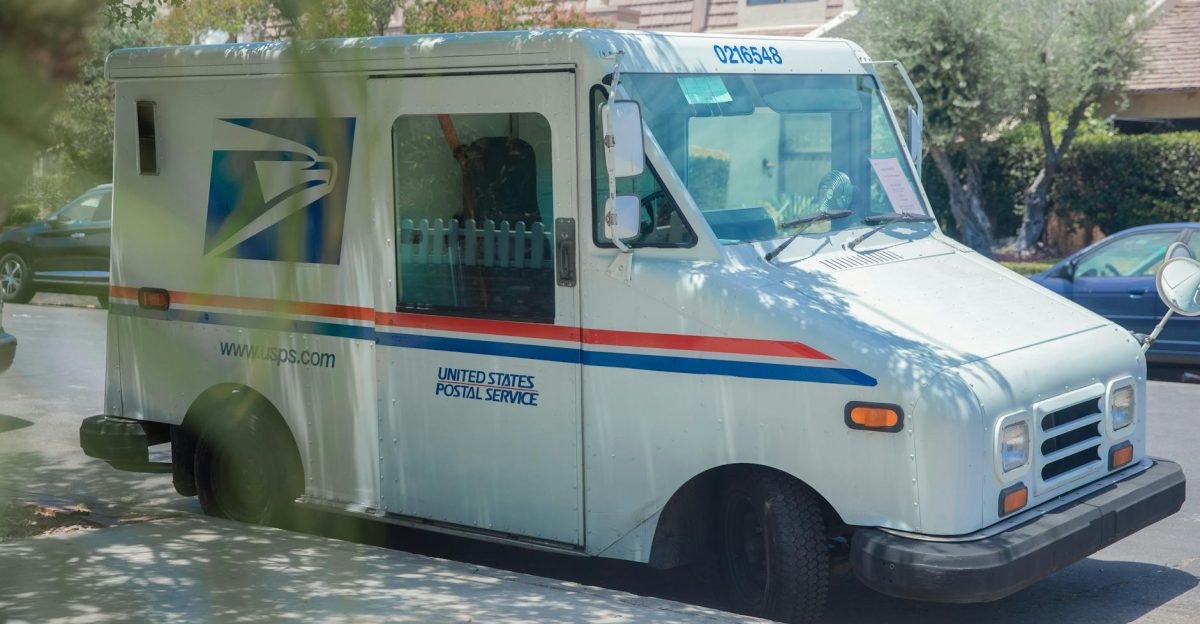
Amazon and USPS have worked together since the mid 1990s, beginning with early deliveries from a Seattle post office. That partnership now generates about $6 billion annually, roughly 7% to 8% of USPS’s $80.5 billion revenue. But financial pressure has intensified. USPS reported a $9 billion net loss in fiscal 2025 and has not posted a profit since 2006. Mail volume has dropped 51% from its peak of 213 billion pieces. What once seemed like a stable alliance now faces structural stress that neither side can ignore for long.
The Moment USPS Changed Course
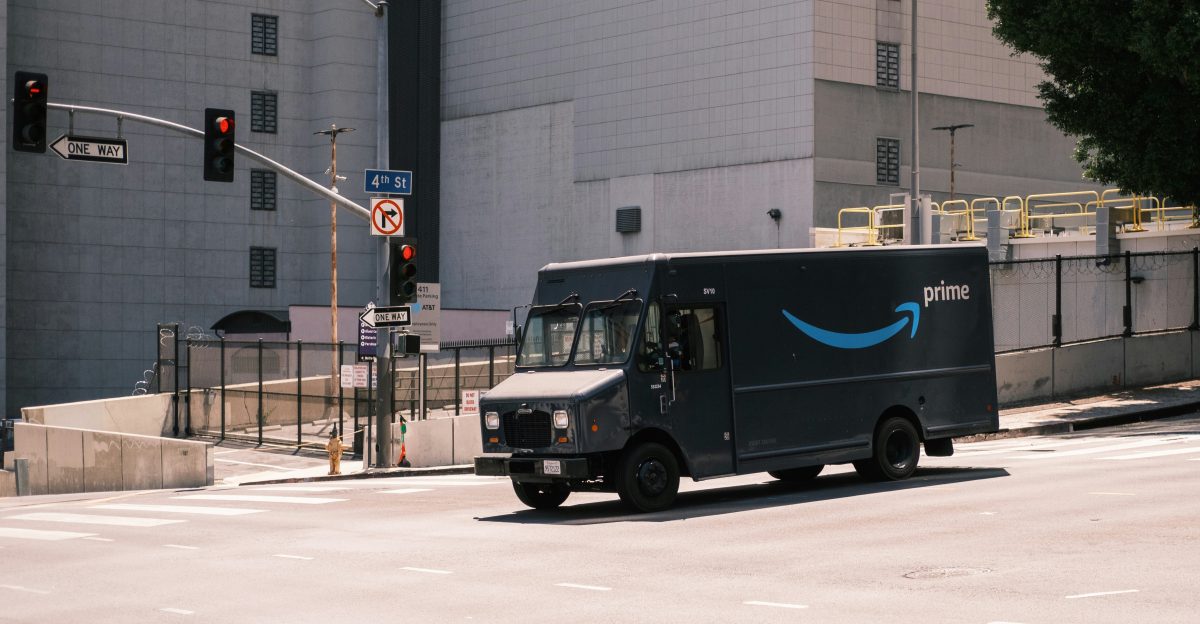
Negotiations between Amazon and USPS stretched for more than a year, with Amazon pushing to increase delivery volumes. In December 2025, USPS abruptly exited talks. By January 2026, the agency launched a competitive bidding platform for its last mile network, inviting multiple carriers into a reverse auction. Amazon submitted a bid in February but received no response for over two months. USPS chose to restructure its network rather than prioritize its largest customer, a decision that set off consequences still unfolding across the delivery market today.
Amazon’s $4 Billion Backup Plan
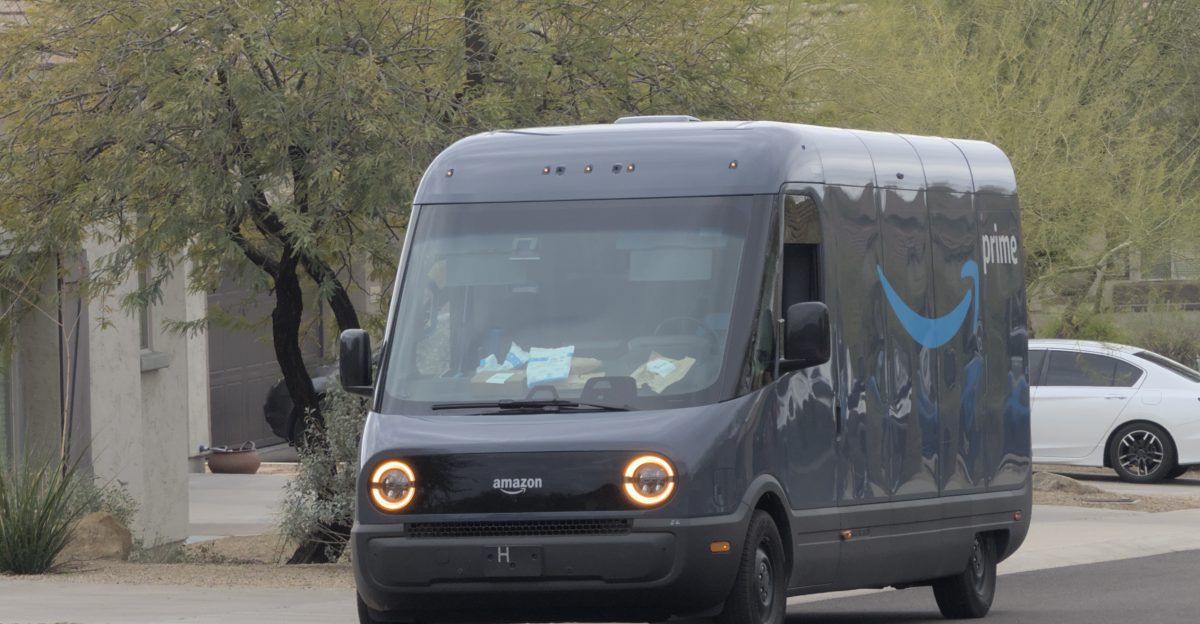
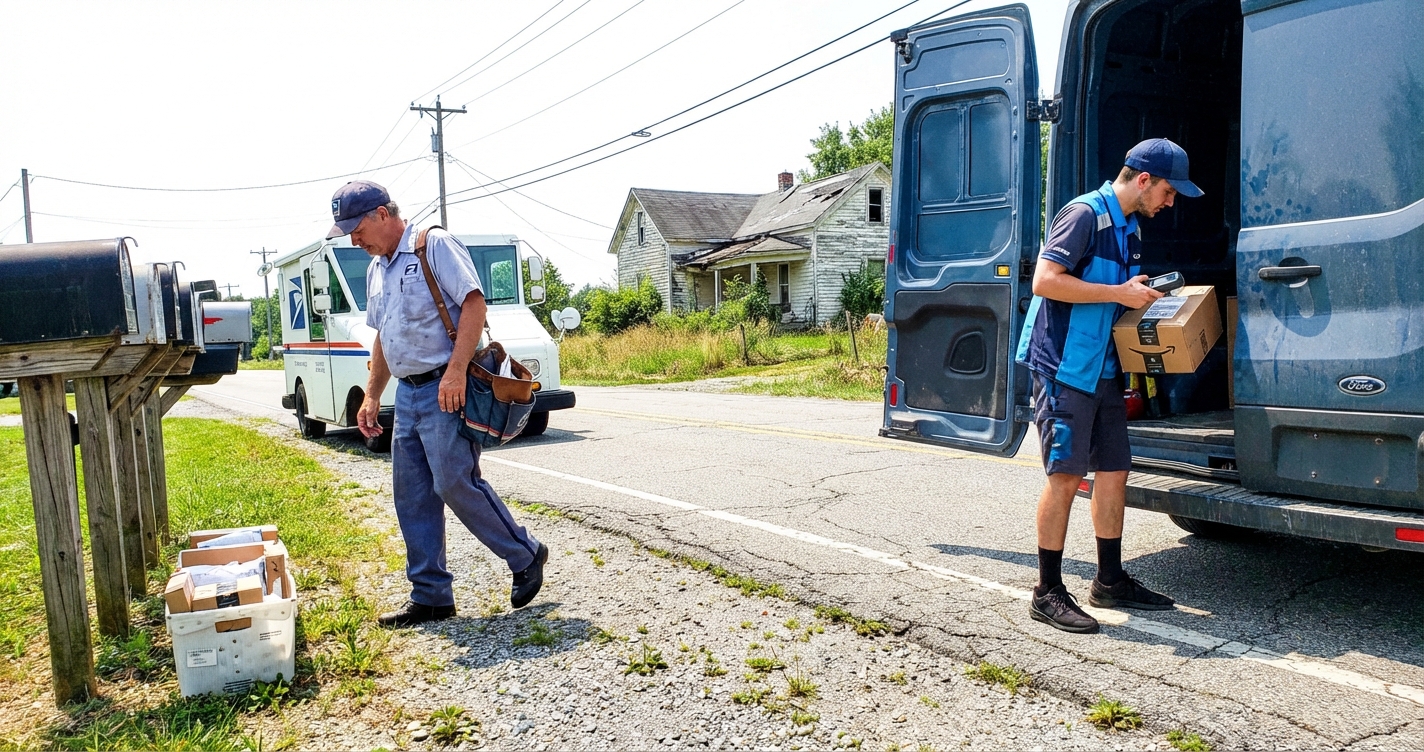
“Our goal was to increase our volumes with USPS, not reduce them,” Amazon said in April 2026. At the same time, the company committed $4 billion to build its own rural delivery system. The network spans 13,000 zip codes, more than 200 delivery stations, and aims to create over 100,000 jobs by the end of 2026. The scale covers about 1.2 million square miles. This investment establishes independent capacity for about 1 billion packages annually, raising a critical question about how long reliance on USPS will remain necessary.
A Strategy Hidden In Plain Sight
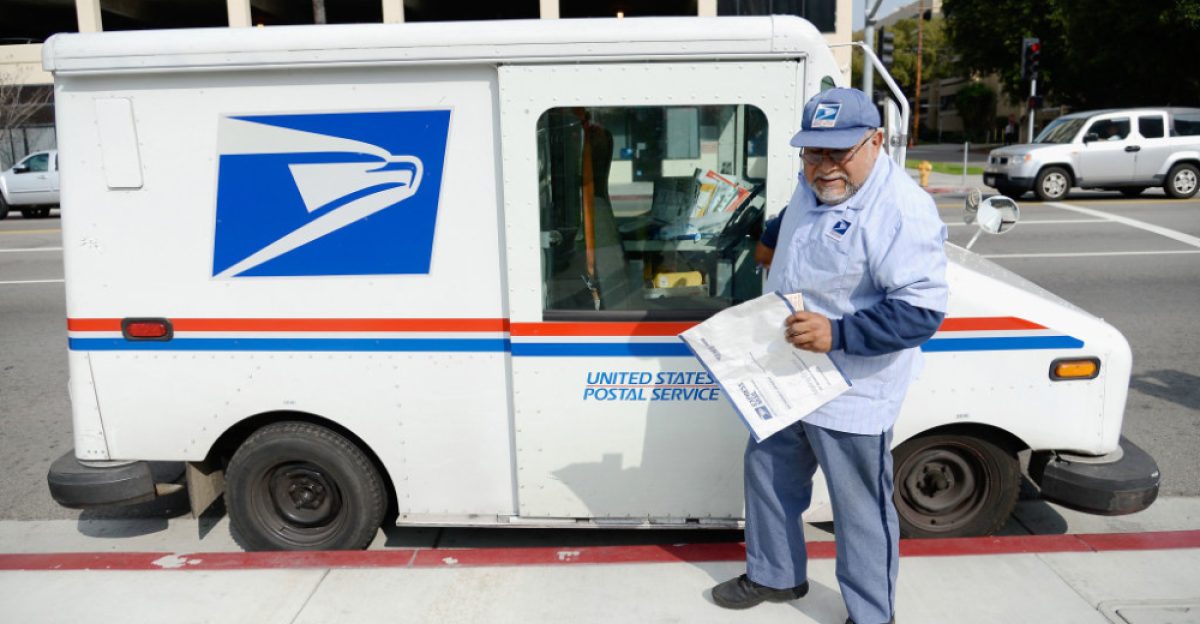
USPS introduced its bidding model to attract more competition and improve efficiency. Instead, it revealed that rural delivery coverage can be replicated by a well funded competitor. Amazon’s $4 billion investment demonstrated that scale and reach are no longer exclusive advantages. USPS had relied on the assumption that no company would attempt such a buildout. That assumption no longer holds. By opening its network to bidding, USPS accelerated the conditions that allow major partners to reduce dependence, setting the stage for a shift already gaining momentum.
The Numbers Tell A Stark Story
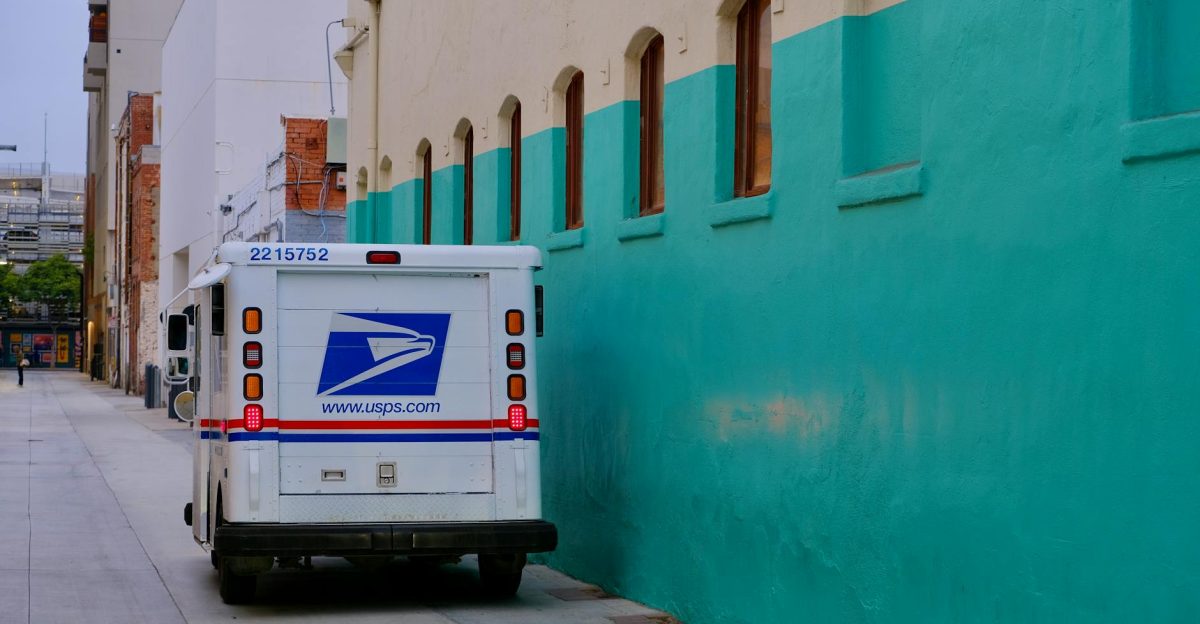
In 2025, Amazon delivered 6.7 billion packages, surpassing USPS at 6.6 billion for the first time in U.S. history. Even after retaining 80% of Amazon’s volume, USPS still loses about $1.2 billion in annual revenue. For an agency that has not recorded a profit since 2006, the reduction carries lasting impact. The gap between public and private delivery capacity continues to widen. These figures point to a turning point where scale alone no longer guarantees stability, and the financial trajectory becomes harder to reverse.
Rising Prices And Shrinking Volume
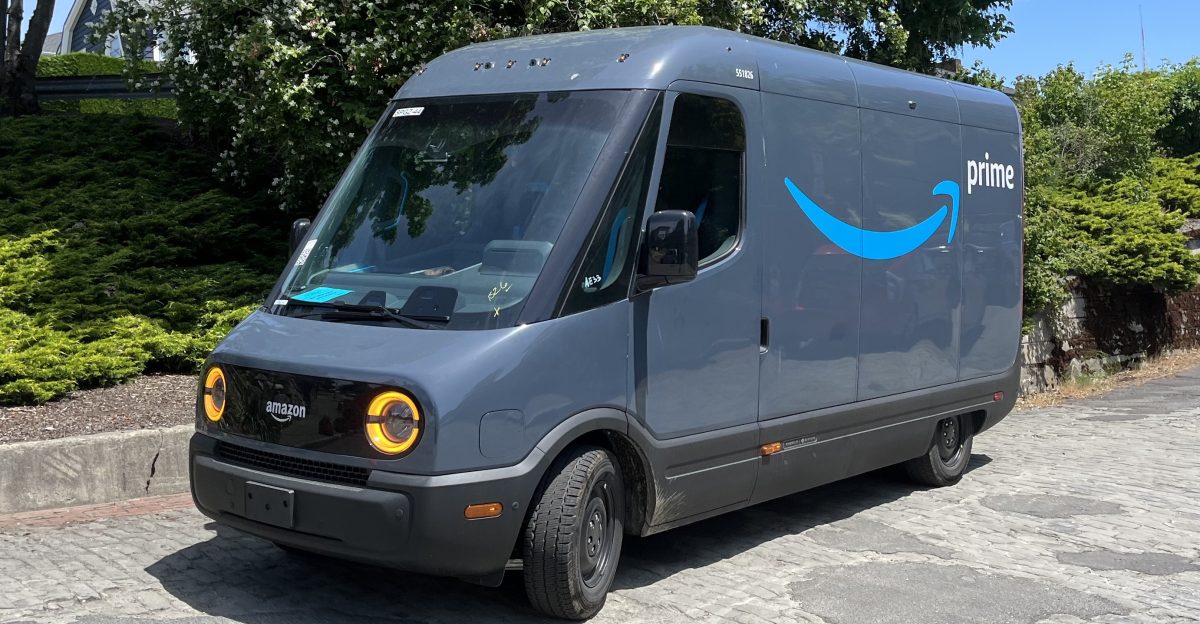
A 20% loss in Amazon volume forces USPS to adjust pricing across its remaining customer base. On April 26, 2026, the agency implemented its first fuel surcharge, raising rates by about 8%. Higher costs encourage businesses to shift toward private carriers, reducing USPS volume further. Lower volume then leads to additional price increases, reinforcing a cycle that weakens competitiveness. Major retailers and logistics firms are already watching Amazon’s rural expansion closely, assessing whether similar strategies could reduce their own reliance on USPS over time.
When One Exit Becomes Many
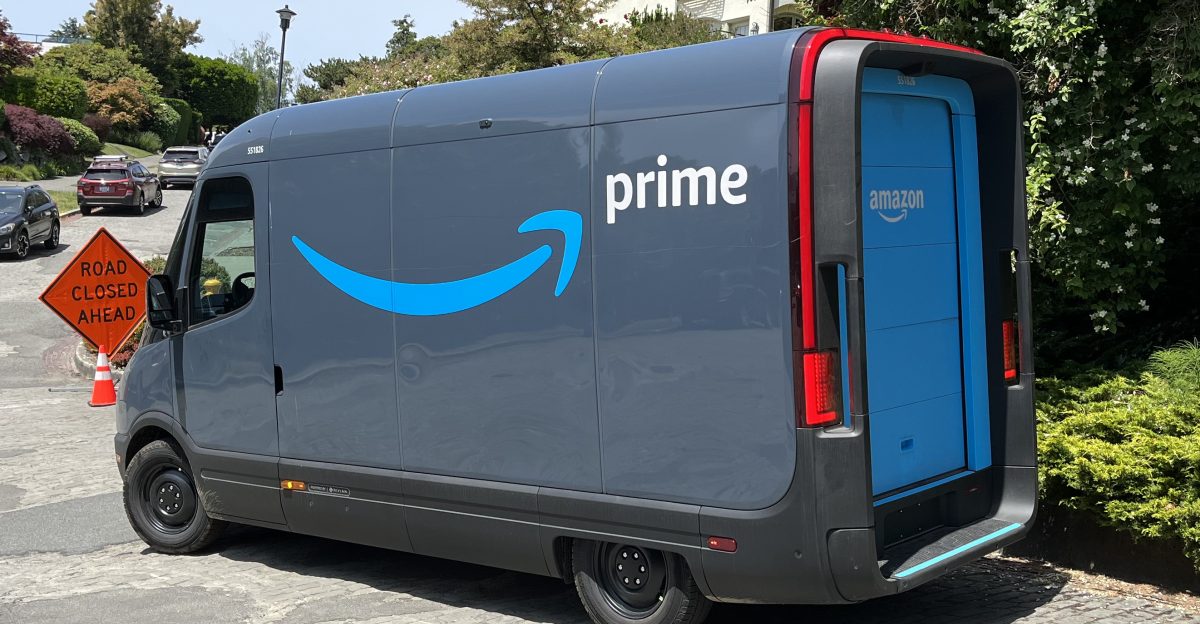
This agreement signals a broader shift in how large companies approach logistics partnerships. Amazon’s investment shows that reliance on a government run delivery network is no longer the only viable model. Once that becomes clear, other high volume shippers gain incentive to build or expand their own systems. USPS’s universal service obligation depends on commercial partners to offset costs. As those partners explore alternatives, the financial structure supporting nationwide delivery begins to weaken, raising concerns about how long the current system can hold.
A Deadline That Changes Everything
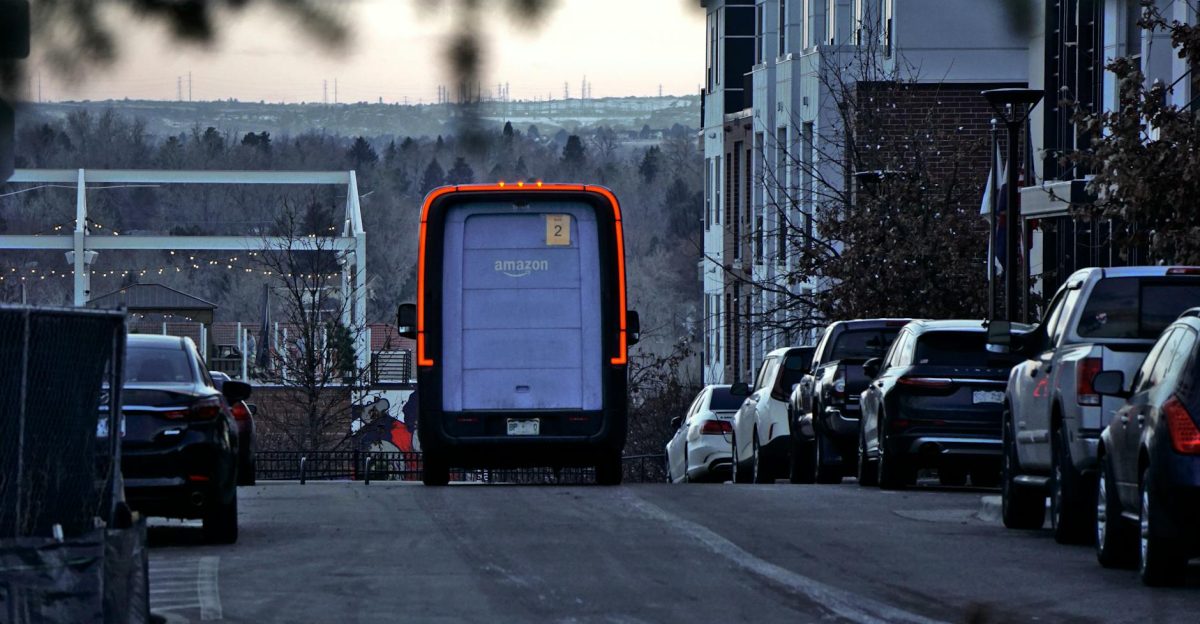
The current agreement requires approval from the Postal Regulatory Commission, expected within 90 days of April 6, 2026. The contract itself runs through September 30, 2026. Amazon’s rural network is projected to reach full capacity by the end of 2026. If approval delays extend into July, both sides may accelerate contingency plans. Amazon has already stated “the window is rapidly closing” for USPS engagement. That timeline places pressure on regulators, leaving little room for delays as both organizations prepare for what comes next.
What The Future Now Looks Like
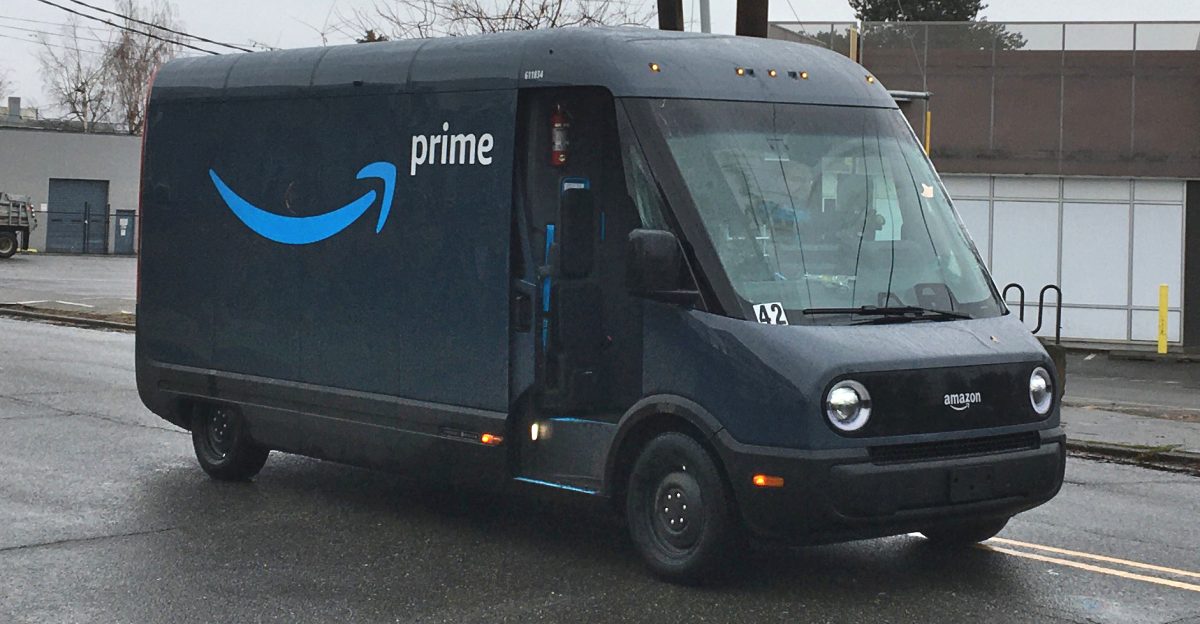
By 2027, Amazon’s rural delivery network is expected to operate independently at scale, reducing reliance on USPS to a secondary role. USPS may increasingly depend on government support while handling declining mail volumes and residual shipping demand. The April 6, 2026 agreement preserved revenue in the short term, but long term dynamics continue shifting. Amazon’s $4 billion investment secures control over its logistics future, marking a transition that reshapes how goods move across the country and what role USPS will ultimately play.
Sources:
U.S. Postal Service Reports Fiscal Year 2025 Results. USPS Newsroom, November 13, 2025
Exclusive: Amazon strikes deal with USPS that maintains 80% of package volume. Reuters, April 7, 2026
Amazon Strikes USPS Delivery Deal, Averting Sweeping Cuts From Harlem To Hollywood. Harlem World Magazine, April 6, 2026
Amazon to invest $4B in rural America, creating over 100000 jobs. Investing.com, May 1, 2025
Amazon Becomes the Largest Carrier in the U.S., Delivering 6.7 Billion Packages in 2025. Worldef (citing ShipMatrix data), March 17, 2026
Postal Service to launch bid process for last-mile facility access. Supply Chain Dive, December 16, 2025
USPS FY25 Financial Results and 2026 Outlook. GrayHair Software, March 4, 2026