AI Slashed C.H. Robinson’s Workforce 19% While Handling 37M Shipments
In Eden Prairie, Minnesota, a screen refreshes. A freight quote appears. A shipment finds its carrier with no phone call, no negotiation, and no human hand at the keyboard. C.H. Robinson, long known for building a Fortune 500 empire on the belief that people move freight, just proved that belief can change.
Headcount across the brokerage division dropped while shipment volume held steady or grew. Brokers were no longer needed in the same way. The company that once branded itself as “people first” made a difficult decision.
The Brand That Bet on People
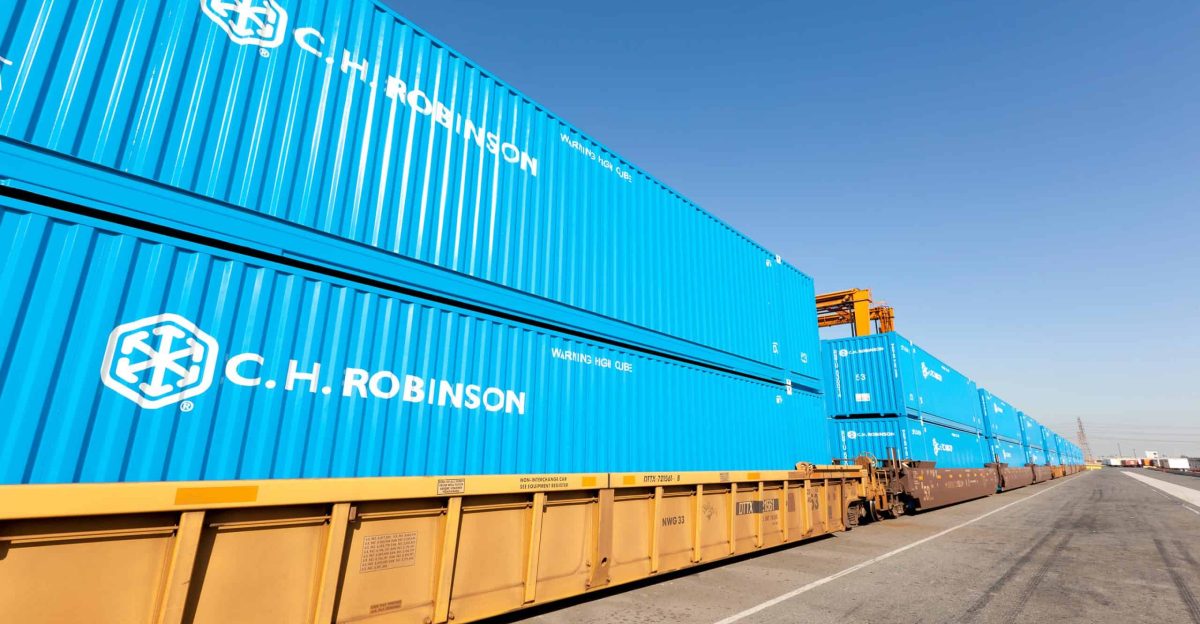
C.H. Robinson manages more than 37 million shipments annually, over 100,000 every day, across truckload, ocean, and air for more than 83,000 customers worldwide. For decades, handling that volume meant teams of brokers working the phones, building relationships, and negotiating rates. The company’s identity rested on human expertise as a competitive edge.
That reputation attracted talent, justified salaries, and convinced shippers that a person on the other end of the line was worth paying for. Over time, that began to change as the company started building AI agents.
The Assumption Nobody Questioned
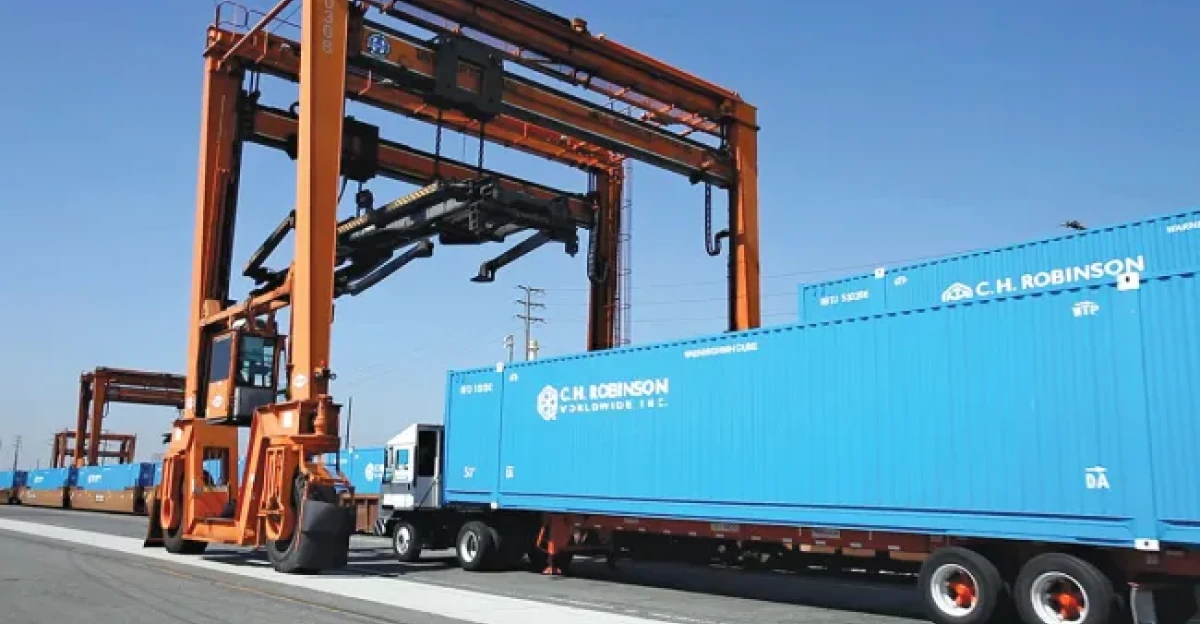
The freight brokerage industry operated for years on a shared belief: broker skill, relationships, and negotiation instincts were irreplaceable. That belief justified headcount, training programs, and entire career paths. C.H. Robinson’s leadership relied on it, too. But as the company’s Lean AI strategy accelerated in 2023, another idea emerged. Maybe the role of brokers was changing. The work was moving from value creation to coordination, with algorithms able to handle those tasks more efficiently.
The answer arrived in the 2024–2025 headcount and productivity data, overturning the old assumption.
The Numbers That Changed Everything

C.H. Robinson has implemented workforce reductions explicitly linked to automation and productivity improvements, including voluntary buyouts tied to an automation-driven layoff strategy. From the end of 2023 to the end of 2025, total headcount fell from 15,246 to 11,855, a reduction of about 3,391 positions, or roughly 22%. One recent analysis notes that the company reduced its workforce to about 12,085 employees, describing this as a 19% year-over-year decline driven by voluntary buyouts and automation. Freight volume held steady.
North American truckload volume grew approximately 3% in Q4 2025, outperforming a 7.6% decline in the broader Cass Freight Shipment Index. Fewer brokers. More loads. Higher margins. Management highlights margin expansion and operating income growth even as revenue declines. Productivity gains and automation are widening the gap between headcount and results. The disproportion between fewer people and better results stands as the entire revelation.
How Software Ate the Broker’s Desk

C.H. Robinson deployed over 30 proprietary AI agents into live production. These systems automate quoting, appointment scheduling, document processing, and missed pickup resolution. AI agents now handle 95% of checks on missed LTL pickups, saving more than 350 hours of manual work per day. Three hundred fifty hours, every day, removed from human hands.
The brokerage function was replaced. Like toll collectors replaced by EZPass: the road still exists, the booth is empty, and nobody misses the transaction.
Profit Without People
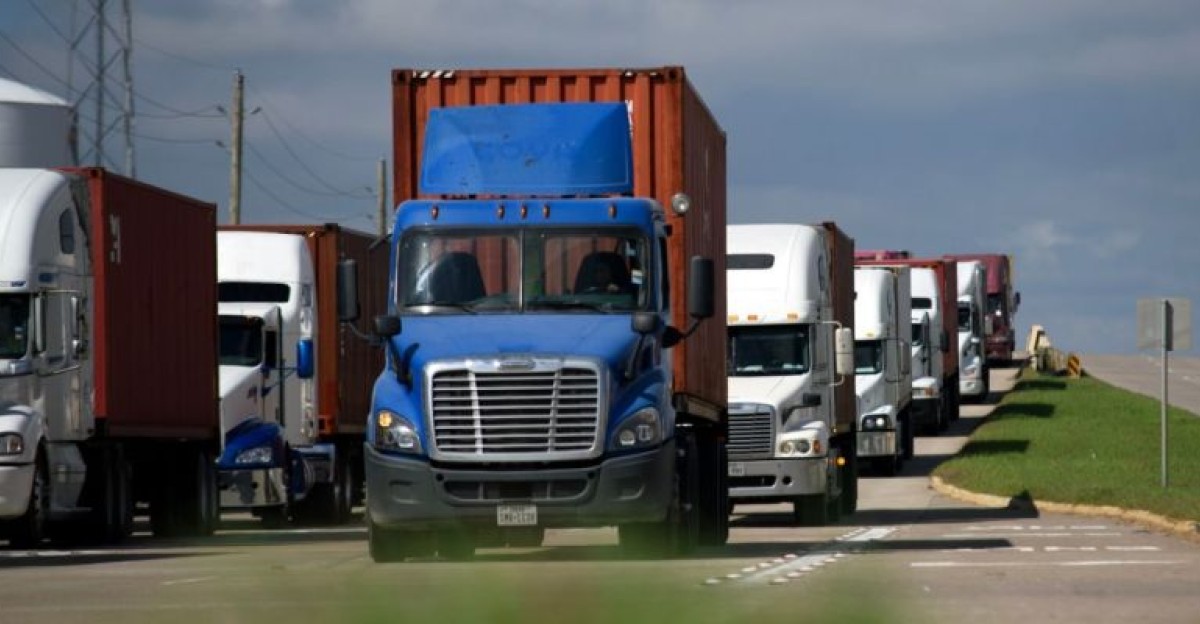
The financial proof is brutal. Adjusted diluted EPS increased about 1.7% in Q4 2025, while Q4 revenue declined year over year. Since the end of 2022, the company has delivered a more than 40% increase in shipments per person per day across its North American Surface Transportation organization, driven by digital tools and AI-powered systems.
As leadership emphasized during recent earnings discussions, automation and AI are reshaping how the company matches freight and manages brokerage operations, enabling higher productivity with fewer people. Read that sentiment again. “Reshaping how we match freight” is corporate language for “matching freight no longer requires humans.” The company kept the revenue stream and removed the cost center. Profit growth decoupled from headcount growth entirely.
The Cascade Nobody Can Outrun

Every competing brokerage now faces a binary choice: automate or accept margin compression. Industry and investor commentary increasingly frames AI-driven productivity as a competitive necessity. Smaller brokerages that cannot afford the technology investment will feel pressure to consolidate or close. Brokerage training programs will lose enrollment.
Wage pressure on remaining brokers intensifies as labor supply exceeds shrinking demand. As one analysis of automation-driven strategies noted, AI is becoming a license to reduce headcount. C.H. Robinson set the cost benchmark every competitor must now match.
A New Rule, Not an Exception
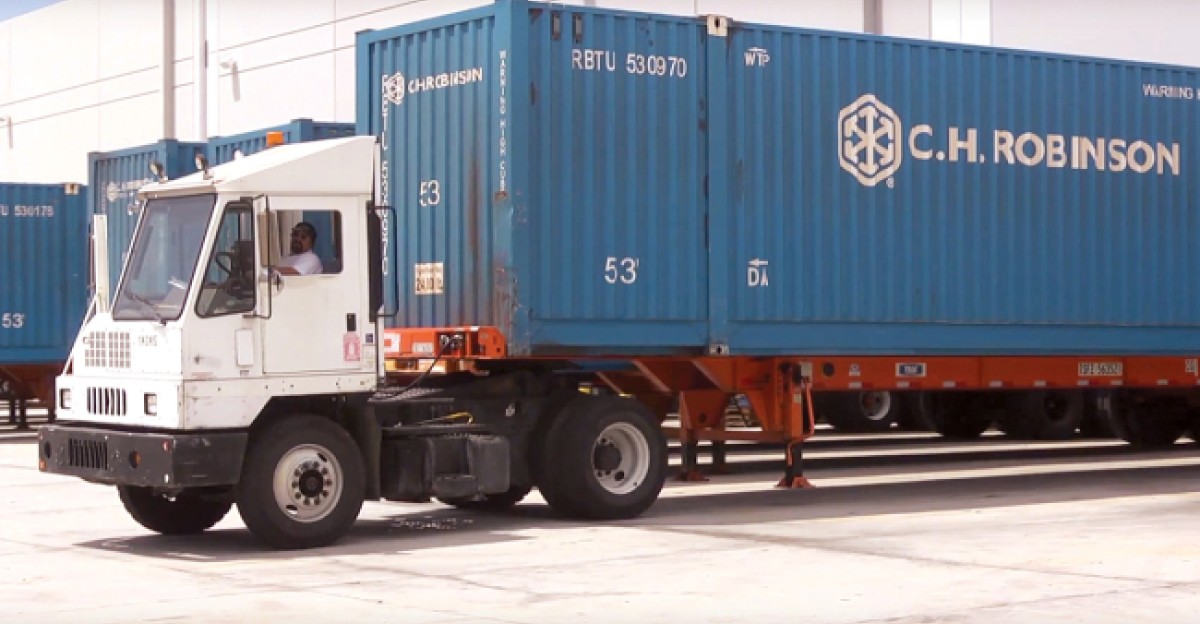
This marks one of the first major brokerage automation casualty waves at a Fortune 500 logistics firm. Prior automation waves hit warehouse labor: scanning, tracking, sorting. This wave targets intermediation itself, the white-collar coordination layer. That distinction matters enormously.
“Efficiency” has become code for “eliminate people,” and other industries are watching. Insurance underwriting. Loan processing. Paralegal work. Any role that is purely coordinative, matching information to decisions, now sits in the crosshairs. Brokerage is coordination rather than expertise. Every coordinative job looks temporary.
The Dominos Still Falling
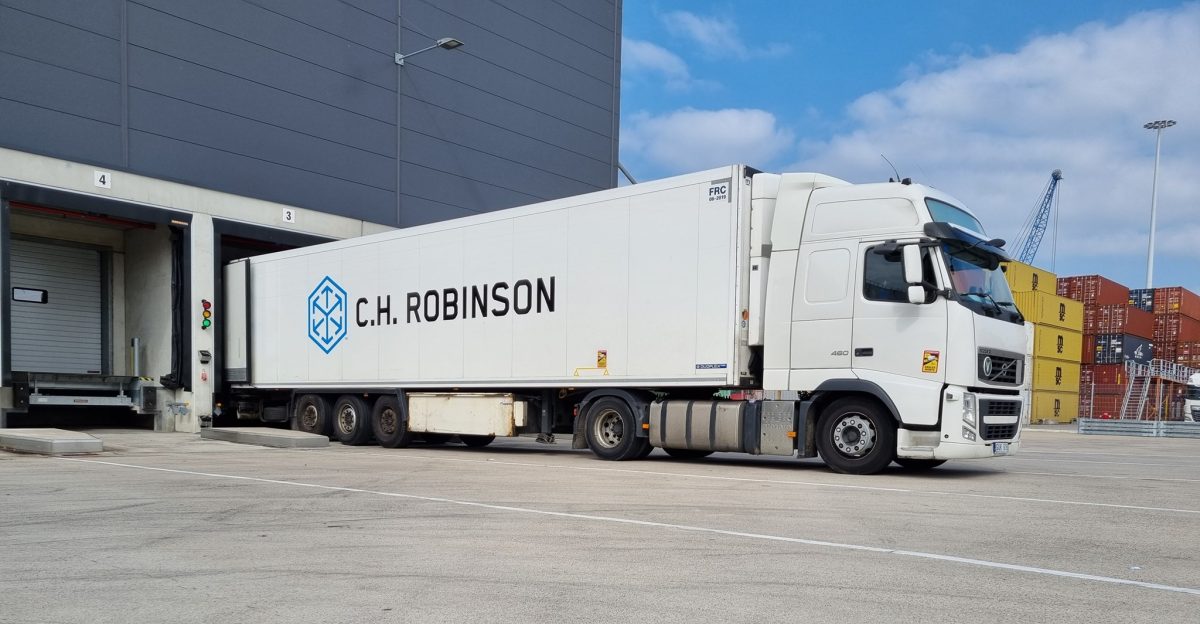
C.H. Robinson’s own guidance points to continued productivity improvements in 2026 as it scales its AI agents and Lean AI program. If automation proves successful beyond brokerage, the company may expand into customer service automation, pricing automation, even supply-planning automation. Headcount pressure spreads throughout the entire organization.
Brokers hired in the last two to three years face the steepest risk: least experienced, most replaceable, performing exactly the tasks AI handles best. According to investor-focused coverage of the company’s restructuring, headcount reduction is being framed as part of a transition to AI-driven systems, and productivity per remaining employee has risen significantly. These jobs are not coming back.
What the Survivors Know

Labor organizing efforts may accelerate as unions and worker groups attempt to protect remaining broker positions with automation rules. Some brokers will migrate to digital freight platforms where technology is built-in and the headcount surprise never comes.
A niche market for shippers who prefer human brokers will survive, but at lower margins. Job security now depends on roles that require judgment, creativity, or a human touch that customers will pay a premium for. Matching freight no longer qualifies. The algorithm already took that shift.
Sources:
C.H. Robinson – C.H. Robinson Reports 2025 Fourth Quarter Results – January 28, 2026
C.H. Robinson – AI Agents Combat Missed LTL Pickups – January 23, 2026
C.H. Robinson – AI Fleet Surpasses 30 Agents – June 11, 2025
C.H. Robinson – C.H. Robinson Reports 2024 Fourth Quarter Results – January 28, 2025
StockAnalysis – C.H. Robinson Worldwide (CHRW) Number of Employees 1993–2025 – August 19, 2025
Ad-hoc News – C.H. Robinson Worldwide stock faces workforce cuts and AI push amid automation drive – March 24, 2026