
10 Cars Experts Warn Against Buying in 2025
Shopping for a new or used car in 2025? Not every model on the market is worth your money. Some cars are plagued with reliability issues, high repair costs, or rapid depreciation that can leave buyers frustrated within months. To help you make a smarter purchase, we’ve highlighted 10 vehicles that experts recommend avoiding in 2025 based on reliability data, owner complaints, and long term cost concerns. Before signing any paperwork, make sure these models aren’t on your shopping list.
Nissan Frontier
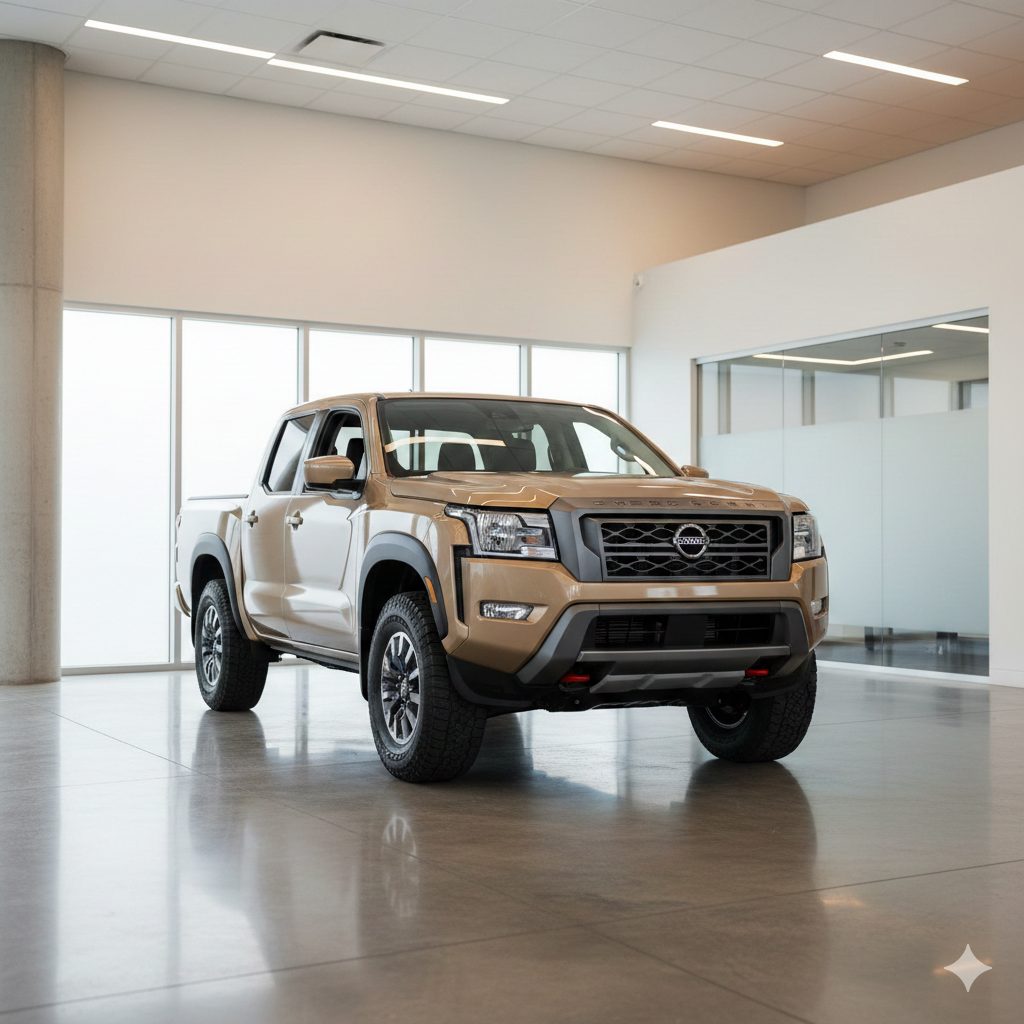
So the Nissan Frontier is one of those trucks where you’re like, “oh hey, good price, looks tough,” and then you start digging and suddenly it feels stuck in 2015. The drivetrain and interior just feel dated now, with people complaining about engine and transmission smoothness and the cabin materials feeling kinda cheap for something that can easily push toward around $35,000 to $40,000 once you add some options. If you’re already going to spend that kind of money, honestly, it might be smarter to look at a more modern truck with better refinement and tech rather than something that just looks rugged on the outside.
Rivian R1T
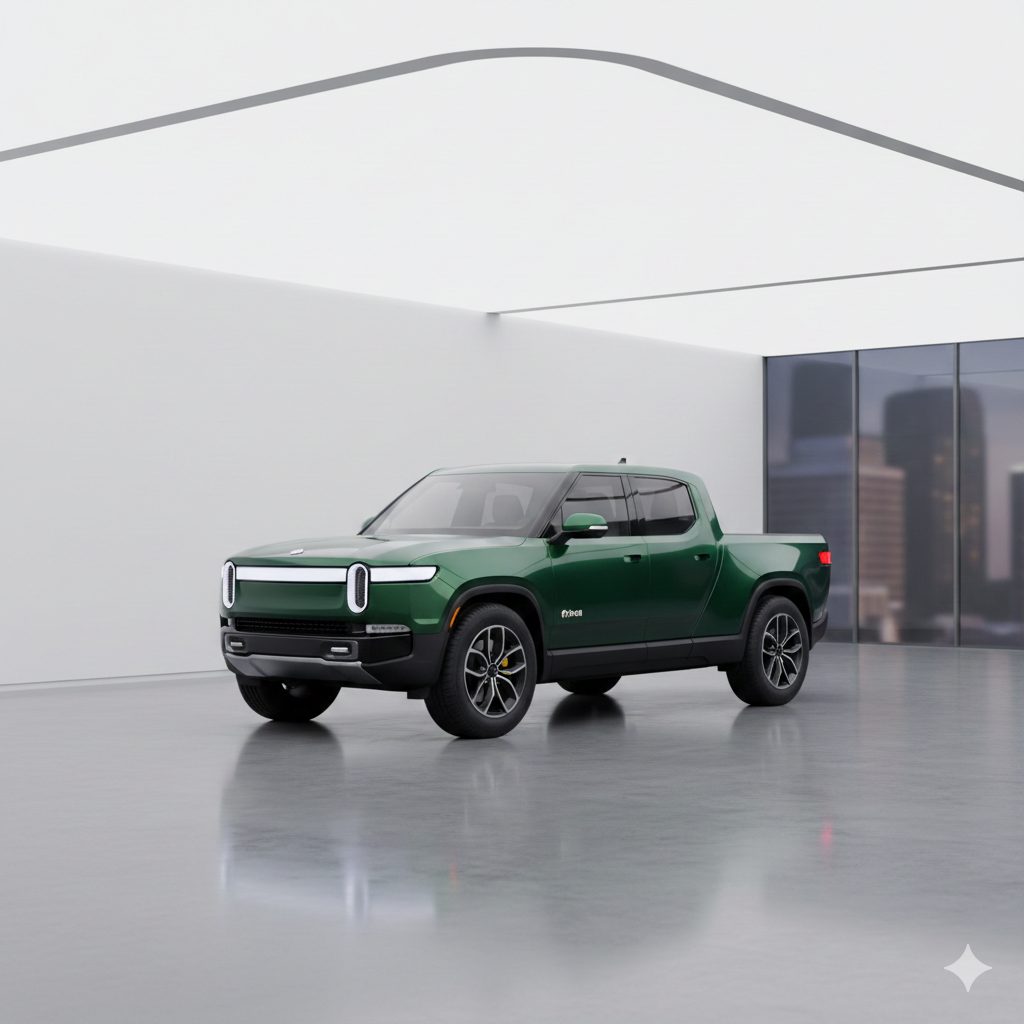
The Rivian R1T is that friend who’s super fun at parties but keeps cancelling plans last minute, like amazing idea but the execution is… still a work in progress. It’s an electric truck with crazy cool off-road potential and a very futuristic vibe, but owners have talked about build quality issues, software glitches, and range that doesn’t always match the promise, especially in colder weather, which is annoying when you’ve paid $70,000 or more. If you’re the kind of person who hates dealing with random bugs on your phone, just imagine that energy in your $80,000 truck and you’ll get why some people say to wait a bit or look at more mature EV options.
Dodge Hornet
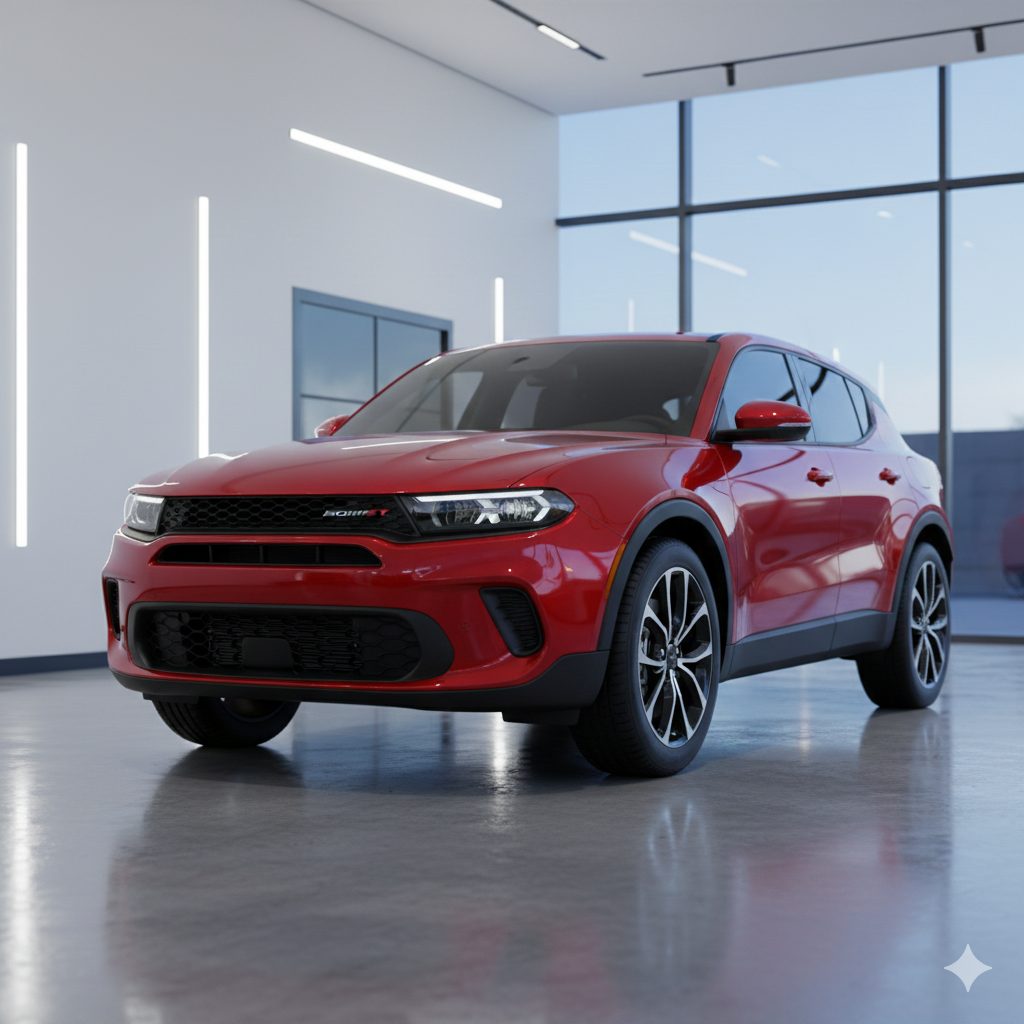
The Dodge Hornet is funny because on paper it sounds spicy and sporty and then you drive it and go, “oh… that’s it?” It tries to be this compact SUV with attitude, but feedback about its handling, comfort, and interior space is kinda meh, especially when rivals like the Hyundai Tucson and Mazda CX-5 feel more polished and grown up for similar money around the low to mid $30,000 range. If you really care about driving feel and a nice cabin, you might walk away from a Hornet test drive thinking, “for that price, I should just get something that doesn’t pretend to be sporty and actually is good.”
Toyota Corolla Cross
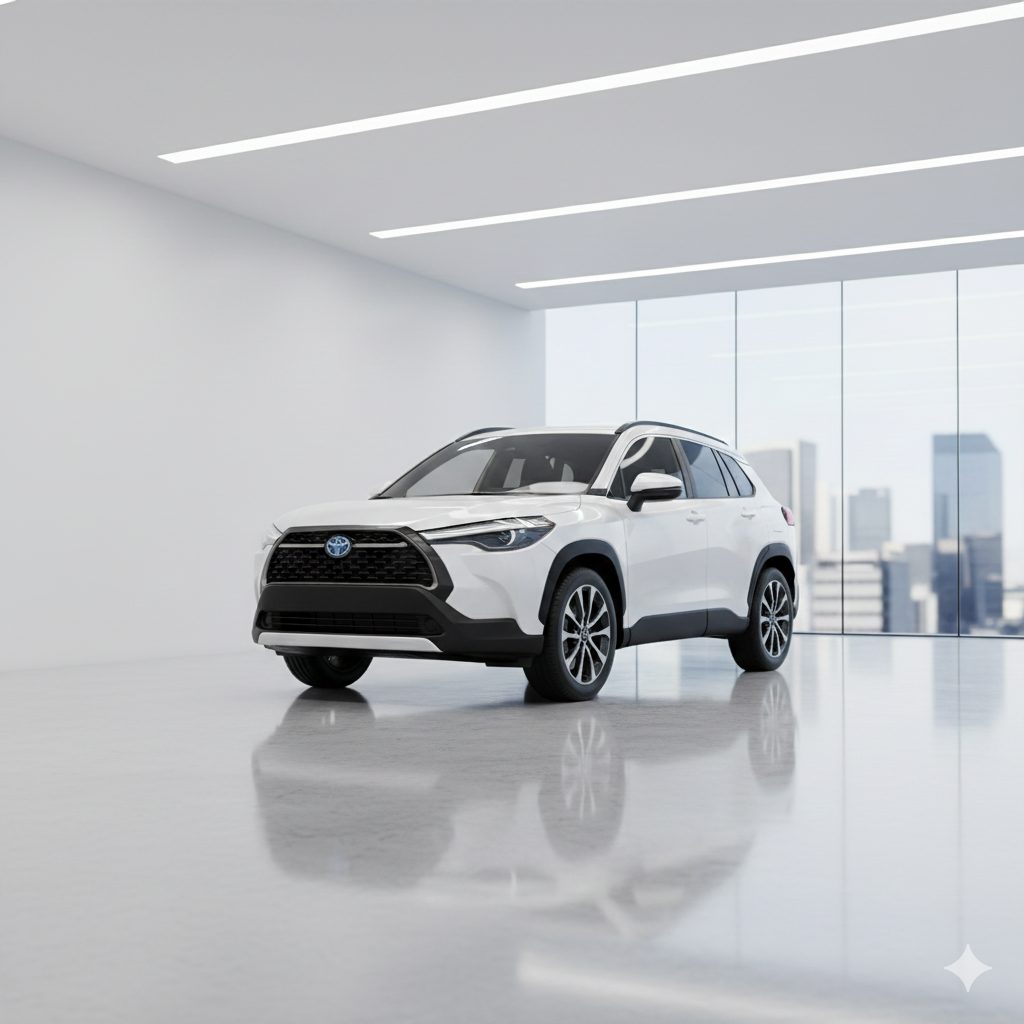
Now the Corolla Cross is a bit of a weird one because it’s not a “bad” car, it’s just… very vanilla in a world where other crossovers give you more flavor. It has Toyota reliability and decent fuel economy, which is great, but the engine feels underpowered and the interior is pretty basic, especially when you compare it to a Mazda CX-30 or Kia Seltos that feel more fun and upscale for roughly the same mid-$20,000 to low-$30,000 budget. If you just want an A-to-B machine, fine, but if you’re excited about your new car, you might regret spending that money on something that feels more like an appliance than a companion.
Jaguar I-Pace
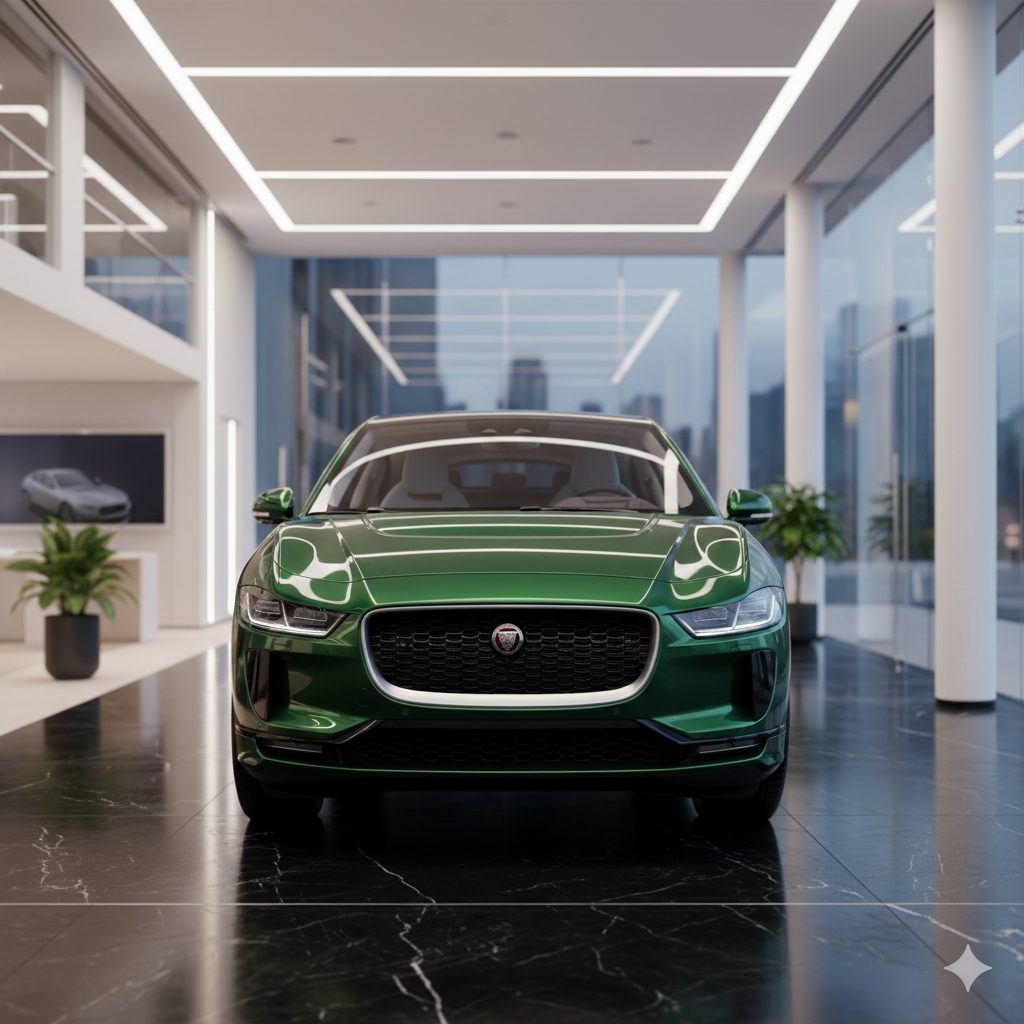
The Jaguar I-Pace is like dating someone stunning who constantly forgets their wallet and shows up late; it looks amazing and goes like crazy, but the day-to-day drama can get exhausting. It’s a premium electric SUV with strong performance, but owners have reported reliability issues, software glitches, and ongoing concern about range and battery longevity, which feels extra painful when the price is up in the $70,000–$80,000 luxury zone. If you’re paying that much, you kind of expect smooth, stress-free ownership, and right now a lot of people are waving little red flags saying maybe look at more proven luxury EVs first.
Jeep Renegade
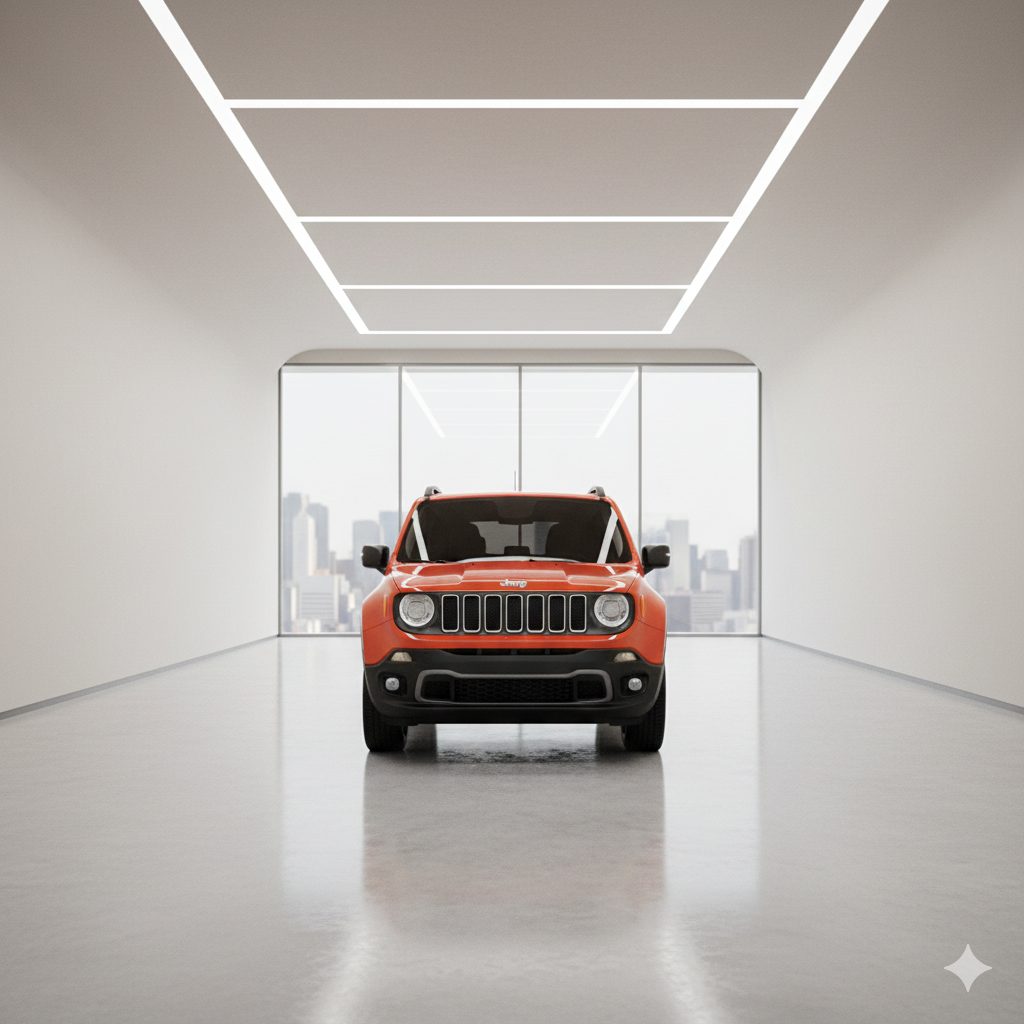
The Jeep Renegade still looks kinda cute and rugged, but once you get past the styling, it starts to feel like an Instagram filter hiding a tired platform. People complain about the noisy interior, so-so ride comfort, and an engine that doesn’t feel all that strong, which is rough when subcompact SUVs around the low-$20,000 to upper-$20,000 range have become way better than they were a few years ago. If you’re buying it purely because “it’s a Jeep and it looks cool,” just pause and test drive a couple of rivals first, because the gap in refinement and tech might surprise you.
Audi R8
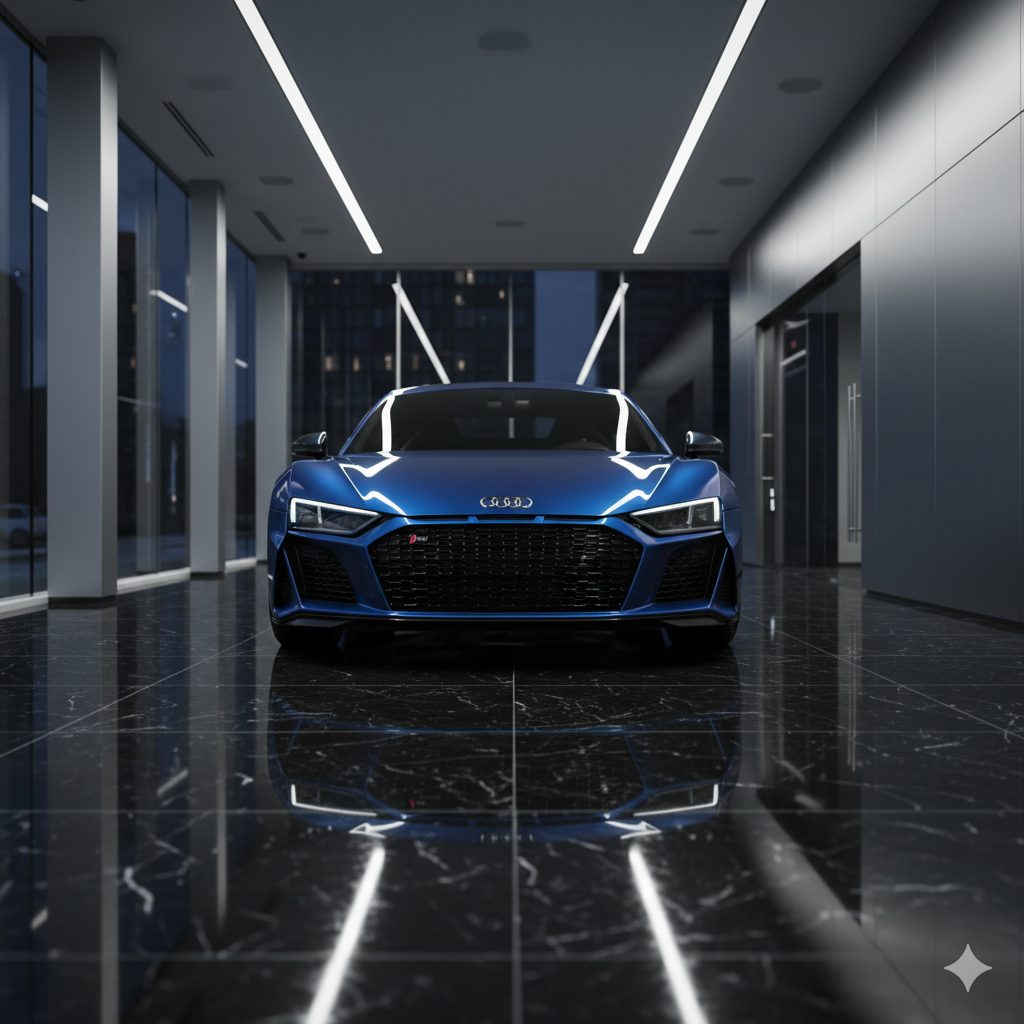
The Audi R8 is one of those dream posters cars that, in 2025, kinda stopped making sense for a lot of people, like a gorgeous V10 dinosaur in an EV world. It’s insanely fast and sounds incredible, but it’s expensive to buy and maintain, with pricing easily shooting above $160,000, and with the model being phased out, future support and resale value start to look a bit shaky. Unless you’re specifically chasing that “last of the old-school supercars” vibe and have deep pockets, it’s probably not the smartest place to park that much cash right now.
Jaguar F-Type
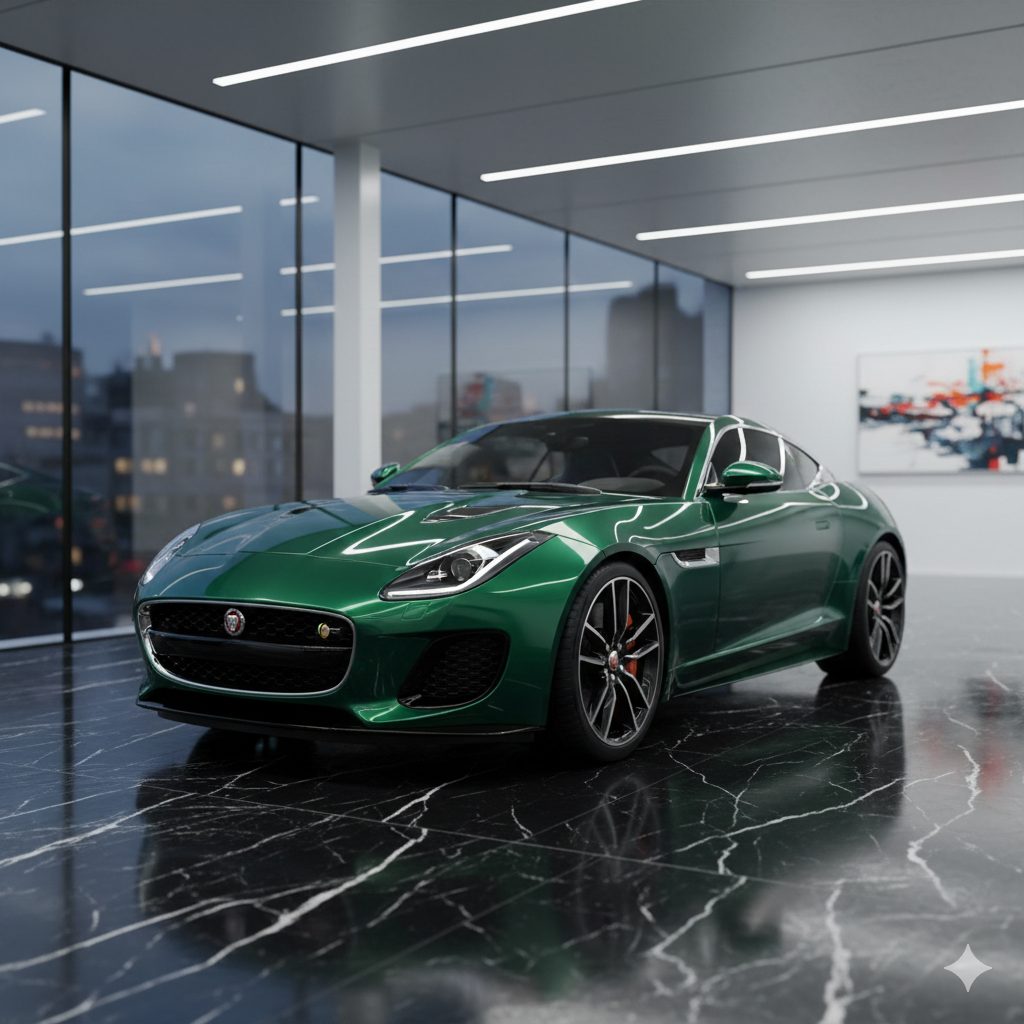
The Jaguar F-Type is another heart-over-head car that pulls you in with the noise and design, but the reality is it’s showing its age in 2025. It has a reputation for being less reliable than some rivals, and the interior and tech can feel dated, which hurts more when you’re paying somewhere in the $75,000–$100,000 bracket for a nicely specced version. When you compare it to other sports cars that give you sharper handling, better infotainment, and stronger resale, you start thinking this is more of an emotional splurge than a smart buy.
Nissan GT-R
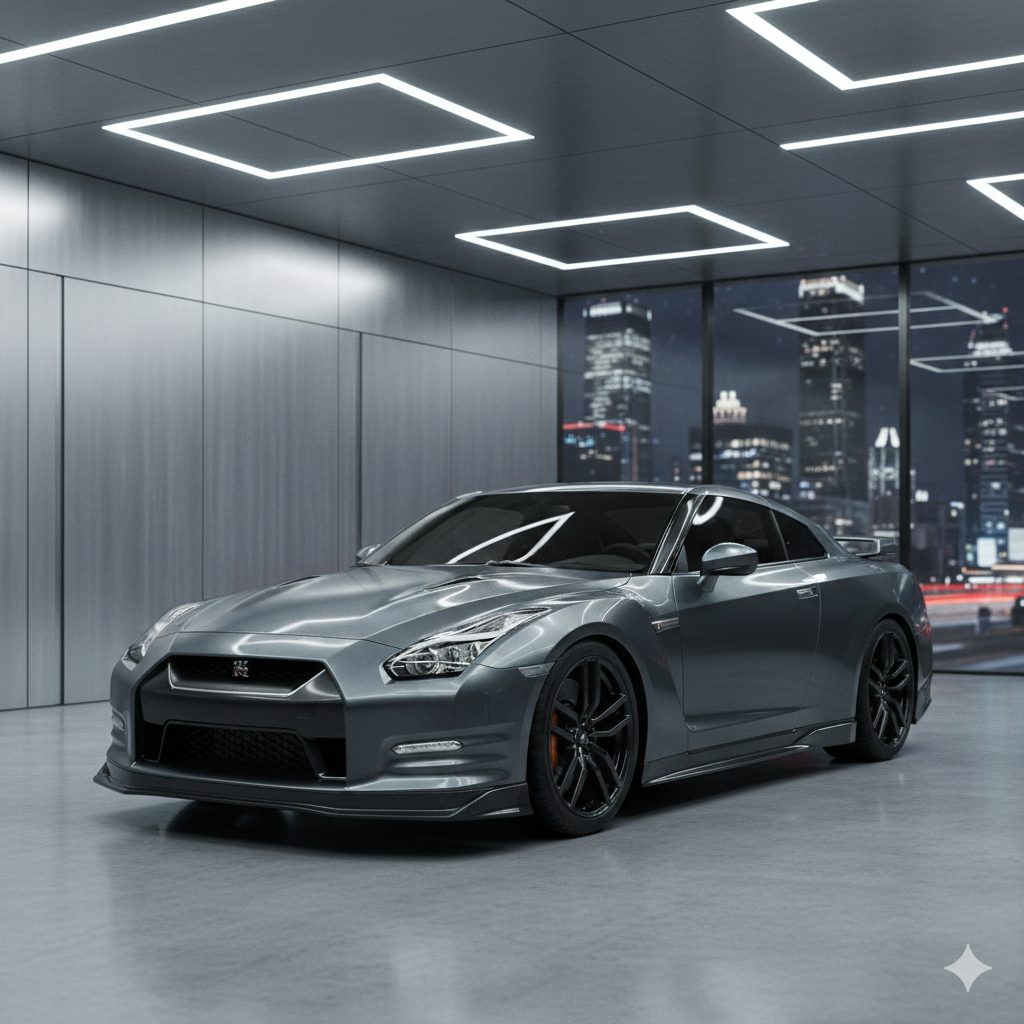
The Nissan GT-R used to be the king of the “giant killer” scene, but right now it’s like that legend who refuses to retire, still good but not really modern anymore. Prices can land around $120,000 or more, and while the performance is still wild, the tech, interior, and overall feel show their age compared with newer performance cars that are more comfortable and more advanced. If you’re buying it for nostalgia or the tuning culture, fair enough, but if you just want the best performance car for the money in 2025, there are probably smarter choices.
Maserati Ghibli
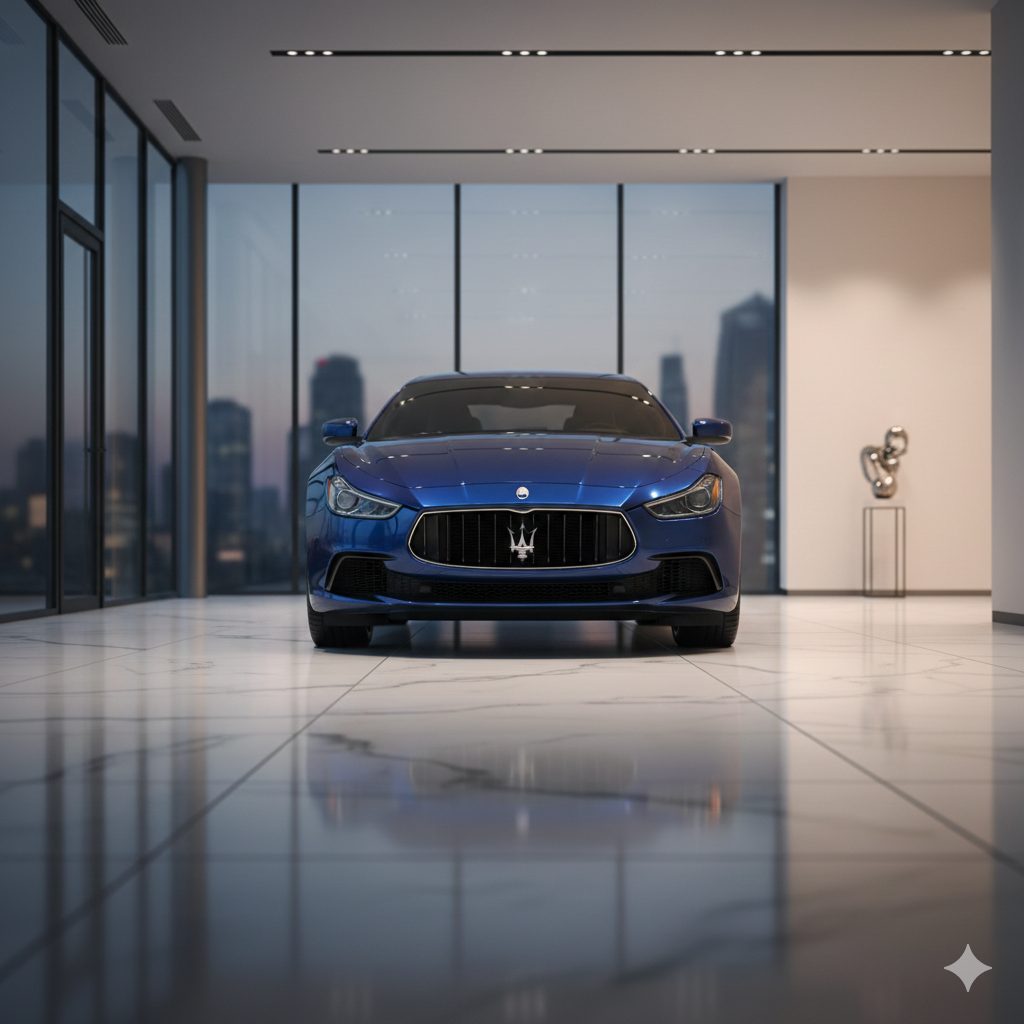
The Maserati Ghibli is one of those sedans that screams “luxury and drama” but sometimes delivers the drama more in the workshop than on the road. It has style and a nice badge, but it carries a reputation for reliability issues and high running costs, which doesn’t feel great when a new one can sit in the $80,000 range and up if you start ticking options. When rivals from German brands give you better tech, more solid build quality, and often stronger resale, dropping that much cash on a Ghibli starts to feel like a risky emotional decision rather than a rational one.