NASCAR Bans Half-Throttle Racing At Talladega With 100-Lap First Stage—Teams Have 17 Days To Adapt
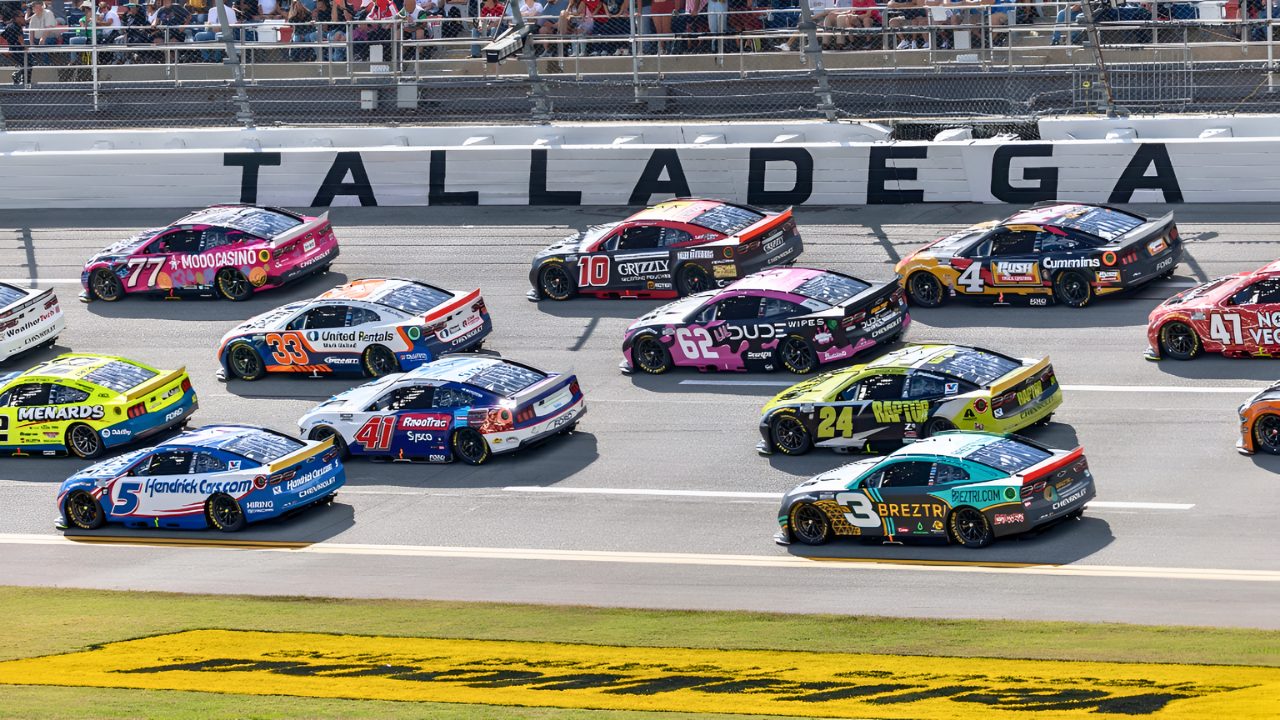
NASCAR is making a decisive move to reshape superspeedway racing just weeks before one of its biggest events. On April 7, 2026, officials confirmed a major format change for the April 26 Cup Series race at Talladega, extending the opening stage to nearly 100 laps while shortening the final segments to eliminate fuel saving tactics. The shift targets the growing trend of half throttle racing that has frustrated fans during the Next Gen era. With only 17 days to prepare, teams now face a dramatically different race structure that could redefine strategy, competition, and how Talladega’s high speed drama unfolds.
When Racing Became A Fuel Strategy Contest
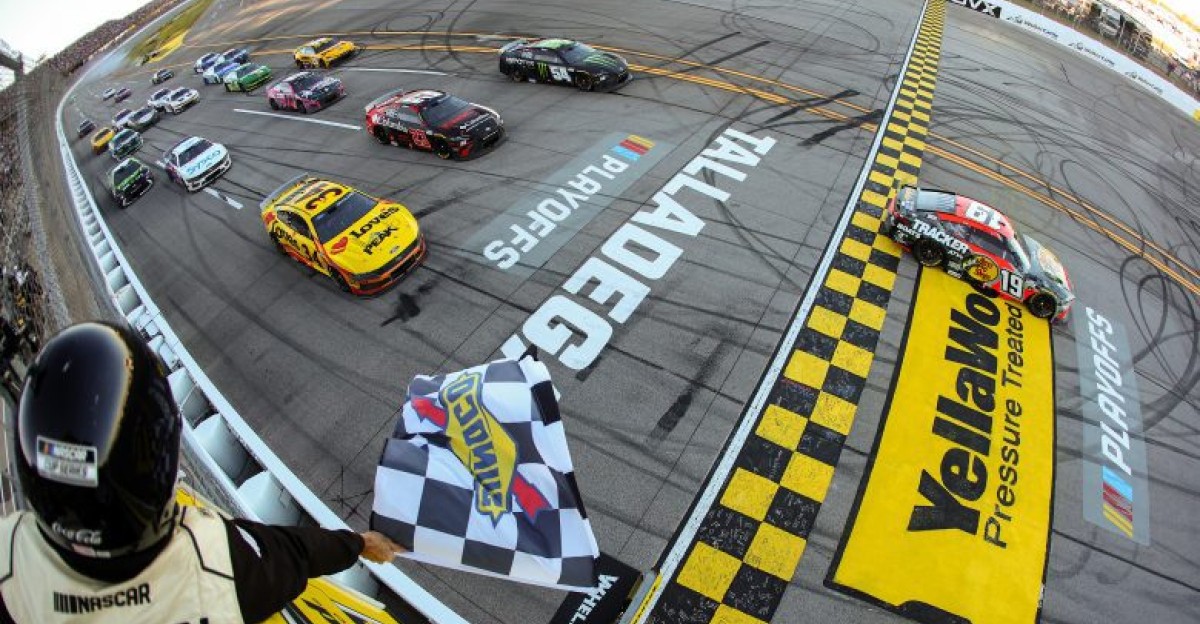
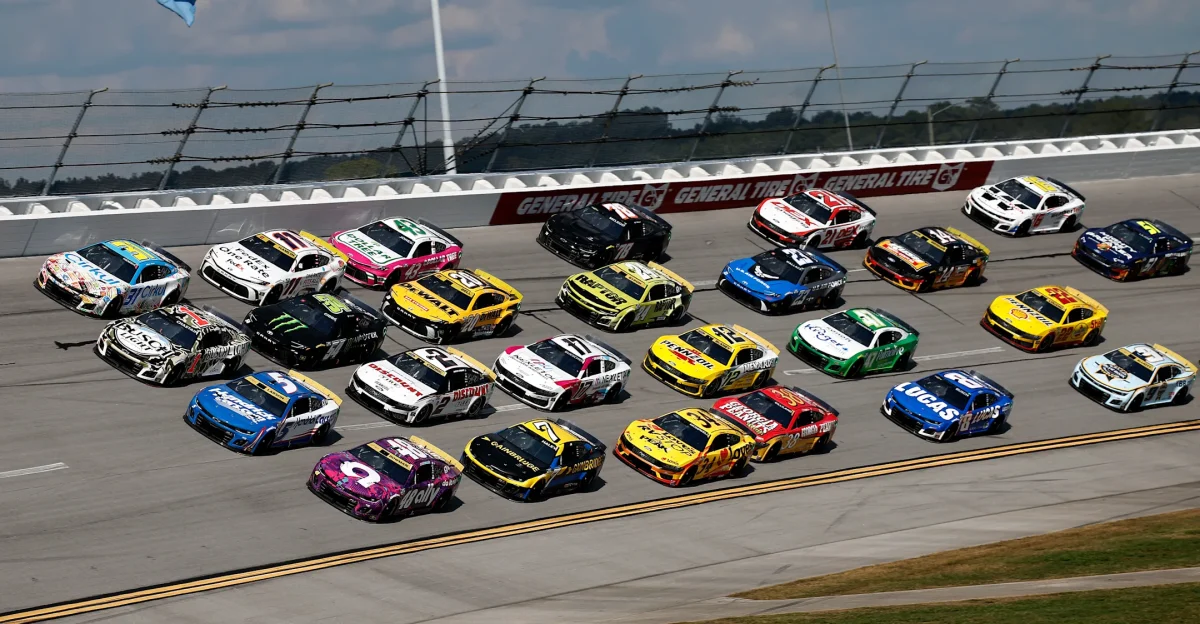
Talladega races in recent seasons shifted toward efficiency over aggression. Drivers ran partial throttle for extended stretches, conserving fuel to gain track position through shorter pit stops or even skipping stops entirely. The result often resembled controlled pacing rather than high intensity drafting battles. This trend became especially noticeable after the 2024 Daytona 500, where similar strategies dominated. Conversations across driver podcasts and NASCAR shows highlighted the growing reliance on fuel saving tactics, setting the stage for mounting criticism that forced officials to reconsider how these races were structured.
The Stage Format That Changed Everything
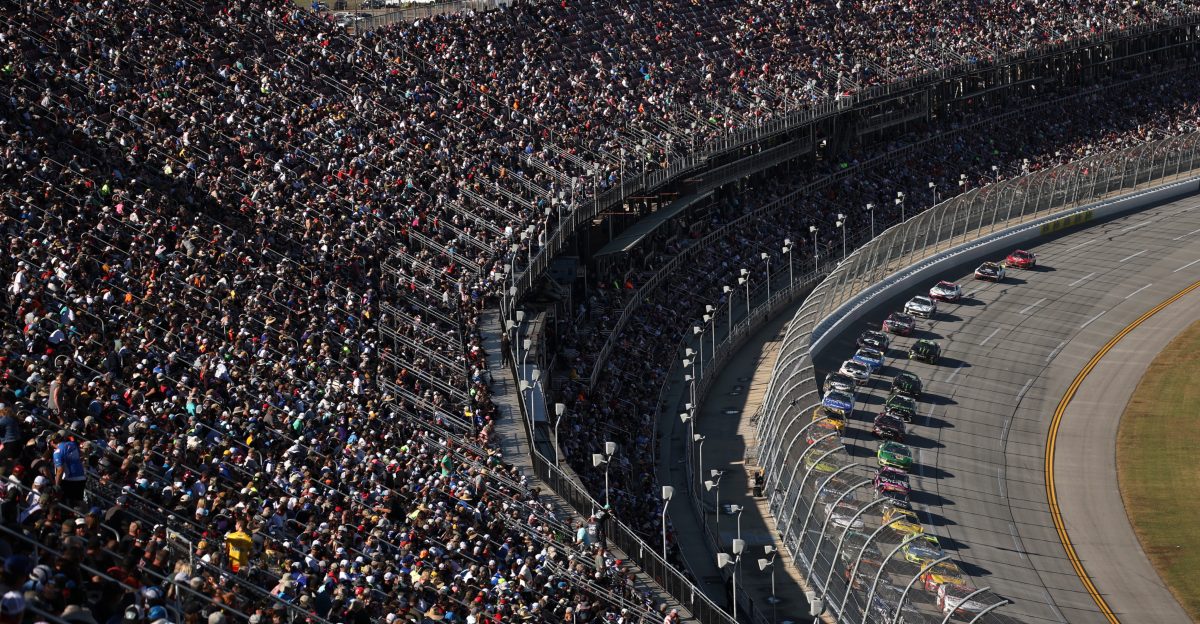
The structure of Talladega races played a major role in shaping strategy. In 2025, the 188 lap event was divided into stages of 60 laps, 60 laps, and 68 laps. That long final segment created a clear advantage for teams willing to save fuel late. By stretching a tank or reducing time on pit road, drivers could secure better track position when it mattered most. The incentive was powerful, but it came at the cost of on track excitement, as the closing laps often lacked the aggressive racing fans expected.
Why NASCAR Said Fixing It Was Complicated
NASCAR officials spent much of 2024 acknowledging the issue without implementing immediate fixes. Senior Vice President Elton Sawyer explained that any change involved trade offs between strategy, safety, and competition balance. Drivers suggested ideas such as larger fuel cells or increased horsepower, but each option carried risks. Superspeedway racing already pushes cars beyond 200 mph, and history plays a role in decision making. Bobby Allison’s 1987 crash at Talladega remains a defining moment, reinforcing caution when altering speed or aerodynamics at the sport’s fastest tracks.
The Simple But Dramatic Format Flip
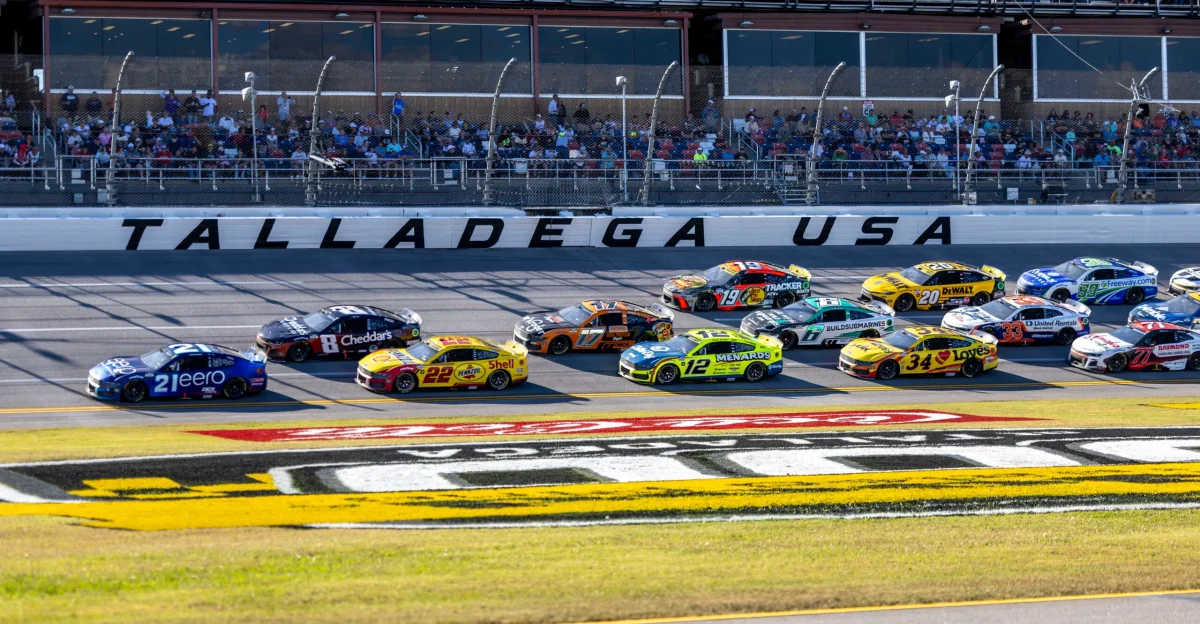
Instead of altering engines or aerodynamics mid season, NASCAR chose a sporting solution. On April 7, 2026, John Probst said, “Generally, how a lot of our superspeedways were laid out, it was a short stage, a short stage and then a long stage to the end. Going into Talladega, we’re going to flip that.” The change reverses the race structure, placing the longest segment at the beginning. This decision directly targets fuel saving tactics by reshaping when and how teams must think about strategy during the race.
A 100 Lap Opening Changes Everything
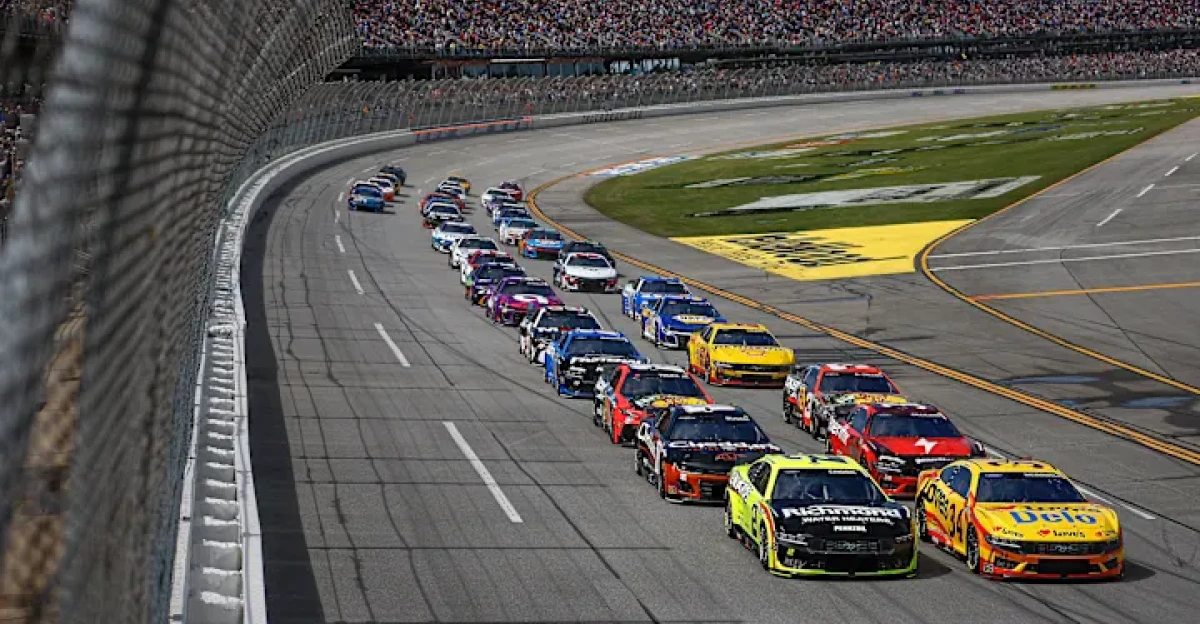
Early reports indicate the first stage of the April 26 race could approach 100 laps, with the final two stages each under 50 laps. That design ensures the closing segments can be completed on a single tank of fuel at full throttle. By removing the need to conserve fuel late, NASCAR hopes to restore aggressive racing in the final laps. The shift places pressure on teams to rethink how they approach the opening portion of the race, where strategy may become more complex than ever.
Teams Face A 17 Day Countdown
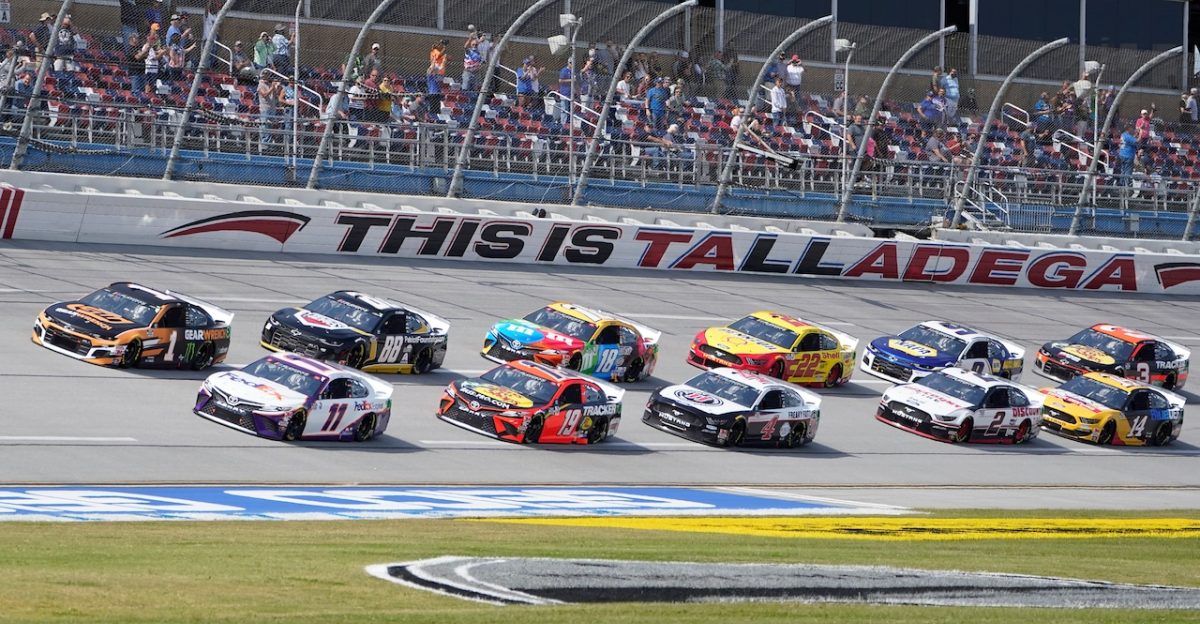
The announcement came just weeks before race day, leaving teams roughly 17 to 19 days to adapt. Without traditional practice sessions, adjustments must happen through simulations, data models, and internal strategy planning. Crew chiefs are revising communication plans and pit strategies for a race that now unfolds very differently. Drivers must also prepare for a new rhythm, where early decisions could shape the entire outcome. That compressed timeline adds another layer of unpredictability as teams arrive at Talladega.
Crew Chiefs Already Spot New Opportunities
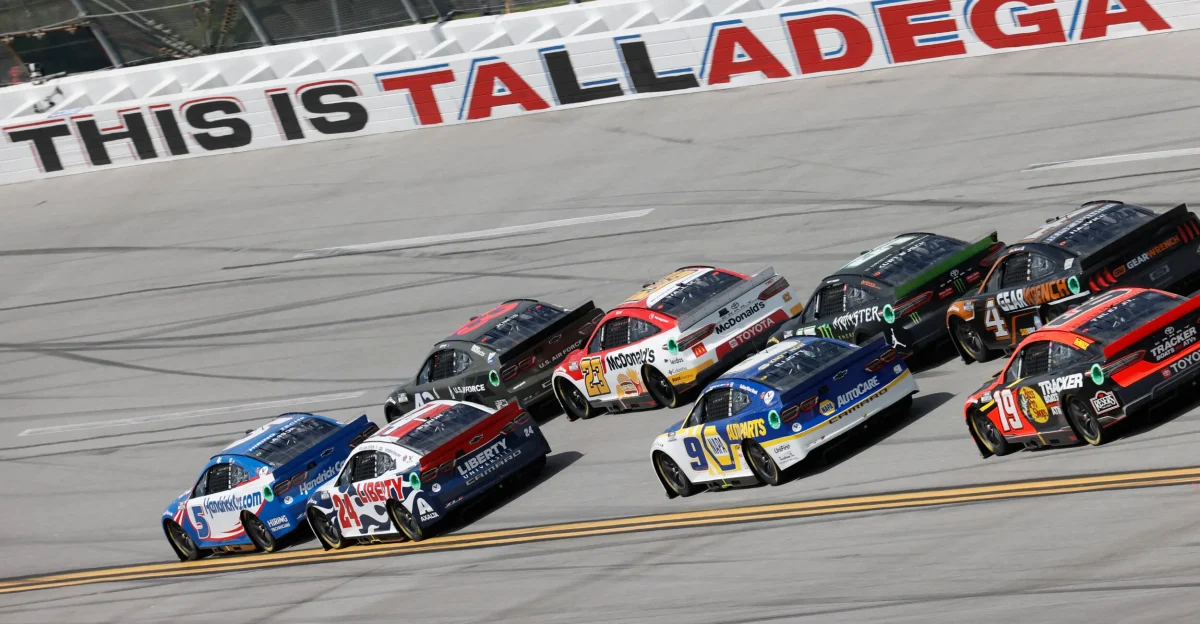
While NASCAR aimed to eliminate late race fuel saving, teams immediately began analyzing the longer opening stage. That extended window offers new strategic possibilities, including splitting runs, conserving fuel early, or prioritizing stage points. The focus may shift from the final laps to the beginning of the race, where positioning and timing become critical. Crew chiefs are known for finding advantages within any rule set, and this change presents fresh variables that could influence how aggressively drivers push in different phases.
A Short Term Fix With Bigger Plans Ahead
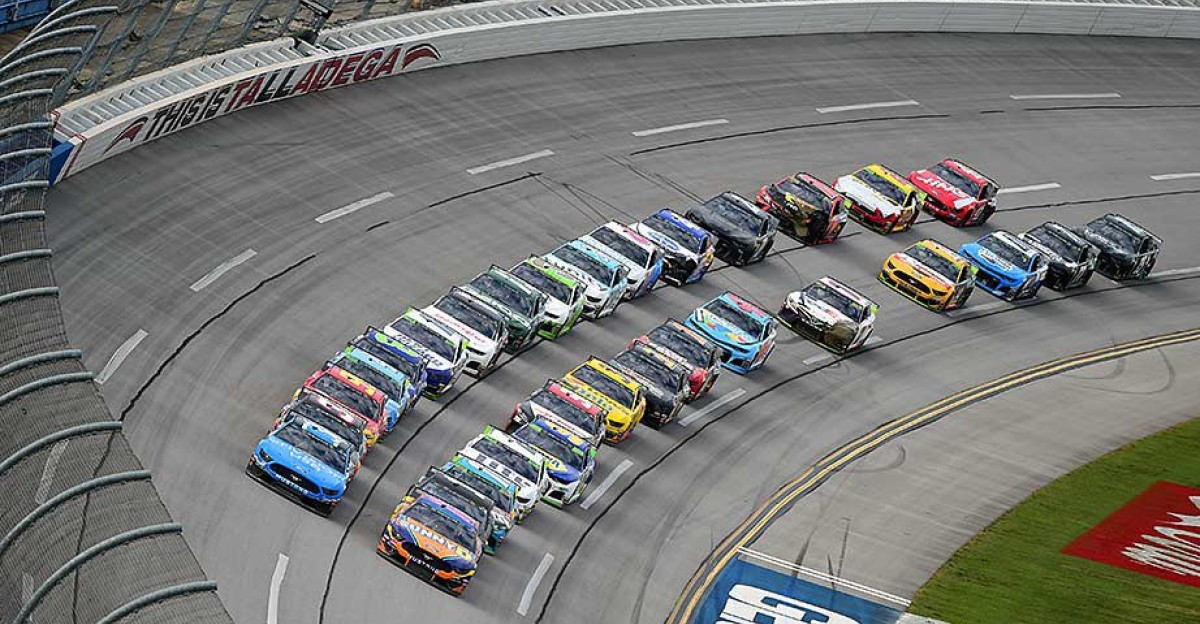
NASCAR views the Talladega format change as a temporary solution rather than a permanent fix. Officials have emphasized caution when it comes to in season technical changes involving horsepower or aerodynamics. Instead, a major test session is planned for January 2027 at Daytona International Speedway. That event will allow engineers and manufacturers to explore deeper changes in a controlled environment. The outcome of Talladega’s experiment could influence whether similar stage formats appear later in the 2026 season.
What This Means For Racing’s Future Direction
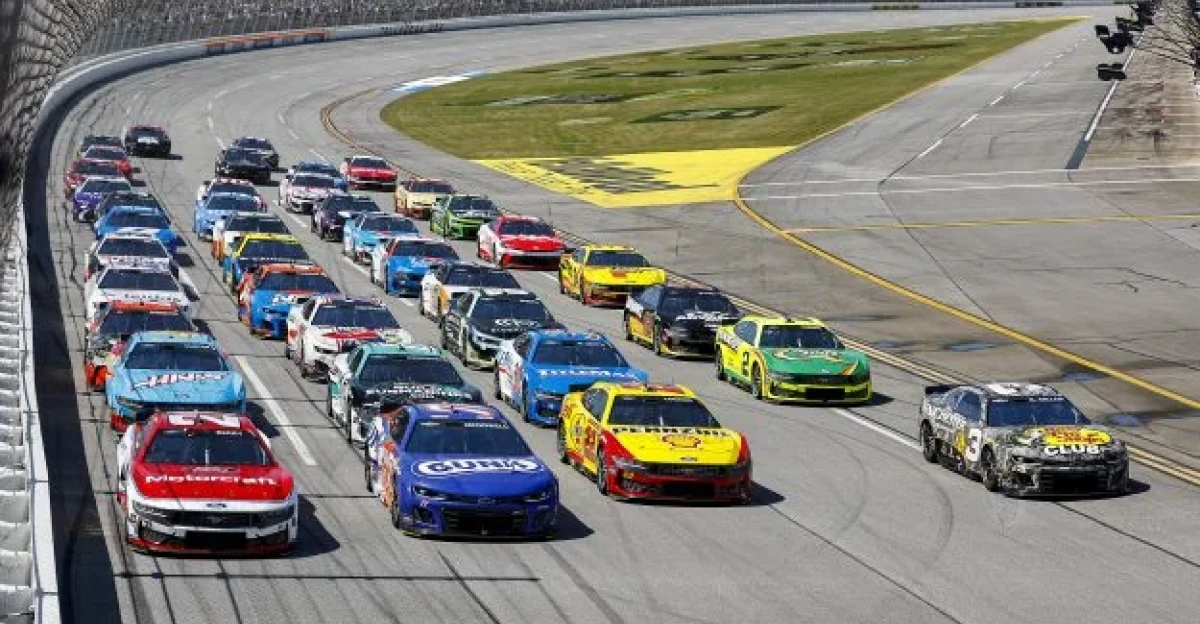
The Talladega change reflects a broader pattern in NASCAR’s decision making. Concerns build over time, fans push for action, and targeted adjustments follow. Stage racing itself was designed to increase competition, yet it also introduced new strategic behavior like fuel conservation. Now, NASCAR is reshaping incentives again to restore intensity at superspeedways. The April 26 race will serve as a real world test of whether format changes alone can shift racing dynamics, or if deeper technical evolution will ultimately be required.
Sources:
Next Gen car and superspeedway racing dynamics. NASCAR.com, various 2022–2024
Elton Sawyer comments on superspeedway racing. Racer.com, February 2024
Bobby Allison 1987 Talladega crash and safety changes. NASCAR.com, historical archive
Superspeedway fuel-saving strategies analysis. Motorsport.com, 2023
NASCAR stage racing format explanation. NBC Sports, 2022
ARCA participation of Cleetus McFarland. Racing News / ARCA coverage, 2025