Uber Threatens To Abandon 8 Million Rides In Portland—After Quietly Raising Its Cut To 42%
Portland is on the verge of a major showdown over rideshare economics that could affect up to 8 million annual trips. In February 2026, city officials advanced a proposal to cap how much Uber and Lyft can take from each fare at 20%, after research showed drivers earn about $12.05 per hour, far below the $16.30 local minimum wage. The companies warn they may exit the city if the rule passes, raising concerns about service disruptions. At the center of the debate is a simple question about fairness, control, and who really profits from every ride.
The 8 Million Trips At Stake
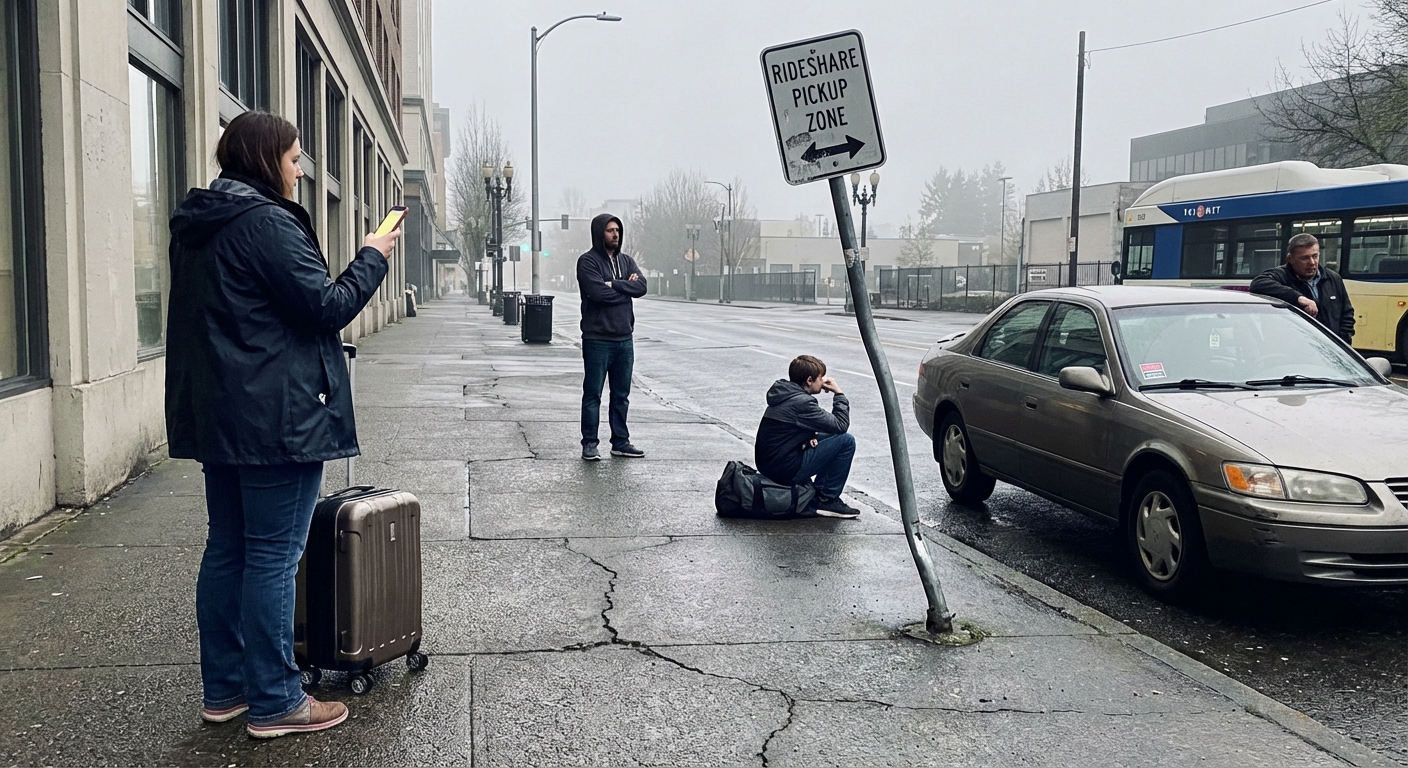
Portland transportation officials estimate riders take about 7 to 8 million Uber and Lyft trips each year. The city already charges a $2.00 fee per ride, one of the highest in the country, generating millions annually for transportation programs. None of that fee goes to drivers. As fares increased for passengers, driver earnings stayed near $12.05 per hour. Councilors Steve Novick and Elana Pirtle Guiney responded by drafting a proposal to cap platform take rates and require clearer pay breakdowns, raising questions about who truly benefits from each trip.
The Hidden $2 Fee Impact
In 2025, Portland raised its per ride fee to $2.00, adding millions in annual revenue tied to its 8 million trips. Riders see the charge included in total fares, yet drivers receive none of it. Studies showed that even with higher passenger costs, driver earnings did not rise above about $12.05 per hour. The proposed ordinance leaves the city fee untouched. Instead, it targets company take rates, proposing a cap at 20% and requiring itemized receipts that show exactly how each dollar is divided, a change that could reshape transparency overnight.
Powerful Groups Push Back Hard
Opposition quickly formed beyond Uber and Lyft. The Portland Trail Blazers, Portland Timbers, major arts organizations, and the Portland Metro Chamber joined forces against the proposal. The chamber represents more than 2300 businesses, many reliant on rideshare due to limited parking. In a joint letter, the group warned that limiting take rates could raise fares and reduce ride availability, potentially hurting attendance and downtown access. Their argument focuses on consumer impact, though it leaves another question hanging about how current fare shares are already divided.
Uber Warns Of Leaving Portland
Uber has stated publicly that the ordinance could force it to exit Portland if enacted. Company representatives described the issue as a math problem, citing costs tied to insurance, regulation, and city fees alongside the proposed 20% cap. They argue the business model would not remain viable under those limits. Portland officials counter that current take rates already average near 40% of fares, sometimes higher. That difference between company claims and city data has become the central tension driving the debate forward.
How Take Rates Quietly Rose
Independent research shows platform take rates have climbed in recent years. Studies of upfront pricing models found Uber’s share rising from about 32% in 2022 to roughly 42% by 2024 in several markets. This increase happened as driver hourly earnings remained relatively flat after expenses. The pricing model allows companies to adjust passenger fares independently from driver pay. As a result, riders may pay more while drivers see little change in earnings, a shift that has drawn increasing scrutiny from regulators and policymakers examining platform behavior.
The Algorithm Behind Every Fare
The pricing system relies on algorithms that separate what riders pay from what drivers earn. Companies calculate driver pay using time, distance, and demand estimates, while charging riders a fixed upfront price. Regulators have asked for more transparency into these formulas, but companies classify them as proprietary. Uber highlights that drivers can earn more than $30 per hour during active trips. However, when waiting time and expenses are included, city research places average earnings at $12.05 per hour, revealing a stark contrast behind the numbers.
Data, Penalties, And Driver Voices
Research from the National Employment Law Project and academic studies shows platform shares increasing while driver income lags behind living costs. Federal scrutiny has also intensified. The Federal Trade Commission required Lyft to pay a $2.1 million civil penalty after finding misleading claims about driver earnings and tips. During Portland hearings, driver Kiva Henderson said on record, “The percentage of each ride we receive is a sheer insult to our value. I love my job.” That testimony captured the emotional and financial strain shaping the debate.
Seattle And Austin Offer Clues
Seattle implemented a minimum payment rule in January 2024 that raised driver pay but also led to higher customer prices and fewer trips according to several analyses. Opponents in Portland cite these outcomes as caution. Supporters argue companies chose to raise prices rather than accept lower margins. A similar pattern appeared in Austin in 2016, when Uber and Lyft left after new rules, then returned in 2017 after state laws changed. These cases suggest platform exits can be temporary, leaving policymakers weighing risk against precedent.
Portland Faces A Defining Decision
As of early April 2026, Portland had not scheduled a final vote on the ordinance that would cap take rates at 20%. If approved, it would be among the first policies in the United States to directly limit platform shares per trip. Driver advocates believe success could influence cities like San Francisco, Los Angeles, and Chicago. Companies warn it could reduce service across Portland’s 8 million annual rides. The decision will determine whether the city sets limits on algorithm driven pricing or allows current practices to continue.
Sources:
Uber, Lyft & the City of Portland: 6 questions about proposed changes to ride-hailing services. Oregon Public Broadcasting, April 6, 2026
TNC Take Rate Cap Presentation. City of Portland (Portland.gov), February 23, 2026
Council boosts PBOT budget with increase to Uber and Lyft fees. BikePortland, May 21, 2025
App-Based Worker Minimum Payment Ordinance. Seattle Office of Labor Standards (Seattle.gov), January 13, 2024
Rideshare Driver Unionization. Mass.gov, 2024
Lyft lured drivers with false claims about pay, FTC says. Los Angeles Times, November 6, 2024
Uber Upfront Pricing Boosts Profits and Raises Concerns. Medianama, July 1, 2025