Dodge Brings Back Gas Charger After $26.5B EV Bet—Americans Buy It 7-To-1 Over Electric
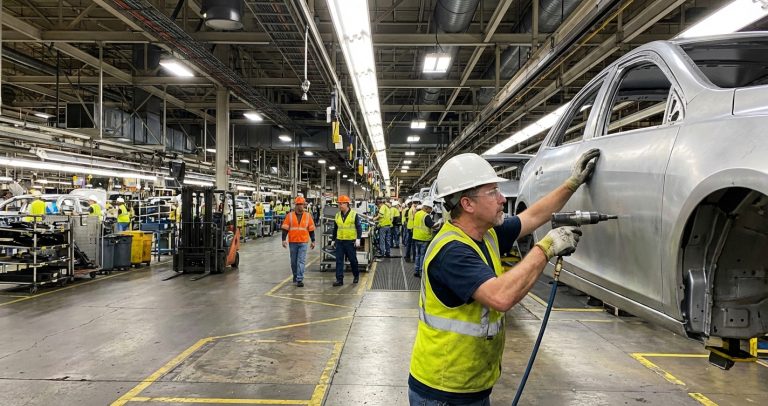
The twin-turbo SIXPACK engine rumbles off the Windsor Assembly Plant line, 550 horsepower packed into a nameplate that twelve months ago existed only as a battery-electric sedan. Dodge dealers who spent 2025 explaining why the Charger no longer had a gas option now have a different problem: keeping the gas version on the lot.
Stellantis posted Q1 2026 numbers on April 1, and one ratio buried inside the spreadsheet tells a story that $26.5 billion couldn’t rewrite. That ratio landed like a grenade on every boardroom EV forecast in Detroit.
The Number Nobody Expected
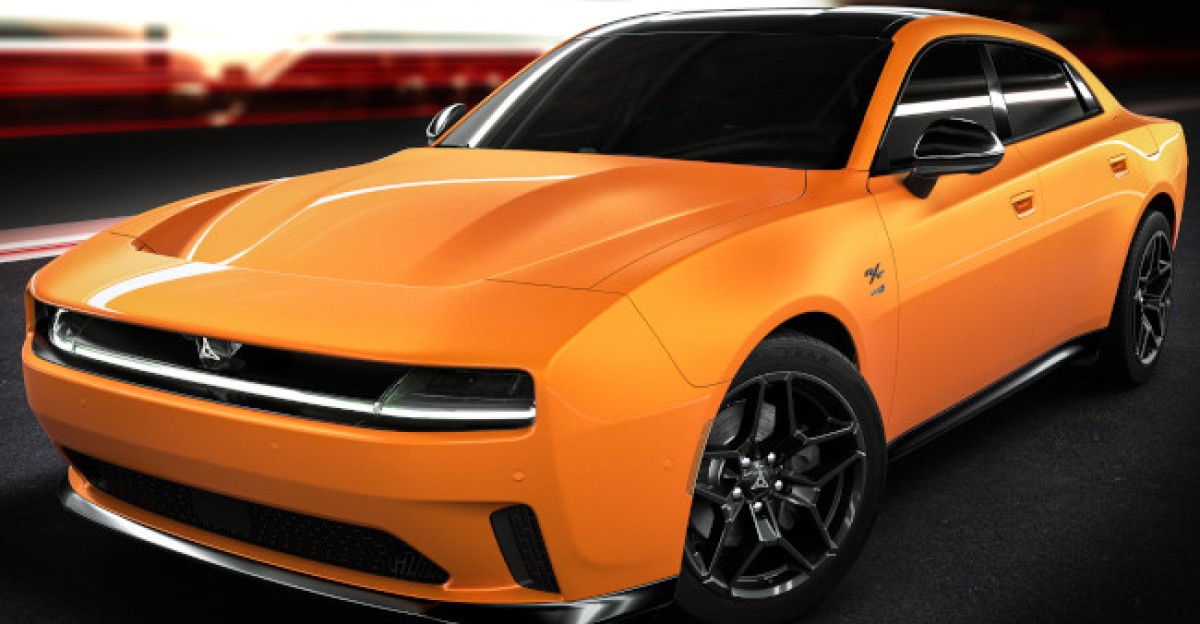
Dodge sold 1,672 gas-powered Chargers in Q1 2026. It sold 240 electric Charger Daytonas. That’s a 7-to-1 preference for combustion, measured in actual transactions by U.S. buyers walking into showrooms. The electric Charger didn’t just lose ground.
Sales collapsed 88 percent year over year, from 1,947 units in Q1 2025 to 240. The Jeep Wagoneer S fell even harder: 93 percent, down to 175 units. Stellantis’ overall sales still rose 4 percent, carried entirely by gas and hybrid models. The EV lineup became dead weight on a recovering company.
The Bet That Built the Cliff
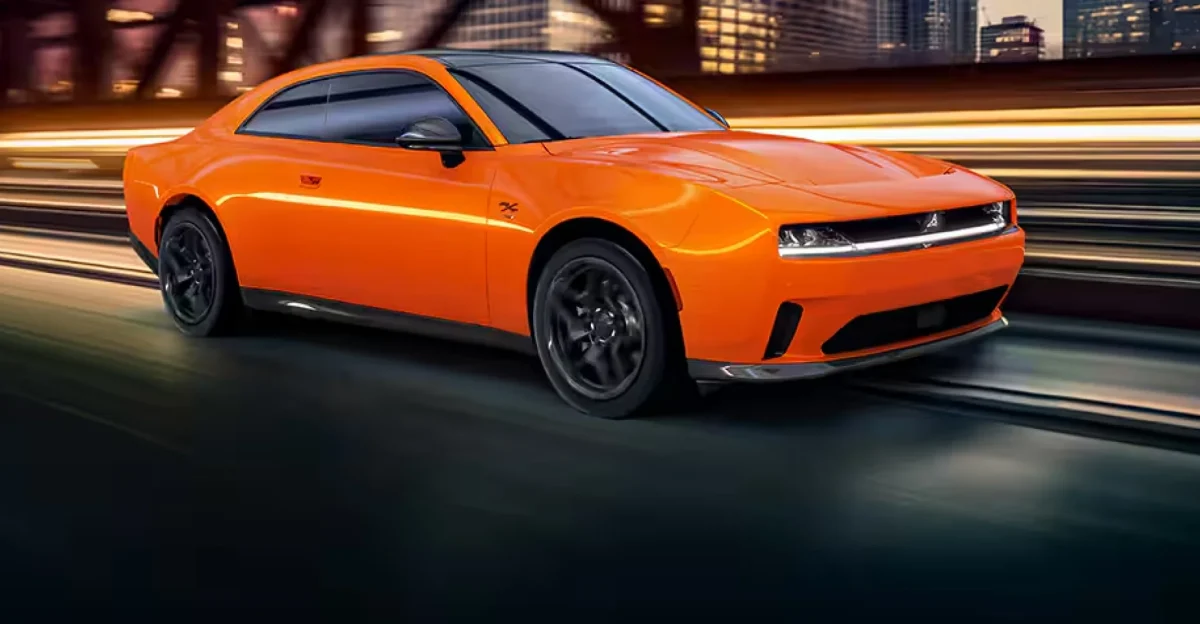
The 2025 Dodge Charger launched as an electric-only vehicle. No gas option. Stellantis believed the energy transition was irreversible and built an entire model year around that conviction. Then federal EV tax credits expired on September 30, 2025, removing up to $7,500 per purchase.
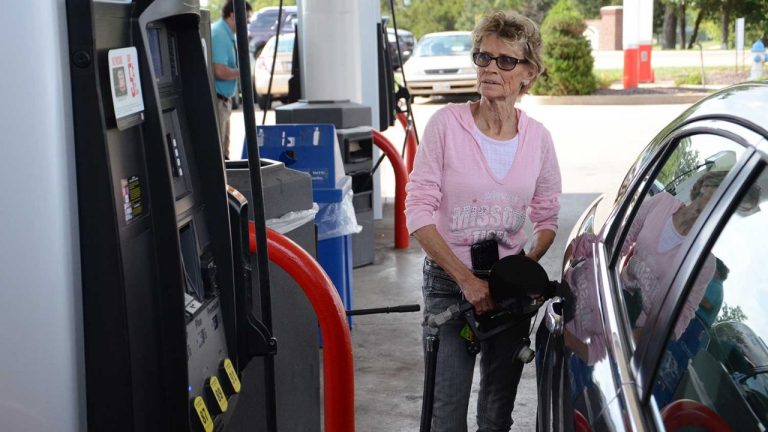
Gas prices surged more than 30 percent past $4.00 a gallon amid the Iran war. Buyers who once saw a $2,500 effective gap between gas and electric Chargers suddenly faced a $10,000 canyon. The assumption that strong EV sales reflected permanent consumer preference started cracking under the weight of simple arithmetic.
The CEO Said It Out Loud

In February 2026, Stellantis CEO Antonio Filosa announced a €22.2 billion charge, roughly $26.5 billion, the largest automaker EV-related write-down in history. Bigger than Ford’s. Bigger than GM’s. Then he said the quiet part: the charges “largely reflect the cost of over-estimating the pace of the energy transition that distanced us from many car buyers’ real-world needs, means and desires.”
Weeks later, Q1 sales proved the admission was already outdated. Buyers weren’t drifting from EVs. They were sprinting toward gas at seven-to-one.
The Subsidy Was the Product
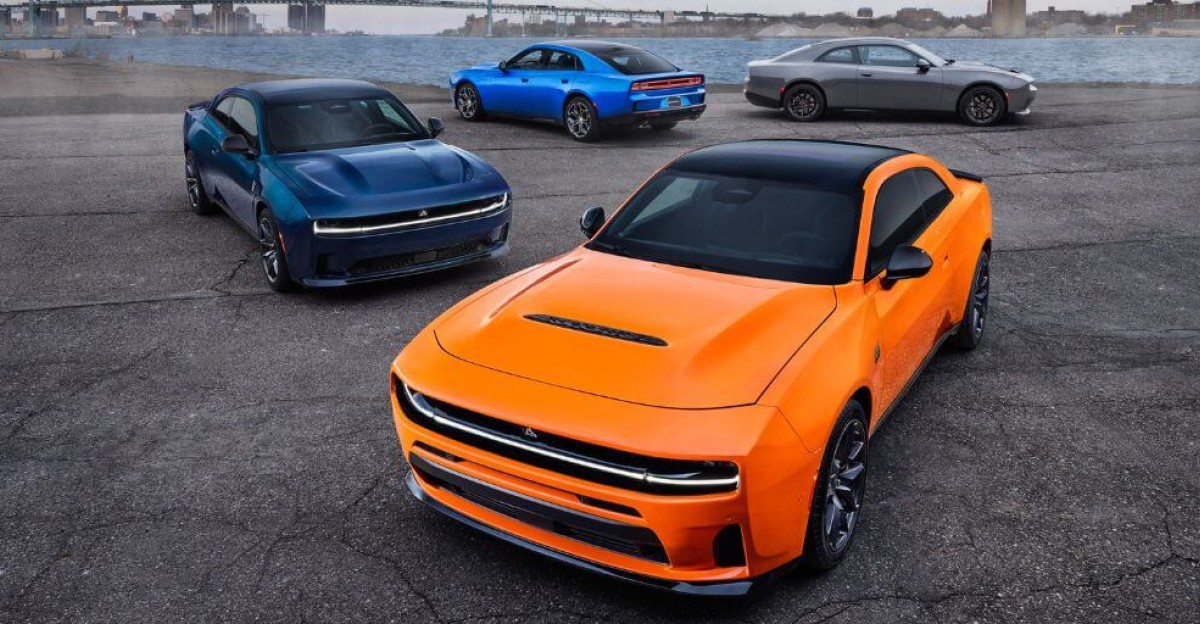
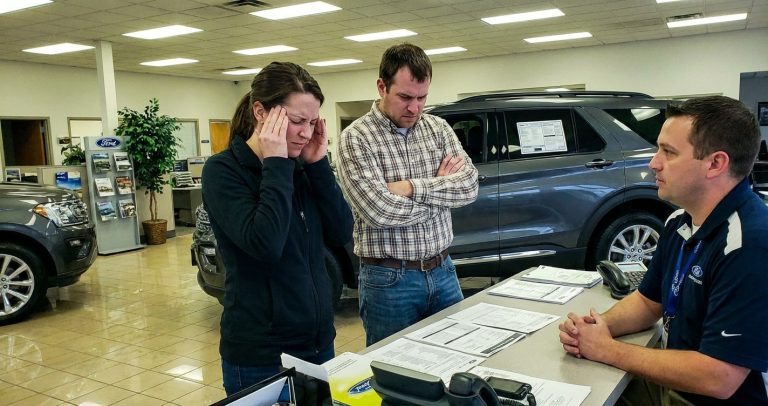
The gas Charger R/T starts at $49,995. The electric Charger Daytona Scat Pack starts at $59,995. With the $7,500 federal credit, that gap shrank to roughly $2,500, close enough for a monthly-payment buyer to justify. Without it, the gap reopened to $10,000.
New EV sales across the entire U.S. market fell 28 percent in Q1 2026. EV market share dropped from a 7.5 percent peak in Q3 2025 to 5.8 percent. The subsidy wasn’t helping buyers afford EVs. The subsidy was the reason buyers chose them.
The Used Market Tells the Truth
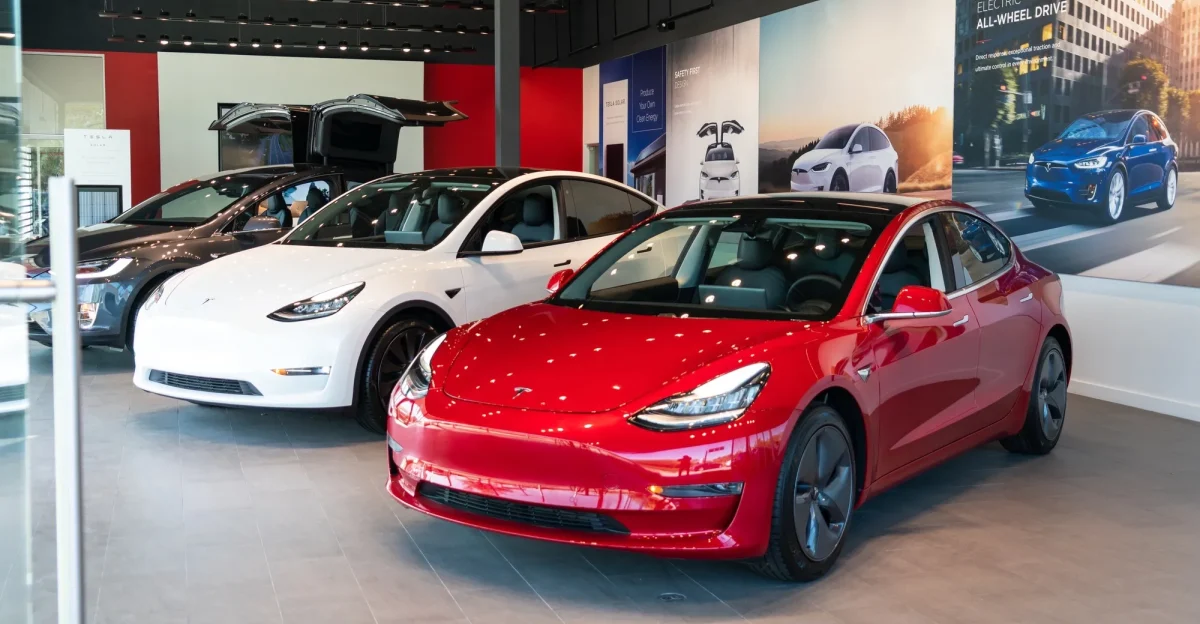
While new EV sales cratered, used EV sales surged 12 percent to 93,500 units. Used EV prices averaged $34,821, within just $1,300 of equivalent used gas vehicles, the lowest gap ever recorded. That contrast is the whole story in two data points.
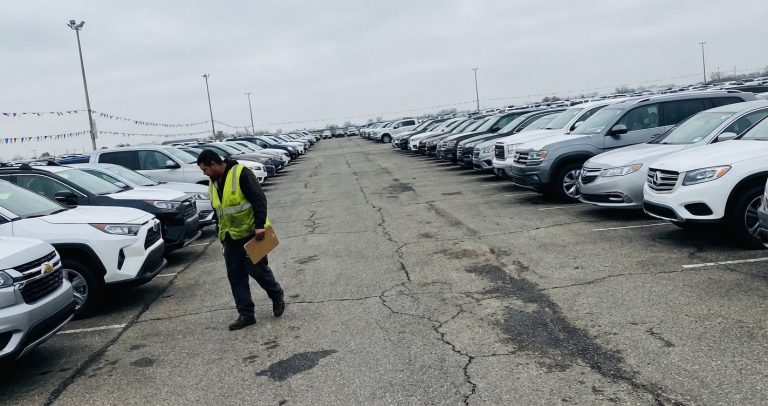
Americans don’t hate electric cars. They hate $60,000 electric cars. Once the price drops to parity, buyers show up. The problem was never the technology. EV inventory hit a record 130 days’ supply compared to 89 for gas vehicles, meaning new electric cars sit on lots gathering dust while used ones fly off them.
The Wreckage Spreads
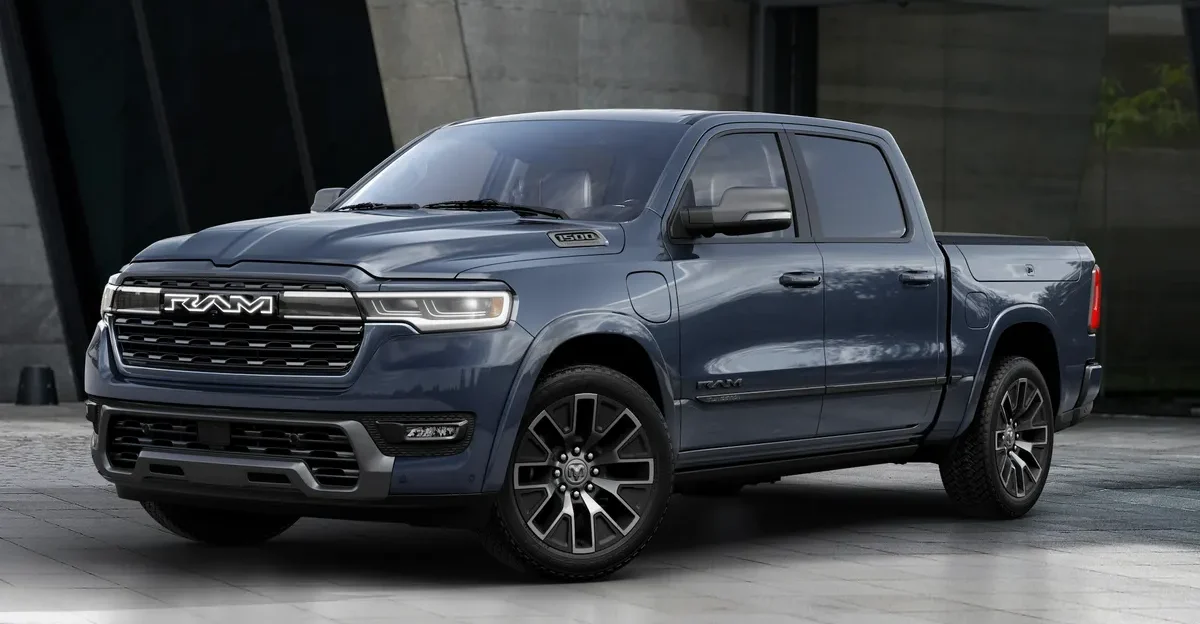
Stellantis cancelled the Ram 1500 BEV entirely. Gone. The company wrote off €14.7 billion in BEV platform and product investments, turning cutting-edge development into balance-sheet liabilities overnight. Battery plant capacity got rationalized at a cost of €2.1 billion more.
Stellantis hired 2,000 additional engineers worldwide to address vehicle quality issues. Ram sales, meanwhile, surged 20 percent. The Ram 1500 light-duty pickup jumped 27 percent. Jeep Wrangler climbed 17 percent. Gas and hybrid models carried Stellantis to the only year-over-year Q1 growth among the Big Three.
A New Rule, Not an Exception

Stellantis’ $26.5 billion write-down set a precedent no automaker can ignore: aggressive EV bets without sustained policy support are existential risks. Global EV sales keep rising, with China commanding over 40 percent market share. But the U.S. market just proved something different.
Remove the federal incentive, and demand doesn’t slow. It collapses. Hybrids are now surging as the compromise vehicle, stealing share from both gas and pure electric. The inevitable EV future was never inevitable. It was subsidized. And once the subsidy vanished, so did the future’s timeline.
The Dominoes Still Falling
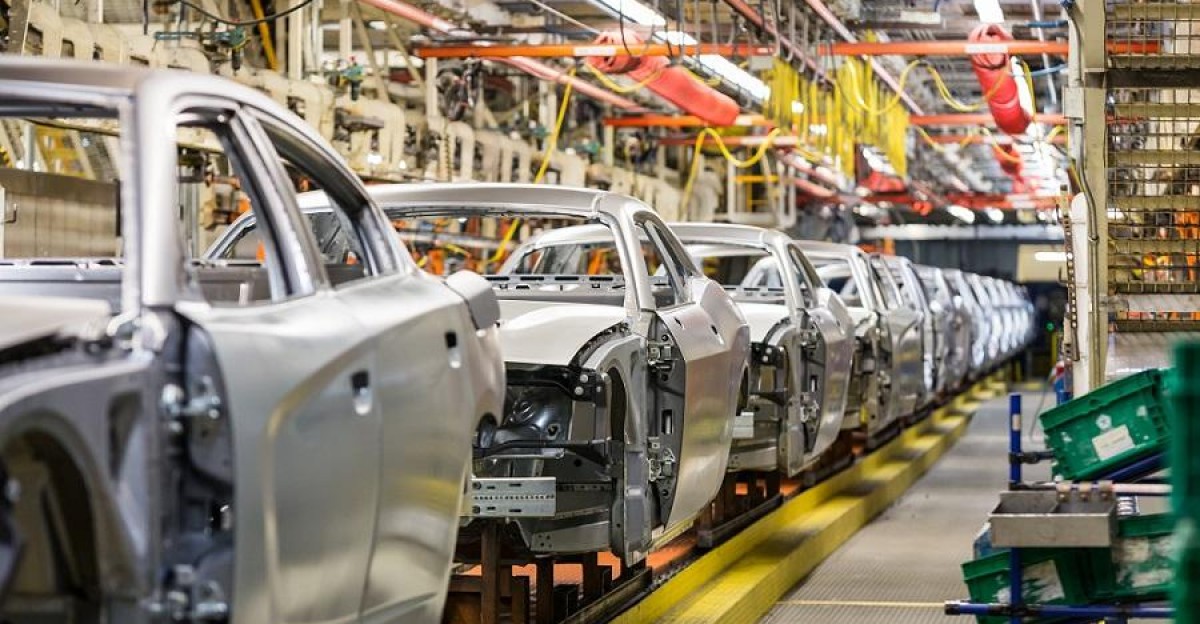
Stellantis faces €6.5 billion in cash payments over the next four years just to clean up the EV miscalculation. Other automakers are already pulling back on EV-only platforms and delaying planned launches. Startup EV makers like Rivian and Lucid face a capital market that just watched the fourth-largest automaker on earth write off a generation of investment.
If funding freezes, some won’t survive. Meanwhile, over 300,000 leased EVs are returning to the used market in 2026 alone, an unprecedented flood that could put further downward pressure on used EV prices.
Affordability Solved Itself
Here is what most people will miss: the EV affordability problem is about to solve itself, and no government program gets the credit. Those 300,000 lease returns will hit dealer lots at prices near parity with used gas cars. That’s the price point where used EV sales already surged 12 percent.
Manufacturers wrote off billions and retreated to gas. The used market will finish what they abandoned. Anyone who understands that cycle knows more about the EV future than the CEO who bet $26.5 billion on the wrong timeline.
Sources:
Autoblog. “Gas Dodge Charger Outsells EV 7 to 1 as Stellantis EV Sales Collapse.” April 8, 2026.
Carscoops. “Wagoneer S Lost 93% of Its Buyers, and Gas Charger Outsold Its Electric Twin.” April 5, 2026.
Reuters. “Stellantis Plunges on $27 Billion Bill for EV Pullback.” February 6, 2026.
Cox Automotive. “EV Market Monitor – February 2026.” March 15, 2026.
Autoblog. “300,000 EVs Are About to Hit the Used Car Market.” March 10, 2026.
CNBC. “U.S. Gas Prices Hit $4 per Gallon as Fuel Costs Surge Due to Iran War.” March 31, 2026.