Uber Deploys VW’s Self-Driving Microbus In LA—Waymo Logged 20 Million Miles There First
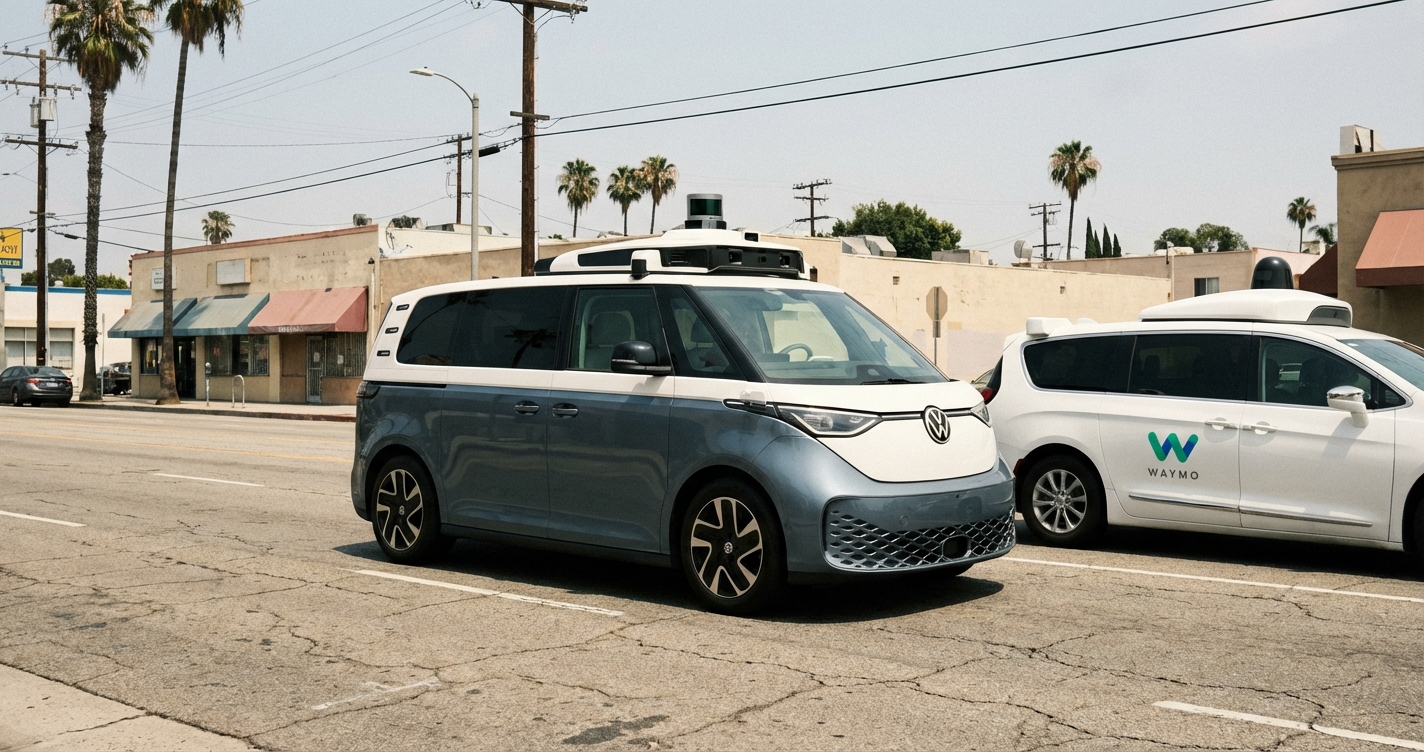
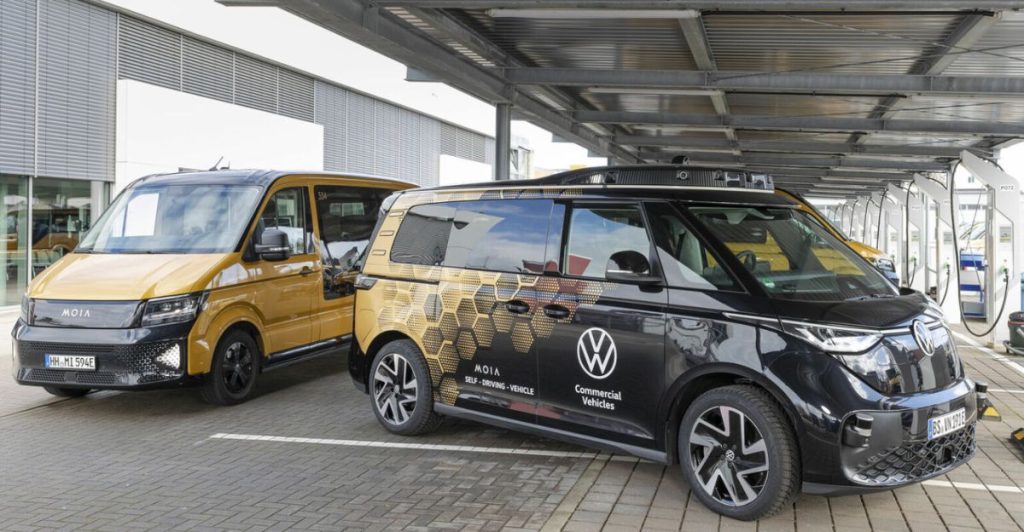
On April 8, 2026, Uber and Volkswagen rolled out 10 self-driving microbuses onto Los Angeles streets, launching a cautious test phase in one of the most competitive autonomous vehicle markets in the world. Each vehicle carried advanced sensors and a safety driver, but no passengers yet. The goal is clear: commercial robotaxi rides by late 2026 and fully driverless service by 2027. The challenge is just as clear. Waymo already operates more than 700 vehicles in the same city after logging over 20 million autonomous miles, setting the stage for a high-stakes race.
Why Los Angeles Became The Chosen Test Bed
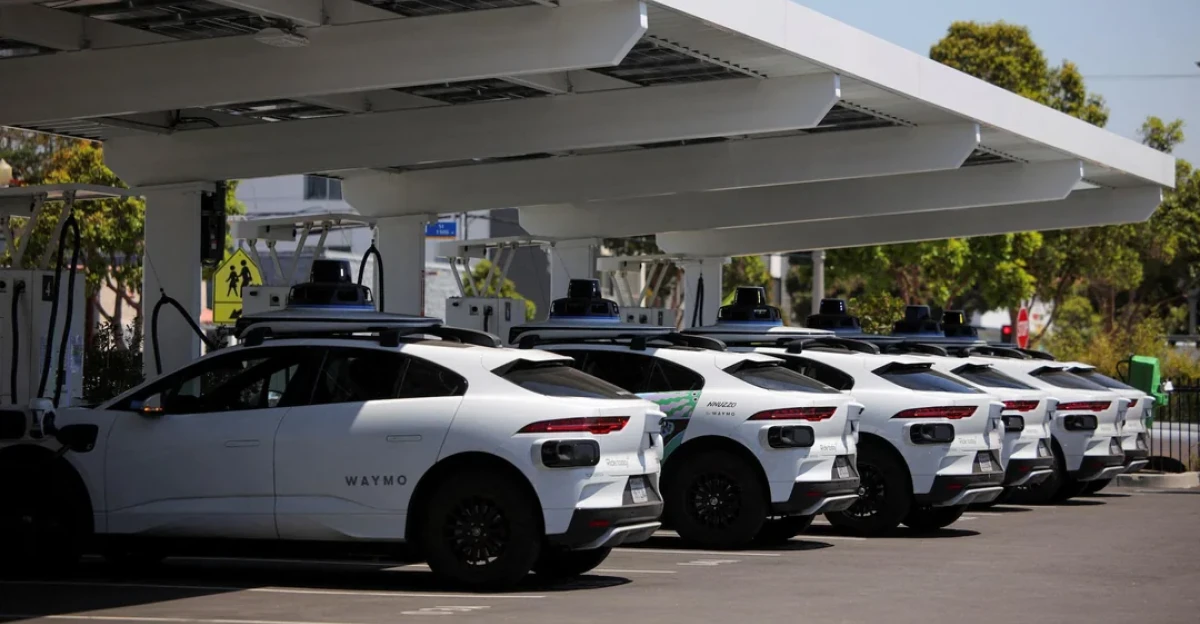
MOIA America president Paul DeLong called Los Angeles a “natural market” for autonomous vehicles, pointing to its “long history of shaping car culture.” That reasoning meets a tough reality. Waymo already operates more than 700 robotaxis in the city, completing thousands of paid rides weekly. Volkswagen and Uber announced their partnership in April 2025, giving them about 12 months to prepare for this launch. They chose a city where a competitor already dominates daily operations, a decision that places immediate pressure on performance metrics.
When Big Automakers Faced Hard Lessons
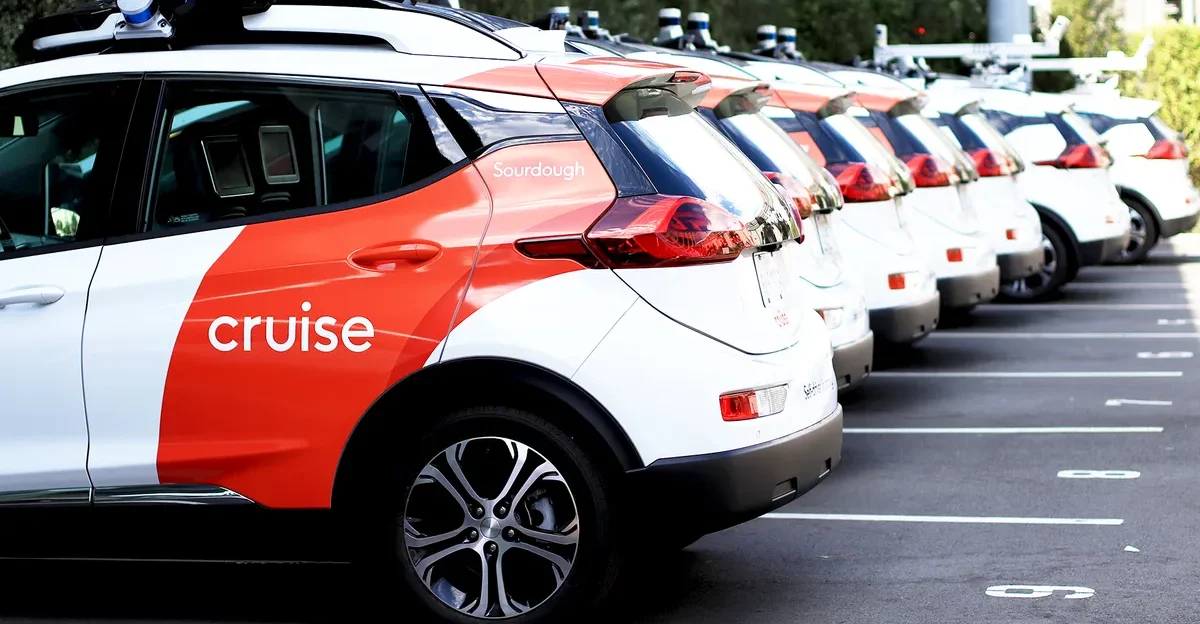
For years, major automakers believed financial strength and manufacturing scale would secure dominance in autonomous driving. General Motors tested that assumption with Cruise. In 2023, a Cruise robotaxi dragged a woman about 20 feet in San Francisco, forcing GM to scale back operations sharply. The incident reshaped public trust and regulatory scrutiny. Volkswagen now enters a market shaped by that failure, where safety expectations are far higher and tolerance for mistakes is near zero, leaving little room for early missteps.
The Tech Stack Built By Three Companies
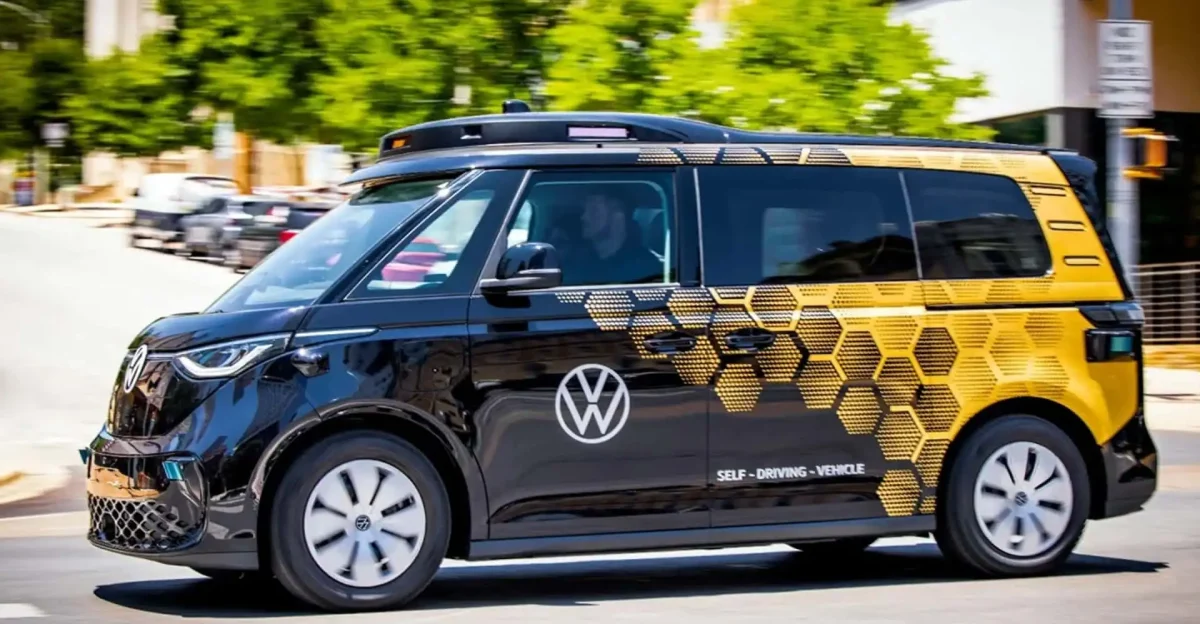
Volkswagen’s ID.Buzz autonomous system depends on technology it did not fully create. Mobileye supplies the Level 4 autonomous driving system. Uber contributes its ride-hailing platform, payment infrastructure, and access to more than 4 million monthly users. Volkswagen focuses on building and assembling the vehicle itself. This three-part structure contrasts sharply with Waymo, which developed its technology in-house over more than a decade and has logged over 20 million real-world autonomous miles plus more than 1 billion simulated miles, revealing a wide experience gap.
California Rules Add Layers Of Complexity
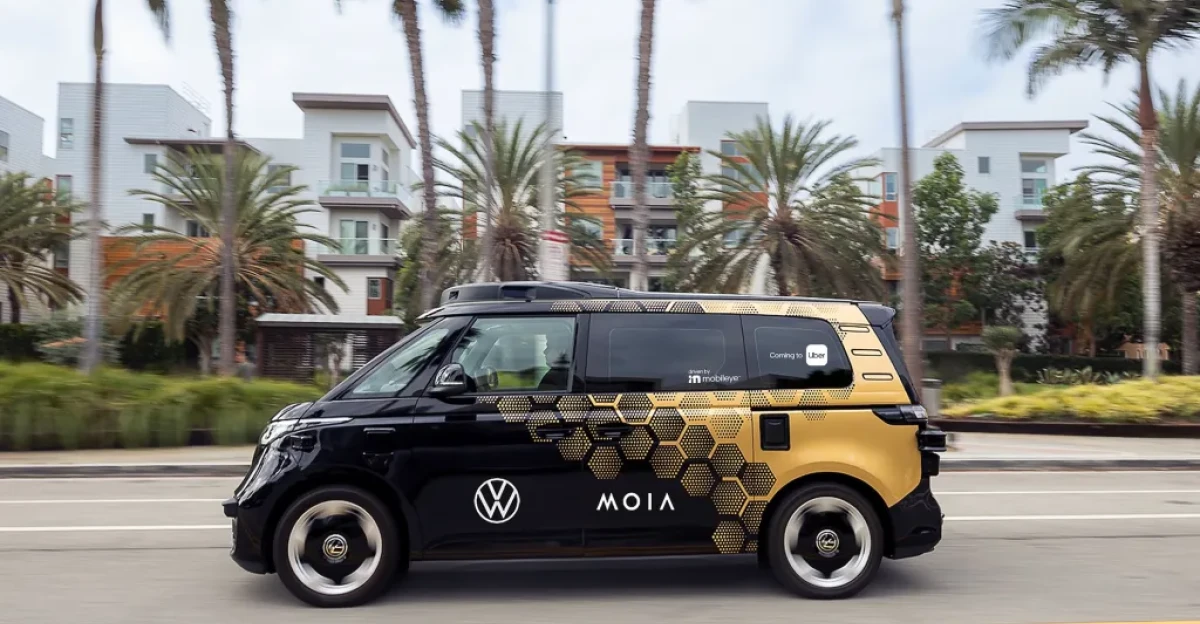
Operating in California requires navigating two separate regulatory approvals. MOIA must secure a deployment permit from the Department of Motor Vehicles and a ride-hailing permit from the Public Utilities Commission. These processes demand detailed safety reporting and operational transparency. Tesla operates differently, using a charter-party-carrier permit categorized as a limousine service, which avoids many autonomous reporting requirements. Volkswagen’s approach requires more oversight and compliance, adding time and complexity to its rollout, and raising a deeper question about whether transparency speeds adoption.
Numbers Reveal A Massive Performance Gap
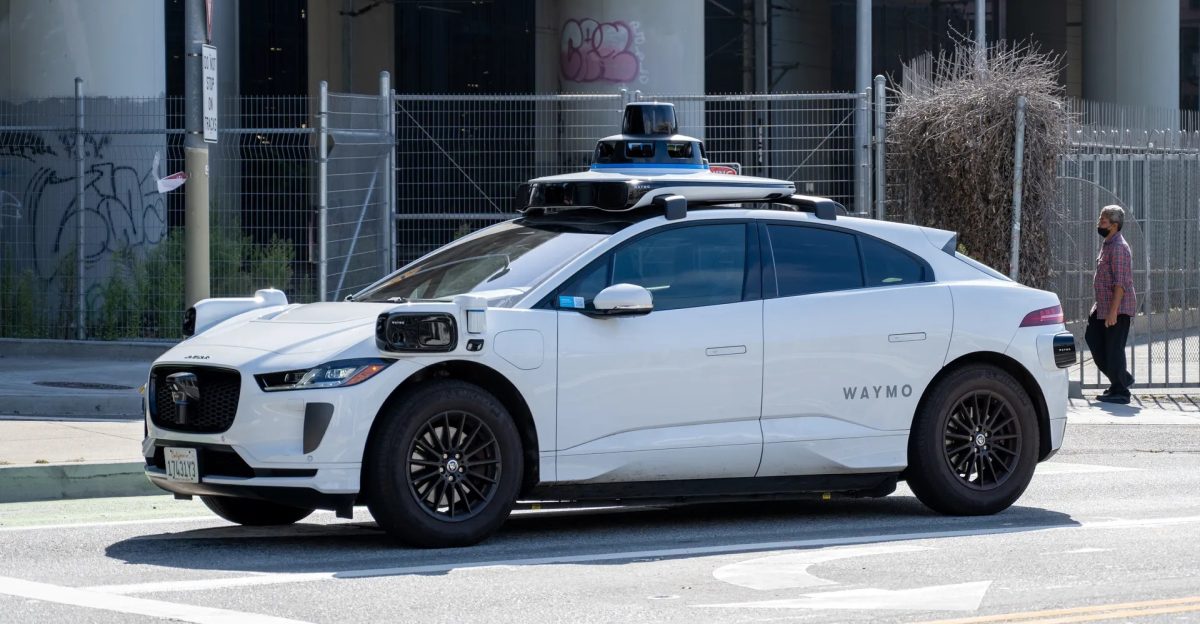
Between December 2024 and November 2025, autonomous vehicle testers in California logged more than 9 million miles. Waymo accounted for a dominant portion of that activity. In comparison, MOIA’s current Los Angeles fleet consists of 10 vehicles carrying up to 4 passengers each, totaling 40 available seats. Volkswagen plans to scale production to around 500 ID.Buzz AD units in 2026, with full production beginning in 2027. The manufacturing capacity exists, but the operational footprint remains extremely small relative to established competitors.
Billions At Stake For Volkswagen Alone
Volkswagen has committed €1 billion, about $1.08 billion, to AI development through 2030 and aims for €4 billion, about $4.32 billion, in efficiency gains by 2035. The Los Angeles rollout represents a critical test of that investment. Success would validate a model where automakers combine external technology and platforms. Failure would reinforce doubts about traditional manufacturers competing in autonomous services. Uber’s position remains stable, collecting revenue regardless of which vehicle serves riders, leaving Volkswagen to carry the financial exposure alone.
A New Model For Autonomous Competition
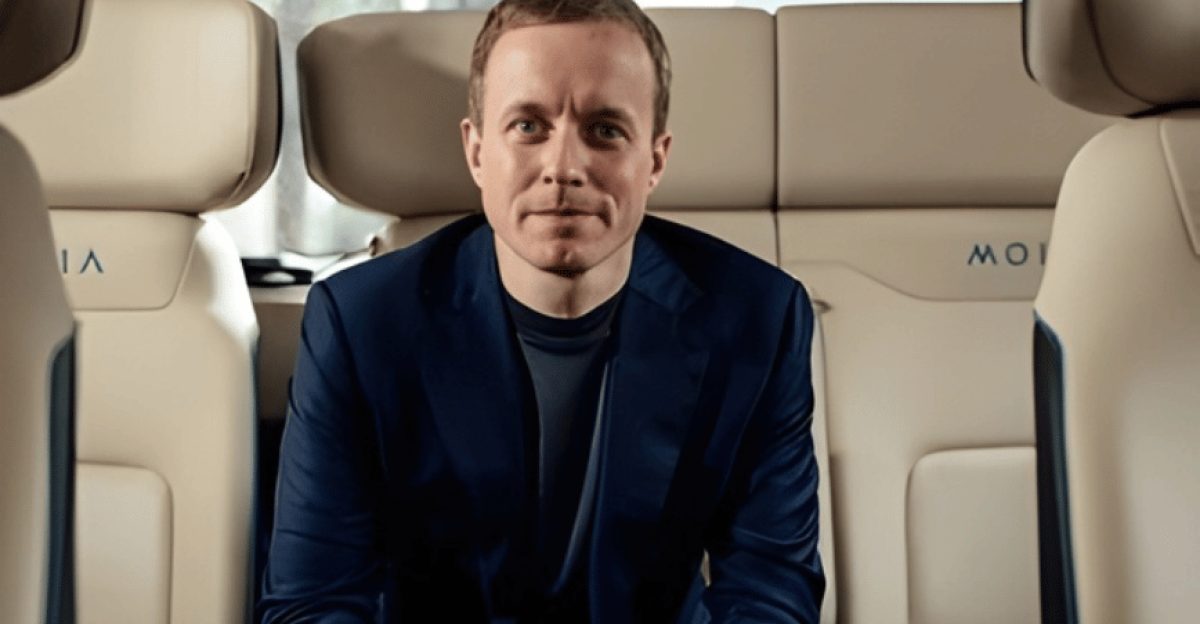
Sascha Meyer, VW’s chief commercial officer for autonomous mobility, described the launch as proof of “strong momentum behind the strategy to bring autonomous mobility into real-world operation.” The statement highlights a broader shift. Volkswagen is testing whether it can succeed by focusing on hardware while outsourcing software and distribution. This contrasts with Waymo’s fully integrated system and Tesla’s regulatory approach. Three distinct strategies now compete within the same market, and their outcomes may reshape how the entire industry evolves.
A Tight Timeline With Little Margin
MOIA plans to expand to more than 100 vehicles during testing, begin commercial rides by late 2026, and reach over 500 vehicles in Los Angeles by the third quarter of 2027. These milestones depend on regulatory approvals, system reliability, and seamless integration with Uber’s platform. Earlier trials in Hamburg provided experience with public riders, but Los Angeles presents denser traffic and stricter oversight. Each delay extends the lead of established competitors, making execution speed as critical as technological capability in this race.
The Real Battle Behind The Technology
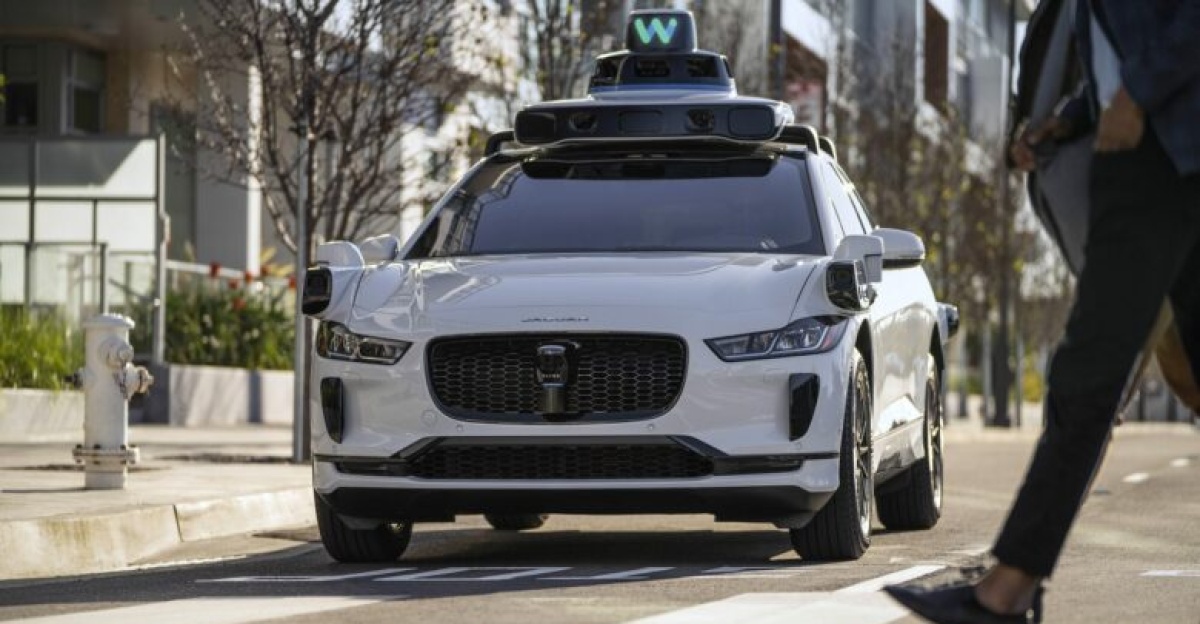
The central issue extends beyond whether the vehicles can drive autonomously. Mobileye’s system already demonstrates capability. The competition now revolves around business models. Waymo controls its entire ecosystem. Tesla operates within a different regulatory structure. Volkswagen relies on partnerships to deliver its service. Uber’s network of more than 4 million monthly users provides immediate demand, but demand alone does not guarantee supply. The outcome depends on whether Volkswagen can scale quickly enough to match that demand before competitors widen the gap permanently.
Sources:
Waymo Expands Robotaxi Service in Los Angeles. Waymo Blog, 2024
Uber and Volkswagen Announce Autonomous Vehicle Partnership. Uber Investor Relations, April 24, 2025
Cruise Halts Driverless Operations After San Francisco Incident. Reuters, October 2023
Mobileye and Volkswagen Expand Autonomous Driving համագործration. Intel/Mobileye Press Release, 2023
California DMV Autonomous Vehicle Disengagement Reports. California DMV, February 2026
Volkswagen MOIA ID. Buzz AD Production Plans. Electrive, March 6, 2026
Waymo’s 20 Million Miles of Autonomous Driving. Alphabet / Waymo Safety Report, 2024