BYD’s Chief Scientist Declares ‘Critical Stage’ For Solid-State Batteries—Then Says They’re Not The Path
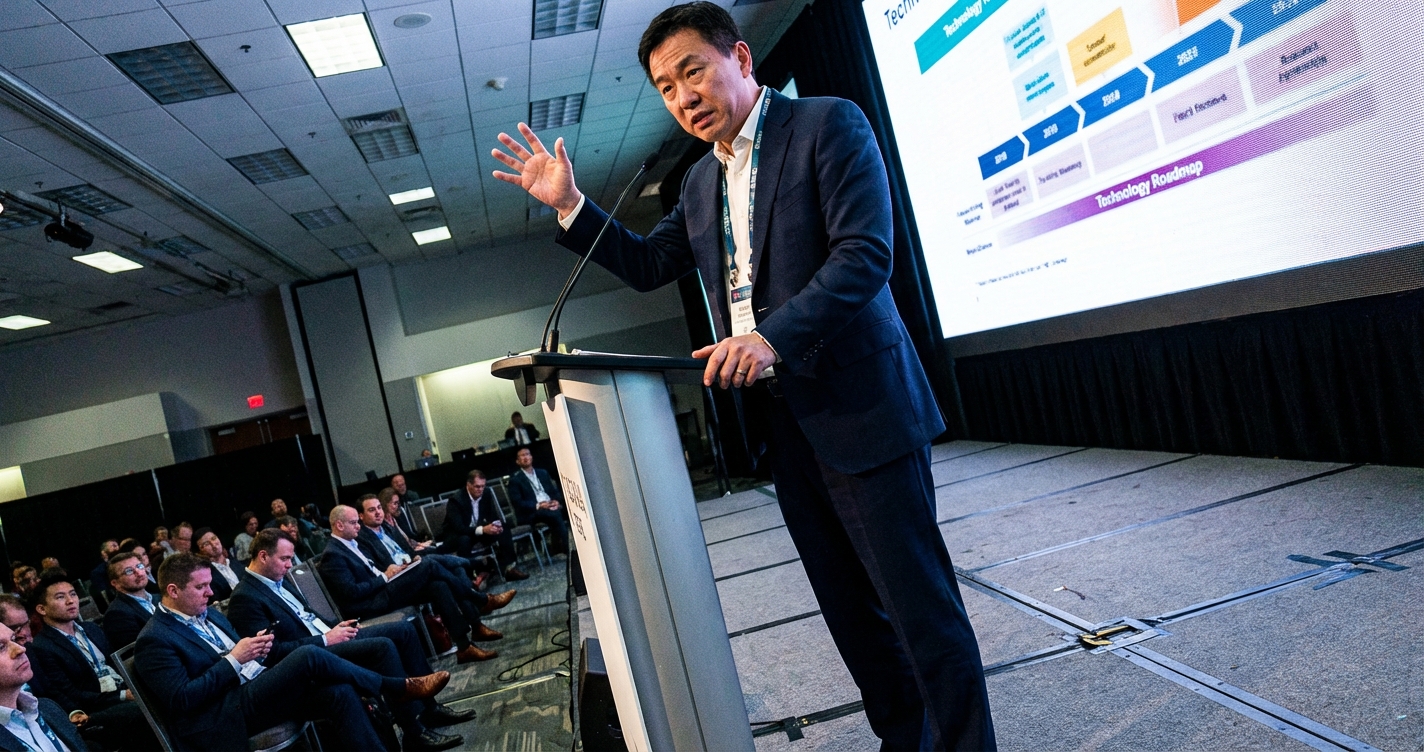
On April 7, 2026, BYD’s Chief Scientist Lian Yubo stepped to a podium at a Chinese automotive policy conference and said something the entire EV industry had waited years to hear. All-solid-state batteries, the technology that promises to double range and slash charging times, had finally reached a “critical stage.”
Nearly 100 companies worldwide are racing to commercialize this exact breakthrough. The room leaned in. Then Yubo kept talking, and the excitement started bleeding out of the building.
Thirteen Years in the Making
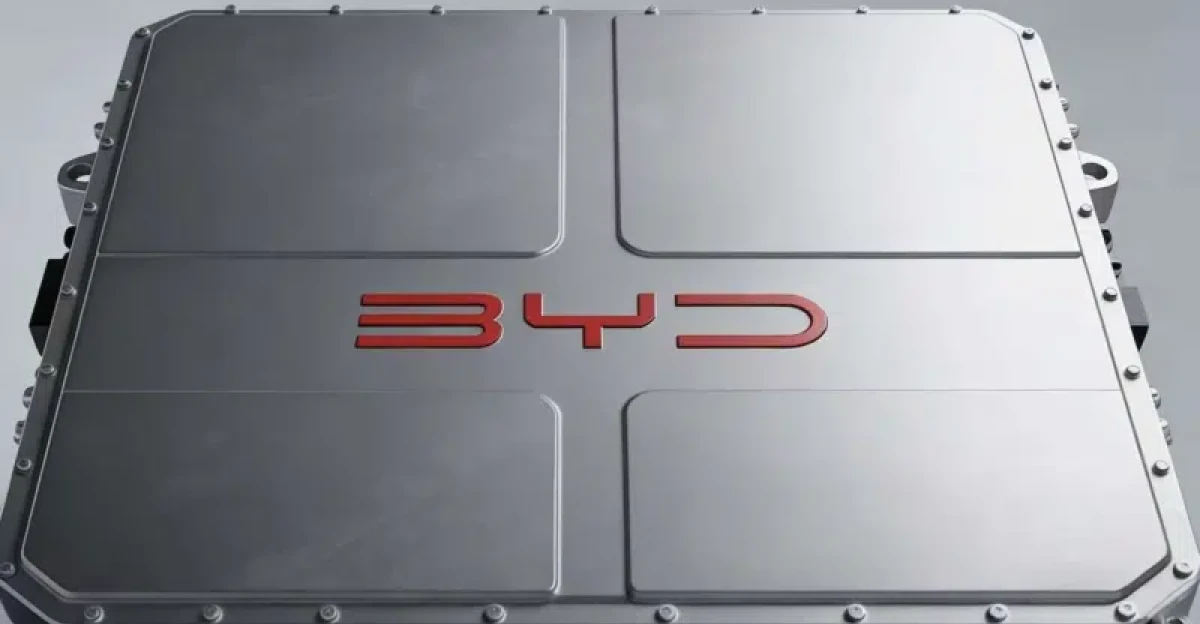
BYD started solid-state battery research in 2013. Thirteen years of lab work, dead ends, and incremental gains before Yubo could stand up and say “critical stage.”
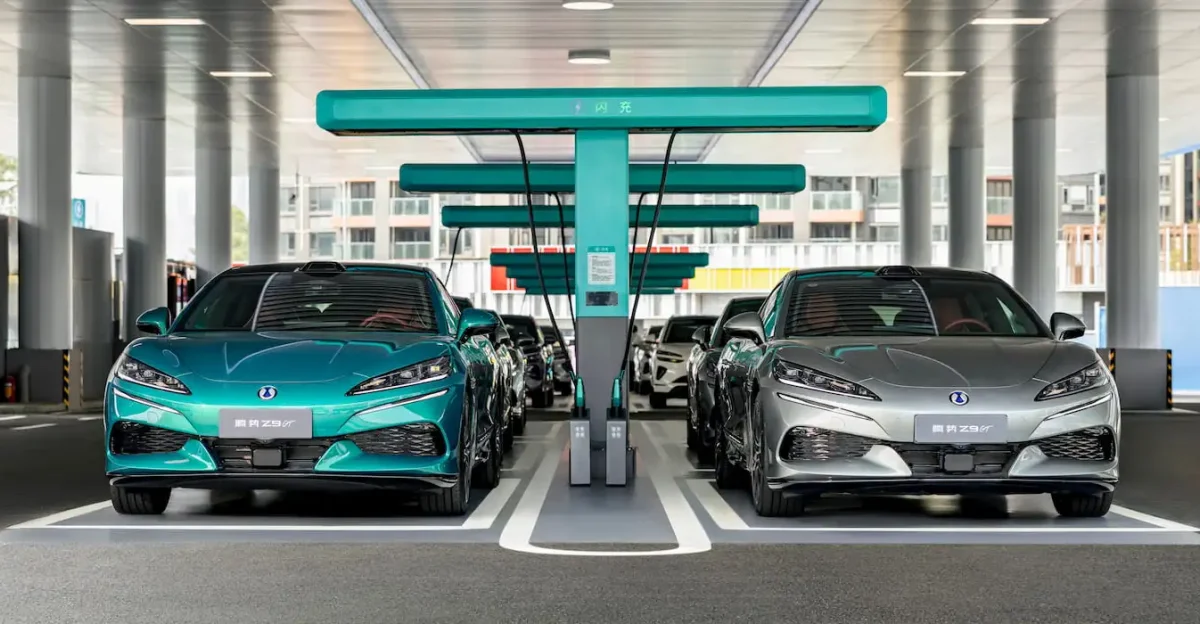
The company completed pilot production and roll-off of a 60Ah all-solid-state battery cell in 2024. Meanwhile, BYD’s 2nd Generation Blade Battery already delivers up to 1,036 km of CLTC range in flagship configurations and charges from 10% to 70% in about five minutes when paired with BYD’s new ultra-fast charging system. The conventional tech kept getting better while the revolutionary tech kept not arriving.
The Words After the Headline
Yubo didn’t stop at “critical stage.” He told the same audience: “We must remain clear-headed. Solid-state batteries are not the only path for the evolution of power battery technology.”
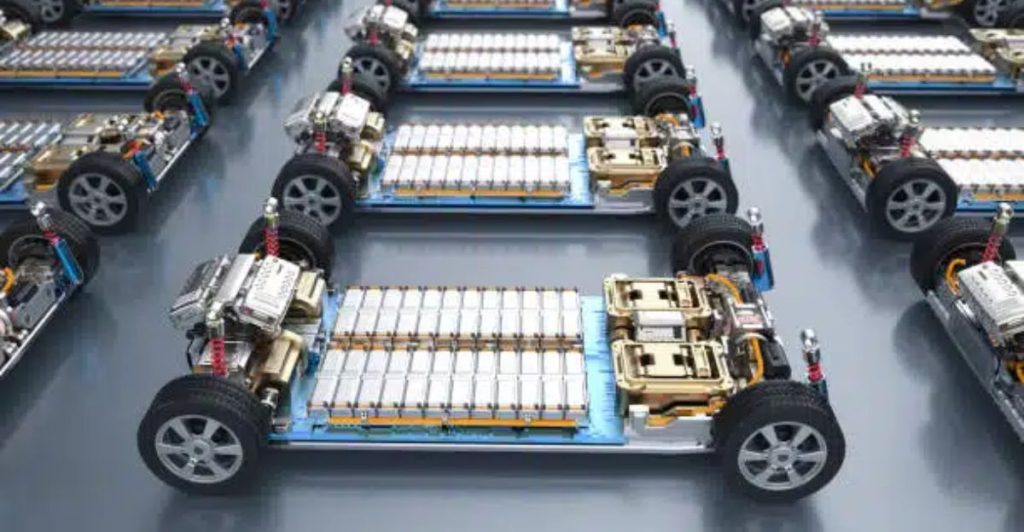
Dendrite growth, ion stability, manufacturing complexity: all unsolved. Solid-state battery patent applications grew more than four-fold from 302 to 1,288 between 2017 and 2025, yet the fundamental physics problems that plagued solid-state cells a decade ago remain. A breakthrough announcement that comes with its own warning label tells you more than the announcement itself.
The Hype Deflates in Real Time
Yubo went further. “Solid-state batteries are not a substitute for liquid batteries. Instead, they complement each other.” That sentence, spoken minutes after a “critical stage” declaration, is the entire story compressed into one breath.
BYD plans limited batch production in 2027. Mass production around 2030. Current solid-state costs are estimated in the roughly $300 to $500 per kilowatt-hour range. Lithium-ion hit a record low of $108 in 2025. Three to five times more expensive. For a technology the Chief Scientist just called complementary, not dominant.
The Bottleneck Nobody Mentions
Chemistry is table stakes. The real constraint is a three-part system that moves together: materials science, manufacturing engineering, and regulatory infrastructure.
Sulfide electrolytes require dry-room environments at extremely low dew points, concentrating production capability in China, Japan, and South Korea. As of 2026, dedicated, globally harmonized solid-state battery standards are still in their infancy. Manufacturing tolerances demand solid electrolyte layers controlled to tens of microns. Fail at any one layer and the entire timeline slips. BYD completed pilot production in 2024 yet needs three more years for limited demos. That gap is the bottleneck talking.
The Numbers That Kill the Dream
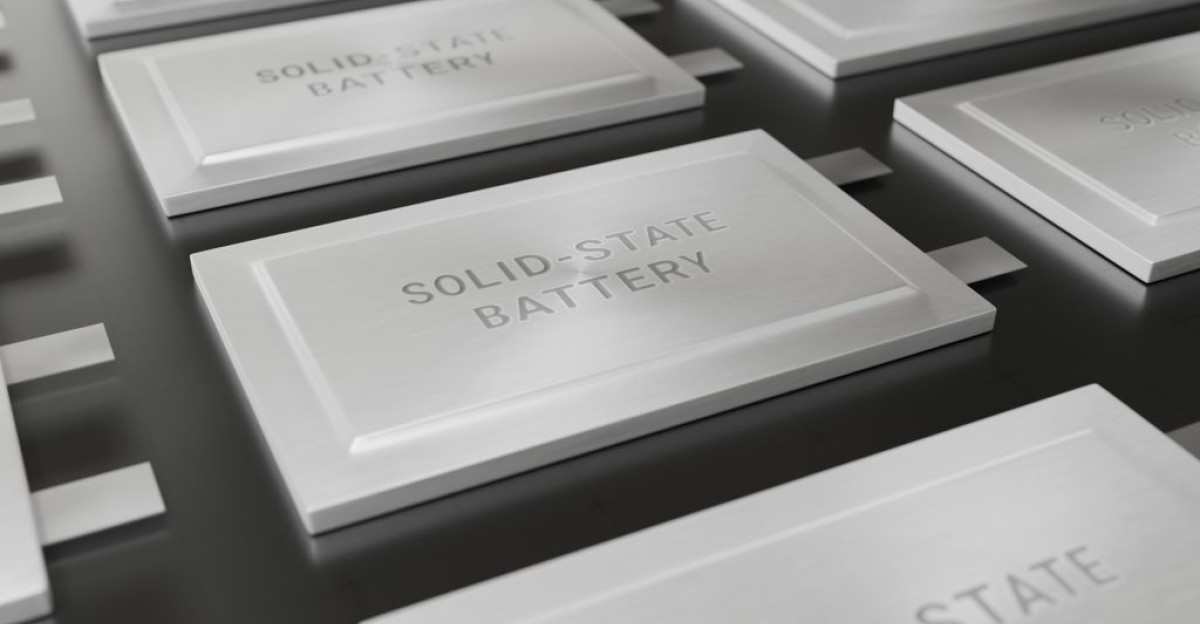
Solid-state batteries need an estimated 66% to 70% cost reduction before they compete with advanced lithium-ion. Global lithium-ion overcapacity reached roughly 900 GWh in 2025, meaning the old technology has massive scale advantages that solid-state cannot match for years.
Planned solid-state production runs to the low hundreds of GWh globally by the end of this decade, a small fraction of projected multi‑terawatt-hour lithium-ion demand. Brown University and other research groups have shown that carefully managed temperature fields can suppress dendrite growth, but the fix requires active thermal management, partially erasing the weight and simplicity gains that justified the switch.
Who Gets Left Behind
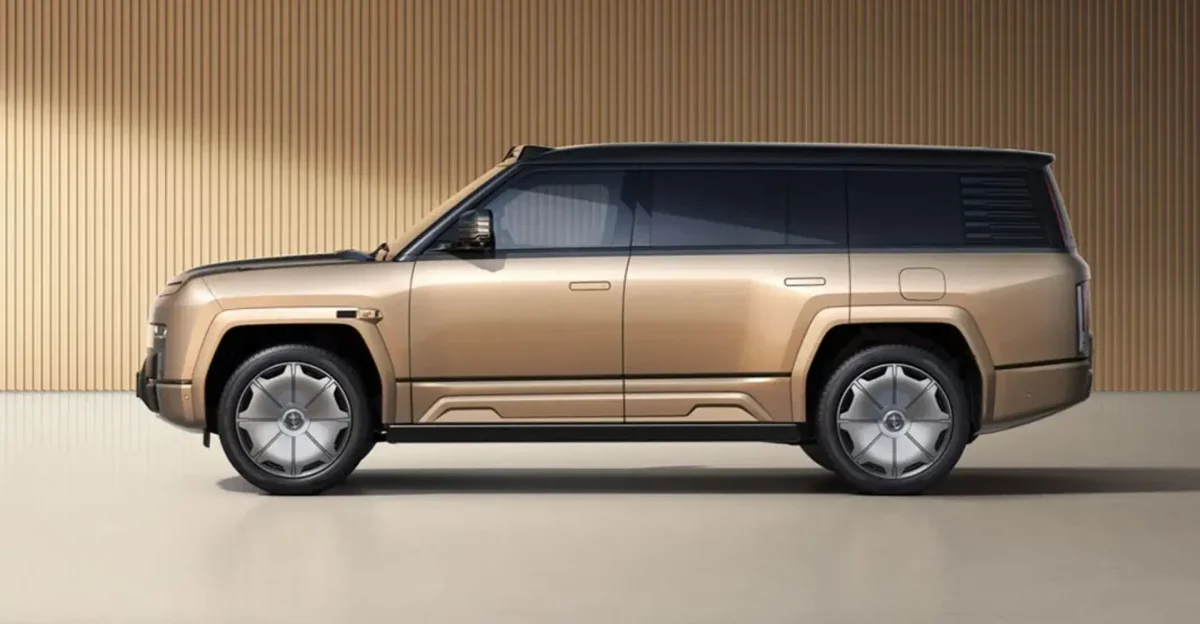
BYD’s Yangwang and Denza premium sub-brands get solid-state batteries first. Mass-market vehicles wait. That means buyers shopping for an affordable EV in 2028 or 2029 will still ride lithium-ion while premium buyers get the range and charging advantages.
Traditional battery makers like CATL and LG Energy face a brutal choice: pivot R&D divisions toward solid-state while simultaneously ramping lithium-ion production toward multi‑terawatt-hour scale by 2030 to capture the mass market that solid-state cannot yet serve.
A New Rule, Not an Exception
Every major manufacturer’s “breakthrough” announcement now carries simultaneous warning language about unsolved challenges. Toyota targets 2027 or 2028 for solid-state EVs with around 1,200 km range, then adds caveats.
BYD says “critical stage,” then says “not the only path.” This is the first year multiple automakers have committed to concurrent solid-state demonstration timelines, and every single one hedges. Once you see the pattern, every future announcement reads differently. The 2027-2030 window is a compressed problem-solving phase disguised as commercialization.
The Race That Hasn’t Started
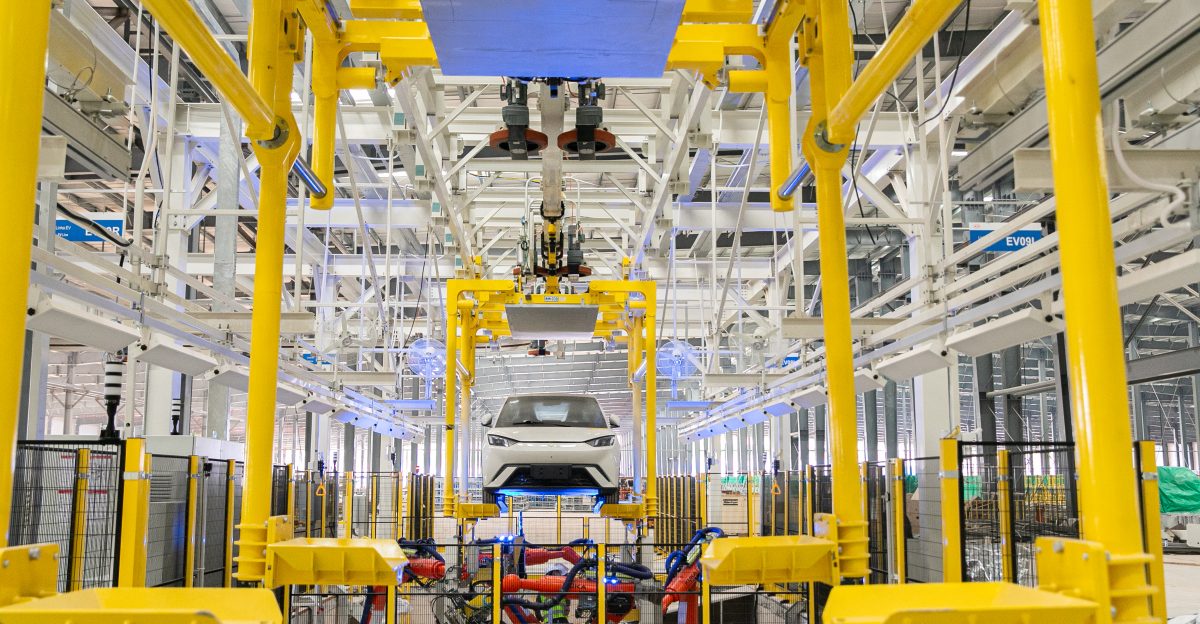
If 2027 demo vehicles underperform on dendrite failures or cost overruns, mass adoption delays to 2032 or later, triggering battery maker consolidation. Startups locked into a single electrolyte chemistry face pivot pressure if BYD or Toyota’s sulfide approach wins.
Automakers without deep in-house battery capabilities, like Volkswagen and Ford, depend on supply agreements that could evaporate if suppliers prioritize premium brands first. Semi-solid-state batteries already power vehicles today: NIO’s ET7 carries a 150 kWh pack. The “holy grail” all-solid-state remains years behind its halfway cousin.
What Your Next EV Actually Runs On
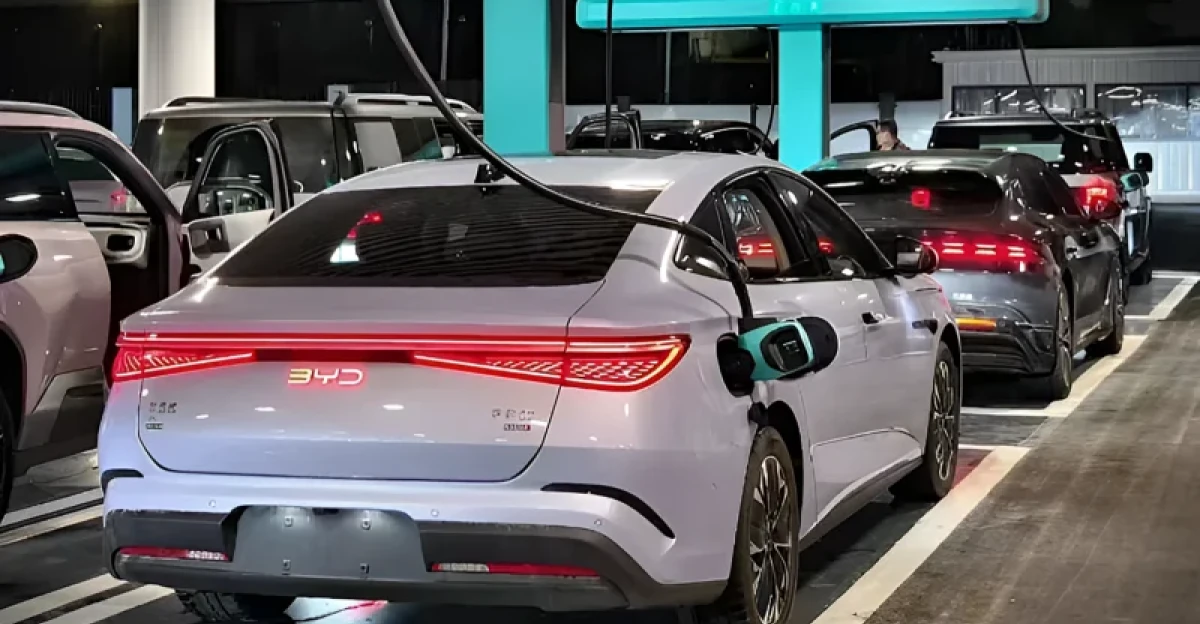
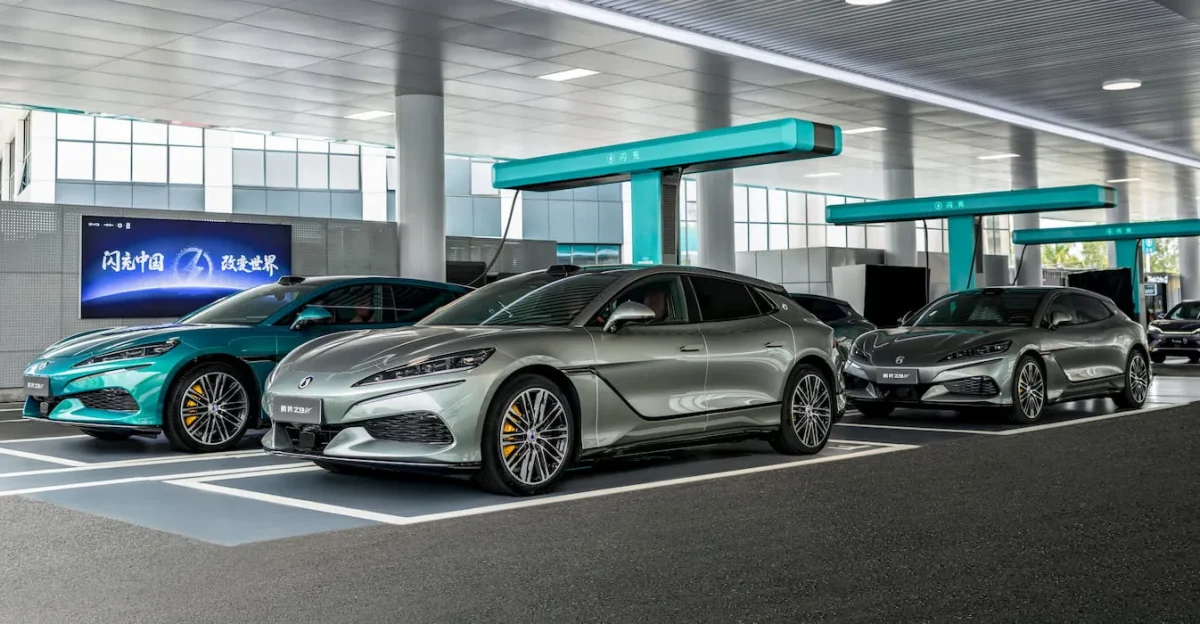
Lithium-ion manufacturers are already fighting back with silicon anodes, LMFP cathodes, and thermal management upgrades designed to close the energy density gap and extend relevance through 2035. BYD itself is building out a nationwide FLASH charging network across China with 1,500 kW output and a target of roughly 20,000 stations by the end of 2026.
That infrastructure serves lithium-ion, not solid-state. The company betting hardest on the future is spending billions reinforcing the present. Whoever solves manufacturing yield and cost first wins the solid-state race. Chemistry was never the finish line.
Sources:
CarNewsChina. “BYD chief scientist: solid-state battery at ‘critical breakthrough stage’ while commercialisation constrained by bottlenecks.” April 7, 2026.
BloombergNEF. “Global lithium-ion battery pack prices fall to $108/kWh, says BNEF.” Dec. 8, 2025.
McKinsey & Company via Mercom India. “Global Battery Demand Soars, but Margins Tighten on Overcapacity.” Jan. 19, 2026.
IDTechEx. “Solid-State Batteries Will Create a $6 Billion Market in 2030.” July 28, 2020.
Brown University. “New strategy addresses persistent problem in next-generation solid-state batteries.” Jan. 5, 2026.
BYD press and Chinese industry coverage compiled in Neware. “BYD’s timeline for all-solid-state battery: Installed in vehicles in 2027.” April 28, 2025.