Indiana Suspends Gas Tax To Save Drivers 17 Cents—Gas Companies Keep The Other 80%
Governor Mike Braun stood at the podium on April 8, 2026, and declared an energy emergency. Gas in Indiana had hit $4.13 a gallon. Families were rearranging budgets around their commutes. Braun signed an executive order suspending the state’s 7% sales tax on gasoline for 30 days, promising roughly 17 cents per gallon in relief. “Affordability is my top priority,” he said. Fifty million dollars in state revenue, gone overnight. The attorney general promised to patrol the pumps. But the math behind that 17-cent promise was already falling apart.
The Iran conflict had choked global oil supply through the Strait of Hormuz. Brent crude surged to $118 per barrel by March 30, the largest inflation-adjusted quarterly spike since 1988. National gas averages crossed $4.06 in early April, reaching $4.14 by April 8, up from $3.99 on March 30. Diesel climbed to $5.62, a roughly 55% year-over-year jump. A Pew survey found 69% of Americans ranked gas prices as their top Iran-war concern. Braun became the second governor to act, following Georgia’s 60-day suspension in March. But one day before his announcement, a ceasefire had already sent oil prices plunging — Brent June futures fell 13% to approximately $94.75 per barrel, while WTI dropped 16% to $94.52.
Only 23% of the Problem
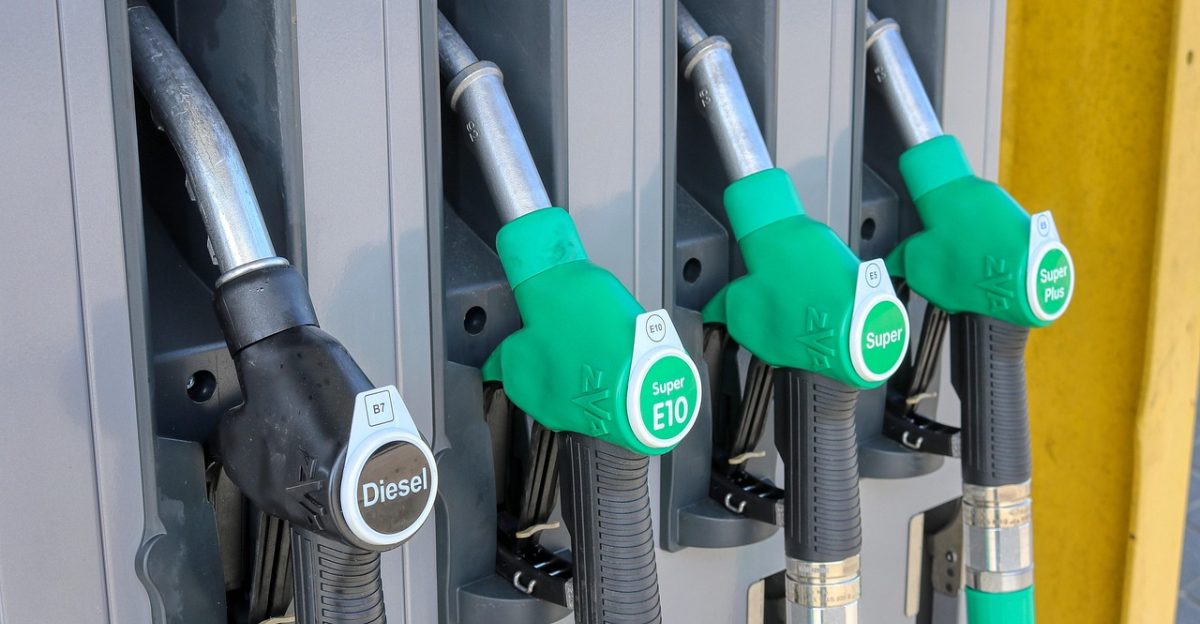
Indiana drivers pay roughly 73 cents per gallon in combined taxes: 17 cents in sales tax, 36 cents in state excise tax, 18.4 cents federal, plus a penny oil-inspection fee. Braun suspended only the 17-cent sales tax. That covers 23% of the total burden. The other 77% stays untouched. The sales tax required no legislative approval under Indiana’s 1981 energy emergency statute. The excise tax would have needed the legislature. Braun chose the path of least political resistance, which also happened to be the path of least consumer impact.
The 17-Cent Mirage
Tax Foundation senior fellow Jared Walczak warned two weeks earlier that simply adjusting gas taxes would not resolve the situation in the Strait of Hormuz or deliver meaningful savings to drivers, and that states would lose significant transportation revenue while only a small fraction of savings reached consumers. Academic research on gas tax holidays confirms the pattern. In supply-constrained markets, producers and retailers absorb a meaningful share of suspended tax savings through margin adjustments rather than passing them fully to the pump. The 2022 gas tax holidays following Russia’s Ukraine invasion showed the same result. Indiana copied the playbook anyway. Braun’s $50 million sacrifice started leaking before it left the statehouse.
How the Money Disappears Upstream
The mechanism is straightforward. When supply is tight, removing a tax doesn’t create more gasoline. It releases pent-up demand into the same constrained supply. Prices stay elevated because the shortage hasn’t changed. Producers and wholesalers adjust margins to capture a portion of the suspended tax. Attorney General Rokita promised to “use every tool allowed by the General Assembly” to ensure full pass-through. But upstream absorption happens in refinery pricing and wholesale contracts, far beyond any state attorney general’s enforcement reach. Rokita was guarding the front door while the money left through the ceiling.
Who Actually Benefits
ITEP analysis of comparable state gas tax holidays found the bottom 60% of earners receive only 21 to 22% of total benefits — 22% in Connecticut and 21% in Georgia — a pattern that would likely hold in Indiana given its similar tax and income structure. For low-income Indiana households, that translates to roughly $5 to $15 over the entire 30-day period. Wealthier drivers with longer commutes and bigger vehicles capture proportionally more. Meanwhile, Braun’s order creates a $50 million monthly revenue gap with no announced budget reallocation. That money funds road maintenance. The families saving a few dollars at the pump will eventually pay more in tire replacements, alignments, and longer commutes on deteriorating highways.
The $50 Million Hole in the Road Budget
Indiana’s Department of Transportation loses roughly $1.67 million per day during the suspension. Thirty days of deferred maintenance compounds. Potholes don’t wait for policy reviews. Rural road networks, already underfunded, absorb the deepest cuts. Gas retailers, meanwhile, enjoy a 30-day window of elevated margins with reduced competitive pressure to pass savings through. By mid-May, the political credit Braun earned on April 8 starts cracking along the same roads his policy defunded. Multiple states are watching Indiana’s experiment, and the infrastructure math doesn’t care about polling numbers.
The Ceasefire Did the Real Work
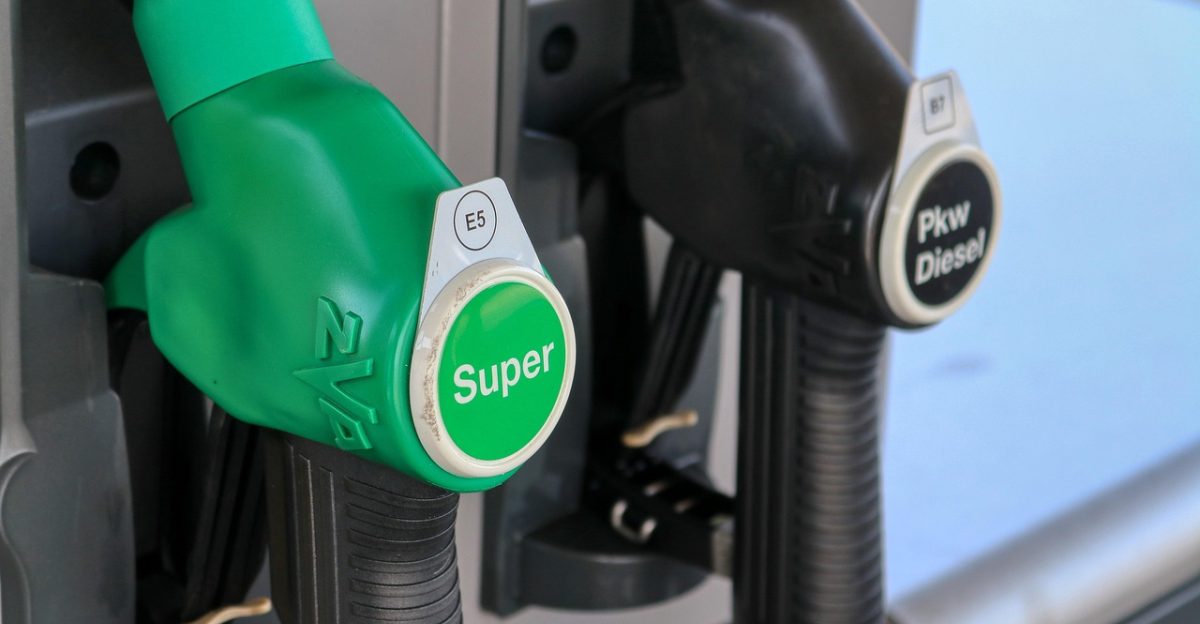
On April 7, one day before Braun’s announcement, a Pakistan-mediated ceasefire between the U.S. and Iran sent oil prices plunging — Brent June futures fell approximately 13% to $94.75 per barrel, while WTI dropped approximately 16% to $94.52. The ceasefire framework called for Strait of Hormuz reopening, but as of April 9 the Strait remained effectively closed — Iran continued to require vessels to seek authorization before transiting, with UAE’s ADNOC CEO Sultan Al Jaber stating that the Strait was not accessible, that access remained limited, conditional, and managed, and that conditional passage was not the same as freedom of navigation. Approximately 3,200 vessels remained stranded. That single geopolitical event still moved gas prices more in 24 hours than Braun’s tax holiday could deliver in 30 days. Once you see the timeline, the pattern is unmistakable: the market already reacted before the governor reached the podium. Braun positioned himself in front of relief he didn’t create.
Editor’s note (April 10, 2026): Iran has since accused the U.S. of breaching three terms of the ceasefire, including continued Israeli military operations in Lebanon and a drone incursion into Iranian airspace. Brent crude has rebounded to approximately $97 per barrel. The EIA’s April 8 Short-Term Energy Outlook projects Brent will peak at approximately $115 per barrel in Q2 2026.
The Trap Waiting on May 9
Braun said he would reevaluate after 30 days. If the ceasefire holds and prices stabilize, he extends the holiday and normalizes 30-day policy cycles as the standard response to every future oil shock. If the ceasefire collapses and crude spikes past $120, he faces pressure to extend anyway, widening the revenue cliff until the legislature demands cuts to Medicaid, education, or other services. Either path locks him into defending “affordability” while quietly dismantling the infrastructure that makes driving affordable. Low-income Hoosiers, the ones Braun claims to champion, absorb the compounding cost first.
What You Know That Most People Don’t

Governors lack real levers to control global oil prices. They know it. But the political cost of admitting powerlessness exceeds the cost of implementing policy that evidence already proved ineffective in 2022. So they perform action. Tax holidays in constrained markets function as anxiety valves, not price controls. Pennsylvania, California, Connecticut, and South Carolina are all considering identical moves. The playbook spreads not because it works, but because it polls well. Braun’s “affordability priority” now funds a $50 million experiment in whether voters notice the difference between theater and relief.
Sources:
“Declaration of Energy Emergency and Waiver of Gas Sales Tax, Executive Order 26-09.” Office of Governor Mike Braun, April 8, 2026.
“Crude Oil and Petroleum Product Prices Increased Sharply in the First Quarter of 2026.” U.S. Energy Information Administration, April 7, 2026.
“You Won’t Have to Pay This Indiana Gas Tax for 30 Days. How Much Is It?” IndyStar, April 8, 2026.
“Gas Prices Are Americans’ Top Iran War Concern.” Pew Research Center, April 7, 2026.
“These States Are Most Impacted by the Spike in Gas Prices.” Institute on Taxation and Economic Policy (ITEP), March 22, 2026.
“Governors Forgo Past Response to High Gasoline Prices.” Politico, March 25, 2026.