NASCAR’s Two-Time Champion Says He’s ‘Better’ Than Verstappen—F1’s $2B System Locks Him Out
Kyle Larson sat across from Kevin Harvick on the SPEED podcast in April 2026, two NASCAR Cup Series championships behind him, three Knoxville Nationals trophies on the shelf, and revisited something he first said in August 2024 that lit the motorsports world on fire. Not a hot take. Not trash talk. A challenge aimed at the entire global racing hierarchy and the one name sitting on top of it. “I know in my mind I am better than him as an all-around driver.” Him being Max Verstappen. The reaction from Europe arrived fast, loud, and dripping with condescension.
The Disrespect Runs Deep
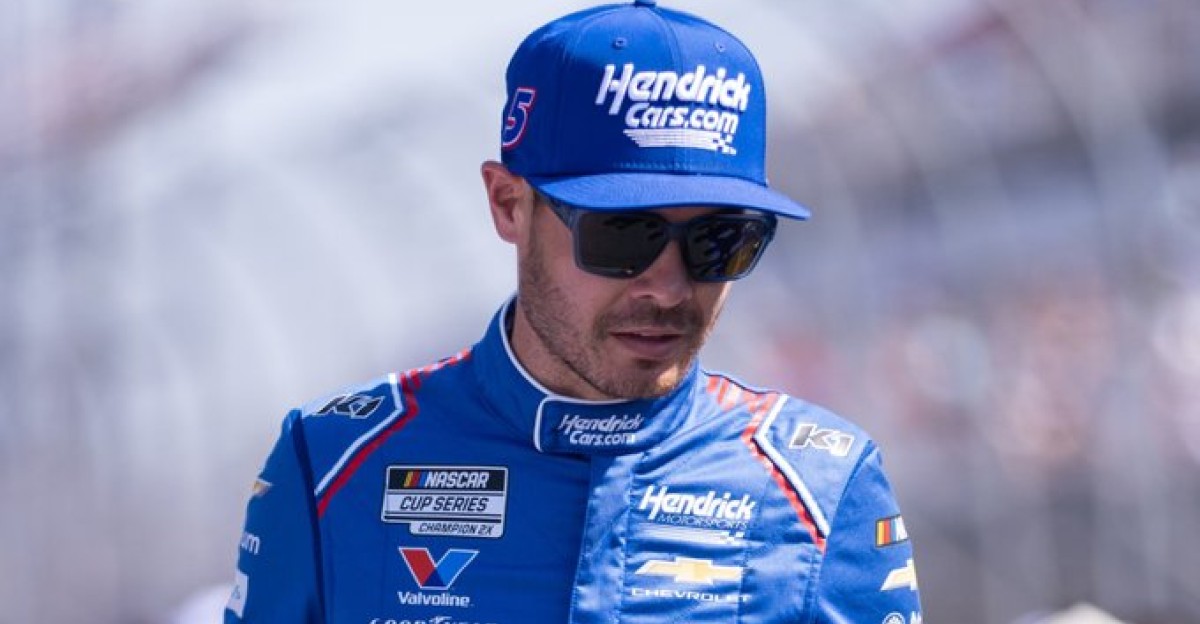
Larson didn’t stop at Verstappen. He went broader: “Americans in general don’t get the respect that they deserve from Europeans in any form of sports. Racing especially too.” That wasn’t emotion talking. Seventy-five percent of American racing fans watch NASCAR. Nine in ten motorsport viewers across Europe watch Formula 1. Two parallel universes, one considered elite, the other invisible. Larson believes the perception gap has nothing to do with talent and everything to do with which series gets the global spotlight.
The Myth Everyone Believes
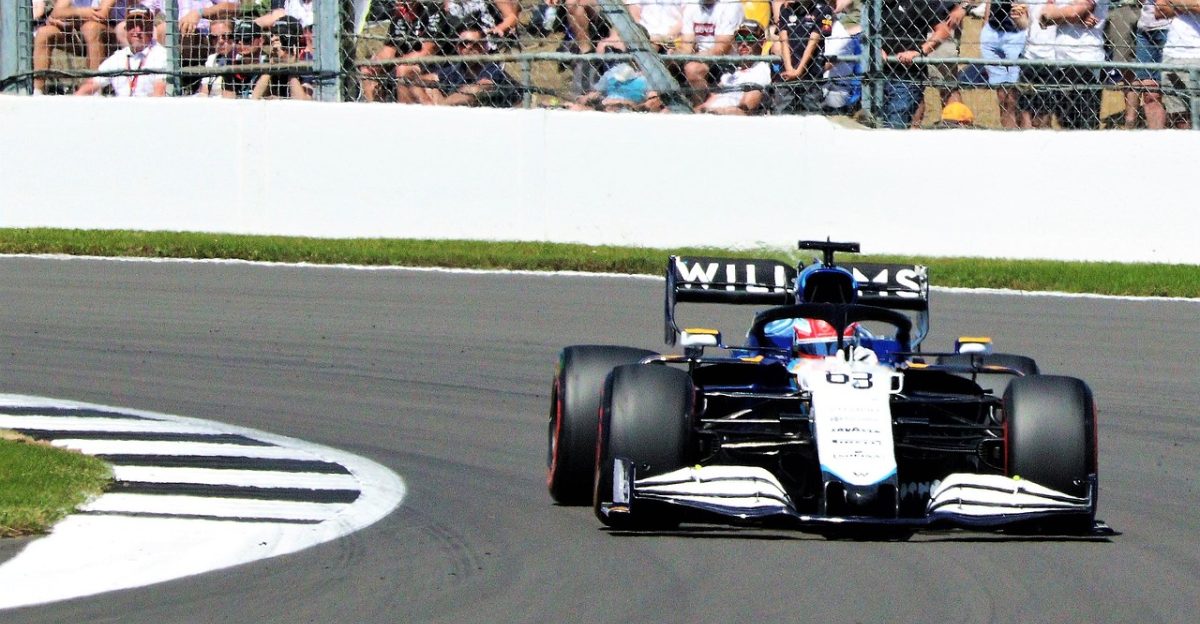
The assumption is simple: F1 drivers are the best because F1 is the best series. If Americans could compete, they’d be there. Larson torched that logic. “There’s no way [Verstappen] can get into a Sprint Car and win the Knoxville Nationals.” He’s right. Verstappen has never raced dirt ovals, sprint cars, or stock cars at championship level. American drivers master multiple disciplines. F1 rewards one. The question isn’t whether Larson could handle an F1 car. The question is why the system never gave him the chance to try.
The Superlicense Skeleton Key
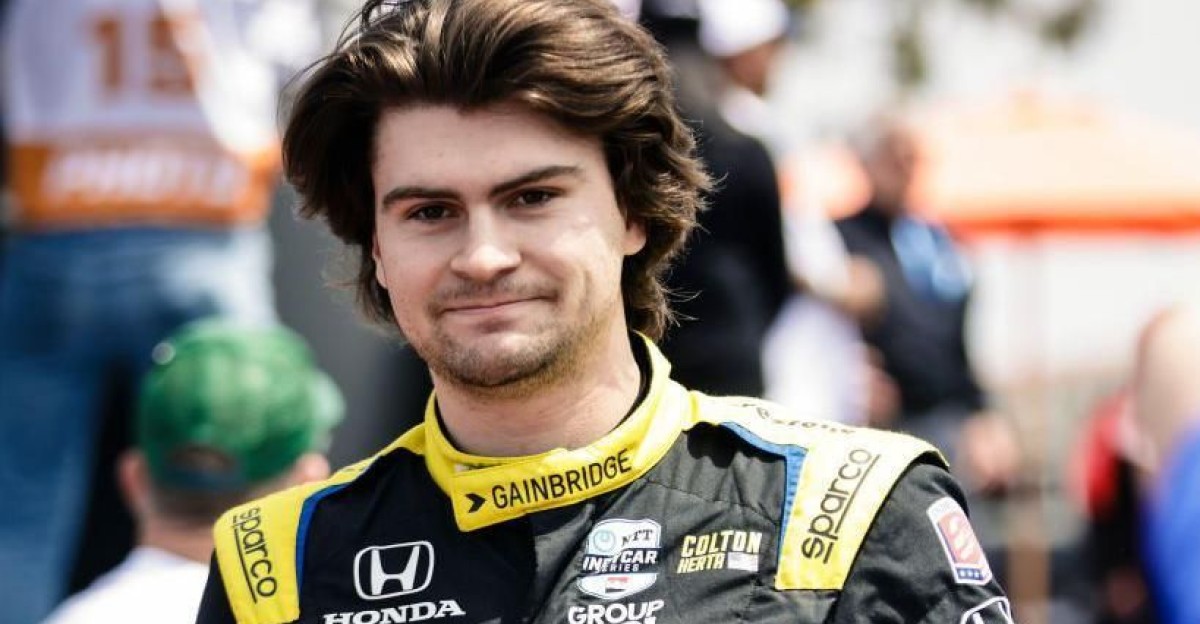
Colton Herta answered that question with his career. An elite IndyCar competitor, Herta left the series in 2026 to race in Formula 2. Not a promotion. A demotion. Junior-level racing. Because the FIA superlicense system, at the time Herta was affected, awarded an IndyCar champion 40 points, the same as any driver finishing in the top three of F2: first, second, or third. Elite series champion. Junior series podium. Identical credit. The FIA revised IndyCar’s point allocation upward in December 2025, but the damage was done: Herta had already committed to F2 to secure the points he needed. That math wasn’t merit. That was a gate.
How the Machine Stays Locked
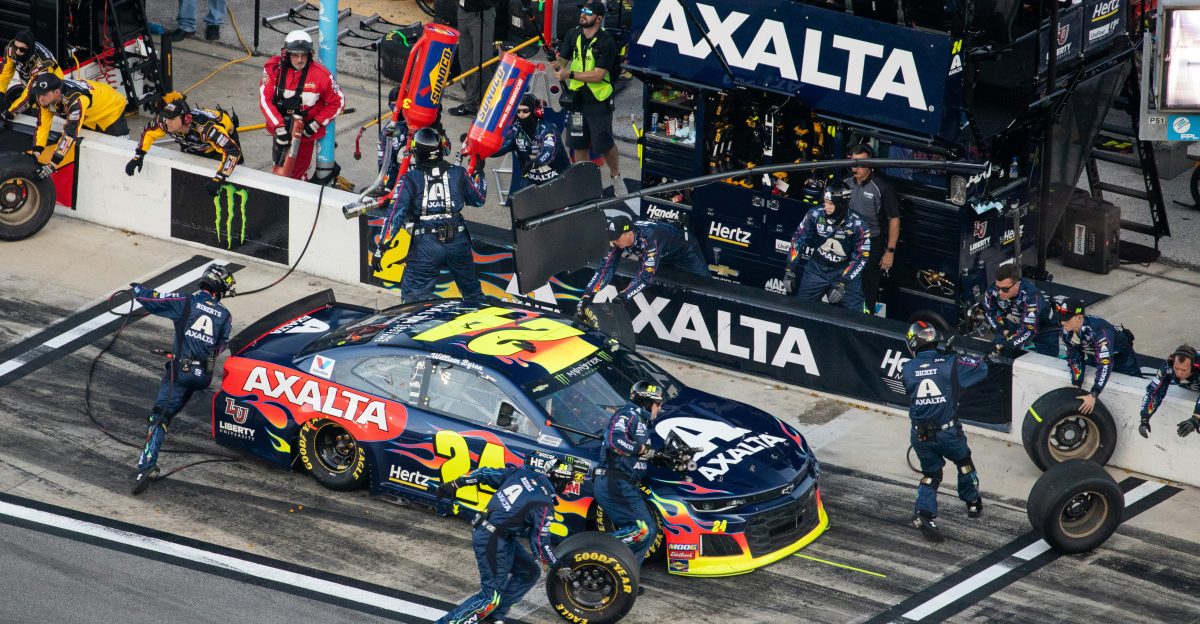
The superlicense system doesn’t exclude Americans by rule. It excludes them by math. European teams recruit from European feeder systems, then point to their own rosters as proof Europeans are superior. Circular logic dressed up as tradition. Liberty Media’s 2017 acquisition of F1 accelerated the trap. The company repositioned F1 as a premium lifestyle brand in America with no existing competition in American consciousness. That repositioning erased NASCAR and IndyCar from the global conversation entirely. The system didn’t beat American racing. It made American racing disappear.
The $2 Billion Prestige Wall
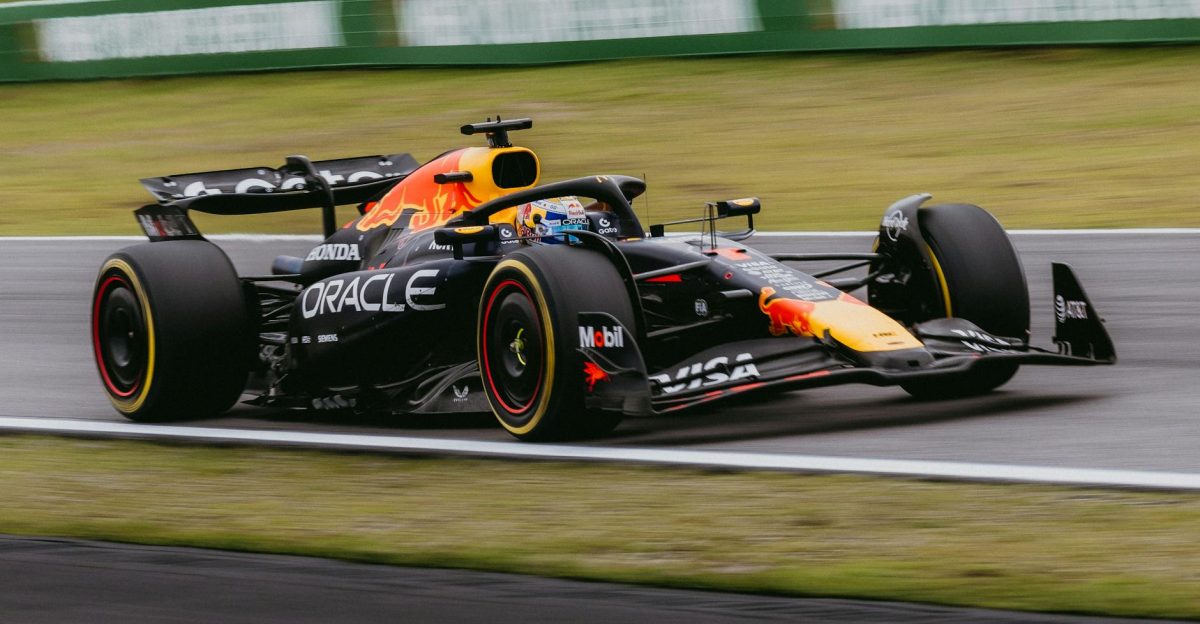
F1 generated $2.04 billion in sponsorship revenue in 2024, more than the MLB, NBA, and NHL individually. The average F1 sponsorship deal runs roughly $6 million, nearly eight times larger than the average NFL deal. That money buys prestige. That prestige buys perception. And perception decides which drivers are “world-class” and which are regional curiosities. American racing produces champions across stock cars, dirt tracks, sprint cars, and open-wheel. None of it registers globally because none of it carries the sponsorship weight to compete with F1’s marketing engine.
The Talent Drain Has Started
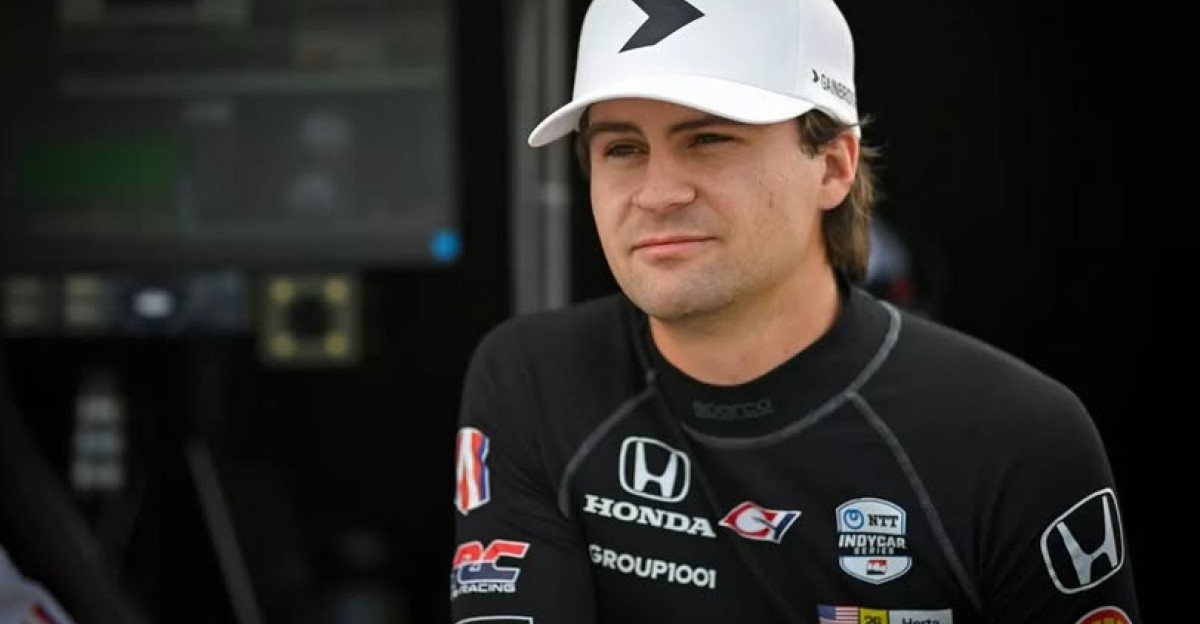
Herta’s retreat to F2 set a precedent that could gut American racing from the inside. Young American drivers now see the message clearly: IndyCar excellence doesn’t count. NASCAR dominance doesn’t count. The only path to global recognition runs through European junior series. That forces geographic relocation, early specialization, and the death of the cross-discipline versatility that made American racing unique. American series face a brain drain as their best talent leaves for Europe earlier, chasing a system designed to undervalue everything they’ve already accomplished.
Fifty Years of Silence
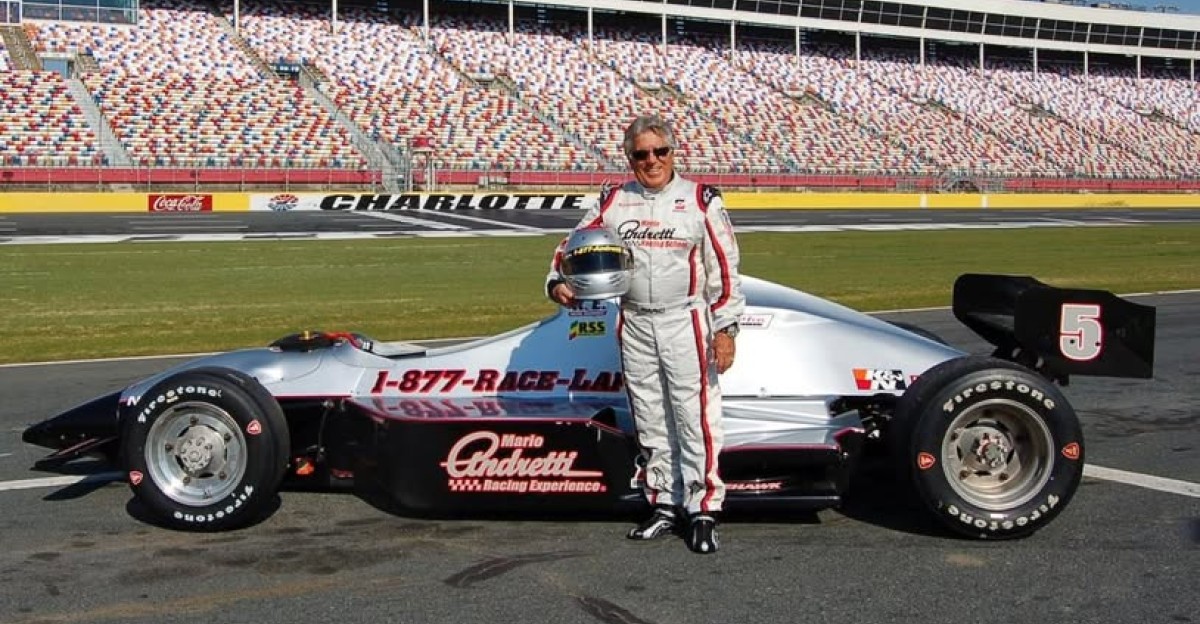
Mario Andretti won the F1 championship in 1978. No American driver has won an F1 Grand Prix since the 1970s. A nearly 50-year drought. Not because Americans stopped producing elite drivers. Because the pathway closed. The Indianapolis 500 counted as an official F1 World Championship race from 1950 to 1960, validating American racing parity for over a decade. Then the door shut. Once you see that timeline, Larson’s claim stops sounding like arrogance. It sounds like a challenge the system was built to prevent him from ever proving.
The System Flinched Once Already
The FIA adjusted IndyCar’s superlicense point allocation in December 2025 after public criticism. They moved. Which means the system is political, not meritocratic. If Herta dominates F2 in 2026, he proves an elite American can beat European juniors on their own turf, demolishing the logic that justified the gatekeeping. Cadillac enters F1 this season. If that team recruits an American driver, the entire monopoly cracks. The escalation path is real: credible American actors are finally positioned to force change from inside the walls.
What Larson Actually Proved
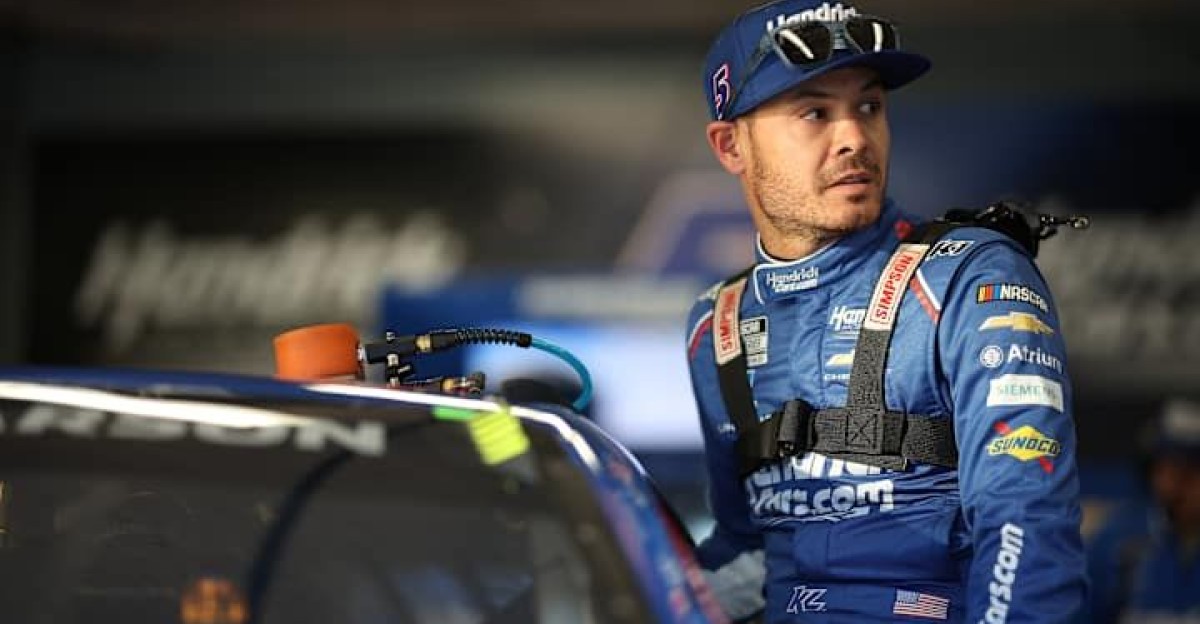
F1 could co-opt this debate tomorrow. A Netflix documentary on Herta. A Cadillac seat for an American. Liberty Media could absorb the criticism and call it “market development” instead of conceding merit. That’s the counter-move to watch. Because the real story was never Larson versus Verstappen. It was a two-time champion exposing that the world’s most prestigious racing series maintains its prestige by deciding whose wins count. Most fans accept F1’s hierarchy at face value. Now you know where the lock is, and who holds the key.
Editor’s note: Larson’s “I know in my mind I am better than him as an all-around driver” remark was originally made to FloRacing in August 2024 following his third Knoxville Nationals win, and was revisited on the SPEED with Harvick and Buxton podcast in April 2026. The FIA revised IndyCar’s superlicense point allocations in December 2025.
Sources
“F1 Teams Generate US$2.04bn in Sponsorship Revenue in 2024.” SponsorUnited, May 2025.
“In America Motorsports is NASCAR, Elsewhere it’s Formula One.” S&P Global Market Intelligence, July 2025.
“FIA Increases IndyCar’s Super License Points Allocation.” RACER, December 2025.
“Leaving IndyCar for F2 Sets Herta up for F1 — if it Ever Calls.” ESPN, October 2025.
“Kyle Larson Wins NASCAR Championship in OT Over Denny Hamlin.” ESPN, November 2025.