GM Burns $7.1B Abandoning EVs And Sends 4,600 Workers Home—Then Hands Shareholders $6B
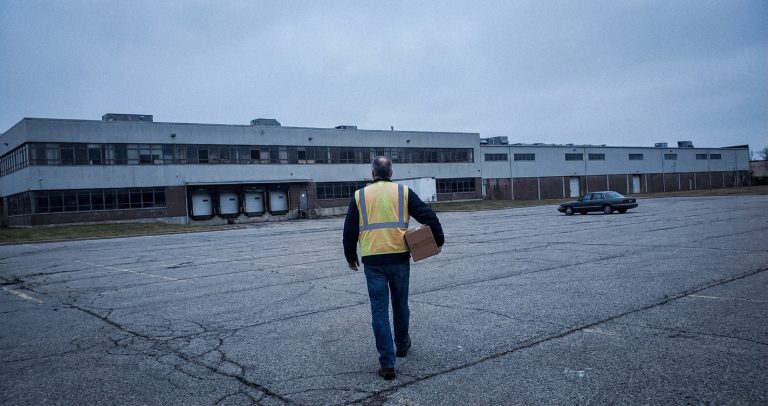
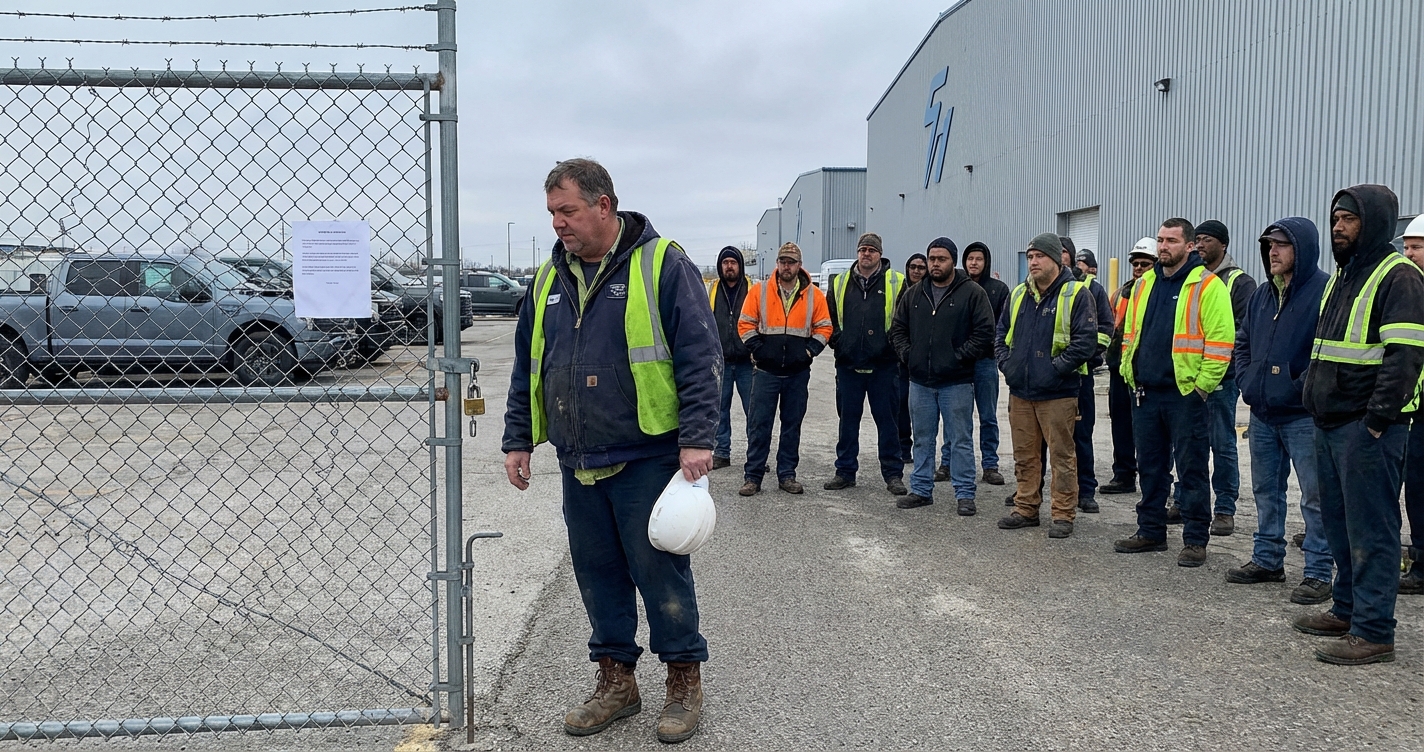
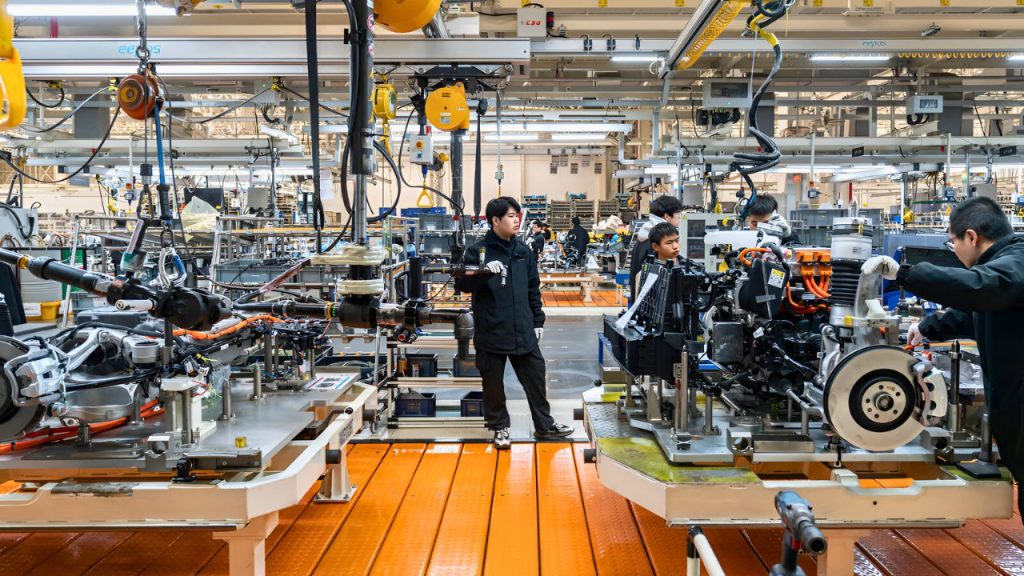
The lights at Factory Zero went dark on March 16, 2026. Detroit’s flagship all-electric assembly plant, the crown jewel of General Motors’ electrification future, sent 1,300 workers home with a return date nobody believed. GM spokesman Kevin Kelly called it a “temporary adjustment to align EV production with market demand.” Temporary. The same word gets used right before permanent. Four years earlier, CEO Mary Barra stood at a podium and promised America zero tailpipe emissions by 2035. That promise just got a price tag nobody at GM wants to discuss.
A Pledge Built on Quicksand
Barra’s 2021 zero-emissions commitment landed like a thunderclap. GM would electrify everything. Billions poured into battery plants, Ultium platforms, and Factory Zero itself. The stock surged. Wall Street applauded. Then the federal EV tax credit of $7,500 expired on September 30, 2025. Within one quarter, U.S. EV sales plunged 46%, crashing from 10.5% market share to approximately 5.7% to 5.8%. That collapse exposed something uncomfortable: the demand GM built its future around was never organic. It was rented from Washington, and the lease just ended.
The Myth of the Cost Barrier
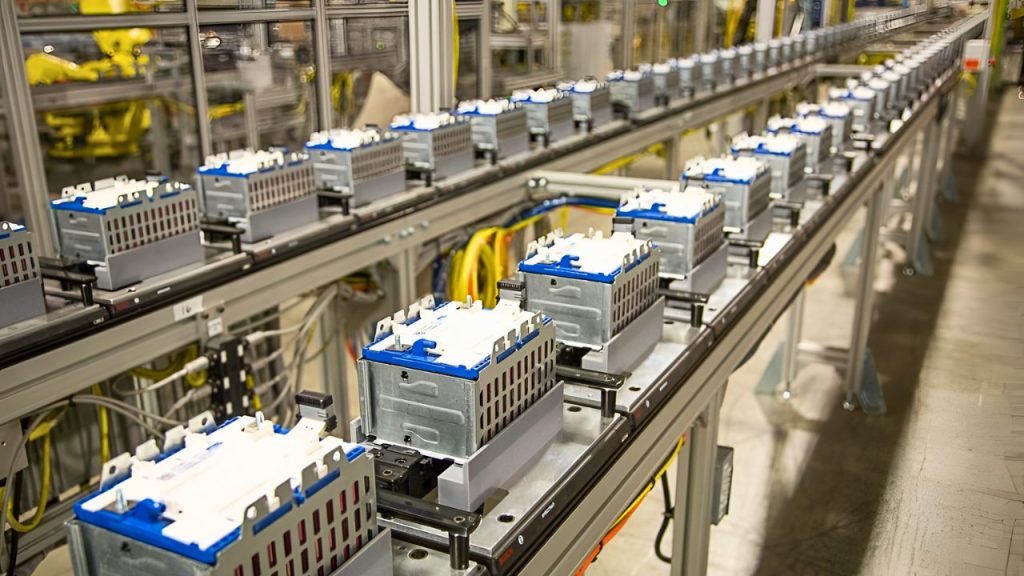
Everyone assumed cheaper batteries would fix everything. Battery pack costs hit a record low of $108 per kilowatt-hour in Q4 2025, down 8% from the year before. Cheaper than anyone predicted. And EV adoption still cratered. That single fact demolishes the comfortable narrative that cost was the barrier. It wasn’t cost. It was never cost. The real barrier was that American consumers chose EVs when the government paid them $7,500 to do it, and stopped choosing them the moment that check disappeared. Consumer psychology, not technology, killed the momentum.
The $7.1 Billion Confession
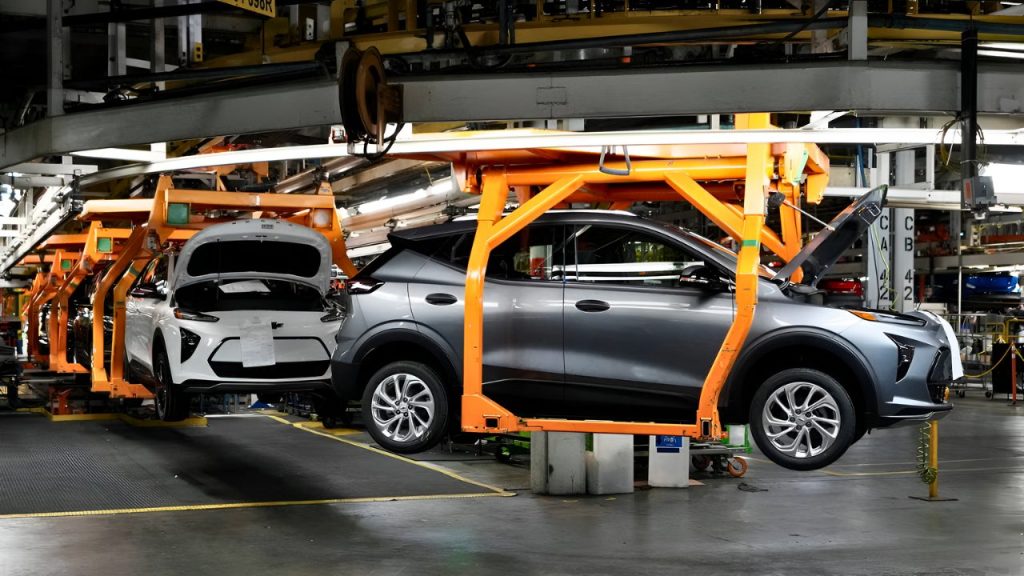
GM recorded $7.1 billion in Q4 2025 charges, one of the most significant single-quarter EV restructuring costs ever recorded by an American automaker. Inside that number: $1.8 billion in non-cash asset write-downs. $4.2 billion in supplier contract settlements and cancellations. Factories built for a future that evaporated. Barra’s own words on the earnings call stripped away any ambiguity: “We are reassessing our EV capacity and manufacturing footprint to reduce EV losses.” Reassessing. Four years from “eliminate tailpipe emissions” to “reduce losses.” That reversal didn’t happen to GM. GM chose it.
The Hidden Machine Behind the Retreat
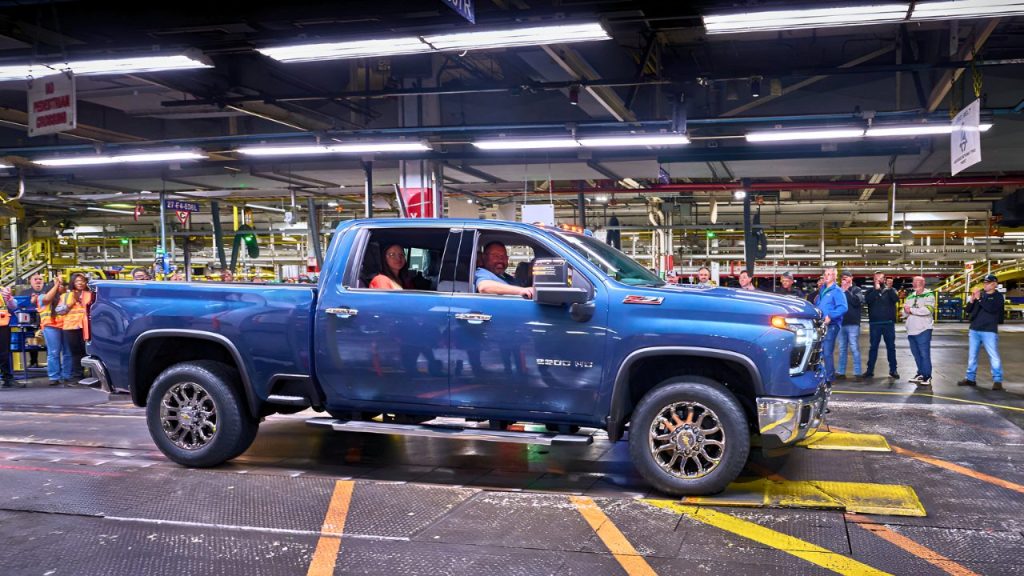
The EPA rescinded its greenhouse gas endangerment finding in February 2026. That single regulatory reversal eliminated the legal forcing function that compelled every automaker to invest in electrification. No emissions mandate means no penalty for selling gasoline trucks forever. GM immediately retooled plants toward full-size ICE trucks and SUVs. The Flint Assembly plant will run six days a week starting June 2026 to meet heavy-duty truck demand. Think about that sequence: regulation disappears, and within weeks, the entire manufacturing strategy flips back to combustion engines. The 2035 pledge was a compliance signal, not a business plan.
Selling More, Losing More
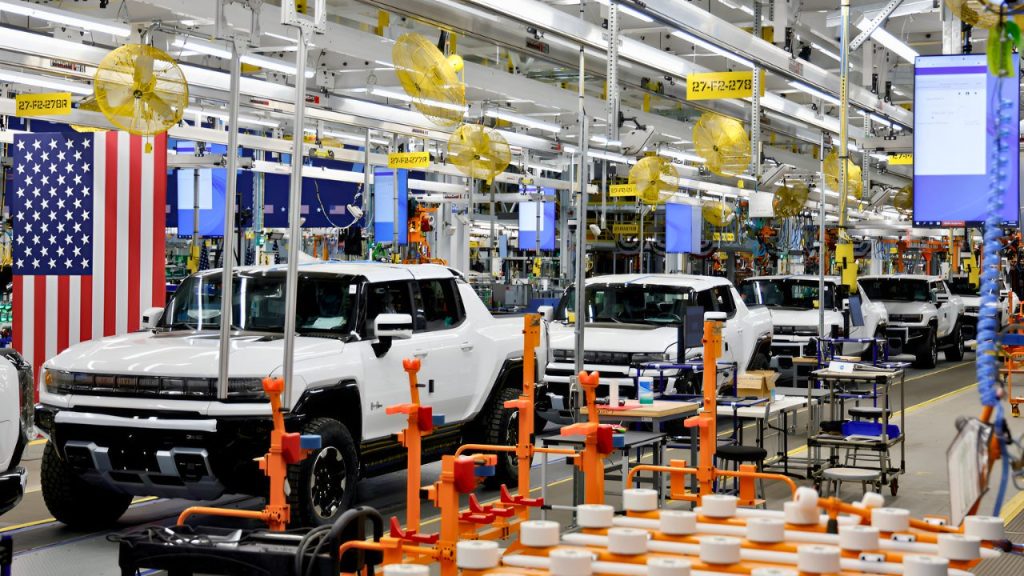
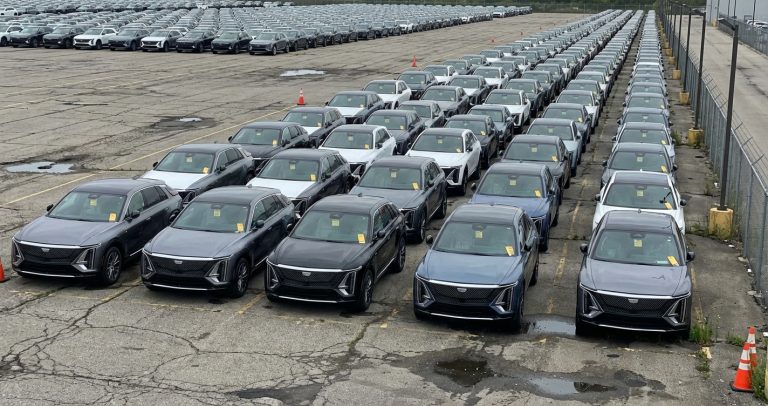
GM sold over 150,000 EVs in 2025, up 48% year-over-year, making it the second-largest EV seller in America behind Tesla. And the EV division still bled billions. Growing sales while hemorrhaging cash is the definition of broken unit economics. Ford’s EV division, Model e, lost $4.8 billion in 2025 alone, with cumulative EV losses exceeding $16 billion since 2022. Legacy automaker profitability has declined sharply as parallel ICE and EV production lines crushed margins across the entire fleet.
Workers Pay, Shareholders Collect
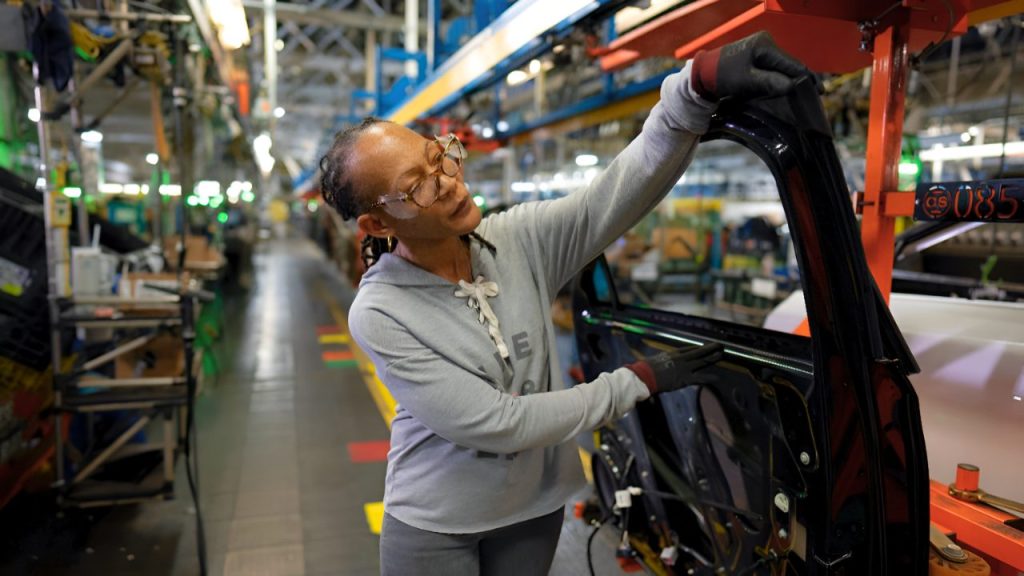
Between January and March 2026, GM displaced approximately 4,600 workers across its North American EV operations: 1,200 permanent layoffs at Factory Zero in January, 1,300 temporary furloughs at the same plant in March, 1,400 workers laid off at Lordstown, Ohio (approximately 550 permanently, with 850 on temporary furlough), and additional battery manufacturing reductions. In that same window, GM’s board authorized a $6 billion share repurchase program and raised the quarterly dividend 20% to $0.18 per share. Since late 2023, GM has returned roughly $23 billion to shareholders. Workers absorb the restructuring cost. Shareholders absorb the cash. Same company, same quarter, opposite outcomes.
A Chinese Victory, Not an American One
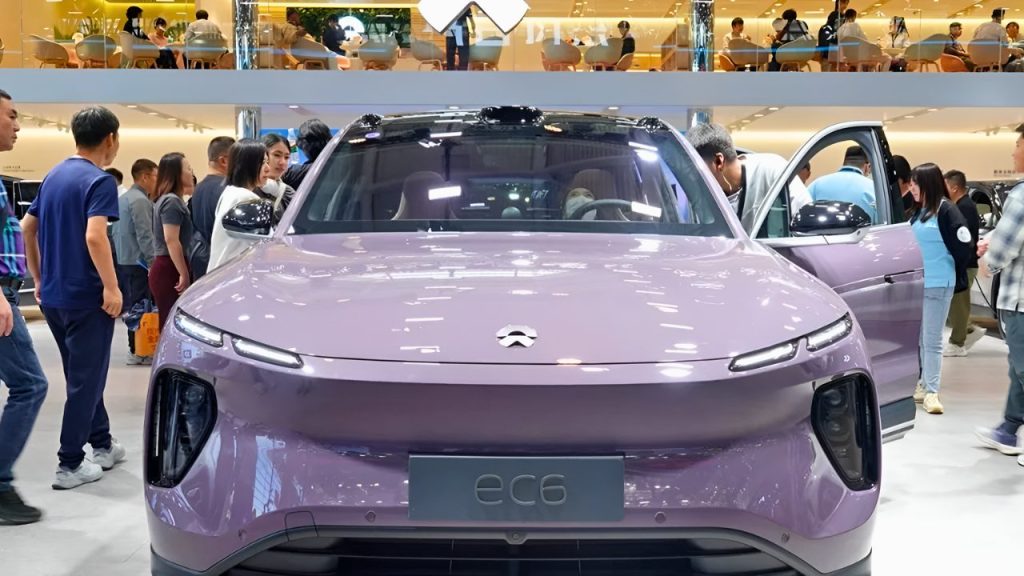
Global EV sales reached approximately 20.7 million units in 2025, up roughly 20% from 2024. China’s EV market exceeded 50% penetration in some months. The U.S. market share fell to approximately 5.7% to 5.8%. That gap tells the entire story of who wins the electrification race. Chinese manufacturers like BYD operate vertically integrated supply chains with approximately 24% domestic market share. GM holds roughly 13% of U.S. EV sales, mostly from Tesla’s dominance. Legacy Western automakers aren’t losing the EV transition. They’re forfeiting it, retreating to gasoline trucks where Chinese competitors can’t follow.
The Bolt Dies Twice
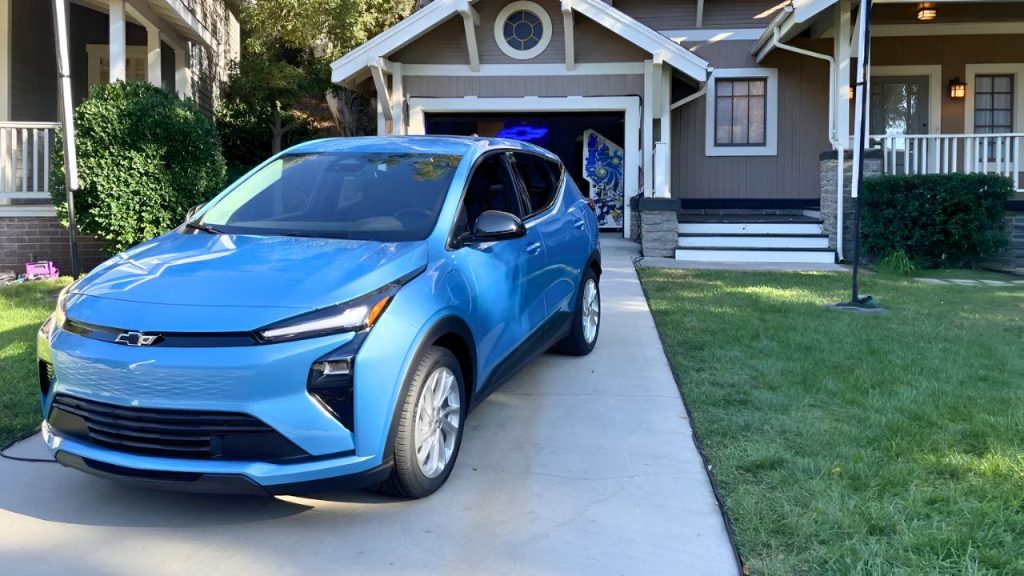
The Chevy Bolt, marketed as America’s affordable electric car, relaunched in late 2025 and faces discontinuation in mid-2027, after roughly 18 months of production. That removal strips the most affordable mass-market electric option from dealerships at the exact moment affordability matters most. Meanwhile, Cox Automotive forecasts U.S. EV market share at just 8% for 2026. By Q4 2025, electrified vehicle adoption had climbed above 20% of the market and was still rising, while EV share collapsed to 5.7%. American consumers aren’t rejecting electrification. They’re rejecting commitment to it.
The Extraction Play Nobody Admits
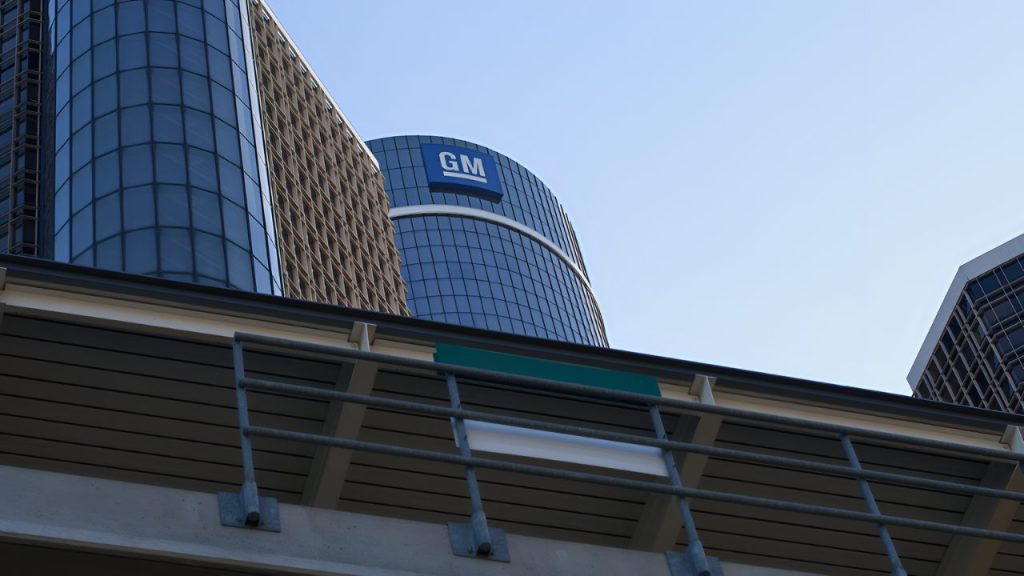
GM raised its 2026 financial guidance to $13 to $15 billion in adjusted earnings despite absorbing $7.1 billion in charges. That math only works because gasoline truck profits are accelerating fast enough to offset EV catastrophe. Every other legacy automaker is watching. Ford, Stellantis, and Volkswagen will follow GM’s playbook: cut EV capacity, retool for combustion, return cash to shareholders, and wait for the next administration to force the question again. UAW workers who negotiated EV production roles in 2023 contracts now hold job classifications for assembly lines that no longer exist. The counter-move belongs to Tesla and Chinese imports, if tariffs ever ease enough to let them through the door.
Editor’s note: Factory Zero’s temporary layoff is scheduled to end April 13, 2026, when GM has indicated the plant will resume production on a single shift.
Sources
“GM Expects a Total Charge of $7.1B in Q4 as It Realigns Its North America EV Strategy.” WardsAuto, January 8, 2026.
“GM Temporarily Lays Off 1,300 Workers at Factory Zero EV Plant.” WardsAuto, March 30, 2026.
“Despite Q4 Collapse, 2025 EV Sales Decline Only 2% Versus 2024.” Cox Automotive Insights, January 12, 2026.
“Electric Vehicle Sales Hit 438,000 in Q3 as Buyers Rushed to Beat Tax Credit Expiry.” Cox Automotive Insights, October 13, 2025.
“Lithium-Ion Battery Pack Prices Fall to $108 Per Kilowatt-Hour Despite Rising Metal Prices.” BloombergNEF, December 8, 2025.