$9.4B-A-Month Gas Crisis Crushes 23 States Past $4—Alabama Loses $52 Per Driver
Gas prices jumped $1.00 per gallon in five weeks. From $2.98 in late February to $4.08 by April 2, 2026, the national average crossed $4 for the first time since August 2022. Twenty-three states blew past that threshold. Every single state topped $3, with Kansas the last holdout to fall. California hit $5.89. Oklahoma sat lowest at $3.27, and even that was up 18.3% year-over-year. Nobody escaped this one. The part most people haven’t tracked yet is where the money actually lands.
One Strait, One Quarter of Global Oil
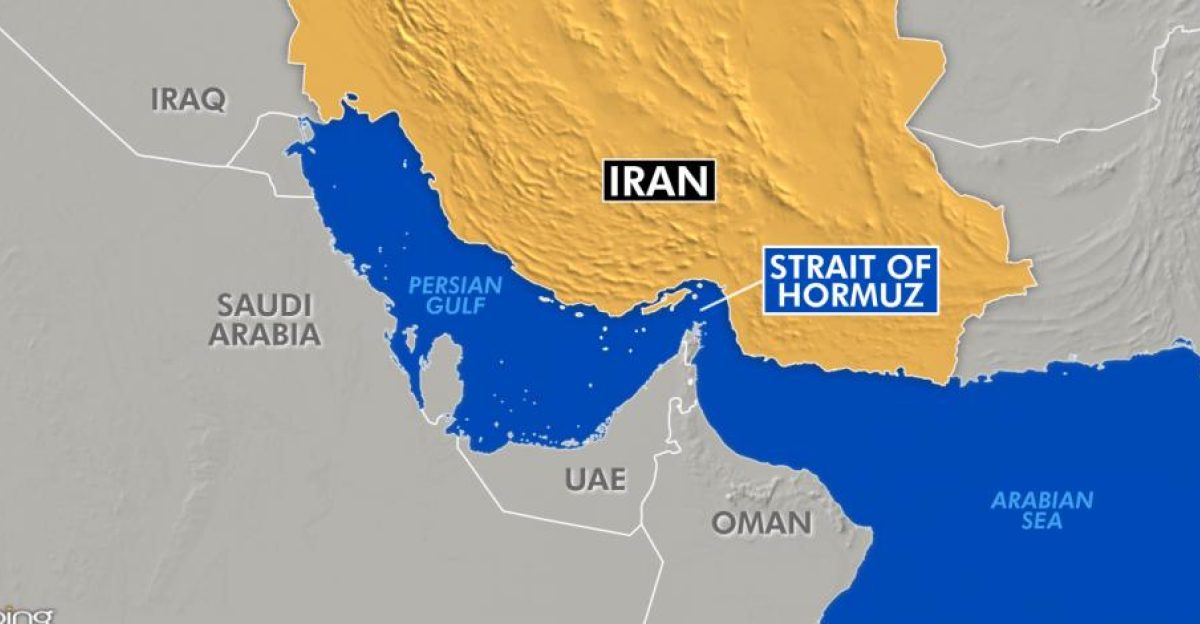
The Strait of Hormuz carries 20 to 25% of all seaborne oil on Earth. Iran-linked military disruptions choked that passage starting in early March, and crude markets responded instantly. Brent surged past $100 a barrel, approaching $110 at its peak before a ceasefire pulled it back. J.P. Morgan had forecast $60 oil for 2026 before the conflict. That gap between forecast and reality is the entire crisis in one number. The disruption didn’t just raise prices. It exposed a global energy system balanced on a single chokepoint. Diesel markets, tighter than gasoline, absorbed the shock even harder.
The $52 Monthly Tax on Alabama

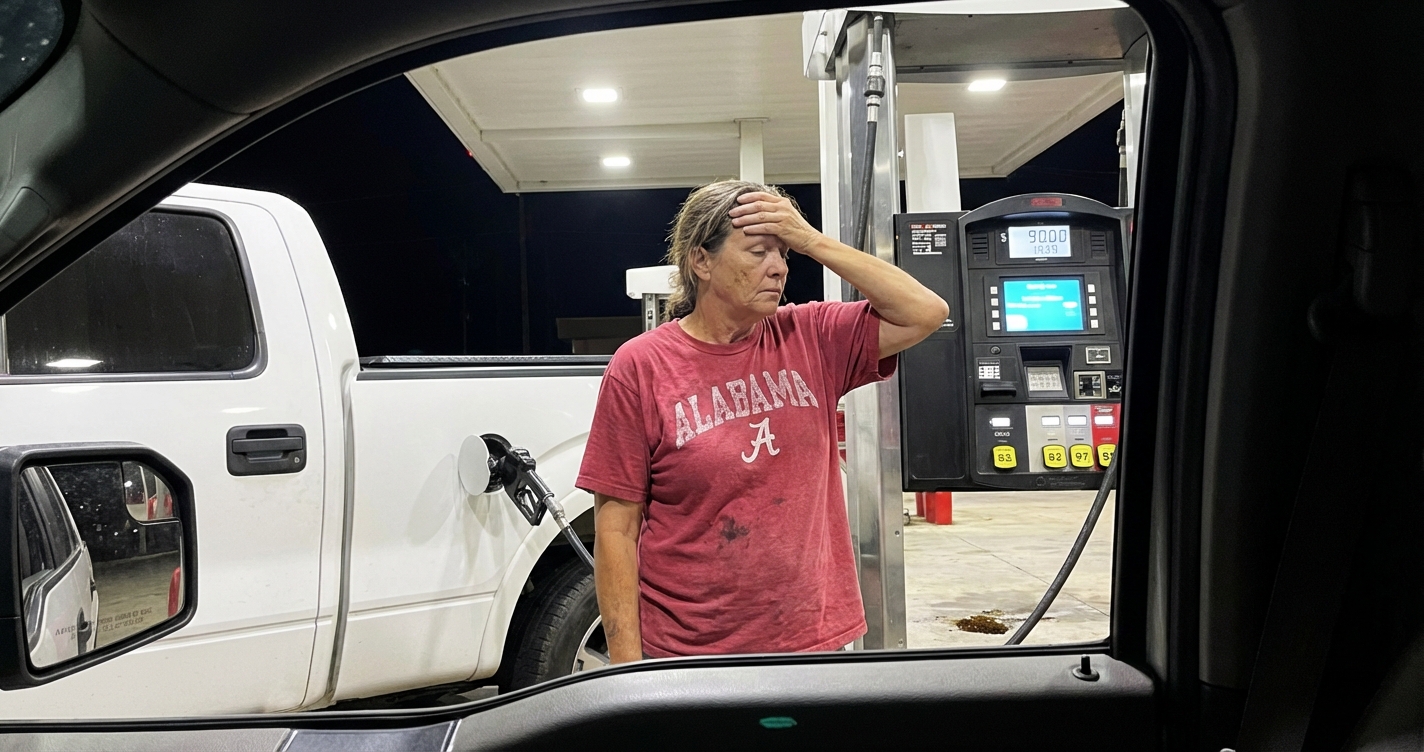
American drivers absorbed $9.4 billion in additional monthly costs. The South took $4.2 billion of that. Alabama got hit hardest per capita: $52 per driving-age person, every month. Mississippi followed at $51. Wyoming at $49. A typical household with two drivers could face roughly $80 to $100 in extra monthly fuel costs alone. Arizona saw the steepest single-month jump at $1.31 per gallon. These aren’t coastal numbers. The heaviest burden landed squarely on the states with the longest commutes and fewest alternatives.
Diesel Breaks Records Nobody Wanted
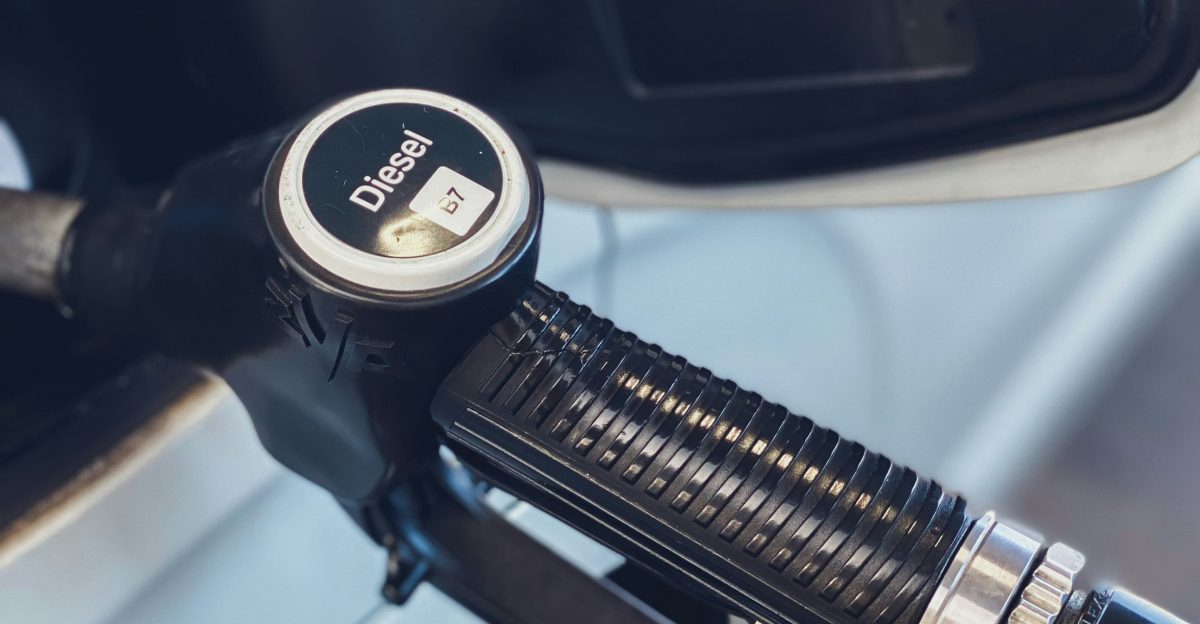
Diesel surged 50.2% year-over-year nationally, from $3.62 to $5.43. That’s the sharpest diesel spike on record. San Francisco became the first U.S. city to breach $8 per gallon for diesel. Trucking companies, farmers, and public transit systems all run on diesel, which means every cent of that increase gets baked into the price of everything else. Food. Packages. Bus fares. The gasoline number grabs headlines. The diesel number rewrites grocery receipts. And the freight industry was already passing costs through before most consumers noticed.
Gen Z’s Recovery Got Snuffed Out

Mid-2025, Gen Z’s spending growth finally surpassed Baby Boomers for the first time in years. Wages were outpacing rent. The generation that came of age during pandemic shutdowns had breathing room. Then gas prices climbed 26% year-over-year. Gen Z spends a larger share of every dollar at the pump than Boomers or Gen Xers, according to Bank of America Institute economists. Like a credit card that just got paid down and immediately re-maxed. The generation with the thinnest savings buffer absorbed the biggest proportional hit.
The Machine Behind the Pain
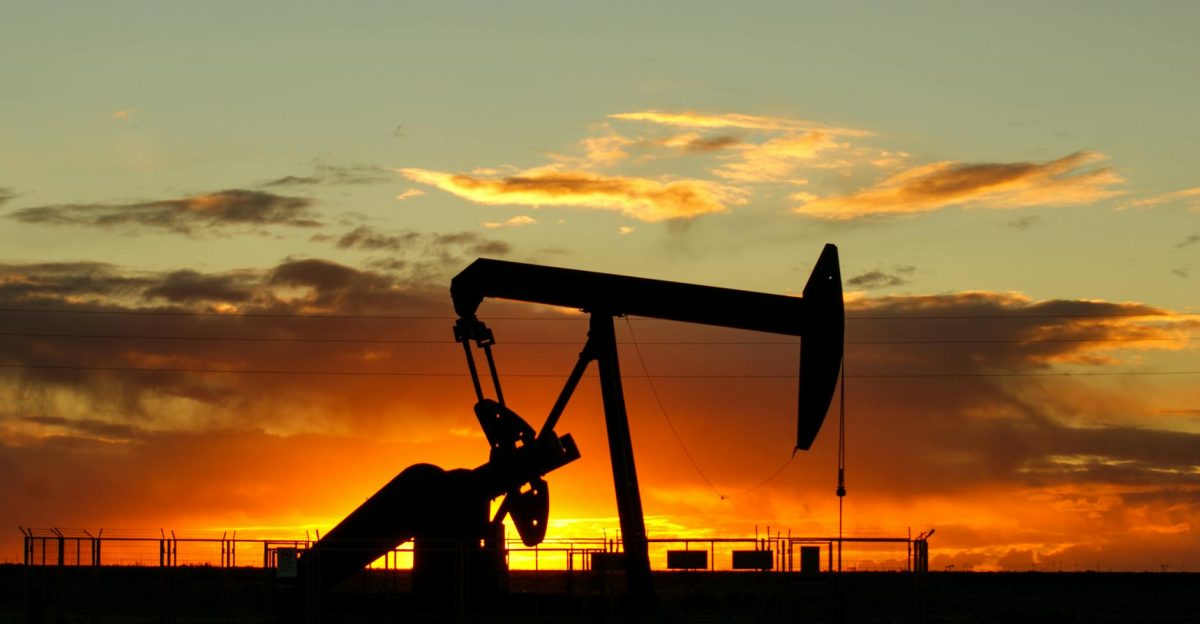
Every one of these ripples traces back to the same structural failure. One strait disrupted. Oil markets spike. Diesel climbs faster than gasoline. Freight costs rise. Food prices follow. The youngest workers lose discretionary income first. The poorest states absorb the largest per-capita burden. California can’t import cheaper fuel because CARB-compliant blends lock the state into its own pricing. Oklahoma at $3.27 sounds cheap until you realize it’s still 18.3% above last year. The crisis narrows from global to regional to your kitchen table.
A Voice From Inside the Squeeze

Bank of America Institute economists Joe Wadford and David Michael Tinsley put it plainly: “For every dollar a Gen Zer spends on things they want, a larger share of it now goes to the pump than for a Boomer or Gen Xer.” GasBuddy’s Patrick De Haan warned that wholesale costs hadn’t fully passed through yet, with “many inland states likely to see sharp increases.” The Federal Reserve’s April 7 consumer survey confirmed the mood: gas inflation expectations hit 9.4%, the highest since March 2022. Unemployment expectations surged to 43.5%.
Tax Holidays That Help the Wrong People
Politicians rushed to propose gas tax holidays. Georgia’s version costs $196 million a month. The bottom 60% of families capture just 22% of those savings. Forty percent of the money leaves the state entirely, flowing to non-residents and oil companies. A federal gas tax holiday would cost $2.4 billion monthly but save the average low-income family roughly $5. Five dollars. That’s the policy response to a $52-per-driver crisis. Geopolitical risk is now permanently embedded in oil pricing. Traders factor Strait vulnerability into every barrel. Volatility became the new baseline.
Who Wins, Who Bleeds
Oil majors and tax holiday architects benefit. Rural workers with 45-minute commutes and no bus route bleed. Single parents in the South choosing between a full tank and a full fridge bleed. The Federal Reserve survey showed consumers already bracing for job losses. Households facing an estimated $1,200 to $1,500 in additional annual fuel costs will cut clothing, dining, electronics, and medical appointments. Credit card debt climbs within 30 days of a shock like this. The people absorbing the pain are the ones least visible in the policy debate.
The Cascade Isn’t Finished
A two-week ceasefire dropped Brent crude 13% to $94.80. Still 35% above the pre-conflict $70 baseline. If the ceasefire breaks, analysts warn prices could test $5 nationally, with California approaching $7. The EPA boosted biofuel mandates by 60%, promising $10 billion for rural economies and 100,000 jobs. That’s a supply patch, not a demand fix. The system that turned one strait closure into a 50-state crisis still exists. Same chokepoint. Same fragile infrastructure. Same people paying first. The next disruption doesn’t need a new cause. The old one never got fixed.
Sources:
“Gas Prices Hit Records in 2026: State by State Breakdown.” SmartAsset, 31 Mar 2026.
“These States Are Most Impacted by the Spike in Gas Prices.” Institute on Taxation and Economic Policy, 22 Mar 2026.
“For the First Time in Four Years, National Average Exceeds $4/Gallon.” AAA, 2 Apr 2026.
“Short-Term Inflation Expectations Increase as Gas Price Growth Expectations Surge.” Federal Reserve Bank of New York, 6 Apr 2026.