Gas Prices Jump $1 In One Month As 574,314 Americans File Bankruptcy
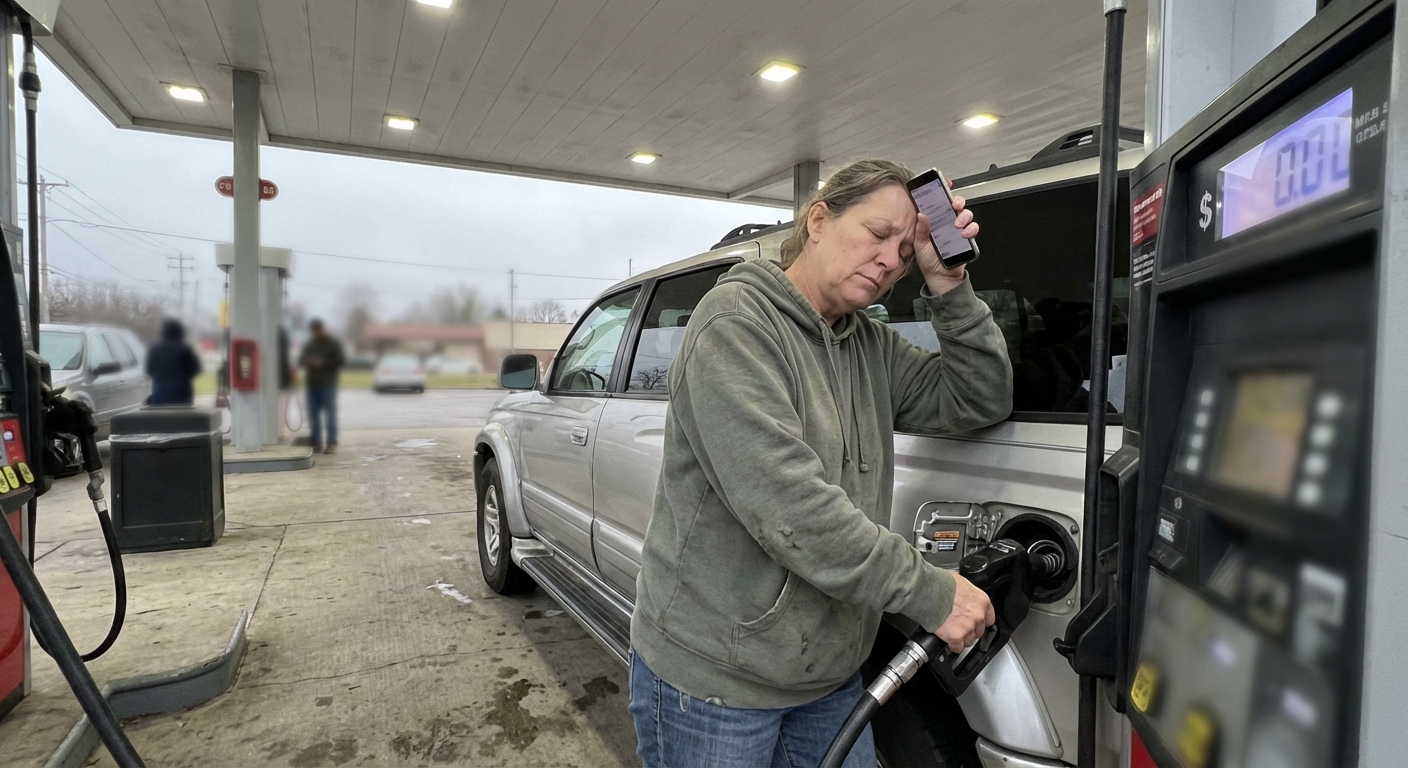
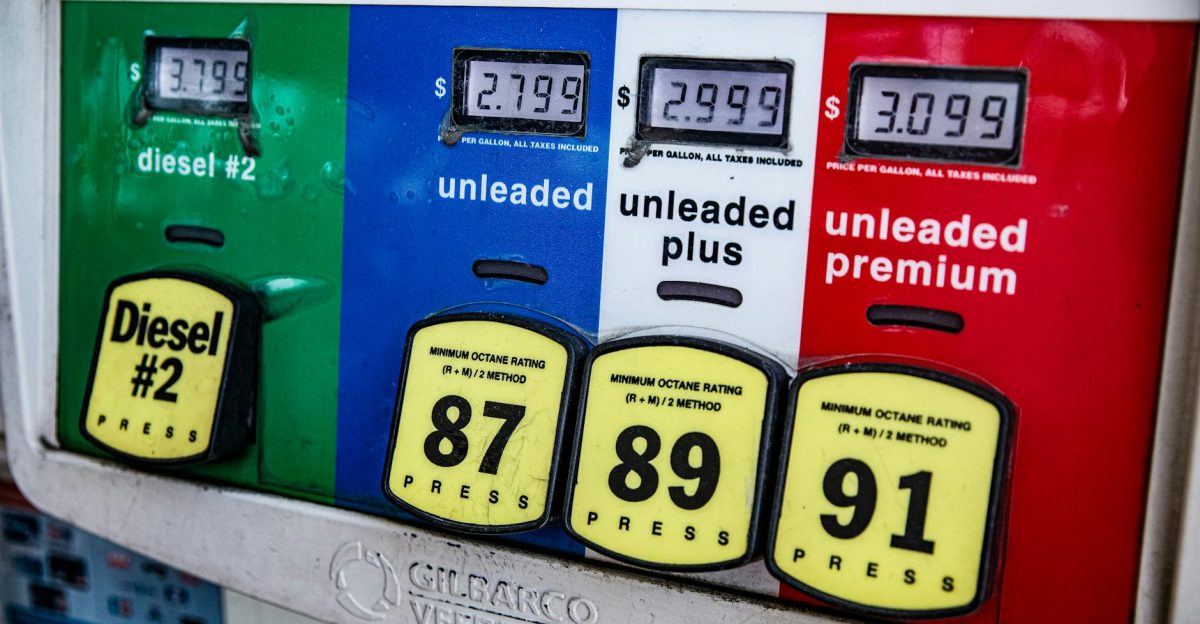
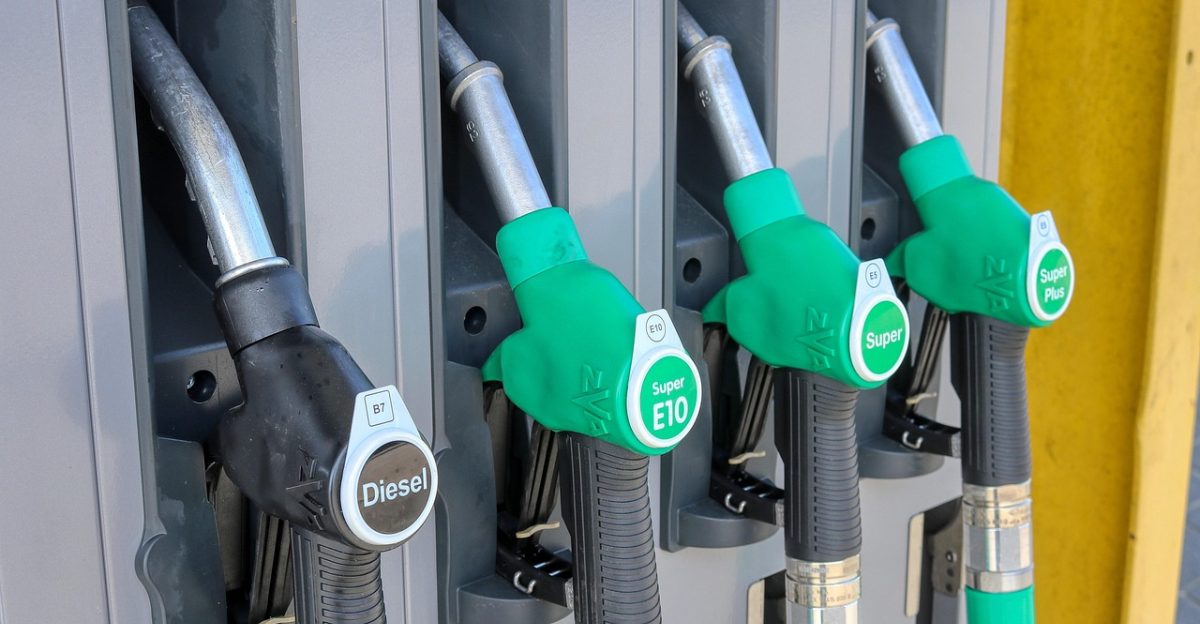
Gas prices surged from $2.98 to $3.98 per gallon in 30 days, topping $4 for the first time since 2022. American drivers absorbed $8.4 billion in extra fuel costs since the Iran conflict disrupted oil markets in late February 2026. That number sounds enormous. It represents the visible crisis, the one on every gas station sign in America. But fuel accounts for just 1.7% of household budgets, an all-time low. The real squeeze is happening everywhere else, and the math is staggering.
The Engine Behind the Squeeze

The Iran conflict disrupted 10 million barrels of daily oil supply, pushing Brent crude to $119 per barrel, the highest since the 2008 financial crisis. But energy is just the trigger. Housing costs climbed 80% since 2017. Electricity prices rose 37% from 2020 levels. Wages? Up only 38% across that entire stretch. The gap between what things cost and what people earn has been widening for years. Gas didn’t create the crisis. Gas made the crisis impossible to ignore. The bankruptcy surge was already running 11% year-over-year before a single pump price changed.
The Kitchen Table Hit
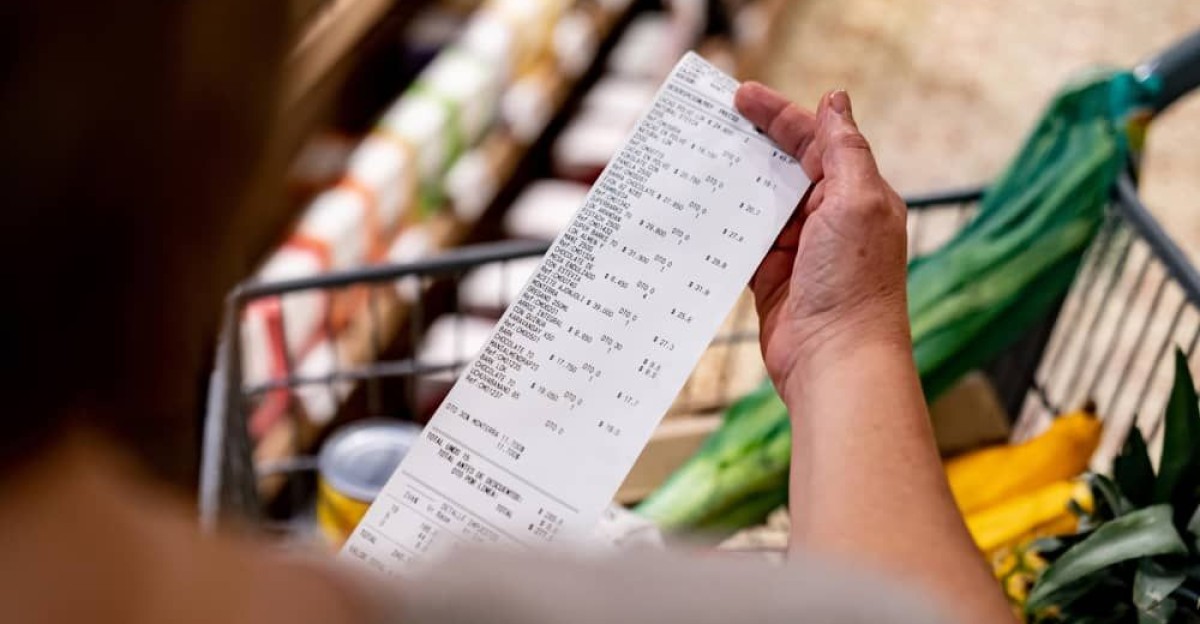
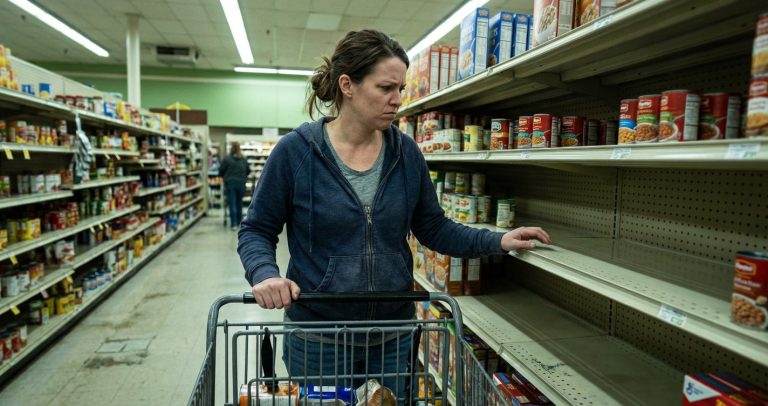
Some 88% of Americans report financial stress entering 2026, and 77% experienced a financial setback in 2025. The average household paid $124 more on utility bills in the first nine months of 2025 alone. Beef prices are forecast to rise 5.5% this year. Sugar and sweets, 6.7%. Only 36% of Americans feel certain they could handle a $2,000 emergency. Twenty-four percent have zero emergency savings. None. That means one broken transmission, one ER visit, one busted water heater separates a quarter of the country from financial collapse. And the corporate response is already reshaping Main Street.
Stores Vanishing by the Hundreds
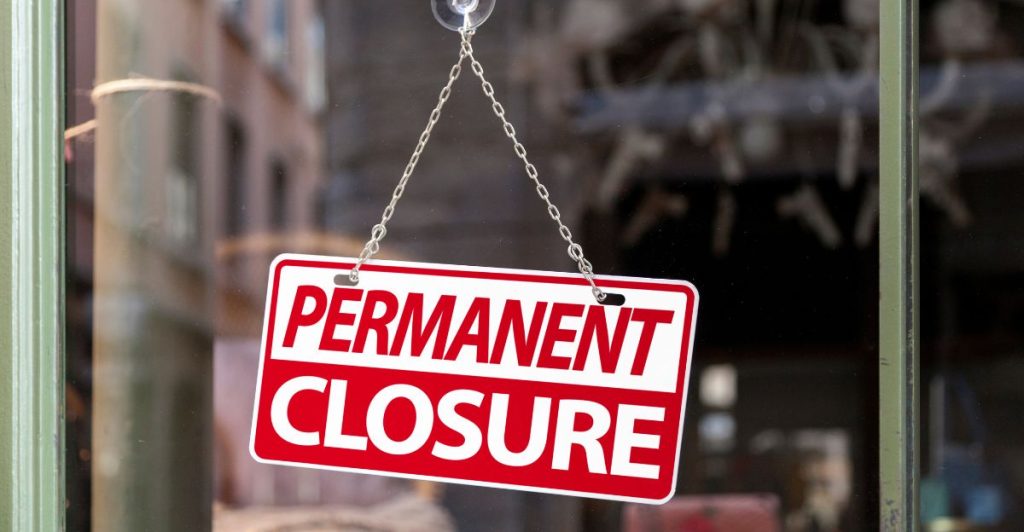
Over 1,500 U.S. stores and restaurants will close in 2026. Wendy’s is shuttering roughly 300 locations. Pizza Hut is pulling 250 underperforming stores in the first half of the year. UPS cut 30,000 operational positions as package volume softened. Real consumer spending growth is projected to slow to 2.1%, down from 2.7% in 2025. Retailers call it a “flight to value.” Translation: customers stopped buying anything they don’t absolutely need. The retail pullback alone tells you this extends far beyond the gas pump. The surprise is where it reaches next.
The Credit Card Anesthesia

Credit card balances rose $44 billion in a single quarter to hit $1.28 trillion, an all-time high. Total household debt reached $18.8 trillion. And here is the part that should unsettle everyone: 88% of Americans report maximum financial anxiety while simultaneously maxing out their credit lines. Households are borrowing to maintain the appearance of normal life. The personal savings rate hit 3.5% in November 2025, its lowest in three years. Families are not weathering a storm. They are sedating the pain with debt. The mechanism connecting all of these ripples runs deeper than any single price increase.
The System Behind the Symptoms
Every ripple traces back to the same structural failure: essential costs rising permanently faster than wages while policy simultaneously tightens safety nets. Electricity up 37%. Housing up 80%. Wages up 38%. In 2026 alone, middle-income earners face a $900 tax increase while the wealthiest 1% receive $117 billion in cuts. SNAP eligibility is tightening. ACA premiums jumped 18%, the largest increase since 2018. Student loan collections resume in July. Oil prices. Grocery bills. Utility disconnections. Tax shifts. Your paycheck. Same mechanism. Different line items. Identical result.
A Voice From Inside the Wreckage

Scott Simpson, President and CEO of America’s Credit Unions, put it plainly: “The plain truth is that capping rates at 10 percent does not make credit more affordable; it makes it unattainable for millions of working Americans.” A proposed rate cap could cut off 47 million subprime borrowers from credit access entirely. Aggregate delinquency hit 4.8% across all debt categories. Student loan delinquency spiked to 16.19%. The probability of households missing a debt payment in the next three months climbed to 12.3%. These are real families running out of options, not statistics.
The Rules Are Changing
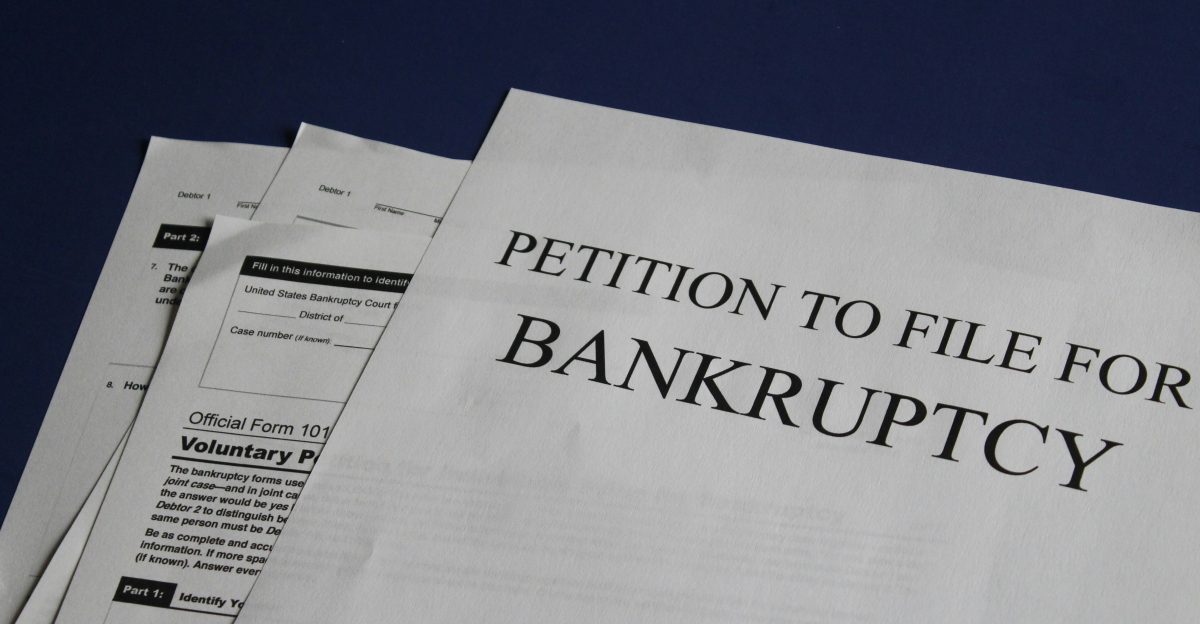
The median age for a first home purchase reached 40, up from a historical range of 29 to 31. Families need $120,000 in income to qualify for a median-priced home. Median income sits at $85,000. That $35,000 gap represents a locked door for an entire generation. Forced electricity disconnections rose from 3 million in 2023 to 3.5 million in 2024. Bankruptcy filings hit 574,314, the steepest annual climb since post-pandemic recovery began. These are not temporary disruptions. They are new permanent thresholds. And the question of who benefits from this reordering has a very specific answer.
Who Wins, Who Loses, What to Know

The top 20% of earners received $380 billion in tax cuts in 2026. The poorest 20% absorbed a tax increase equal to 3.1% of their income. The middle class paid $900 more. That is wealth transfer operating in plain sight, during a year when 52% of Americans cannot afford the true cost of living in their community. Meanwhile, the S&P 500 dropped 8.7% from its early 2026 record, and the Consumer Confidence Index fell to 91.8. The people absorbing the pain and the people absorbing the gains occupy different Americas entirely.
The Cascade Is Not Finished
Student loan collections resume July 2026 with one million borrowers already in the default pipeline. If credit card delinquencies push past 8%, banks tighten lending, and the consumption floor drops out. Political pressure is building for windfall taxes and rate caps, but the counter-moves could restrict credit access further. Eighty-eight jurisdictions are raising minimum wages, yet $15 an hour produces $31,200 annually, nowhere near the $120,000 needed to buy a home. The gas price crisis was never the disease. It was the fever that finally made the patient check in. The diagnosis is structural, and the cascade keeps expanding.
Sources:
“National Gas Average Jumps One Dollar in One Month.” AAA, 26 Mar. 2026.
“Bankruptcy Filings Rise 11 Percent.” United States Courts, Administrative Office of the U.S. Courts, 4 Feb. 2026.
“Quarterly Report on Household Debt and Credit, Q4 2025.” Federal Reserve Bank of New York, Center for Microeconomic Data, 10 Feb. 2026.
“Poll: Americans Feeling Financial Stress To Begin 2026.” National Endowment for Financial Education (NEFE), Jan. 2026.