Minnesota Locks Classic Cars in Garages 5 Days a Week—What States Could Follow
Somewhere in Minnesota, a guy who spent three years rebuilding a 1967 Mustang just found out he might not be allowed to drive it on a Tuesday. Not because it failed inspection. Not because he lost his license. Because a bill sitting in the House Transportation Finance and Policy Committee would restrict every collector vehicle in the state to Saturday and Sunday operation only, sunrise to sunset. Five categories of vehicles. Decades of flexible rules, gone. The bill landed March 2, 2026, and most owners still have no idea it exists.
The $25 Trap
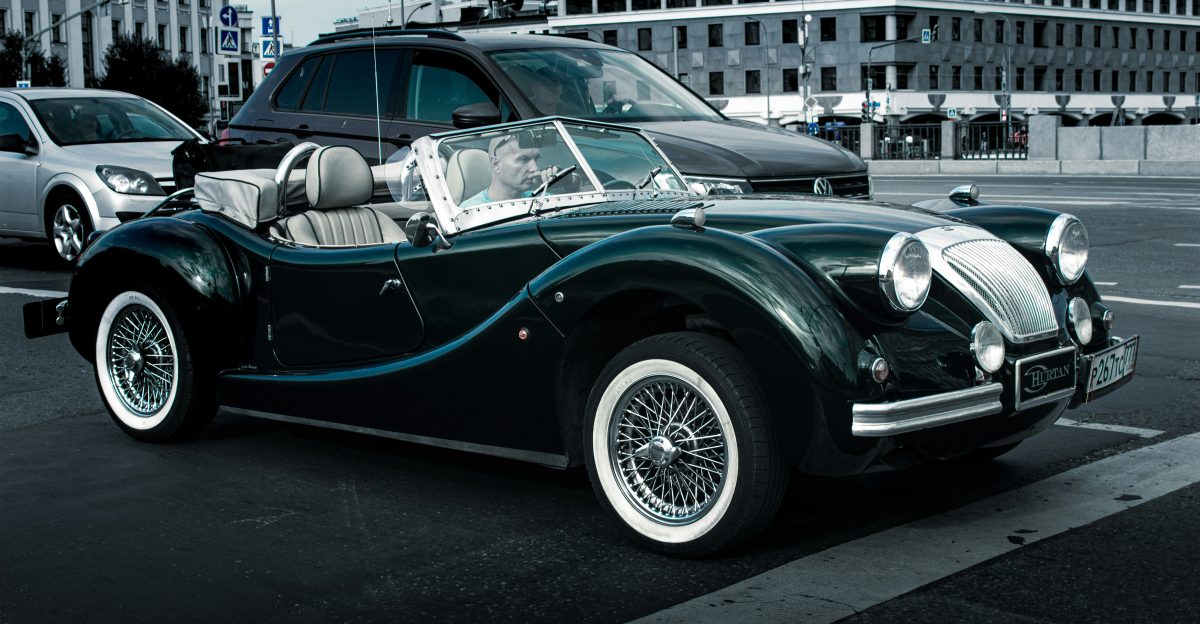
Minnesota’s collector plate system has worked the same way for years. Pay a one-time $25 registration fee, execute an affidavit, prove you own a separate daily driver, and the state leaves you alone. Vintage vehicles, classic cars, street rods, military vehicles, classic motorcycles. All covered. All operated under what sources describe as a “reasonable level of flexibility” for decades. Weekday cruises, evening outings, informal meetups with other collectors. None of it was explicitly banned. HF 3865 changes that math entirely, and the registration fee stays the same while the freedom disappears.
Sold as Cleanup
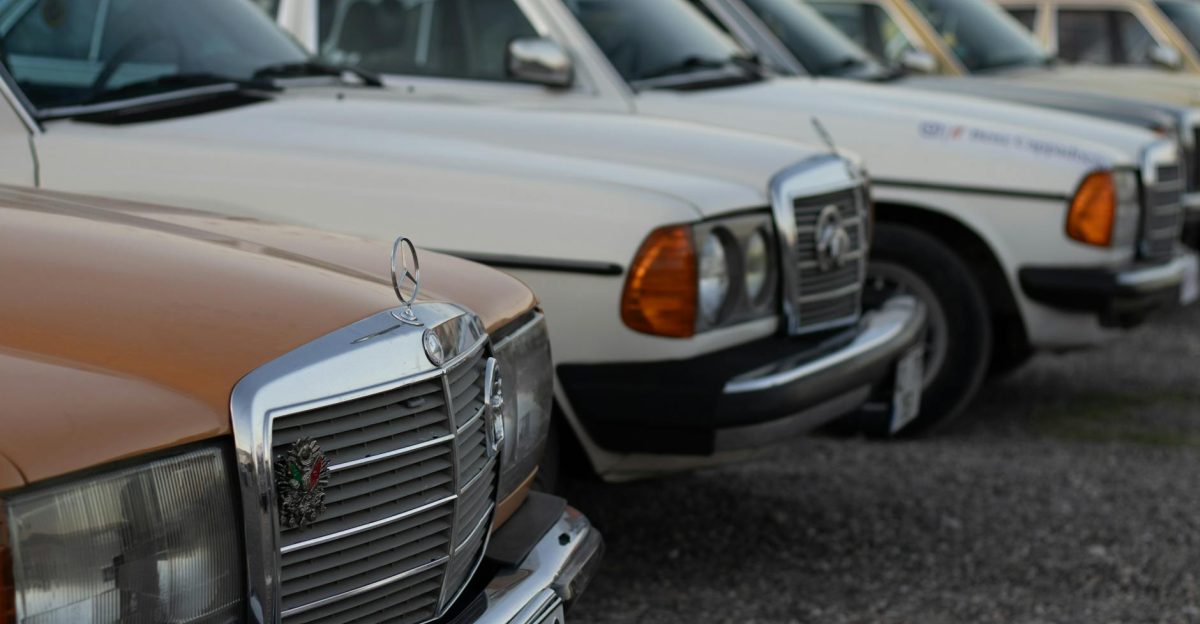
Supporters of HF 3865 argue the bill “provides clarity where current law is vague.” That framing sounds reasonable until you read the bill text. The old vagueness let collectors drive on their own terms. The new “clarity” specifies operation “on Saturday and Sunday from sunrise to sunset” plus collector club activities, exhibitions, parades, or “similar use.” Weekday drives, cruise nights, informal gatherings: no longer clearly protected. The bill replaces ambiguity that permitted freedom with precision that enables enforcement. That supposed cleanup hides an 84% reduction in available driving hours.
Clarity That Cages
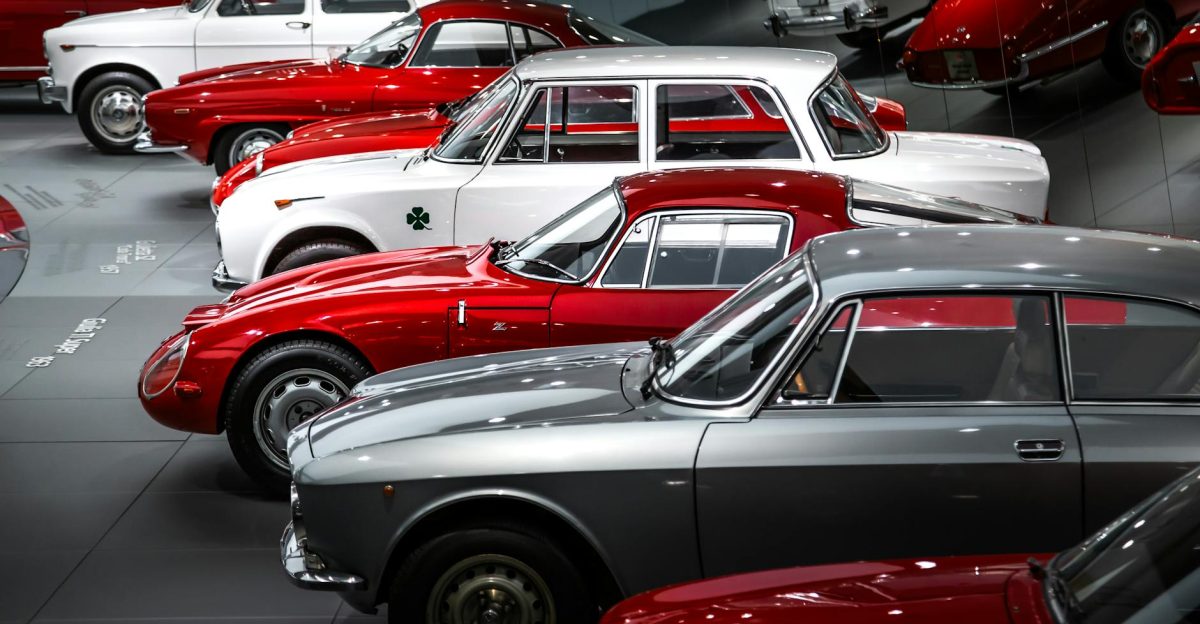
“It takes away your freedom to drive, which is what the automobile is all about.” That quote lands differently when you realize what the bill actually does. Owners who operated legally for decades become potential violators under the new language. Same car. Same plates. Same $25 fee. Entirely different legal standing. The bill shifts control from the person holding the keys to the government holding the statute. Roughly 26 hours of permitted weekly operation out of 168 total. You own the vehicle. The state owns your schedule.
The Vagueness They Added
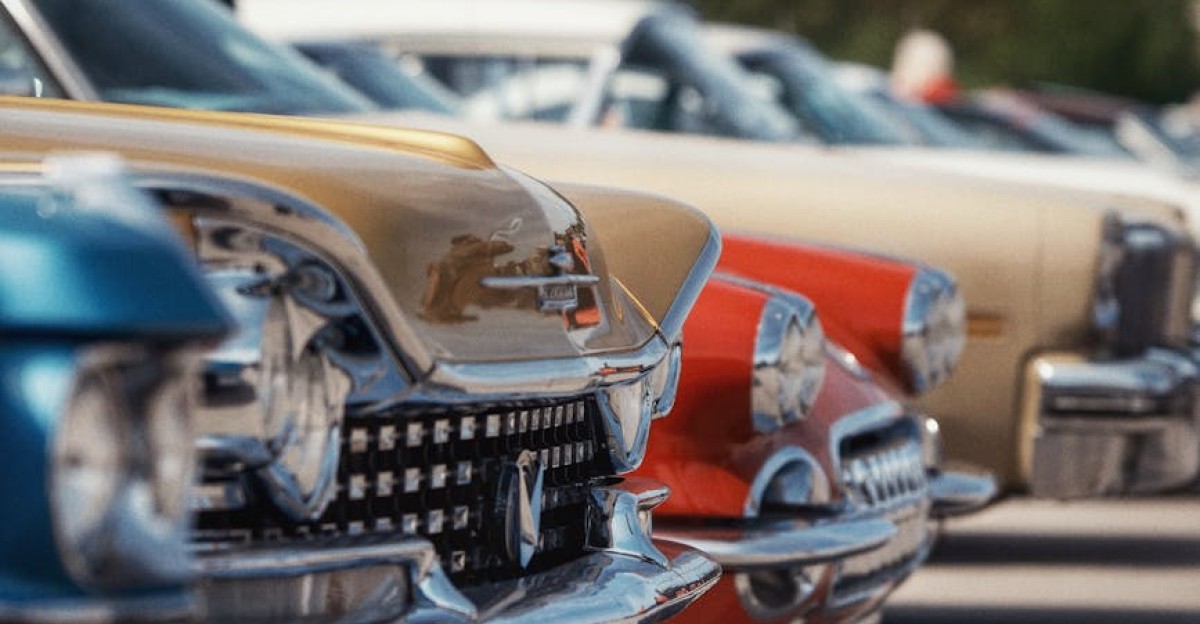
The bill’s stated purpose is eliminating vague language. So naturally, HF 3865 introduces brand-new vague language. “Exhibitions” and “similar use” appear in the bill text without definition. That means a cop at a Tuesday evening cars-and-coffee has to decide, on the spot, whether six guys in a parking lot constitute a “similar use.” The undefined terms hand enforcement discretion to individual officers rather than anchoring it in statute. It works like an IRS audit standard: vague enough to create compliance fear, precise enough to enable selective enforcement.
The Numbers Nobody Mentions
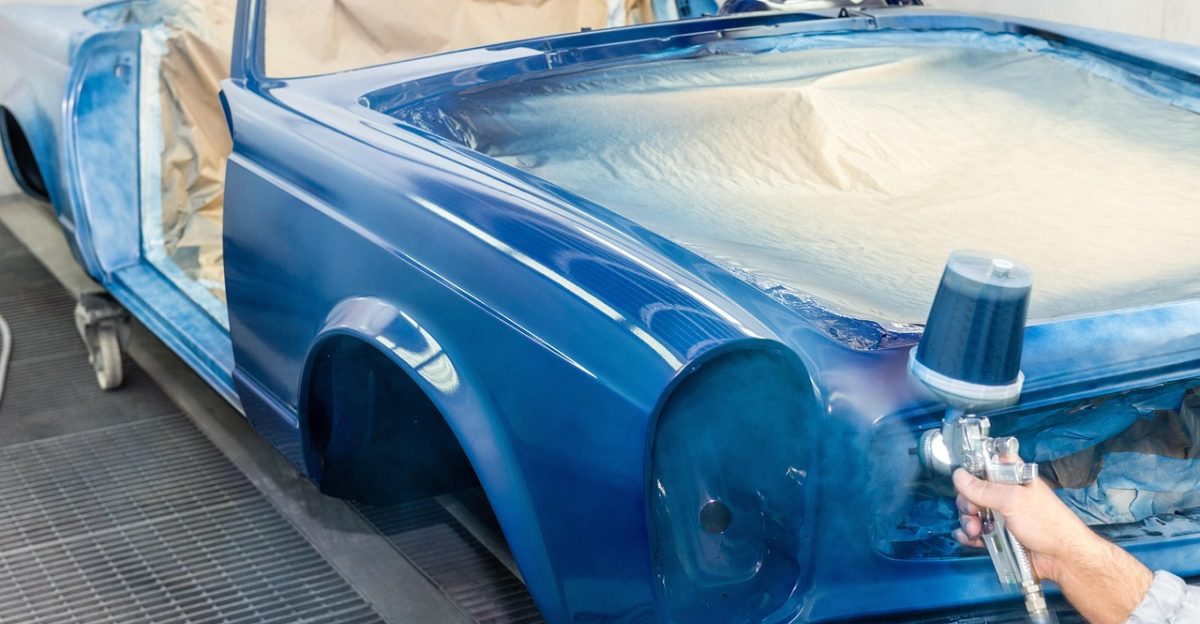
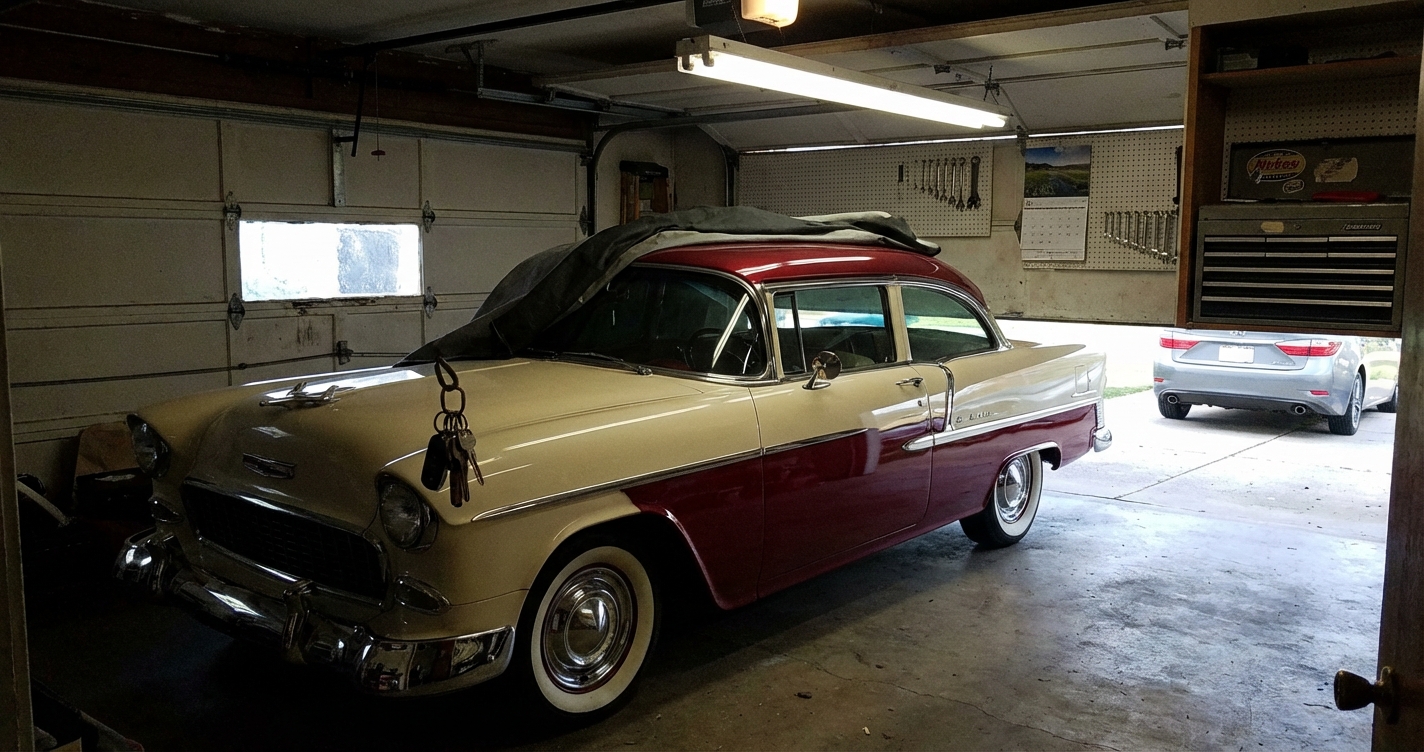
Minnesota averages roughly 13 hours of daylight in mid-April. Multiply that by two permitted days and collectors get approximately 26 usable hours per week. Out of 168. That is an 84% reduction in available operation time. Restoration shops lose weekday test-drive capability, meaning diagnostic work that once happened on a Wednesday now waits for Saturday. Collectors who cannot test their own rebuilt engine except on weekends face delayed repairs and extended project timelines. The bill does not mandate garage storage, but legal restriction makes the garage the only rational place for your car five days a week.
The Ripple Beyond Garages
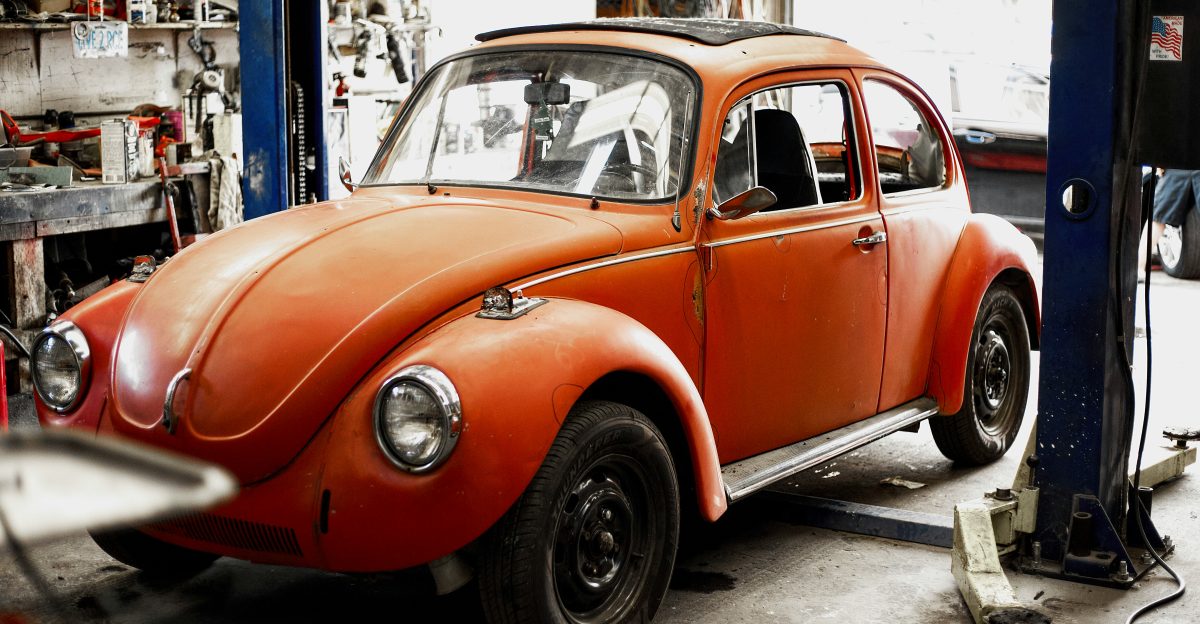
The economic stakes beyond individual owners are real. The collector car market entered 2026 from a position of strength: auctions and online sales of collectible vehicles surged 10% in 2025 to $4.8 billion, with online classic car sales alone rising 12% to $2 billion, according to Hagerty, the largest dedicated classic car insurer in the world. Classic car auction sales reached $2.3 billion in just the first half of 2025, up 4% year-over-year, with sell-through rates at their strongest since 2022. A state-level weekday ban does not directly affect auction markets or insurance underwriting nationally, but it does shrink the pool of usable weekday hours for restoration shops testing rebuilt vehicles, a practical constraint that adds time and cost to active projects. Classic motorcycle owners face the same restriction under HF 3865, as section 168.105 is explicitly included in the bill’s new operation subdivision. The Antique Automobile Club of America has already mobilised, urging members to email committee administrators Matt Baumann and Joe Marble.
What Other States Are Actually Doing
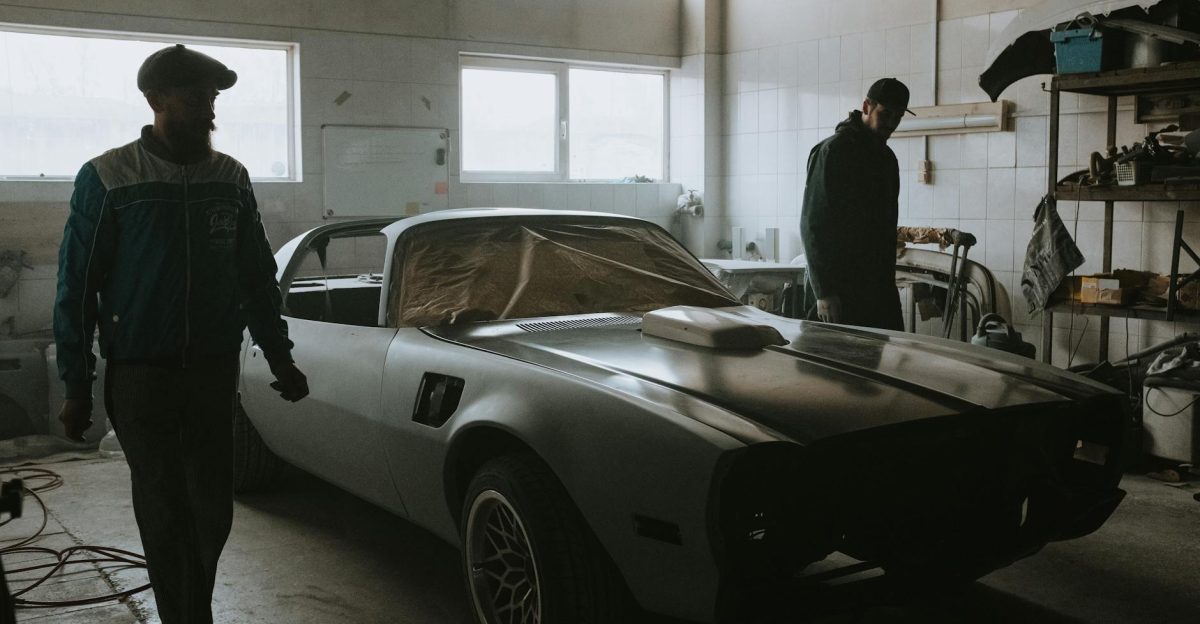
States are moving on collector vehicle rules from every direction, and the directions are not the same. California’s SB 712, known as Leno’s Law, went the opposite way from Minnesota: it aimed to exempt collector cars 35 years and older from the state’s mandatory smog-check program, reducing regulatory burden on owners rather than adding it. The California Assembly Appropriations Committee killed SB 712 in August 2025, and a successor bill, SB 1392, was introduced in early 2026, again focused on smog exemptions, not driving-day limits. Washington State passed its own collector vehicle bill, SB 5127, effective January 15, 2026, adding insurance and daily-driver requirements for new applicants, tightening eligibility without restricting which days owners can drive. Minnesota’s HF 3865 is the only bill in the current legislative cycle that proposes explicit weekend-only driving hours. That makes it unusual, not part of an identical multi-state playbook.
The Spring 2026 Clock
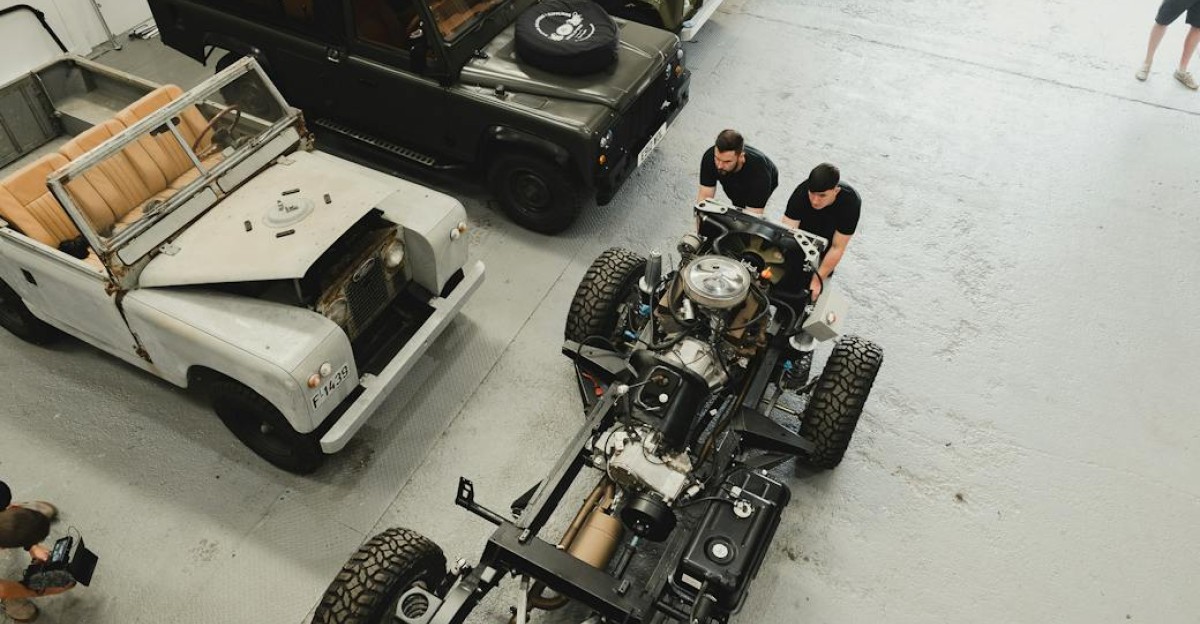
HF 3865 sits in committee during the spring 2026 legislative session with no hearings yet scheduled. The collector vehicle operation provision was removed from the Transportation Finance and Policy Committee’s March 22 agenda, and no subsequent hearing date has been set as of publication. If it advances, enforcement interpretation becomes the next battlefield. Tickets for weekday test-drives. Legal challenges over what qualifies as “similar use.” Court cases that set national precedent on whether a state can dictate which days you operate property you already own. The AACA is organising, but the bill’s non-controversial administrative provisions give it political cover to move quietly. Rural collectors who drive long distances face disproportionate harm from a weekend-only window.
Your Garage Could Be Next
The real story is not one bill in one state. The real story is that “clarification” now works as a delivery mechanism for restrictions that would never survive an honest vote. Vagueness protected collector freedom for decades. Precision replaced it with a government-mandated schedule. If Minnesota’s template succeeds, other legislatures will notice. Anyone who owns something the government considers a hobby asset, not just classic cars, should understand what just changed. The people who fight this bill are not protecting old cars. They are protecting the principle that owning something still means using it.
Editor’s note: As of March 22, 2026, the collector vehicle operation provision of HF 3865 was removed from the House Transportation Finance and Policy Committee agenda. No committee hearings have been scheduled as of publication. The bill remains in committee during the spring 2026 legislative session.
Sources:
“HF 3865 — Authority to Operate Collector’s Vehicles Modified and Technical Changes Made.” Minnesota Legislature, 94th Session, March 2026.
“Collector Class (Classic, Street Rod, Pioneer and Classic Motorcycle) License Plates.” Minnesota Department of Public Safety, Driver and Vehicle Services, 2026.
“Is Minnesota Trying to Limit When You Can Drive Your Classic?” Hagerty Media, April 2026.
“Minnesota Bill Would Add Weekday Use Restrictions to Classic Car Owners.” Road and Track, April 2026.
“Minnesota is One Step Away from Banning Classic Cars.” CBT News, April 2026.
“Classic-Car Market Poised for Strong 2026, Says Hagerty CEO.” CNBC, December 2025.