Automakers To Tax 280 Million Vehicles By Weight—Trucks Pay 4x While Causing 10,000x The Damage
A coalition of major automakers, including GM, Toyota, Ford, and Volkswagen, is pushing Congress in 2026 to overhaul how 280 million U.S. drivers pay for roads, replacing the long-standing 18.4 cents per gallon gas tax with a weight-based annual fee. The proposal comes as the Highway Trust Fund faces mounting shortfalls after decades without a tax increase and $275 billion in federal bailouts since 2008. With the current transportation law expiring on September 30, 2026, lawmakers face a high-stakes decision that could shift costs across drivers, vehicles, and regions nationwide.
A Tax Stuck Since 1993
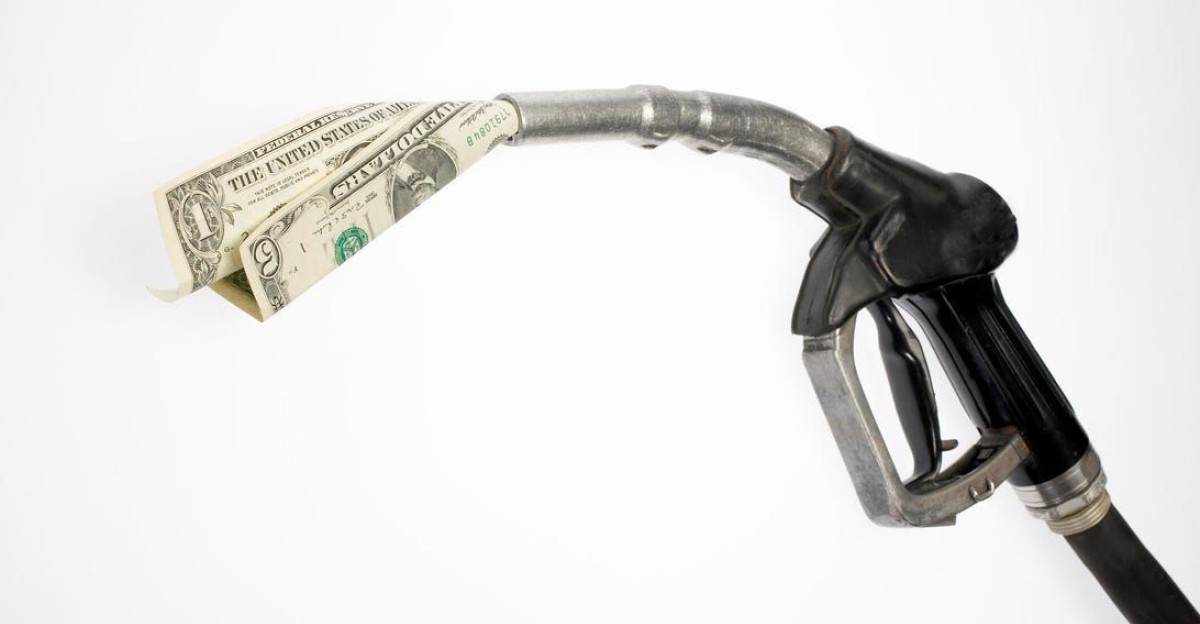
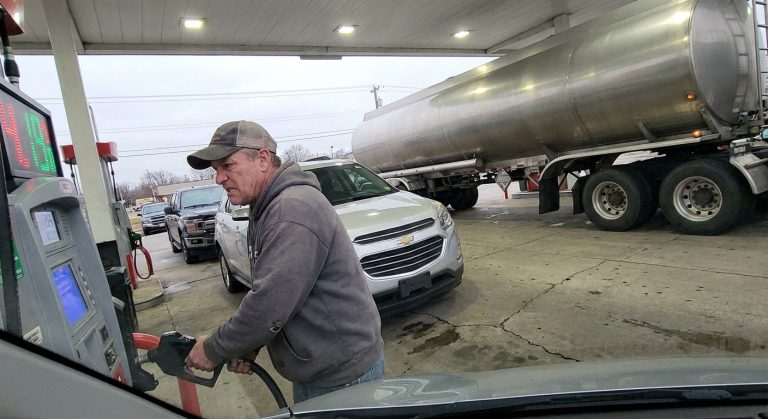
The federal gas tax has remained fixed at 18.4 cents per gallon since 1993. Over 33 years, inflation has sharply reduced its real value, especially as road construction costs surged. The Highway Trust Fund relies on this tax, yet its purchasing power has steadily declined. The current surface transportation law expires on September 30, 2026, forcing Congress to decide how to fund future infrastructure. John Bozzella proposes shifting toward weight-based registration fees collected by state DMVs, but the looming deadline suggests lawmakers may face a far more urgent financial gap.
The $275 Billion Lifeline

Since 2008, the Highway Trust Fund has relied on approximately $275 billion in transfers from general federal revenues. More than 25% of highway spending now comes from taxpayers regardless of how much they drive. This shift weakens the original user-pays model that justified fuel taxes. Federal projections show annual shortfalls reaching tens of billions of dollars by around 2027. The system no longer sustains itself through driver contributions alone, raising a fundamental question about fairness as lawmakers search for a replacement funding structure.
The Hidden Physics Behind Road Damage
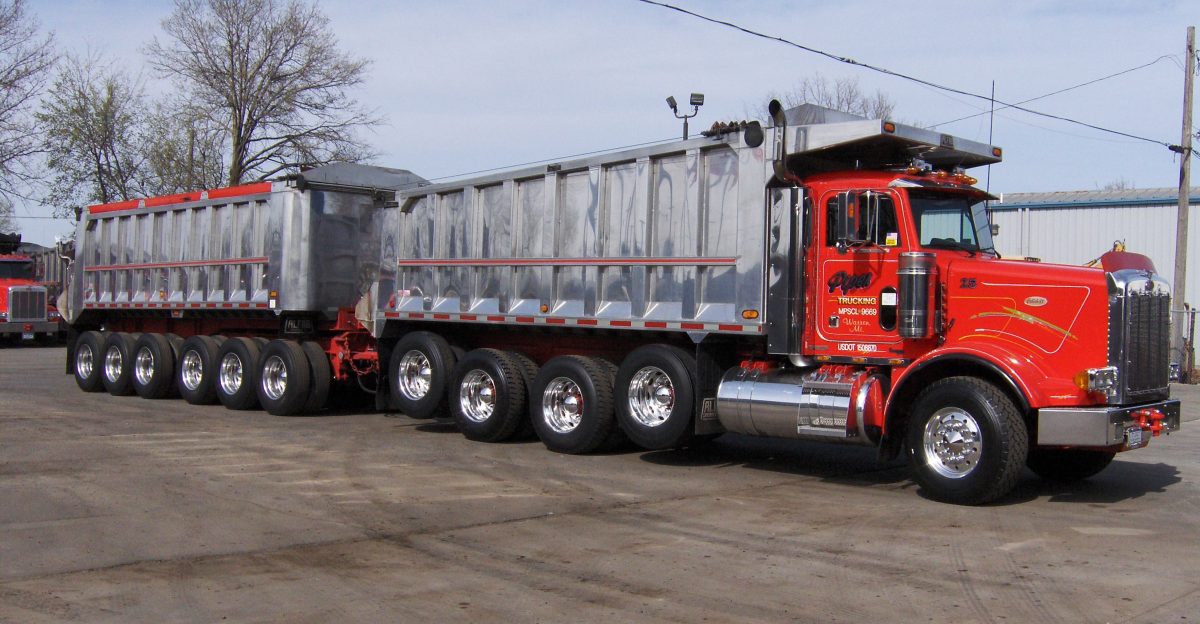
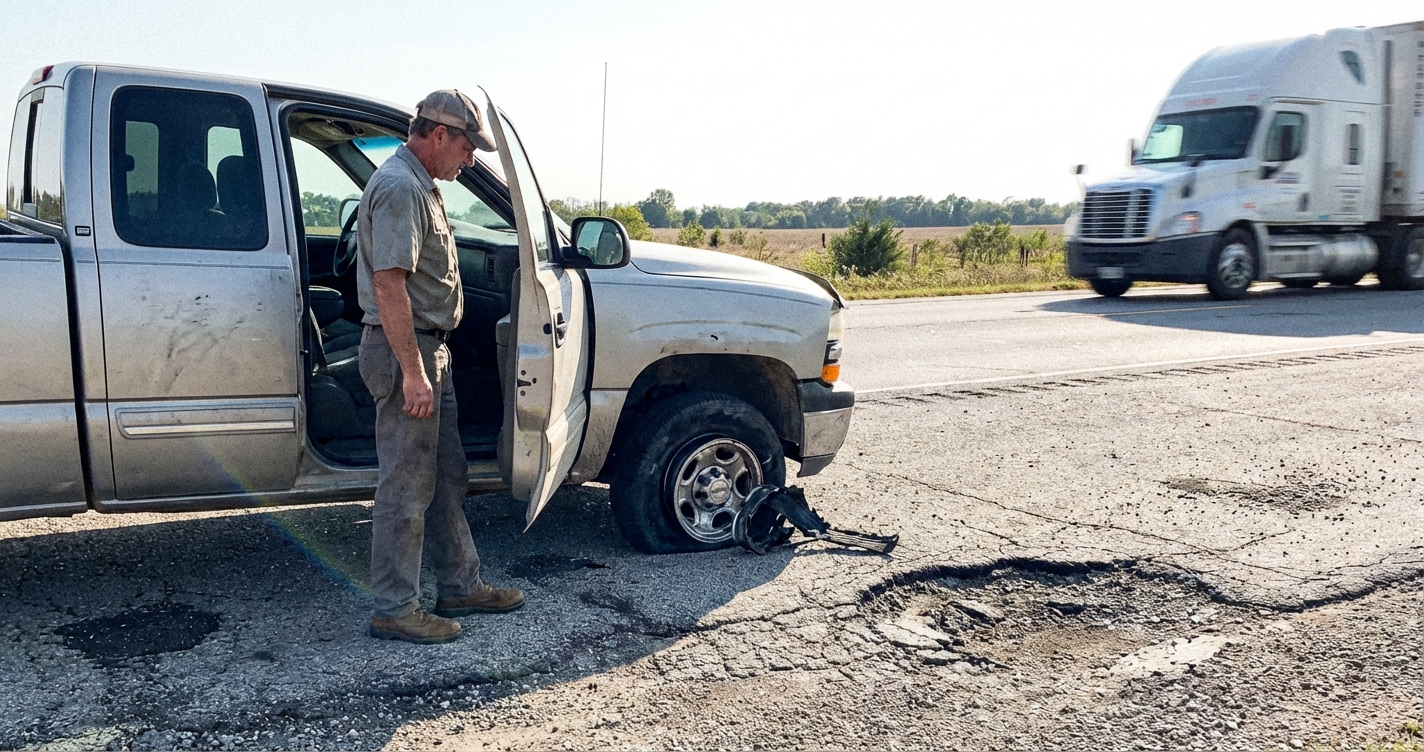
Road wear follows a clear engineering rule. Damage increases with axle weight raised to the fourth power. A heavier vehicle does far more damage than a lighter one, even with small weight increases. Heavy trucks represent a minority of miles driven but cause a disproportionate share of pavement wear. Current taxes do not fully align with that reality, leaving gaps covered by general taxpayers. A weight-based fee aims to address this mismatch, yet it raises another issue tied directly to the future of electric vehicles.
Why EVs Could Pay More
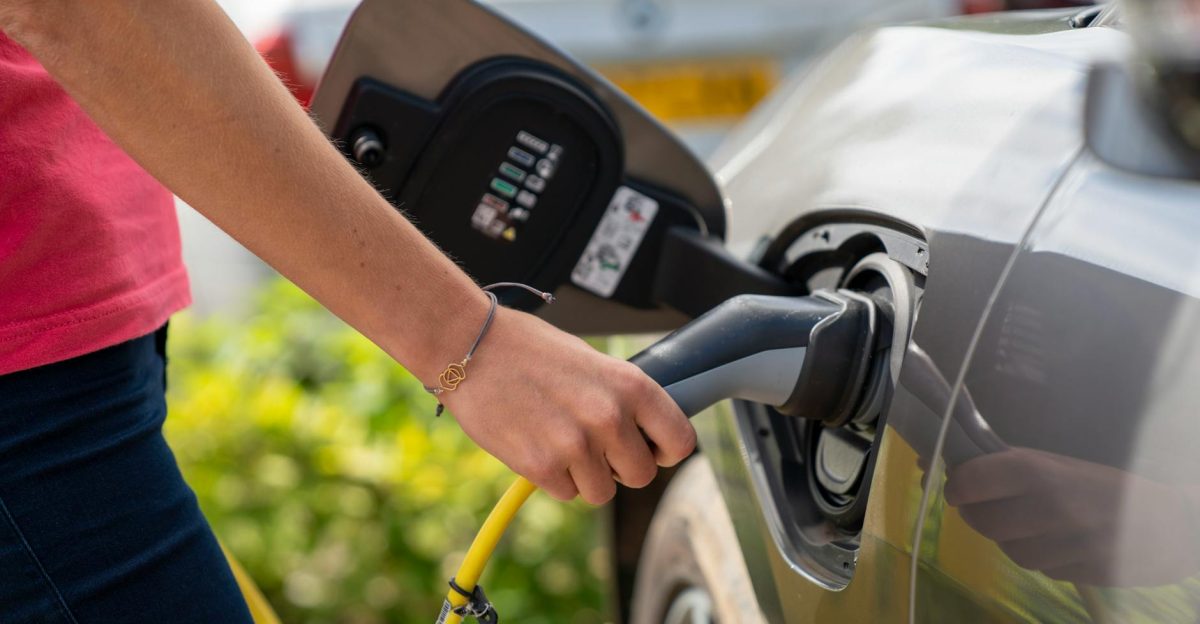
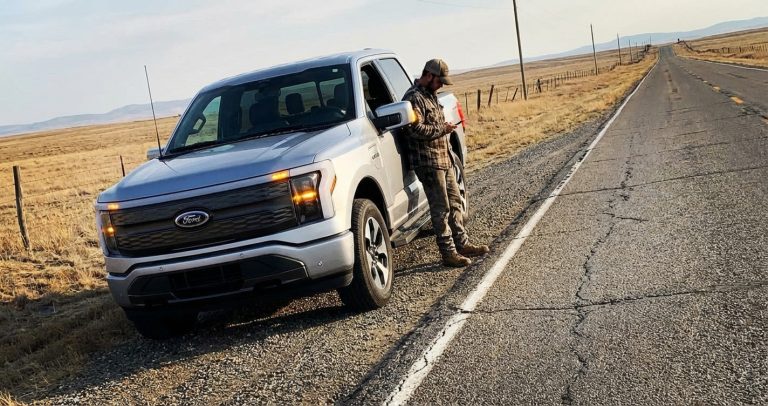
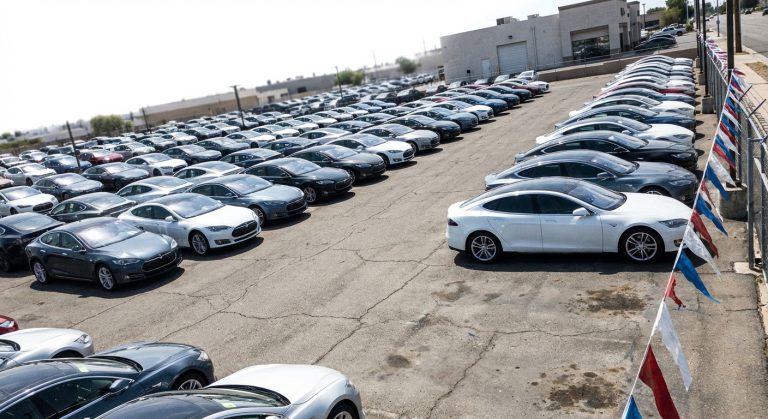
Electric vehicles often weigh more than gasoline cars because of large battery packs that add hundreds of kilograms. A weight-based fee could turn that added mass into higher annual costs. Dozens of states already charge EV registration fees ranging from about $50 to more than $200 per year, with some reaching around $225. Adding a federal weight-based charge could increase ownership costs further. Automakers investing billions into EV development now support a system that may raise costs for those same vehicles, creating a tension that continues to build.
The Real Cost for Drivers

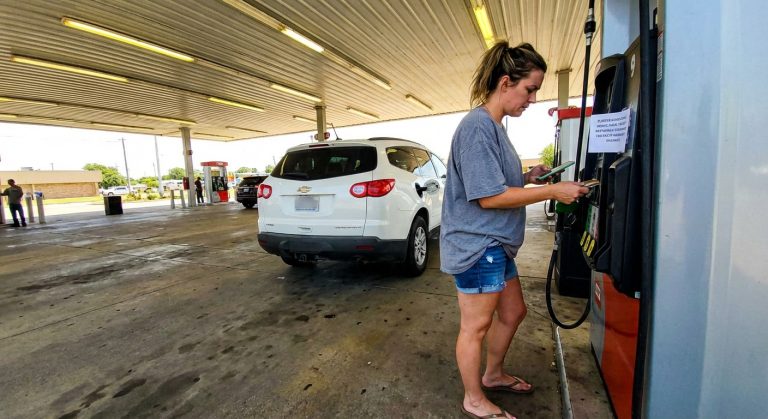
The average driver currently pays about $80 to $90 per year in federal gas taxes, depending on fuel use and mileage. A new weight-based Infrastructure Access Fee could raise that amount for many vehicle owners. Some proposals have included flat surcharges of $250 for battery-electric vehicles and $100 for hybrids. As EVs and hybrids gain market share, fuel tax revenue declines. Lawmakers face a shrinking funding base, and any replacement system will likely shift costs unevenly across different types of drivers.
Rural Drivers Face A Tougher Burden

Rural households often rely on heavier trucks and SUVs for work and daily travel. These vehicles would likely face higher fees under a weight-based system. Longer driving distances and limited transportation alternatives amplify the impact. Small trucking operators could see rising costs that larger carriers can better absorb. Increased shipping expenses may ripple into food prices and goods nationwide. The proposal raises concerns about fairness across regions, especially where vehicle choice is driven by necessity rather than preference, adding pressure to the policy debate.
Early Models Already Exist

States like Oregon and Kentucky have experimented with weight-distance or weight-mile fee systems for certain vehicles. These programs show that alternatives to fuel taxes can work in practice. A nationwide shift would mark the first major overhaul of federal road funding in more than 30 years. Once weight becomes central to taxation, automakers may prioritize lighter materials and smaller designs. The policy would influence not only how drivers pay but also how vehicles are engineered, signaling a deeper transformation already taking shape.
A Deadline Driving Political Tension

September 30, 2026 marks the expiration of the current transportation law. Any new system would require all state DMVs to update their systems before fees could be collected. Delays could push implementation into 2027, aligning with projected funding shortfalls. Environmental groups may push for EV exemptions, while rural lawmakers could demand adjustments. Trucking groups may argue for mileage-based systems instead. With multiple competing interests, defining what counts as fair becomes increasingly difficult as the deadline approaches.
The Question That Still Remains
Taxpayers for Common Sense stated, “The Highway Trust Fund’s looming insolvency is not just a transportation problem. It is a taxpayer problem.” The system has depended on roughly $275 billion in federal transfers since 2008. A weight-based fee would change who pays, but not necessarily fix the imbalance between road damage and contributions. The deeper issue remains unresolved. Should roads be funded as a shared public good, or continue as a user-based system supported quietly by taxpayers behind the scenes?
Sources:
The Federal Gasoline Tax and the Highway Trust Fund: A Short History. Congressional Research Service, 2023
The Highway Trust Fund and the Treatment of Surface Transportation Programs. Congressional Budget Office, 2024
Who Pays for Roads? How the “User Pays” System Has Changed. Tax Foundation, 2023
Truck Size and Weight, Route Designations, and Risk. Federal Highway Administration, 2022
Electric Vehicle Fees: State Policy Trends. National Conference of State Legislatures, 2024
Pavement Damage and the Fourth Power Law. American Association of State Highway and Transportation Officials, 2021
Mileage-Based User Fees vs Fuel Taxes. Transportation Research Board, 2023