Colorado Deploys 15 ‘Not Revenue-Generating’ Speed Cameras—They Cost $100K A Month To Run
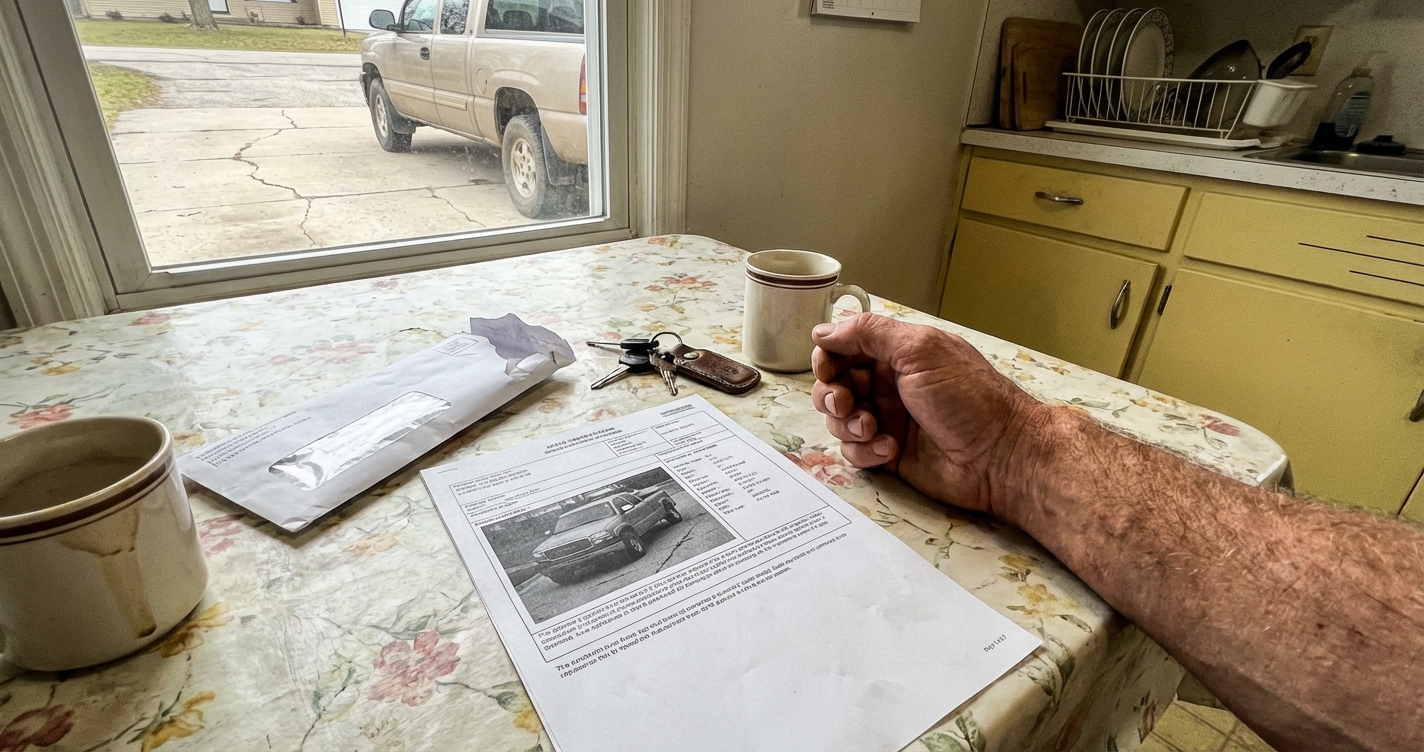
Somewhere in southern Colorado, a camera mounted on a pole photographs a license plate. No officer. No flashing lights. No conversation. Weeks later, an envelope arrives at a household. Inside: a $75 fine addressed to the registered vehicle owner, who may not have been driving. Colorado has deployed automated speed enforcement across multiple cities and highways, with Pueblo proposing 15 more cameras on its deadliest corridors. The sergeant selling the program to city council promised one thing above all: this has nothing to do with money.
The Body Count Behind the Cameras

The numbers forced the conversation. Speed contributed to 39 deaths in Pueblo between 2019 and 2024, roughly 40% of every fatal crash in the city. One 6.5-mile stretch of Northern Avenue alone produced 1,400 crashes and over 1,000 speeding citations in five years. Statewide, pedestrian fatalities rose 98.4% from 2015 to 2025, climbing from 64 deaths to 127. Pueblo County recorded 40 traffic deaths in 2025, a 60% spike from the year before. Officers writing tickets by hand couldn’t keep pace with the killing.
A Statewide Surge Nobody Voted For
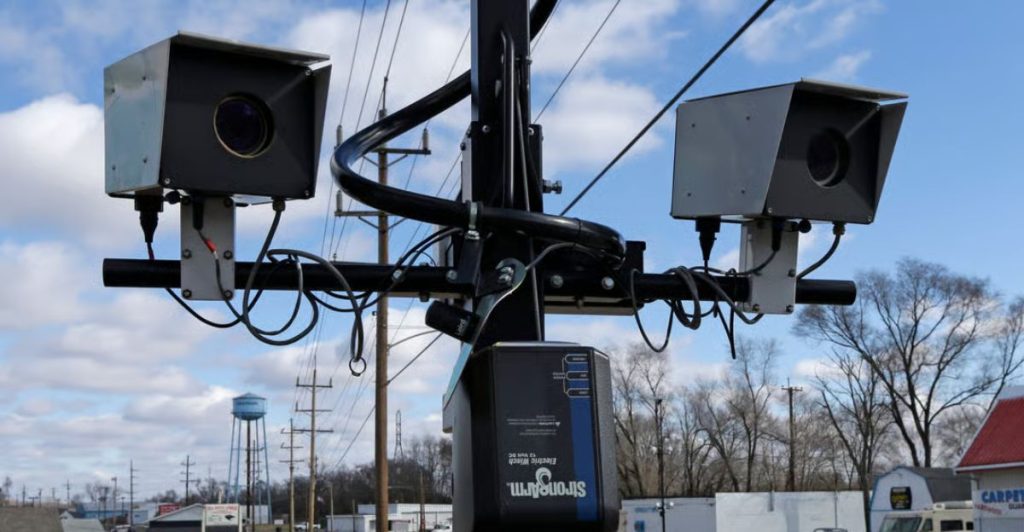
Colorado Springs activated two mobile camera systems in December 2025. CDOT launched enforcement on Highway 119 between Boulder and Longmont. I-25 North between Mead and Berthoud started issuing $75 fines on April 2, 2026. All of it traces to SB23-200, the 2023 state law that opened the door for cities to designate corridors for automated speed enforcement. Most residents learned cameras existed when warnings hit their mailboxes. Work zone fatalities had doubled from 16 deaths in 2022 to 31 in 2024, and the legislature acted before the public fully caught up.
‘This Is Not Revenue-Generating’
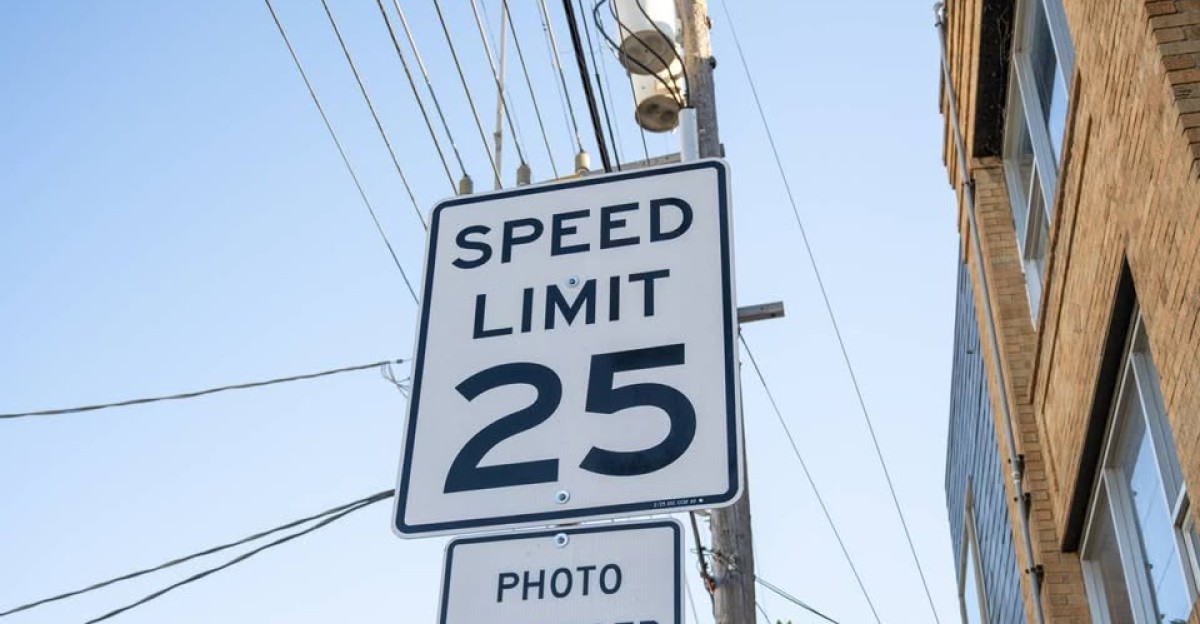
Pueblo Police Sergeant Michael Sincerbox stood before city council and said it plainly: “This is not revenue-generating.” The program, he explained, targets behavior change. But his own proposal projected $100,000 in monthly operational costs, including three civilian employees. His plan to cover that bill: citation revenue. Run it “at zero cost” to the city through fines. A system that only stays solvent if drivers keep breaking the law. The more effectively cameras change behavior, the faster the budget collapses beneath them.
The Technology You Can’t Outsmart
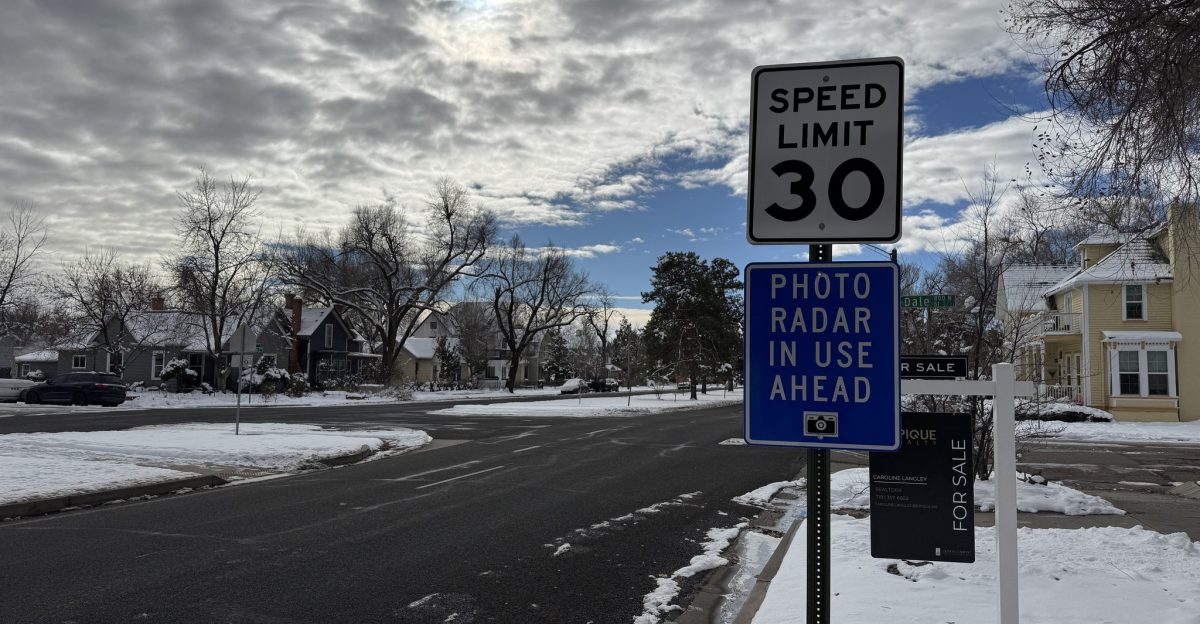
These aren’t the old radar traps where you brake for one spot and floor it after. Colorado’s AVIS technology calculates average speed across an entire corridor, point to point. Slow down at one camera, speed up between them, and the math still catches you. No human judgment enters the equation. No officer decides to give a warning. The system photographs, calculates, and mails. Fines run $40 in normal zones, $80 in school and construction zones. Exceed the limit by 25 mph and a court date arrives instead.
The Numbers That Prove It Works
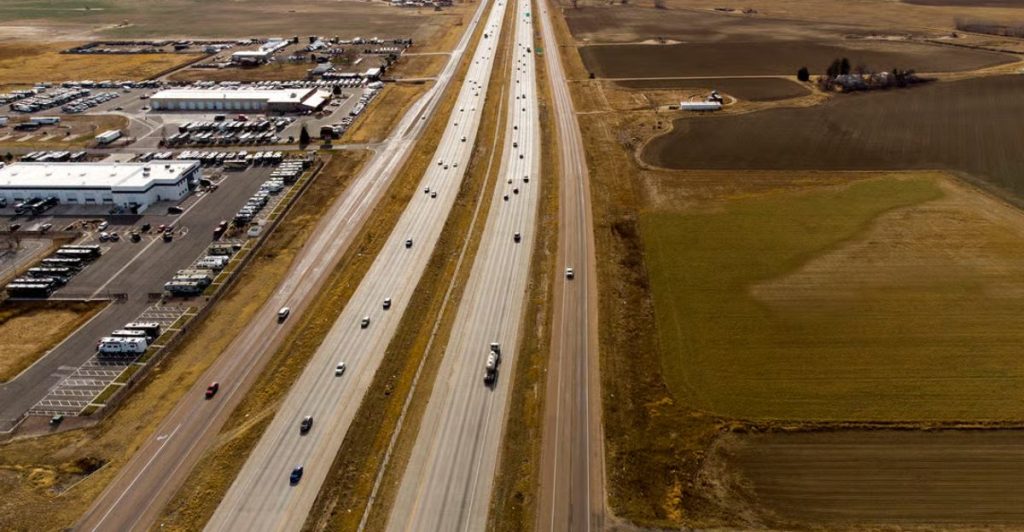
On I-25 North, excessive speeding dropped over 90% during the warning phase alone. No fines collected. Just the presence of cameras and a letter in the mail. Highway 119 saw an 80%-plus reduction in excessive speeds after warnings began in July 2025. IIHS research from Montgomery County, Maryland, documented a 39% reduction in fatal and incapacitating injuries using the same corridor approach. The Federal Highway Administration cites 20-37% injury reductions from point-to-point cameras. The cameras work. That’s exactly what makes the financial model so fragile.
Where the Money Actually Goes
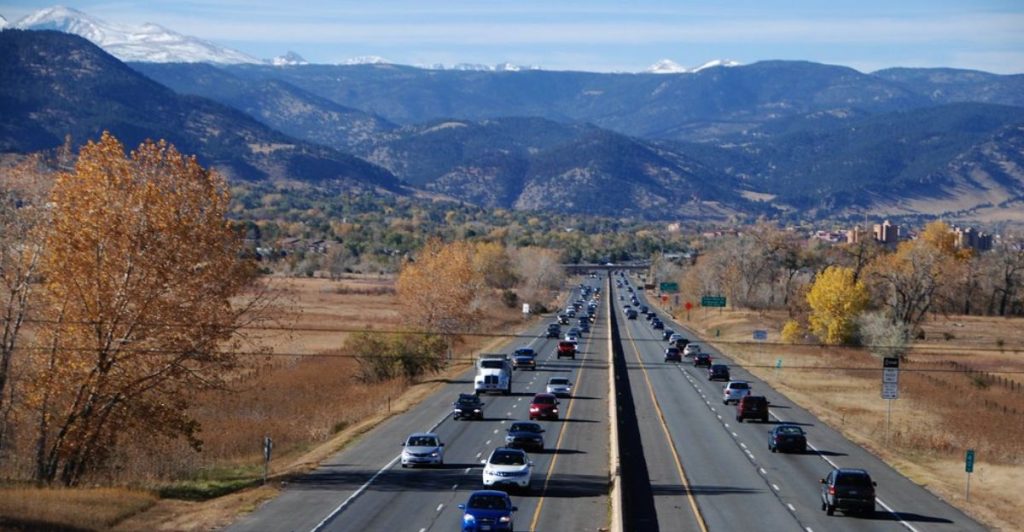
Boulder collected nearly $3 million in automated photo enforcement fines in 2024, a 17% increase over three years. I-25 North issued 4,154 warnings in its first 30 days. At $75 per fine, that corridor alone projects roughly $311,000 in April penalties. Under Colorado’s model, excess revenue flows to the Vulnerable Road User Protection Fund, financing pedestrian signals, crosswalk upgrades, and protected bike lanes. Fines from speeders build sidewalks for the people speeders endanger. That reallocation sounds noble until you realize the infrastructure pipeline dries up the moment drivers obey the law.
The Sin Tax Trap
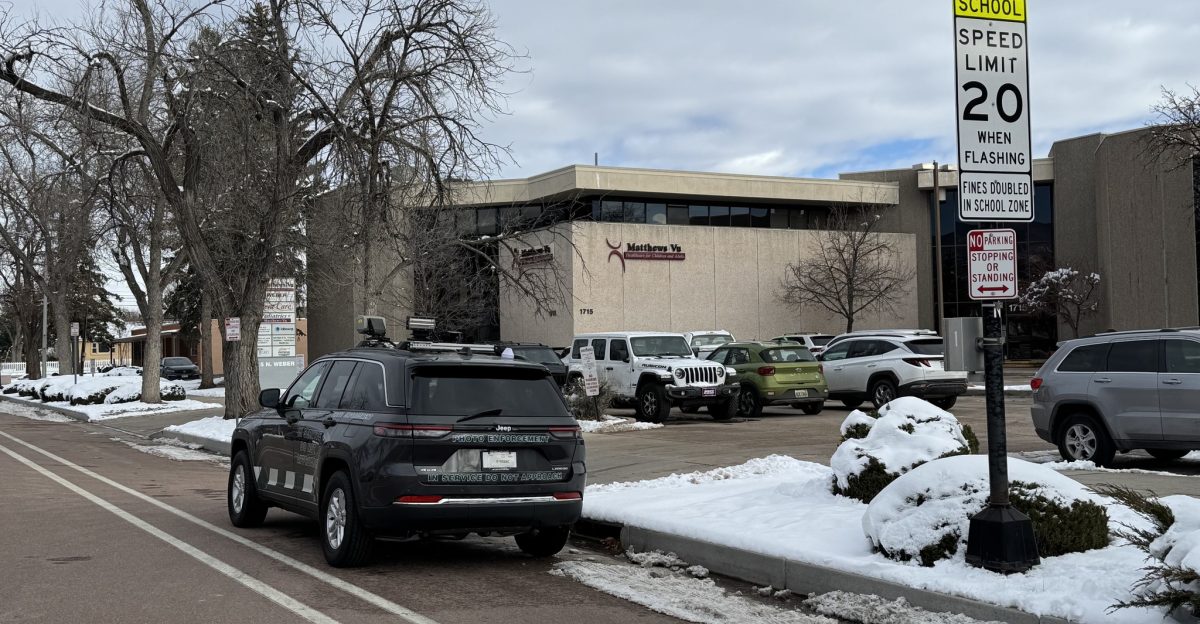
This is the cigarette tax problem wearing a badge. Tax smoking to fund anti-smoking campaigns. Fewer smokers means less revenue. Less revenue kills the campaign. Speed cameras operate on the identical paradox: fine the behavior you want eliminated, then build your budget around the fines continuing. Municipalities using lease-based financing pay zero upfront for camera installation. Vendors carry the risk. Revenue from citations covers the lease. The system scales itself: fines fund cameras, cameras generate fines, fines fund more cameras. Once you see that loop, Sincerbox’s “not revenue-generating” claim reads differently.
Privacy Guardrails Arrive Late
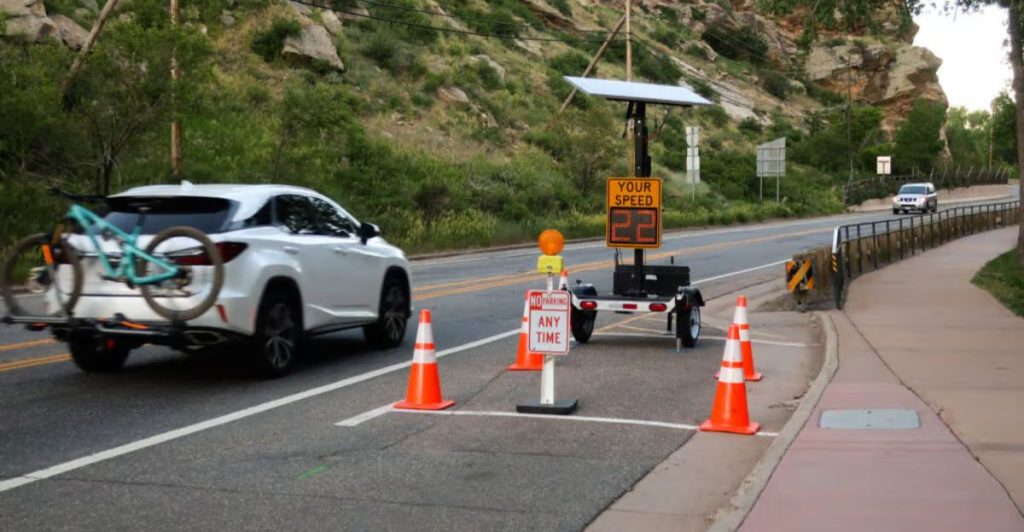
Sincerbox acknowledged the optics himself: “People think it’s a big brother situation or a gotcha situation.” He proceeded anyway. Colorado’s legislature is now playing catch-up. SB26-071, the SAFE Act, establishes data retention limits, destruction protocols, and attorney general audits over police surveillance technology. It takes effect July 1, 2027. Cameras started enforcing in 2025. That leaves a two-year window where automated systems tracked vehicles with minimal oversight. HB26-1318 would simultaneously expand camera authority to within 1,000 feet of schools, widening the surveillance footprint even as regulations scramble to contain it.
The Ticket That Could Land on Anyone’s Doorstep
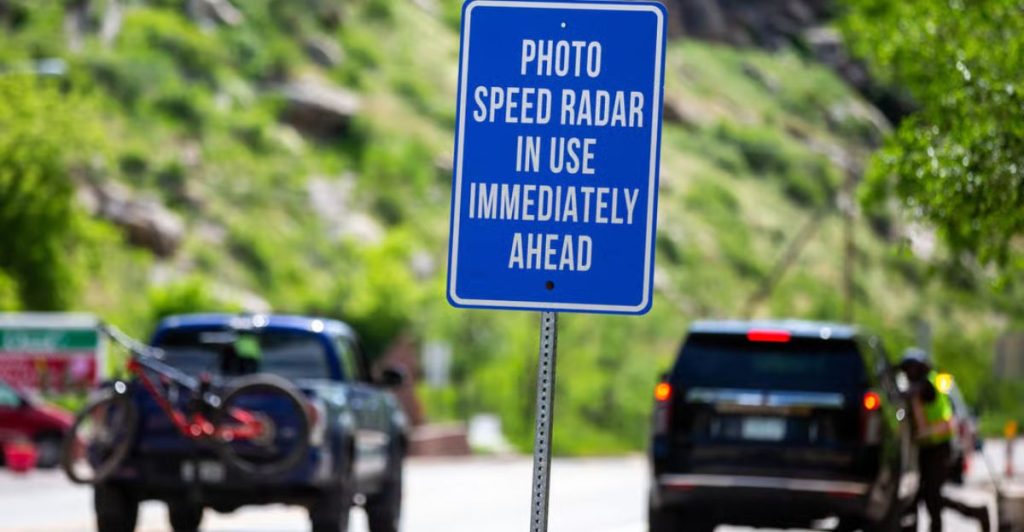
Fines attach to the registered owner, not the driver. Lend your truck to a neighbor, and the citation arrives with your name on it. Over 90% of I-25 drivers exceeded automated thresholds during the warning phase. That statistic should unsettle anyone who believes cameras only catch reckless strangers. CDOT Executive Director Shoshana Lew put it bluntly: “Each one could be any of us, crossing the street over the course of our day.” She meant pedestrians. She could have been describing the next person to open an envelope and find a fine inside.
Sources:
“Speed cameras proposed for a southern Colorado city, officer explains why” — KOAA News, August 2025
“Pueblo may soon install 15 speed cameras across the city” — KRDO News, July 2025
“Fines for speeding on I-25 between Mead and Berthoud begin April 2” — CDOT News, March 2026
“Pedestrian fatalities on the rise in Colorado” — CDOT News, March 2026
“SB26-071: Use of Surveillance Technology by Law Enforcement” — Colorado General Assembly, 2026
“Boulder is set to issue automated speeding tickets at more than a dozen locations” — Boulder Reporting Lab, July 2025