$12.6B Hyundai Bet Targets Ford’s Weakest Moment—F-Series Down 16% As Midsize Trucks Surge
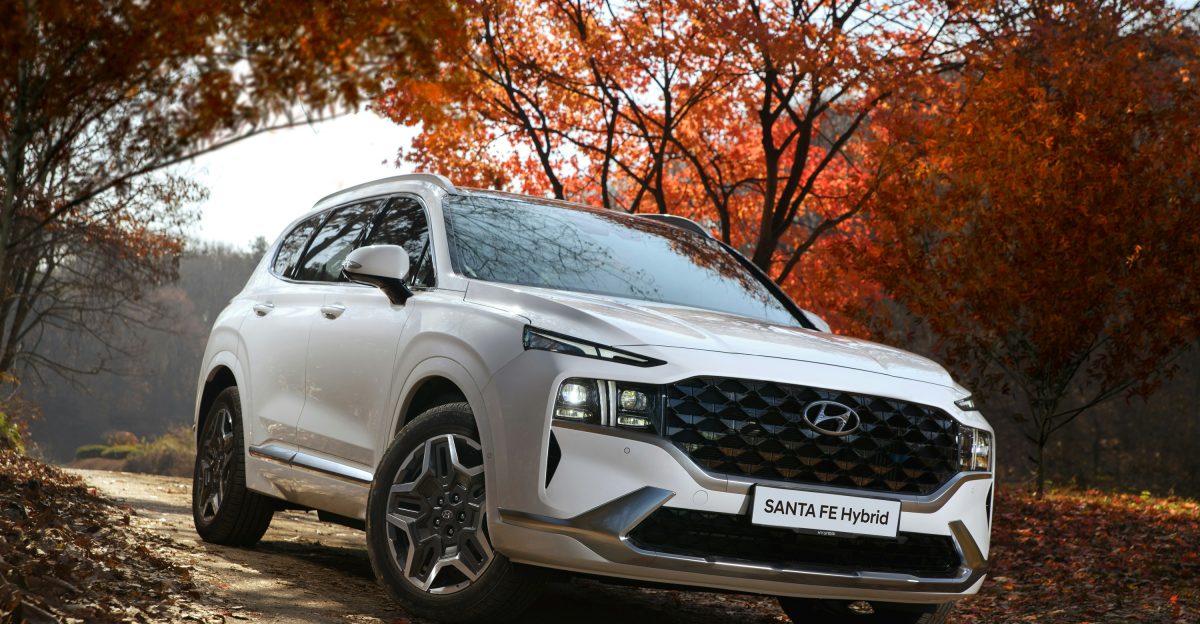
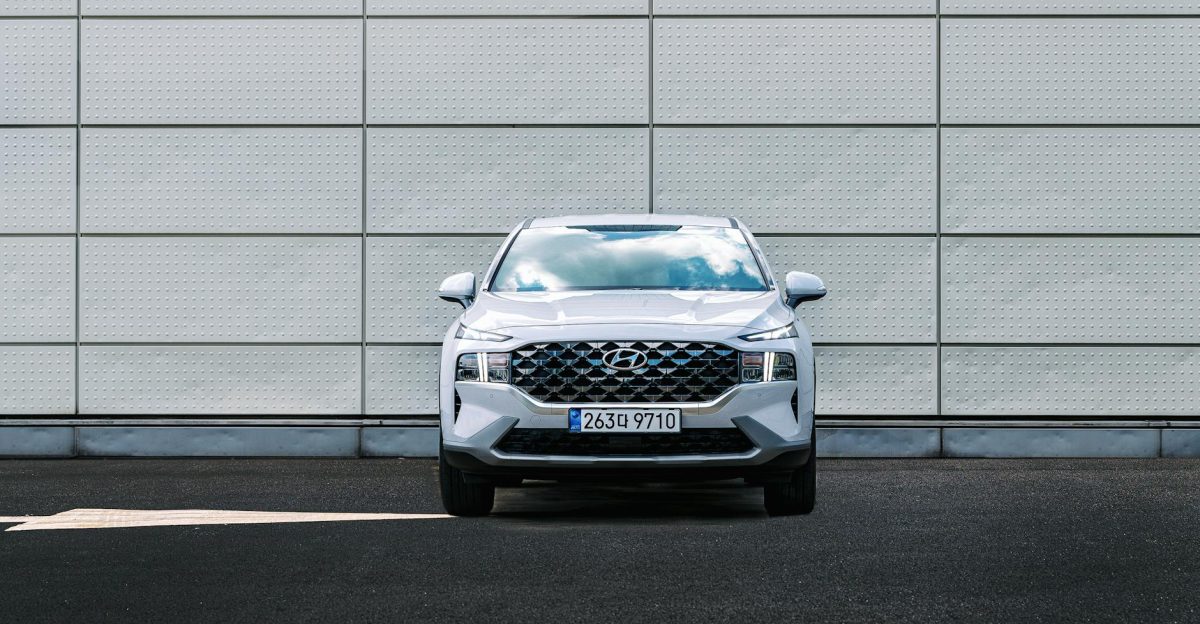
Somewhere inside Hyundai’s Georgia Metaplant, a body-on-frame pickup truck is taking shape that nobody in Detroit asked for. The company is preparing to phase out its own Santa Cruz compact truck after several years of underwhelming sales, rear seats too cramped for adults, and reliability complaints in early models.
Now Hyundai is pouring $12.6 billion into American soil across its electric-vehicle and battery operations in Georgia, hiring thousands of workers, and telling the most loyal truck-buying nation on earth that a Korean company understands what they actually need. Ford’s flagship just posted one of its weaker recent quarters on the truck side.
The F-Series Bleeds Out
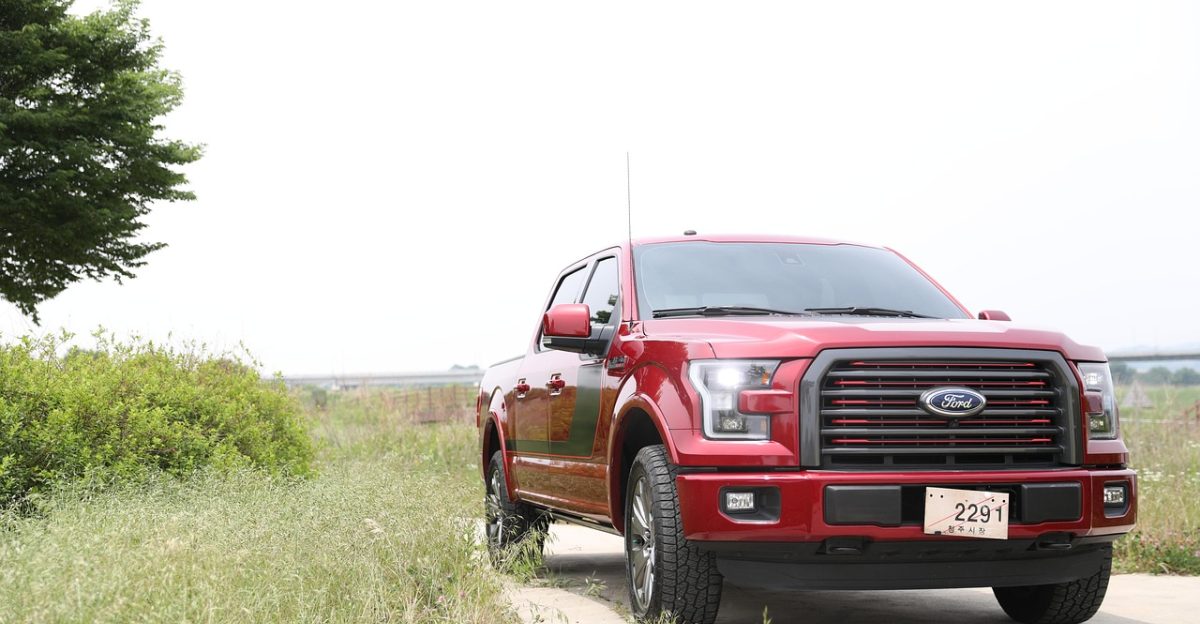
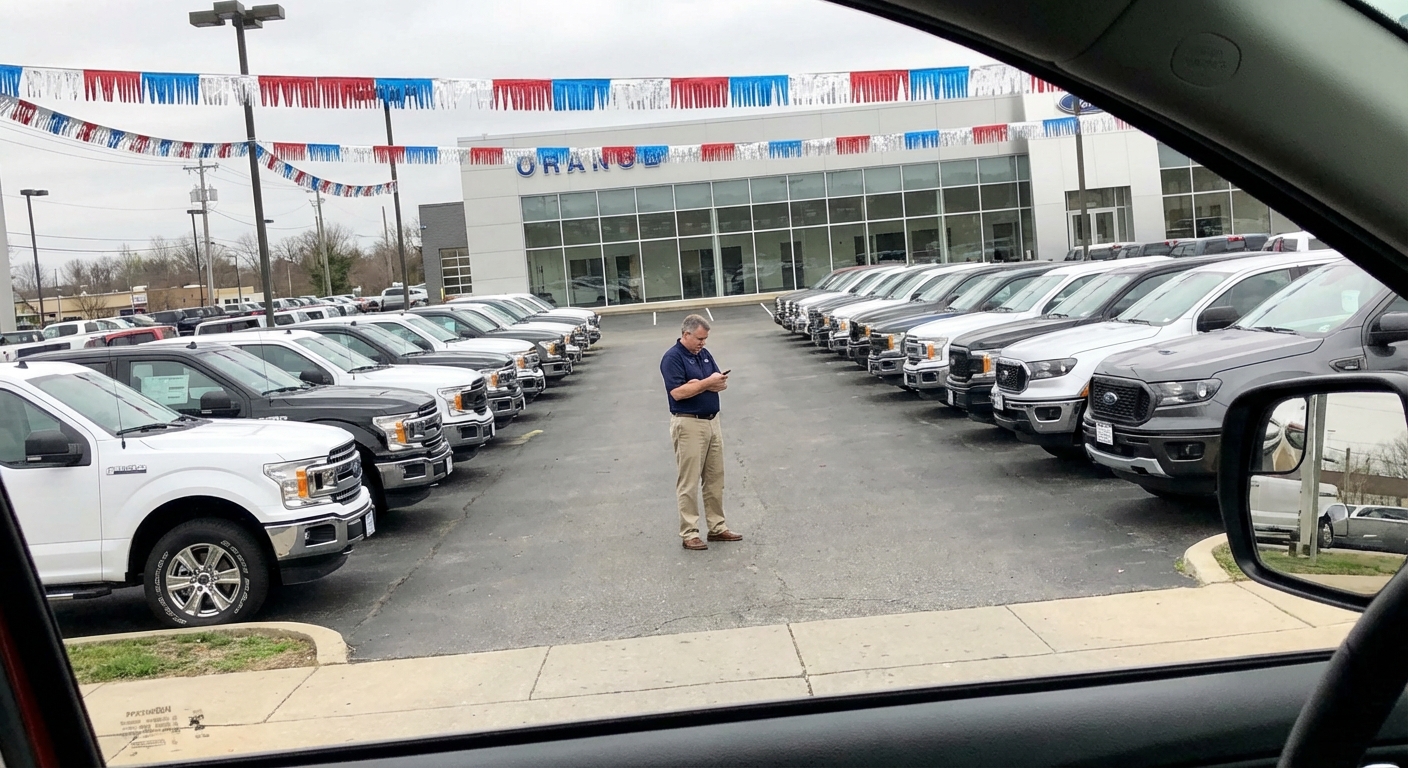
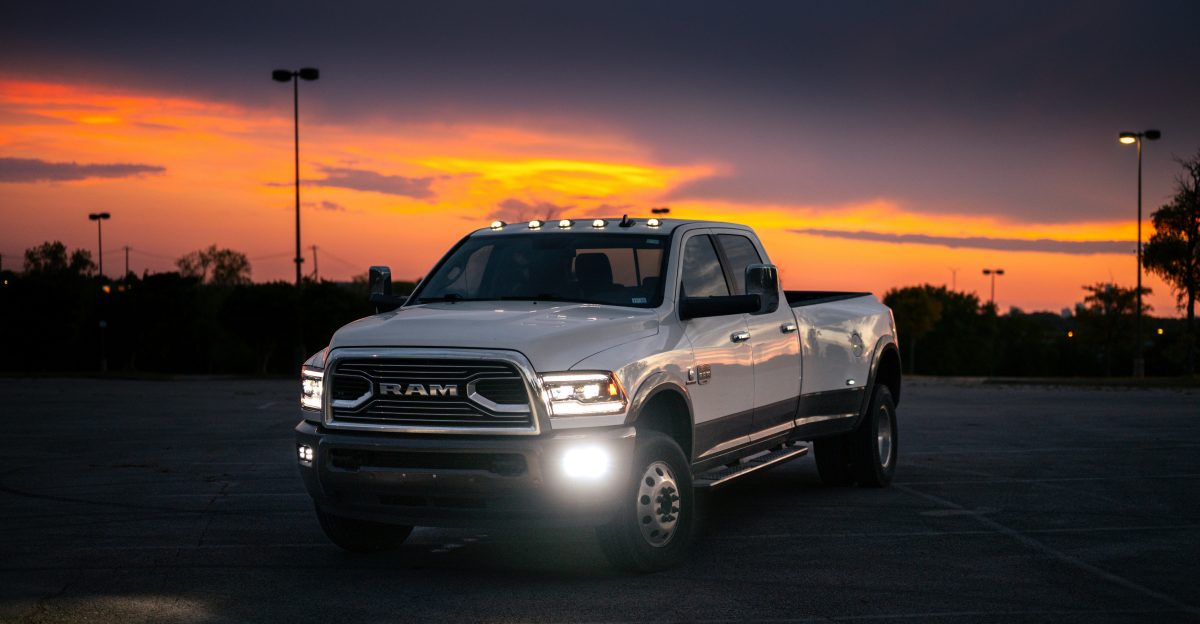
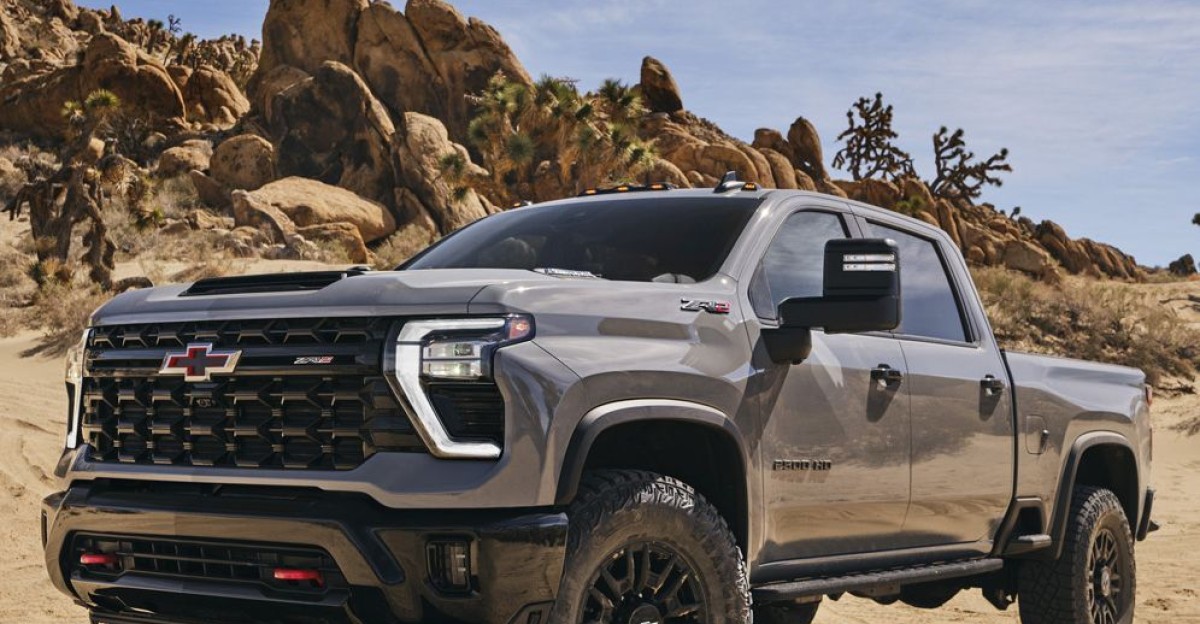
Ford’s F-Series dropped 16% in Q1 2026, year over year, to 159,901 U.S. sales, while Ford’s total U.S. sales declined 8.8%. That truck has led American sales for 49 consecutive years and remains America’s best-selling truck. Meanwhile, Ram has posted double-digit gains in recent quarters, including a roughly 25% jump in some recent year-over-year comparisons, contributing to one of its best truck performances in several years. It is one of the largest quarterly market swings in recent memory, and it happened while Ford was still running victory laps from decades of dominance.
For the first time since the 1970s, Ford’s truck crown is measurably eroding at the edges, even as it still leads in total sales. Hyundai’s CEO José Muñoz watched the broader segment numbers and has described the midsize segment as a “white-space opportunity.”
The Myth That Protected Detroit
The conventional wisdom held for a generation: foreign brands cannot crack the American truck market. Brand loyalty runs too deep. Ford, Chevy, Ram own the culture. Nissan tried in the early 2000s and faded. Mitsubishi tried and disappeared.
But by the mid‑2020s, midsize trucks had climbed from roughly a quarter of the U.S. pickup market into the high‑20s to low‑30s percent range, depending on how you define the segment, and analysts project faster growth for midsize than for full‑size trucks. Full-size trucks are still larger in absolute volume but are projected to grow more slowly over the coming decade. Buyers are migrating, and they are migrating toward efficiency and comfort, not just horsepower and towing capacity. The old loyalty lock depends on the old buyer profile.
Hyundai’s Confession Disguised as Strategy
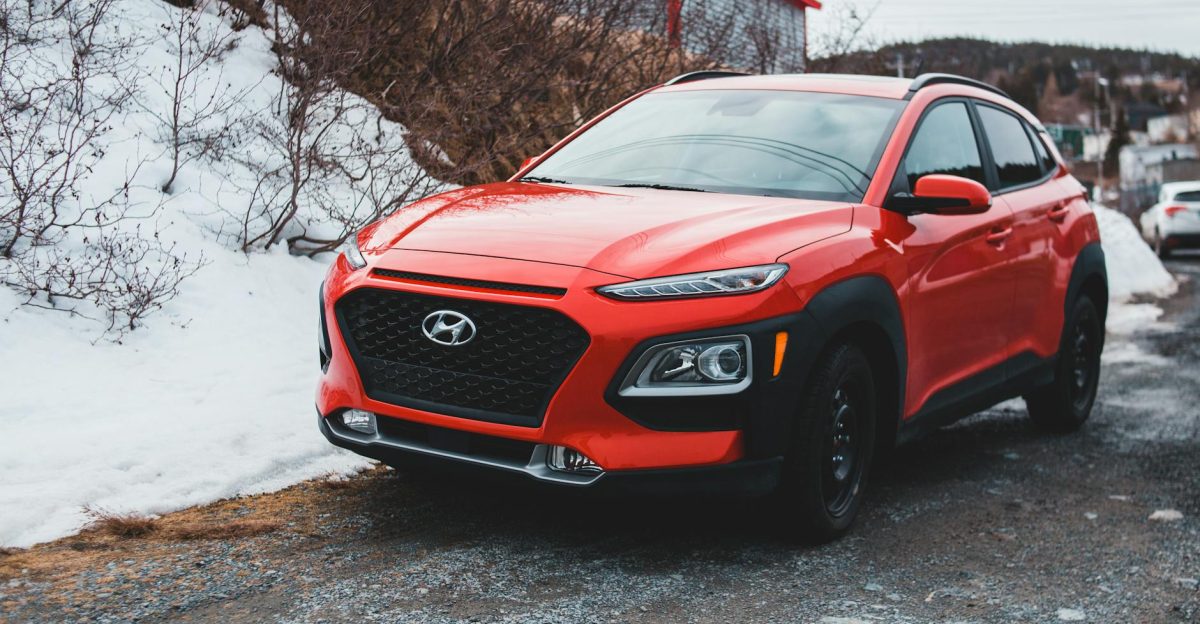
Hyundai publicly criticized many midsize trucks on the market for cramped rear seats. “Some certain things they like are interior comfort in all rows, not just the first row,” a Hyundai product strategist said. Bold words from a company whose own Santa Cruz drew similar complaints. Cramped back seat. Limited legroom. Flat cushions.
Now that truck is expected to end production around the 2026–2027 timeframe, and Hyundai pivots to body-on-frame. The $12.6 billion Georgia-area investment is, in part, a public admission: a unibody compact lifestyle truck was not the primary answer for U.S. truck growth. They got it wrong, adjusted course, and are betting heavily on the correction.
The Hidden Mechanism Ford Missed
Legacy truckmakers optimized for one buyer: the guy who needs maximum towing and will pay a premium for it. Full-size trucks carry higher sticker prices, fatter margins. Ford and Chevy built entire profit models around that customer. But more than 120,000 Americans bought a Ford Maverick compact truck in 2024 despite its smaller bed and lower towing capacity.
They chose EPA ratings of 42 MPG in the city and 37 MPG combined in hybrid form, and a lower payment. Toyota’s latest Tacoma models can deliver up to roughly the low‑20s MPG combined in efficient configurations. Chevy’s Colorado delivers roughly 18 to 20 MPG combined depending on trim and drivetrain, with its most efficient rear‑wheel‑drive models reaching about 20 MPG combined. The value hierarchy flipped, and Detroit kept building for the old one.
The Numbers That Rewrite the Playbook
Midsize trucks grew from roughly a quarter of the pickup market to somewhere around the high‑20s to low‑30s percent range by 2025, depending on definitions and sources. At the current trajectory, that share could approach the mid‑35s and potentially higher by 2035, according to optimistic analyst scenarios, while full-size is expected to grow more slowly by comparison.
The Toyota Tacoma’s more efficient configurations can deliver a clear fuel-economy advantage over many configurations of the Colorado when you compare EPA combined ratings, a gap that can translate to hundreds of dollars a year at the pump for a family running errands and hauling kids, not lumber. Muñoz has called the midsize segment “one of the largest and most profitable in the industry.” He said that while Hyundai was already preparing to wind down the small truck it had.
Who Gets Hurt Next
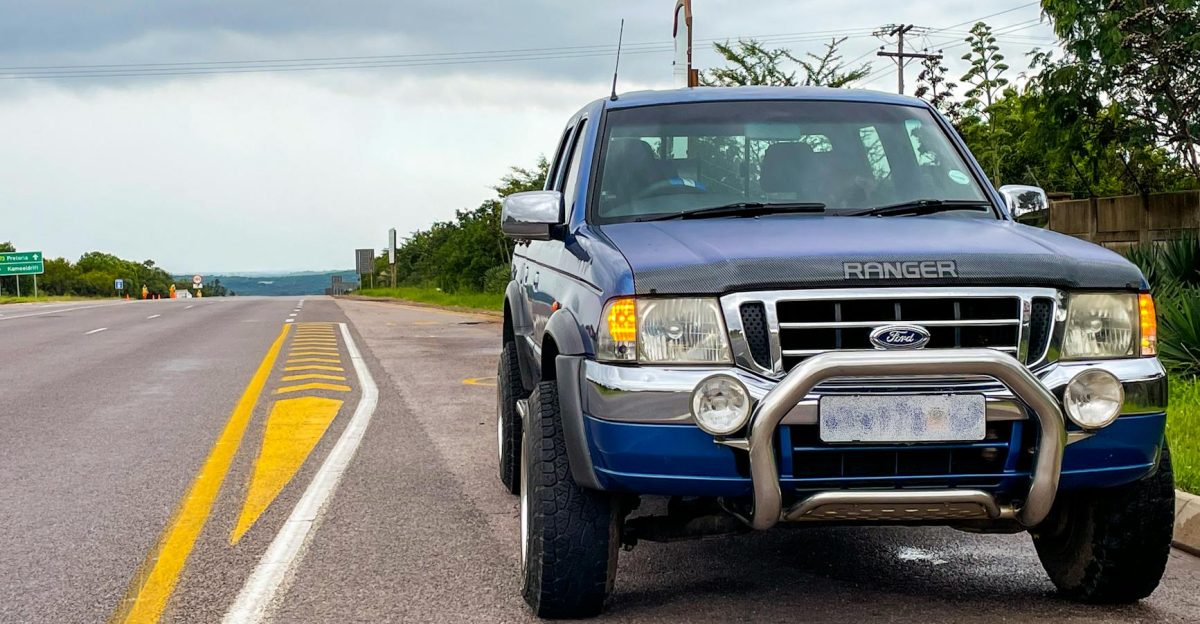
Ford’s Ranger sits trapped between Hyundai’s efficiency narrative and Ram’s capability surge. Chevy’s Colorado and GMC Canyon face renewed pressure from every direction. Hyundai’s Georgia operation is slated to employ more than 8,000 workers by around 2031 and, together with additional U.S. investments, help push the company toward producing a much larger share of the vehicles it sells in America domestically.
That helps neutralize the “foreign truck” objection with American paychecks. That forces Ford and GM to keep expanding domestic production or risk losing cost competitiveness. Santa Cruz owners, meanwhile, face an orphaned vehicle with uncertain long-term parts and dealer support once production ends, even if Hyundai continues service and parts for some years as usual. Hyundai burned its own customers’ bridge to build a bigger one.
The New Rule, Not the Exception
No foreign OEM has successfully broken into the U.S. body-on-frame truck market as a completely new entrant in roughly 25 years; the foreign brands that do compete today, like Toyota and Nissan, established their truck footprints decades ago. Hyundai’s Kia Tasman platform, launching globally in 2025, is claimed to boost body strength 64% and torsional rigidity 32% compared with a related ladder-frame SUV baseline, according to manufacturer figures.
That platform gives Hyundai a shortcut past years of development. If they execute, the precedent shatters the old barrier permanently. Nissan and Mitsubishi could revisit abandoned truck programs. Once you see it, the story changes: midsize growth is not about shrinking needs. It is about shifting values. Efficiency, comfort, and family practicality now beat raw horsepower alone.
The Counterattack Is Already Late
Ford is accelerating the Ranger Hybrid and electrification of its truck lineup. Chevy is likely to keep adding electrified and extended-range options to the Colorado and its truck family. Toyota will defend with performance trims and hybridized capability. All of these responses take years to reach showrooms.
Hyundai is exploring multiple powertrain options simultaneously: hybrid, extended-range electric, internal combustion, and full electric for its truck roadmap. “You have opportunities with HEV, EREV, ICE, and EV,” the company has said of its strategy. That flexibility is a weapon. Legacy makers committed to single paths years ago. By 2032, analysts expect the top three midsize players to control a dominant share of the segment.
The Truck That Tells You Who You Are
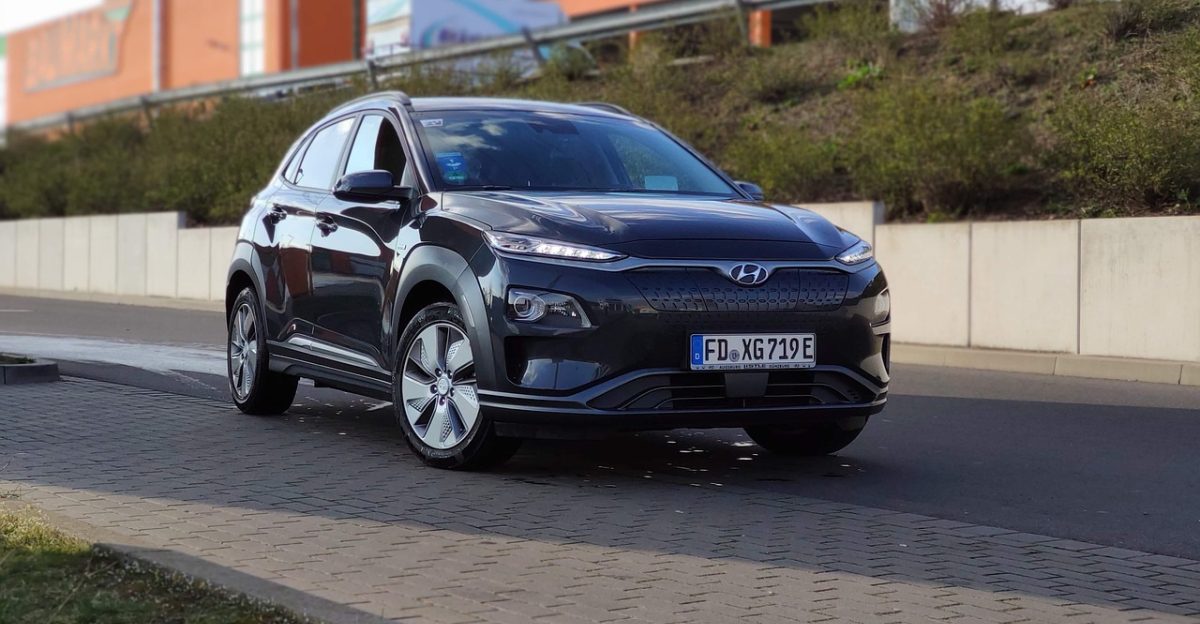
Hyundai targets 5.55 million global vehicle sales by 2030, with about 60% electrified in its longer-term strategy. The midsize truck is the tip of a spear aimed at one of the most tribal purchase decisions in America. Four-wheel drive already commands a large share of the pickup market, proving these buyers still want capability. They just want it paired with a back seat their family can tolerate for six hours.
Ford spent 49 years assuming loyalty was permanent. Hyundai spent $12.6 billion assuming it was not. One of them read the market right, and the answer arrives before 2030.
Sources:
Ford Motor Company, “Ford Sales Rose 6% in 2025 on Torrid Truck, Hybrid Demand,” Ford Newsroom, Jan. 6, 2026.
Yahoo Finance, “GM, Ford Sales Fall Sharply in First Quarter as Affordability, Tariff Impacts Drag Down Results,” April 6, 2026.
MarketWatch, “Hyundai to Invest $12.6 Billion in EV Manufacturing, Battery Production in Georgia,” Sept. 19, 2023.
Los Angeles Times, “Hyundai Confirms $2.7-Billion Expansion of Georgia EV Plant Despite Tariff Uncertainty,” Sept. 19, 2025.
S&P Global Mobility, “Full-Size Half-Ton Pickups Play Outsize Role in US Auto Market,” Nov. 20, 2025.
Korean Car Blog, “Kia Held Tasman Pickup Truck Tech Day,” April 1, 2025.