World’s Top 8 EV Makers—Tesla’s ‘Victory’ Hides A 40% European Collapse
Tesla reclaimed the global EV sales crown in Q1 2026 with 358,023 deliveries, edging BYD by roughly 48,000 units after an 11-month absence from the top spot. The headline triumph, however, masks a deeper structural shift underneath the numbers.
Chinese manufacturers now hold four of the top six global positions, powered by vertical integration, state-backed financing, and aggressive pricing. Tesla’s own European sales collapsed nearly 40% during the first 11 months of 2025, even as the broader EU EV market grew by double digits.
BYD
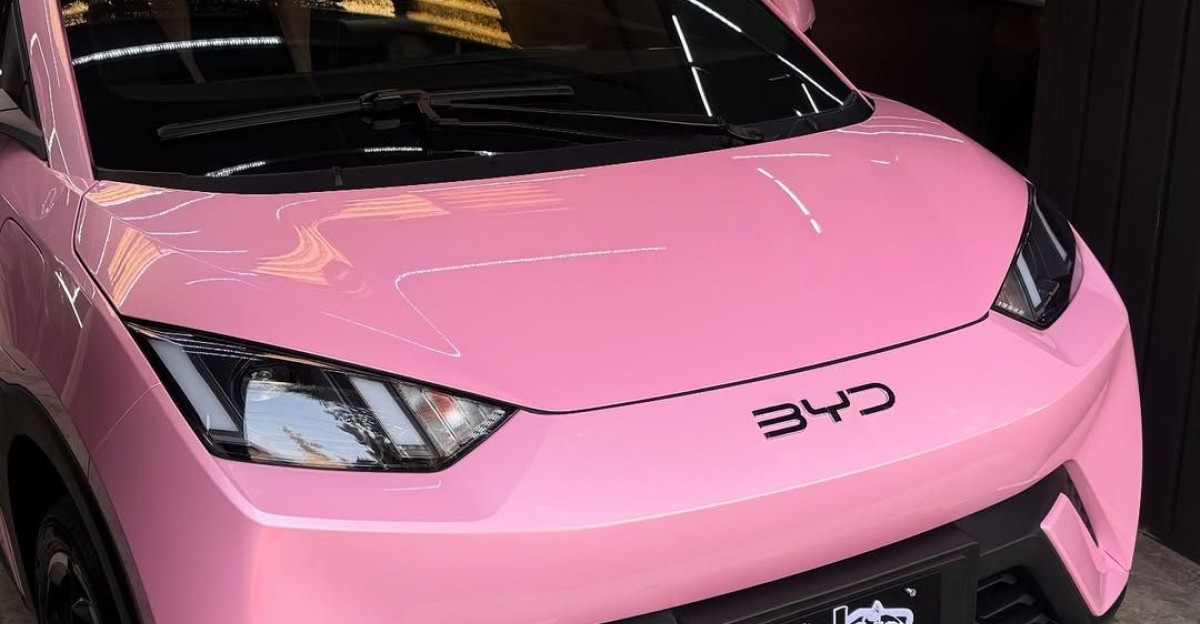
BYD delivered 310,389 battery-electric vehicles in Q1 2026, surrendering the global lead it held for 11 consecutive months. Still, BYD’s 2025 full-year total of 2.26 million units—a 28% surge—marked the first calendar year it outsold Tesla worldwide.
The Shenzhen giant’s moat runs deep. BYD manufactures 75% of its Seal EV components in-house, compared to Tesla’s estimated 46% on the Model 3. It now bundles free advanced driver-assistance technology—its God’s Eye system—on models starting at just $9,500, undercutting Tesla’s FSD, which shifted from an $8,000 one-time purchase to a subscription-only model in early 2026.
Tesla
Tesla produced 408,386 vehicles and delivered 358,023 in Q1 2026, posting 6.3% year-over-year growth to recapture the global number-one position. The company also deployed 8.8 GWh of energy storage, signaling diversification well beyond cars.
But regional cracks are widening. Tesla fell out of China’s NEV top 10 in January 2026 with just 18,485 units—its lowest since November 2022. Its EU sales dropped nearly 40% through most of 2025, the steepest regional contraction in company history.
Geely
Geely posted a record Q1 2026, delivering 709,358 vehicles—the highest first-quarter result in company history. New-energy vehicle sales hit 369,059 units, pushing the electrification rate to 52% and reaching 55% in March alone.
The export surge is even more striking. Geely shipped 203,024 vehicles overseas in Q1 2026, a 126% year-over-year jump. That triple-digit export growth far outpaced domestic gains, signaling an aggressive pivot toward global markets.
Volkswagen
The Volkswagen Group delivered 983,100 battery-electric vehicles worldwide in 2025, a 32% increase over 2024 and the highest annual BEV total in company history. Europe accounted for most of the growth, with EV deliveries surging 66%.
Europe’s largest legacy automaker now faces pressure at home. EU car imports from China overtook EU exports to China for the first time in 2025, according to EY. Germany’s auto exports to China have more than halved since 2022, and EY projects the two flows could reach parity as early as 2026.
Leapmotor
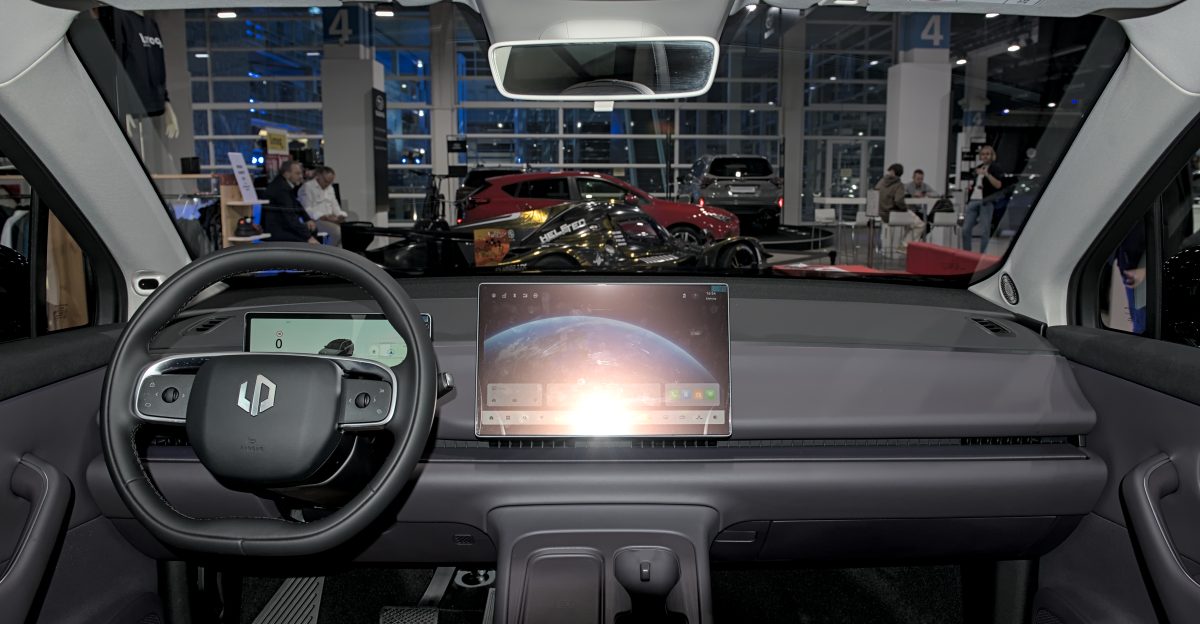
Leapmotor delivered 596,600 vehicles in 2025 and has set the most ambitious growth target among new EV manufacturers: one million units in 2026, a 67.5% leap. The Stellantis-backed startup is expanding rapidly across both China and Europe.
That growth rate dwarfs the established field. Tesla grew roughly 6% in Q1 2026 and BYD grew 28% in full-year 2025. Leapmotor’s trajectory suggests Chinese startups can scale faster than either incumbent, aided by lean cost structures and Stellantis’s distribution network.
Xiaomi
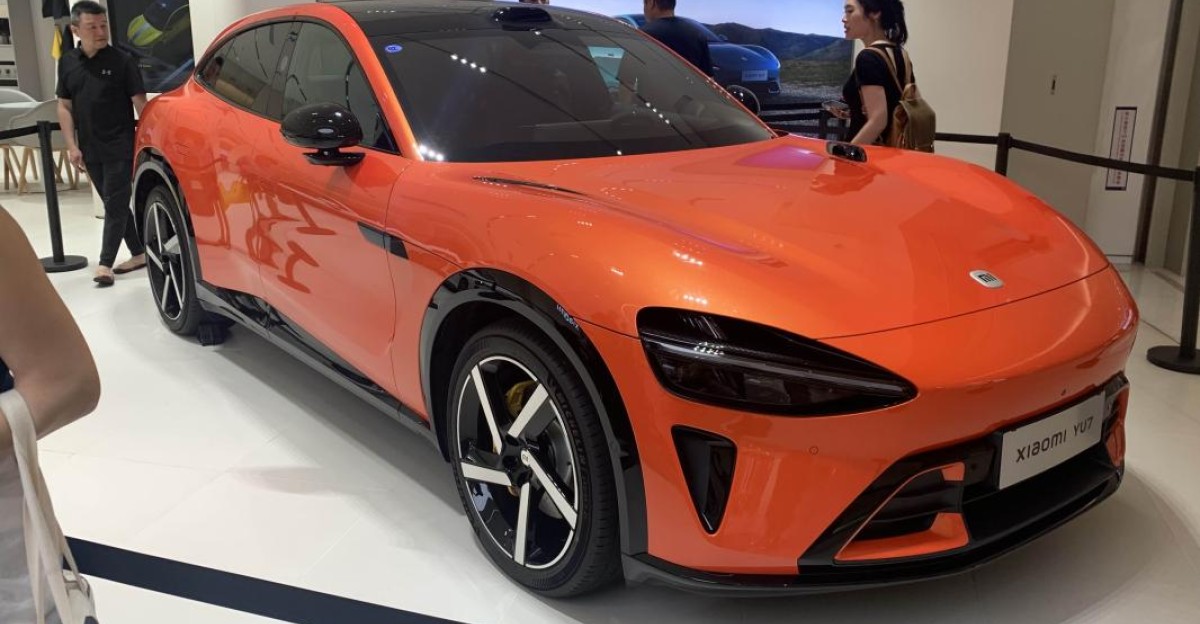
Xiaomi Automobile exceeded its 2025 delivery plan with more than 410,000 vehicles and now targets 550,000 in 2026—a 34% increase. The tech giant’s YU7 SUV led China’s early-2026 nameplate rankings, demonstrating that consumer-electronics firms can disrupt traditional automakers.
Xiaomi’s entry reflects a broader pattern: software-first platforms bypassing legacy OEM hierarchies through direct sales and integrated AI. New-energy vehicles represented roughly 40% of China’s passenger-vehicle exports in 2024 and approached half by mid-2025, with tech-company entrants like Xiaomi accelerating the shift.
NIO
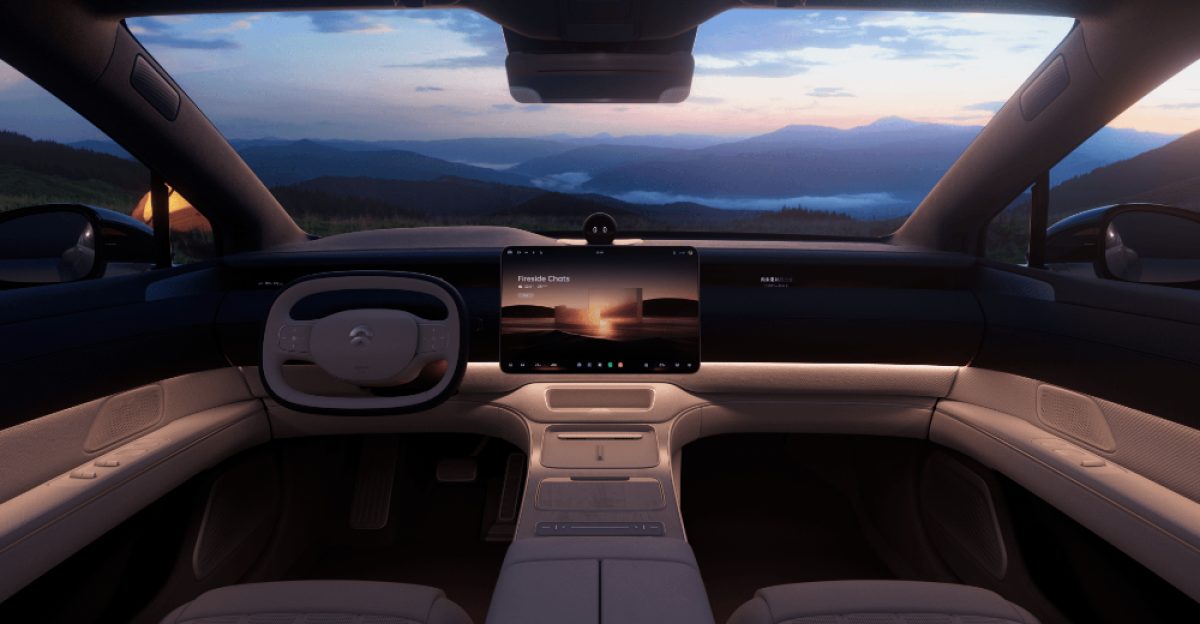
NIO hit a milestone in February 2026—100 million cumulative battery swaps across its network, validating the swapping model at unprecedented scale. The infrastructure bet separates NIO from every other major EV maker on the planet.
By decoupling battery ownership from vehicle ownership, NIO lets drivers upgrade capacity without buying a new car. The company is targeting significant volume growth in 2026, though it remains smaller in absolute volume than China’s market leaders.
BMW
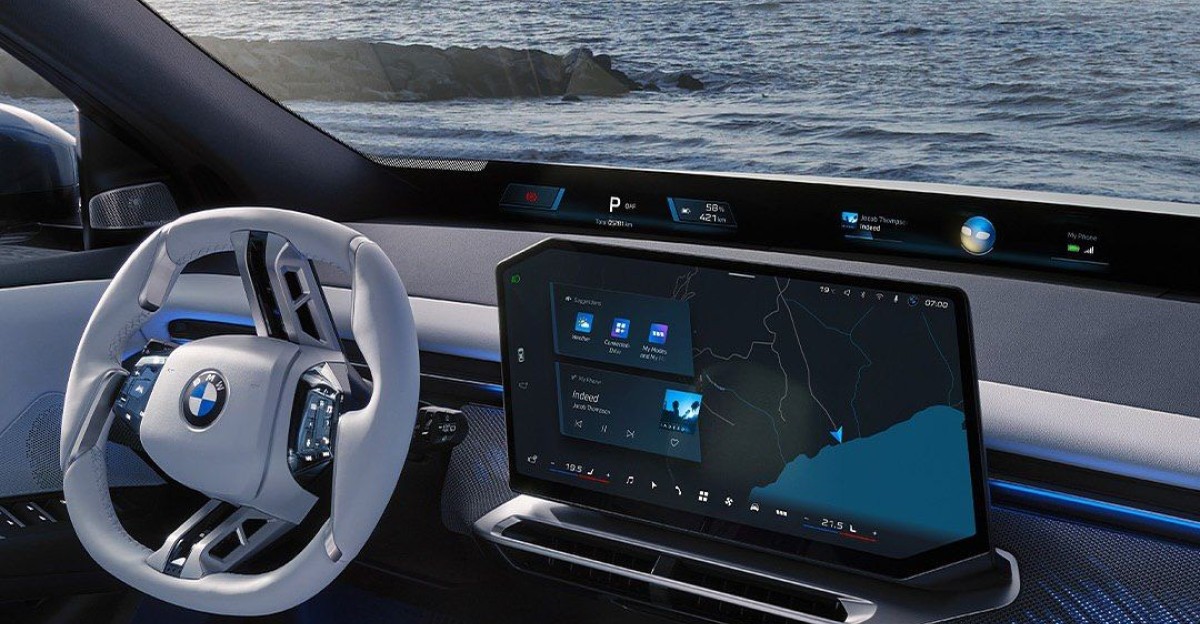
BMW held a top-ten global EV position through 2025 and into 2026, buoyed by strong European demand where EU BEV registrations rose roughly 21% to 158,280 units in February 2026, according to ACEA. Its i4 and iX lineups carved meaningful share alongside Tesla’s chart-topping Model Y.
But BMW faces the same headwinds battering all European incumbents. Chinese EV exports to the EU continued to climb sharply in 2025 despite tariff barriers designed specifically to slow their advance.
The Bigger Picture
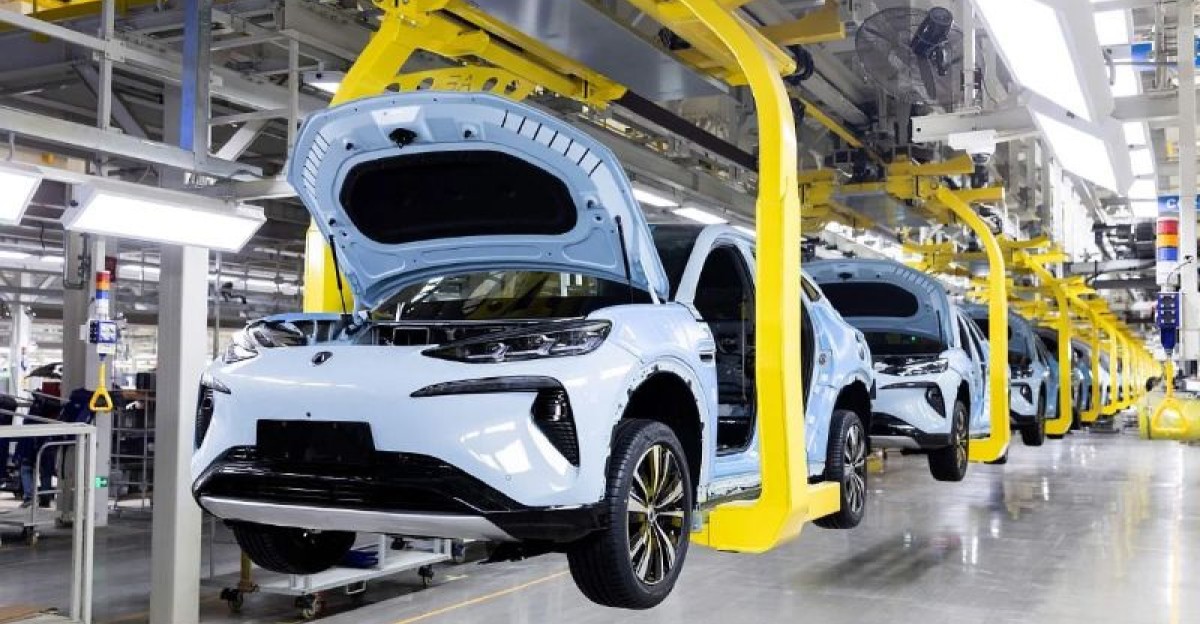
The global EV market is no longer a two-horse race. Chinese manufacturers—BYD, Geely, Leapmotor, Xiaomi, and NIO among them—collectively field more than five million units of annual capacity, fragmenting leadership below the Tesla-versus-BYD headline.
Meanwhile, hundreds of billions in announced EV investments between 2021 and 2024 have collided with tens of billions in writedowns by early 2026. The industry’s center of gravity has shifted to China, and the scoreboard is still moving.
Sources:
Tesla Investor Relations — “Tesla First Quarter 2026 Production, Deliveries & Deployments” — April 1, 2026
CleanTechnica — “BYD’s BEV Sales Grew 28% In 2025, But Dropped 8% In December” — January 2, 2026
Yahoo Finance — “Tesla EV Sales Collapse Nearly 40% in Europe Amid Rising Competition” — December 24, 2025
Volkswagen Group — “Volkswagen Group Deliveries Remain Stable in 2025” — January 19, 2026
Bitauto — “Geely Auto Q1 Sales Exceed 709,000 Units, NEV Share Tops 50%” — April 1, 2026
CnEVPost — “Xiaomi Aims to Deliver 550,000 Cars in 2026” — January 4, 2026