Michigan Declares EV Charging ‘Fully Built Out’ With 83 Stations—It Needs 66,600
Somewhere in Lansing, officials popped champagne. On April 6, 2026, Michigan earned “fully built out” certification from the Federal Highway Administration, unlocking $51 million in discretionary EV charging funds. The phrase sounds like a finish line. It sounds like the state solved something.
Michigan’s registered EV fleet doubled to 120,917 vehicles in two years, with 41,000 added in 2025 alone, the strongest single-year growth in state history. That growth needs infrastructure behind it. The $51 million was supposed to provide it.
What “Fully Built Out” Actually Means
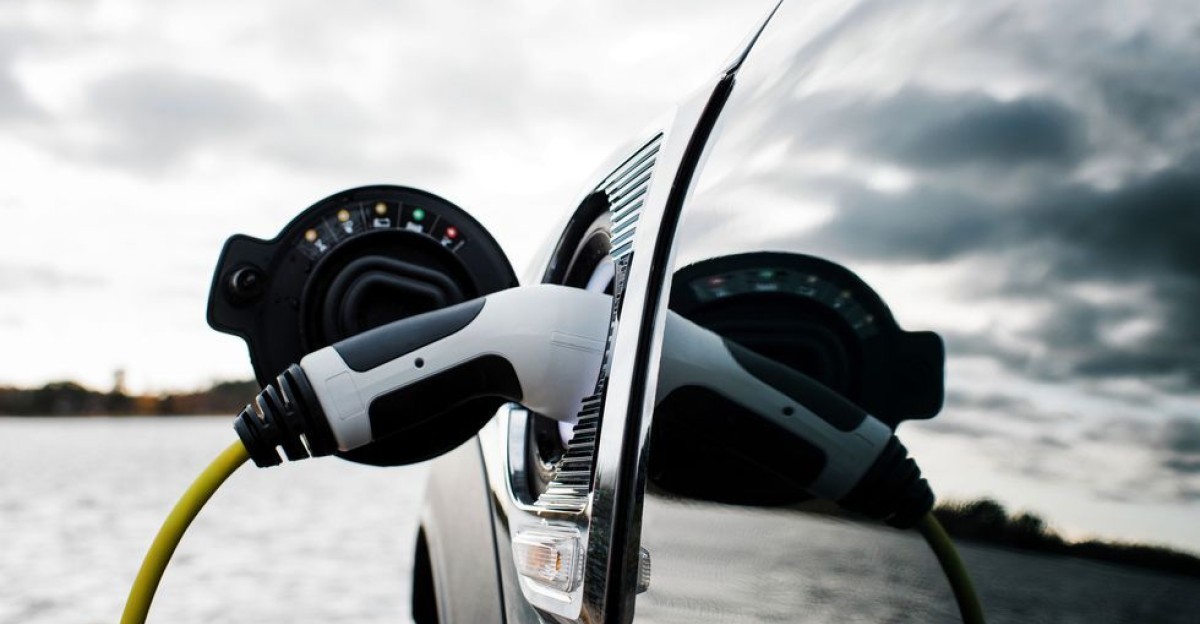
That certification describes one thing: highway corridors now have fast chargers spaced roughly every 60 miles. MDOT coordinated with FHWA, local governments, tribal nations, utilities, and private companies to deploy 83 NEVI charging stations across the state. Eighty-three.
Michigan’s own climate plan says the state needs 66,600 chargers by 2030 to support 2 million EVs. That means the “fully built out” network covers 0.125% of actual statewide need. The label earned Michigan its $51 million. It also earned a third funding round opening soon, targeting geographic gaps.
The Rule Change That Made It Possible
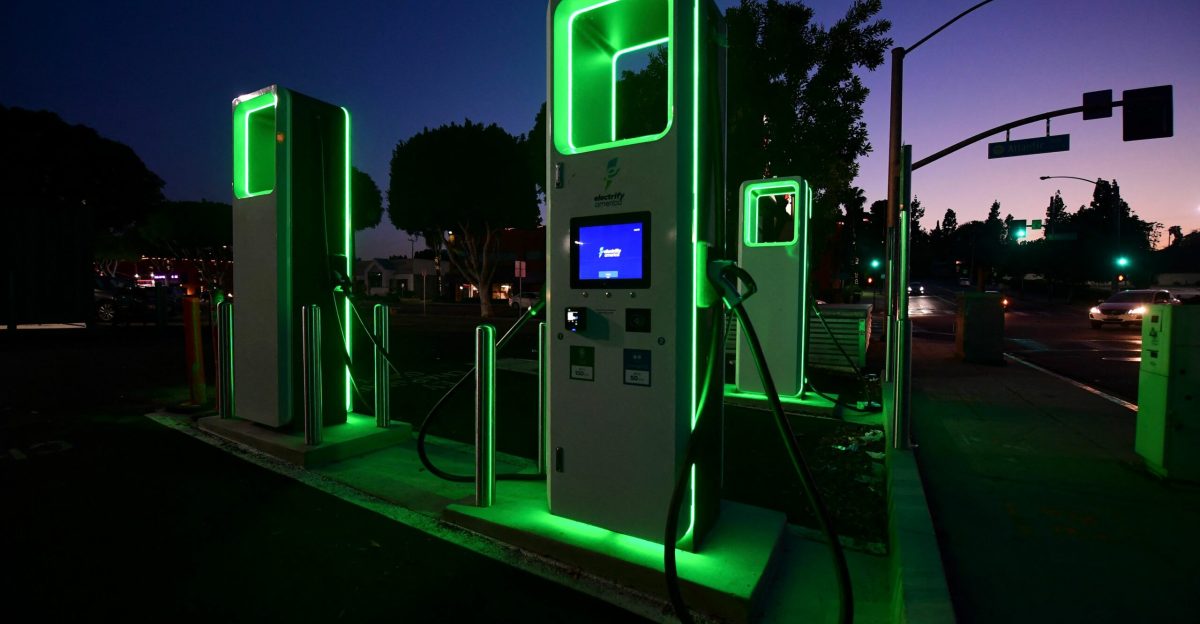
In August 2025, Transportation Secretary Sean Duffy overhauled federal NEVI guidance. Gone: the 40% disadvantaged community benefit requirement. Gone: environmental siting rules, resilience planning, emergency evacuation mandates, community engagement consultations. Duffy’s pitch was efficiency. “If Congress is requiring the federal government to support charging stations, let’s cut the waste and do it right.”
Michigan became the second state after Pennsylvania to hit FBO certification under those streamlined rules. The corridors filled fast once nobody had to ask the communities along them what they thought.
The Math That Breaks the Celebration
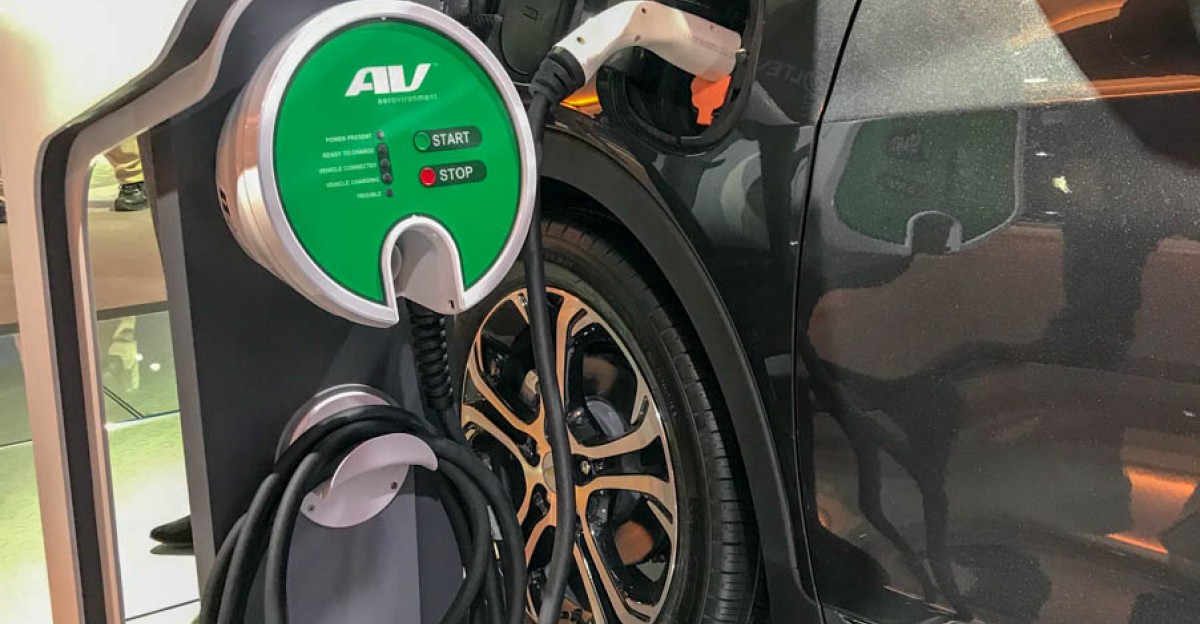
Michigan’s total NEVI allocation is $106 million. The state needs 66,600 chargers. A single pilot station in Benton Harbor costs $600,000 and serves four vehicles simultaneously, with construction expected this summer. Scale that unit cost statewide: roughly $39.96 billion. The federal allocation covers 0.27% of the bill.
The $51 million unlocked funds approximately 85 additional stations. Eighty-three deployed. Eighty-five more coming. Sixty-six thousand still needed. That gap is 269 times larger than every federal dollar Michigan will ever receive through NEVI.
A Network Built Where Nobody’s Buying
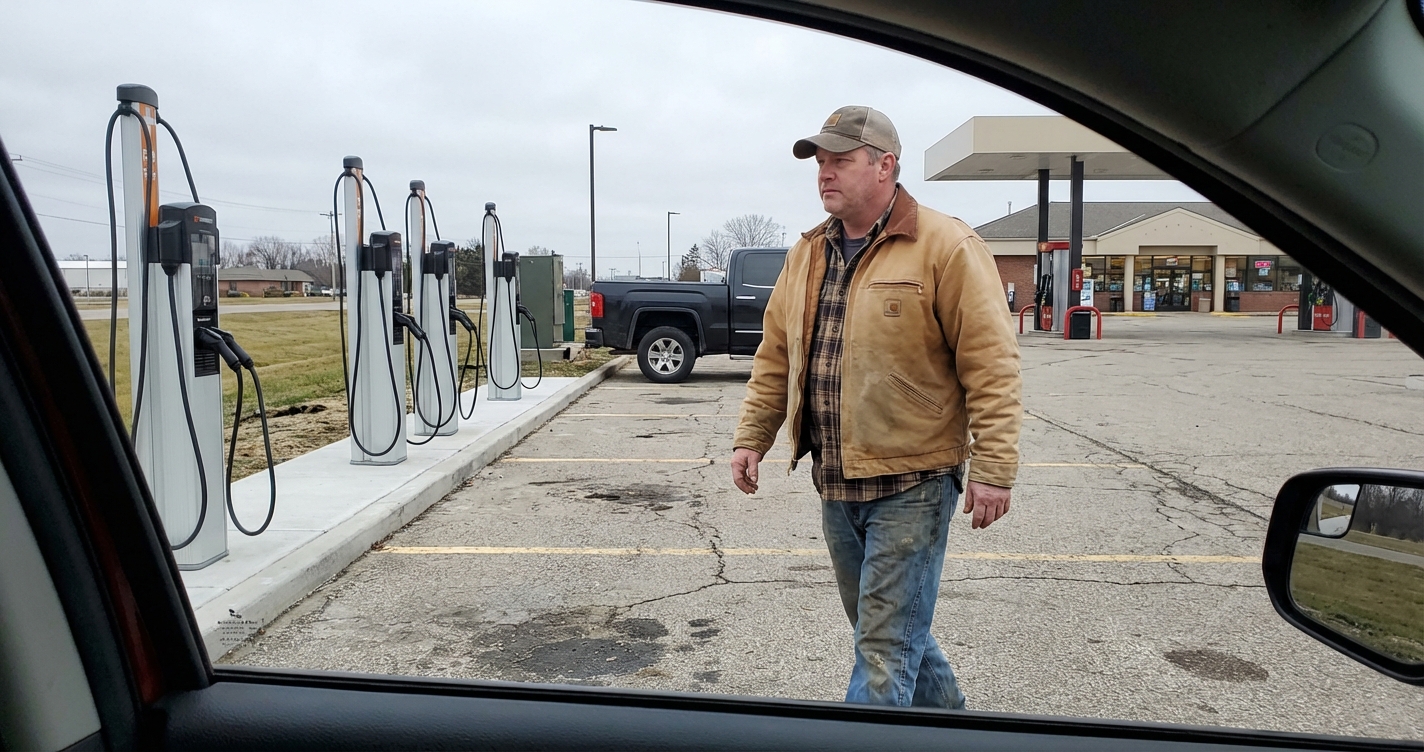
The hidden mechanism is a circular dependency. Michigan projects 24% EV sales by 2030, up from 9% in 2025. But University of Michigan research found only 5% of rural Michiganders would choose an electric vehicle as their next car.
That 19-percentage-point gap between projection and preference reveals the system’s flaw: infrastructure assumes demand that doesn’t exist in the places that need it most. MDOT’s Jonathan Harden said the goal is to “reduce range anxiety and give drivers confidence they can travel long distances.” Confidence requires chargers. Chargers require adoption. Adoption requires confidence.
The $755 Million Bet on Behavior
Consumers Energy projects $755 million in downward rate pressure across Michigan through 2031 from EV charging grid integration. That projection, the largest documented utility-level EV benefit in any single state, assumes 90% or more of charging happens off-peak through managed programs. If rural adoption stays at 5%, those savings evaporate. Rate pressure reverses.
Non-adopters in rural Michigan end up subsidizing urban infrastructure they never use. Every NEVI charger must maintain 97% annual uptime, stricter than typical commercial standards, and someone has to fund that maintenance whether drivers show up or not.
Who Pays When the Model Fails
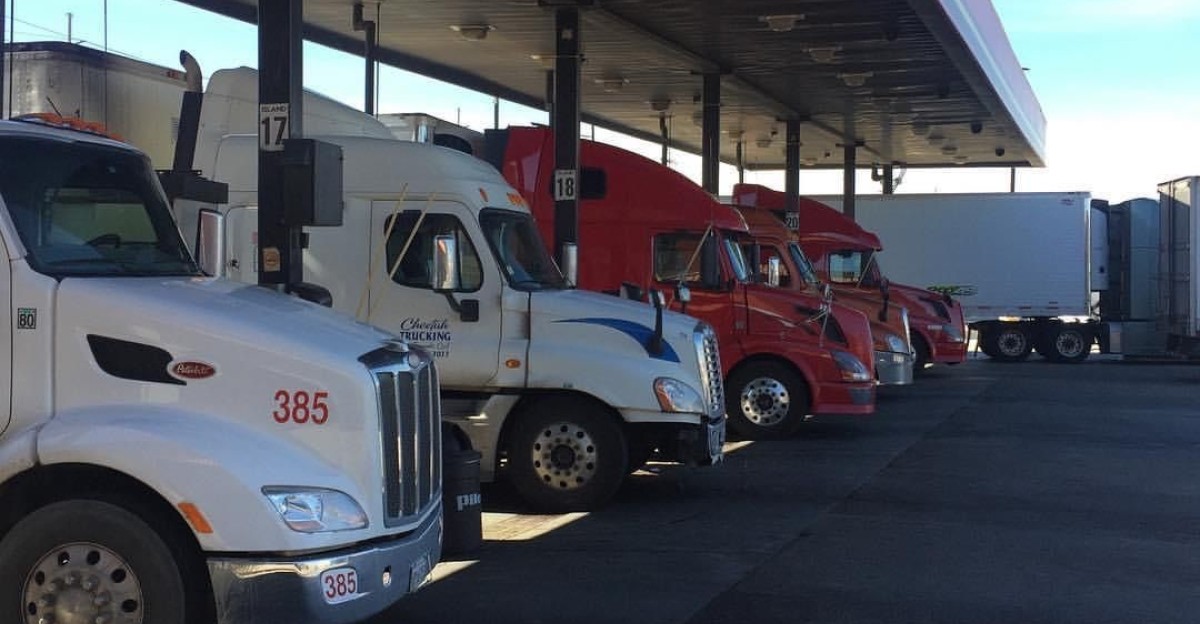
The ripple hits three directions at once. Charging equipment vendors now prioritize gas stations, truck stops, and convenience stores per NEVI guidance, leaving multifamily housing behind. Michigan’s state-funded CFCI program invested $1.84 million across 31 multifamily properties for 201 chargers. Two hundred and one, for a state targeting 66,600.
Meanwhile, motor vehicle manufacturing employment could drop 30% by 2050 if EV adoption reaches 100%, echoing the economic shocks Michigan absorbed in the oil crisis and 2008 recession. The state is building for a future its workforce may not survive.
The Template Other States Will Copy
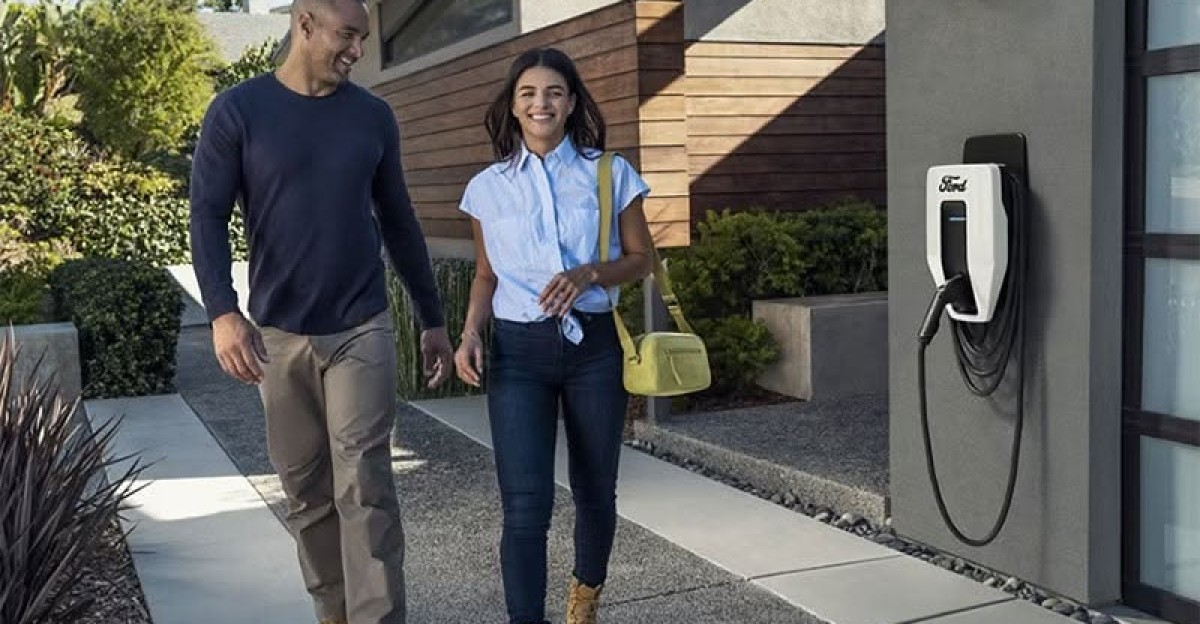
Michigan’s FBO-to-gap-funding transition is becoming the national playbook. Pennsylvania, Rhode Island, Ohio, North Carolina, Vermont, Utah, and Wyoming have all achieved FBO certification. Each one followed the same path: streamlined rules, corridor completion, discretionary unlock, statewide gap unfunded. Once you see the pattern, you cannot unsee it. “Fully built out” is regulatory language, not policy outcome.
Every FBO state faces the same structural truth: federal money covers highways, and everything else falls to states, utilities, and private capital with no dedicated funding stream.
The Deadline Nobody Can Meet
Michigan’s state fleet must transition to 100% zero-emission light-duty vehicles by 2033, with 100 EV charging stations planned at state facilities. Government employees will drive electric whether rural communities adopt or not. The MI Carshare program expands to 65 electric vehicles across the state by 2028 through a $2.5 million grant. At current EV growth of 41,000 per year, Michigan reaches its 2 million EV target around 2074. Not 2030.
The escalation path runs through emergency funding measures, rate increases, or quietly abandoned climate goals.
The Gap They Celebrated
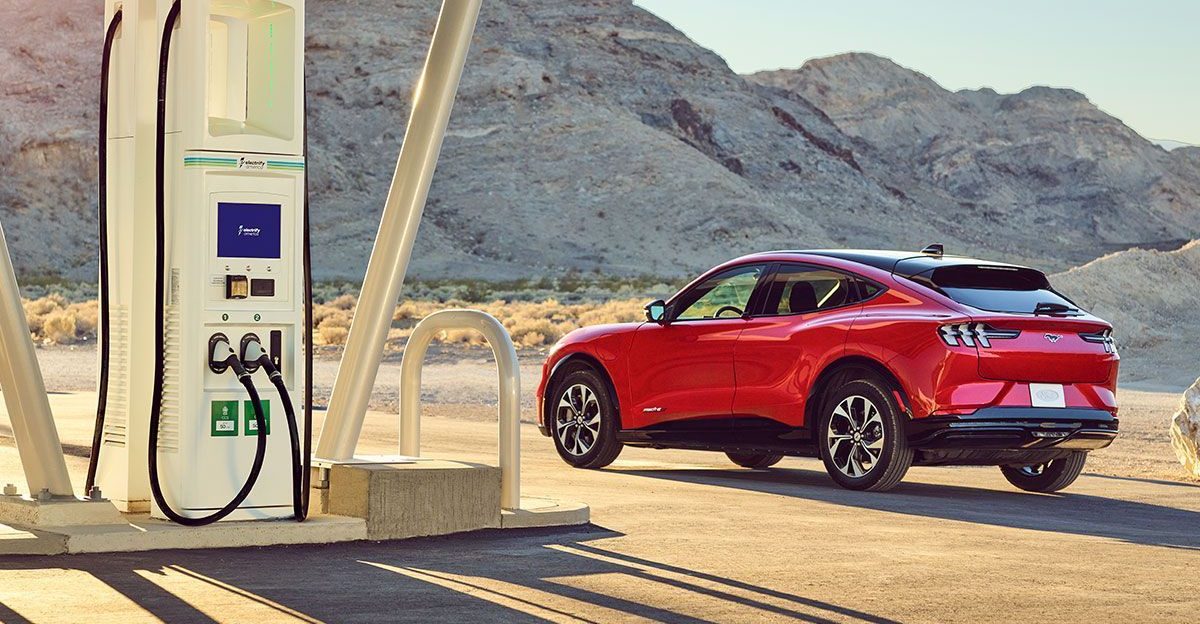
Third-round applications open soon. Communities will compete for shares of $51 million that covers less than a fraction of a percent of what Michigan actually needs. Private equity may enter rural charging at higher consumer rates. Automakers may build their own networks, competing with public infrastructure nobody funded properly in the first place.
The person who understands this story knows something most people don’t: eight states have now declared victory using a label that describes corridor checkboxes, not infrastructure. The chargers along I-94 work fine. Everything between them remains someone else’s problem.
Sources:
Michigan Department of Transportation, “MDOT Advancing Michigan’s EV Charging Network Through Remaining $51 Million NEVI Investment,” press release, April 6, 2026
U.S. Department of Transportation, “President Trump’s Transportation Secretary Sean P. Duffy Unveils Revised NEVI Guidance to Allow States to Actually Build EV Chargers,” press release, Aug. 11, 2025
Michigan Department of Environment, Great Lakes, and Energy, “$1.84 Million in Grants Grow Michigan’s EV Charging Infrastructure,” press release, Nov. 5, 2025
Michigan Department of Transportation, “Michigan State Plan for Electric Vehicle Infrastructure Deployment, Fiscal Year 2026,” state planning document, 2026
Michigan Department of Environment, Great Lakes, and Energy, “MI Healthy Climate Plan 2025 Report,” state report, 2025