Ford’s $767 Monthly Payments Push 37% of Americans Out of New Cars—Worst Affordability Crisis Since 1984
Ford sold 457,315 vehicles in Q1 2026, an 8.8% drop from last year. The company still gained market share. Read that again. Sales collapsed and Ford came out ahead, because every other automaker bled worse. The average new-car payment hit $767 a month. In 2020, half of new-car buyers earned under $100,000. By 2026, that number cratered to 37%. Millions of Americans didn’t stop wanting new cars. They got priced out. And the part nobody’s tracking is who decided that was acceptable.
How the Price Floor Got Built
Three forces locked into place simultaneously. New-car prices climbed 22% since 2019. Tariffs imposed in 2025 stacked $30 billion in cumulative costs onto the industry, averaging roughly $1,852 per vehicle in hidden burden. Interest rates stayed stubborn. None of those forces reversed. They compounded. Bank of America economist David Tinsley put it plainly: “The affordability concerns are everywhere, but they’re also particularly acute in vehicles.” The used market offered no escape either, with prices up 30% over the same period. The floor kept rising, and the exits kept closing.
The Grocery-Bill Math of Buying a Car

For a household earning $83,000 a year, a $767 monthly car payment eats 11% of gross income. On one vehicle. Standard lending guidelines say housing plus vehicle debt should stay under 20%. At 11% for the car alone, the math breaks before the mortgage payment even enters the equation. Younger millennials, ages 30 to 36, absorbed a 60% increase in monthly auto payments compared to 2019. TransUnion found 53% of non-buyers cited affordability as the reason they walked away. The dealership lot became a place to browse, not buy.
Dealerships Are Disappearing
Customer traffic at dealerships hit 28 on the Q1 2026 sentiment index, the lowest reading since the pandemic. Dealer profit index fell to 32. Smaller operators started folding. Before 2020, about 2% of franchise dealerships changed hands annually. That rate doubled to 4-5%. The consolidation mirrors what happened to rural banks in the 1990s: surviving institutions grow larger, more distant, and less competitive on pricing. Fewer dealers means fewer negotiations, fewer incentives, and higher margins for the mega-groups absorbing the wreckage. Prices climb further as competition thins out.
The EV Collapse Nobody Expected
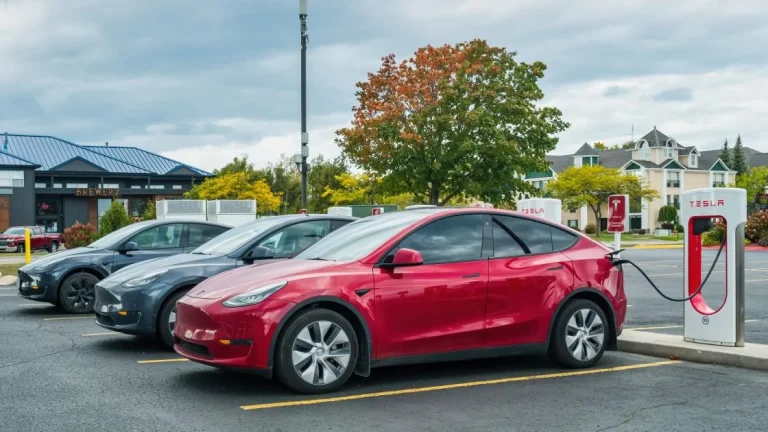
Electric vehicle market share dropped from 12% in September 2025 to 6% by January 2026. A 50% collapse in five months, the steepest reversal since the federal EV incentive began in 2009. Consumer interest in EVs actually reached record levels during the same period. People wanted them. They couldn’t afford them. Hybrid inventory grew 14.4% year-over-year while EV inventory contracted 29.3%. Buyers fled to the cheaper option. The affordability crisis didn’t just reshape who buys cars. It reshaped which technologies survive.
The Machine Behind the Curtain
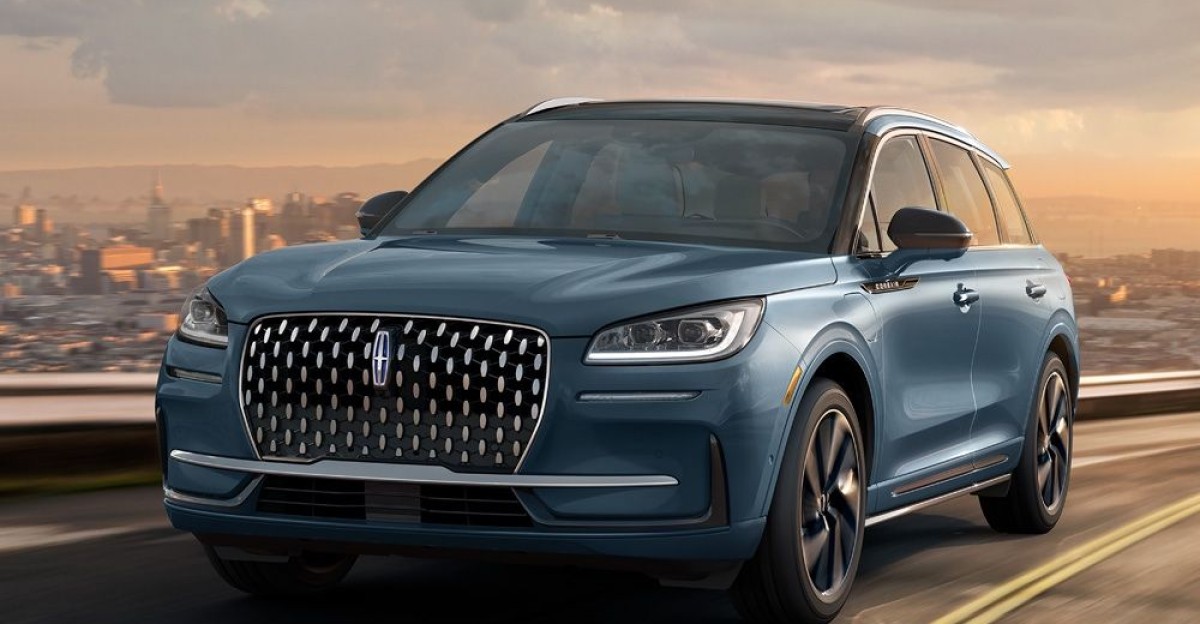
Ford discontinued the Escape and Lincoln Corsair in Q1 2026, its most affordable model lines, while publicly touting “commitment to diverse price points.” Explorer sales surged 29.7%. Expedition jumped 30.2%. Both priced above $45,000. Same pattern at GM. Same at Stellantis. Tariffs raise prices. Automakers absorb some, pass the rest. Then they kill the cheap models. Industry-wide, the new-car market split into two tiers: $45,000-plus vehicles for wealthy buyers, and the used lot for everyone else. One market became two, and nobody announced the divorce.
A Voice From Inside the Squeeze

Mark Barrot of consulting firm Plante Moran said it without flinching: “We’re now relying on the extremely wealthy to generate the sales. That’s a structural problem from an affordability perspective.” Cox Automotive’s Charlie Chesbrough confirmed the shift: “We’re seeing the average buyer here is much more affluent.” These are not critics. These are industry insiders describing the new reality as a feature, not a bug. The mass market didn’t collapse on its own. It was abandoned by the companies that built it. That sentence should sit heavy.
Subprime Cracks and New Rules

Subprime auto loan delinquencies hit the mid-6% range in late 2025, the highest since the mid-1990s. Lenders responded by tightening underwriting, which sounds responsible until you realize tighter credit during an affordability crisis eliminates the marginal buyers who kept volume alive. The last time affordability conditions reached this severity was 1984, when interest rates peaked above 12%. The precedent being set now extends beyond cars: when automakers prove that abandoning the mass market and focusing on wealthy buyers works, other consumer industries take notes.
Winners, Losers, and What You Should Know

The winners are mega-dealer groups absorbing failing competitors and automakers posting higher per-unit margins on fewer sales. Ford’s retail share rose to 11.6% while selling fewer cars. The losers are younger families watching vehicle ownership compete with rent for budget space. Vehicle replacement cycles will likely stretch from 11.4 years toward 13, meaning Americans hold aging cars longer and build equity slower. A $285 billion fiscal stimulus was planned for 2026. Against $767 monthly payments and $30 billion in tariff costs, that stimulus barely registers at the household level.
The Cascade Keeps Breaking

Cox Automotive forecast 15.8 million vehicles sold in 2026, down 2.4%. Q1 results suggest even that number may be optimistic. Tighter subprime lending in Q3 will shrink the buyer pool further. Used-car prices will keep climbing as displaced new-car buyers flood that market. The average American household may drop from 2.2 vehicles toward 1.8 by decade’s end. The auto industry chose margin over volume, luxury over access. That choice doesn’t reverse. The next time someone says automakers are fighting for affordability, remember: they already left that fight. On purpose.
Sources:
“Ford Delivers Higher Q1 Retail Share Driven by Double-Digit SUV Growth.” Ford Motor Company — From the Road, 2 Apr. 2026.
“A Third of Americans Are Priced Out of New Cars, and It’s Getting Worse.” CarScoops, 6 Feb. 2026.
“Electric Vehicle Sales Are Plummeting. Will They Soon Become Too Niche?” ABC News, 7 Mar. 2026.
“Auto Tariffs Add $30 Billion in Costs as Vehicle Prices Climb 10.4%.” CBT News, 31 Mar. 2026.