Your Parked Car Hits Oven Temperatures At Just 80°F Outside—One ‘Idiotic’ Door Motion Fixes It
At 80°F outside, a pleasant day by any standard, your parked car’s cabin climbs to 109°F in 20 minutes. By the one-hour mark, 123°F. Dashboard surfaces can reach 200°F, comparable to an oven. Most people assume cracking a window helps. It doesn’t. A 2005 Stanford University School of Medicine study, published in Pediatrics, proved that a 1.5-inch window gap provides zero measurable cooling. Cambridge mathematician Hannah Fry validated a free technique that drops that heat in seconds. The catch: you’ll look ridiculous doing it. The ripple effects of that simple physics trick reach further than anyone expected.
The Sealed Greenhouse You Drive Every Day

Car windows allow visible light through but trap infrared radiation. Same physics that grows tomatoes in a greenhouse. Except the greenhouse is your sedan, and 75% of the dangerous temperature rise happens in the first five minutes after you close the door. Manufacturers sealed modern cabins deliberately for noise reduction and fuel efficiency, which means heat has nowhere to go. The door-fanning hack works precisely because it bypasses that sealed design, manually creating pressure zones the architecture prevents naturally. Your car was engineered to trap heat. Nobody mentioned that in the brochure.
The Grocery Run That Burns You

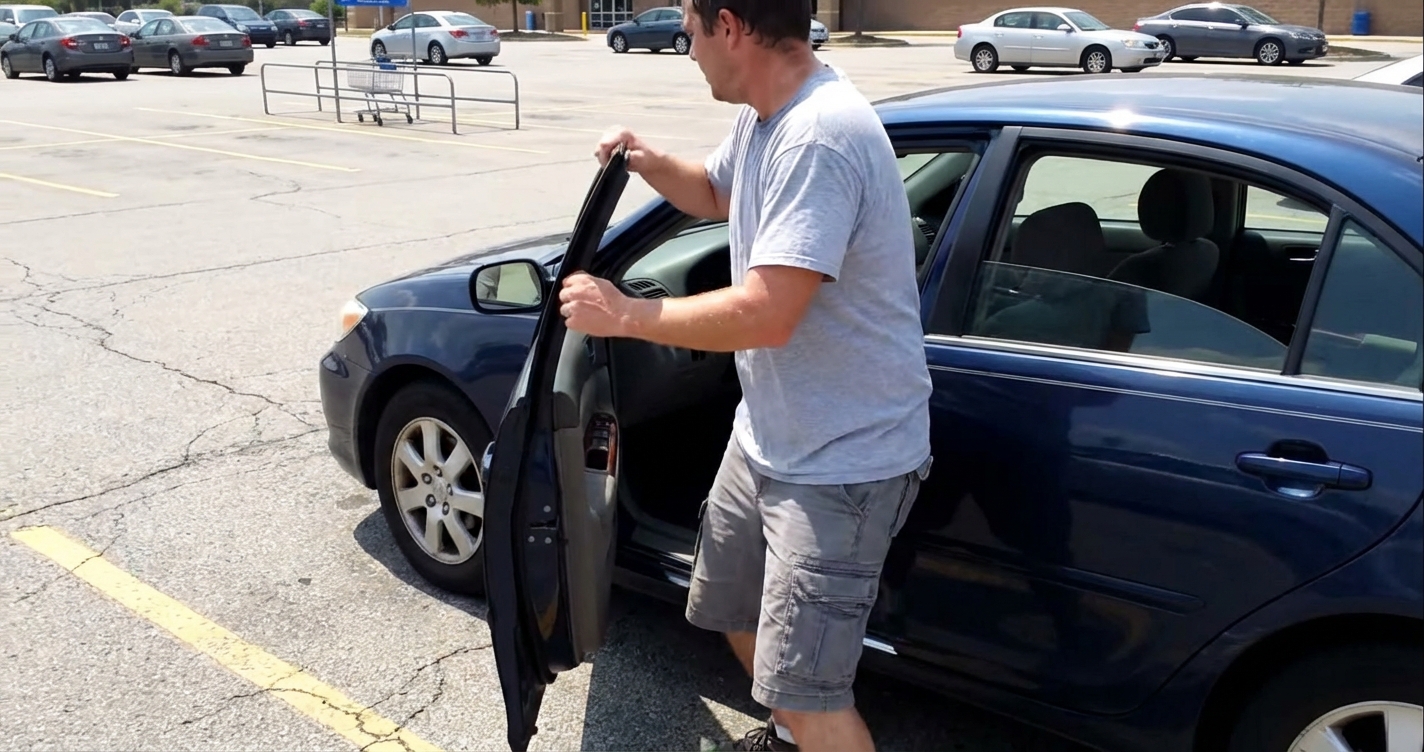
Ten minutes in a store. That’s all it takes for interior temperatures to spike 18°F. Leather seats retain heat so aggressively they can cause contact burns. The steering wheel becomes untouchable. Fry’s technique is simple: open one passenger window, then rapidly open and close the driver’s door two to three times. The motion creates a low-pressure zone that expels superheated air through bulk flow, pulling cooler air in through the open window. Free. Immediate. No technology required. The first aid kit melting in your glovebox tells you the AC alone wasn’t cutting it.
The AC Industry’s Quiet Problem

Recirculation mode reduces surface temperature rise by 40-60% in the first 90 seconds. That’s the best your AC can do initially, and most drivers don’t even use it correctly. But recirculation must be switched off after two to three minutes or CO₂ levels exceed 1,200 ppm, risking drowsiness. A free door-fanning technique that outperforms AC in those critical opening seconds threatens the entire “rapid cooling” upgrade market. Aftermarket AC companies sell solutions to a problem a Cambridge professor just solved with a door hinge. Sunshade manufacturers, meanwhile, are loving this conversation.
Where the Cascade Gets Strange

Medications stored in emergency vehicles degrade when cabin temperatures exceed safe thresholds. First aid kits warp. Plastic components lose sterility. EMS services now face pressure to implement mandatory pre-cooling protocols before patient transport. The same heat physics baking your sedan are compromising the medical supplies in the ambulance that might respond to a heat emergency. Radiant barrier sunshades, originally adapted from NASA satellite thermal technology, reduce dashboard temperatures by 46-51°F. A $10-30 product based on space engineering. Nobody expected a TikTok door trick to resurface the ambulance medication storage debate.
One Design Choice Connects Every Ripple
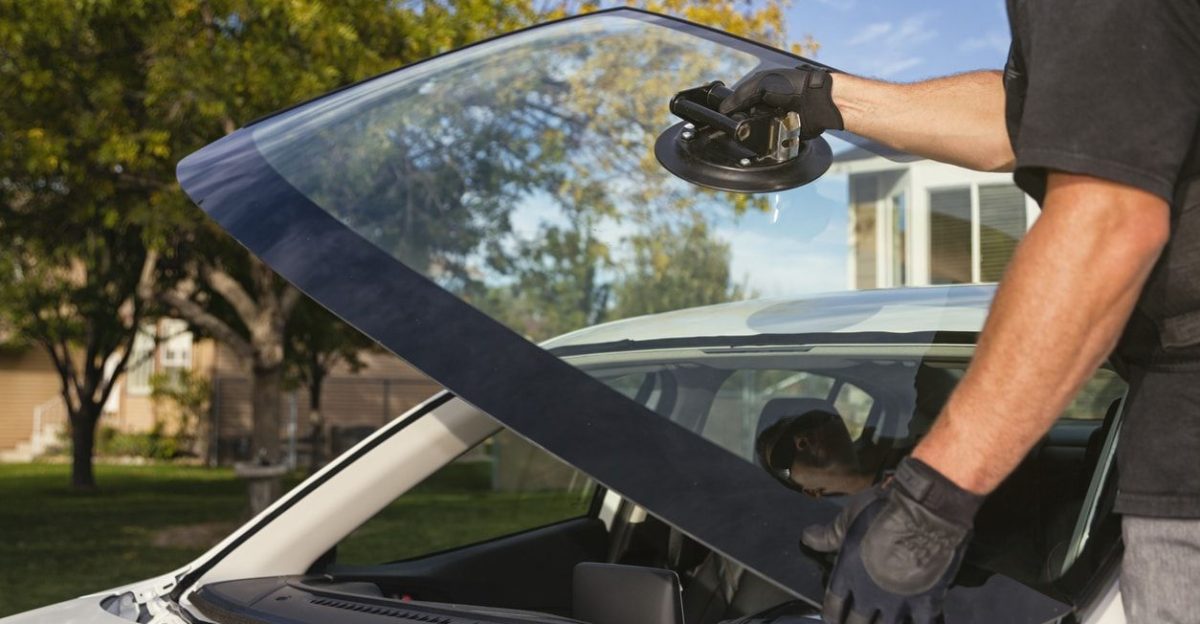
Sealed cabins. That’s the thread. Manufacturers sealed cars for noise and efficiency. That trapping created the overheating crisis. That crisis spawned the AC upgrade market. That market sold solutions to a problem the sealed design caused. Sunshades exist because windshields weren’t designed to block heat. Recirculation exists because sealed cabins prevent natural airflow. The heat kills children. The heat destroys medications. The heat warps plastics. One architecture decision. Every consequence traces back to it. And a Cambridge professor just demonstrated the workaround costs nothing.
‘You Do Look Like an Idiot’

“I mean you do look like a bit of an idiot if you do this,” Fry said in the video that drew 1.5 million views. “It only takes about two or three goes and suddenly it’s absolutely beautifully temperate.” One YouTube commenter from Texas called it “LIFESAVING information.” Autotrader experts publicly backed the technique. Nearly 40 children die in hot cars every year in the United States. One death every nine days. The social cost of looking silly in a parking lot versus the actual cost of not knowing this technique. That math resolves itself.
A 44-Year Scientific Failure

The American Academy of Pediatrics proved in 1981 that windows must open at least 7.9 inches to provide any cooling benefit. Research established decades ago that windows must open at least 7.9 inches to provide any cooling benefit. Forty-four years. That finding sat in academic journals while generations of parents cracked windows two inches and believed they were protecting their children. The door-fanning principle existed in fluid dynamics literature for decades before Fry’s video. A viral TikTok accomplished what peer-reviewed research couldn’t: mass public awareness. That precedent matters. If one social media video can overturn 44 years of public ignorance, similar buried knowledge in other fields could surface the same way.
Who Wins and Who Pays
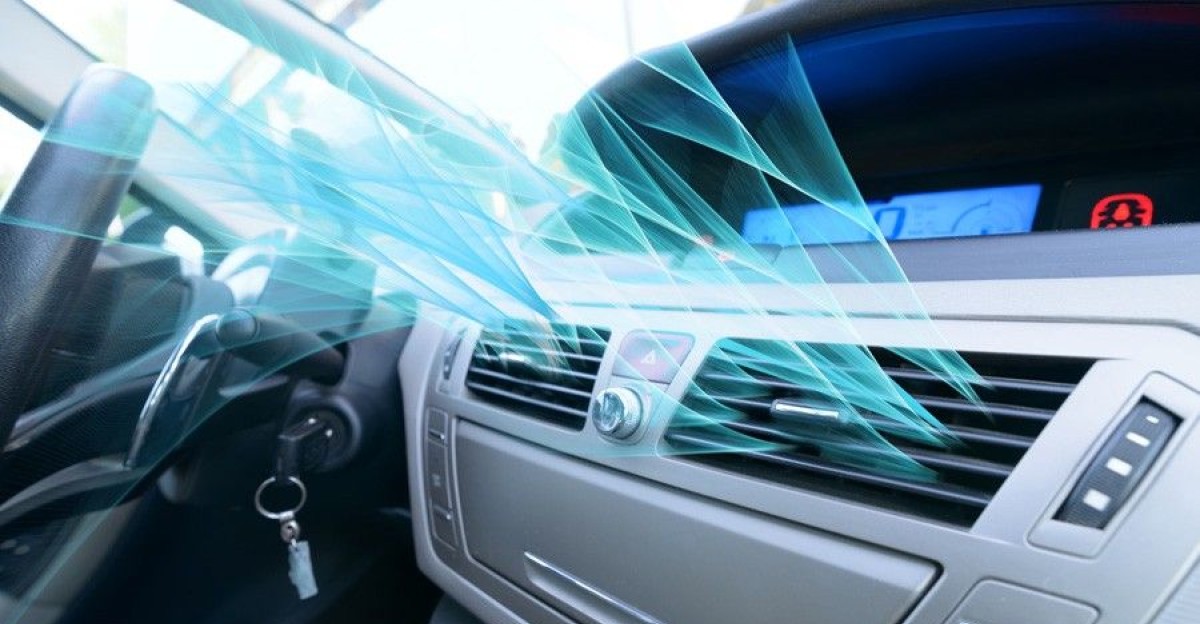
Sunshade companies win. A 25% temperature reduction for under $30, now validated alongside a free hack that drives the entire cooling conversation. AC upgrade manufacturers lose their “rapid cooling” pitch. Luxury ventilated seat marketing loses positioning when a door hinge does the first 90 seconds better. Light-colored interiors, often marketed as cooler, only measure a few degrees less than dark ones after an hour. Both exceed 100°F. The consumer who knows the three-layer system, prevention, mechanical, and emergency, stops overpaying for solutions that address only one layer.
The Cascade Keeps Breaking
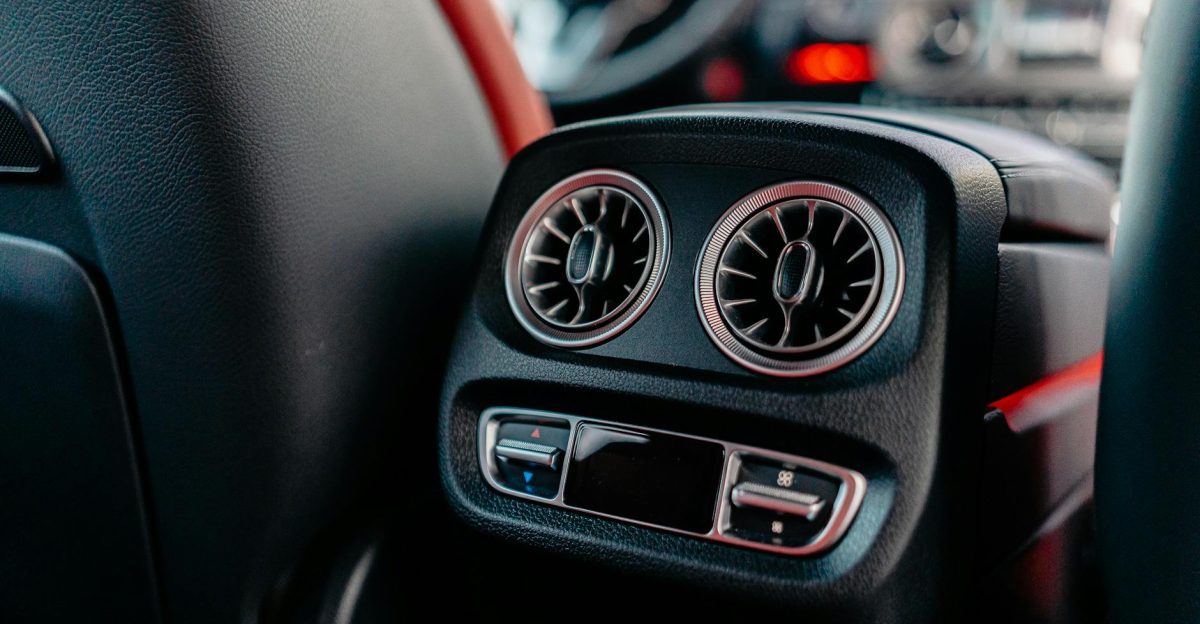
Manufacturers could integrate automatic cabin venting into climate systems, deploying vents on startup when cabins exceed 100°F. That design compromise would address the viral criticism while preserving sealed-cabin benefits during operation. Regulatory bodies tracking 40 child deaths per year now face pressure to mandate heat-warning systems in new vehicles. The door-fanning hack didn’t just cool cars. It exposed a design philosophy that prioritized quiet rides over thermal safety for decades. Every parked car is a sealed greenhouse. Now millions of people know the workaround. The question is whether the industry redesigns the greenhouse or keeps selling better AC.
Sources:
McLaren, Catherine, Jan Null, and James Quinn. “Heat Stress From Enclosed Vehicles: Moderate Ambient Temperatures Cause Significant Temperature Rise in Enclosed Vehicles.” Pediatrics, vol. 116, no. 1, Stanford University School of Medicine, July 2005.
“Analysis of Radiant Barrier Car Shade Performance.” Florida Solar Energy Center, Florida Energy Research, University of Central Florida, 1989.
“U.S. Child Hot Car Death Data Analysis (1990–2024).” Kids and Car Safety, 2024.
“Cambridge Professor Reveals Heatwave Hack to Cool Your Car Down in the Heat.” LADBible, 28 June 2025.