America’s 250-Year-Old Mail System Hits $9B Loss And 49% Volume Collapse—Drivers Threatened
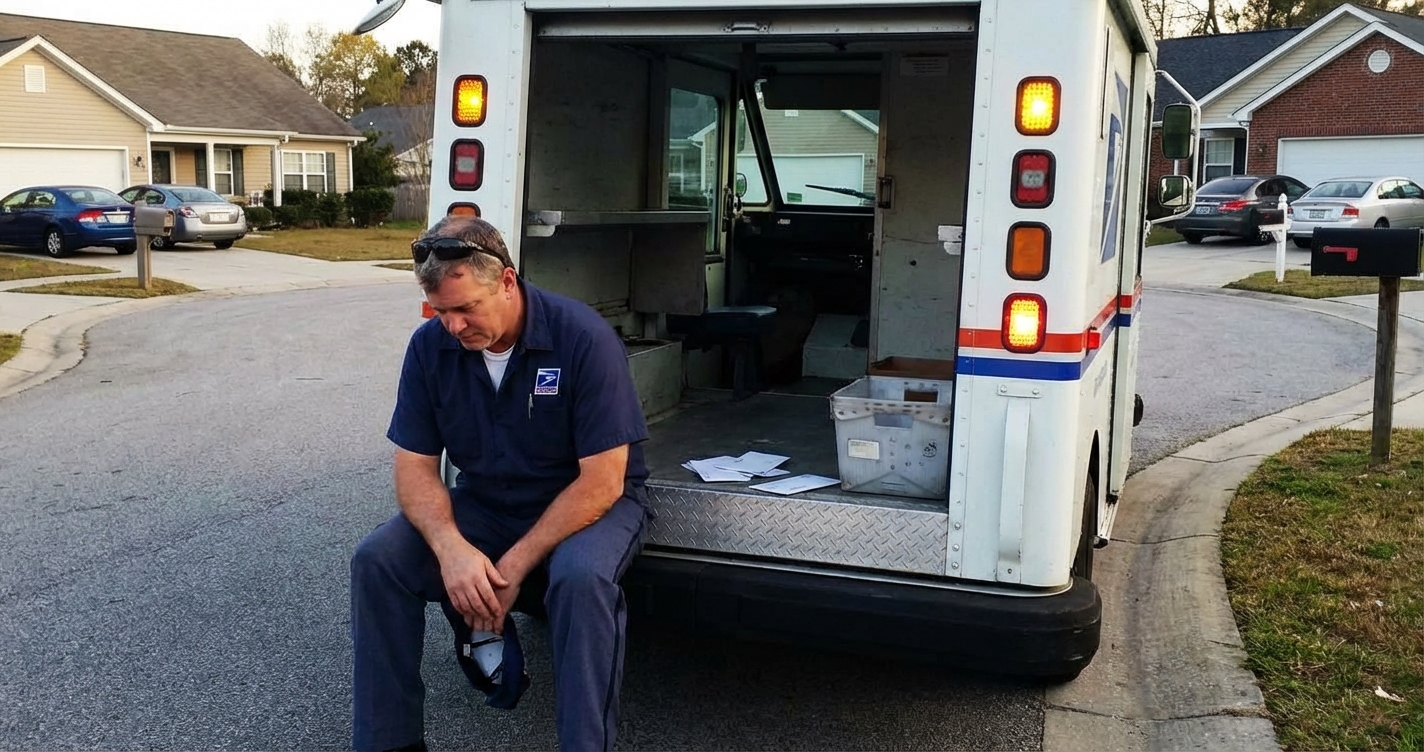
The Postmaster General told Congress in March 2026 that the U.S. Postal Service will run out of cash by February 2027. Not “might.” Will. David Steiner warned that without Congressional action, USPS cannot pay its 650,000 employees or its contractors, and mail delivery to 169 million American addresses stops. The institution that has connected this country since the founding era posted a $9 billion net loss in fiscal 2025. Mail volume has collapsed 49% since 2007, erasing 104 billion pieces annually. That loss is permanent. And the cascade from here reaches further than most people realize.
The Engine Behind the Collapse
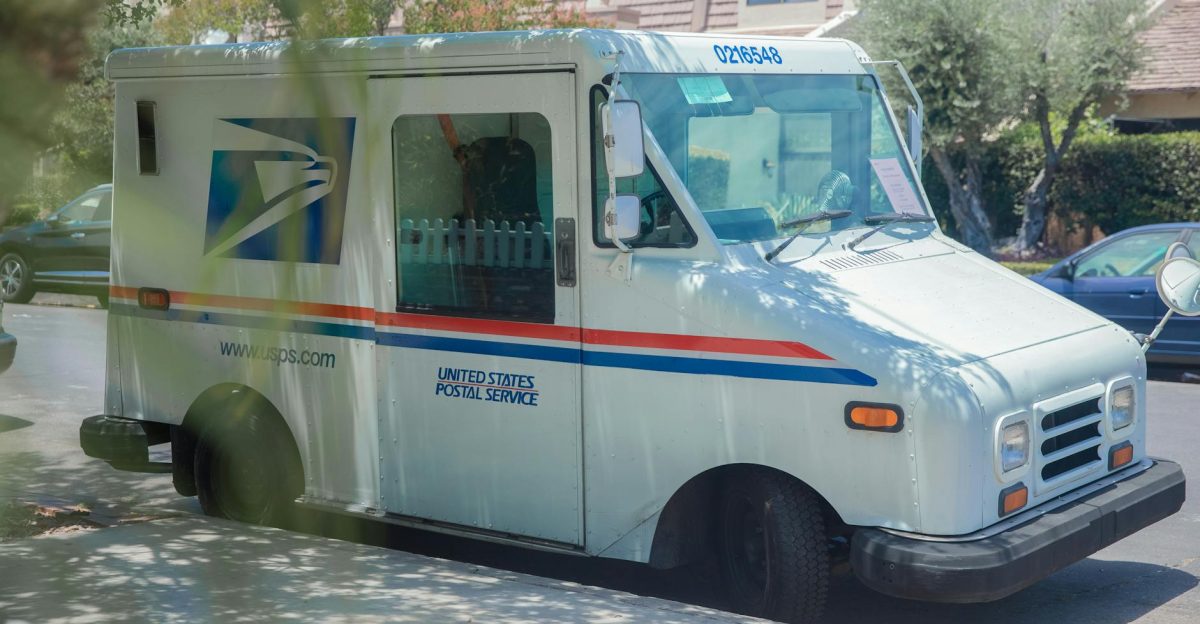
Congress built USPS to fund itself through monopoly letter-mail revenue. That revenue was supposed to cover universal delivery to every address in America, six days a week. Then email killed the letter. First-Class Mail revenue dropped 56% since 2007. Package shipping grew 89%, but packages carry thinner margins. Meanwhile, Congress capped USPS borrowing at $15 billion in 1990 and never raised it. That cap has been reached. The borrowing authority that was supposed to be a safety net ran dry while the mandate it was designed to fund kept expanding. Thirty-six million new delivery addresses added since 2000, and the money to reach them vanished.
Your Mailbox Feels It First
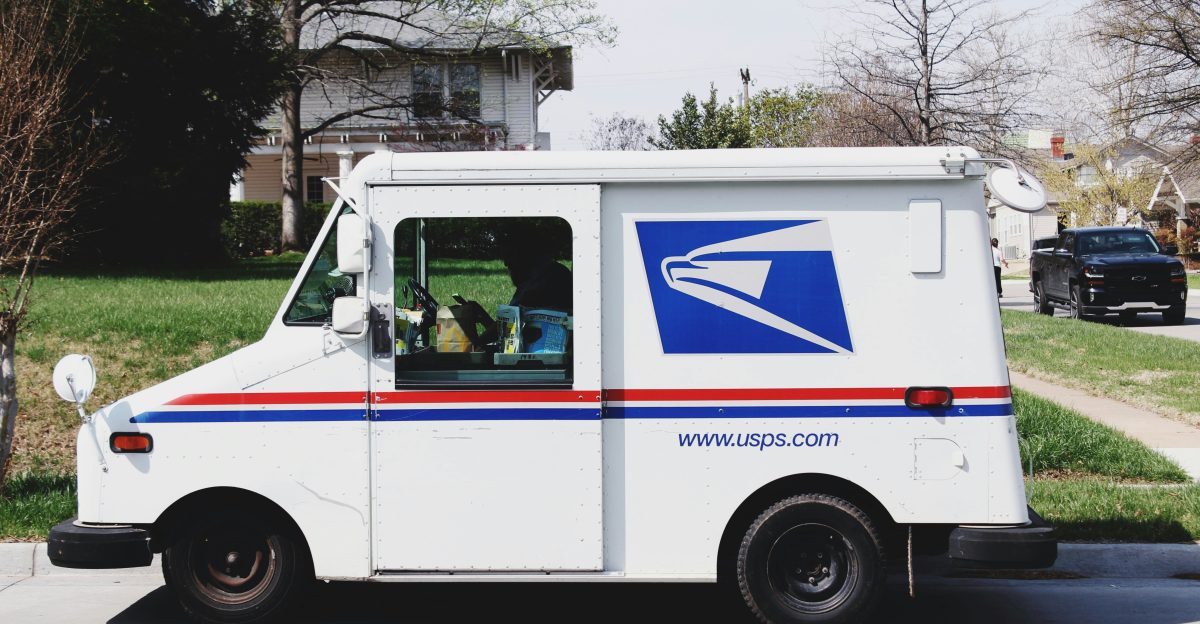
Stamps have been raised six times since 2021. The current first-class stamp costs $0.78, and Steiner proposed pushing it to $0.95. USPS also announced its first-ever fuel surcharge: 8% on Priority Mail, Ground Advantage, and Parcel Select, effective April 26, 2026. Diesel prices spiked over 40% since late February 2026 due to the Iran conflict. Every package you order and every letter you send now costs more. The brutal part: those price hikes accelerate the decline. Higher prices push more people to digital, deepening the very problem they were supposed to fix.
Retailers and Shippers Scramble
Amazon’s contract with USPS expires September 30, 2026. Negotiations collapsed in December 2025. Amazon is accelerating investment in its own delivery fleet. When the largest single package customer walks, USPS volume drops further, losses deepen, and the February 2027 cliff gets steeper. UPS and FedEx gain pricing power because a weakened USPS means less competition. Retail industry leaders have already flagged that the 8% surcharge will force ecommerce merchants on thin margins to raise consumer prices or cut free-shipping offers. The assumption that this crisis stays inside the post office is already dead.
The Trucking Chain Snaps
10 Roads Express, one of the largest USPS trucking contractors, shut down operations in early 2026. Gone: 2,600 drivers, 2,400 trucks. The company cited a 70% revenue loss from USPS operational changes. That is the biggest trucking contractor collapse affecting USPS since Yellow Corporation went bankrupt in 2023. Those routes now get reassigned to smaller, less efficient carriers during a network redesign that was already behind schedule. A postal financial crisis just became a logistics crisis, rippling into rural line-haul routes where alternatives barely exist.
The Trap Nobody Can Escape
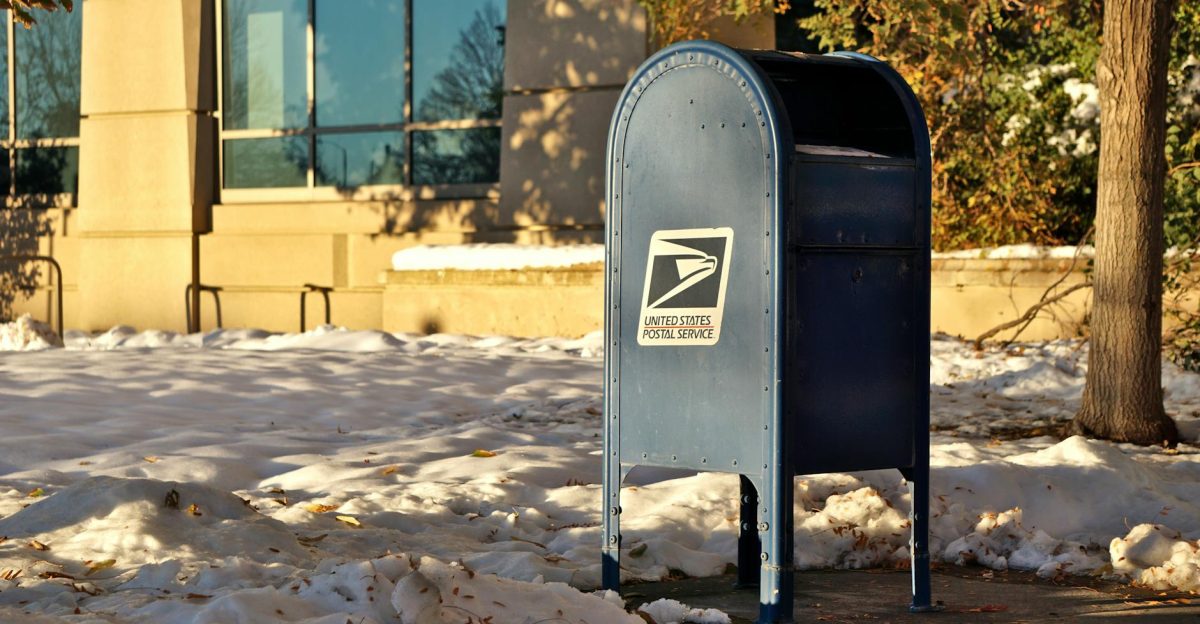
Every ripple traces back to the same structural failure. Congress mandates universal service to 169 million addresses. Congress caps borrowing at $15 billion. Congress lets the monopoly revenue base erode. And the Office of Personnel Management controls $10 billion in annual retiree obligations that USPS cannot negotiate or reduce. Labor costs consume 80% of the operating budget. The math is simple and merciless: USPS can only cut from 20% of expenses, but the gap is $9 billion. Postal crisis. Trucking crisis. Shipping crisis. Pricing crisis. Same mechanism. Same structural trap. Your kitchen table absorbs every one of them.
“How Long Will They Show Up?”
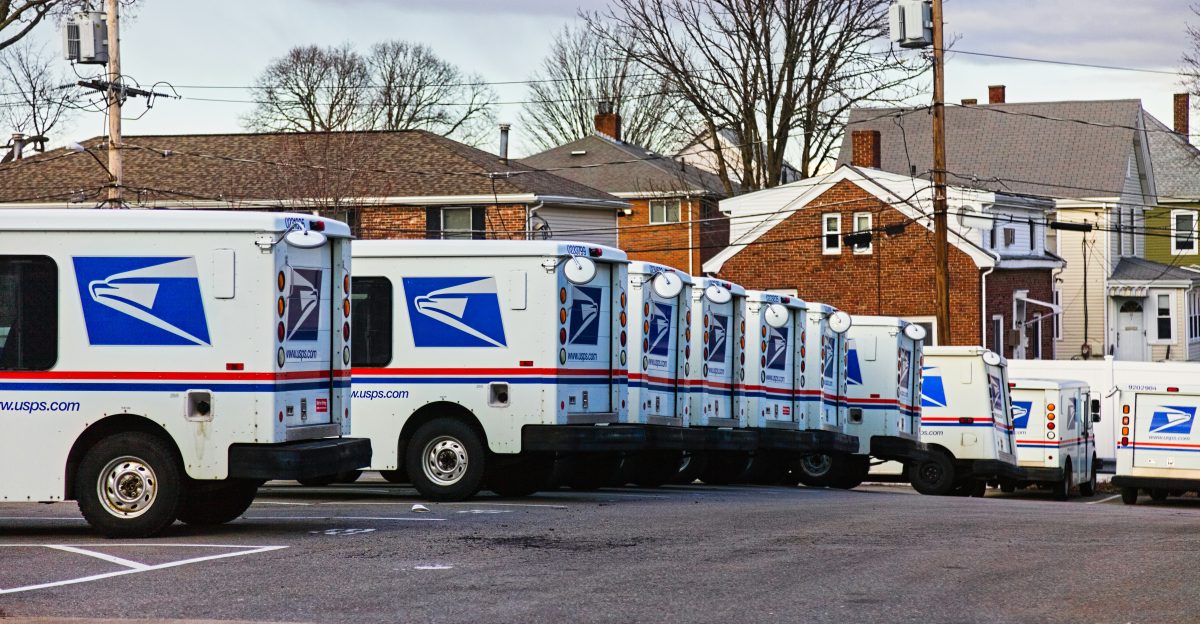
Steiner put it plainly before Congress: “How long are employees going to work and vendors going to show up if we’re not paying them?” He also admitted the 10-year Delivering for America modernization plan “is necessary, but it is not sufficient.” That is the Postmaster General publicly conceding that his own reform plan cannot save the institution without Congressional intervention. USPS has eliminated 35,000 jobs in four years. Workers’ compensation costs rose $185.6 million between 2022 and 2024. The people carrying your mail are watching the institution collapse around them in real time.
The World Already Showed Us What Happens

Denmark’s PostNord abandoned nationwide letter delivery in March 2025 after a 90% volume decline. The UK’s Royal Mail, privatized and supposedly market-efficient, was forced to cut Second Class delivery frequency in July 2025. Canada Post accumulated $3.8 billion in losses and took a $1 billion taxpayer loan. Wealthy nations with functional governments are all hitting the same wall. The precedent is set: when mail volume crosses a critical threshold, universal service dies. USPS accumulated $118 billion in losses since 2006. Congress created a Catch-22 in 1971 that now has a visible expiration date.
Winners, Losers, and Who Pays

UPS and FedEx win. A weakened USPS means captive customers and higher private carrier rates, potentially 15 to 20% increases. Amazon wins by building its own fleet while USPS auctions off last-mile delivery routes to competitors. The losers: rural communities where private carriers refuse unprofitable routes. Elderly Americans who receive Medicare and Social Security notices by mail. Veterans getting VA prescriptions. Incarcerated people receiving legal documents. Small businesses that depend on affordable USPS shipping to compete. The people who benefit from the myth that “better management” can fix this are the politicians who avoid voting on unpopular solutions.
The Cascade Keeps Breaking

Congress can raise the borrowing cap, which buys two or three years. Congress can fund USPS directly through appropriations. Congress can cut the six-day mandate and close post offices. Or Congress can do nothing and watch February 2027 arrive. USPS isn’t mismanaged. Policy failed USPS. The revenue model broke because technology changed, and the rules never adapted. Understanding that distinction is the difference between blaming your mail carrier and blaming the people who wrote the rules 50 years ago. This cascade started with a $9 billion loss. It ends when Congress decides whether 169 million addresses still deserve a mailbox.
Sources:
“U.S. Postal Service Reports Fiscal Year 2025 Results.” USPS Newsroom, 14 Nov. 2025.
“USPS Is Running Out of Money, Postmaster General Says.” NPR, 17 Mar. 2026.
“U.S. Postal Service Announces Transportation-Related, Time-Limited Price Change.” USPS Newsroom, 25 Mar. 2026.
“10 Roads Express to Shut Down Operations, End USPS Contracts.” FreightWaves, 1 Dec. 2025.