Ford’s ‘Hands-Free’ System Drove 888 Million Miles Then Killed 3 People Who Trusted It
Two Ford Mustang Mach-E SUVs with BlueCruise engaged slammed into stationary vehicles at 75 mph and 72.4 mph within eight days of each other in early 2024. San Antonio. Philadelphia. Three motorists dead. Neither driver touched the brakes. Neither did the system. The NTSB investigated for two years and found zero equipment defects. BlueCruise had logged 552 million hands-free miles across 1.2 million vehicles before those eight days. The system worked perfectly until it didn’t, and the reason it failed reaches further than Ford.
How 552 Million Miles Built a Trap
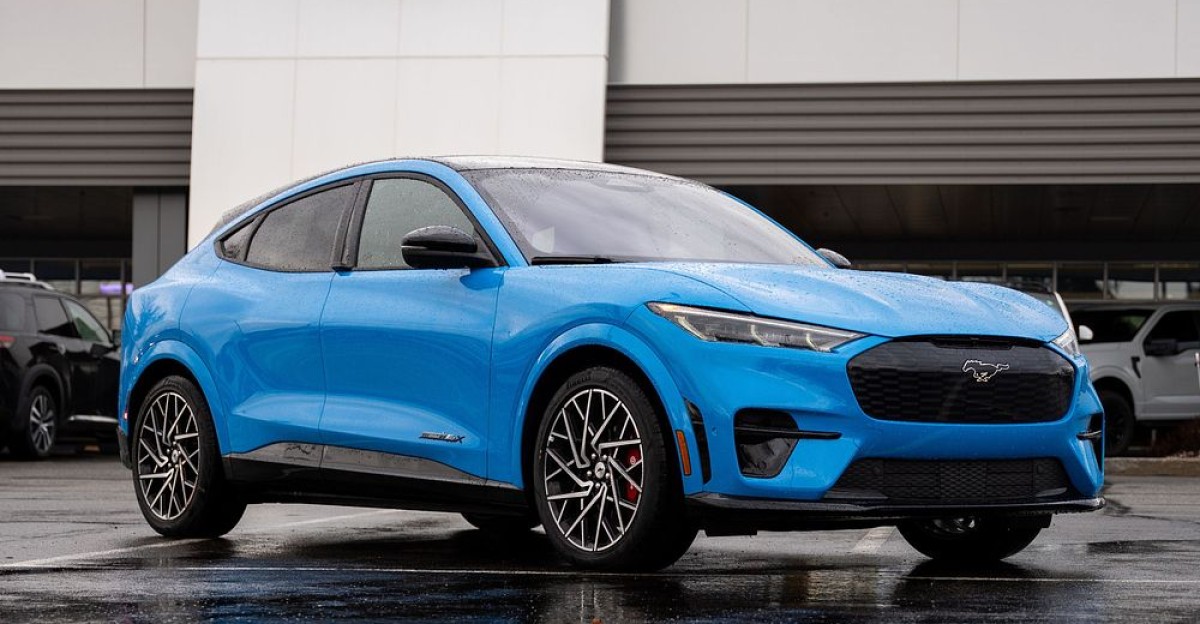
BlueCruise controls steering, acceleration, and braking across 130,000 miles of pre-mapped divided highways. Level 2 automation. Hands off the wheel, eyes on the road. That’s the requirement. But the NTSB found that hundreds of millions of reliable miles created a neurological problem: drivers stopped scanning for danger because the system always handled it. The San Antonio driver was watching the navigation screen. The Philadelphia driver was intoxicated and using a cell phone. Both had delegated their survival to software that cannot detect a stopped car. The success was the trap.
Three Families Pay the Price
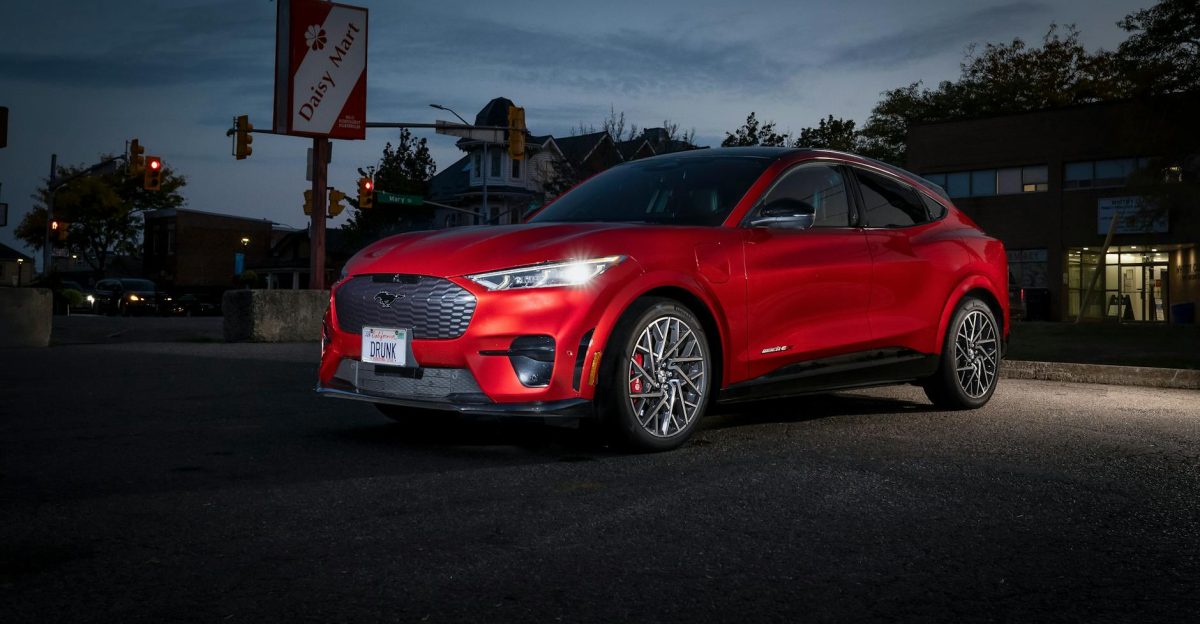
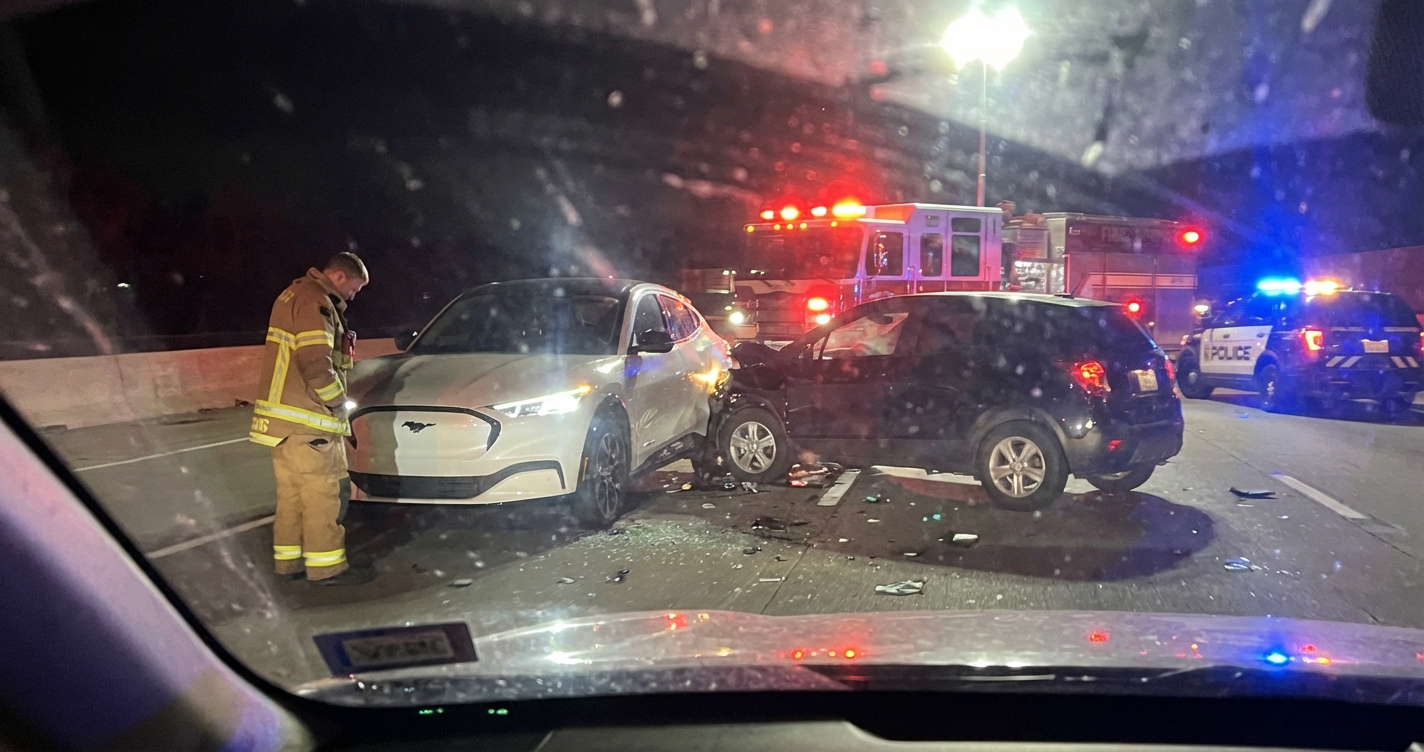
On February 24, 2024, a Mach-E hit a 1999 Honda CR-V stopped in the center lane of Interstate 10. The Honda’s driver died. Eight days later on Interstate 95, another Mach-E plowed into a 2012 Hyundai Elantra and a 2006 Toyota Prius at 72.4 mph, killing both drivers and sending them into a passing Corolla. No braking. No steering correction. No system alert that mattered. Research shows drivers need a minimum of 4.12 seconds to regain longitudinal control from automation. Neither driver got that chance.
Ford’s Design Choices Were Legal
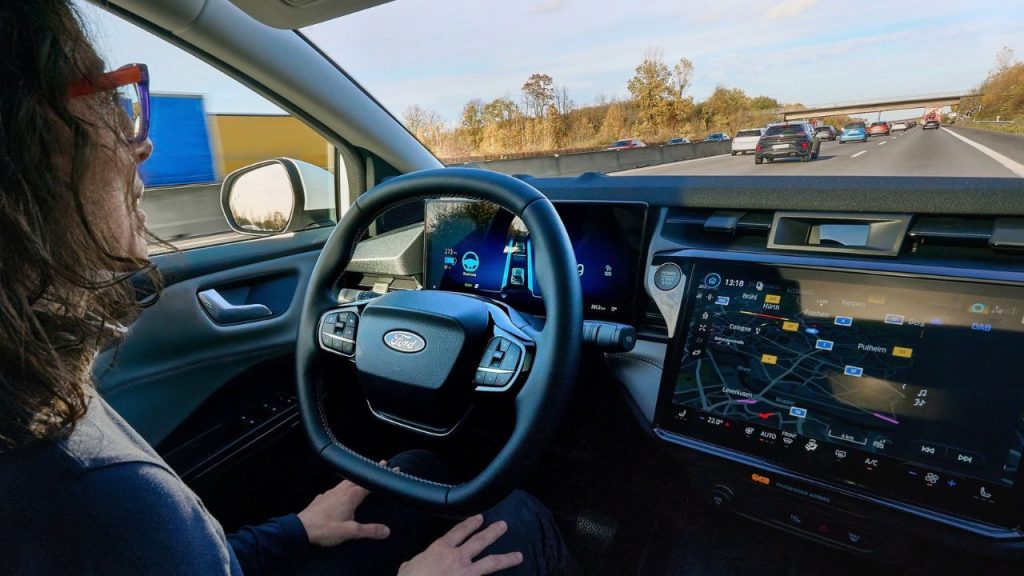
Ford’s driver monitoring camera watches eye gaze but cannot distinguish between staring at the road and staring at a phone held in the same visual field. Drivers can disable automatic emergency braking while BlueCruise is active. They can set adaptive cruise control 20 mph above the posted speed limit. Every one of those design choices is legal because no federal performance standards exist for Level 2 automation systems. Ford said investigators found “no quality defects or equipment failures in BlueCruise.” Which is exactly the problem. The system worked as designed. The design was the gap.
Tesla and GM Are Next
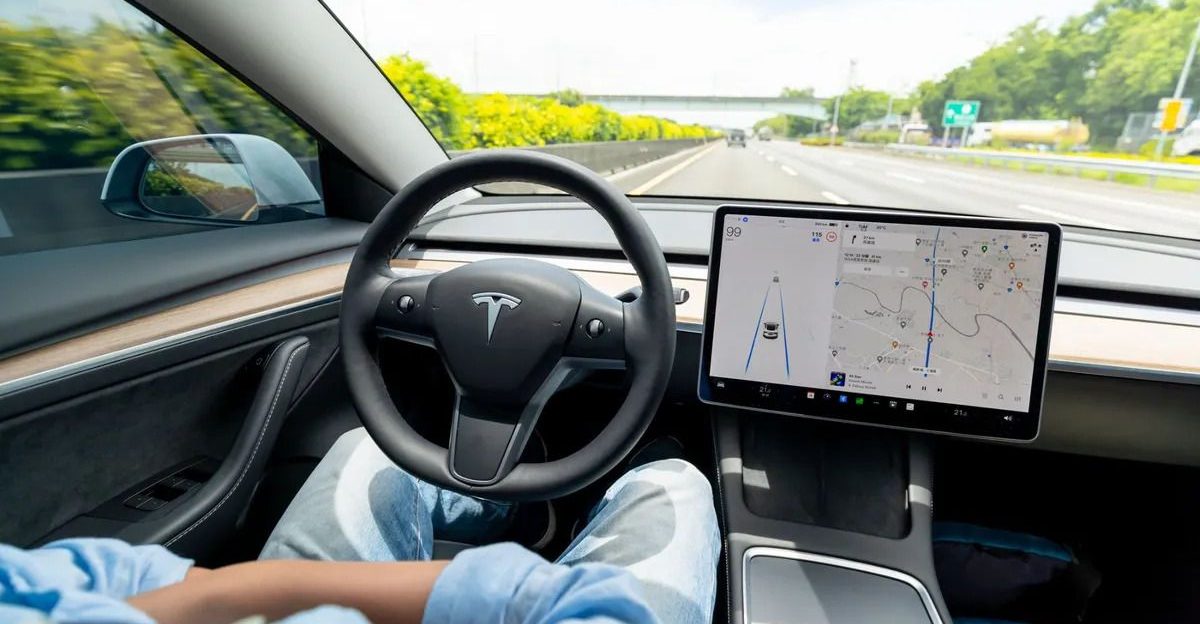
BlueCruise operates in the same regulatory void as Tesla’s Autopilot and GM’s Super Cruise. All three are Level 2. All three lack mandatory federal safety standards. All three depend on drivers maintaining attention while the system handles the driving. The NTSB’s recommendations targeted the entire Level 2 category, not just Ford. NHTSA opened three separate BlueCruise investigations in January 2025. That scrutiny will spread. Every automaker selling hands-free highway driving just watched the NTSB declare the regulatory framework inadequate. One company’s crashes became an industry-wide reckoning.
The Void That Connects Everything
Level 3 and higher automation systems face federal performance requirements. Airbags have them. Anti-lock brakes have them. Level 2 has nothing. Manufacturers choose their own monitoring effectiveness, their own emergency braking rules, their own speed limits. No federal agency requires automated driving systems to record crash data. The NTSB learned about these crashes from news reports, not manufacturer notifications. That’s the hidden architecture: a system controlling your car at highway speed operates under fewer mandatory safety standards than your seatbelt. Three deaths. Two cities. Same void.
‘Lives Depend on It’
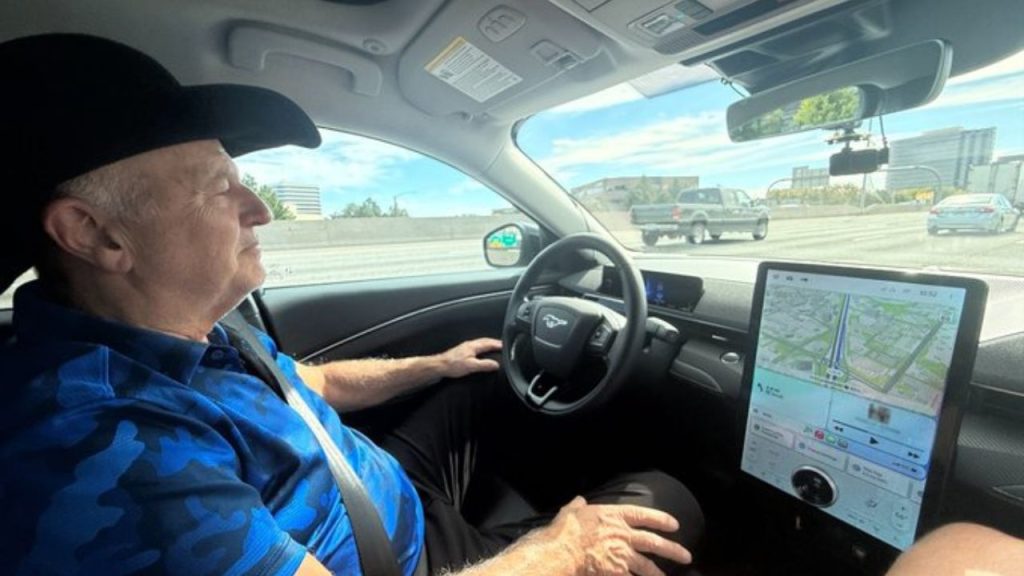
NTSB Chair Jennifer Homendy put it plainly on March 31, 2026: “We cannot take a ‘hands off’ approach to hands-free driving technology. Lives depend on it.” The wordplay was deliberate. Ford markets BlueCruise as “technology designed for trust and driver collaboration.” Three families buried people who collaborated exactly as the system invited them to. Meanwhile, companies like Mobileye already offer driver monitoring that fuses infrared eye tracking with road-awareness context at 60 frames per second. The technology to prevent these deaths exists. Ford chose a cheaper path, and federal law allowed it.
New Rules Are Coming
The NTSB recommended federal performance standards for Level 2 systems, mandatory crash data recording, automatic crash notification, and improved driver monitoring requirements. This represents the first major federal scrutiny of hands-free Level 2 automation since the 2018 Uber crash in Tempe. The precedent matters: NTSB established that “no defects found” does not exonerate a manufacturer when systemic design gaps enabled the deaths. That inverts traditional product liability logic. Families of the three victims now have standing to argue that a regulatory void, not a product defect, killed their loved ones.
Who Wins, Who Loses
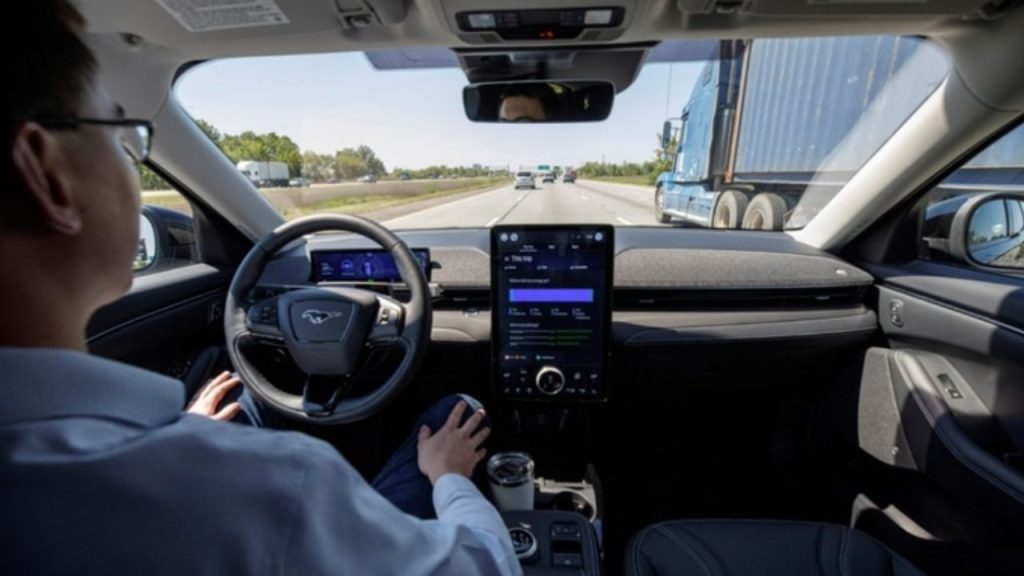
Insurance companies are already modeling the shift. S&P Global projects that Level 2 liability will migrate from drivers toward manufacturers and software providers as regulations tighten. Premiums for BlueCruise-equipped vehicles could rise. Ford faces retrofit costs across 1.2 million vehicles if forced to restrict AEB disabling or speed overrides. And here’s the bitter irony: BlueCruise usage surged 88% in hands-free miles during 2025, with trips up 50%. More drivers are trusting the system more, right as federal investigators declared that trust the core problem.
The Cascade Has Just Started
Ford will argue driver impairment caused the crashes, not system design. The industry will lobby for liability safe harbors. NHTSA may issue guidance without formal rulemaking, letting manufacturers announce “voluntary compliance” while changing nothing. States like California and New York could move first with their own mandates. The pattern is clear: automation that succeeds breeds human disengagement, and human disengagement in a regulatory void becomes lethal at highway speed. That pattern applies to every Level 2 system on every highway in America. Three people are dead, and the system that killed them is gaining users every month.
Sources:
“Fatal Crashes Involving Ford’s Hands-Free BlueCruise Partial Automation System” — NTSB Press Release, March 2026
“NTSB Faults Ford Driver Assistance System in Fatal US Crashes” — Reuters, March 31, 2026
“NTSB: Ford’s BlueCruise Failed to Intervene in 2 Fatal Crashes” — WardsAuto, April 1, 2026
“Ford Says Hands-Free Driving Is Up 88%” — Kelley Blue Book, January 28, 2026
“BlueCruise Usage Skyrockets 88% as F-150 Drivers Lead the Way” — Ford Official Blog, January 26, 2026