Nissan Grounds 51 Brand-New Leafs After ‘Torn’ Battery Cells Ignite In Dealer Parking Lots
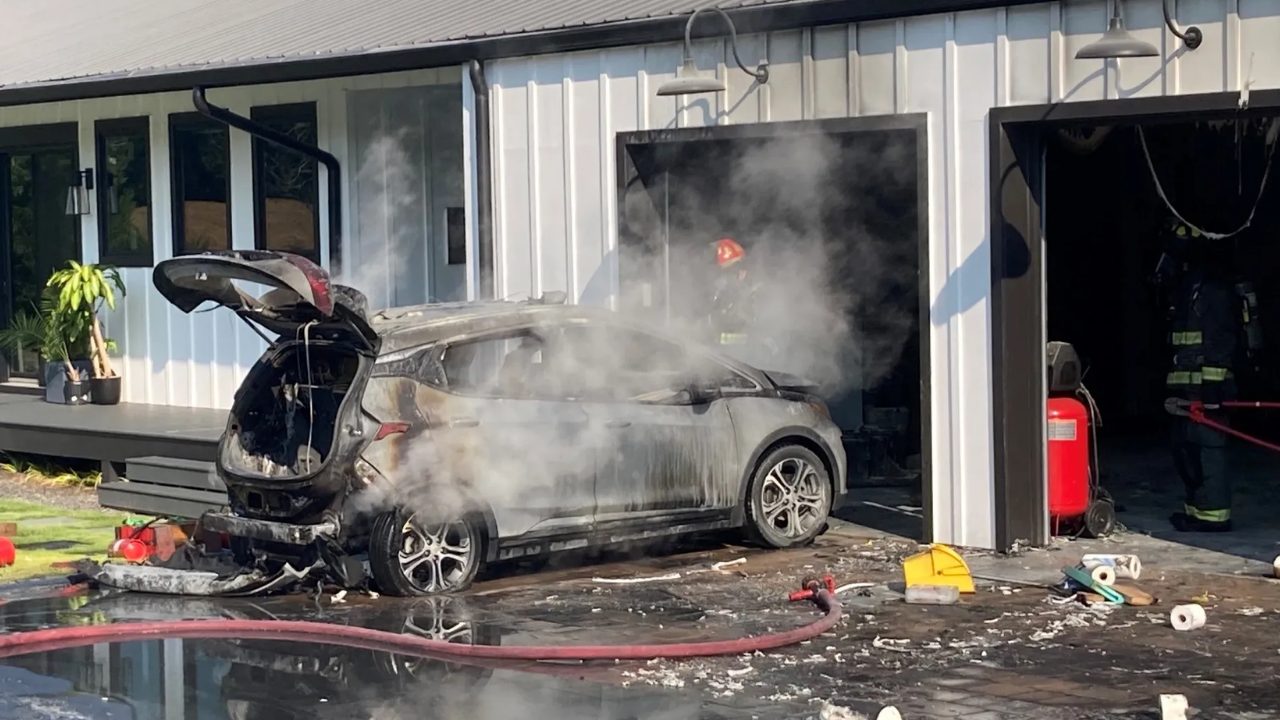
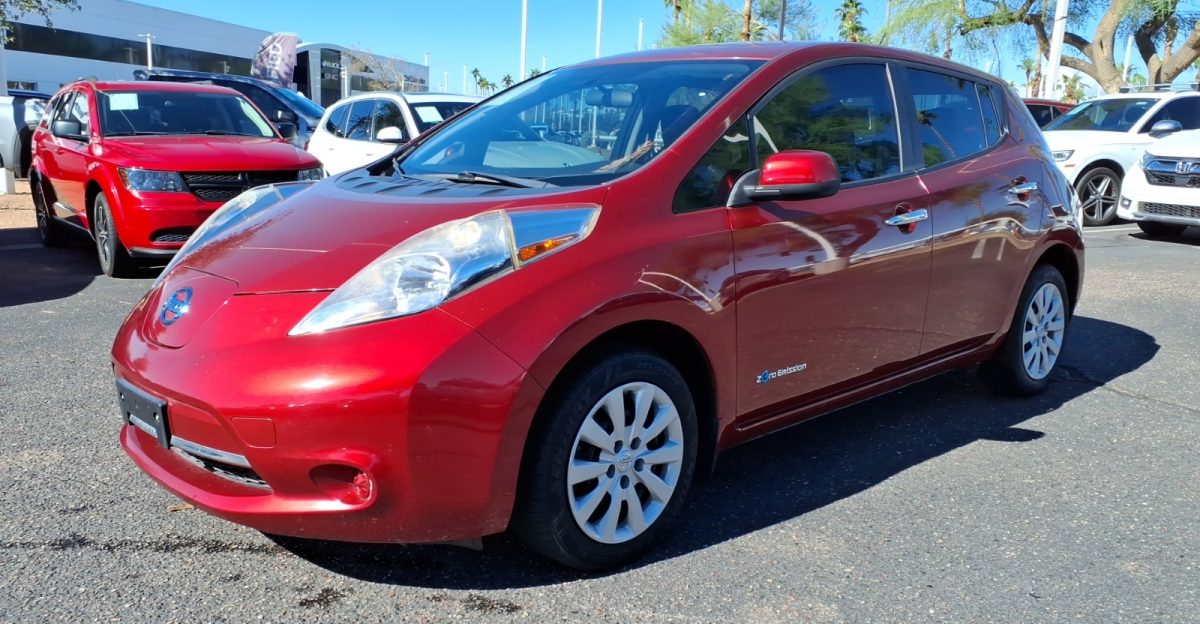
A brand-new 2026 Nissan Leaf sat on a dealer lot in Osaka. Turned off. Unplugged. Nobody inside, nobody near it. Then it caught fire. Eleven days later, a second Leaf did the same thing at a U.S. dealership. Same conditions. Off. Unplugged. Parked outside. Two vehicles from the most experienced EV manufacturer on Earth, burning themselves to nothing in the quietest possible state a car can occupy. Nissan had just told investors the worst was over.
The Recovery That Lasted Seven Days
On February 12, 2026, Nissan announced narrowed operating losses. The stock jumped 8.4%. Analysts called it a turnaround signal. The company had swung to a nine-month operating loss of ¥10.1 billion, a sharp reversal from the prior year’s ¥64 billion operating profit, and staked everything on a return to profitability. Seven days later, that Osaka Leaf ignited. Nissan’s Leaf sales had already dropped sharply year-over-year during the model transition in late 2025. The one product carrying the comeback narrative was already struggling before it started burning in parking lots.
18 Billion Miles of Experience, Zero Prevention
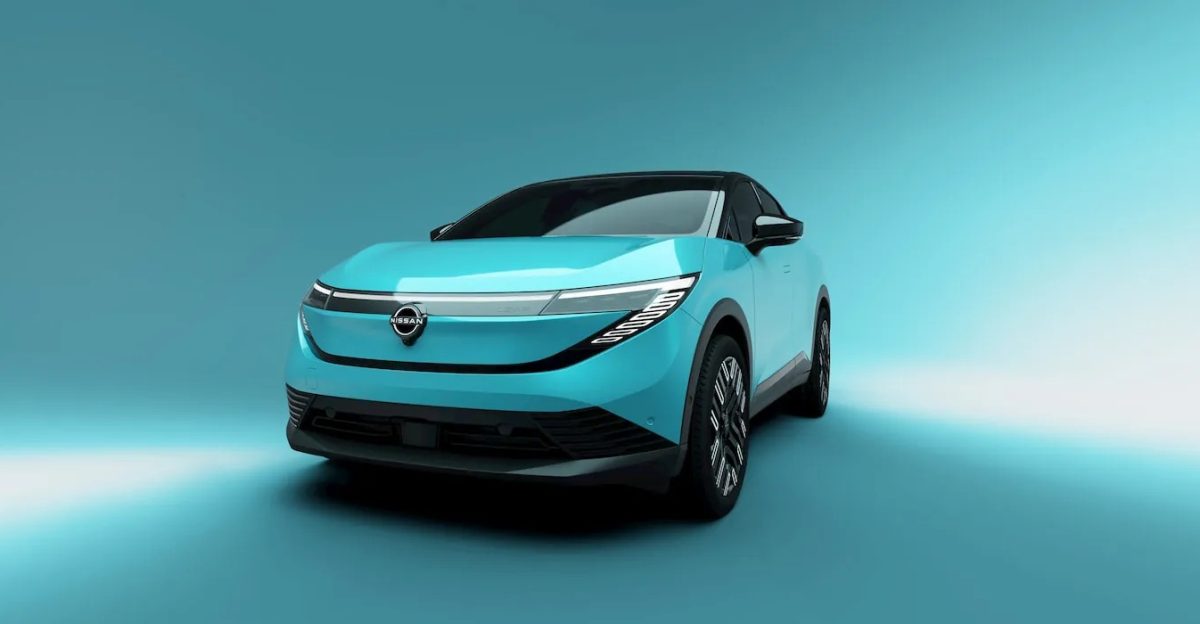
Nissan marketed the third-generation Leaf as proof of mastery. Over 700,000 cumulative units sold worldwide. Eighteen billion real-world EV miles. The most tested electric vehicle lineage on the planet. That heritage was supposed to mean something. Instead, 51 vehicles built between July 17 and November 26, 2025, rolled off the line carrying a defect hidden inside their 78 kWh battery packs. Standard inspection never caught it. The assumption that experience guarantees safety just ran headfirst into a torn cathode edge.
One Torn Edge, Total Failure
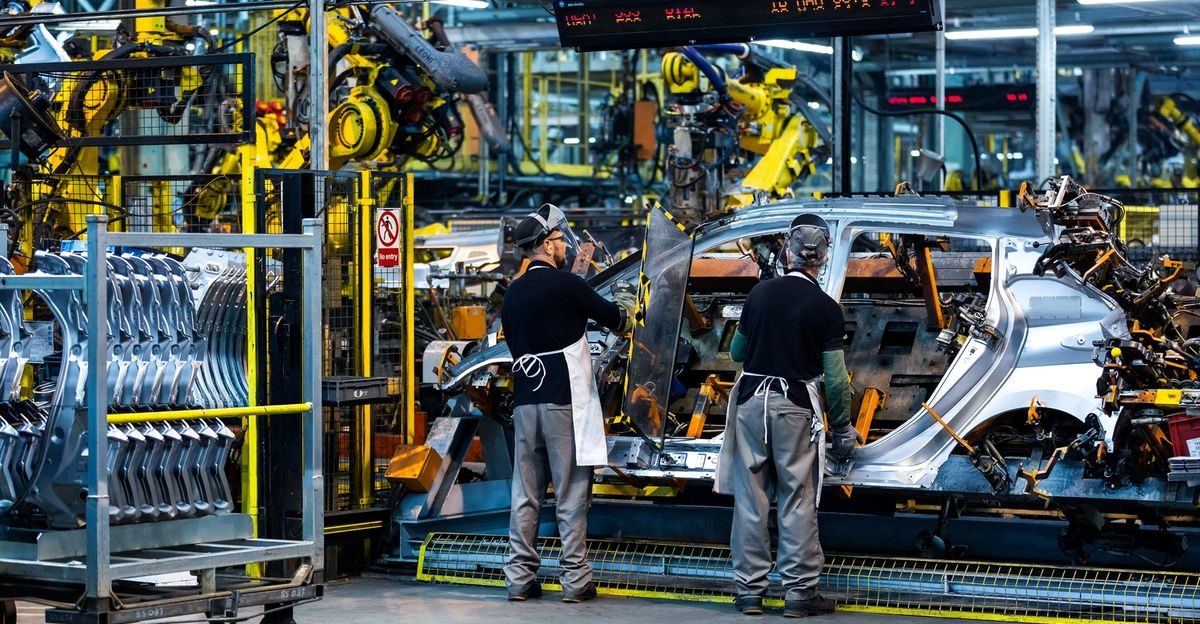
NHTSA’s recall report lays out the chain. During manufacturing, a misalignment in the cathode transfer process allowed material to contact equipment. That contact tore the cathode edge. Once assembled into a cell, the torn portion folded inward. Internal short circuit. Thermal runaway. Fire. One microscopic manufacturing variance, invisible to inspectors, cascading into a vehicle engulfed in flames. Nissan estimates 100% of the 51 recalled vehicles contain the defect. Every single one. Not some. All of them.
The System That Watched But Couldn’t Warn
Nissan’s telematics system detected electrical characteristics outside specification range after the fires. That same system existed before the fires. It could diagnose the problem. It could not prevent it. And the one-to-one battery ID-to-VIN traceability Nissan built into every pack? It traced each defective battery to its exact vehicle after the recall. Before the recall, nobody thought to look. The tools for prevention existed. They were deployed as forensics instead. That gap between capability and execution is the real defect.
The Numbers Behind the Grounding
Two confirmed fires from a 51-vehicle cohort. That is roughly a 4% documented thermal event rate, and the remaining 49 carry the same defect. Nissan priced the new Leaf at $29,990 as an affordable EV gateway. Now each grounded vehicle needs a free battery module or full pack replacement, plus a loaner. Fifty-one replacements during a fiscal year where the company is already projecting a full-year operating loss. The car built to save Nissan’s EV credibility became a line item eating into the turnaround budget.
An Established Supplier’s Unexpected Failure
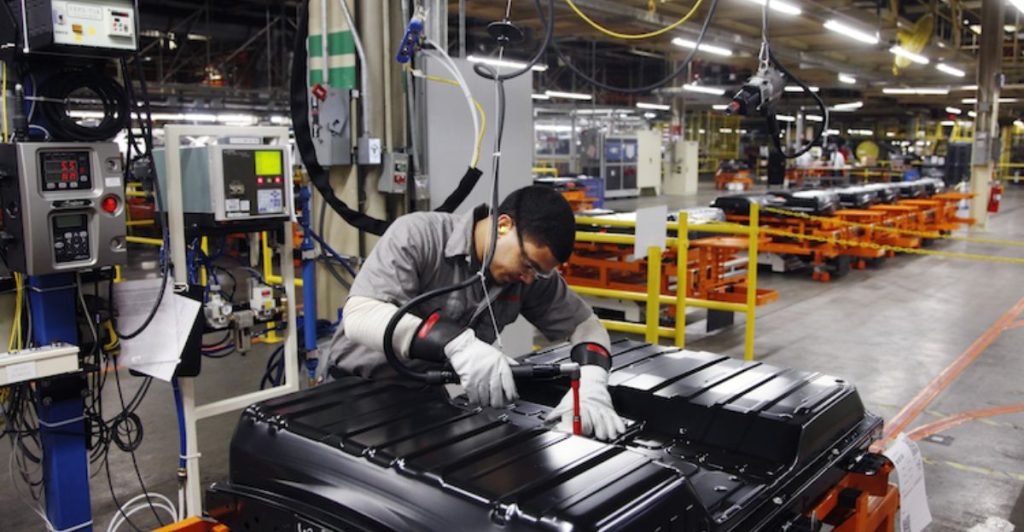
The batteries came from AESC’s facility in Japan, part of the same supplier network that has manufactured Leaf battery packs for over a decade. Within months of producing cells for the new third-generation Leaf, that facility turned out defective cathodes. The previous Leaf generation had its own battery fire recall tied to DC fast-charging and lithium deposit buildup. Different mechanism entirely. Two consecutive Leaf generations, two different battery failure modes. That pattern suggests the vulnerability lives deeper than any single factory or process.
The Precedent Nobody Wanted
The supplier identified the cause and initiated manufacturing process improvements by March 10, roughly 19 days after Nissan first learned of the Osaka fire. Remarkably fast. Nissan began phone outreach to owners the week of March 30, with formal interim notification letters scheduled for April 17. For roughly three weeks after the process fix, affected owners had not yet been contacted. That information lag reveals something bigger than one recall: regulatory timelines allow companies to correct defects internally while customers remain exposed. Once you see that gap, every “rapid response” story in automotive history looks different. This is not an exception. It is the standard.
The Dominoes Still Falling
Nissan already canceled the cheaper Leaf S with its 52 kWh battery, citing resource constraints. Now those resources flow into free battery replacements for the premium model. AESC’s credibility as a supplier faces scrutiny from every automaker evaluating battery partnerships. If NHTSA’s field investigation finds additional anomalies, the agency could escalate from a “park outside” advisory to a full “do not drive” order. Insurance companies watching lithium-ion thermal events in parked vehicles have their own calculations running.
What 51 Grounded Cars Really Tell You
Fifty-one vehicles is a tiny number. The fear it creates is not. Nissan can trace every defective battery to its exact VIN. It can replace every pack for free and hand out loaners. What it cannot replace is the assumption that 18 billion miles of experience and an established supplier guarantee a safe product. The tools to catch this defect existed before a single Leaf burned. Nobody activated them until two already had. That is the framework every EV buyer should carry into their next purchase decision.
Sources:
National Highway Traffic Safety Administration, Part 573 Safety Recall Report 26V188, March 31, 2026.
Nissan North America Inc., Safety Recall Campaign R25F1, March 31, 2026.
Nissan Motor Co., Third-Quarter Financial Results for Fiscal Year 2025, Feb. 12, 2026.
Xinhua News Agency, “Japan’s Nissan Forecasts 650 Bln Yen Net Loss for Fiscal 2025,” Feb. 12, 2026.
Electrek, “Nissan Recalls Batch of New LEAF EVs in Japan Over Battery Defect,” March 27, 2026.
Carscoops, “Nissan Warns 51 Leaf Owners to Stop Using Their EVs Right Now,” April 2, 2026.