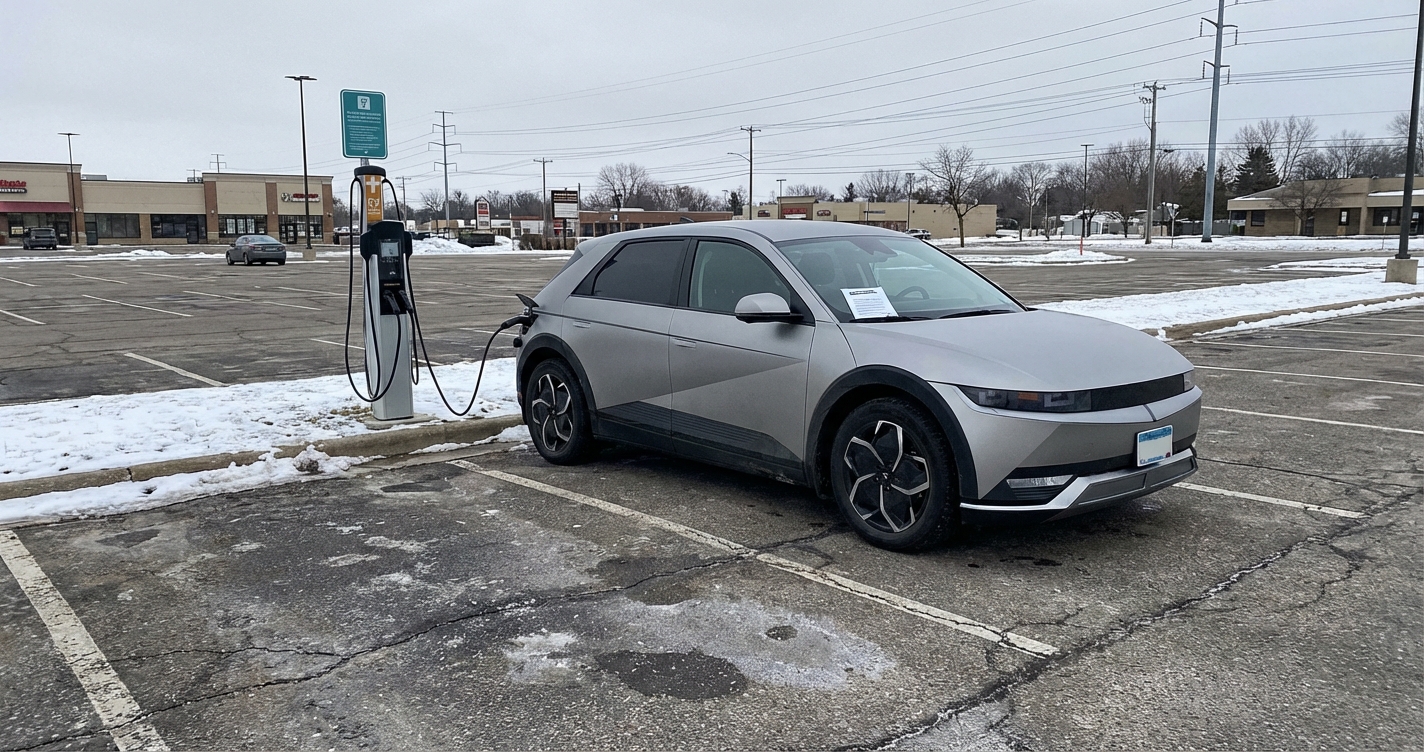
Minnesota Has 78,679 EVs and Just 4 Chargers at Gas Stations—300,000 Lease Returns Are Coming
Minnesota built one of the fastest EV markets in the Midwest. From roughly 1,000 registered vehicles in 2019 to nearly 80,000 by 2025, the state blew past its own Clean Cars rule target, hitting more than 8% market share by 2024. That boom rode on a mix of federal support and aggressive leasing programs that quietly depended on tax credits to make monthly payments pencil out.
The Subsidy That Built Everything
After 2025, the rules around who qualified for a full federal incentive tightened, and many popular models no longer qualified for the maximum $7,500, even as automakers had already baked that support into lease structures and pricing. The effective transaction cost for many buyers rose by thousands of dollars as those deals disappeared or shrank. Minnesota’s own utility rebates, ranging from a few hundred dollars to several thousand through providers like Otter Tail Power and others, could not fill that gap. They were aspirin for a broken leg. The market cracked because the foundation was federal money and favorable leasing terms, not durable consumer conviction.
Your Grocery Run Got More Expensive

Average new vehicle transaction prices in the U.S. hovered close to $49,000 by early 2026, with typical monthly payments in the mid‑$700s and average APRs around 7%. For Minnesota families weighing an EV purchase, the math became tougher as incentives narrowed and interest rates stayed high. At the same time, hybrids surged, growing their share sharply through 2025 as shoppers looked for better value. Average hybrid prices in the low‑to‑mid $30,000s now sit thousands below many EVs, and in Minnesota they come with no special registration penalty. Consumers did not abandon lower‑emission transportation. They picked the version that did not punish their bank account.
The Fee That Finished the Job
Minnesota’s legislature approved new EV registration surcharges in June 2025, effective January 2026. The flat $75 fee for a fully electric vehicle doubled to a minimum of $150, with many owners paying $200 or more based on vehicle MSRP and age, and plug‑in hybrids also picked up a new $75 fee. Under the new formula described by Drive Electric Minnesota, a three‑year‑old mass‑market EV can easily face close to $200 annually just in surcharges. Hybrid buyers, by contrast, pay only the same base registration fees as gasoline drivers. Drive Electric Minnesota warned the fees would increase barriers to adoption and undermine the state’s climate goals. The legislation passed anyway. Less than two years after celebrating more than 8% EV market share, Minnesota started taxing its own achievement.
The Used Market Nobody Saw Coming
Lease‑heavy growth is now coming due. Between 2023 and 2025, automakers used attractive federal credit structures and subsidized lease terms to push EV volume, especially through commercial and leasing channels. Analysts expect a wave of off‑lease EVs to hit wholesale channels through 2026 and beyond, with industry forecasts suggesting hundreds of thousands of electric vehicles returning nationally as leases mature. Cox Automotive and others have projected that the EV share of off‑lease vehicles will more than double in 2026 and keep rising into 2027, feeding a surge of used supply.
Used EV prices have already fallen sharply, with residual values settling closer to 40% of original price for some models, compared with much higher expectations at the time leases were written. That gap translates into billions in write‑downs for automakers and captive finance companies as they take back vehicles and send them to auction. The used EV market is starting to resemble a distressed asset class for manufacturers, even as many individual buyers see bargains on the lot.
Four Chargers for 78,679 Cars
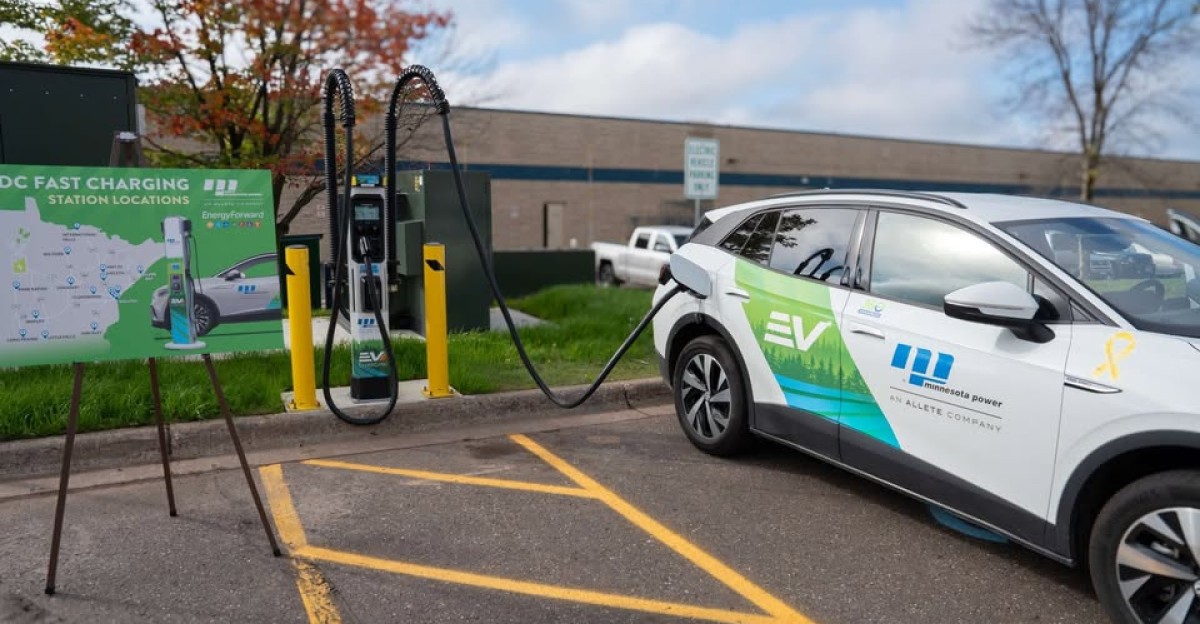
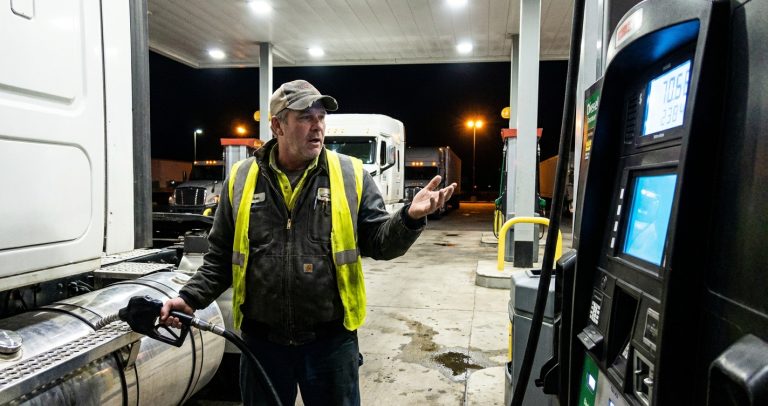
Minnesota’s EV fleet has grown to nearly 80,000 registered plug‑in vehicles, according to recent state and media reporting. But the state’s public charging network has not kept pace with that growth, especially outside the Twin Cities. Minnesota has hundreds of public charging stations, yet the mix and location of those chargers still leave serious gaps.
A legislative research analysis found that only a tiny handful of stations with categorized location data sit directly at traditional gas stations, even as most drivers still associate refueling with those sites. The majority of Minnesota’s chargers cluster in the Twin Cities metro, leaving large swaths of rural Minnesota with relatively sparse coverage. The mechanism connecting every ripple is this: Minnesota built EV demand with rules and incentives without fully building the infrastructure to sustain it where people actually drive. Incentives narrowed, fees arrived, and chargers still do not exist in enough of the places drivers expect them. It is the same structural failure, repeating across every layer of this market.
The Voice From Inside the Slowdown
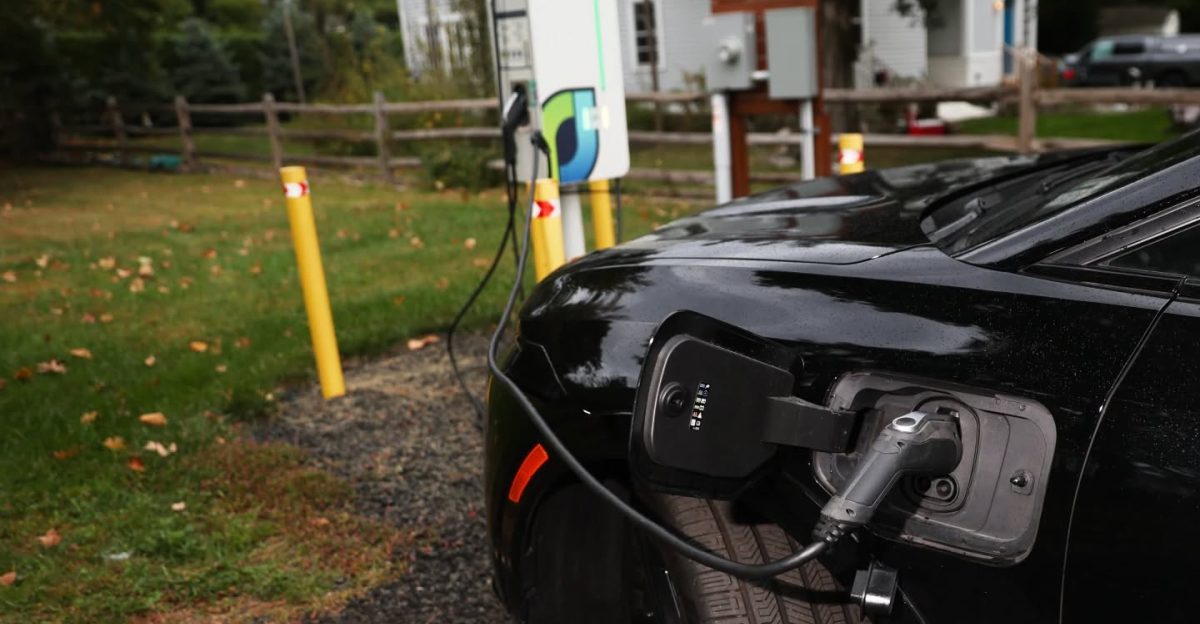
“2026 will be hard. The industry is trying to find that natural demand,” said Stephanie Valdez‑Streaty of Cox Automotive in early commentary about the coming used‑EV wave and shifting incentives. That word, “natural,” tells the whole story. The demand that built Minnesota’s EV growth from 2019 to 2024 leaned heavily on policy supports and cheap lease money. Nationally, large surveys have found that nearly half of EV owners report at least one problem using public chargers, and a solid majority of consumers still say charging infrastructure is insufficient.
In 2024, Minnesota officials described the state’s EV market share as a “significant milestone for cleaner air.” By 2026, that milestone looks less like a steady plateau and more like a peak built on fragile assumptions about incentives, infrastructure, and consumer patience.
The Rules Are Changing Everywhere

Minnesota’s Clean Cars rule, adopted in 2020, helped push automakers to ship more EVs into the state and contributed to an 8%‑plus share of new registrations by 2024. But Clean Cars was only one piece of a national policy mosaic that is now shifting. Federal implementation of the Inflation Reduction Act’s EV provisions tightened eligibility for credits over time, and changing guidance has reshuffled which models qualify and at what value.
At the same time, Minnesota’s own policy mix has grown more ambivalent. The state has $68 million in federal NEVI money allocated for chargers, but build‑out has been slow and, in some corridors, delayed by permitting, grid, and siting challenges. On one side of the ledger sit early‑2020s mandates and incentives; on the other side, new registration surcharges and a yet‑incomplete charging network. Minnesota went from climate leader to fee‑charging skeptic in a very short span. That template is now visible to every legislature watching the costs of keeping EV incentives in place.
Winners, Losers, and the Hybrid Takeover
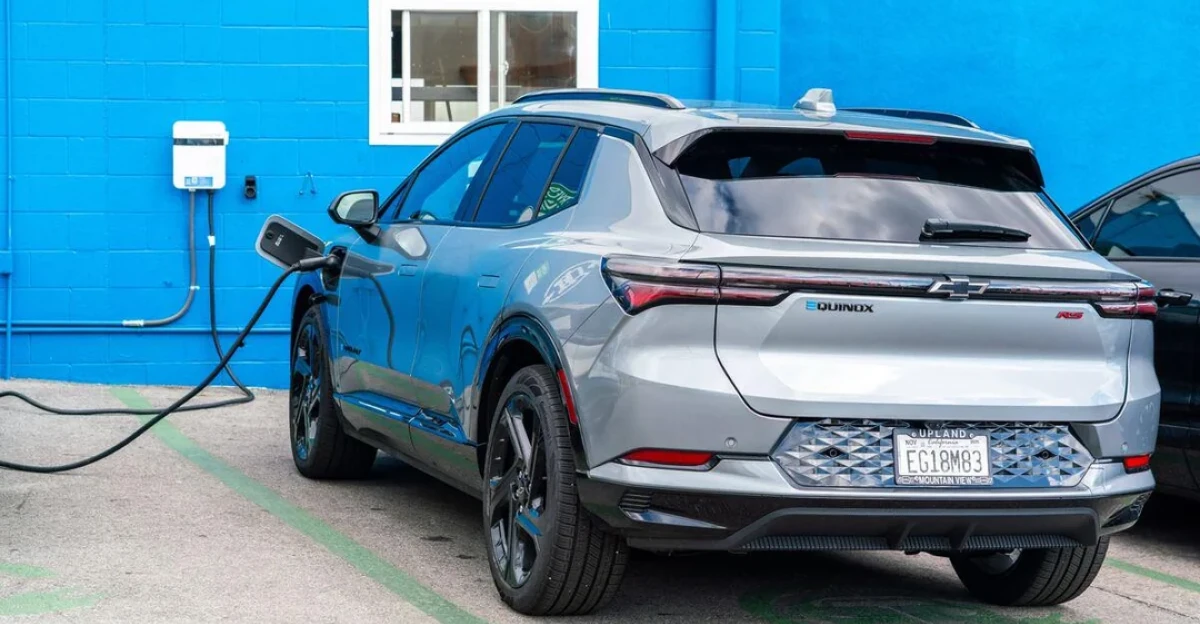
GM, Tesla, and other automakers have continued to move substantial volumes of EVs, but growth has cooled from its breakneck early‑2020s pace as the easy incentive wins fade. The real winner of the past two years has been the hybrid segment, which logged strong double‑digit growth as buyers looked for fuel savings without the charging headache. With average hybrid prices around the low‑$30,000s and no special registration penalties in Minnesota, hybrids occupy an attractive middle lane between full EVs and conventional gasoline cars.
The losers are working‑ and middle‑class buyers looking at the bottom of the EV market, especially in the used space. Off‑lease EVs will be cheap to buy relative to their original sticker but can be expensive to own if registration fees, insurance, and uncertain charging access all stack up. For buyers outside the metro, sparse public chargers and volatile resale values add more risk. The affordable EV promise can start to look like an affordability trap.
The Cascade Keeps Breaking
Automakers are already lobbying in Washington and in state capitals for more stable, predictable incentive structures, arguing that whipsawing credit rules and fee regimes make planning difficult. Environmental groups in Minnesota and elsewhere are preparing or pursuing challenges to aggressive EV fee structures and to regulatory rollbacks that, in their view, undercut climate goals. None of that changes the basic 2026 math: a rising wave of off‑lease EVs returning to market, used values under pressure, chargers still unevenly distributed, and new state taxes that subtly steer some buyers toward hybrids instead.
EV adoption has always been a blend of policy and market forces. When the policy side weakens—through narrowed credits, new fees, or slow infrastructure build‑out—the market reveals what it prefers at current prices and interest rates: hybrids around $33,000 with no extra registration penalty and fueling infrastructure everyone already understands. Minnesota did not disprove the EV project. It showed how fragile EV growth can be when incentives, fees, and infrastructure pull in opposite directions.
Sources:
TPEC, University of Minnesota — the charging station data (920 stations, 4 at gas stations, 232 categorized)
Cox Automotive — the Q4 2025 EV sales collapse figures and Valdez Streaty quote
Drive Electric Minnesota — the registration fee legislation and opposition details
Kelley Blue Book / Cox Automotive — the February 2026 average transaction price ($49,353)
The Buzz EV News — GM’s 169,887 EV sales and 48% growth figure