$230B in Chinese Subsidies Triggered Tariffs That Block 8 European EVs From America—Now Chinese-Owned Production Expands on U.S. Soil
Eight European electric vehicles that dominate overseas markets cannot be purchased in America. The BMW iX3, Renault 5 E-Tech, Alpine A290, CUPRA Born, Skoda Enyaq, Mercedes GLC EQ, Porsche Cayenne EV, and Abarth 600e all face tariffs of 25% that make U.S. entry economically unviable. Europe’s EV sales surged in the latest full year. In North America, Q4 2025 EV sales collapsed 36% year over year. Same technology. Same consumer appetite. Completely different policy environments. The price gap between what Americans pay and what Europeans pay starts at $31,000, and the reasons it exists reach further than any tariff debate.
$230.8 Billion Built the Machine
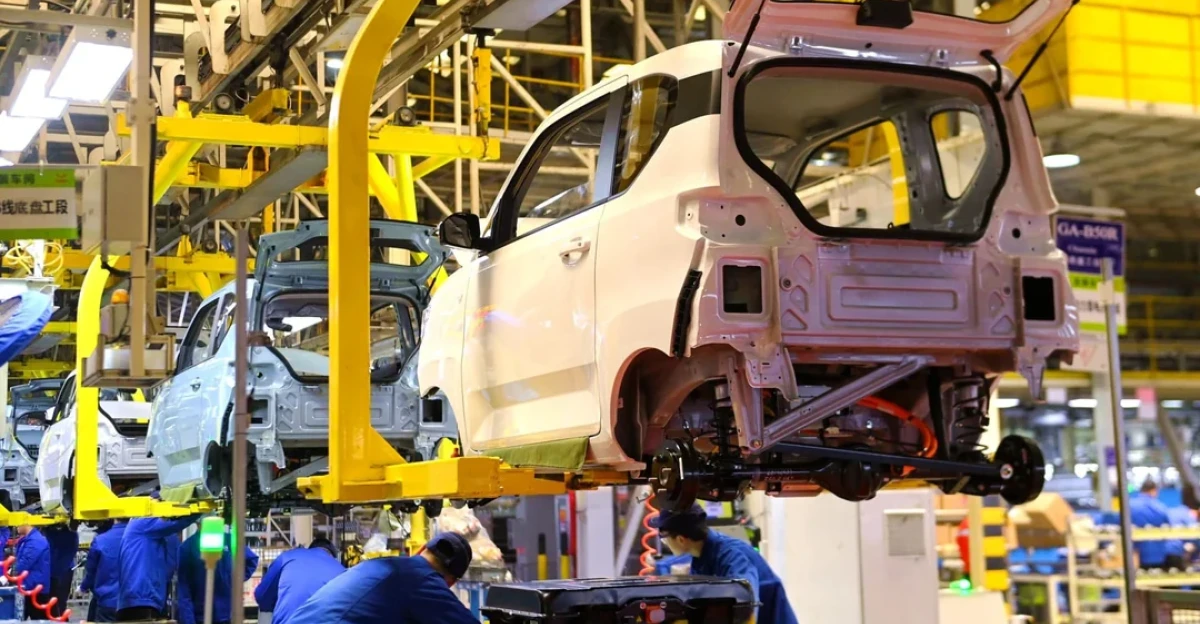
From 2009 to 2023, China channeled at least $230.8 billion in subsidies into its domestic EV sector, according to the Center for Strategic and International Studies. That funding created a manufacturing cost advantage so severe that Chinese EVs can sell for as little as $14,000 while the U.S. market average sits near $50,000. BYD sells a fully electric crossover for around $14,000 in China. Washington responded with 100% tariffs on Chinese EVs, but tariffs of 25% on imported vehicles hit European models too. The policy designed to block one competitor ended up blocking all of them. And the subsidy-powered cost advantage didn’t disappear. It just found another route in.
American Buyers Absorb the Hit
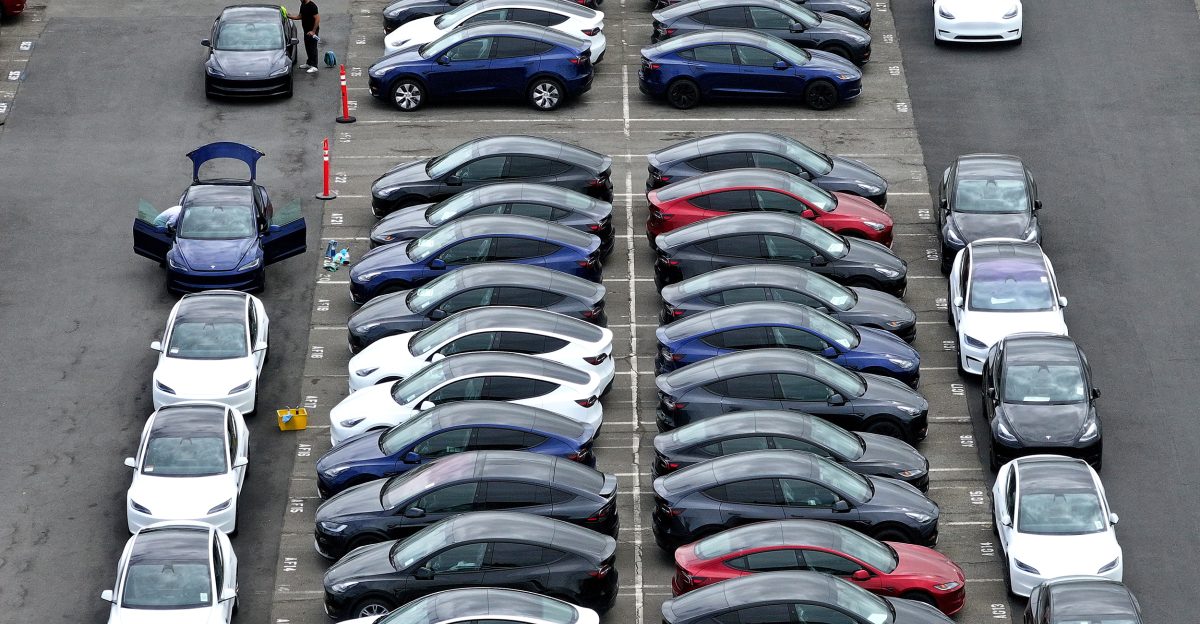
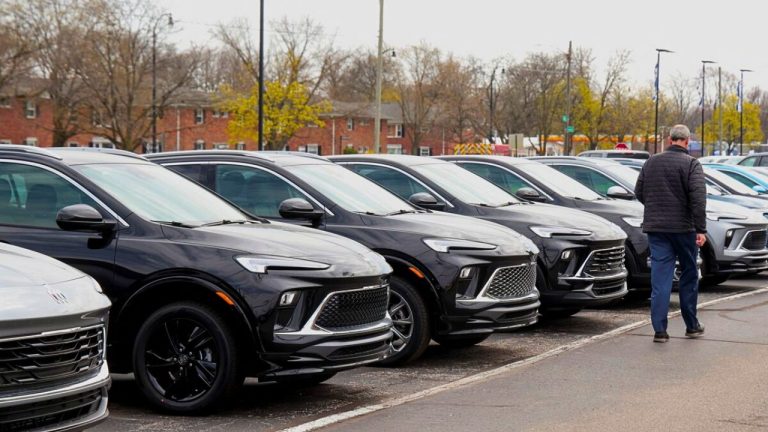
U.S. EV market share fell from 10.5% in Q3 2025 to 5.8% by Q4 2025, dropping to its lowest point since late 2022. Americans now carry record levels of auto loan debt, financing $50,000 vehicles because $14,000–$20,000 alternatives are blocked by tariffs. Stellantis discontinued every plug-in hybrid in its North American lineup for the 2026 model year, eliminating the compromise option entirely. Consumers face a binary: expensive EVs or gas. The affordable middle ground got walled off by policy, not preference.
Detroit Retreats While Tokyo Advances
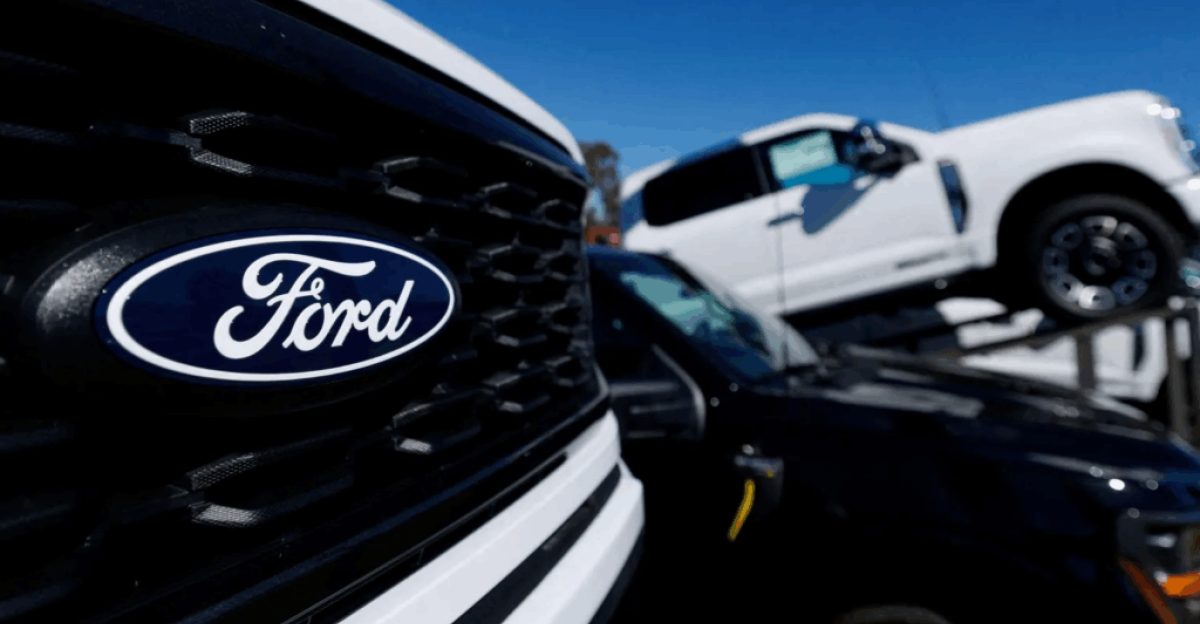
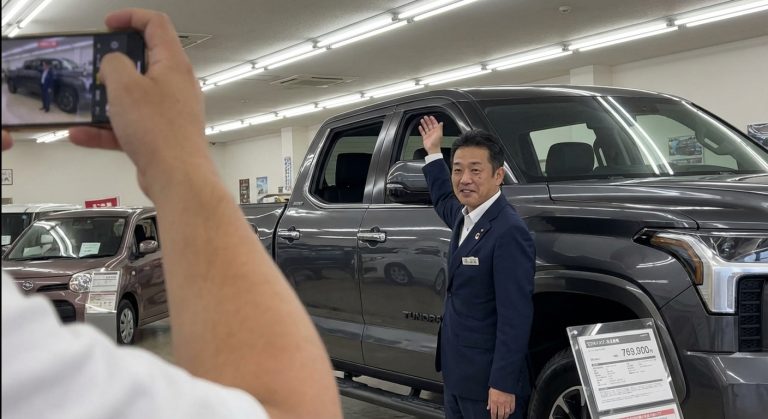
Ford sold 6,860 EVs in Q1 2026. That’s roughly 70% fewer than Q1 2025. Ford also announced a $19.5 billion writedown tied to unwinding much of its EV strategy. GM has also signaled billions in costs retooling its own EV plans. Meanwhile, Toyota sold over 10,000 electric bZ SUVs in Q1 2026, up nearly 79% year-over-year. Hyundai moved nearly 9,800 IONIQ 5s in the same quarter, exceeding Ford’s entire EV lineup. The tariff wall was supposed to protect American automakers. Japanese and Korean competitors are eating their lunch anyway. The protection protected nothing.
Europe’s EV Boom Crosses Into Unexpected Territory
Italy’s EV market surged 98% year-over-year in recent reporting, according to industry tracking data. Germany grew 26%. France grew 30%. MINI delivered 105,535 electric vehicles in 2025, an 87.9% increase, with EVs now representing more than a third of all MINI sales worldwide, according to BMW Group. Audi moved 223,000 EVs globally, up 36%, per Audi’s own reporting. These brands thrive everywhere except America. Audi’s North American sales fell 12.2% in the same year its global EV numbers exploded. Identical cars, identical engineering, opposite outcomes. The primary variable is policy environment.
The System Connecting Every Ripple
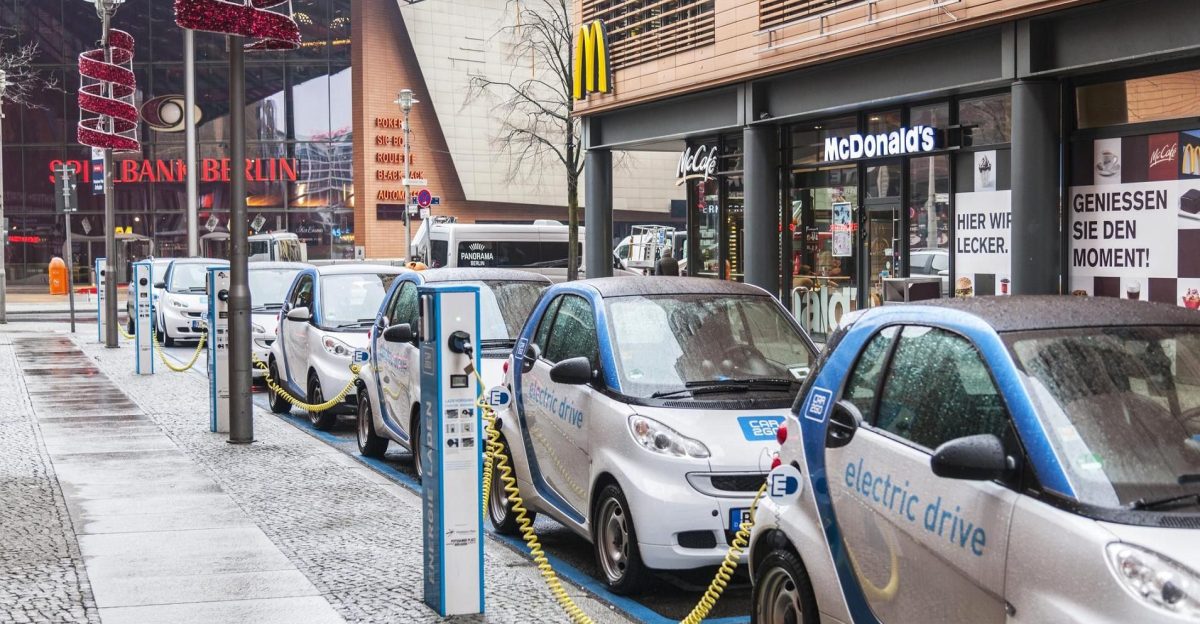
Subsidy removal plus tariff walls created a luxury-heavy EV market in America. Vehicles under $30,000 effectively vanished. The Nissan Leaf S+ at $29,990 stands as the cheapest new EV in the country. Twenty-two new models launched in 2026, yet total sales stayed flat. More cars. Fewer buyers. Same mechanism every time. Subsidies go away in Washington. Tariffs stay. Prices climb. Consumers retreat to gas. The cascade narrows fast: global policy failure, national market collapse, industry write-downs, and then your monthly payment on a $50,000 vehicle you didn’t want.
The Industry Admits the Truth
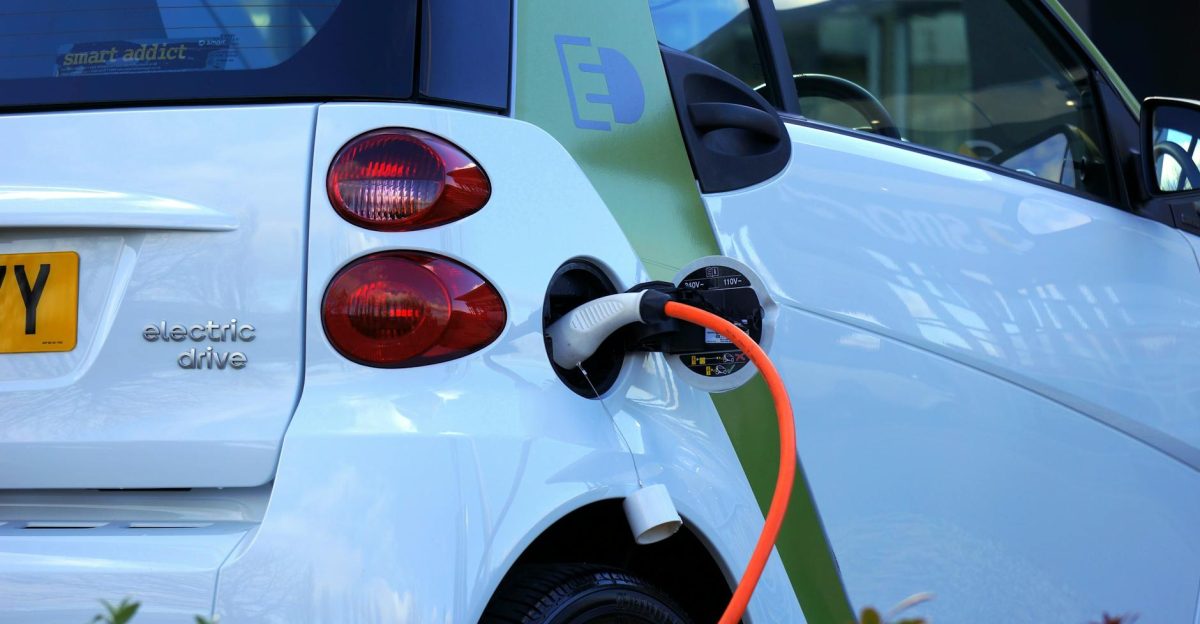
“2026 will bring challenges,” said Stephanie Valdez Streaty, director of industry insights at Cox Automotive, noting the shift marks a structural transition toward a market driven by consumer choice rather than incentives. The implication is significant: a meaningful share of the demand that existed before October 2025 was sustained by a $7,500 tax credit. Remove the credit, and the market lost roughly half its share in a single quarter. The Volkswagen ID.Buzz, priced at $61,545, sold 564 units in Q2 2025 before being pulled from the U.S. market. Affordable this was not.
The Rules Just Changed Permanently
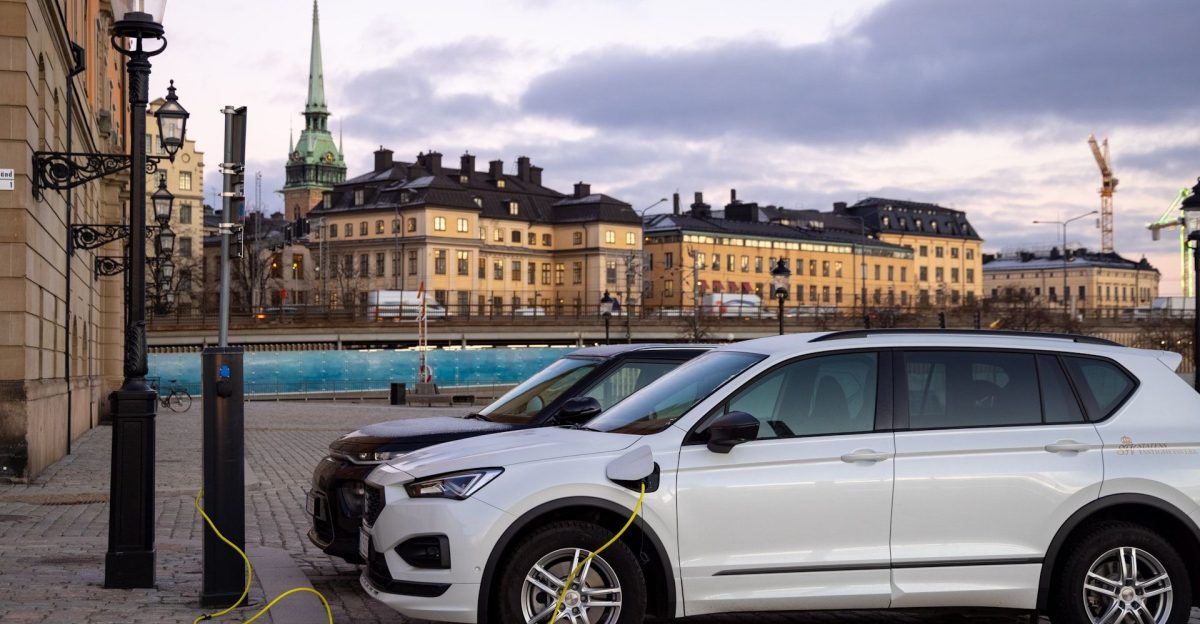
Canada broke first. Prime Minister Mark Carney negotiated a deal allowing 49,000 Chinese EVs annually at a 6.1% tariff, down from 100%. That reversal took three months after the U.S. hit peak tariff levels. The precedent echoes the 1980s, when trade restrictions on Japanese cars proved unsustainable and led to transplant factories across the South. History is repeating. U.S. policy demonstrated that tariffs plus subsidy removal equals market collapse. Global automakers now prioritize Europe and China for EV investment. America just became the unreliable partner.
Who Profits From the Wreckage

Porsche posted an all-time U.S. sales record of 76,219 vehicles in 2025. Luxury holds. The rich keep buying. Everyone else gets squeezed. Meanwhile, Kia prioritized Europe for its EV3, EV4, and EV5 launches while the U.S. gets only a sedan variant of the EV4, subject to import tariffs. The losers stack up: battery manufacturers facing demand destruction, charging networks losing projected customers, and the EV factory jobs that were promised growth but now face elimination as automakers retreat.
China Already Has the Keys
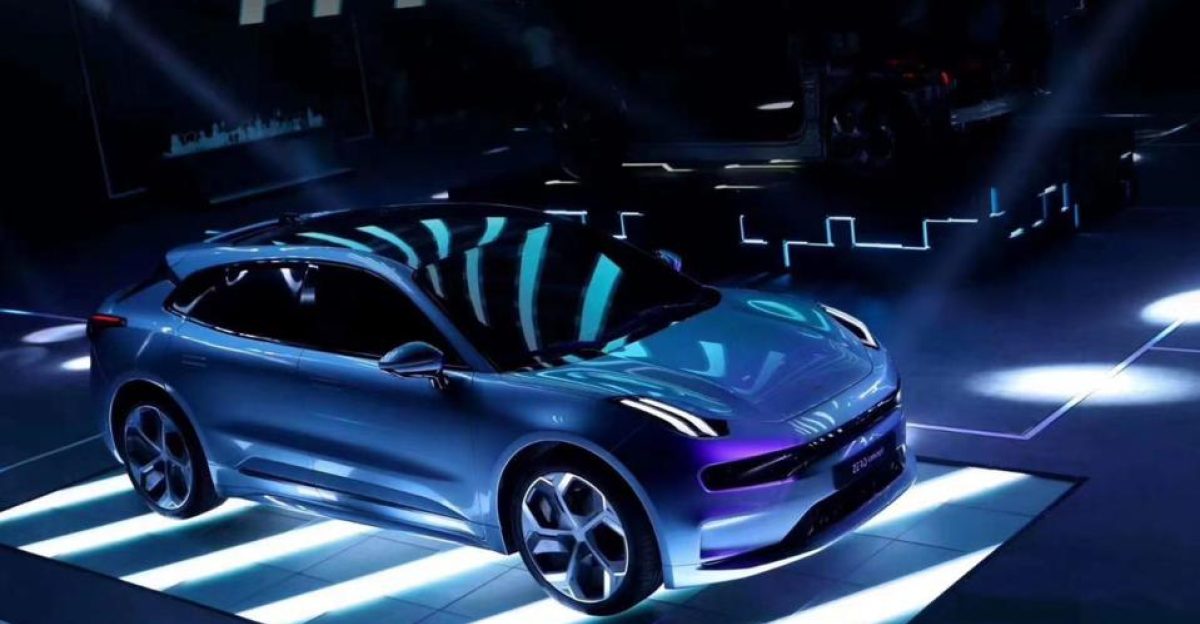
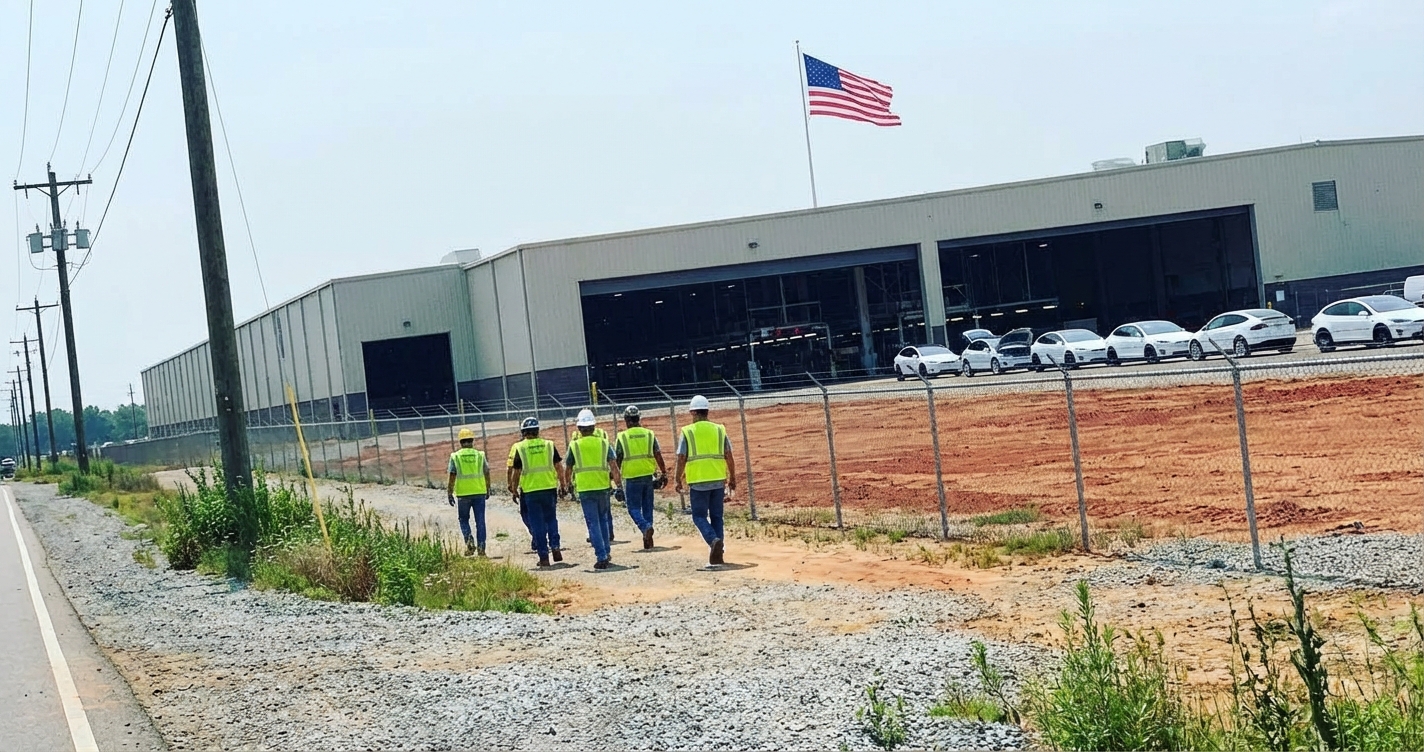
Geely’s global communications head asked at CES 2026, “When and where will we go to the USA?” The answer was already in motion. All Polestar 3 production consolidates to Volvo’s Ridgeville, South Carolina facility by Q4 2026, a plant owned by Geely through its Volvo subsidiary. The tariff wall built to keep Chinese manufacturers out handed them exactly what they wanted: embedded ownership of American EV production through existing corporate structures. European competitors with no U.S. factories remain frozen out. The cascade continues. Domestic automakers will lobby for subsidy restoration rather than admit tariff failure. The affordable EV gap won’t close for 18–24 months. And Chinese corporate control of U.S. EV manufacturing grows with every quarter the current policy stands.
Sources:
Scott Kennedy, “The Chinese EV Dilemma: Subsidized Yet Striking,” Center for Strategic and International Studies, June 19, 2024.
Cox Automotive, “Despite Q4 Collapse, 2025 EV Sales Decline Only 2% Versus 2024,” Cox Automotive Inc., Jan. 12, 2026.
Polestar Investor Relations and Volvo Cars, “Polestar 3 Global Production Consolidation to Charleston, South Carolina,” press release, March 30, 2026.
Office of the Prime Minister of Canada, “Prime Minister Carney Forges New Strategic Partnership With the People’s Republic of China,” press release, Jan. 16, 2026.
Ford Motor Co., “Ford Delivers Higher Q1 Retail Share Driven by Double-Digit SUV Growth,” press release, April 1, 2026.
The White House, “Fact Sheet: President Biden Takes Action to Protect American Workers and Businesses From China’s Unfair Trade Practices,” press release, May 14, 2024.