
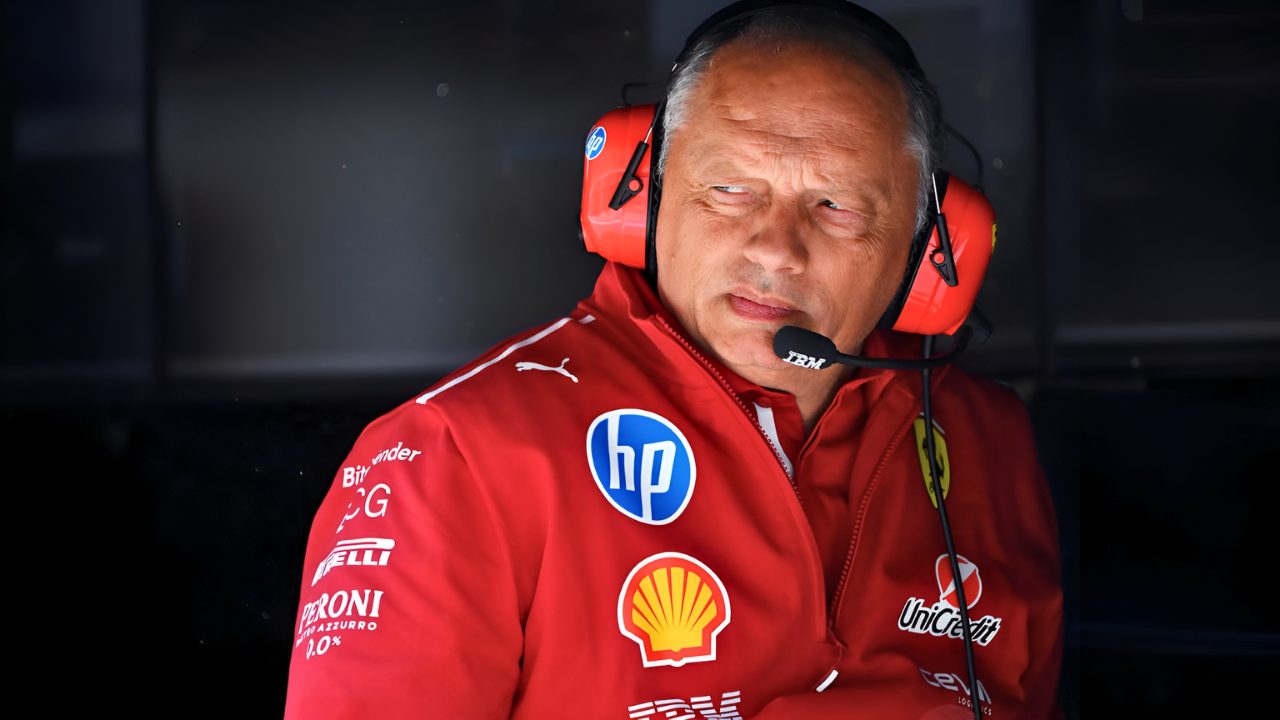
Ferrari Boss Promised ‘New Championship’ In Miami—Then The FIA Rewrote The Rules
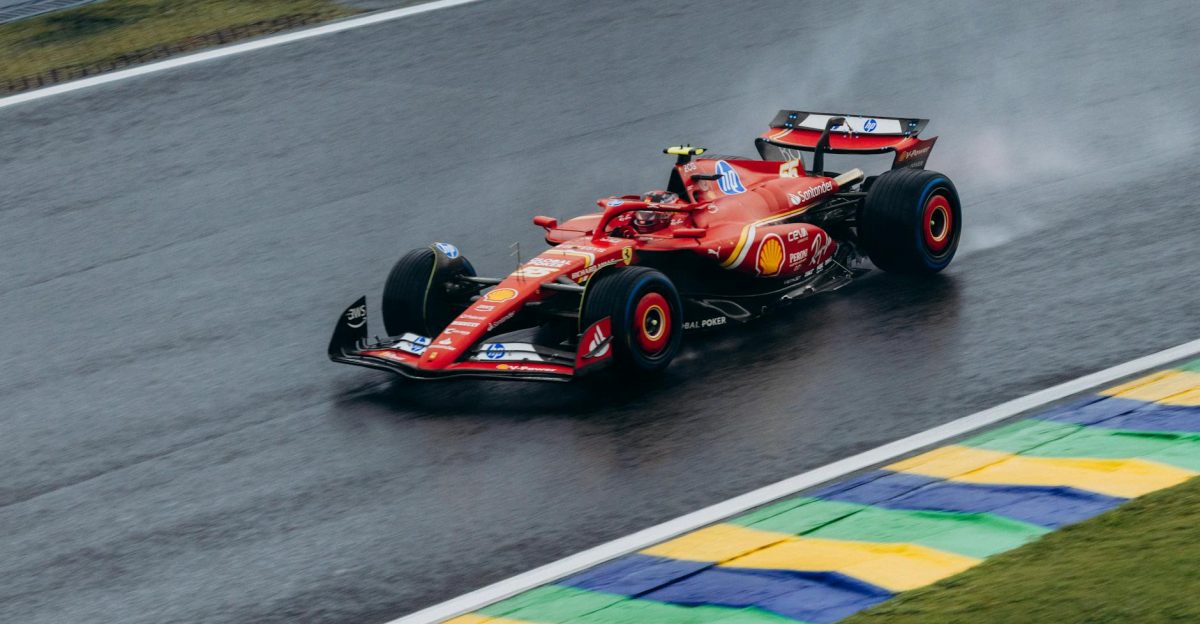
Fred Vasseur stood in the Suzuka paddock after the Japanese Grand Prix and told Sky Italy exactly what Ferrari fans wanted to hear: “Everyone will bring updates to Miami, they’ll have time to work on the software, and that’s why I said a new championship will begin.” Bold words. The problem is Mercedes already holds a 45-point constructors’ lead after just three races, 135 points to Ferrari’s 90. That gap is unprecedented for regulations designed to level the field. Vasseur promised a reset. The numbers say it already happened, and Mercedes won it.
The Invisible Engine Nobody Can Copy
The 2026 regulations removed the MGU-H and tripled the MGU-K’s output to 350kW, making electrical energy roughly half of total power for the first time in F1 history. That shift turned energy management integration into the decisive competitive axis. George Russell qualified 0.862 seconds faster than McLaren’s Oscar Piastri. Same Mercedes power unit. Completely different result. The gap proves the advantage lives in how Mercedes integrates chassis, battery deployment, and driver mapping into one seamless system. Raw horsepower is identical. The knowledge behind it is not.
Your Grocery Bill, but for Race Teams
Piastri described the customer-team experience bluntly: lifting and coasting three times per lap, losing “effectively 450 horsepower” mid-corner because McLaren’s energy curve falls off where Mercedes’ stays flat. Drivers across the grid report significant mental exhaustion despite the cars being physically slower than 2025. The new system demands constant energy calculations at 200mph. McLaren suffered double DNS in China from separate electrical failures on each car. That’s not bad luck. That’s a team still learning the basics of a system Mercedes already mastered.
The Five-Week Break That Helps One Team
Bahrain and Saudi Arabia were canceled due to Middle East conflict, creating F1’s longest mid-season pause outside the summer break. Vasseur framed it as an equalizer. The opposite is true. Unlike the summer shutdown, factories stay open during April. Mercedes is running simulations and refining deployment strategies with a 45-point cushion. Meanwhile, Aston Martin’s Honda power unit has vibration issues requiring a gearbox redesign estimated at six months. Williams sits 26kg over the 768kg minimum weight. The break is a study hall where Mercedes already knows the answers.
When the Crash Rewrote the Calendar
Oliver Bearman hit the wall at 50G force during the Japanese Grand Prix after encountering a 50kph speed differential with Franco Colapinto’s car. A 20-year-old absorbing 50 times the force of gravity because the regulations allow cars on the same track to carry wildly different speeds through the same corner. That crash forced the FIA to schedule an April 9 regulatory meeting with all teams and power unit manufacturers. Six potential rule fixes are now in play. The rules Vasseur was counting on for Miami started changing ten days before he expected them to matter.
The Fix That Cements the Problem
Here is the connection nobody is making. The FIA’s April 9 fixes target energy management, safety speed differentials, and qualifying degradation. Mercedes has already solved energy management. The FIA admitted the regulations include “adjustable parameters” requiring “real-world data” to optimize. Three races of real-world data exist. Mercedes dominated all three. When regulators build fixes around the best available solution, they codify the leader’s approach as the standard. Energy management rules change. Safety rules change. The team that already cracked the code becomes the template everyone else must now follow.
A Voice from Inside the Wreckage
Bearman’s response after climbing from a destroyed car carries a weight the FIA should feel in its chest: “It was a massive overspeed, 50kph which is a part of these new regulations that I guess we have to get used to.” Read that again. A driver who absorbed 50G is normalizing the danger because the system told him to. Kimi Antonelli, now the youngest championship leader in F1 history at Mercedes, won back-to-back races in the same window. One team’s triumph. Another team’s driver learning to accept 50G as routine.
The Biggest Overhaul in a Decade, Already Broken
The 2026 regulations represent the biggest F1 rules overhaul in more than a decade. Five new power unit manufacturers entered. Cadillac joined as the first new team since Haas in 2016. The cost cap jumped from $135 million to $215 million to handle the complexity. All of it was designed to reset competition and attract fresh investment. Three races in, the governing body is rewriting the rulebook mid-season. That sets a precedent: regulations launched without sufficient testing can be modified under pressure, rewarding whoever adapted fastest to the flawed original version.
Who Wins, Who Bleeds, What to Watch
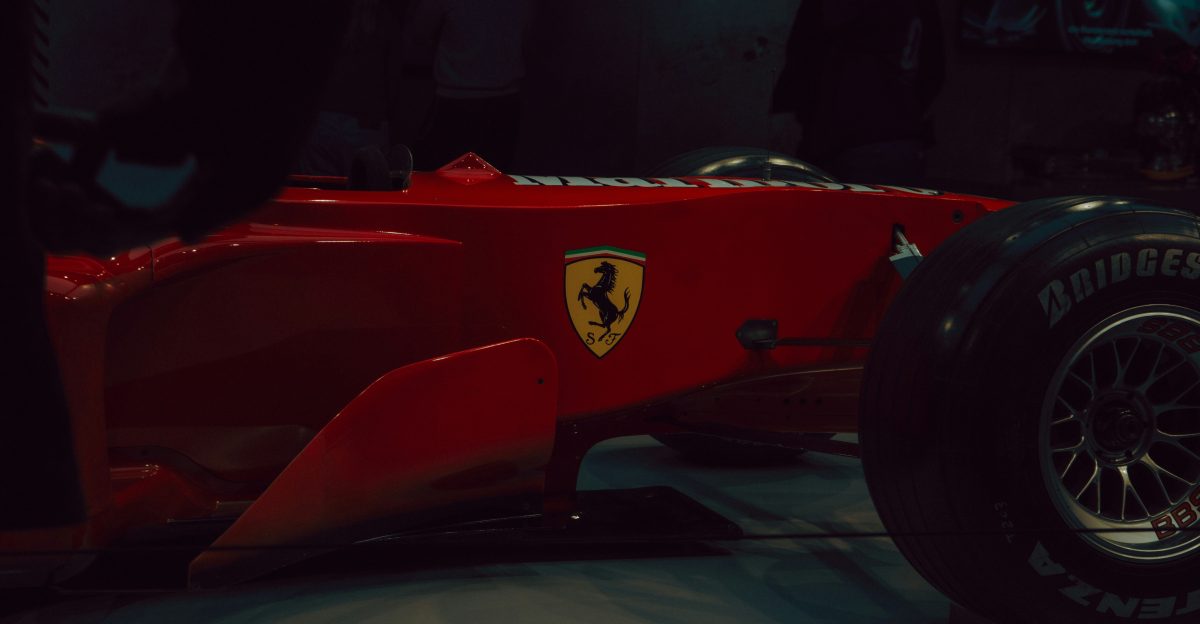
Mercedes wins twice: once on track, once when the FIA standardizes their solution. Works teams with full chassis-engine control (Mercedes, Ferrari) hold structural advantages that customer teams cannot purchase. McLaren runs the same Mercedes engine and loses nearly a full second in qualifying. Aston Martin hired Adrian Newey, the greatest aerodynamicist alive, but Newey cannot fix a Honda engine integration problem. Williams needs weight solutions constrained by the cost cap. Cadillac arrived as a newcomer completely lost in a system nobody fully explained. The gap between prepared and scrambling grows every day factories stay open.
Miami Arrives, but the Reset Does Not
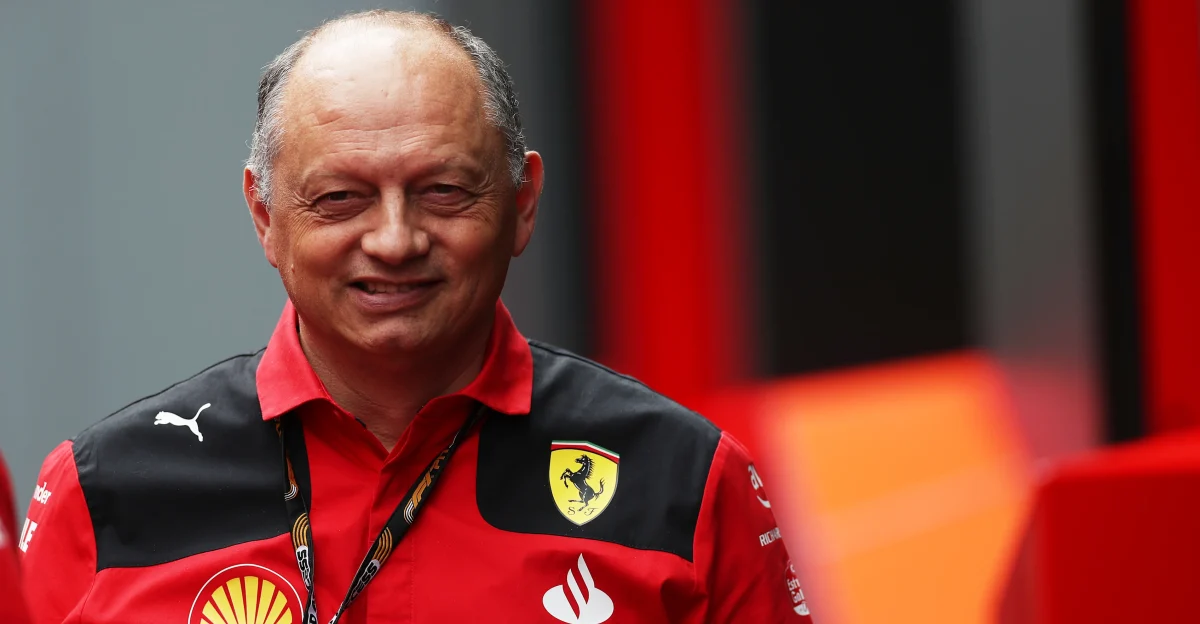
Ferrari qualifies for ADUO development relief, meaning the regulations’ own safety net acknowledges Vasseur’s team is falling behind. The April 9 rule changes will land before Miami on May 3, altering the competitive framework Vasseur built his entire strategy around. His “new championship” assumed stable rules. The FIA proved the rules were too broken to hold. Russell’s 0.785-second pole margin over the nearest non-Mercedes car tells the real story: integration knowledge is the new currency, and Mercedes printed the money first. The cascade from one set of regulations has reached safety, competition, driver welfare, team economics, and the sport’s credibility. That cascade is still moving.
Sources:
Ferrari boss predicts ‘a different championship from Miami onwards'” — GPBlog
“Oliver Bearman limps away from Japanese Grand Prix crash” — ESPN
“McLaren reveals split battery causes of double DNS in China” — F1i.com
“Kimi Antonelli becomes youngest Formula 1 championship leader” — NBC News
“F1 confirms cancellation of Bahrain and Saudi Arabian Grands Prix due to war” — Sky Sports
“F1 2026 Rules Fixes: Six Options Before FIA Summit” — Coffee Corner Mo