390,000 Americans Injured By Texting Drivers Every Year—All 50 States Issue Protecting Laws
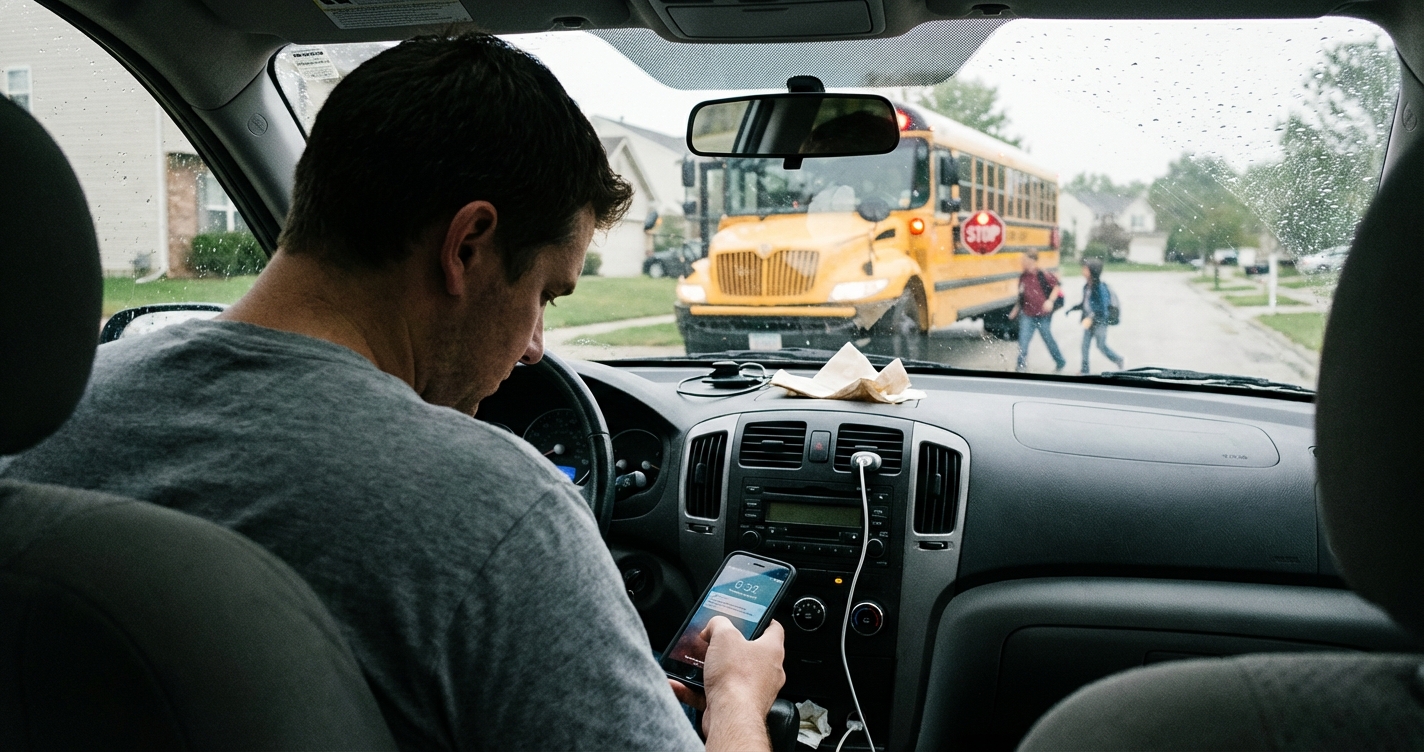
Forty-nine states in America passed laws against texting behind the wheel. Protective legislation now covers nearly all U.S. roads. And the death toll hasn’t budged. Approximately 3,300 Americans die and 390,000 suffer injuries from distracted driving every year, according to the National Safety Council. That number has flatlined since 2015. Drunk driving deaths dropped roughly 40% between the early 1980s and mid-2010s. Distracted driving is the only major traffic safety category where laws produced zero measurable improvement. Forty-nine laws. Zero results. The reasons reach further than anyone expected.
Why the Laws Don’t Work
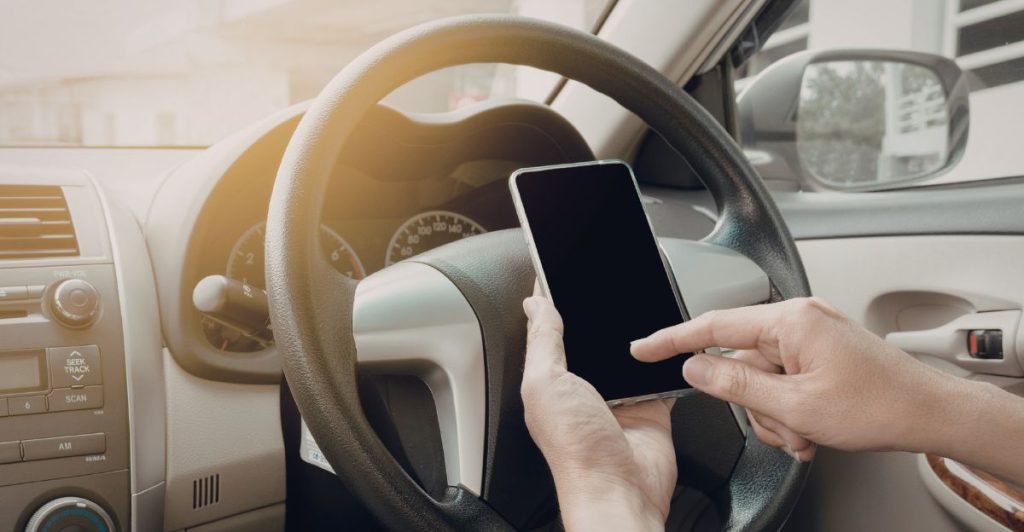
The mechanism is simple and brutal. Campaigns appeal to rationality. Habit ignores rationality. NHTSA and state agencies measure campaign reach, counting millions of eyeballs on billboards and PSAs, but they don’t measure whether drivers actually changed behavior. An estimated 70% of motorists admit to texting while driving despite knowing the risks. The enforcement gap seals it: roughly 1 in 5,000 texting drivers receives a ticket. When the perceived risk of punishment is functionally zero, a law becomes a suggestion. The $40 billion annual cost keeps climbing.
Your Grocery Run Just Got Deadlier
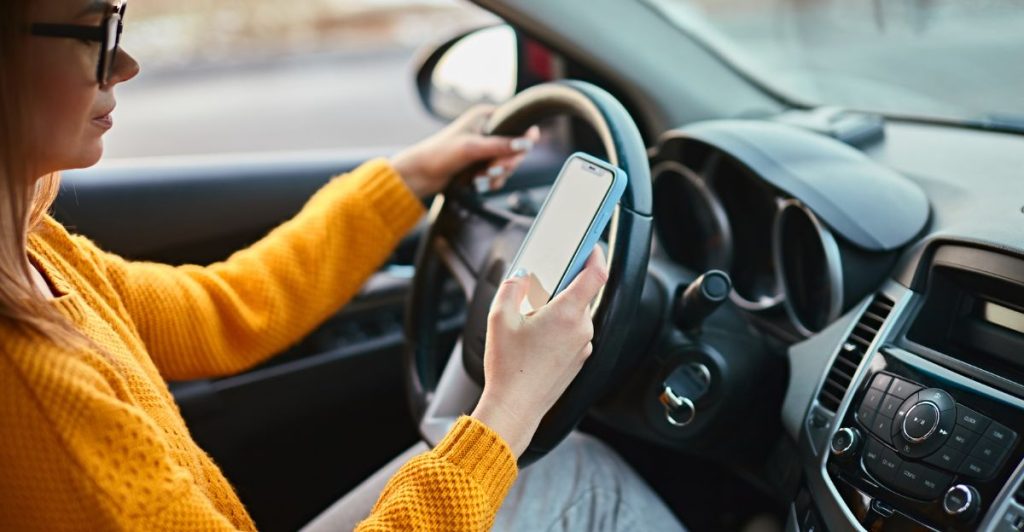
One distracted-driving injury happens approximately every 1.3 minutes in the United States. That means during a 20-minute commute, roughly 15 Americans get hurt by a driver looking at a phone. Sending or reading a single text takes a driver’s eyes off the road for about 5 seconds. At 55 mph, that covers the length of a football field, blind. Handheld device users face 4 times the crash risk. Young drivers aged 16 to 19 carry the highest proportion of distraction-related fatalities despite logging the fewest miles.
Insurance Companies Saw It First
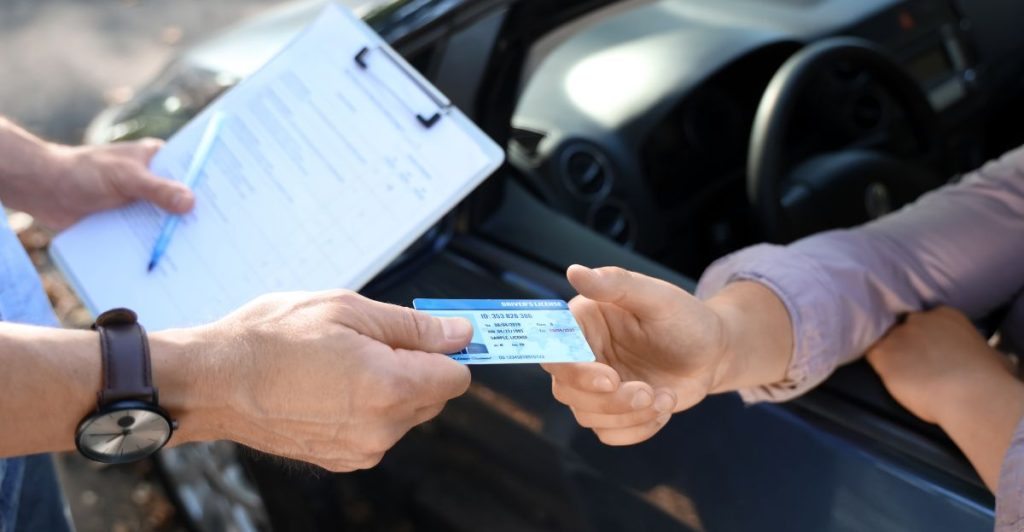
While lawmakers measured billboard impressions, insurers measured claims. Premiums for drivers ticketed for distracted driving are rising as actuarial models catch up to the data. Insurance companies now treat phone-related crashes as a distinct risk category, repricing policies accordingly. The economic ripple hits every policyholder: $40 billion in annual medical costs, lost productivity, and property damage gets absorbed into the broader insurance pool. Drivers who never touch their phones are subsidizing drivers who can’t stop. That’s the part most people haven’t considered yet.
The Courtroom Nobody Expected
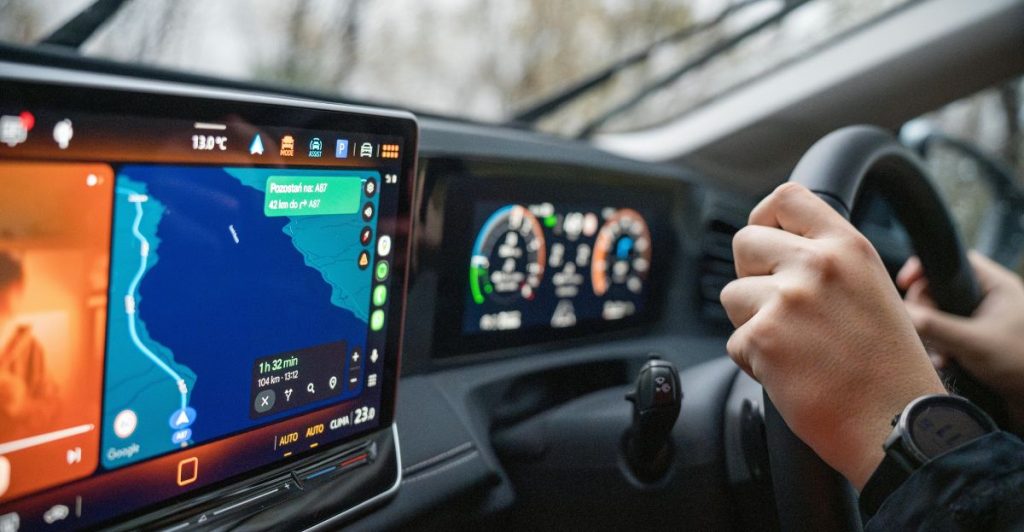
Families of victims are now filing civil suits against phone manufacturers and navigation app designers under a theory called “distraction by design.” The argument: notifications, auto-play features, and engagement-maximizing interfaces create foreseeable harm when used in vehicles. Phone ownership among drivers jumped from 35% in 2005 to 92% in 2024, and hands-free adoption topped 70%. Yet inattention rates held steady. Technology marketed as the solution created a moral hazard, normalizing multitasking behind the wheel. The courtroom fight has shifted from the driver to the device.
The Machine Behind the Curtain
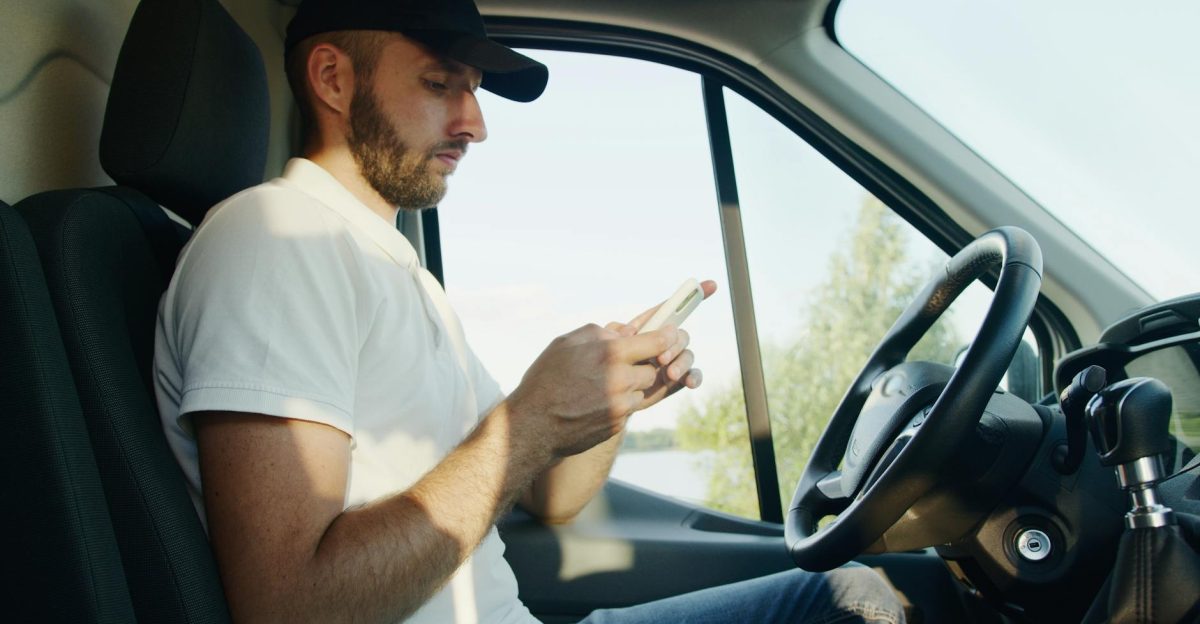
Every ripple traces back to one structural failure. Tech companies profit from notifications. Agencies measure awareness, not outcomes. Lawmakers pass laws but fund no enforcement. The system wants you informed but not compliant. Awareness campaigns are moral theater. Phone makers could default to aggressive “do not disturb while driving” modes tomorrow. They choose not to. Revenue depends on engagement. Engagement depends on notifications. Notifications reach you at 70 mph. One policy. One profit motive. One flatlined death toll. And the cost lands on your kitchen table through premiums, medical bills, and funerals.
A Voice From Inside the Wreck

NHTSA keeps repeating the same line: “When you’re driving, your job is to drive. Your phone can wait.” More than 70% of drivers ignore it every single commute. The Governors Highway Safety Association has acknowledged what the data screams: enforcement, not awareness, is the missing link. Young drivers receive soft messaging campaigns while drunk drivers face checkpoints, license suspensions, and jail. The risk allocation is inverted. The group with the highest fatality proportion gets the weakest intervention. Campaigns targeting young drivers show only 15 to 25% behavior reduction in test markets.
New Rules Are Coming

Multi-state enforcement coordination is expanding, with data-sharing on repeat offenders now crossing state lines. The precedent matters: if distracted-driving enforcement surges prove effective, the rationale extends to other “soft” violations like eating behind the wheel or dashcam use. Teen driving restrictions already include phone-use monitoring technology in some states, reducing young driver autonomy. Washington state enacted the first texting ban in 2007. Nearly two decades later, the enforcement infrastructure those laws assumed would follow is only now being built. The pattern echoes drunk driving’s arc, just 30 years behind.
Who Wins, Who Bleeds
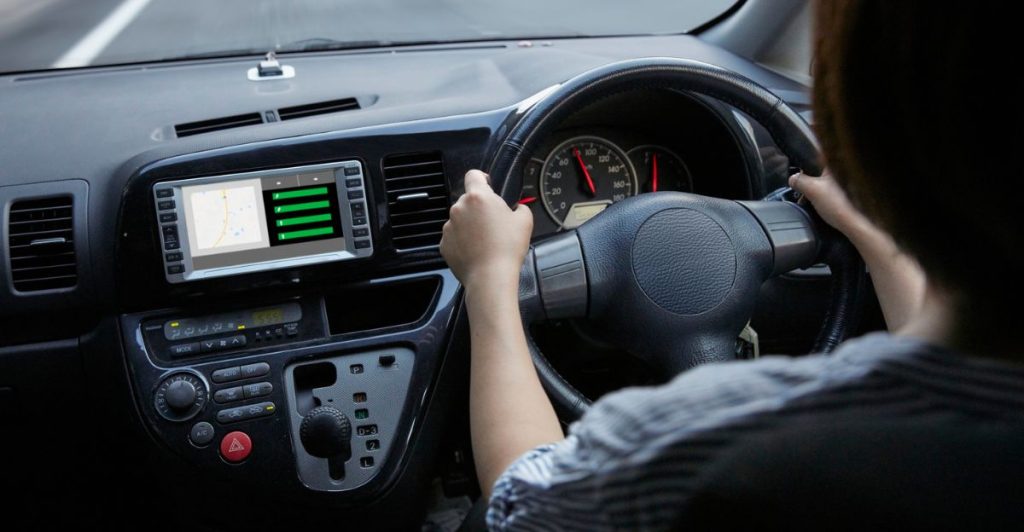
Tech companies benefit from every notification that reaches a moving vehicle. Insurers benefit from repricing risk upward. Campaign consultants benefit from awareness budgets that never face outcome audits. The losers: families burying someone killed by a preventable glance at a screen. Delivery drivers, sales reps, and logistics workers who use phones on the road face new monitoring technology and employer liability exposure. An estimated 8 million professional drivers could see restrictions tighten. The people who profit from distraction and the people who die from it occupy entirely different zip codes.
The Cascade Isn’t Finished

Tech companies are deploying lobbyists to block device-level mandates. Unions are challenging phone monitoring in work vehicles. Privacy advocates oppose geofencing that would auto-engage driving modes. The counter-moves could stall enforcement for years. Meanwhile, the escalation path is already mapped: enforcement surges, then insurance surcharges, then license suspensions, then criminal charges for repeat offenders. The only proven behavioral modifier is visible consequence, and America hasn’t tried it yet. The next time someone texts at 55 mph, they’re betting on a system that protects nobody. Now you know why.
Sources:
NHTSA, “Distracted Driving Dangers and Statistics,” nhtsa.gov
National Safety Council, “Injury Facts: Cell Phone Use While Driving,” nsc.org
CDC, “Motor Vehicle Safety: Distracted Driving,” cdc.gov
Insurance Institute for Highway Safety, “Distracted Driving,” iihs.org
Governors Highway Safety Association, “Distracted Driving,” 2024
AAA Foundation for Traffic Safety, “Distracted Driving Research”