UPS Pays $1.125B To Cut 7,500 Drivers—Then Quietly Targets 30,000 More With $9B In Robots
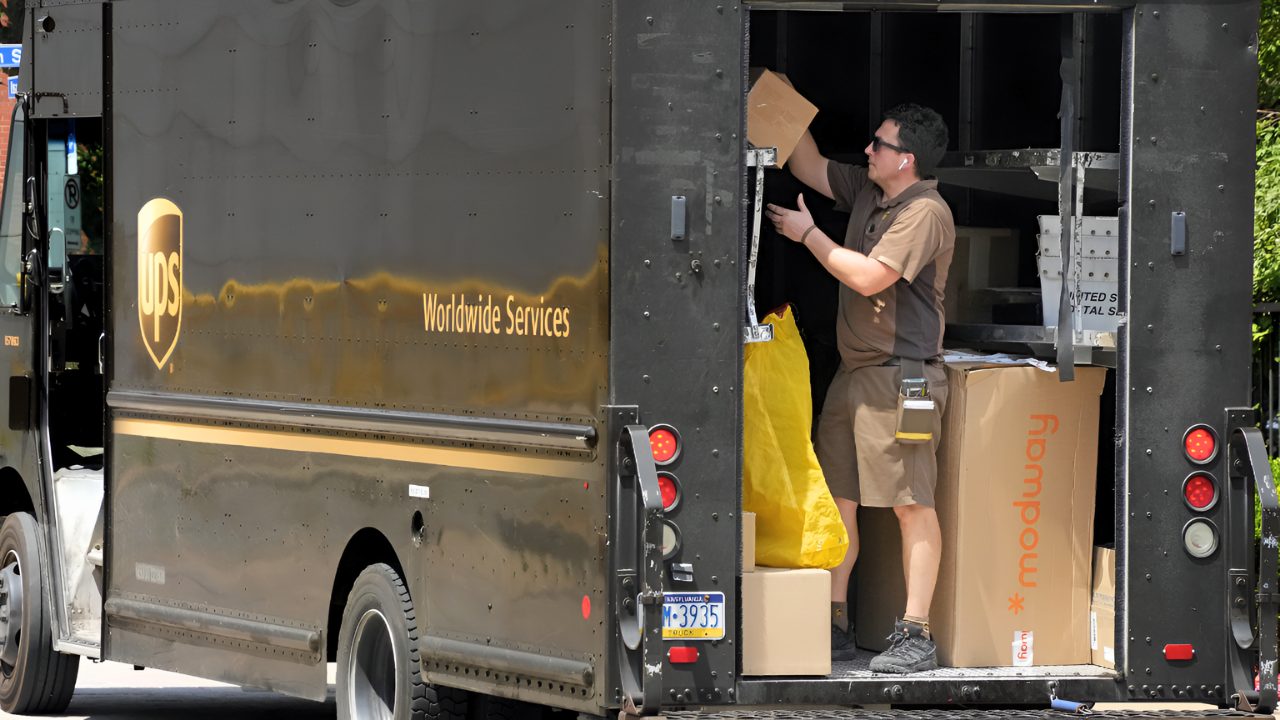
On April 5, 2026, UPS and the Teamsters announced a settlement capping voluntary driver buyouts at 7,500 workers, each collecting $150,000. That totals $1.125 billion in severance. The union celebrated. Headlines called it a major labor victory. And it was, for those 7,500 drivers. But UPS already eliminated 48,000 positions in 2025, closed 93 facilities, and CFO Brian Dykes told investors the company expects to shed up to 30,000 more jobs in 2026 alone. The buyout cap protects a fraction of what’s coming.
How the Settlement Actually Happened
UPS launched its first Driver Voluntary Separation Program in 2025 without union approval. The Teamsters filed a grievance and an emergency motion in U.S. District Court in Massachusetts in early February 2026, arguing the buyouts violated the National Master Agreement ratified in August 2023. In response to legal and internal union pressure, UPS rolled back its driver buyout program across 13 states in the company’s Central Region before ultimately agreeing to a nationwide settlement. The legal pressure worked. But the settlement also imposed a severance moratorium only through July 31, 2028. After that date, the protections expire. The clock started ticking immediately.
Your Package Is About To Cost More
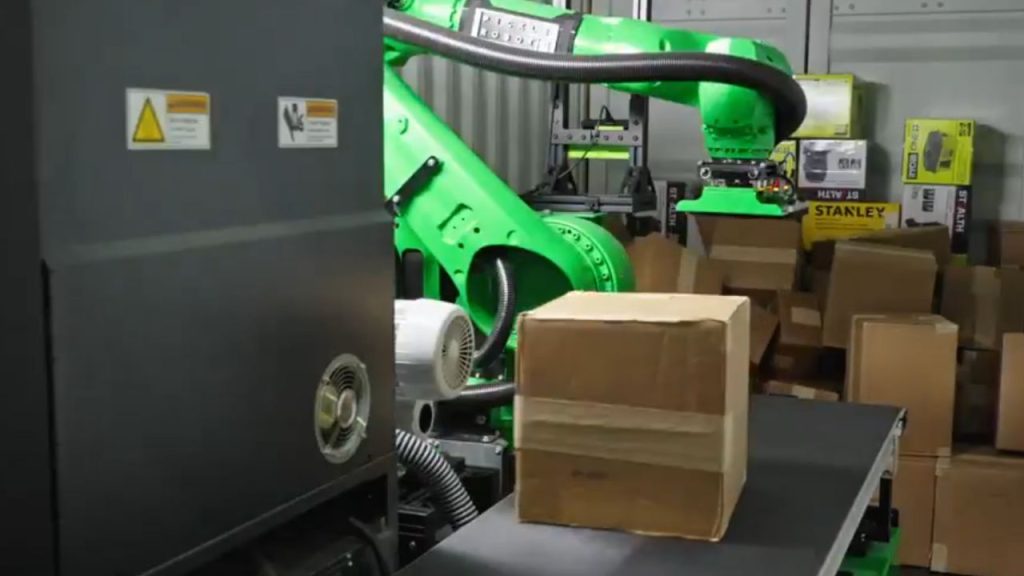
UPS handles roughly 20 million packages daily across the United States. Closing 93 facilities and cutting tens of thousands of workers doesn’t make that volume disappear. It concentrates it into fewer hubs with tighter capacity. Delivery windows stretch. Surge pricing becomes standard. Small businesses relying on UPS ground shipping absorb the cost or pass it along. The $1.125 billion settlement sounds expensive until you see the other number: UPS projects about $3 billion in annual savings from automation and related efficiency measures by 2028. The math tells you who pays.
Corporate America Takes Notes
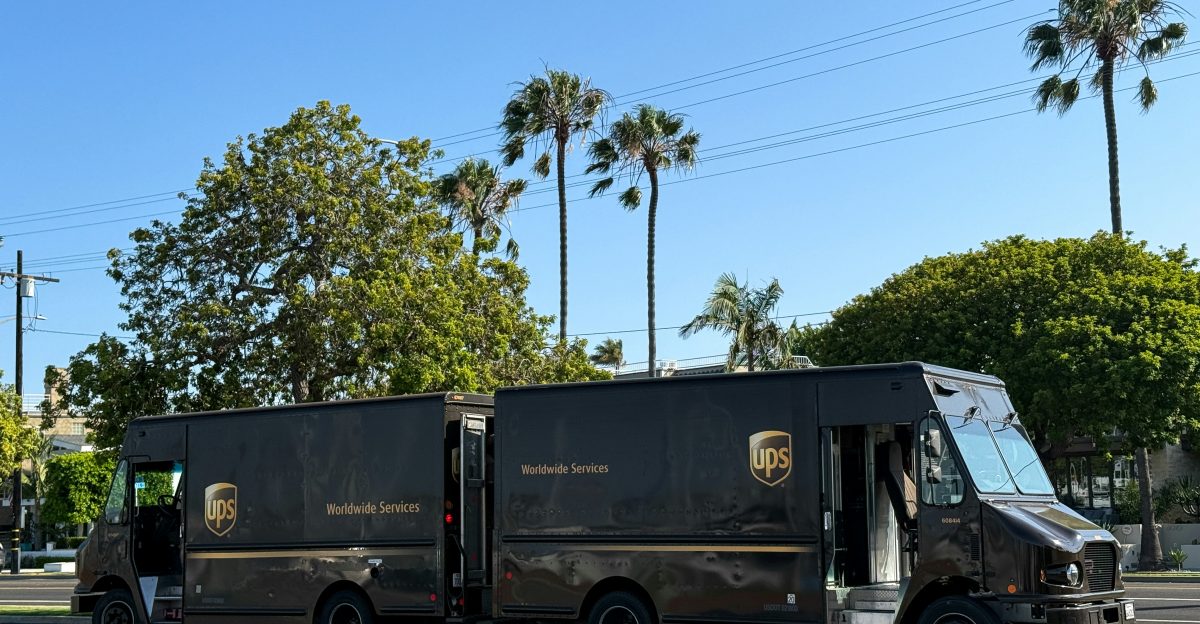
Every logistics company, warehouse operator, and manufacturing CEO watched this settlement land. The lesson is clear: negotiate a visible concession on a small group, then restructure the rest through attrition and automation. UPS realized about $3.5 billion in cost savings in 2025 while simultaneously settling with the union. The settlement becomes a PR shield. The restructuring continues underneath it. Amazon, already building its own delivery network, has been accelerating that timeline as UPS reduces the share of Amazon packages in its network. Two giants restructuring at once.
The Pickle Robot Problem
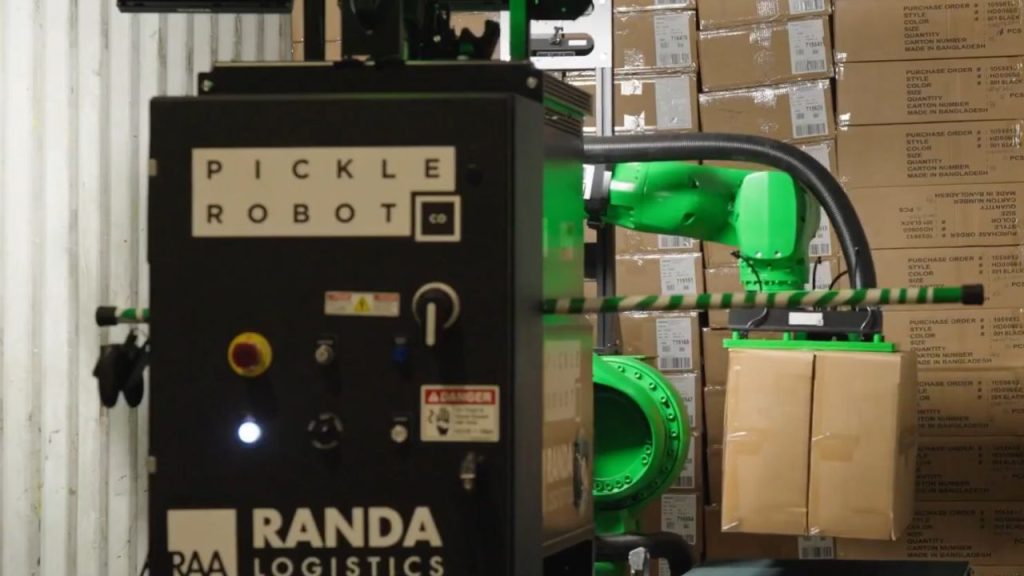
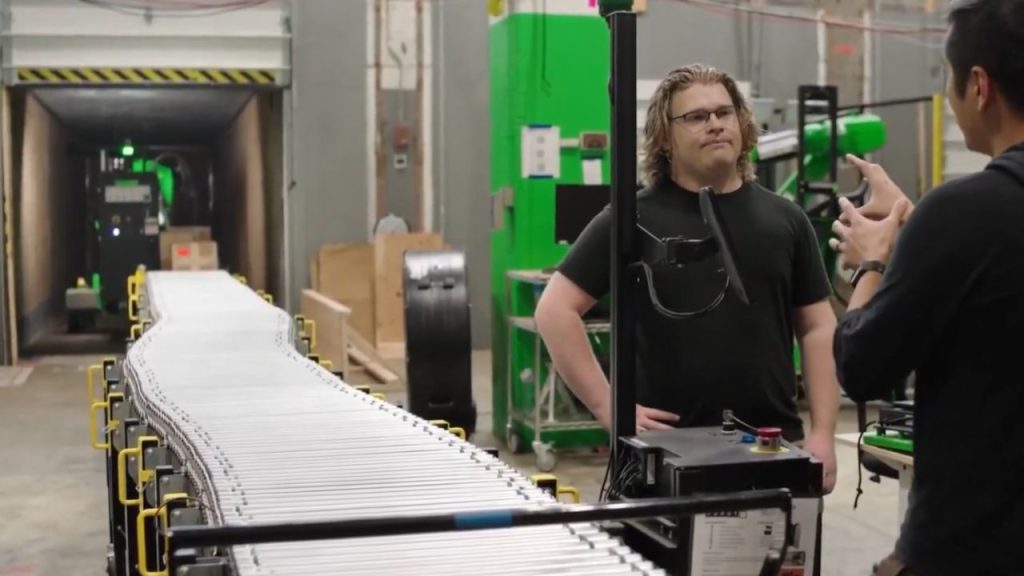
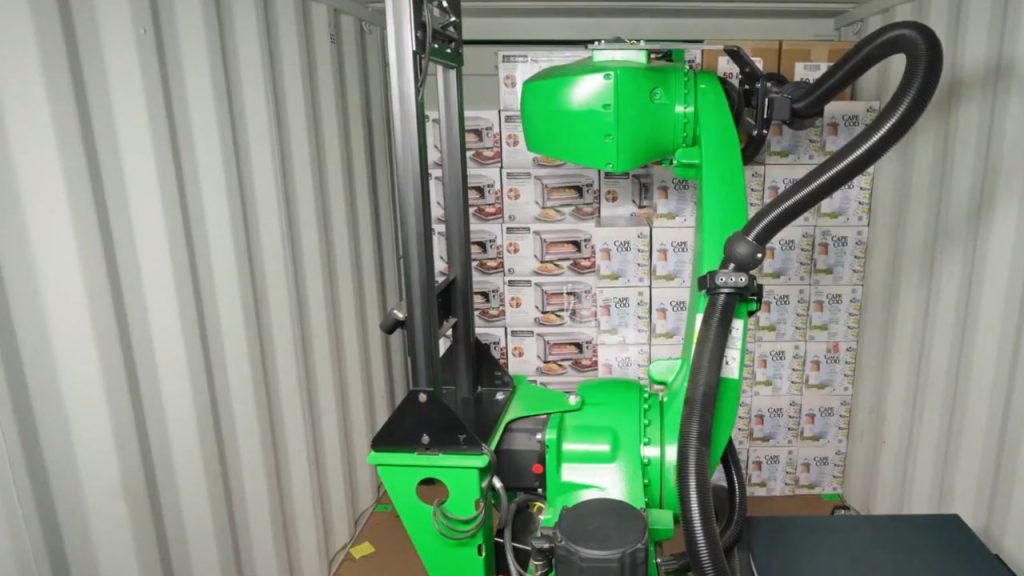
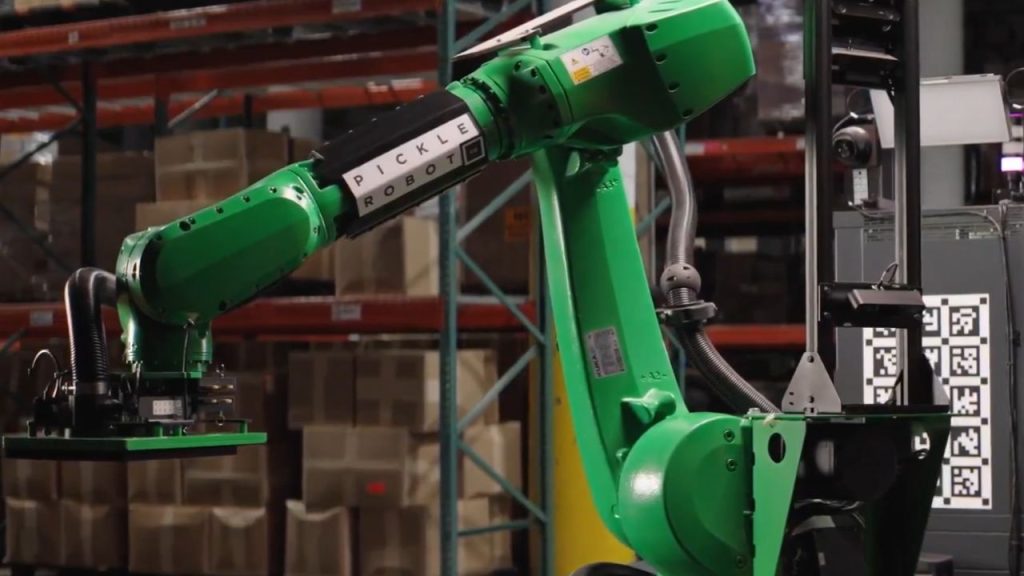
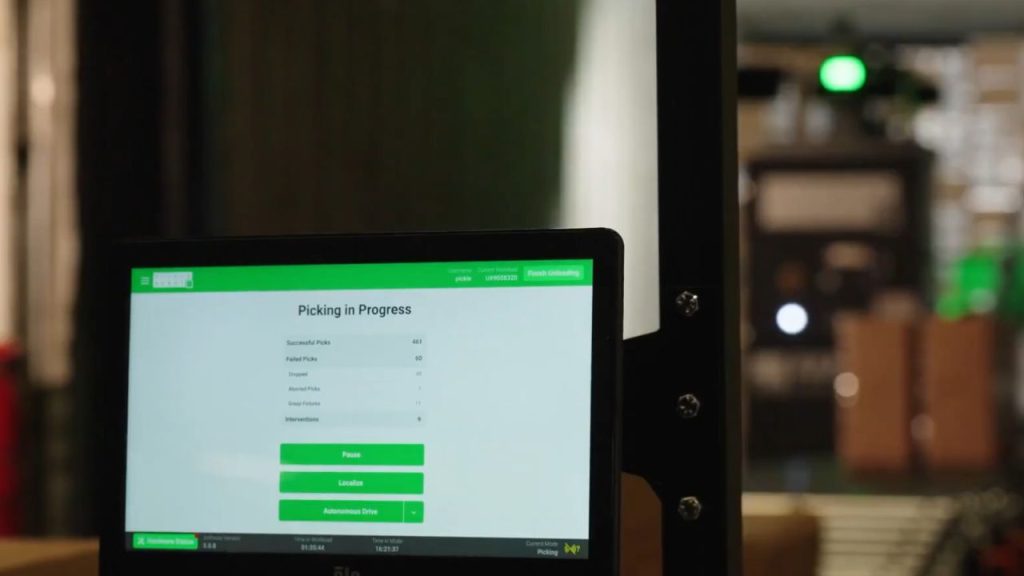
Four hundred Pickle Robots. That’s UPS’s $120 million order for machines that unload trucks, a job previously done by union workers. The broader $9 billion automation plan spans sorting systems, AI‑driven routing, and robotic deployment across more than 60 U.S. facilities through 2028. Over the next few years, UPS plans for a majority of its package volume to run through automated facilities as these projects come online. Think about that shift. Much of every box moving through UPS will be handled without union labor. The settlement protected 7,500 drivers. The robots are replacing entire buildings.
The System Behind Every Ripple
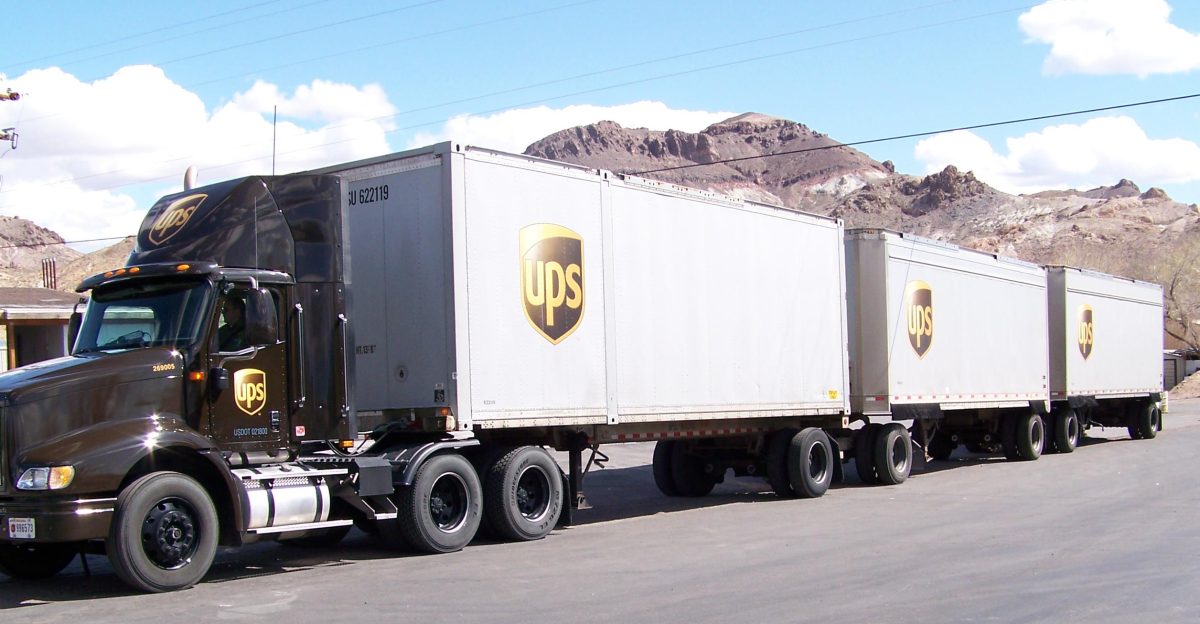
Here’s what connects all of this. UPS isn’t just cutting jobs. It’s replacing the economic model that made union leverage work. Strikes threaten companies because operations stop. But when most volume runs through automated facilities, a driver walkout doesn’t shut down sorting, loading, or routing. It slows the last mile. That’s still painful, but it’s not existential. The $9 billion automation investment doesn’t just save money. It structurally weakens the one weapon unions have always held: the ability to halt production entirely.
A Union Leader’s Hollow Victory Lap
Teamsters General President Sean M. O’Brien declared: “UPS never had the contractual right to unilaterally offer driver buyouts, but with enough pressure and member solidarity UPS finally did the right thing by putting its commitments to hardworking Teamsters down in writing.” He’s right about the legal victory. UPS did violate the contract. The Teamsters did force a settlement. But O’Brien’s 7,500‑driver win sits inside a 30,000‑job cut year. The union won the battle it could see. The one it couldn’t see is four times larger.
The New Rules of American Labor
In 2023, the Teamsters’ contract negotiation nearly triggered what could have been one of the largest strikes in U.S. history, potentially affecting 340,000 workers. That threat forced UPS to the table. Two years later, UPS found a workaround: invest $9 billion in systems that make the next strike threat less devastating. The precedent changes everything. Future contract negotiations happen against a backdrop where automation absorbs more volume every quarter. The severance moratorium expires July 31, 2028. The same year the automation plan is slated to reach full deployment.
Who Wins, Who Loses, What To Watch
Winners: UPS shareholders. The company has increased dividends for 17 consecutive years, with a current annual payout of $6.56 per share and a yield in the mid‑single digits. Every dollar saved through automation flows upward. Losers: the 30,000 workers whose positions vanish through attrition and voluntary separation, outside the settlement’s protections, outside union negotiation. The 7,500 who took $150,000 walk away with cash but no career. And every warehouse worker at every logistics company watching UPS prove that automation can outflank collective bargaining when the capital is large enough.
The Cascade Isn’t Finished
The severance moratorium holds until July 31, 2028. The $9 billion automation buildout is scheduled to complete that same year. When both deadlines converge, UPS will have automated facilities processing the vast majority of its volume and a freshly expired union protection. The next negotiation won’t look like 2023. The Teamsters won’t be threatening to shut down a company that barely needs human hands to move boxes. Same mechanism. Different leverage. Worse outcome. Anybody who thinks this story ends with a $1.125 billion check hasn’t read the fine print.
Sources:
Reuters. “UPS, Teamsters reach settlement that caps driver severance offers.” April 6, 2026.
Teamsters. “Teamsters Reach Strong Settlement with UPS on Driver Severance Packages.” April 5, 2026.
USA Today. “UPS cutting 30,000 jobs, closing 24 facilities in 2026.” January 27, 2026.
New York Times. “UPS Will Cut Up to 30,000 Jobs in 2026.” January 27, 2026.
AInvest. “UPS’s $9 Billion Bet on the Logistics Automation S-Curve.” January 28, 2026.
PR Newswire. “TEAMSTERS REACH STRONG SETTLEMENT WITH UPS ON Driver Severance Packages.” April 5, 2026.