America’s Worst Traffic City Forces Firefighters Onto Electric Motorcycles
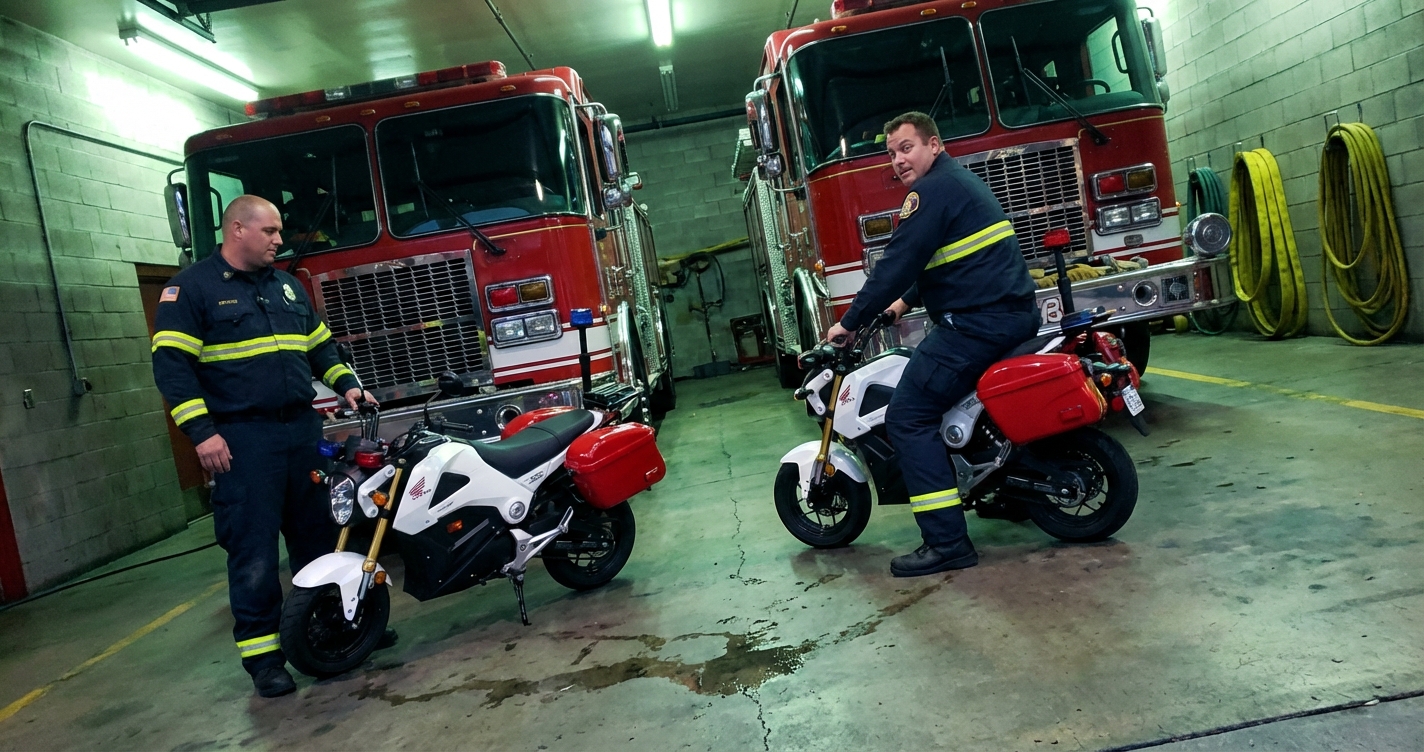
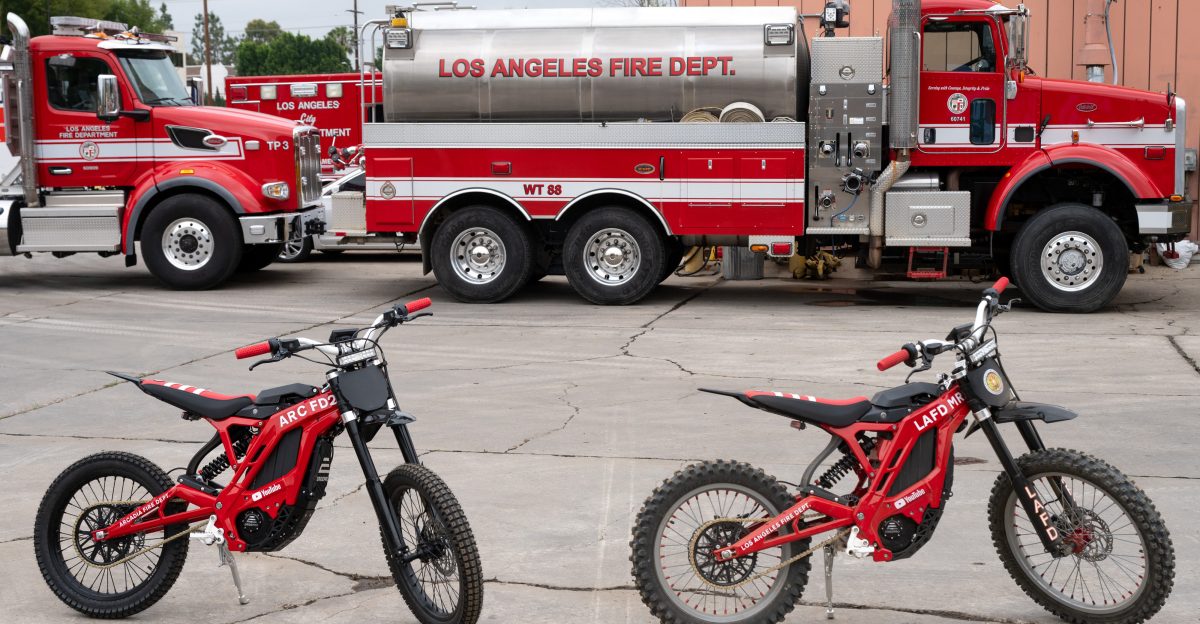
Los Angeles spent over a decade ranked as the world’s worst traffic city, and even after slipping to fourth in the U.S. in 2025, the gridlock remains catastrophic enough to kill people. On April 1, 2026, Google and YouTube donated 30 ERidePro electric motorcycles to the LAFD and Arcadia Fire Department. Not as a gift. As a workaround. Because fire trucks can’t reach patients when every lane is a parking lot. The average LA driver wastes 87 hours a year sitting in traffic. For someone in cardiac arrest, that math turns fatal.
The Infrastructure That Built the Gridlock
LA’s traffic problem is a policy choice, not an act of God. Decades of prioritizing highways over transit, parking lots over density, and private automobiles over every alternative created a city where billions evaporate annually in congestion costs. Chicago, the nation’s most congested city, costs drivers $2,063 per year each, and LA is not far behind. And the emergency response system was designed around the assumption that streets would move. They don’t. Nationally, 49.5% of fire agencies reported worsened response times in 2024 compared to 2023. Traffic was the reason 41.7% of them cited first.
Every Minute Costs Lives
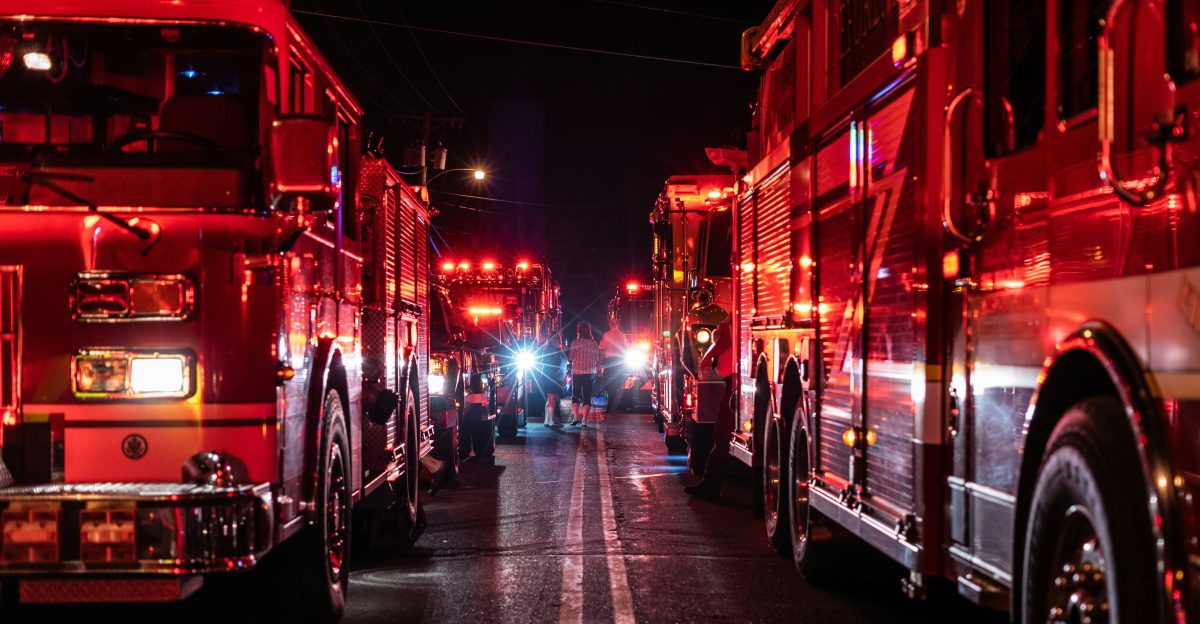
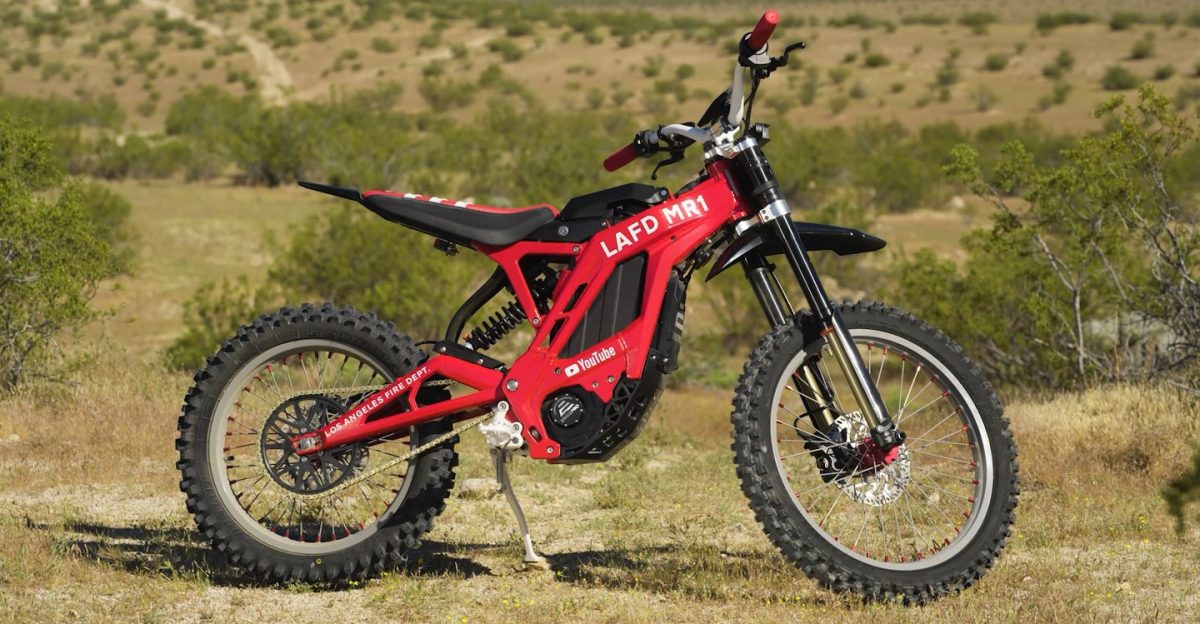
The NFPA benchmark for critical emergency response is five to eight minutes. In cardiac arrest, survival rates drop roughly 6 to 10 percent for every minute of delay. A fire truck stuck six blocks away in bumper-to-bumper traffic on the 405 isn’t a minor inconvenience. It is a death sentence ticking down in real time. These 30 motorcycles hit 0-30 mph in 2.0 seconds, top out at 62 mph, and California law lets them split lanes. The ambulance sits. The motorcycle moves. That gap is measured in heartbeats.
The Business of Filling Government Gaps
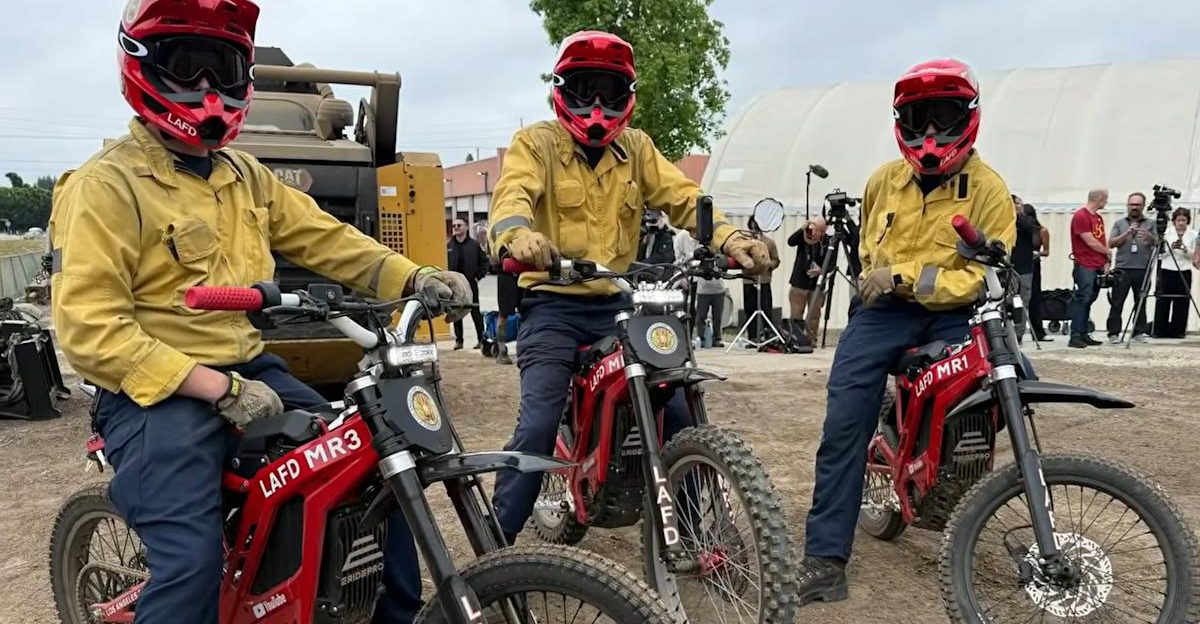
Google and YouTube funded this fleet. Not the city of Los Angeles. Not the county. A search engine company looked at a fire department serving 4 million people and decided the public sector couldn’t handle it alone. LA County has been trimming budgets, eliminating hundreds of vacancies, and absorbing over a billion dollars in wildfire costs from January 2025 alone. When a tech corporation understands your emergency response timeline better than your own government, the problem extends well past traffic. ERidePro and other electric motorcycle manufacturers now see a new market opening.
Wildfire Season Just Got a New Front Line
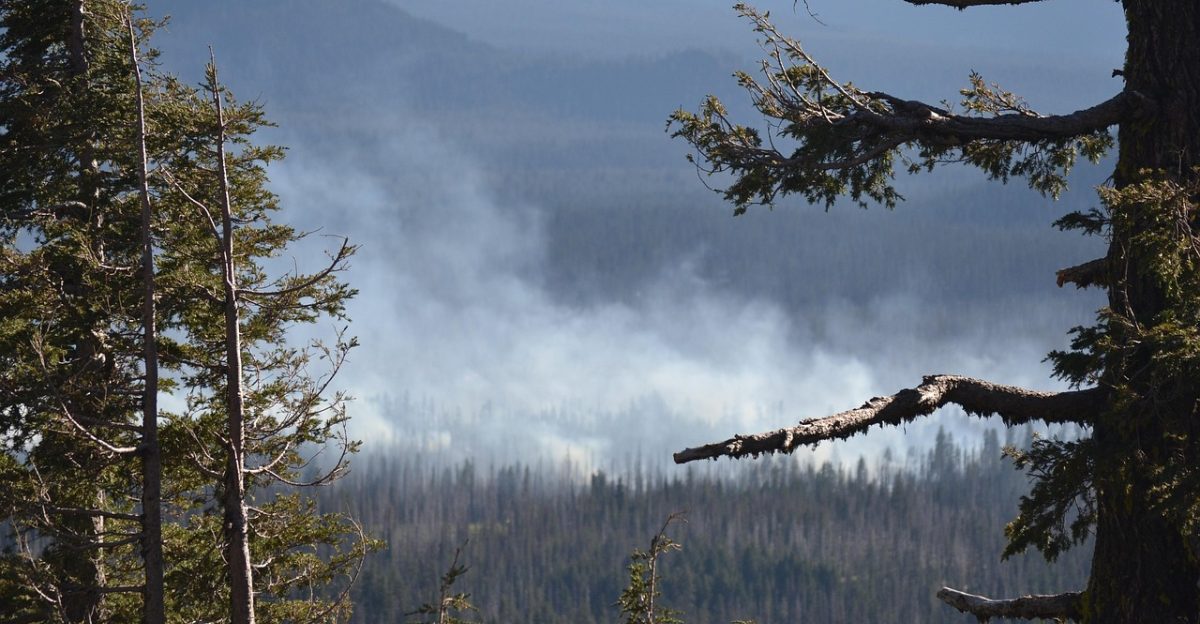
Here is the part almost nobody is covering. These motorcycles are not just traffic tools. They traverse unpaved mountain trails in the Santa Monica and San Gabriel ranges where fire trucks physically cannot go. Their electric motors run quiet enough to detect wildfire sounds and smells that a diesel engine drowns out. Google VP of Sales Adam Stewart framed the donation as helping “to really help them do the work that is so needed.” Translation: wildfire detection via motorcycle patrol is now survival infrastructure. Traffic was the headline. Climate adaptation is the actual investment. Same donation, two completely different crises addressed.
Three Broken Systems, One Band-Aid
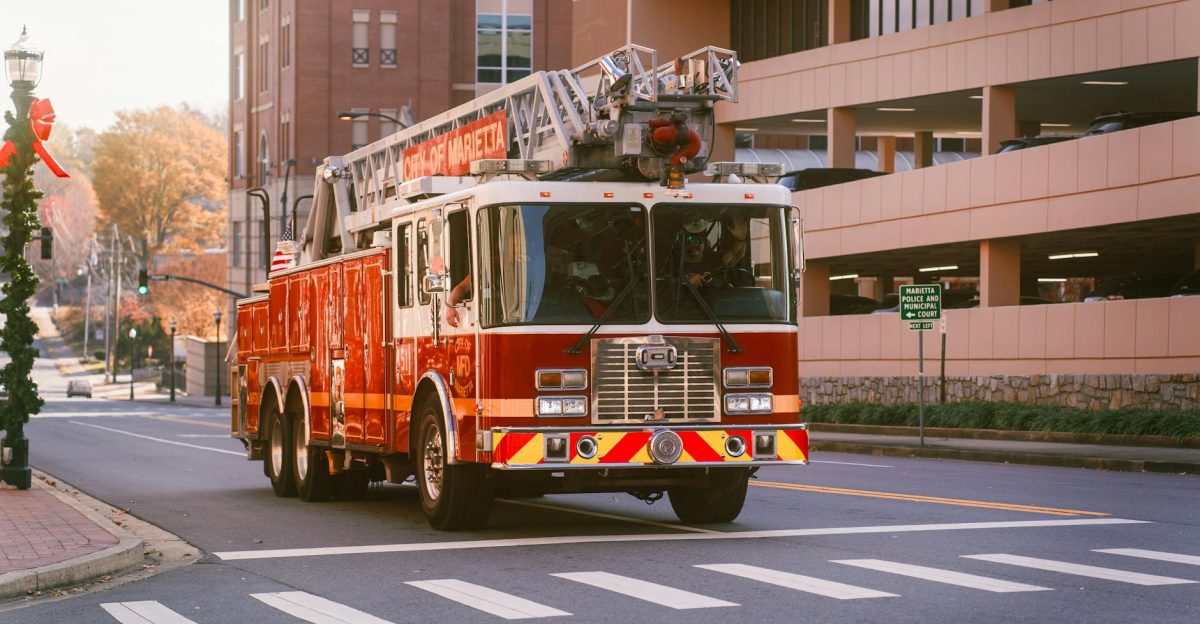
Auto-dependent infrastructure creates gridlock. Gridlock degrades emergency response. Climate change accelerates wildfire season into dense urban zones. Municipal budgets collapse under disaster costs. Corporate donations fill the gap. Same mechanism. Different crisis. Identical result: public safety outsourced to private capital. LA County dispatched 116,521 emergency incidents in Q3 2025 alone. The motorcycles cover 43 miles per charge. Thirty bikes across two departments. Four million residents. The math narrows fast. National crisis. State failure. County budget. Your neighborhood. Your chest pain. Your six-block wait.
‘Time Is Everything’
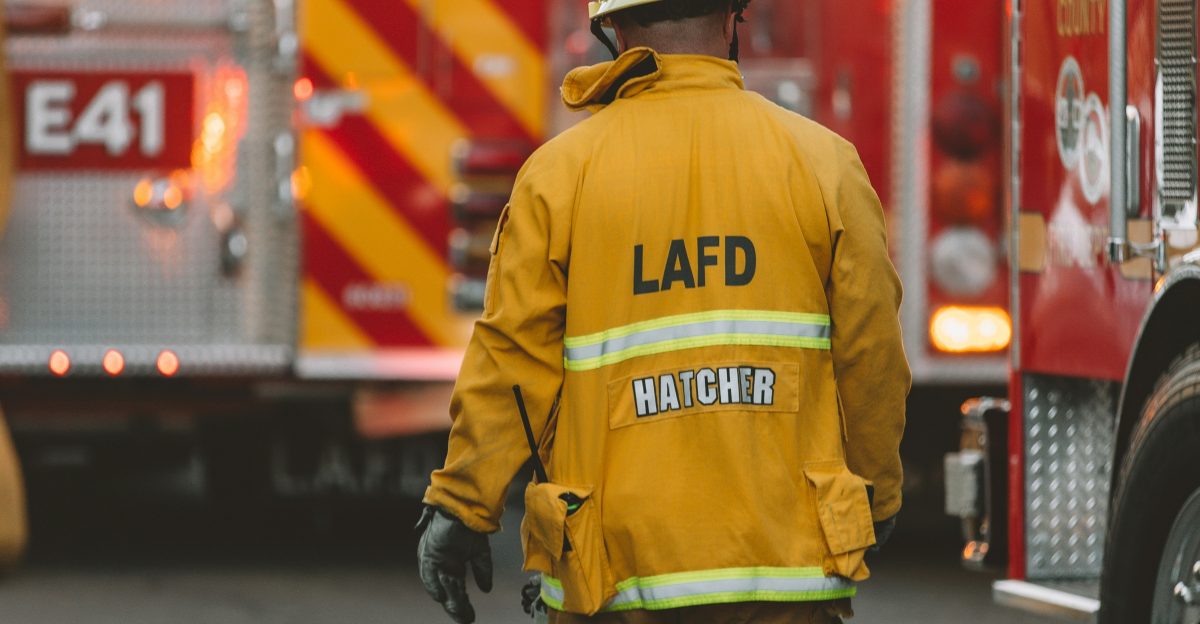
LAFD Chief Jaime Moore said it plainly: “When access is limited, timing is critical. In our line of work, time is not just important, it’s everything.” He runs a department with 3,500 sworn personnel and over 100 neighborhood fire stations. And he is publicly acknowledging that his own city’s streets defeat his own equipment. “These aren’t patrol bikes,” Moore added. “They are mobile medical units assigned to our disaster response section and fully integrated into our dispatch and command system.” That is a fire chief describing a workaround, not a solution.
A Global Shift Already Underway
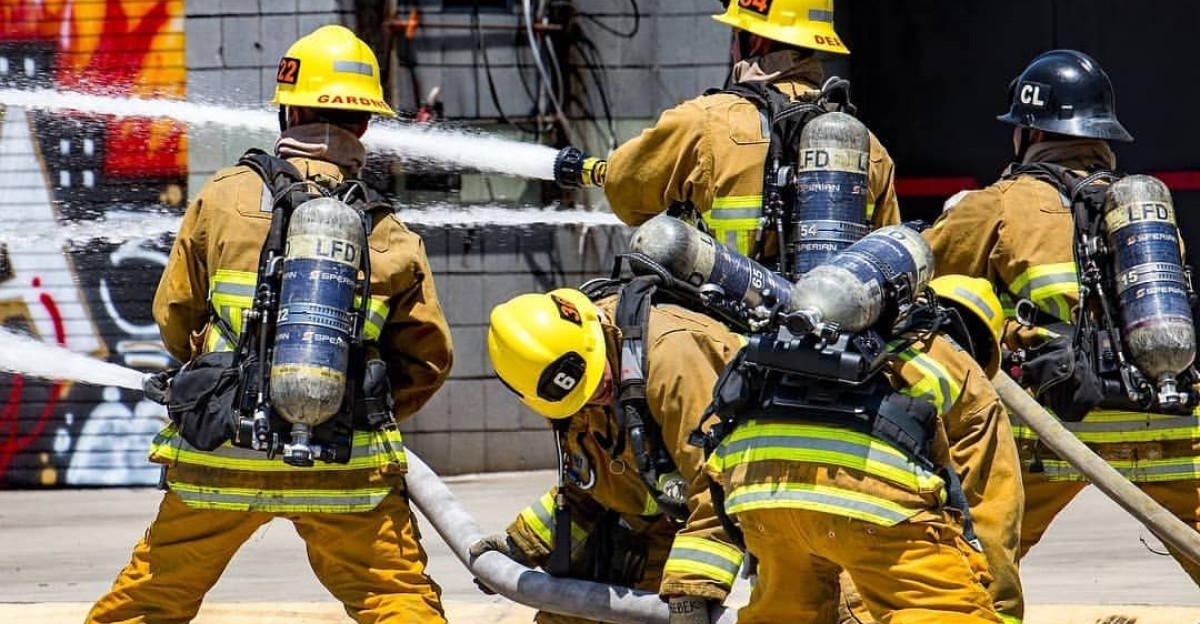
Months before LA’s deployment, Cyprus launched its own rapid response motorcycle program in Limassol in April 2025, reporting faster response times in congested areas. Electric motorcycles are entering police, military, and emergency fleets worldwide. This represents the first major electric motorcycle fleet deployment by a major U.S. fire department, but it will not be the last. The precedent is set: when cities cannot redesign their streets, they shrink their vehicles. Other congested American cities are watching LA’s data. The structural shift from fire truck to motorcycle signals something deeper than innovation.
Who Wins and Who Pays
Electric motorcycle manufacturers win. Charging infrastructure suppliers win. Google wins the PR and the climate adaptation positioning. Traditional ambulance and fire truck manufacturers lose contracts. Gasoline vehicle suppliers lose relevance. And the suburban sprawl model that created the gridlock faces no accountability whatsoever. Politicians will frame 30 donated motorcycles as proof the system works. Which, honestly, is kind of insane. The system broke so completely that a corporation donated the fix. The people who built the highways and killed the transit lines will claim credit for the workaround. That is the real irony here.
The Cascade Is Just Starting
Wildfire season approaches. Traffic will worsen. Response data from the 30 motorcycles will justify expanded fleets. Other cities will request similar corporate donations or fund their own programs. And the root cause, decades of auto-dependent urban design, will remain untouched. The motorcycles reduce emissions by 60 to 80 percent on renewable energy grids. They save minutes that save lives. They are genuinely impressive machines. They are also proof that American cities surrendered on infrastructure and handed the keys to Silicon Valley. Understanding that distinction is what separates someone who read the headline from someone who grasps the whole system.
Sources:
Los Angeles Traffic Is So Bad The Fire Department Got New Electric Motorcycles” — Jalopnik
“LAFD adds electric motorcycles for EMS, rescues in hard-to-reach areas” — FireRescue1
“LAFD adds electric motorcycle fleet for rapid medical response and wildfire detection” — CBS News
“L.A. traffic is getting better. That’s not entirely a good thing” — Los Angeles Times
“INRIX 2025 Global Traffic Scorecard: Traffic Congestion Surges Across the U.S.” — INRIX
“Rapid response rescue motorcycles rolled out in Limassol to cut emergency response time” — Kathimerini English