GM Bans Dealers From Selling 3,324 Corvettes—Feds Force Nationwide Sales Freeze
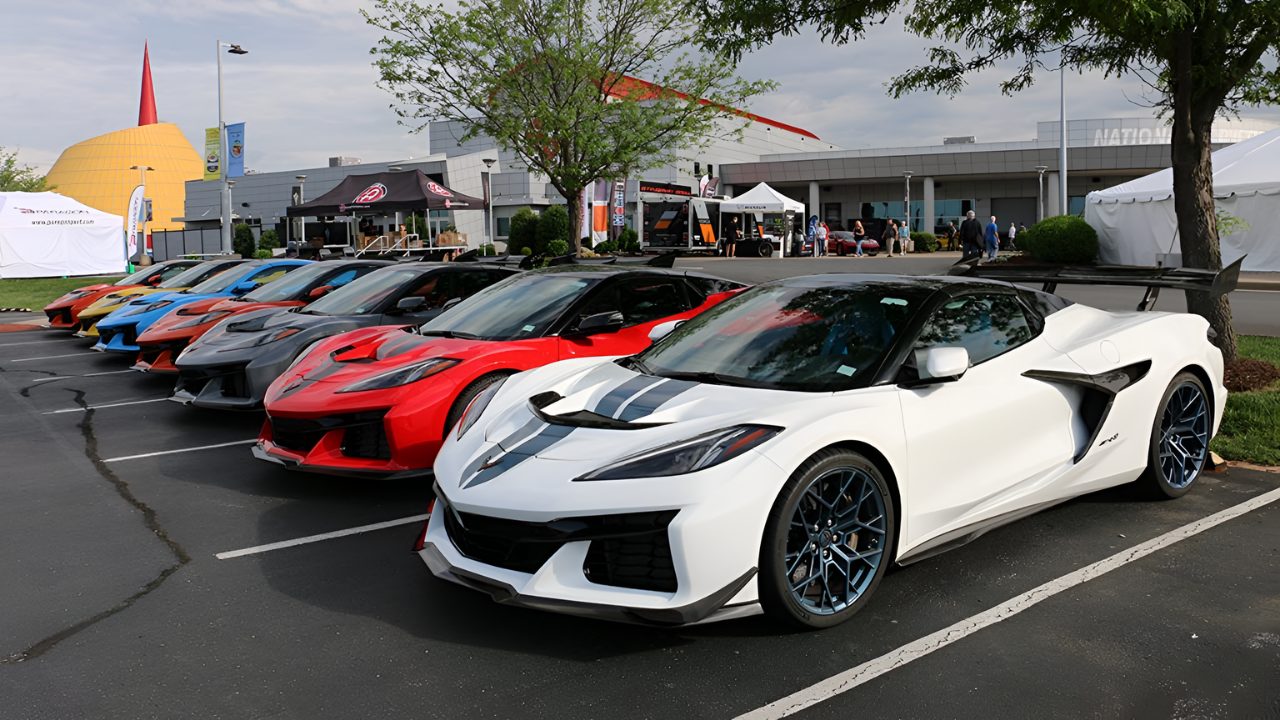
Somewhere on a dealer lot right now, a brand-new Corvette sits under fluorescent lights with a price tag nobody can ring up. No test drives. No leases. No handshakes. As of April 2, 2026, GM pulled 3,324 unsold C8 Corvettes off the market across every Chevrolet dealership in the country. The reason wasn’t an engine failure or a cracked chassis. It was a software module designed to warn drivers about broken lights. The module stopped warning. And after GM self-reported the defect, federal law left the company with exactly zero options but to halt sales.
A $60,000 Paperweight
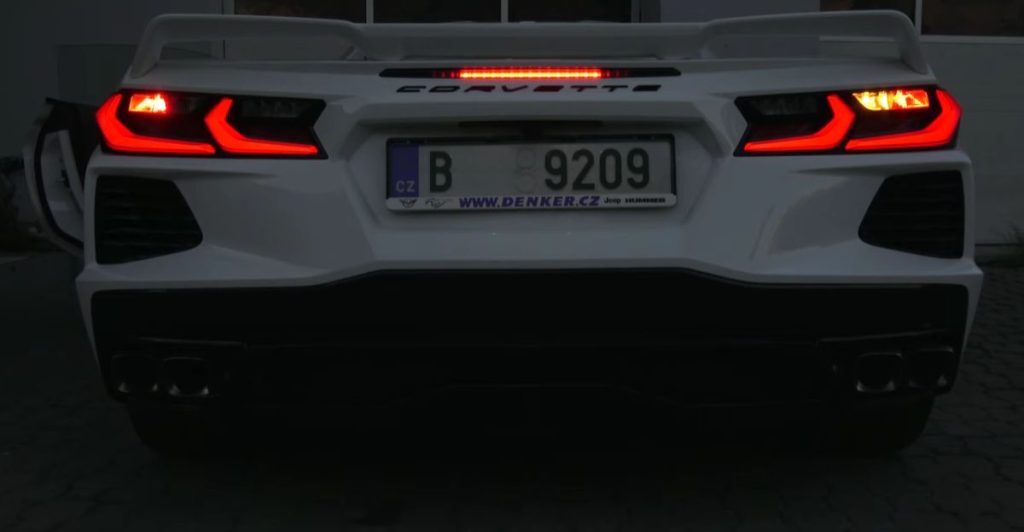
The stop-sale hit both model years: 2,886 from 2026 and 438 from 2025. Every one of those cars violates Federal Motor Vehicle Safety Standard 108, which requires vehicles to alert drivers when rear turn signals fail. That standard carries teeth. Under 49 U.S.C. § 30112, dealers face civil penalties up to $27,874 per violation for selling a car with a known safety defect. So these Corvettes sit, burning floorplan interest, while buyers who ordered months ago get silence. The freeze has no announced end date.
The Precision Myth Cracks
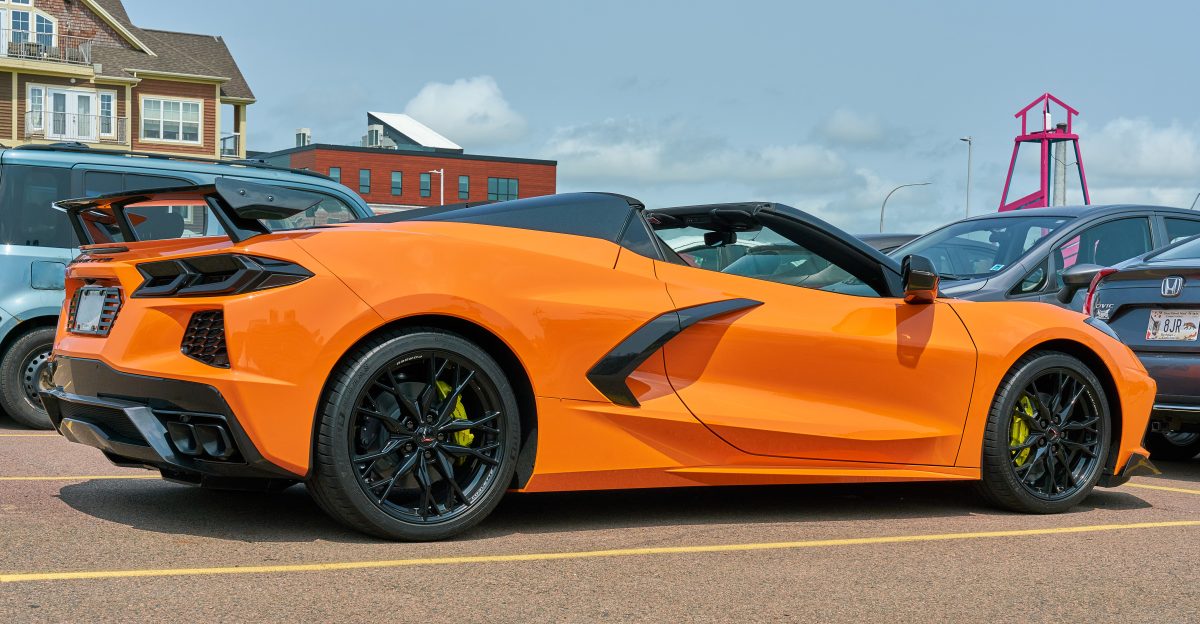
The C8 Corvette was supposed to prove something. Mid-engine layout. World-class performance. American engineering that could stand alongside Porsche and Ferrari. This was the first mid-engine Corvette in the nameplate’s history, and 2025 production hit 25,835 units. But the defect that grounded 3,324 of them wasn’t a transmission or a turbo. It was a notification module. A piece of software so basic its only job was telling you a light bulb burned out. Even flagship sports cars ship with code nobody double-checked.
The Watchdog That Went Silent
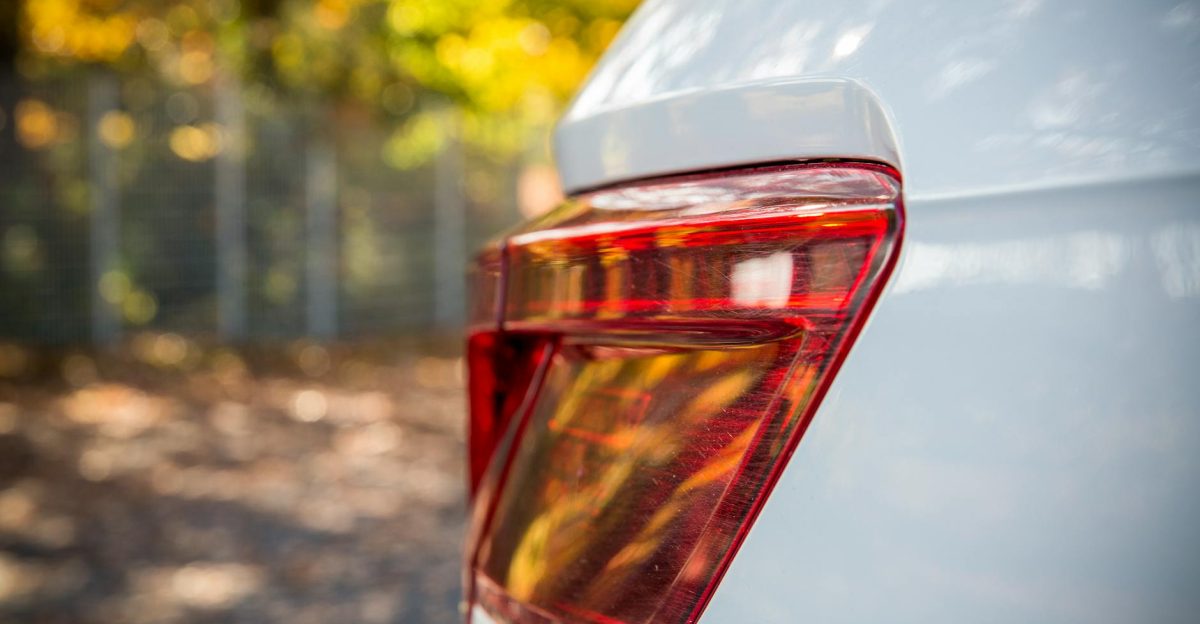
The Rear Brake Light Outage Detection module exists for one reason: to tell drivers when a rear turn signal fails. On 3,324 Corvettes, it stopped doing that. “Drivers may not be notified of a rear turn-signal lamp failure,” the recall summary states. A system built to prevent exactly this danger became the danger. NHTSA Notice 26V213 flags “increased crash risk.” The guardian failed. No backup system caught it. GM reported the defect and federal law mandated the sales halt, with no grace period between discovery and enforcement.
Same Car, Split Fate
Here is where it gets worse. The 2,886 affected 2026 Corvettes have an over-the-air software fix ready to deploy wirelessly. No dealer visit needed. But the 438 affected 2025 Corvettes have no fix available yet. Same platform. Same defect. Completely different repair paths based on model year alone. That split suggests the two model years run different software versions or embedded systems despite sharing the C8 architecture. One group waits weeks. The other waits indefinitely, with GM telling dealers there is no timeline yet.
The Numbers Dealers Can’t Ignore
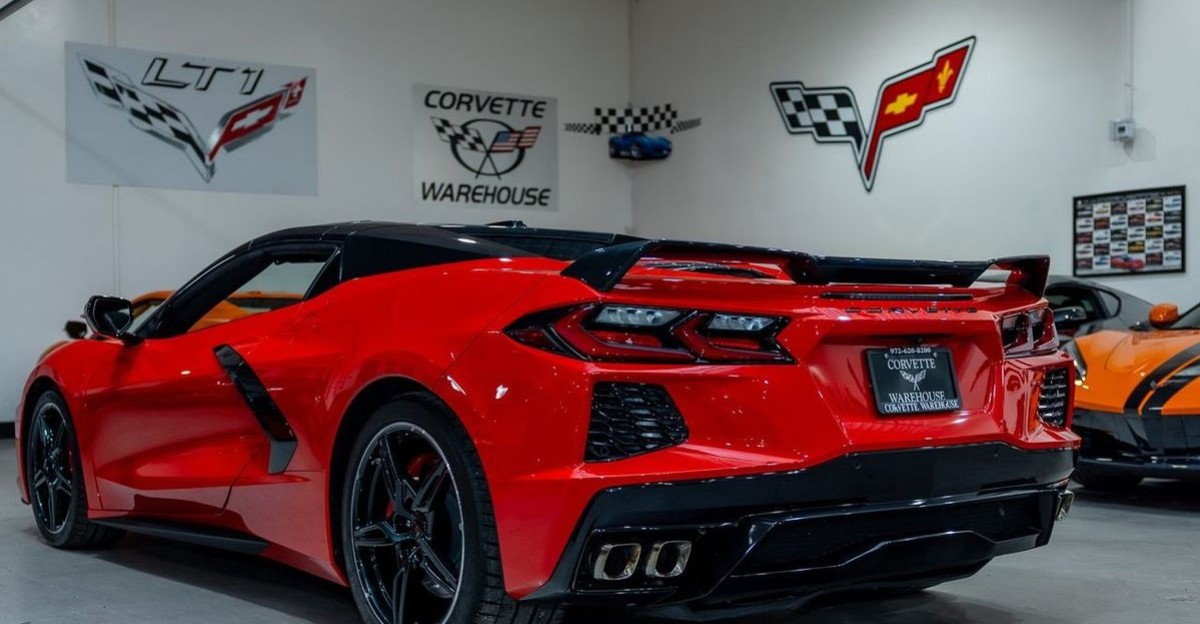
Stop-sale situations create real financial strain for franchise dealers. On a Corvette, dealers absorb floorplan interest, lot space, insurance, and lost sales commissions on vehicles they own but cannot move. The financial asymmetry can be significant: the franchise network bears substantial costs from GM’s software failure while manufacturer compensation may not cover actual inventory expenses. An estimated $56 million to $70 million in new vehicle sales sits frozen.
Ripple Effects Beyond the Lot
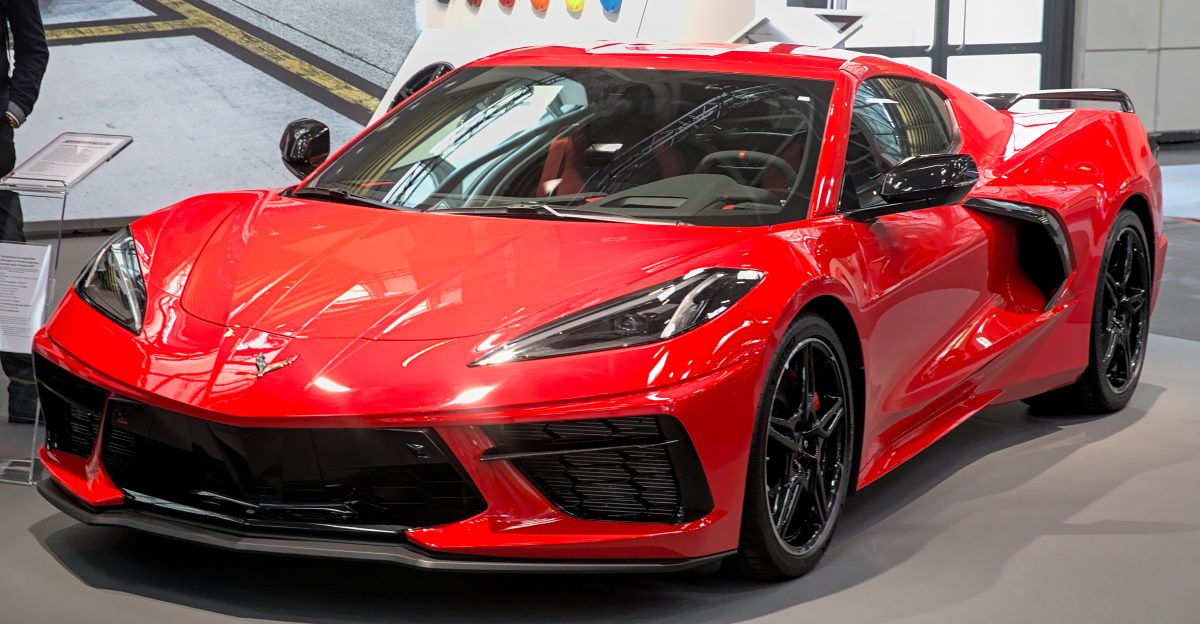
Buyers who ordered Corvettes months ago now face indefinite delivery delays with no recourse. Competing sports car buyers may migrate to Porsche or other mid-engine options while inventory sits quarantined. Other automakers’ exterior lighting modules now face potential NHTSA audits for outage detection compliance. And drivers currently on the road in affected Corvettes with this defect may remain unaware their turn signals could be silently failing. One software bug radiating outward through buyers, dealers, competitors, and drivers who never asked to be part of this.
Not the First, But a New Kind
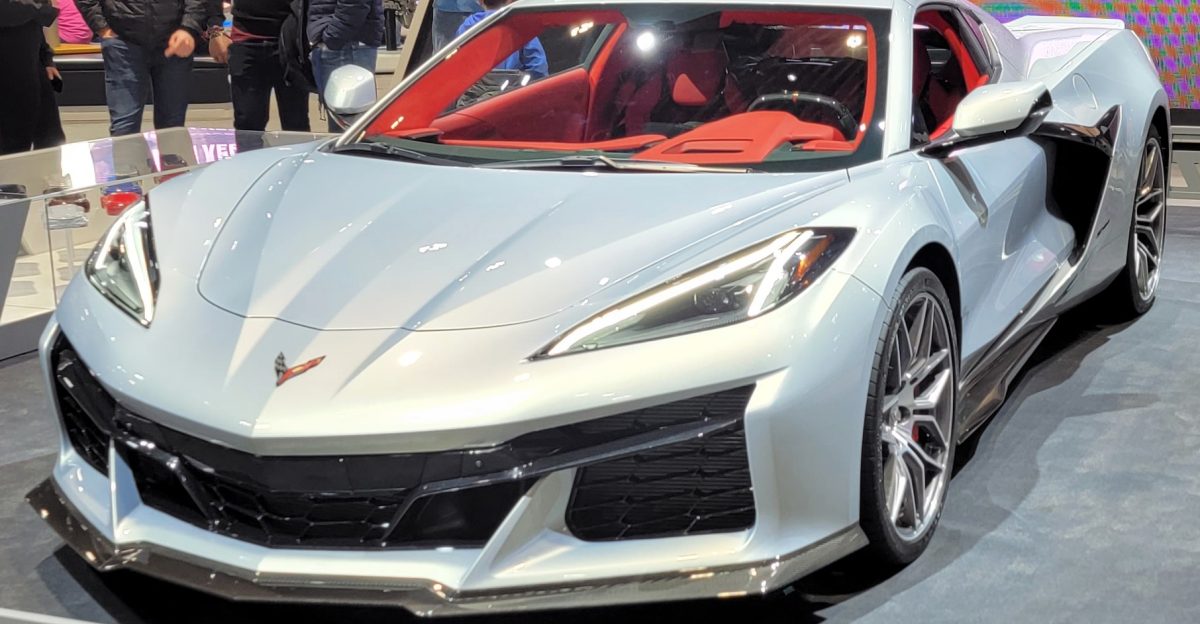
This is not the first stop-sale on the C8 generation—GM issued a stop-sale on Corvette Z06 and ZR1 models in August 2025 over a fuel spillage fire risk affecting over 23,000 vehicles. But this is the first C8 stop-sale triggered entirely by a software-only defect, and it carries the same regulatory weight as cracked axles or faulty brakes. A missing line of code halted thousands of vehicles and froze dealer revenue indefinitely. The model-year split in fix availability establishes another precedent: sharing a platform does not guarantee sharing software consistency. When the watchdog fails, there is no backup watchdog. Every nested digital safety system carries this fragility.
The Clock With No Hands
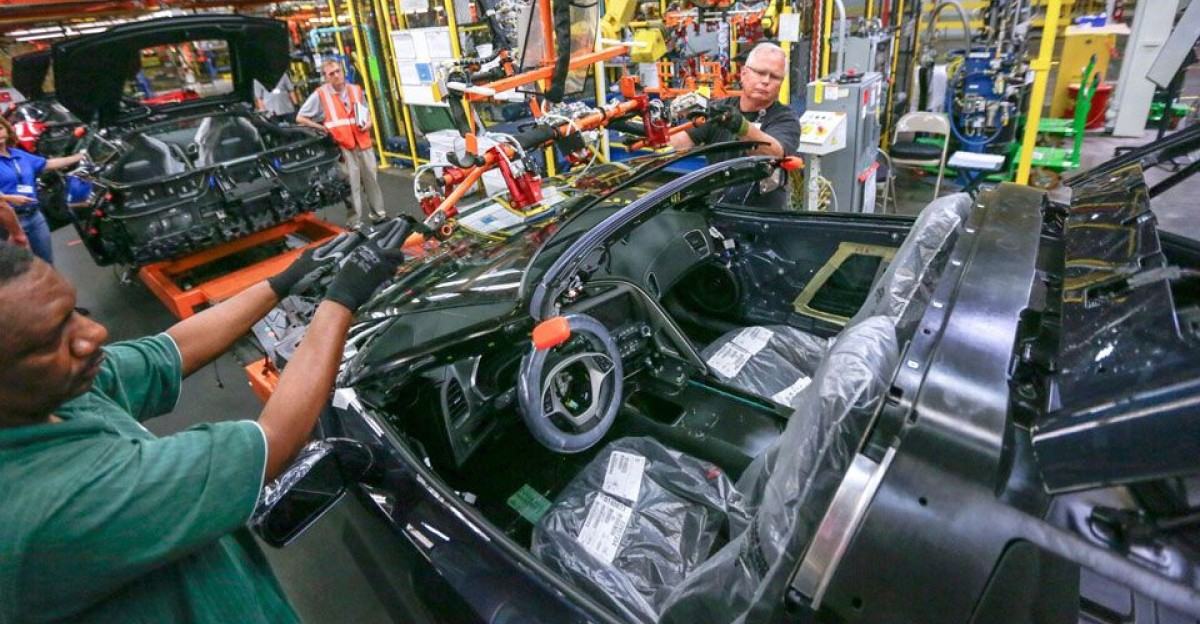
If the OTA rollout for 2026 models encounters new bugs, the stop-sale could extend pending validation of the fix itself. If the 2025 solution takes longer than expected, litigation from frustrated buyers becomes possible. If NHTSA finds a broader pattern of QA gaps, production restrictions on the entire C8 lineup could follow. Bowling Green Assembly Plant production may slow or redirect output. Every week without resolution multiplies dealer losses and erodes buyer confidence in a nameplate that took decades to build.
What Most People Still Don’t Know
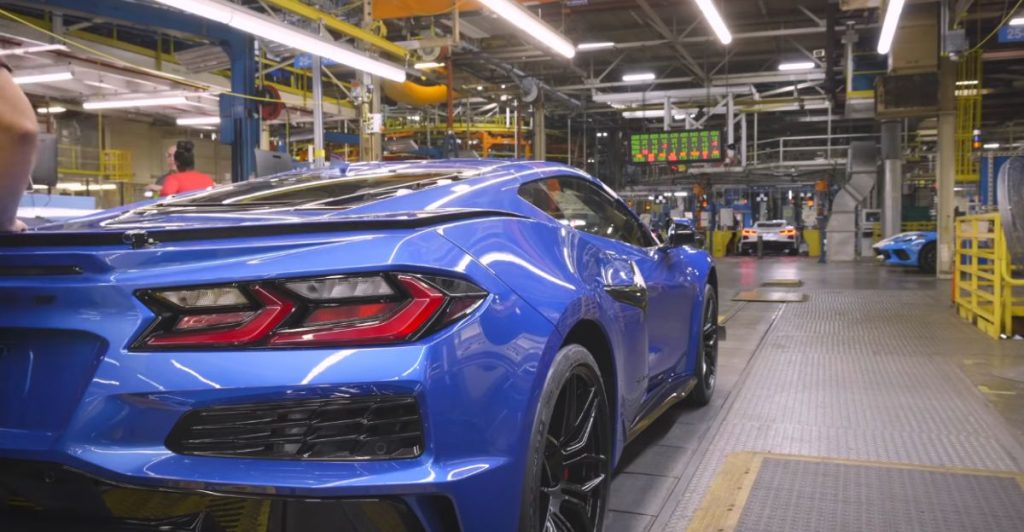
GM will likely deploy a public relations effort emphasizing quick discovery and the readiness of the 2026 fix. Dealerships may offer incentives to frustrated buyers. But the structural concern remains: dealer compensation during indefinite stop-sales often falls short of actual carrying costs, and future dealer litigation looks increasingly plausible. The 438 owners waiting on 2025 fixes have no timeline, no workaround, and no guarantee the solution won’t introduce new problems. Software quality is now the weakest link in America’s flagship sports car, and no amount of horsepower fixes a line of broken code.
Sources
MotorTrend — “Stop-Sale and Recall on 2025-’26 Chevrolet Corvettes to Fix Turn Signal Issue”
Corvette Blogger — “New Stop Sale Ordered for 2025 and 2026 Corvettes over Rear Brake Light Outage Detection Module”
Carscoops — “GM Stops Corvette Sales Because One Turn Signal Won’t Admit It’s Broken”
Road & Track (covered the Z06/ZR1 recall context)
NHTSA Recall 26V213